
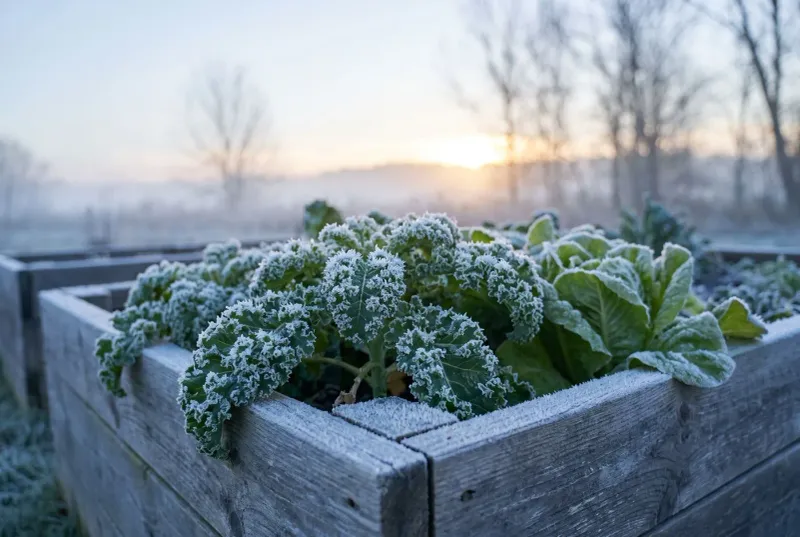
Cold nights in North Carolina do something sneaky to certain vegetables. They turn starch into sugar, so a carrot pulled in January can taste almost like candy.
The good news is that you still have time to plant a few crops before Thanksgiving, especially in the Piedmont and coastal plain. Here are eight vegetables worth tucking into your beds now, plus how to time them for your part of the state.
1. Garlic
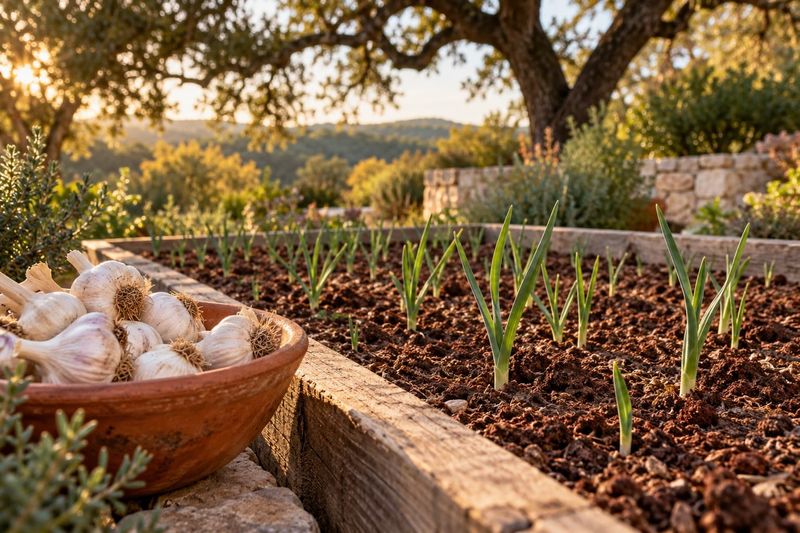
Ask any longtime Tar Heel gardener which crop they never skip in November, and garlic usually comes up first. It needs a cold spell to form fat, divided bulbs, and our winters deliver exactly that chill without freezing the ground solid for months.
Plant individual cloves pointy side up, about 2 inches deep and 6 inches apart. In the mountains, aim for mid-October to early November.
Piedmont gardeners can plant from late October through mid-November, while coastal plain growers often go right up to Thanksgiving week.
Softneck types like Inchelium Red handle eastern NC humidity well, and hardnecks like Music tend to shine in cooler western counties. Cover the bed with 3 to 4 inches of shredded leaves or straw.
That mulch can help hold soil moisture and keep weeds down until you harvest in late May or June.
2. Spinach
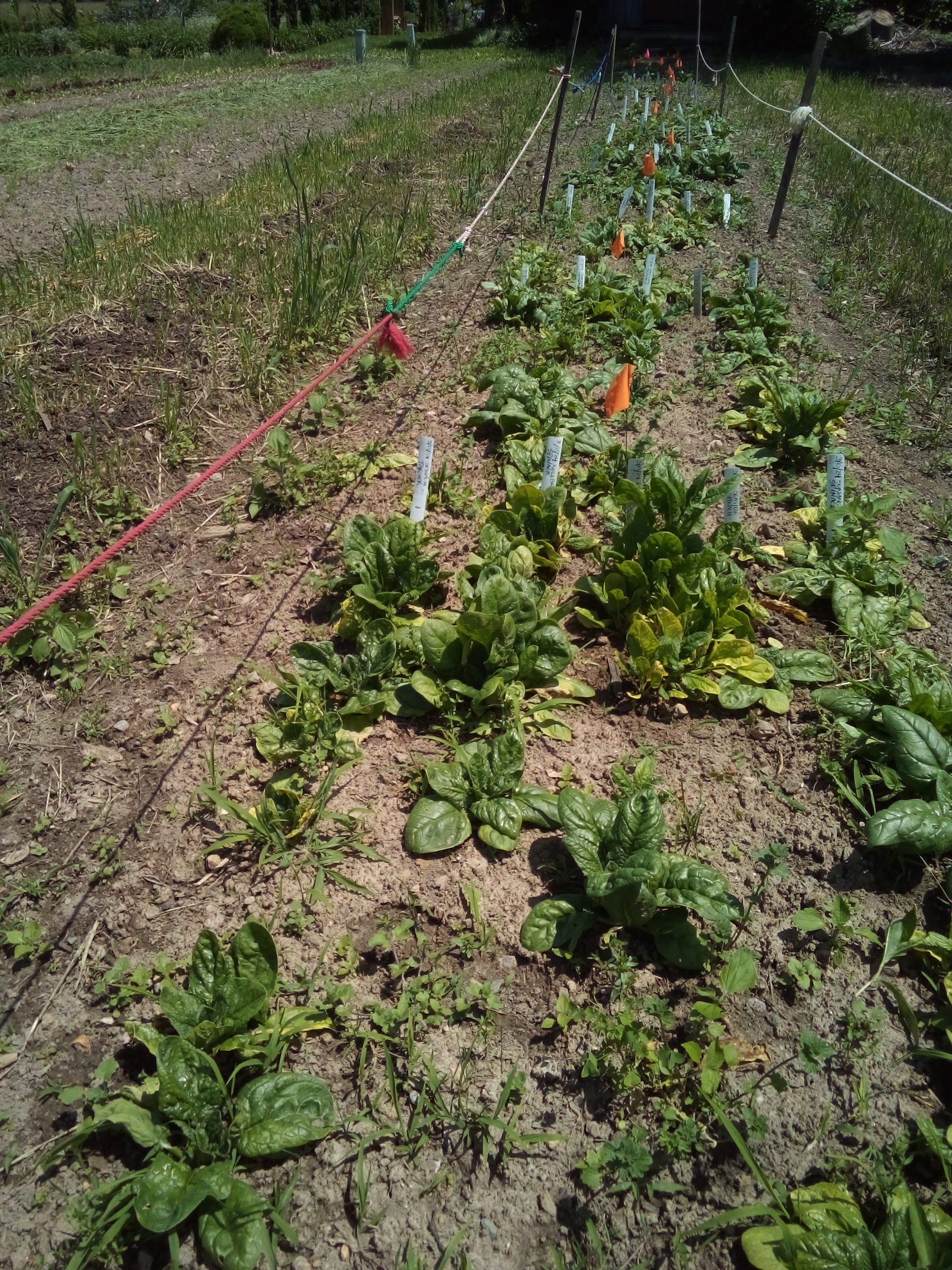
Frost-kissed spinach is a different vegetable from the floppy bagged stuff at the store. After a few nights in the 20s, the leaves get thicker, crinkly, and noticeably sweeter, because the plant builds sugars to protect itself from freezing.
Sow seeds directly about half an inch deep in loose soil. Piedmont and coastal gardeners can still sow through early November, and seedlings will grow slowly through winter before taking off in February.
Mountain growers should use a cold frame or row cover this late in the season.
Savoy varieties like Bloomsdale tend to tolerate cold better than smooth-leaf types. Pick the outer leaves and let the center keep producing.
With a little luck and a cheap layer of frost cloth on the coldest nights, one fall sowing may feed you salads into April.
3. Collards
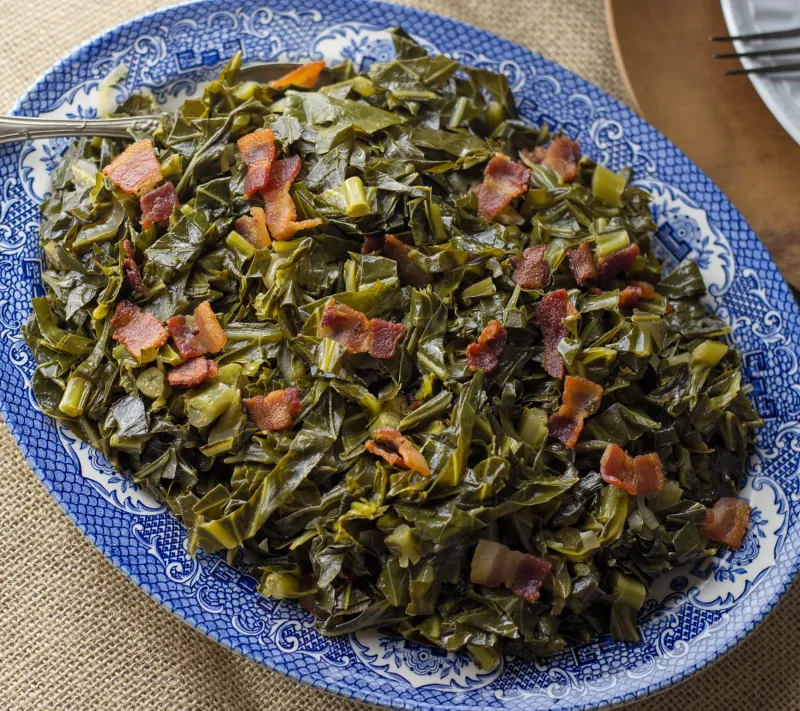
No Southern New Year’s table feels complete without a pot of collards, and the best ones grow right through a Carolina winter. Old-timers swear greens are never good until they’ve been frosted.
Science mostly backs them up, since cold sweetens the leaves and softens their bitter bite.
Seeding is too slow this late, so pick up transplants from a local garden center. Set them 18 inches apart in a sunny spot by early November in the Piedmont, or mid-November near the coast.
Mountain gardeners are usually better off waiting until spring.
Georgia Southern and Vates are dependable picks that can handle temperatures into the teens once established. Harvest the lower leaves first and leave the growing tip alone.
A single row can keep producing until bolting season in spring.
4. Onion Sets and Transplants
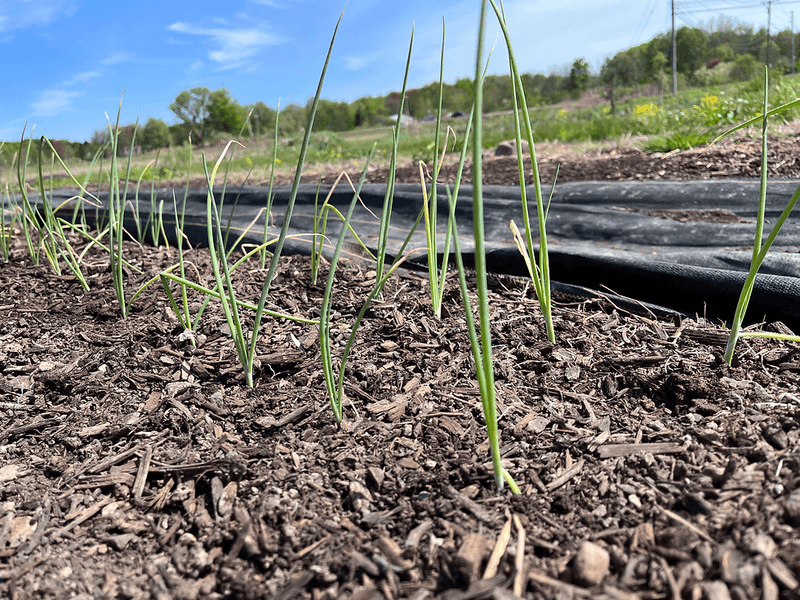
Here’s a crop that rewards patience. Onions planted in fall spend winter building roots, then bulb up fast when spring days lengthen, giving you sweet, juicy onions by early summer.
For North Carolina, short-day and intermediate-day varieties work best. Granex, the same type grown for Vidalia onions, does well in the coastal plain and eastern Piedmont.
Candy, an intermediate type, is a solid choice for the central and western Piedmont.
Plant transplants or sets 1 inch deep and 4 inches apart from late October into November. Skip this crop in high-elevation mountain gardens, where hard freezes may heave young plants out of the soil.
A light straw mulch helps the rest of the state get through winter.
Fun fact: onions plant themselves by daylight hours, not temperature, which is why picking the right day-length type matters so much.
5. Carrots

Pull a carrot in mid-January and take a bite right there in the garden. That crunchy sweetness is the whole reason to try a late sowing.
The trick is speed. Sow carrot seed by early November in the coastal plain, or late October in the Piedmont, and keep the soil moist until seedlings appear.
Short, quick varieties like Danvers Half Long or Nantes handle the shorter days better than long, slow types.
Once tops are a few inches tall, pile on mulch. The carrots will simply sit in the ground like a living refrigerator, and you can dig them as needed all winter.
If you live in clay-heavy Piedmont soil, a raised bed filled with loose compost makes a big difference.
6. Kale
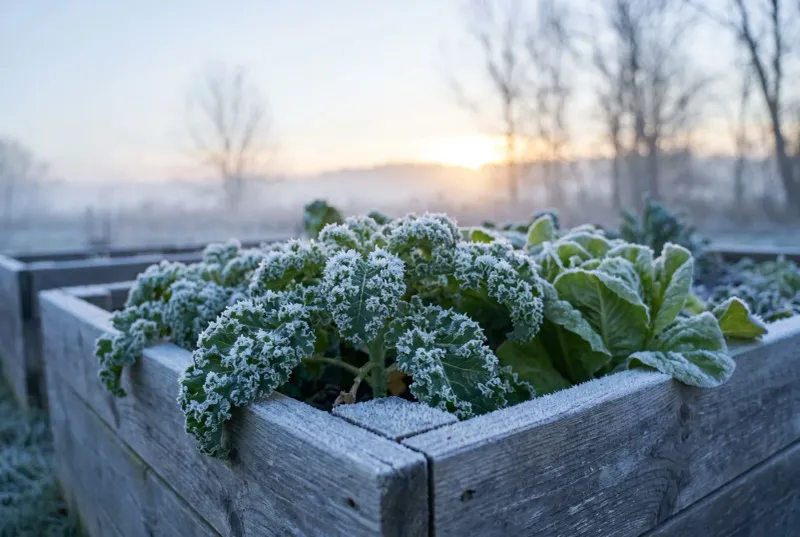
Kale might be the toughest plant in your whole garden. Varieties like Winterbor and Red Russian can shrug off nights in the low teens, and they taste better after each cold snap.
Transplants set out by mid-November in the Piedmont and coastal plain will establish before the deepest cold. Space them about 15 inches apart in full sun.
Lacinato, sometimes called dinosaur kale, is a little more tender, so give it frost cloth on nights forecast below 20 degrees.
Winter has a hidden bonus, too. Cabbage worms and aphids mostly vanish once temperatures drop, so you get clean, chewed-free leaves without spraying anything.
That makes kale an easy win for gardeners who want food without fuss.
7. Radishes
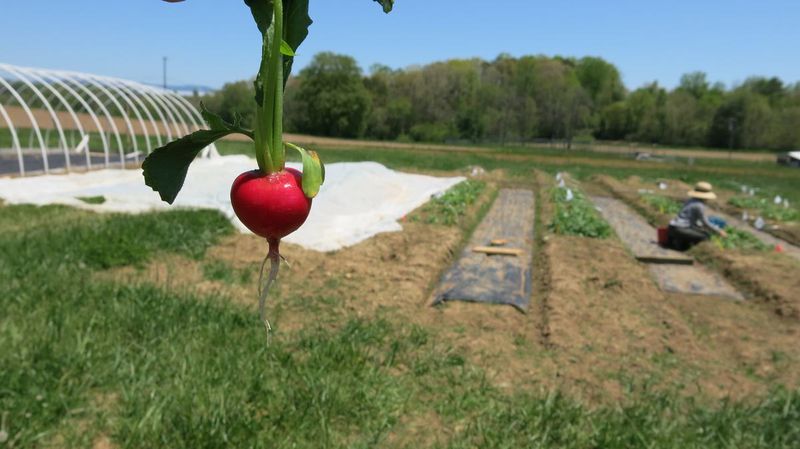
Impatient gardeners, this one is yours. Radishes go from seed to plate in roughly 25 to 35 days, so a sowing in early November can give you a crunchy harvest just in time for holiday relish trays.
Cool weather keeps them crisp and mild instead of woody and spicy. Sow seeds half an inch deep wherever you have a gap in your beds.
Cherry Belle and French Breakfast are classic quick picks.
Got more room? Try a few daikon radishes too.
Their long roots punch through compacted Piedmont clay and may help loosen soil for spring crops. Many gardeners leave some in the ground to break down over winter.
8. Turnips
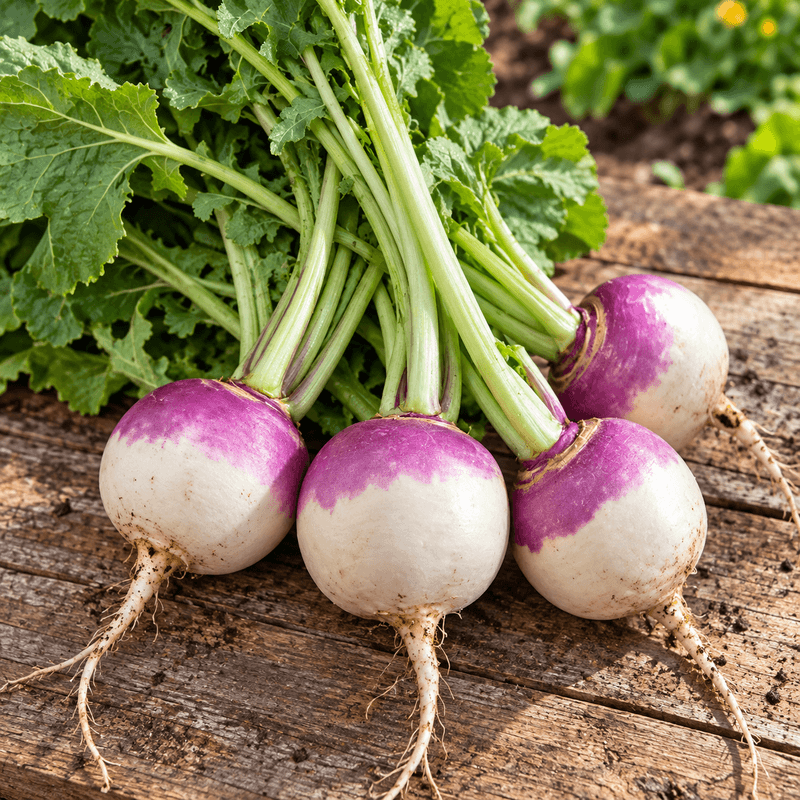
Grandma’s garden almost always had a turnip patch, and for good reason. You get two harvests from one seed packet: tender greens in a few weeks and sweet roots a bit later.
Purple Top White Globe remains the go-to in North Carolina. Scatter seed thinly by early November in the Piedmont, or as late as mid-November along the coast.
Thin seedlings to about 4 inches apart, and toss the thinnings into soup.
Roots are best harvested when they’re about the size of a tennis ball. Cold weather keeps them mild and slightly sugary instead of sharp.
Mulch the row heavily and you can usually pull turnips through most of the winter, a simple and thrifty way to keep fresh food coming until spring planting starts again.