
Florida summer can be rough on a flower bed. The sun is fierce, the soil dries fast, and afternoon storms can flatten weak plants in minutes. Some flowers, though, seem built for the job and keep giving color when others quit. Here are seven bold bloomers that handle Florida heat with far less fuss.
1. Firebush
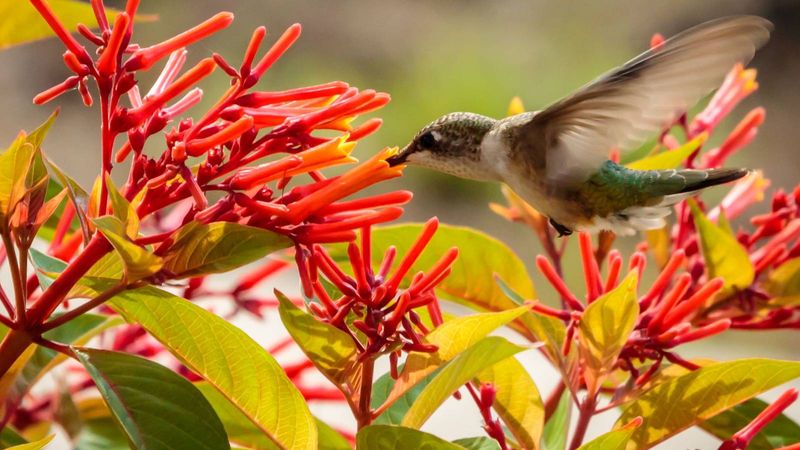
A flash of orange-red firebush near a porch can feel like the garden flipped on its own porch light. In Florida heat, this native shrub does not just cope, it often looks happier as the days get longer and hotter.
Firebush stands out because it brings steady flowers and wildlife value at the same time. Hummingbirds, zebra longwings, gulf fritillaries, and other pollinators use the tubular blooms, so one plant can make a yard feel busy and alive without much extra work.
Florida gardeners also like that established firebush handles sandy soil better than many showier shrubs. Give it full sun for the heaviest bloom, water it while it settles in, then let it grow into a relaxed, colorful screen or background plant.
In South Florida it may stay evergreen, while North and Central Florida freezes can knock it back. Even then, it often returns from the roots in warm weather, which makes it a tough pick for gardeners who want summer color with a native-plant backbone.
2. Pentas
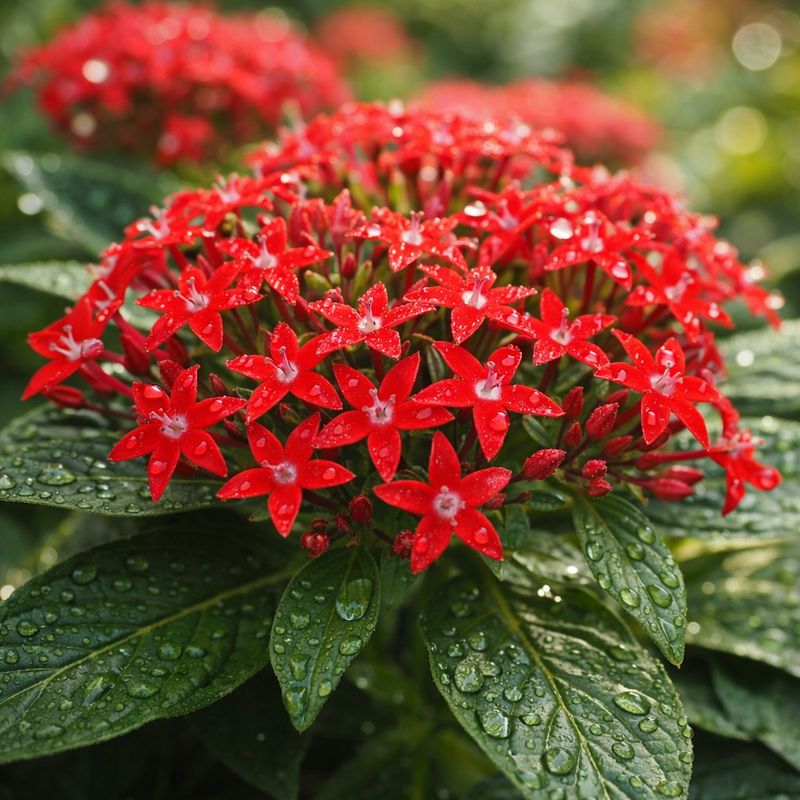
Butterflies seem to find pentas before people do. Plant a few clusters near a walkway, and the tiny star-shaped blooms can turn a plain sunny bed into a landing pad for swallowtails and skippers.
Pentas earn their spot because they bloom in bold clusters for months, especially in warm Florida weather. Red, pink, lavender, white, and deep rose varieties give gardeners plenty of color choices without needing a fussy cottage-garden setup.
They are especially useful in containers, borders, and pollinator beds where sandy soil and heat make softer annuals fade. Regular water helps them look their best, but they are not as dramatic about summer stress as many cool-season flowers.
For the strongest show, place pentas where they get plenty of sun and decent air flow. A light trim now and then keeps them bushy, and removing tired flower heads can encourage fresh blooms, though many gardeners still get good color with a fairly laid-back routine.
3. Gaillardia
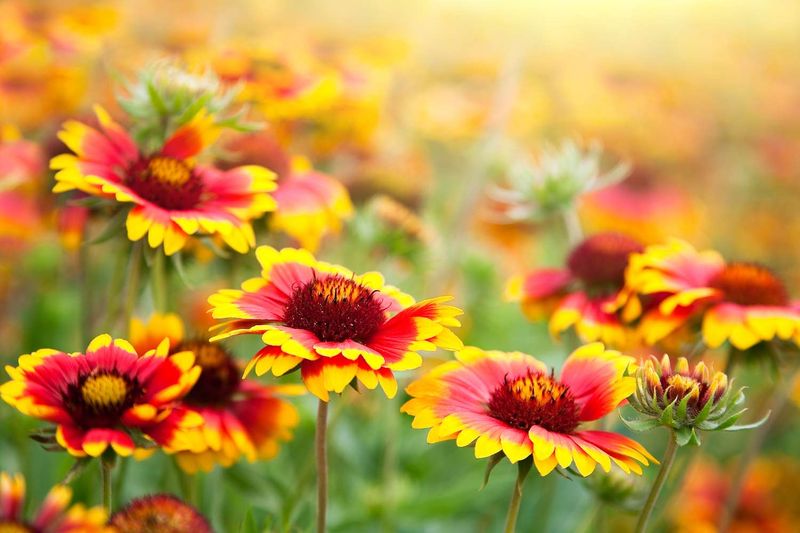
Few flowers look as cheerful in punishing sun as gaillardia. Its red, orange, and yellow daisy-like blooms have a beachy, sunburn-proof look that fits right into Florida landscapes.
Gaillardia, often called blanket flower, is different from many summer bloomers because it is especially comfortable in poor, sandy, fast-draining soil. That makes it a smart choice for spots where richer, thirstier flowers struggle and where irrigation is not always reliable.
Native gaillardia species are found in Florida, and they bring a wildflower feel without looking messy when used well. They work beautifully along driveways, mailbox beds, sunny borders, and coastal-style gardens where salt and dry spells can be part of the deal.
Deadheading can keep the flower show going longer, but leaving some seed heads may invite birds and allow a few volunteers to pop up. Just avoid planting it in soggy soil, since wet feet are far more likely to cause trouble than summer heat.
4. Blue Daze
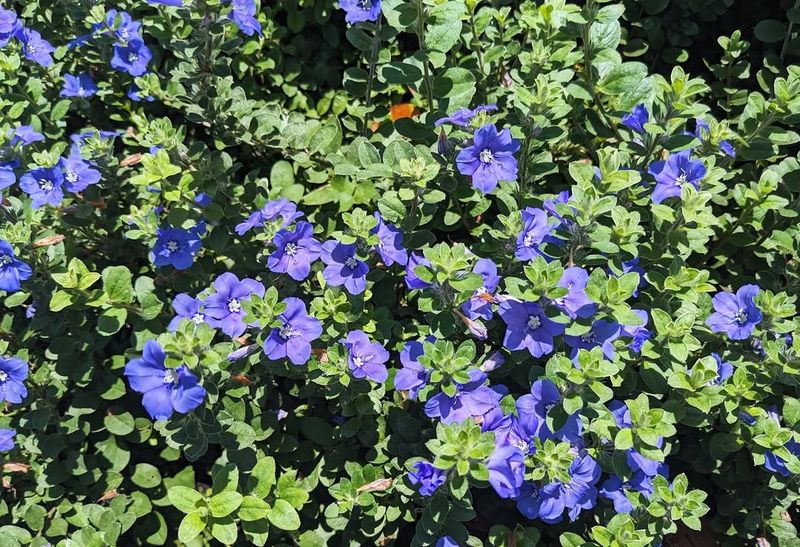
True blue flowers are not always easy to find, which is why blue daze feels like a little garden trick. Its small sky-blue blooms open against silvery-green leaves, bringing a cooler color to beds that are packed with hot reds, oranges, and yellows.
Blue daze shines as a low, spreading plant for sunny edges, containers, and hanging baskets. It is not trying to be tall or dramatic, and that is exactly its strength, since it softens borders and spills nicely without blocking other plants.
Florida heat is where it usually performs best, especially when planted in well-drained soil. Sandy beds can work well as long as the plant gets enough water during dry stretches, because containers and shallow beds can dry out quickly in summer.
Rainy spells may slow the flower display for a bit, but sun usually brings the blue back. In colder parts of Florida it may act more like a warm-season annual, while frost-free areas can enjoy it for much longer.
5. Scaevola
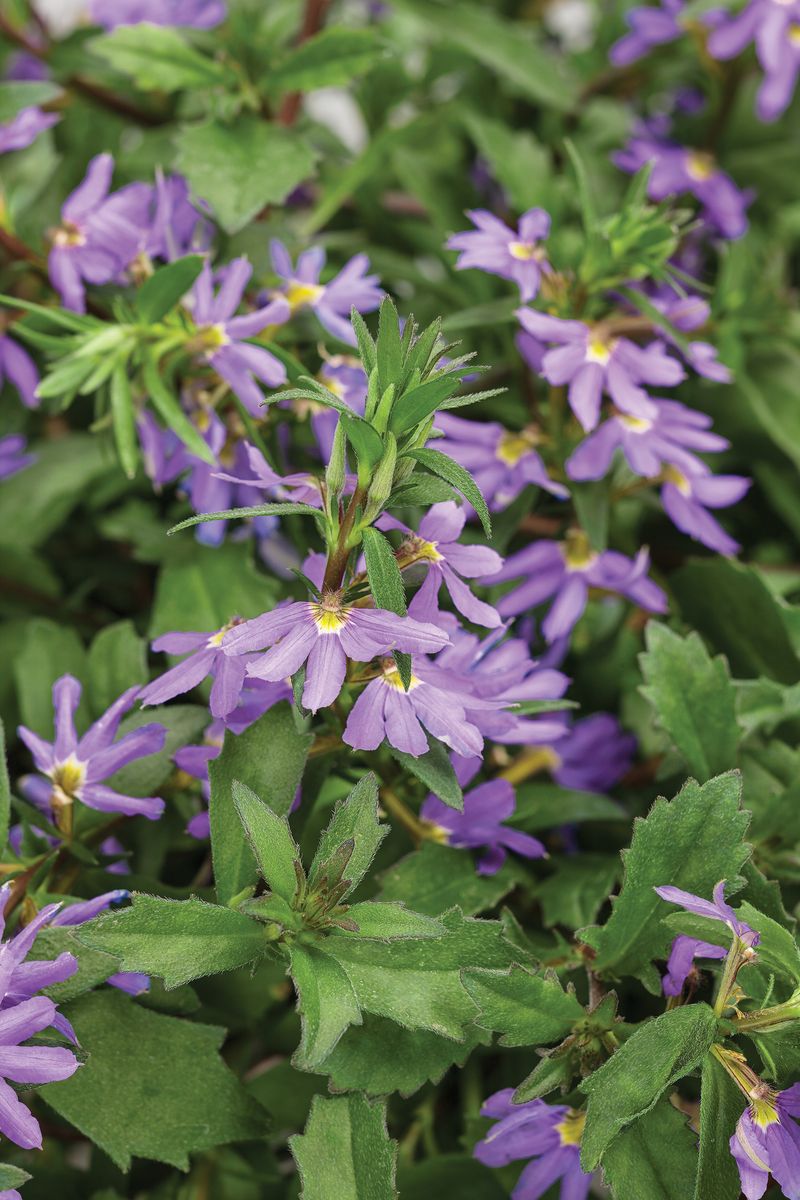
Scaevola looks like someone snipped each bloom in half on purpose. The fan-shaped flowers give baskets and containers a playful, windswept look that feels right at home on a Florida patio.
Its biggest advantage is endurance in places where many container flowers collapse by midsummer. Scaevola handles heat, sun, and breezy coastal conditions well, and it keeps trailing without needing constant pinching or pampering.
Purple and lavender-blue types are common, but white and pink selections can also fit softer color schemes. Use it to spill over pots, raised planters, window boxes, or the front of a sunny bed where drainage is sharp.
For Florida gardeners, the main trick is avoiding soggy soil. Afternoon storms are part of summer life, so containers need drainage holes and a light potting mix that does not stay swampy after every downpour.
Once established, scaevola has a tidy habit that makes it feel almost self-cleaning. That low-maintenance style is a relief when the rest of the yard is demanding mowing, storm cleanup, and mosquito control.
6. Tropical Sage
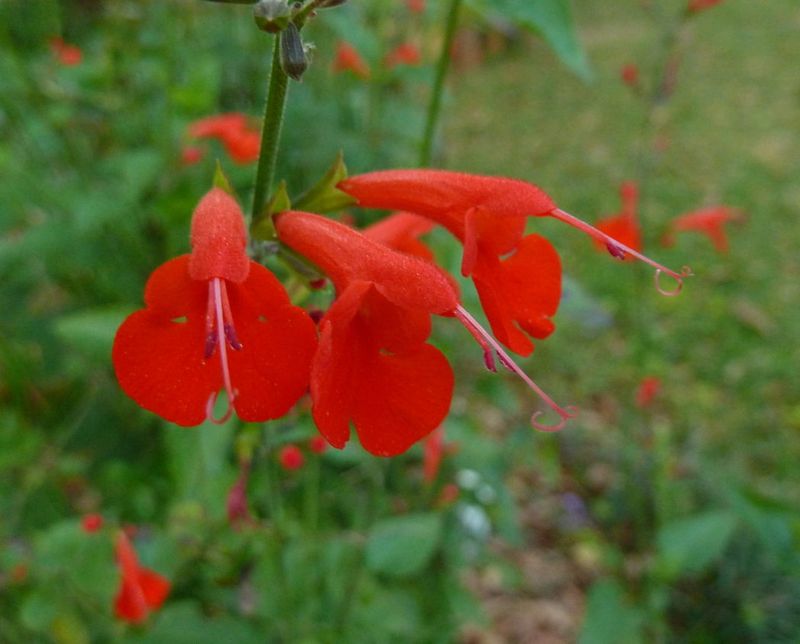
A patch of tropical sage can look delicate at first, then surprise you by blooming through sticky, stormy weather. The red-flowered form is especially good at catching the eye of hummingbirds as they zip through the yard.
Tropical sage, also known as Salvia coccinea, is a Florida native that brings a looser, more natural look than many bedding plants. It is a strong fit for gardeners who want pollinator value without turning the yard into a high-maintenance project.
Unlike heavier shrubs, it tucks into small spaces easily. It can grow in full sun to part shade, which helps in Florida yards where palms, fences, and oak limbs create shifting light during the day.
Flowers may be red, pink, or white depending on the selection, and the plant can reseed in friendly ways when conditions suit it. Seedlings are usually easy to manage, and many gardeners welcome them because they fill bare sandy spots with quick color.
Cutting back leggy stems can refresh the plant and encourage new growth. After storms, that simple trim is often all it needs to bounce back and keep feeding bees, butterflies, and hummingbirds.
7. Porterweed
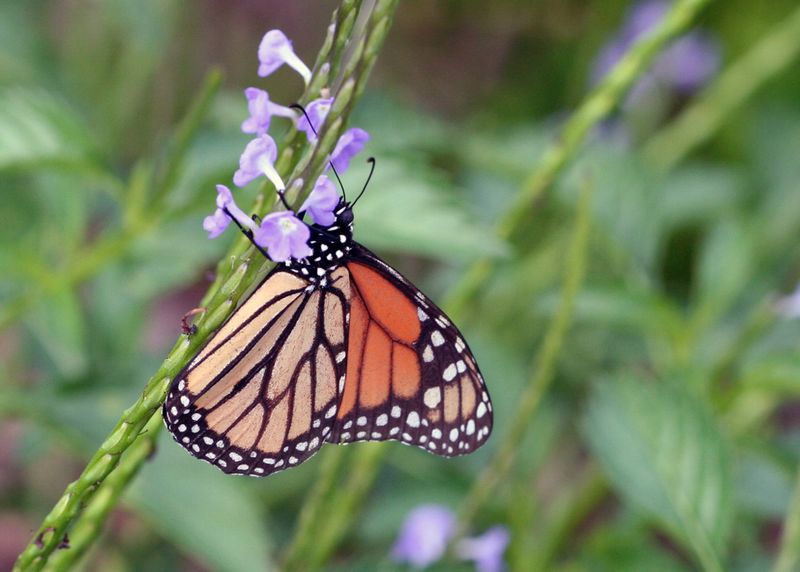
Watch porterweed on a warm afternoon and the plant almost seems scheduled for visitors. Butterflies pause at the slim flower spikes one after another, giving the garden movement as well as color.
Porterweed belongs on this list because it is a pollinator magnet with a different shape from the usual round or daisy-like bloom. Its flowers appear along narrow spikes, creating a light, airy texture that blends well with firebush, pentas, and native grasses.
Florida gardeners should choose native porterweed when possible and be careful with nonnative types that can grow larger or behave differently. Local extension guidance and native plant nurseries can help identify the right species for your area.
Once established in a sunny, well-drained spot, porterweed can handle the hot season with surprising grace. It appreciates water during dry spells, but it does not need the constant fuss that many thirsty ornamentals demand in sandy soil.
Use it where you can see the action, such as near a patio, kitchen window, or garden path. The flowers are small, but the butterfly traffic makes the whole plant feel bold.