
You own the land, so you can dig up or haul off anything you want, right? Not always.
In North Carolina, some plants, animals, and even old objects in your yard are protected by state or federal law, and removing them yourself can bring big fines. Knowing what is off-limits keeps your wallet safe and helps protect wildlife and history that make our state special.
1. Venus Flytraps
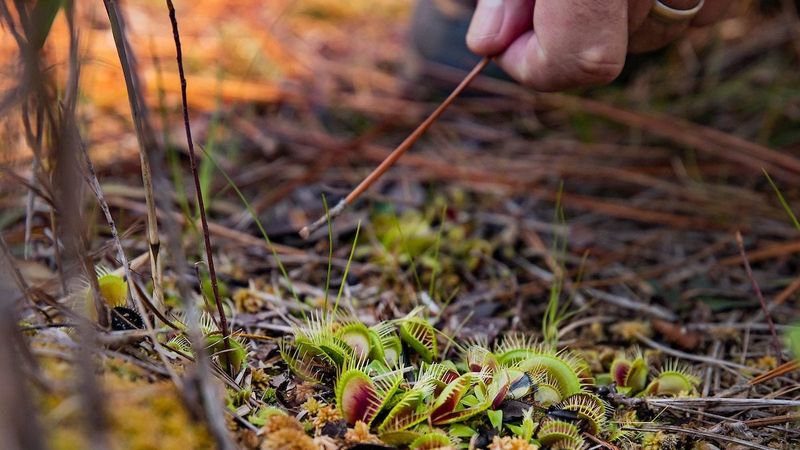
Picture a tiny green mouth snapping shut on a fly. Venus flytraps grow wild in only one small corner of the world, within about 90 miles of Wilmington.
If you live in the coastal plain, one might be sitting in a damp, sandy patch of your yard right now.
Since 2014, digging up a wild flytrap in North Carolina has been a felony. That is not a typo.
Poaching got so bad that lawmakers made it a crime punishable by fines and even jail time, and that applies whether the plant is on public land or private property.
Want flytraps in your garden? Buy nursery-grown plants from a licensed seller.
Leave the wild ones right where they are, because each one is a living piece of NC history.
2. Active Bird Nests
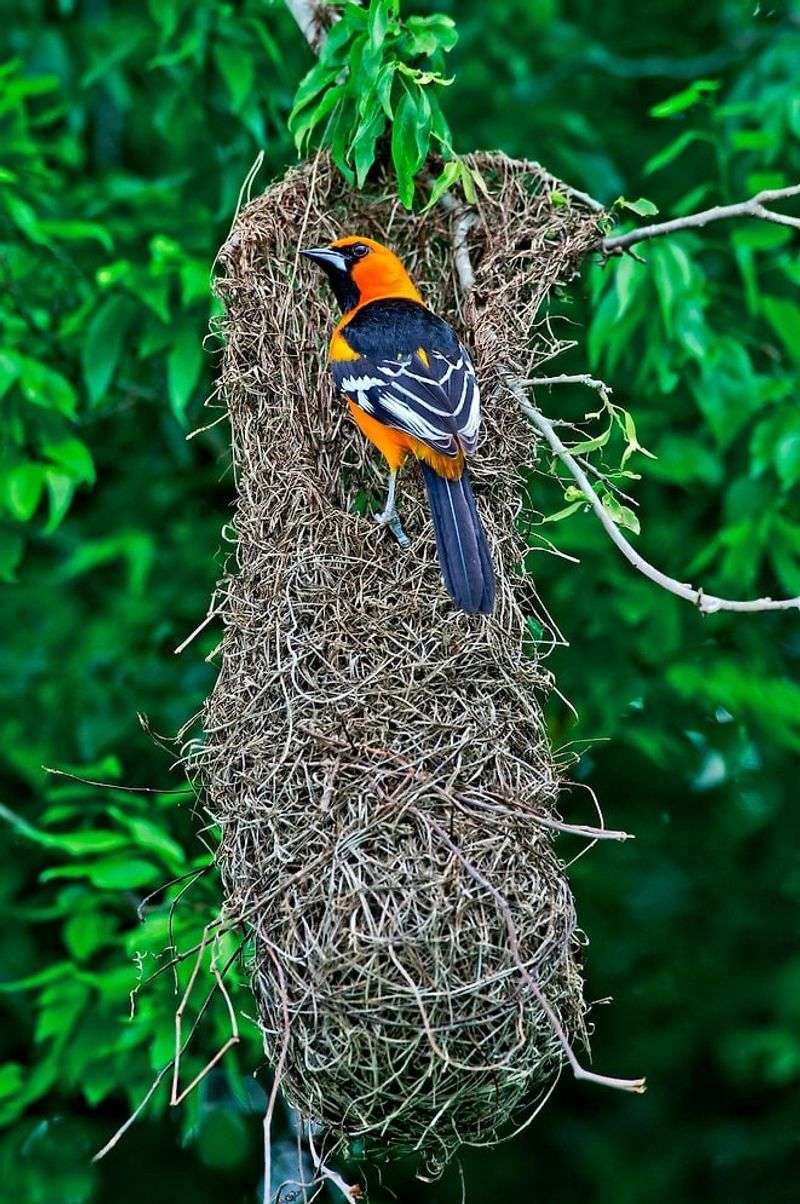
A robin builds a nest in your porch wreath, and suddenly your front door feels like a construction zone. It is tempting to just knock it down.
Under the federal Migratory Bird Treaty Act, though, that move could cost you.
Most native birds in NC, from cardinals to Carolina wrens, are protected. Destroying an active nest with eggs or chicks is illegal without a permit.
The good news is that nesting season is short. Wait a few weeks until the babies fly off, then remove the empty nest.
Non-native species like house sparrows and starlings are the exception, but if you are unsure, call your county wildlife office first.
3. Bald Eagle Nest Trees
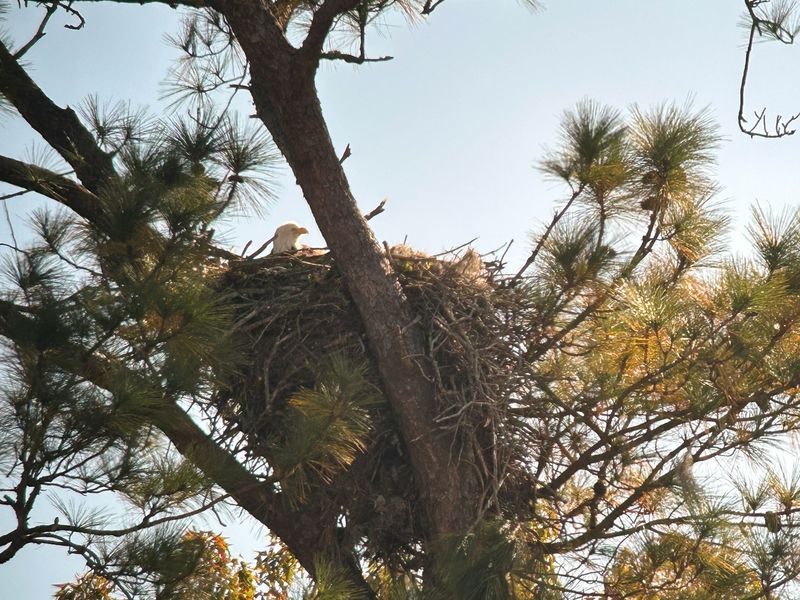
Bald eagles have made a huge comeback around Jordan Lake, Falls Lake, and the sounds. Lucky waterfront owners sometimes discover a nest the size of a small car sitting in their tallest pine.
That tree is now very hard to cut. The Bald and Golden Eagle Protection Act protects eagles and their nests, even inactive ones that may be reused.
Fines can reach thousands of dollars.
Federal guidelines also ask homeowners to keep loud work, like clearing or building, a good distance away during nesting season. Fun fact: eagles often add to the same nest for years, and some weigh over a ton.
4. Native American Artifacts and Burial Sites
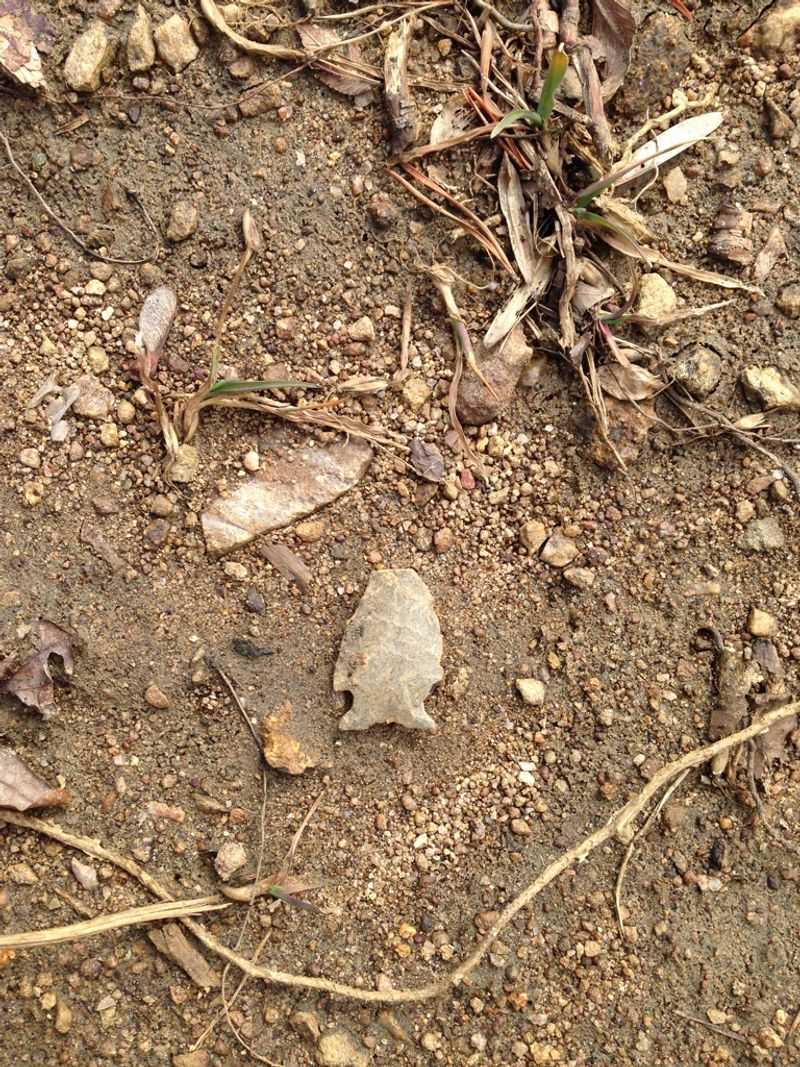
Turning over red clay for a new bed, you spot a perfectly shaped arrowhead. Picking up a loose point from the surface is usually fine on your own land.
Digging deeper into a known site is a different story.
North Carolina takes unmarked human burials very seriously. If you find bones or what looks like a grave, the law requires you to stop and report it to local law enforcement or the medical examiner.
Disturbing those remains is a crime.
The Office of State Archaeology can help identify finds. Reporting them adds to what we know about people who lived here for over 10,000 years.
5. Old Family Cemeteries
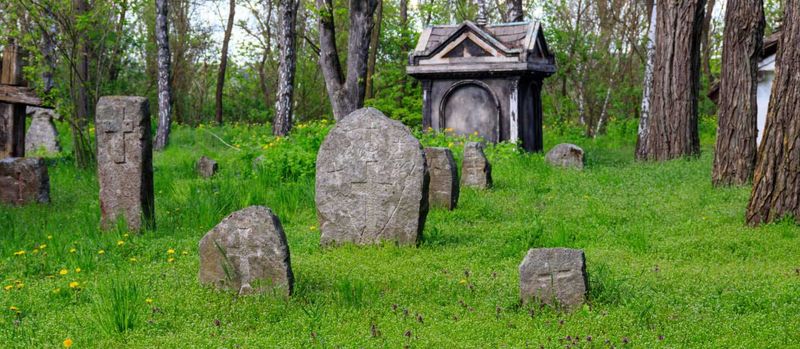
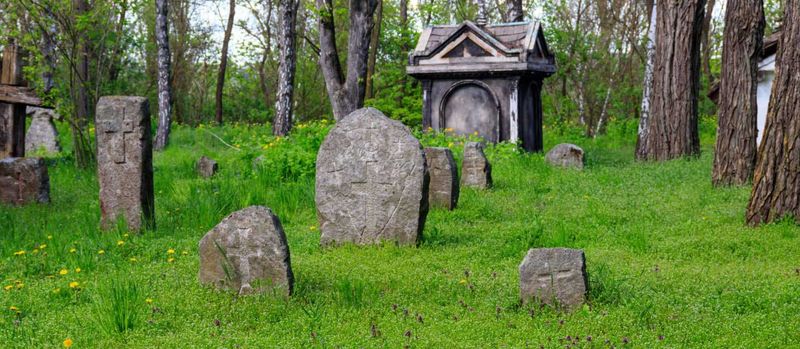
Plenty of NC homesteads hide a few crooked headstones in the woods behind the house. These little family plots are a quiet reminder of farms that came long before subdivisions.
Owning the land does not mean owning the graves. State law makes it illegal to remove, damage, or move headstones or remains without going through a court process.
Descendants also have a legal right to visit.
You can usually clean up brush and keep the site tidy. Relocating graves requires permits and notice, so check with your county before any heavy work.
6. Box Turtles
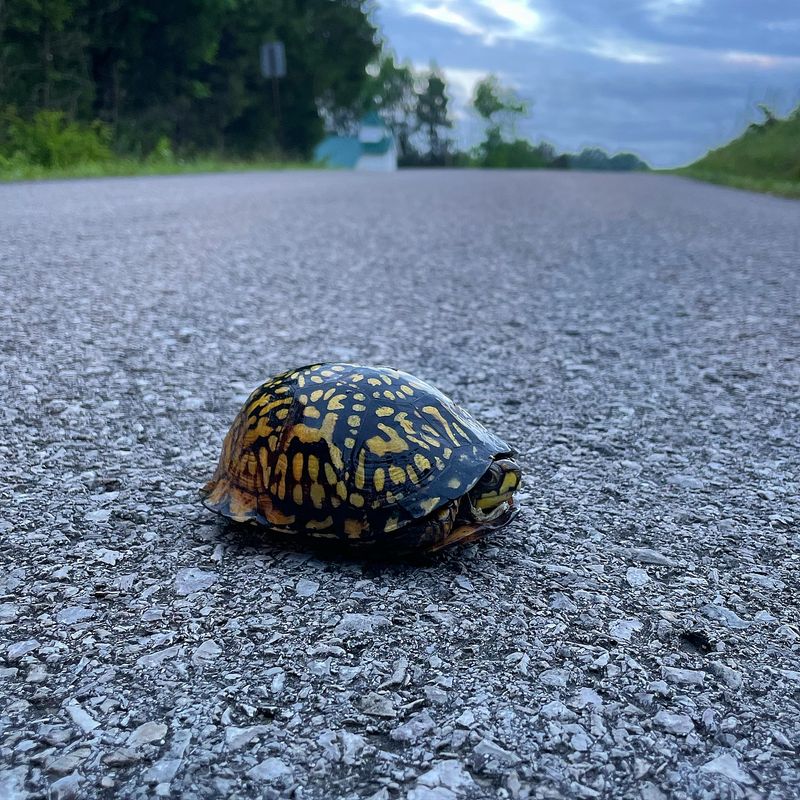
Slow, colorful, and a bit grumpy looking, the eastern box turtle is our official state reptile. Kids love to scoop them up and bring them home.
North Carolina rules limit collecting and selling native reptiles, and box turtles have extra protections because populations are dropping. Moving one is also a bad idea for the turtle itself, since they live in a tiny home range and often die trying to find their way back.
If one wanders into your yard, enjoy the visit. Helping it across a road in the direction it was heading is fine, but then let it go about its business.
7. Trees in Protected Zones
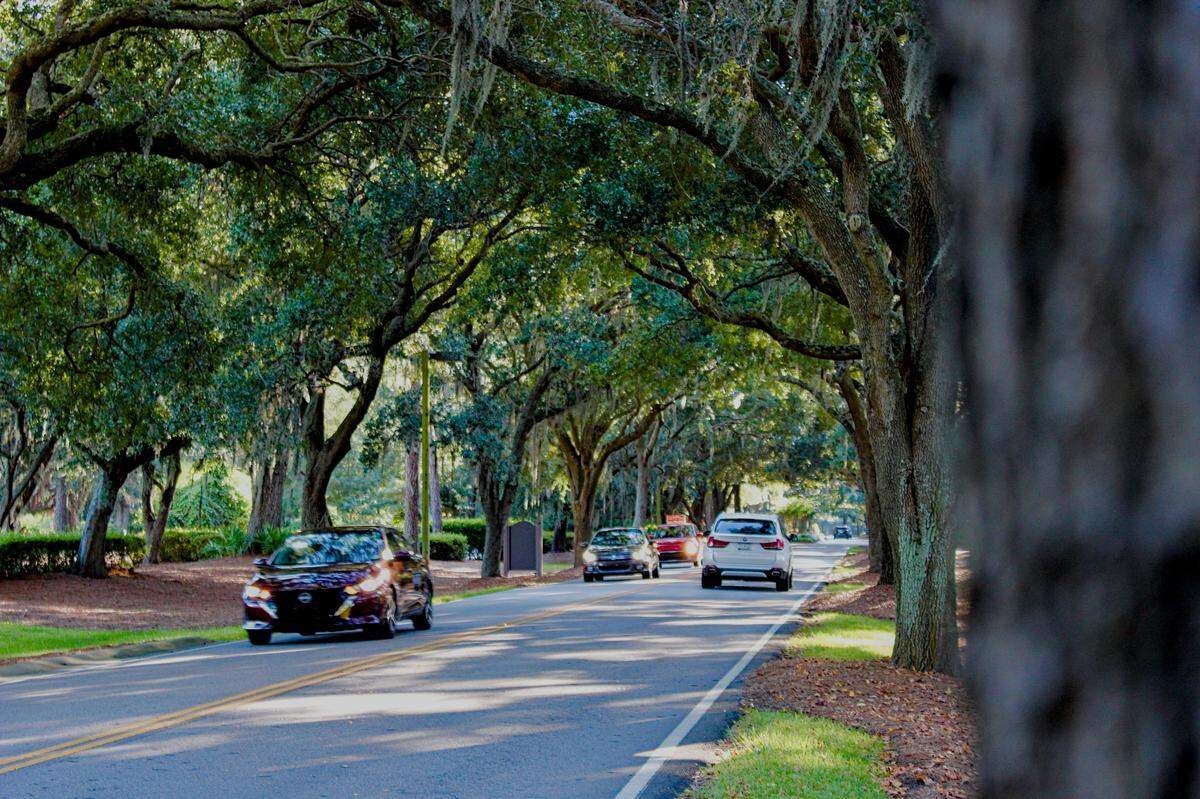
A big tree is yours, so the chainsaw decision is too. In many NC towns, that is not quite true.
Cities like Wilmington, Raleigh, and Chapel Hill have tree rules for certain sizes or locations. Trees near streams fall under riparian buffer rules in river basins like the Neuse and Tar-Pamlico.
Coastal properties may also need permits under CAMA.
Fines can be charged per tree. Before cutting anything large, call your planning office or check your HOA rules.
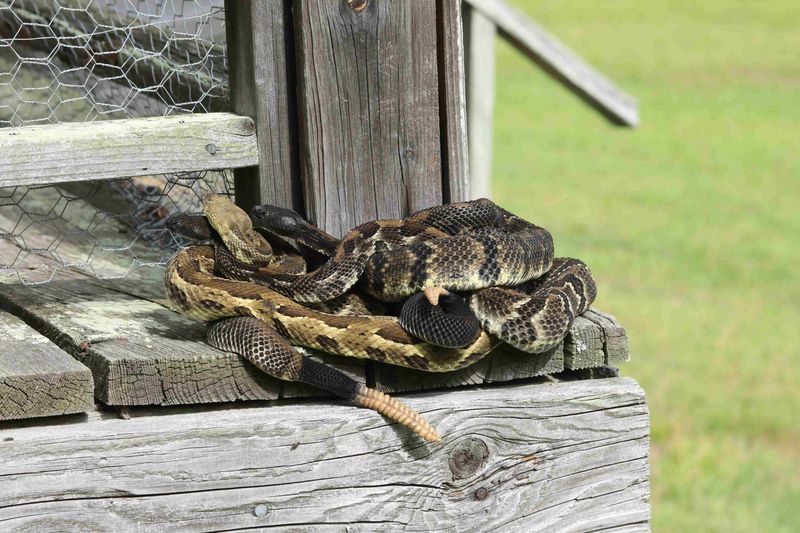
8. Venomous Snakes Like the Timber Rattlesnake
Finding a snake under a fall leaf pile will make anyone jump. Your first instinct might be to grab a shovel.
Hold that thought.
The timber rattlesnake is a species of special concern in North Carolina, and harming one can bring penalties. Many harmless snakes, like rat snakes and kingsnakes, are protected too, and they eat the mice that draw copperheads in.
The safest choice is also the legal one. Back away, keep kids and pets inside, and call a licensed wildlife removal pro.
Clearing brush and leaf piles is a smart way to make your yard less inviting.