
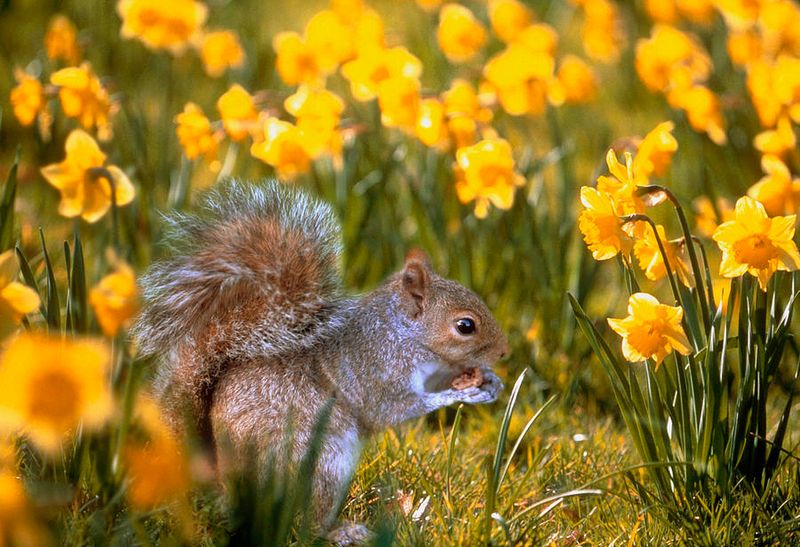
Plant a fall bulb bed in Central Texas, and a squirrel may start digging before the soil settles. Daffodils get a lot of credit as the bulb squirrels leave alone, and that reputation has some truth to it.
But a daffodil border will not keep squirrels out of your beds, and the plant comes with safety rules of its own. Here is what daffodils can do, what hardware cloth does better, and how to plan your planting.
Daffodils are a less-preferred bulb, not a squirrel barrier

Daffodils are a smart pick for a Central Texas bulb bed, and part of the reason is how squirrels treat them. University of Maryland Extension reports that squirrels will not eat daffodils, which makes them a less attractive meal than tulips or crocus.
That is a statement about eating, though, and it is a much smaller promise than the one in the headline. A bulb that squirrels skip at dinnertime is not the same as a plant that keeps squirrels out of your yard.
A row of daffodils along a bed edge does not build a fence, and it does not shield the tulips, hyacinths, or seedlings growing next to it.
Squirrels also keep digging for reasons that have nothing to do with the bulb itself. Illinois Extension cautions that daffodils may still be dug up even when they are not eaten.
So the fair way to describe them is as a bulb squirrels generally avoid eating, not as a guard for the whole bed.
Think of daffodils as one tool in a plan. They lower the odds that squirrels will snack on those particular bulbs.
Keeping squirrels away from the bed is a separate job, and the sections ahead cover it.
What the evidence says about daffodil compounds
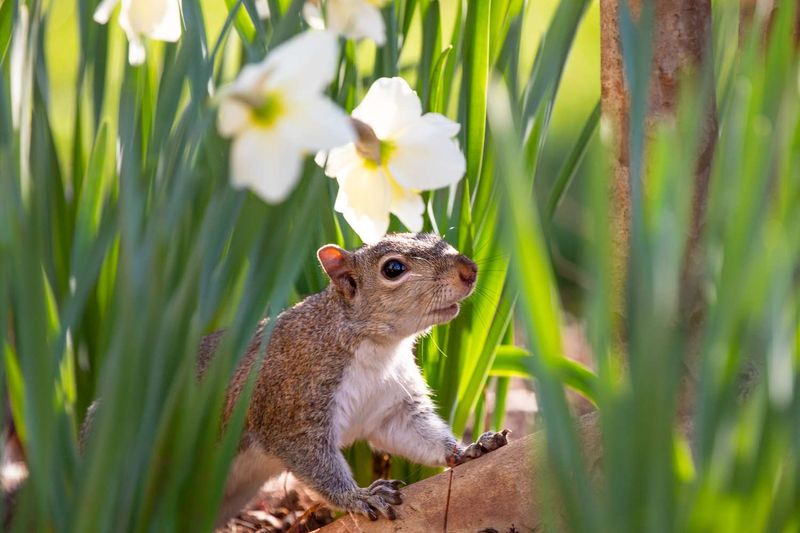
Two separate facts get tangled together in daffodil lore, so it helps to pull them apart. The first is chemistry.
Narcissus bulbs contain lycorine and related alkaloids, and the Merck Veterinary Manual lists them among poisonous ornamentals.
The second fact is about behavior. Illinois Extension says rodents rarely eat daffodils, and the Maryland Extension page on spring daffodils says squirrels will not eat them.
Those are gardeners’ and extension observations about what squirrels do.
Nobody has shown that the compounds are the reason squirrels pass on daffodils. The sources do not describe a squirrel-specific chemical effect, and they do not say that daffodil scent drives squirrels away from nearby beds.
Both facts are real, but they sit side by side without a proven link.
That matters when you plan a yard. You can count on daffodils being a less appealing bulb to eat.
You should not count on a smell or a chemical to protect neighboring plants, because nothing in the sources supports that.
Digging does not prove a squirrel ate the bulb
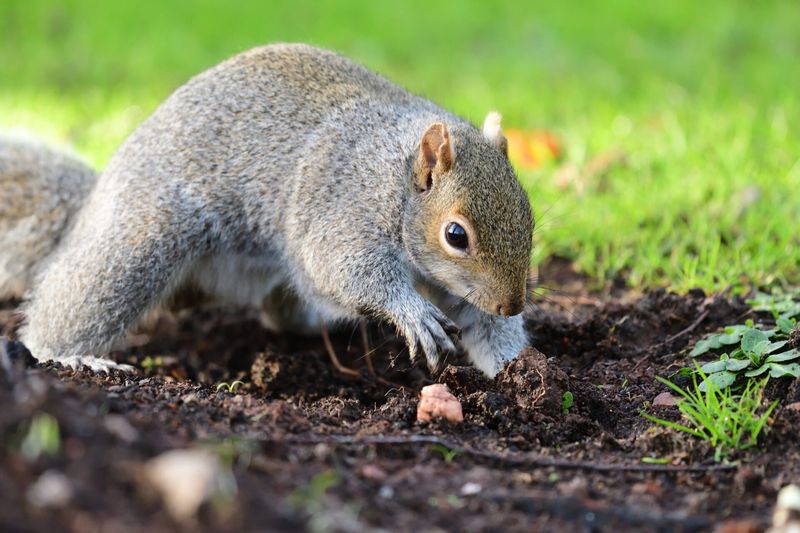
Walk out one morning and find a crater in the bed, and the first thought is usually that a squirrel stole a bulb. Sometimes that is true.
Often it is not.
According to Maryland Extension, squirrels disturb shallow bulbs and seedlings while searching for nuts they cached earlier, and they bury new nuts too. Fresh, loose soil in October can simply mean a pecan or acorn went underground.
Illinois Extension adds that daffodils may be dug up even if they are not eaten. A daffodil sitting on top of the soil with its papery skin intact points to digging, not feeding.
Here are quick clues to check. Look for bulbs that are missing entirely, bulbs with gnaw marks, or bulbs lying nearby untouched.
Check for shell pieces or small holes the size of a nut. Replant any intact bulb right away at the proper depth.
One disturbed patch does not mean daffodils failed. It tells you squirrels were active, and that is a reason to add physical protection if the bed matters to you.
Choose a daffodil suited to Central Texas
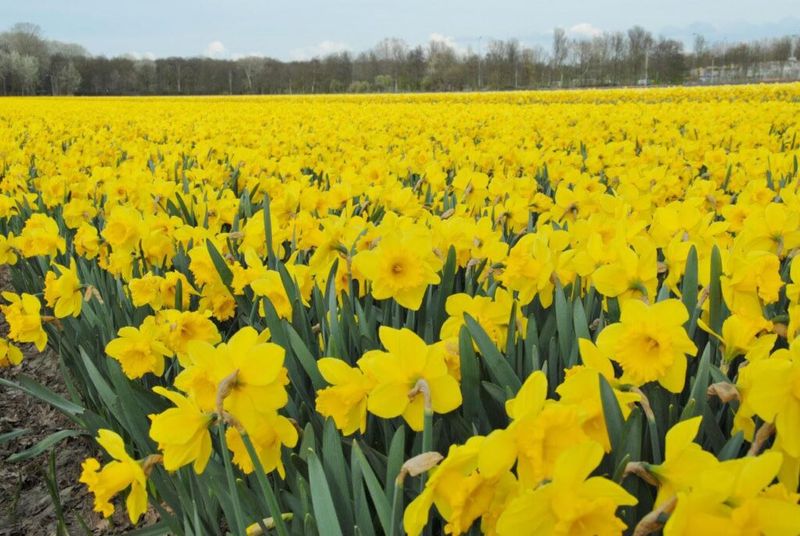
Squirrel habits are only half the decision. The bulb also has to grow well in Central Texas, where mild winters and hot summers rule out plenty of catalog favorites.
The Travis County Master Gardener and Texas A&M AgriLife resource, Central TX Bulb Recommendations, lists daffodils among bulbs suited to local gardens. Start there and check the list for the specific types and cultivars it names before you order.
In a spring-bulb bed, daffodils can anchor the early color. Plant them in groups instead of single bulbs so the blooms read as a clump, and mix them with other bulbs from the same local list.
Pay attention to sun and drainage, since bulbs rot in soil that stays soggy.
Keep expectations honest. No layout has been shown to deter squirrels, and the list does not guarantee how any cultivar will perform in your yard.
Soil, rainfall, and winter chill vary from Austin to the Hill Country.
Other bulbs, including alliums, are also described by extension sources as less preferred by squirrels. Let local suitability, bloom time, pets, and the look you want guide the final choice.
Central Texas planting advice varies by source
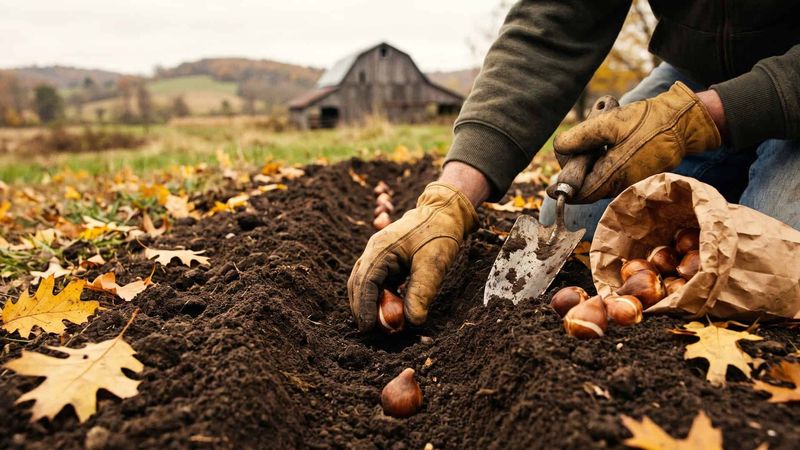
Ask three Central Texas sources when to plant, and you may get three answers. That is fine, because the advice is tied to place and weather, not a single calendar date.
The Central Texas Gardener bulb list uses temperature as the trigger. It suggests waiting until nighttime lows have stayed below 50 degrees F for several weeks, aiming for mid-November, and finishing by the end of December.
A Texas A&M AgriLife resource from Bexar County, Horticultural Activities for Fall, points to late October and November for spring bulbs. That window starts earlier than the Central Texas Gardener target.
Neither is a rule for all of Texas, and Bexar County is not the same as every Central Texas yard. A practical way to handle the overlap is to buy bulbs in October, store them somewhere cool and dry, and watch your own nighttime temperatures.
If a warm spell lingers into November, waiting a little makes sense under the temperature-based advice. If you are near the end of December, get them in the ground.
Use hardware cloth for more direct bulb protection
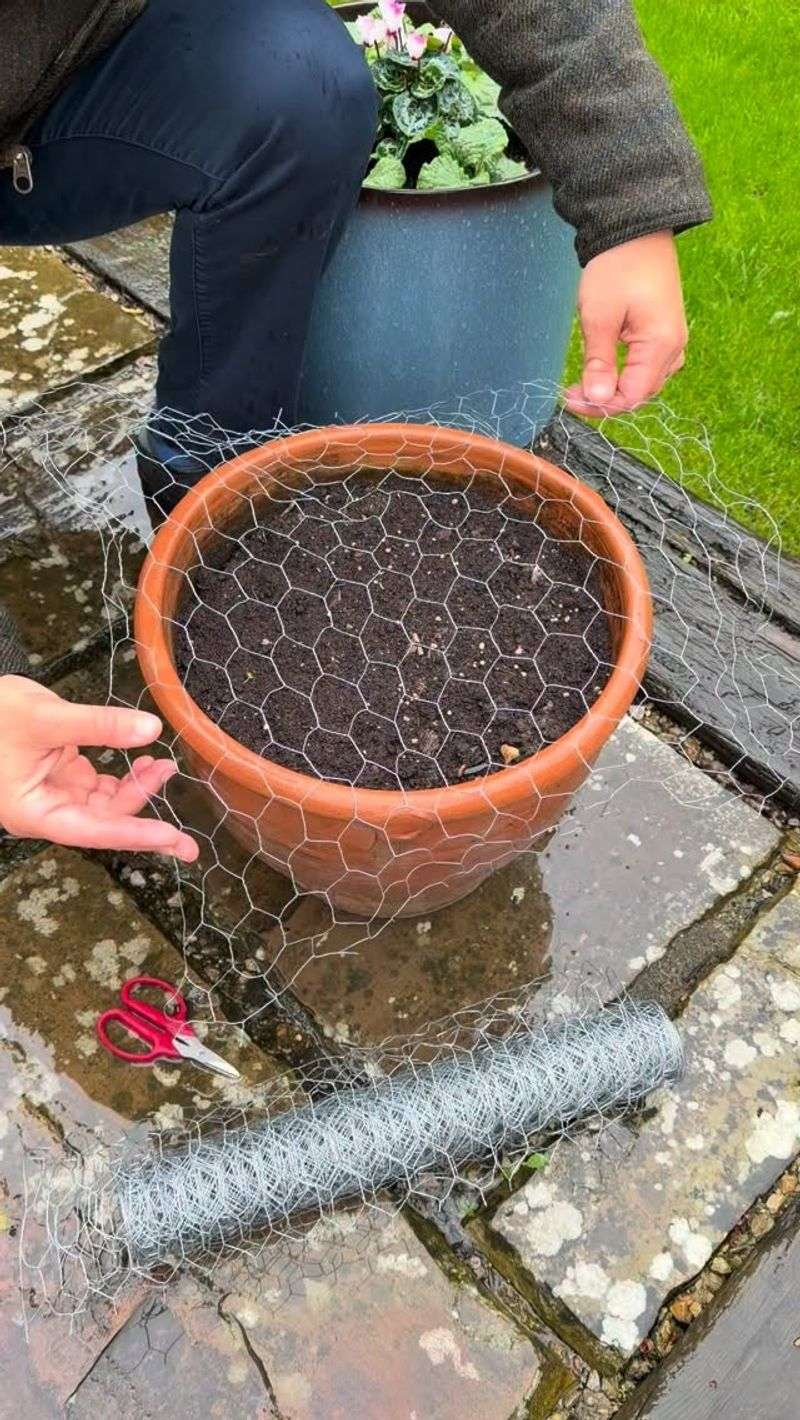
If you want protection you can count on more than a plant preference, a physical barrier does the job more directly. Hardware cloth keeps squirrels from reaching the bulbs in the soil.
The UF/IFAS guidance on wildlife deterrents recommends half-inch hardware cloth laid horizontally over the bulbs, below the soil surface. Shoots can grow up through the openings in the spring.
The mesh should extend at least one foot beyond the edge of the bed.
Here is a simple order of work. Plant the bulbs at the depth the package recommends.
Cut the mesh to cover the bed plus that extra foot on every side. Lay it flat over the bulbs, then cover it with soil and mulch so it sits under the surface.
The extra foot matters because a squirrel that cannot dig straight down may try along the edge. Wide coverage closes that gap.
Mesh is not a promise against every problem. It will not stop a squirrel from nibbling foliage or from digging in nearby open ground.
It protects the planted bulbs underneath, and that is the job it is built for.
Account for daffodil toxicity around children and pets
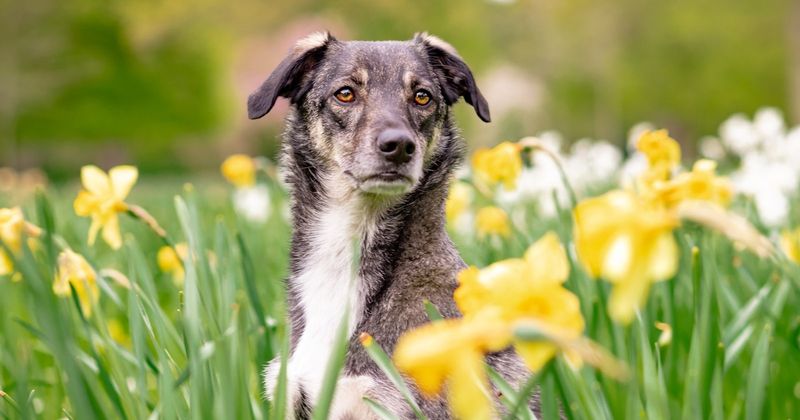
Whatever makes daffodils unappealing to squirrels also makes them a hazard to the rest of the household. Daffodils are toxic if eaten by people or pets, and that belongs in the decision before you buy a single bulb.
Poison Control notes that the bulb holds the highest concentration of lycorine. It advises keeping daffodils away from children and pets and wearing gloves when you handle them.
The ASPCA lists daffodils as toxic to dogs, cats, and horses.
Some practical precautions follow from that. Plant in beds your dog cannot reach, or fence them.
Store unplanted bulbs high on a shelf, away from the kitchen where they could be mistaken for onions. Wear gloves when planting and wash your hands afterward.
If you have a digger, a curious toddler, or a cat that chews plants, weigh that honestly. A daffodil is not a harmless pest-control plant.
If someone eats part of one, call Poison Control or a veterinarian right away.
In a household like that, a different bulb from the local list may be the better pick.
Match the method to the protection you want
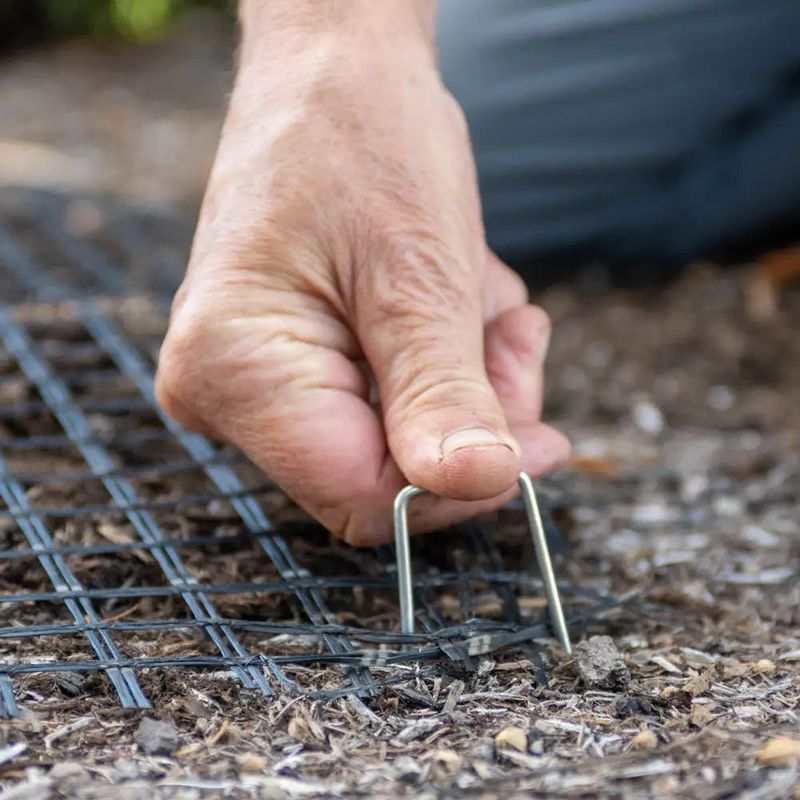
Pick daffodils when you want a locally recommended bulb that, per Maryland Extension, squirrels will not eat. Pick UF/IFAS-style hardware cloth when you want a barrier over the bulbs you plant.
Use both if the bed is worth the effort and your household can handle the toxicity.
Neither one promises squirrel-free beds all fall and winter. Squirrels will still dig.
A squirrel can ruin a bulb bed, but it cannot get through a layer of mesh.