
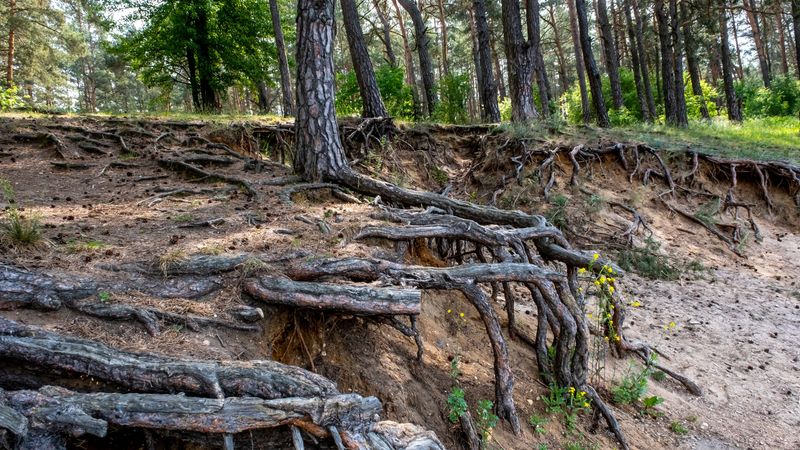
If your yard is covered in pinecones, you might see them as one more chore to rake up and bag. Before you haul them to the curb, give them a second look, because those woody cones can work hard in your garden for free.
From keeping soil cooler to slowing down hungry pests, they have more uses than most people guess. Here are 15 practical ways to put them to work in Southern beds this season.
1. Chunky Mulch for Perennial Beds
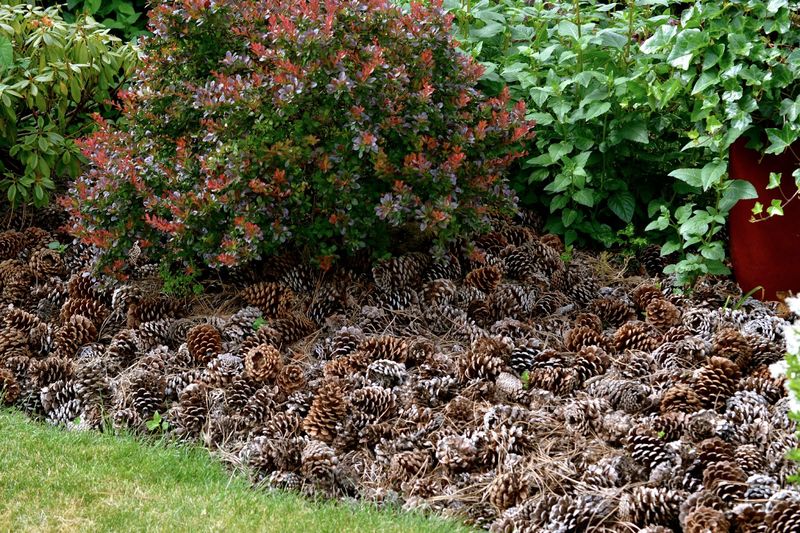
Think of pinecones as nature’s bark nuggets, only you did not pay a cent for them. Spread a layer two to three inches deep around shrubs and perennials, and they can shade the soil much like store-bought mulch.
In Florida and Texas, summer sun bakes bare ground fast. A cone layer may help keep roots cooler and slow down how quickly water evaporates after you irrigate.
Because cones are bulky, air and rain still move through them easily, so they rarely form the soggy mat that some fine mulches create.
Leave a small gap around plant stems so moisture does not sit against the bark. Larger cones work best in open spaces between plants, while smaller ones tuck in neatly around tight clumps.
If you have a mix of sizes, put the big ones down first and fill the gaps with smaller pieces.
Cones also break down slowly, often lasting several seasons before you need to top them up. That means fewer bags to buy and less spring hauling.
For busy homeowners who want beds that look tidy without constant refreshing, a pinecone mulch layer is an easy upgrade that ties the garden to the trees already growing nearby.
2. Drainage Filler for Big Containers
Ever filled a huge patio pot and winced at how many bags of potting mix it swallowed? Pinecones can take up some of that space for free.
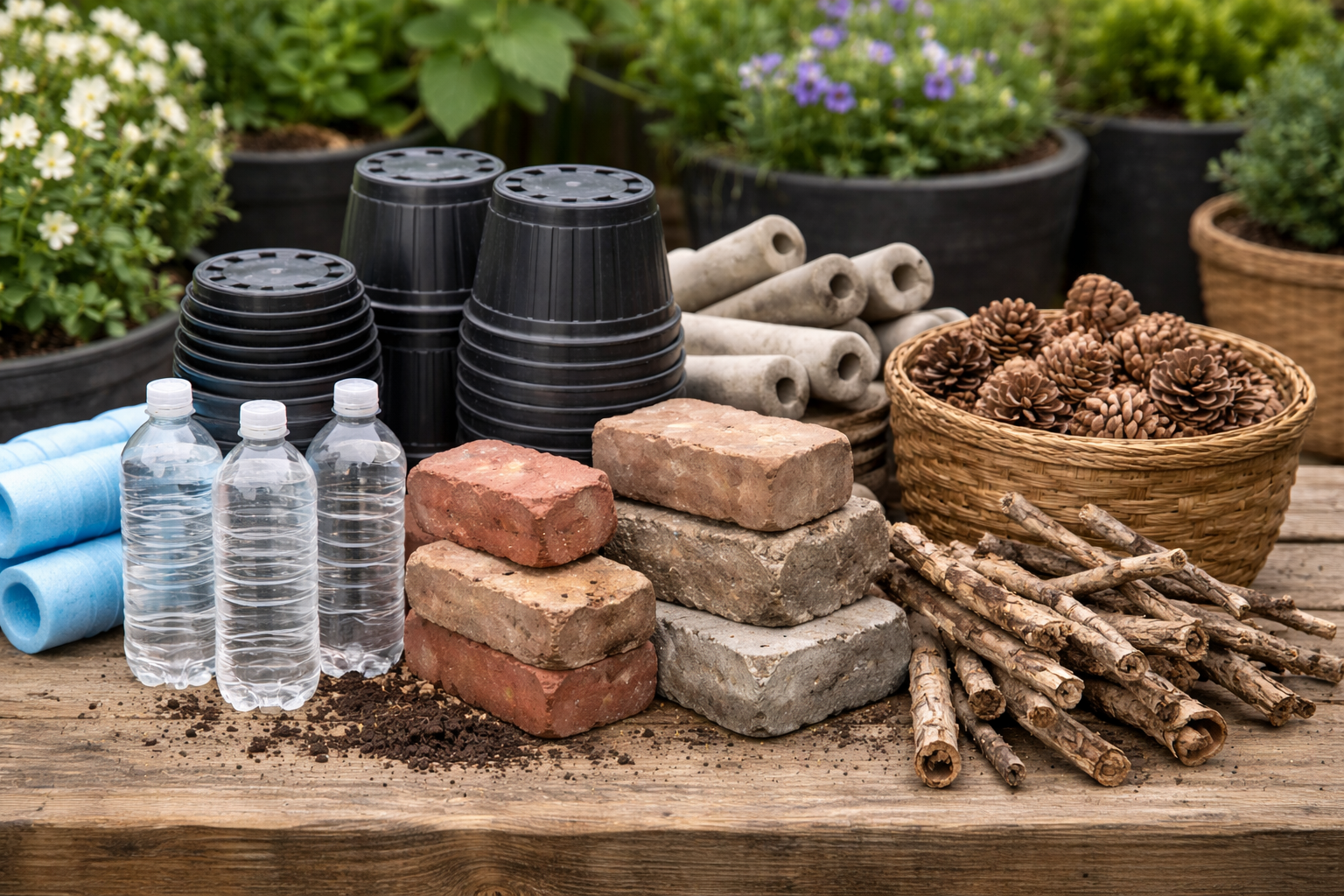
Toss a layer into the bottom of deep containers, especially tall decorative ones holding shallow-rooted flowers or herbs. The cones take up room, make the pot lighter to move, and can reduce how much soil you need to buy.
Gardeners in hot climates like this trick because a lighter pot is easier to shift into afternoon shade during a July heat wave.
One honest note: research suggests coarse material at the bottom does not truly improve drainage the way old advice claimed. Water tends to hang in the soil above that layer.
So use cones as filler, not as a fix for a pot without holes. Always make sure the container has drainage openings first.
For deep-rooted crops like tomatoes or peppers, keep the cone layer thin, maybe a few inches, so roots still have plenty of soil to explore. For marigolds, petunias, or basil, you can fill the bottom third.
Lay a piece of landscape fabric or burlap over the cones so soil does not sift down into the gaps.
3. Prickly Barrier Against Digging Pets
Picture this: you plant a fresh row of seedlings, and by morning the neighbor’s cat has turned it into a litter box. Annoying, right?
Pinecones may offer a simple fix.
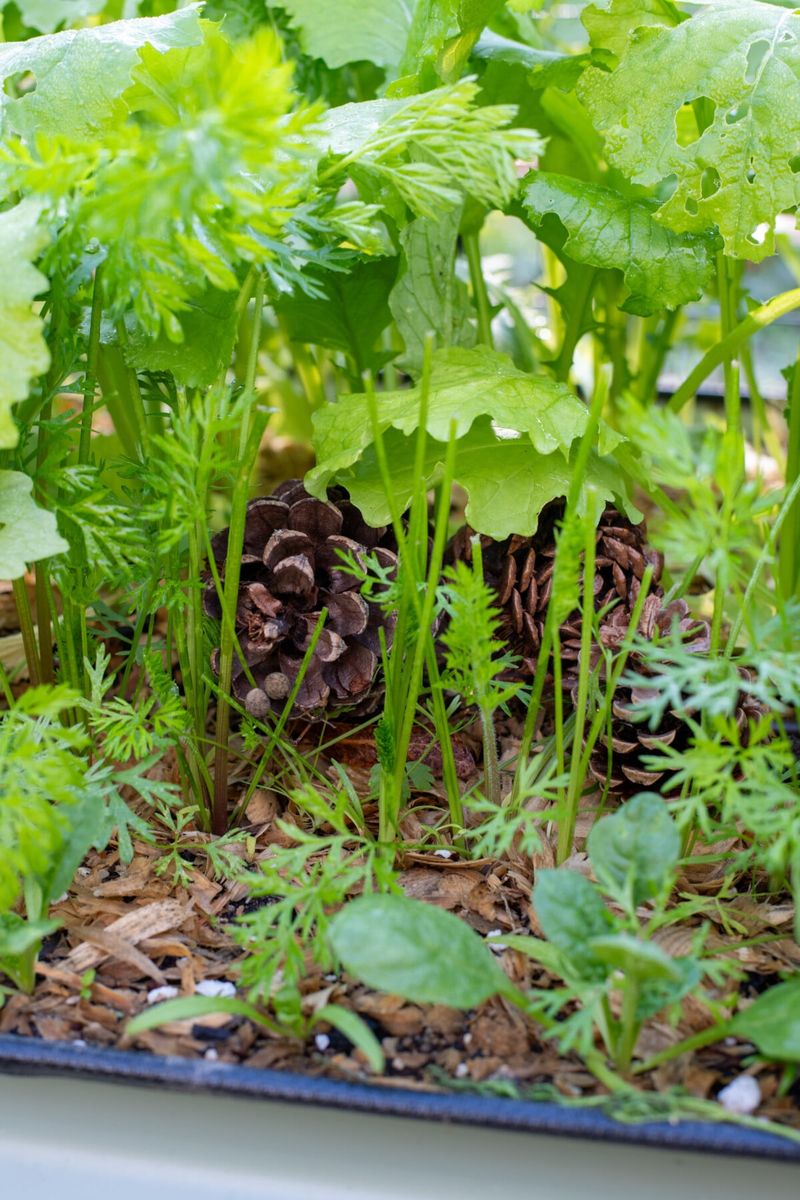
Cats, dogs, and even some squirrels generally dislike stepping or digging on sharp, uneven surfaces. Scatter cones thickly across newly seeded or recently planted areas, and the scratchy footing can discourage pawing and rolling.
It will not stop every determined animal, but many gardeners notice fewer craters after trying it.
Open-scaled cones from longleaf, slash, or loblolly pines, all common across the South, have the pointiest tips and work best for this job. Spread them so there is little bare soil showing between them.
Once seedlings grow a few inches tall and the soil is less tempting, you can pull the cones back or leave them as mulch.
The approach is especially handy in vegetable beds where you do not want to use chemical repellents near food. It pairs nicely with other low-cost tricks like chicken wire laid flat on the soil.
Best of all, if the cones roll around or get moved, you have a whole yard full of replacements waiting.
4. Slug and Snail Speed Bumps
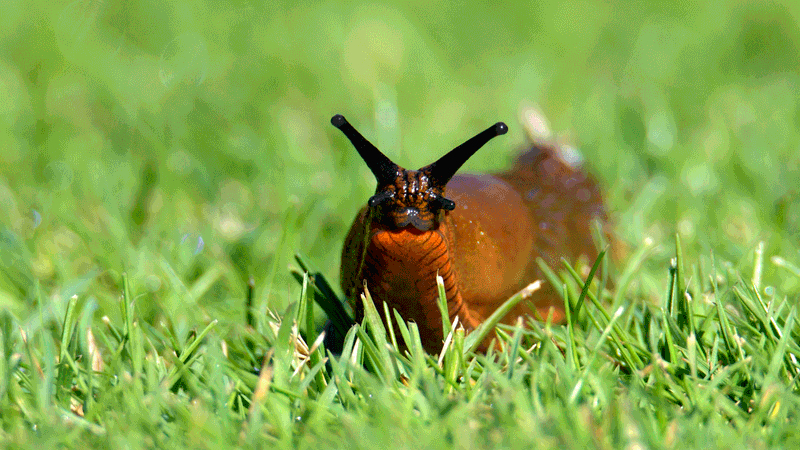
Slugs love the humid nights that Gulf Coast gardeners know so well. They slide out after dark and chew ragged holes in lettuce, hostas, and strawberries.
Crushed or broken pinecones can create a rough ring that soft-bodied pests may avoid crossing. Smash a few dry cones with a hammer or run them over with a lawn mower bag attached, then circle tender plants with the scratchy bits.
Some gardeners report fewer chewed leaves, though results vary with how wet the weather stays.
A barrier like this works best as one piece of a bigger plan. Pull mulch back from the most vulnerable seedlings, water in the morning instead of the evening, and hand-pick slugs with a flashlight after dusk.
Together, those steps can reduce damage more than any single method.
Refresh the ring after heavy rain, since scales soften and lose their bite once soaked for days. In drier spells, the rough edges hold up well.
For strawberry beds especially, a crunchy cone border keeps fruit off bare dirt too, which may cut down on rot. It is a free experiment worth running before reaching for slug bait.
5. Bulk Layer in Raised Bed Bottoms
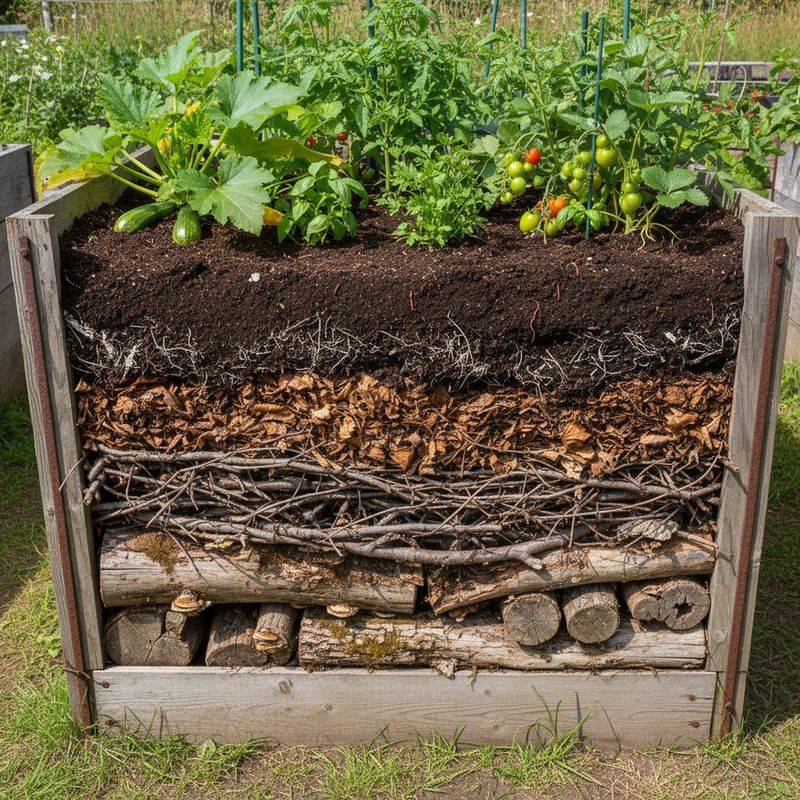
Filling a raised bed can cost more than building it. That is where your pinecone pile turns into real savings.
Borrowing from a method called hugelkultur, gardeners layer woody material at the base of tall beds. Pinecones fit right in alongside branches and logs.
Over time they break down slowly, adding organic matter and holding some moisture like a sponge deep in the bed. Above them, you add compost and quality soil for roots.
For a bed that is 18 inches or taller, you might devote the bottom six to eight inches to cones and sticks. Soak them well before adding soil, and expect the surface to settle a bit as the layer decays.
Topping off with compost each spring keeps the level where you want it.
Woody material can briefly tie up nitrogen as it breaks down, so keep it deep and well below where tomato, pepper, or squash roots feed most heavily. Adding a little extra compost or a balanced organic fertilizer near the top helps.
In hot Southern summers, that buried moisture reserve may mean fewer wilted afternoons for your crops and a lighter water bill.
6. Pathway Topping Between Rows
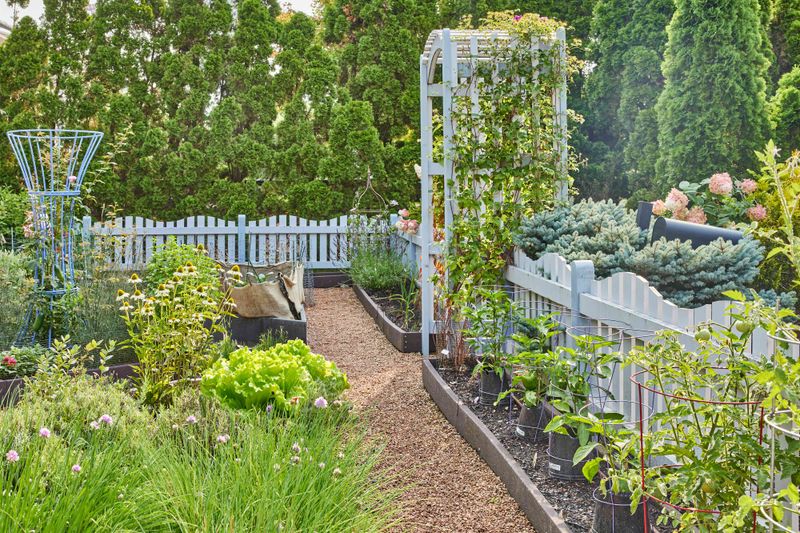
Muddy boots after a summer thunderstorm are a rite of passage for Southern gardeners. A pinecone path can make those trips through the vegetable patch a lot cleaner.
Lay cardboard down first to block weeds, then pile cones thickly on top. The result is a crunchy, rustic walkway that drains fast and keeps soil from splashing onto your shoes.
Mixing in pine straw fills the gaps and makes footing more even.
The texture is a little lumpy, so this works best for casual paths between rows rather than main walkways where you push a wheelbarrow daily. Stepping on them a few times presses cones into place and smooths things out.
Larger cones toward the edges help frame the path neatly.
There is also a bonus for the beds on either side. Paths covered in loose material tend to sprout fewer weeds that later creep into your tomatoes and okra.
When cones finally break down after a couple of years, rake them into the beds as organic matter and lay a fresh batch. It is a cycle that turns yard cleanup into a steady supply of free landscaping material.
7. Slow-Release Compost Ingredient
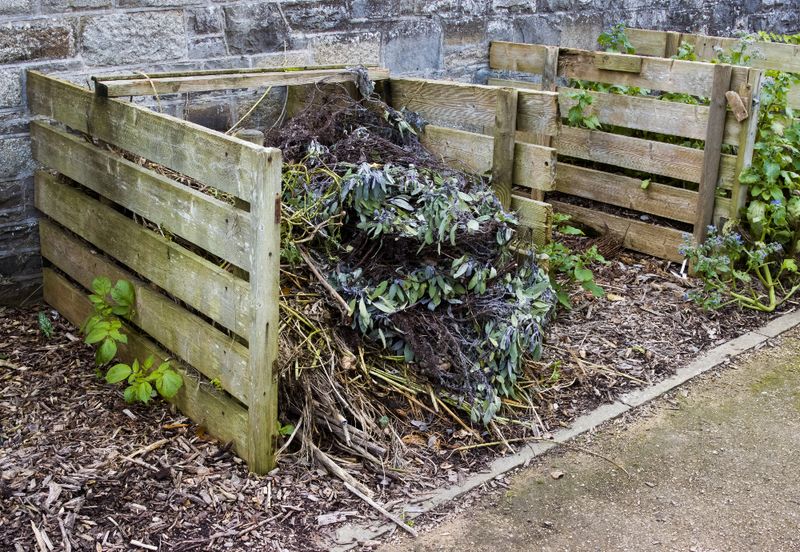
Compost needs browns and greens, and pinecones are about as brown as it gets. Rich in carbon, they balance out wet kitchen scraps and fresh grass clippings.
Whole cones break down slowly, sometimes taking a year or more. Speed things up by crushing them or running them through a shredder first.
Smaller pieces give microbes more surface to work on, and your pile will cook faster.
Here is a fun bit: cones are often called acidic, but by the time they are fully composted, the finished material tends to land close to neutral. So you do not need to worry much about souring your vegetable beds with it.
A good rough ratio is several parts brown material to one part green. If your pile smells sour or slimy, toss in more crushed cones to dry it out and add air pockets.
If it is not heating up, add greens like coffee grounds or clippings. In Texas and Florida heat, piles can break down quickly in summer as long as you keep them damp.
Unfinished cones sifted out at the end can go right back into the next batch as a starter.
8. Acid-Loving Shrub Companion
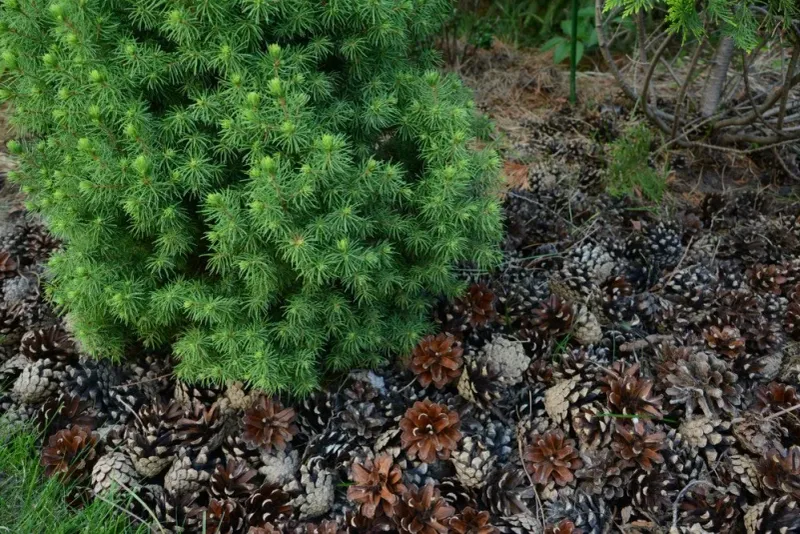
Azaleas, camellias, gardenias, and blueberries are Southern favorites that crave slightly acidic soil. Pinecones look right at home beneath them.
Let us be honest about what cones can and cannot do. As mulch, they are unlikely to dramatically lower soil pH on their own, since they break down slowly.
What they do offer is a cool, loose cover that mimics the forest floor where many of these plants naturally thrive. That shade and moisture can help shallow roots handle hot weather.
If yellowing leaves with green veins show up on your azaleas or blueberries, the soil pH is likely too high. A soil test from your county extension office will tell you, and products like elemental sulfur can make a real change.
Then use pinecones on top as the finishing layer.
Blueberry growers in particular appreciate mulch since the plants have fine roots near the surface that dry out quickly. Keep the layer a few inches deep and pull it away from stems.
As the cones slowly decay, they add organic matter that supports healthy soil life, which these picky shrubs tend to reward with better growth.
9. Bird Feeders Packed with Suet
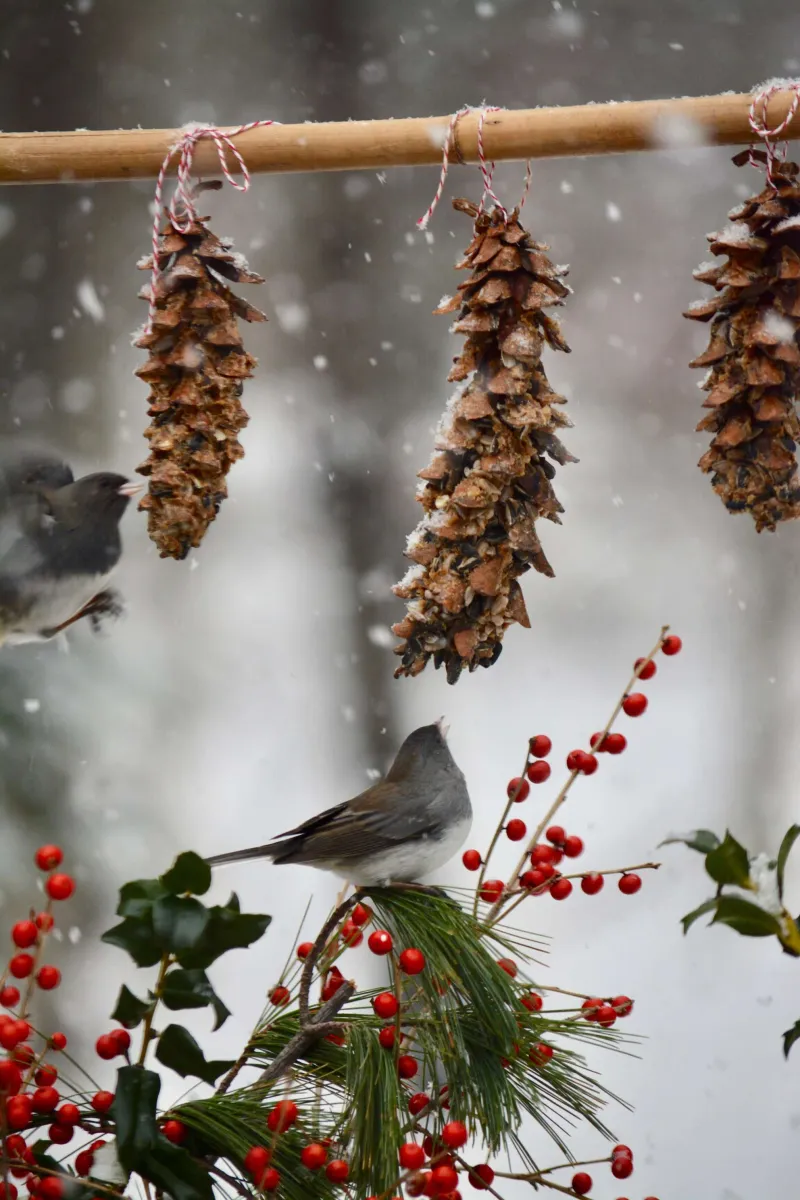
Remember making these in elementary school? The classic peanut butter pinecone feeder still works, and birds still love it.
Tie a string around the top of a dry, open cone. Smear it with peanut butter or suet, then roll it in birdseed.
Hang it from a branch near your garden, and you may soon have cardinals, chickadees, titmice, and wrens stopping by.
Why does this belong in a garden article? Many of those birds snack on insects too.
Inviting them close to your beds can mean extra help with caterpillars and beetles during nesting season, when parents hunt bugs to feed their chicks. A busy bird yard is often a healthier garden.
In Southern heat, peanut butter and suet can soften and turn rancid quickly. Make small batches in cooler months, or use a no-melt suet blend in summer.
Hang feeders where cats cannot ambush visitors, ideally five or six feet off the ground. Kids enjoy this project, and it is an easy way to get them invested in the garden.
One afternoon of messy fun turns a pile of yard debris into a steady stream of feathered visitors.
10. Shelter for Helpful Insects
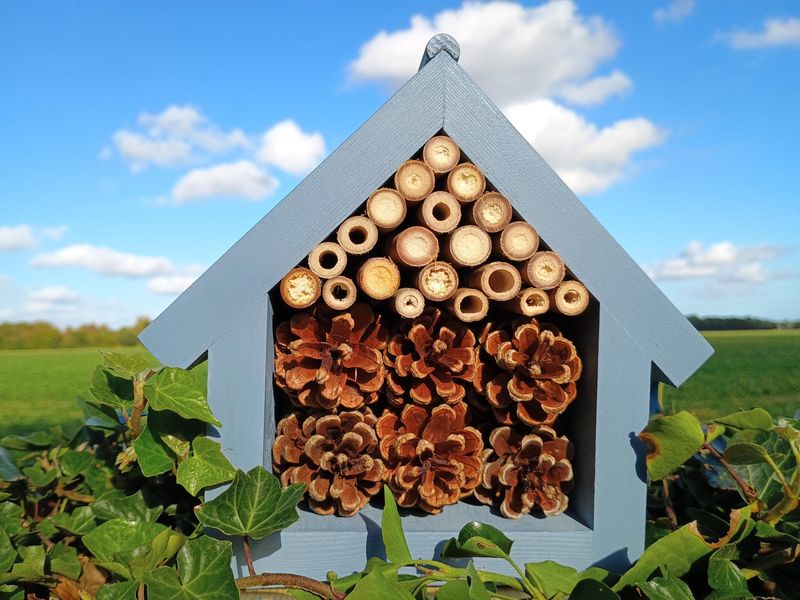
Ladybugs, lacewings, and solitary bees need hiding spots too. A pile of pinecones gives them nooks to rest and shelter.
You can build a simple bug hotel from an old wooden box or crate. Fill sections with pinecones, hollow stems, and bark.
The gaps between cone scales are a natural hideout for small beneficial insects. Set it near your vegetable garden or flower border, facing morning sun if you can.
No time for a project? Just leave a loose pile of cones in a quiet corner of a bed.
It is low-effort habitat that may help predator insects stick around, and those predators can help keep aphids and other pests in check on your tomatoes and peppers.
Keep expectations realistic. A bug hotel is not a pest control system on its own, but it is one piece of a garden that leans on nature for balance.
Pair it with flowering herbs like dill, fennel, and cilantro that feed beneficial insects. Over time, you may notice more ladybug larvae on aphid-covered stems, a sign your helpers are on the job.
Refresh contents every year or two to avoid mold and disease.
11. Erosion Control on Sloped Beds
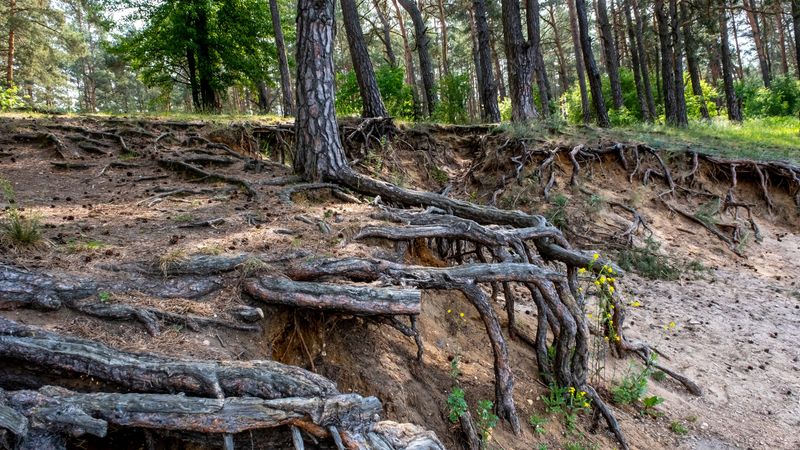
Southern downpours can wash topsoil right off a slope in minutes. Anyone who has watched mulch float into the driveway knows the frustration.
Pinecones are heavier and more interlocking than shredded bark, so they often stay put better on gentle slopes. Their rough shapes catch on each other and slow down running water.
That gives rain more time to soak in instead of racing away with your soil.
For steeper spots, try lining up rows of cones along the slope like tiny terraces, or place a log or rock edge at the bottom to hold them in. Planting deep-rooted groundcovers like asiatic jasmine or sunshine mimosa between them adds staying power over time.
This approach works well around trees on hills, along the edges of foundation beds, and in ditches where rain collects. It will not stop a serious washout, and badly eroding areas may need professional grading or retaining walls.
For everyday slopes, though, a cone layer is an easy and attractive way to keep more of your soil where your plants need it. Check after big storms and nudge any strays back into place.
12. Moisture Retainer for Thirsty Veggies
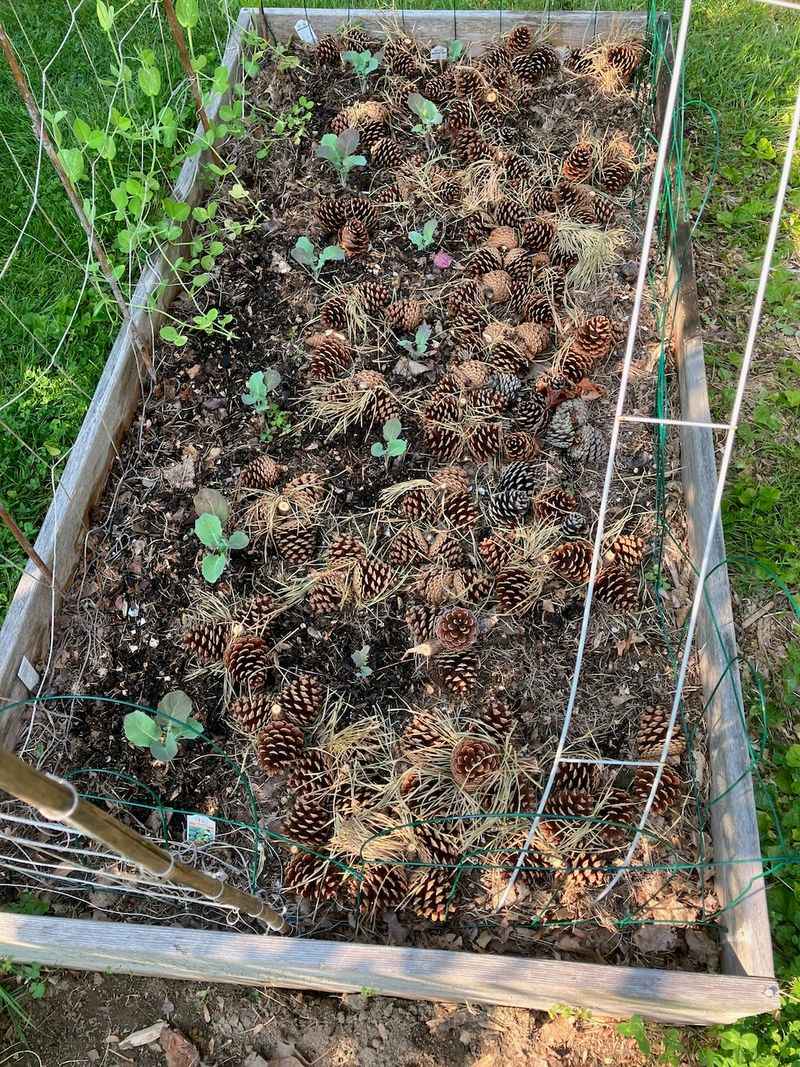
Cucumbers, zucchini, and tomatoes wilt fast when summer heat cranks up. A mulch of pinecones around their roots may help them hang on between waterings.
Bare soil in a Texas or Florida July can dry out by midday. Covering it reduces evaporation and keeps root zones a bit cooler, which matters because heat-stressed plants often drop blossoms or produce bitter fruit.
Cones also help keep leaves from touching damp soil, which may reduce splash-borne diseases.
Spread them after soil warms in spring and plants are established. A drip hose or soaker line tucked under the cones delivers water right where it is needed without washing the mulch around.
Pine straw mixed in fills the gaps for even better coverage.
Watch for signs your crops still need help, like yellowing lower leaves or droopy vines at noon that do not recover by evening. Mulch is not a substitute for deep, regular watering, but it can stretch the time between sessions.
Many gardeners find that combining shade cloth in the hottest weeks with a cone mulch below helps cucumbers and zucchini keep producing longer into summer.
13. Natural Bed Edging
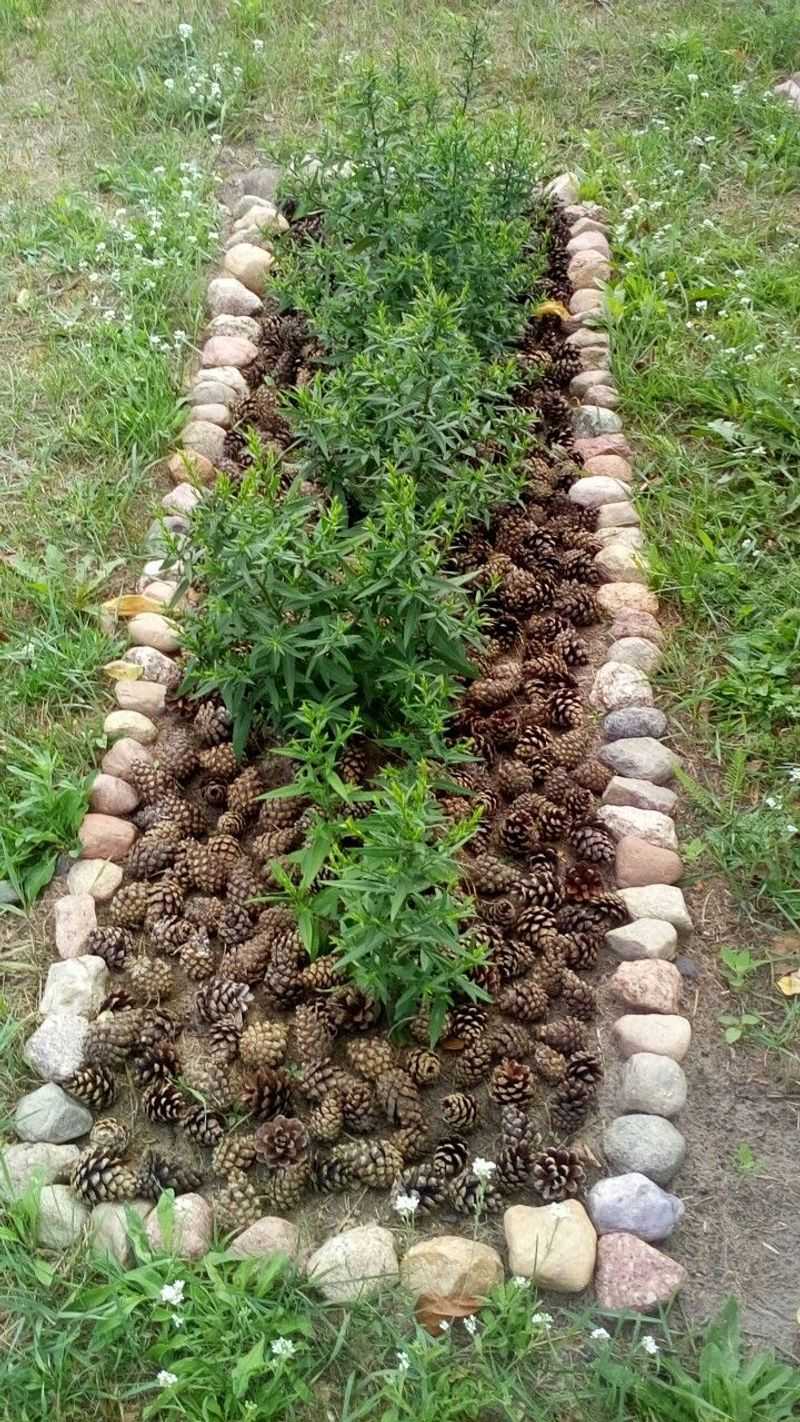
Want a crisp border without buying pavers? Line up your biggest pinecones along the edge of a bed for a woodsy, cottage-style look.
Choose cones of similar size and press them firmly into the soil so they do not roll. A single row looks tidy, while a double row reads a bit more natural.
This works especially well along curved beds, since cones bend around corners easily.
Beyond looks, the edge marks where the lawn mower should stop and helps keep mulch from spilling onto grass. It also adds some curb appeal in front-yard beds when you want a fresh look without spending a weekend hauling stone.
Fun fact: the giant sugar pine, native to the West, grows cones up to about 20 inches long. Southern gardeners do not have those, but longleaf pines produce some of the largest cones in the eastern U.S., often 6 to 10 inches.
They make striking edging if you have them nearby. Replace cones as they weather, usually every year or so.
Since your trees keep dropping more, you always have a fresh supply ready.
14. Seed Starter Fun with Kids
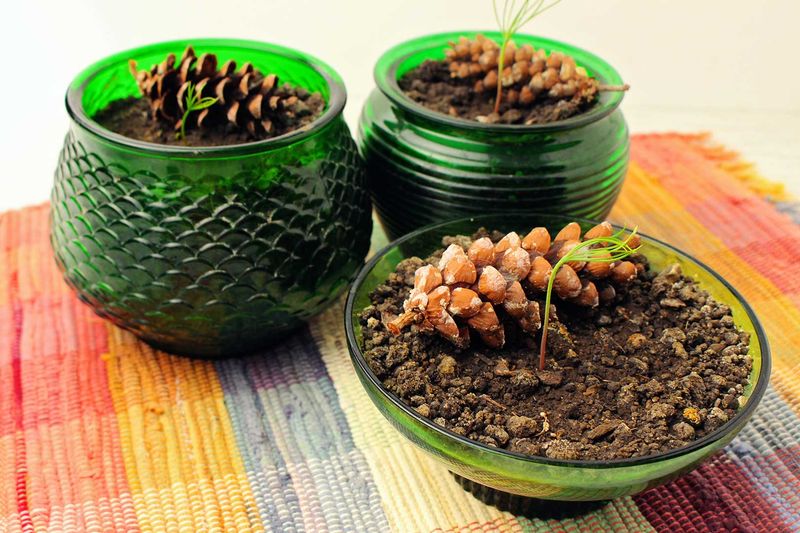
Here is a project that gets little hands dirty in the best way. Open pinecones can become tiny planters for seeds.
Pack a little potting soil or seed-starting mix into the gaps between scales. Then sprinkle small seeds like chia, grass, or alyssum on top and mist with water.
Set the cone in a saucer in a bright spot, and in a week or so, green shoots may start poking out from every angle.
Kids love watching the cone sprout what looks like green hair. It is a great way to teach them how seeds need moisture, light, and warmth.
Older children can track growth with a ruler and a notebook.
These cone planters will not support big plants for long, so think of them as a short-term experiment or decoration. Once sprouts get crowded, tuck the whole cone into a garden bed or container where roots can spread.
In the South, this makes a fun activity for cooler fall and early spring days when it is too chilly or rainy for full garden work, but kids still want something growing.
15. Winter Frost Blanket for Tender Roots
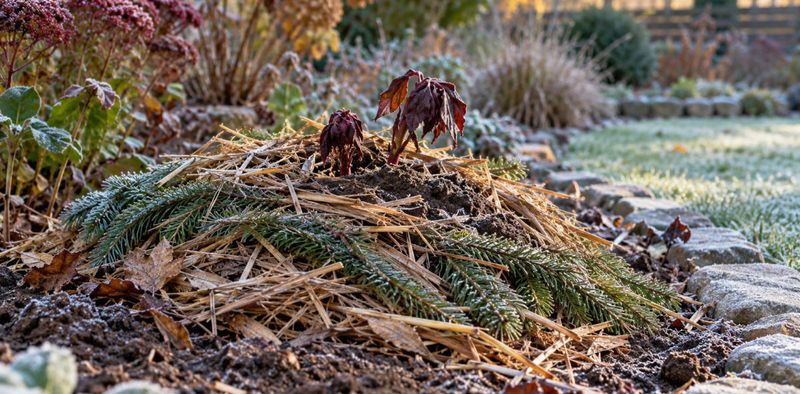
Southern winters are mild until they suddenly are not. One hard freeze can damage roots of tender plants that are not used to the cold.
Pile pinecones extra deep, five or six inches, around the bases of plants like lantana, firebush, young citrus, and other cold-sensitive perennials when a freeze is in the forecast. Air pockets between the cones trap warmth from the soil and may help shield the crown and roots.
Top with pine straw or leaves for even more cover.
For extra insurance, drape frost cloth over the top growth and let it reach the ground so it holds in heat rising from the soil. Water the ground a day before the freeze, since moist soil tends to hold heat better than dry soil.
Once warm weather returns, pull the deep pile back to a normal mulch layer so the crown does not stay too damp. Even if top growth gets nipped, protected roots often push out fresh shoots in spring.
North Texas gardeners face more freezes than Florida, but anyone can benefit from keeping a cone stockpile handy for surprise cold snaps.