
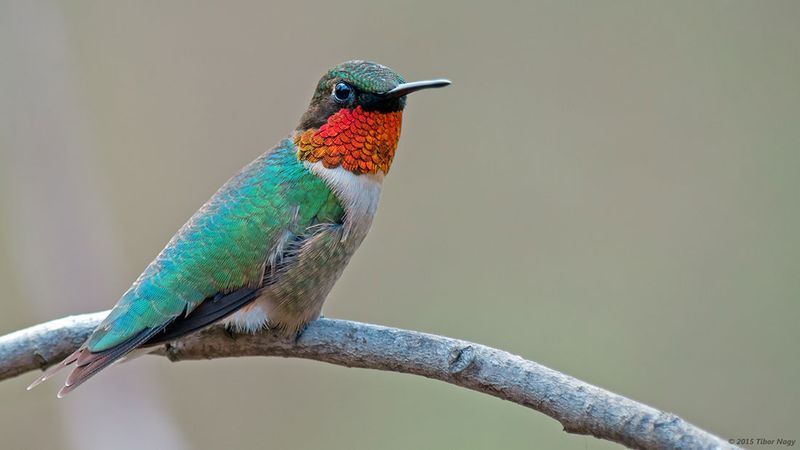
Late summer in Central Texas brings tiny travelers zipping through yards on their way south. A flower with bright red blooms can give them a spot to sip nectar along the way.
Turk’s cap is a tough Texas native that hummingbirds visit, and one Ruby-throated Hummingbird has been documented feeding from it. Here is what the plant can do for your yard, what it cannot promise, and how to grow it well.
Ruby-throated Hummingbirds are possible fall visitors
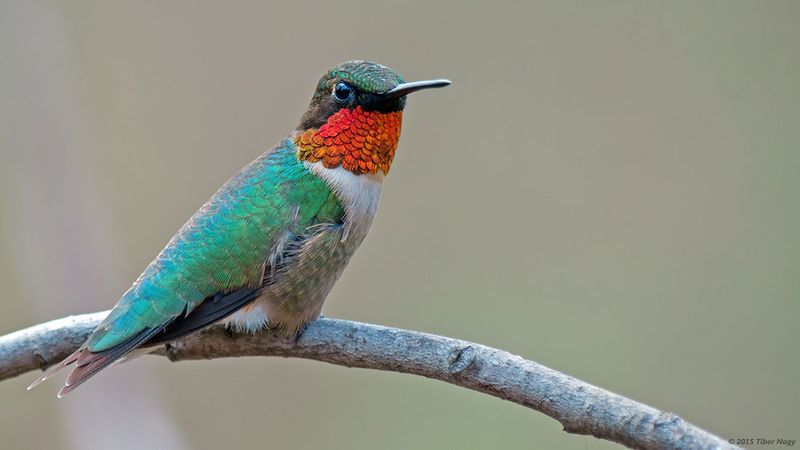
Ruby-throated Hummingbirds are small migrants that travel through Texas each fall on their way south. According to Texas Parks and Wildlife, they pass through the state in fall and tend to concentrate especially along the coast.
Adult males wear a flashing red throat, while females and young birds look plainer, with whitish throats.
Central Texas is a different story from the coast. In a TPWD account of the Hill Country, Ruby-throated Hummingbirds are described as uncommon from early August to October.
Black-chinned Hummingbirds are much more common there.
So if a hummingbird zips past your porch this September, it may well be a Black-chinned. A Ruby-throat is a real possibility, and spotting one would be a treat, but plenty of Central Texas yards will never host one.
Species and numbers vary from place to place and year to year.
That is good news for gardeners, because the plants that serve one hummingbird usually serve the others too. A flower that offers nectar helps whichever species happens to be flying through.
Turk’s cap can offer passing birds another place to feed
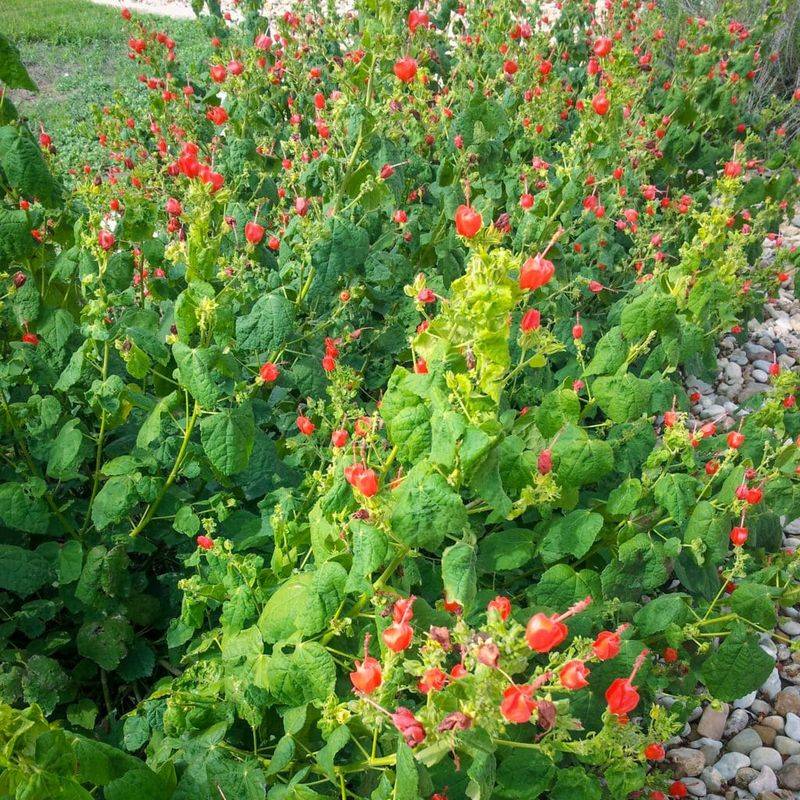
Turk’s cap (Malvaviscus arboreus var. drummondii) is a Texas native with twisting red blooms that never fully open. Their shape and color seem made for hummingbirds.
TPWD’s fall hummingbird publication lists it among popular fall hummingbird plants and documents a Ruby-throated Hummingbird feeding from one.
For a gardener, that adds up to a simple benefit. A flowering Turk’s cap gives migrating hummingbirds one more spot to refuel in your neighborhood.
Every stop with nectar helps a bird that is burning energy fast.
Think of it as adding a stop to a busy highway. The birds are already on the move, and a patch of blooms gives them a reason to pause for a sip.
Your yard becomes part of the neighborhood’s menu.
It is worth being clear about what that means. A feeding visit is not the same as a longer stay.
Nothing in the sources shows that planting Turk’s cap makes a hummingbird linger in your yard or leave later in the season. Migration is driven by the birds’ own timing, and a plant does not change that.
What you can count on is nectar for the birds that do come by, plus a bonus for butterflies. Plant it for the pleasure of watching a visitor feed, and treat every sighting as a gift rather than a guarantee.
Will Turk’s cap still have flowers in fall?
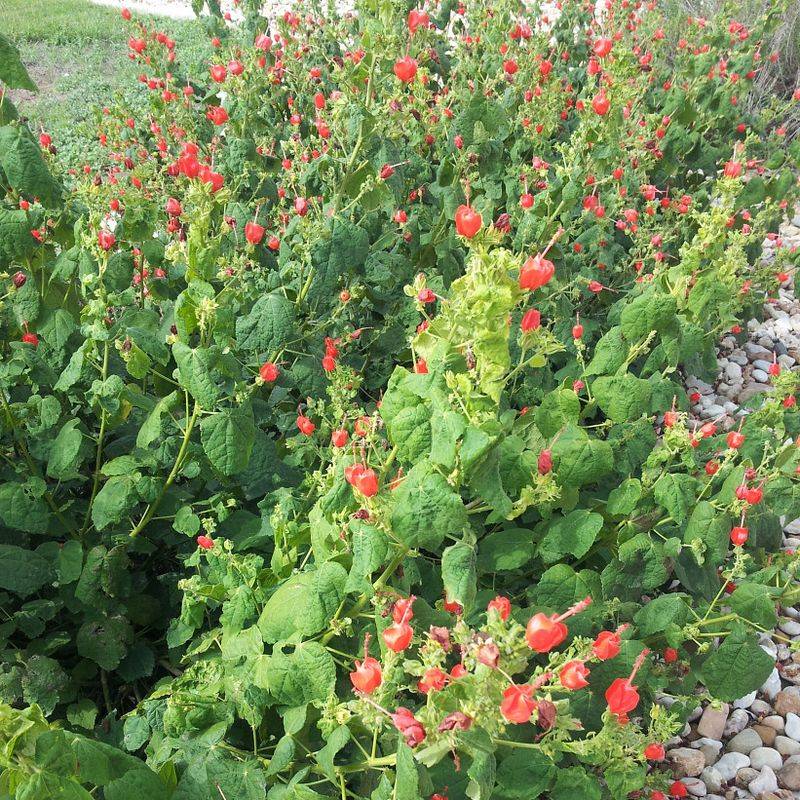
Sources disagree a little on bloom time, and that is useful to know. The University of Texas wildflower database reports flowering across the year, including fall months.
Austin’s plant guide lists seasonal interest from spring through fall.
Texas Tech takes a narrower view. Its landscape information sheet describes a summer bloom period.
The takeaway is that late-season flowers are possible, but no one can promise them for every plant. Heat, water, shade, and the plant’s age can all shift when and how much it blooms.
If you want blooms during fall migration, watch your own plant. Notice when it flowers in your yard this year, and jot it down for next year.
A shrub with buds in September is a good sign for hungry travelers.
Pairing Turk’s cap with other nectar plants that bloom at different times can fill gaps if yours slows down. That way the yard offers something even when one plant takes a break.
Give this spreading native room to grow
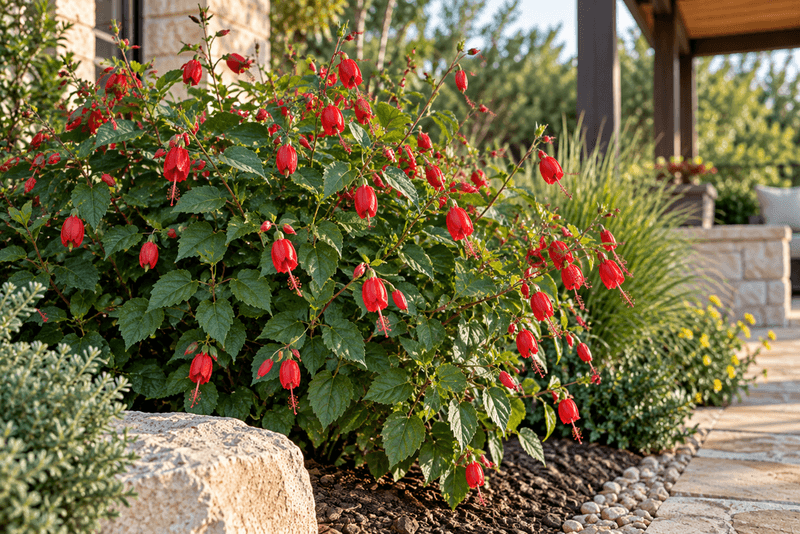
Before you buy one, check your space. Turk’s cap is native to the Edwards Plateau, which makes it a natural fit for Hill Country and Central Texas landscapes.
Austin’s plant guide lists it as a low-water shrub for sun or part shade.
The guide gives a typical size of 2 to 6 feet tall and 3 to 5 feet wide. That is local guidance, not a promise for every yard, since soil, light, and water change how a plant grows.
It also says the plant attracts hummingbirds and butterflies.
The catch is that Turk’s cap can form expanding colonies. A single plant may slowly turn into a patch, which is lovely in a wild corner and less lovely in a tidy bed.
Pick a spot where it can fill out. The back of a border, a shady side yard, or the edge of a wooded area are all good candidates.
Give it a little elbow room from small plants that could get crowded out.
If it spreads further than you like, you can contain it or cut it back. The same goes for a plant that gets leggy.
A trim keeps it in bounds and lets you decide where the colony stops.
Because it is a low-water plant, it also suits Texas yards under watering restrictions. Once established, it asks for little beyond space.
Protect both nectar and insect food
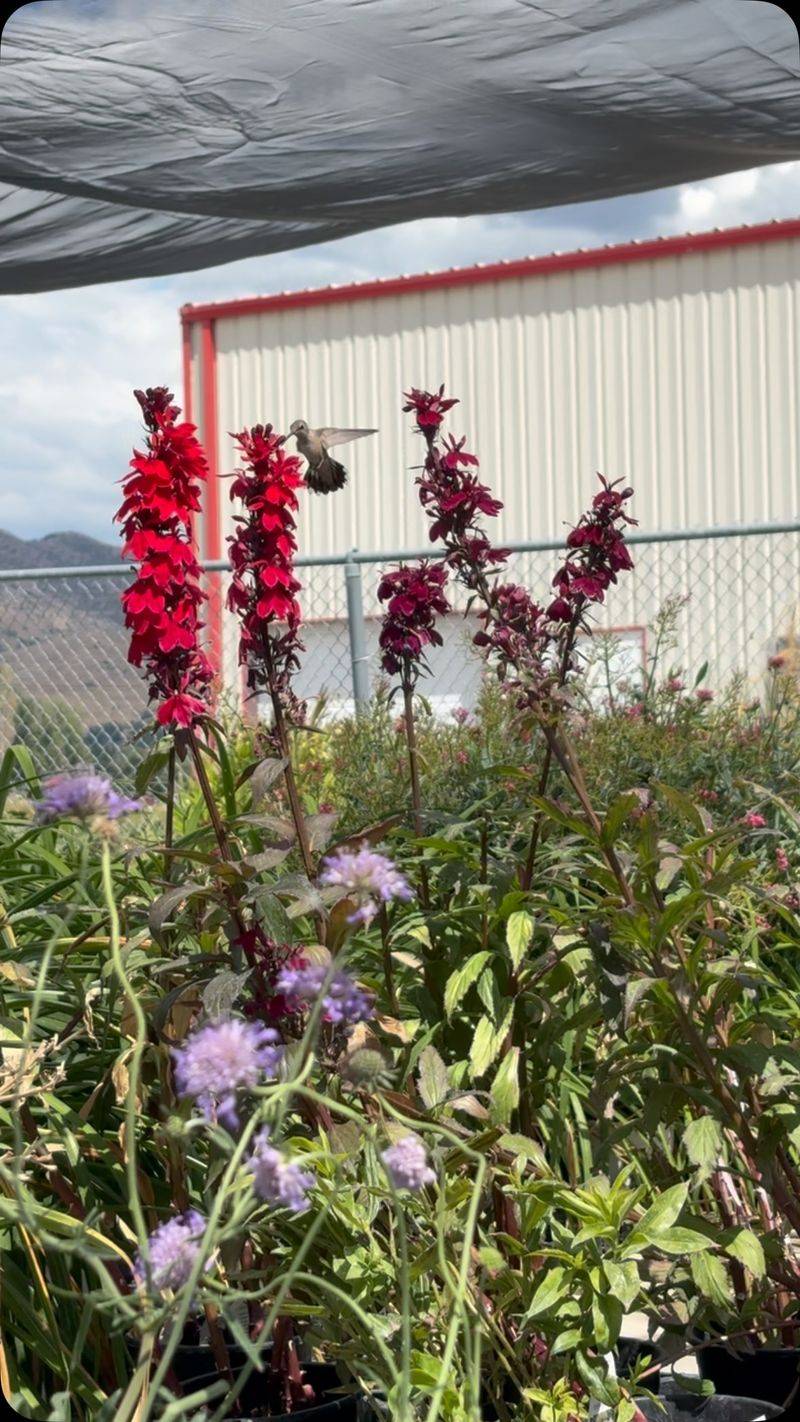
Hummingbirds do not live on nectar alone. They also eat small insects, which supply protein.
That means a bird can pick up poison from a flower it sips or from a bug it snaps up.
Audubon’s guide to attracting hummingbirds and orioles notes that birds can ingest poisons through contaminated insects. It also warns that systemic herbicides can reach nectar.
Its advice is to avoid pesticides in a hummingbird-friendly garden.
In practice, that means keeping sprays away from Turk’s cap and the plants around it. A garden full of nectar is only helpful if the food in it is safe to eat.
A few bugs on your plants are part of the deal. They are a food source for the birds you are trying to help, so a little chewed foliage is a fair trade.
If you are tempted to treat something near your flowers, stop and think about where the chemicals could travel. Hummingbirds visit many blossoms in a day, and they do not know which ones were treated.
Feeders can supplement the garden without stopping migration
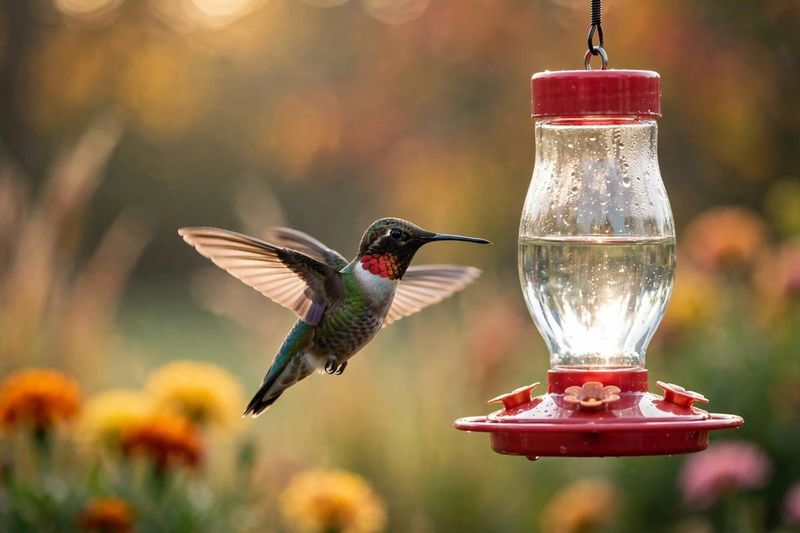
Plenty of gardeners pair flowers with a feeder, and that is fine. Feeders do not stall migration, according to TPWD.
The agency suggests leaving feeders up until two weeks after the last hummingbird sighting.
Care matters more than the feeder itself. Audubon’s feeding FAQs recommend one part white sugar to four parts water.
Skip red food coloring and honey.
Audubon also stresses regular cleaning. In hot weather, it advises cleaning every day or every other day, and Texas fall afternoons can still run warm.
Dirty nectar can spoil quickly.
Treat the feeder as an extra, separate from your plants. It sits beside the garden rather than replacing it, and neither one changes when birds leave for the winter.
A simple routine helps: mix a fresh batch, rinse the feeder, refill, and hang it in a spot you can see from a window.
Plant for feeding visits, not a longer stay
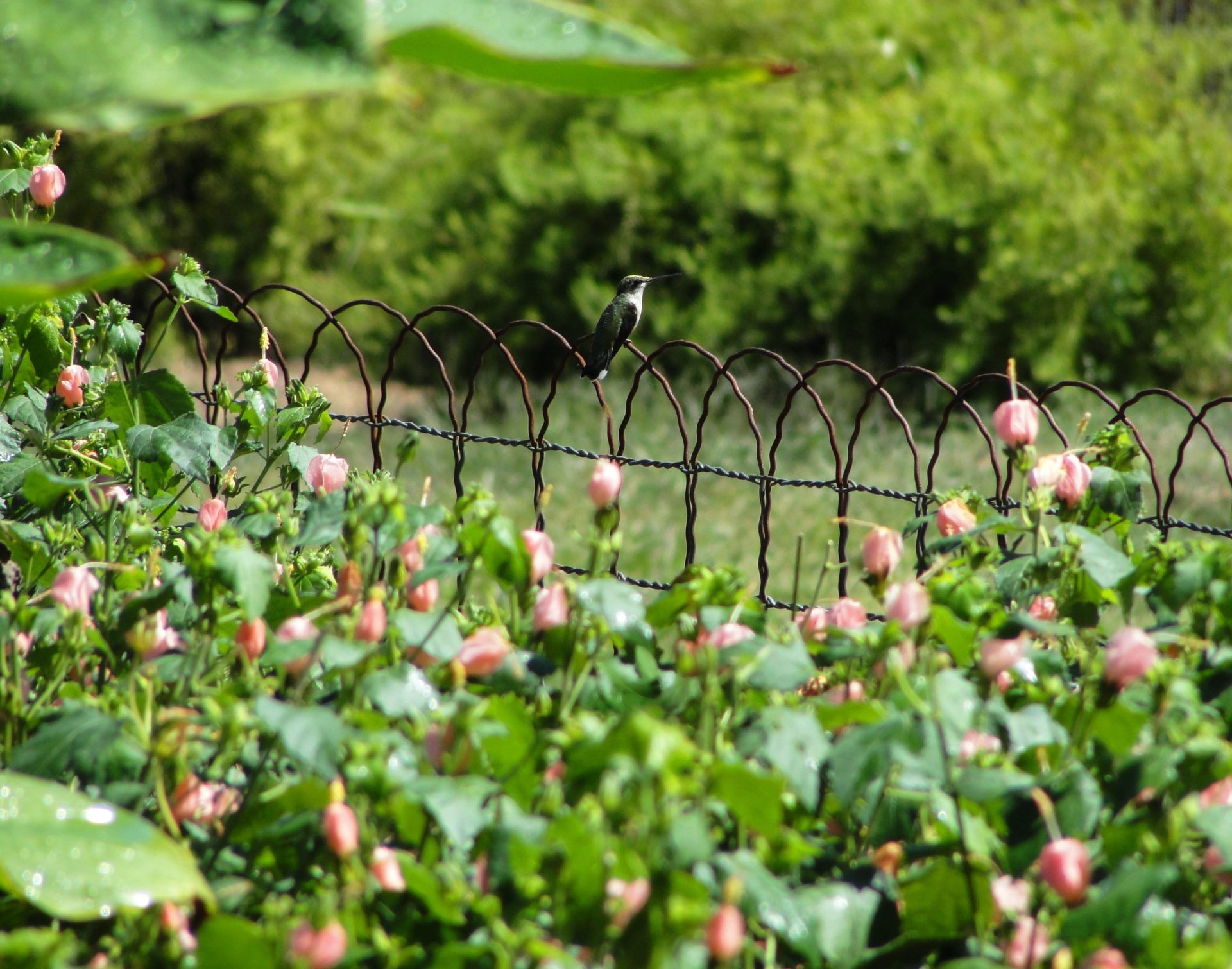
Turk’s cap can offer nectar when it has flowers, and TPWD documents a Ruby-throated Hummingbird feeding from it. Nothing shows it makes birds linger or migrate later.
Ruby-throats are possible visitors, and Hill Country reports show Black-chinned Hummingbirds are far more common.
Feeder fans can follow TPWD timing and Audubon care tips.
Plant it for the habitat, and enjoy whoever stops by.