
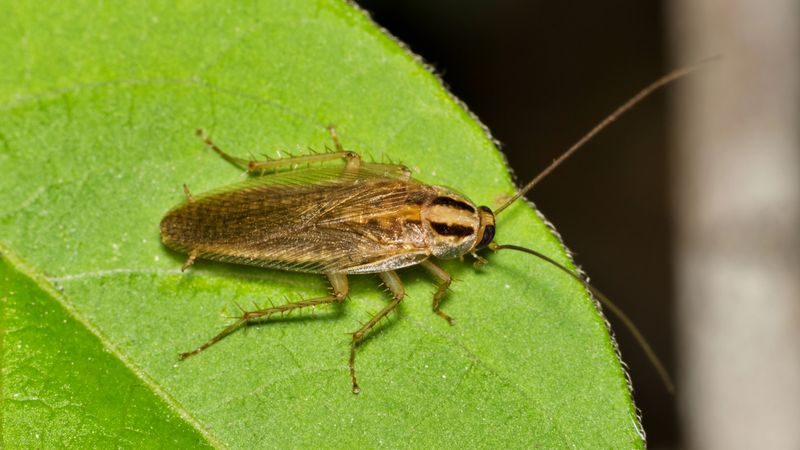
Cold snaps have Texas homeowners wondering what they can put by the front door to keep rats and roaches out. Catnip gets mentioned a lot, thanks to one small laboratory study.
The real story is narrower than the hype, and it points to steps that work better. Here is what is known, what is not, and what to do at your own doorstep.
Catnip’s Texas listing is not a pest-control claim

Catnip (Nepeta cataria) is the plant behind a lot of online claims about roaches. Before going further, here is the plain version: this article will not promise that catnip keeps rats or cockroaches away from your home.
What we can say is modest. Texas A&M lists catnip as a year-round evergreen perennial in its Texas herb-landscape guide.
That tells you the plant has a place in Texas landscapes. It does not tell you that catnip is easy to grow, that it suits every porch or container, or that it does anything to pests.
A plant listing and a pest-control result are two different things, and mixing them up is how a garden idea turns into a false promise. If your goal is fewer rats and roaches around the house, the useful questions are about gaps, food, water, and hiding spots.
The sections ahead cover what the catnip research actually tested, how Texas pests behave in winter, and the steps that hold up better than any plant by the door.
What the catnip study actually tested
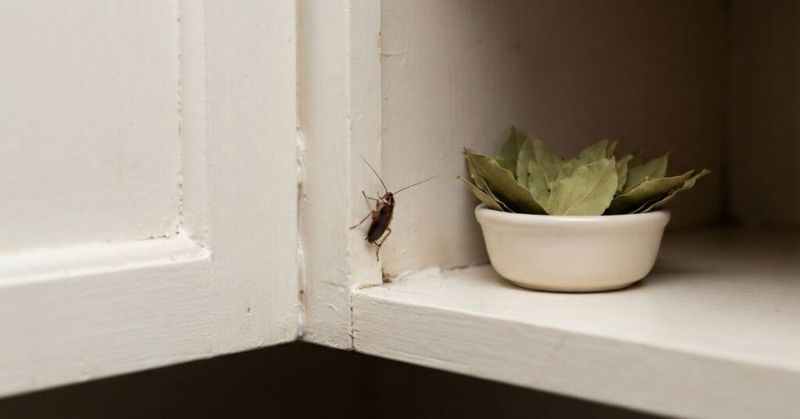
Researchers in a laboratory study of catnip oil components tested catnip essential oil and isolated nepetalactone compounds on adult male German cockroaches. In a choice test, the insects moved away from the treated materials.
That is a real finding, and it is also a small one.
Now compare it to your porch. The study used concentrated oil and purified compounds, not a living plant.
It did not test outdoor conditions, other cockroach species, or rats. It did not test whether anything protects a doorway, and it did not test whether anything controls an infestation.
A leafy pot by the steps is not the same as a measured dose of concentrated oil in a small arena. Growing catnip does not recreate those lab conditions.
The Nebraska Extension cockroach manual makes the same point. Concentrated aromatic compounds may repel insects in tests, but herbs have not shown practical results in real homes.
It also warns that repellents may simply shift cockroaches around instead of controlling them.
So the honest reading is simple: interesting lab result, no proof for your front door.
Cold weather does not explain every pest at the threshold
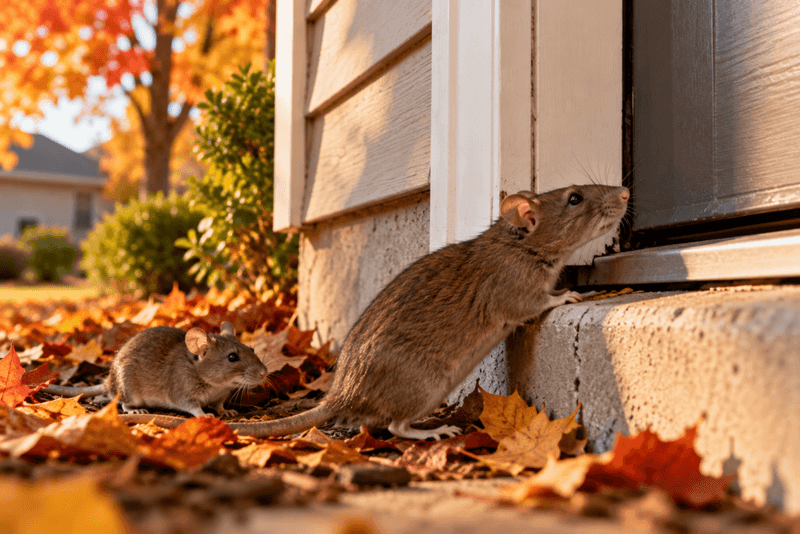
Winter does change pest behavior, just not in one tidy way. Rodents may look for warm shelter when temperatures drop, and a house with open gaps and easy food looks like a good deal.
Even so, extension guidance on rats and mice focuses on getting them out of the house and yard, and a rat sighting does not always trace back to a cold night.
Cockroaches are even less predictable. Texas has several species, and they live differently.
American, oriental, and smokybrown cockroaches are usually outdoor species. According to Texas A&M cockroach guidance, they may come inside looking for food or water.
German cockroaches are different. They spend their lives indoors, so a cold night outside is not what put them in your kitchen.
That guidance does not name cold nights as the trigger for every roach that wanders in. A roach in January could be a thirsty outdoor species or a long-time indoor resident.
Knowing which one you have shapes what you should do next.
Keep rats out with exclusion and sanitation
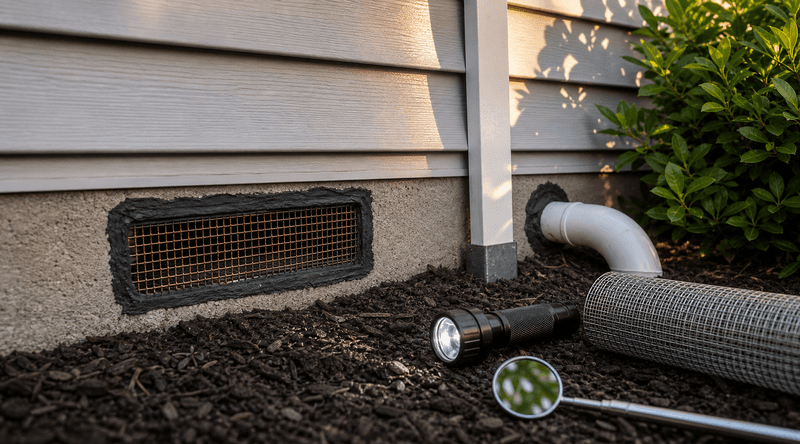
Rat control works best when it targets how rats get in and why they stay. UC IPM describes successful control as sanitation, structural exclusion, and population control.
Start with openings. Walk the outside of the house and seal gaps larger than one-quarter inch, checking around pipes, vents, garage doors, and where utilities enter the walls.
Pay attention to spots a flashlight reveals at dusk.
Next, take away the reward. Remove accessible food and water, keep trash in lidded containers, and store pet food in sealed bins instead of leaving a bowl out overnight.
Outside, trim dense vegetation and clear debris piles close to the structure, since both give rats cover.
What about scent? NC State Extension says odor repellents are not reliable for prevention or management, and UC IPM notes odors may cause only brief aversion.
These steps cut down on entry and attractants, but no single one guarantees a rat-free home. Layering them gives you the best odds.
Identify the cockroach before choosing a response
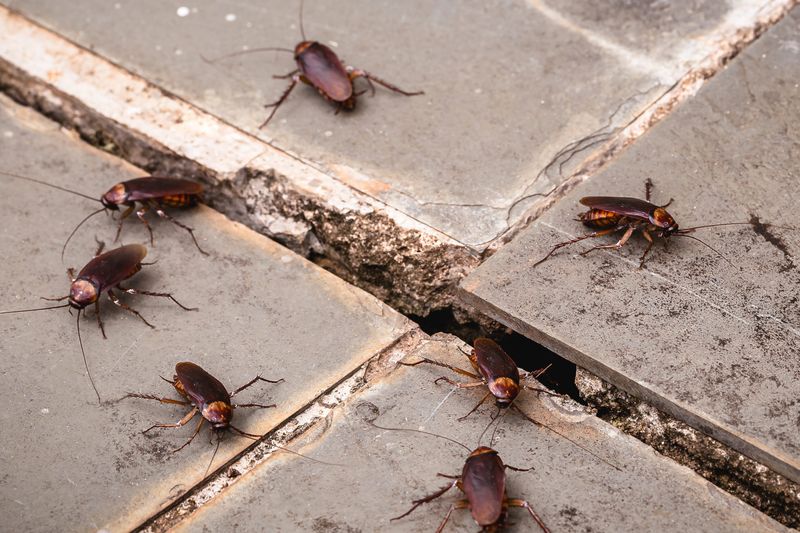
A roach is not just a roach. Species decides where it came from, and that decides your plan.
Texas A&M notes that American, oriental, and smokybrown cockroaches are usually outdoor species, while German cockroaches spend their entire lives indoors.
If you find large roaches near doors, drains, or crawl spaces, think outdoor invaders and look for how they got in. If you find small ones clustered in kitchens and bathrooms, think German cockroaches living in your walls and cabinets.
For either group, prevention follows a pattern. Close entry points such as gaps under doors, cracks around pipes, and torn screens.
Cut back food, water, and hiding places by fixing leaks, wiping up crumbs, and clearing clutter and cardboard.
Then monitor. Sticky cards placed near suspected routes, like along baseboards, under sinks, and by door thresholds, show where activity is heavy and whether your changes help.
Catch counts also give you good details to share if you eventually call a professional.
Address an established pest problem directly
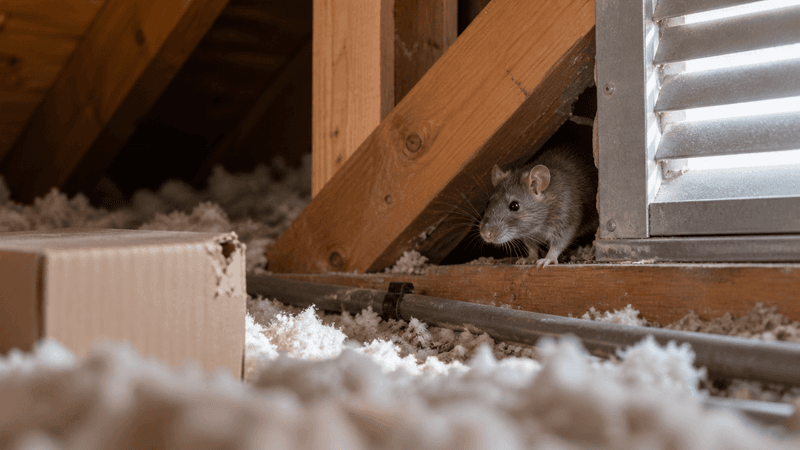
Once pests are inside, prevention alone is not enough. You need a response, and a plant or a scent is not one.
For rodents indoors, CDC guidance recommends snap traps placed where there are signs of activity, such as droppings or gnaw marks. Keep traps and bait away from children and pets.
The CDC also advises checking how the rodents got in and sealing those openings, or new ones will simply replace the ones you remove.
For cockroaches, use products labeled for the pest and the location where you will apply them. Texas A&M discusses bait stations for indoor use and granular baits for outdoor areas.
Read the label first, since a product made for one setting may not be appropriate for another.
If numbers keep climbing, you keep seeing pests in daylight, or several rooms are affected, bring in a pest professional. A serious infestation is hard to solve with store-bought fixes alone.
Check catnip safety around cats
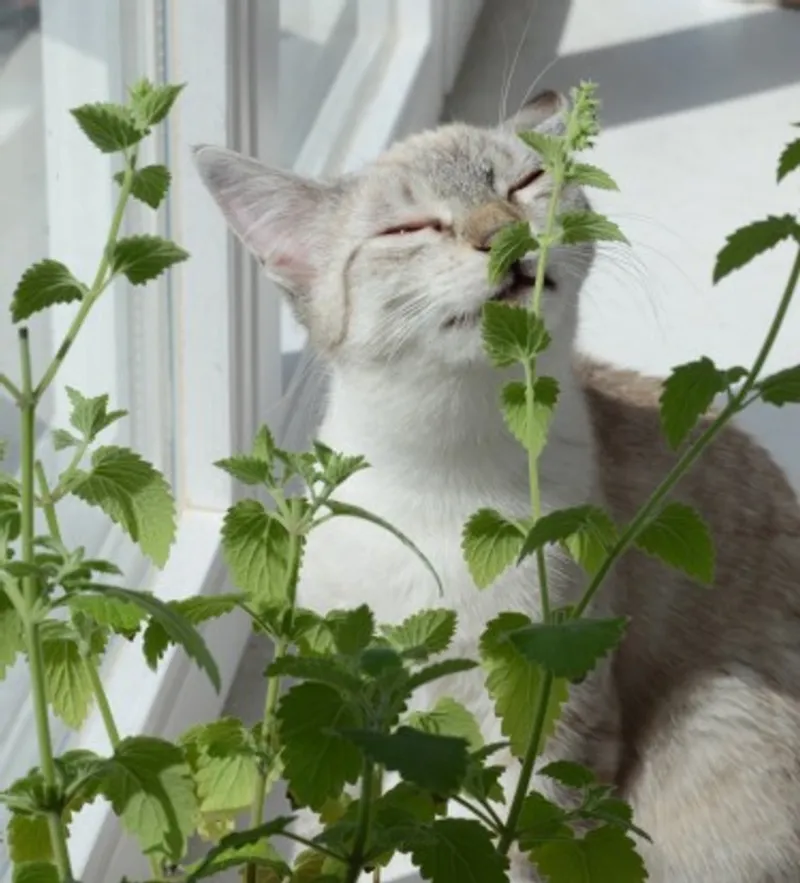
If you still want catnip in your yard, think about the cats in your household first. The ASPCA lists catnip as toxic to cats.
It reports possible vomiting and diarrhea, along with sedating or stimulating effects.
That surprises people, since many cats seem to love the plant. A cat that chews a lot of leaves is a good reason to keep it out of reach or skip it altogether.
This guidance is specific to cats and to what the ASPCA reports. It says nothing about the limited pest research, which stands on its own.
A plant can be a poor pest barrier and a questionable choice for a cat household at the same time.
Start pest prevention at the threshold, not with a plant

Catnip can earn a spot in a Texas landscape if you like it, but it should not be your plan for rats or cockroaches. Put your effort where the evidence is stronger.
Seal openings, following UC IPM’s rat guidance. Remove food, water, and shelter.
Figure out which cockroach you have, using the species details in the Texas A&M guidance, and match your response to it. When pests are already inside, use targeted control.
The best pest defense is boring, and it starts at the threshold: a sealed gap beats a fragrant pot every time.