
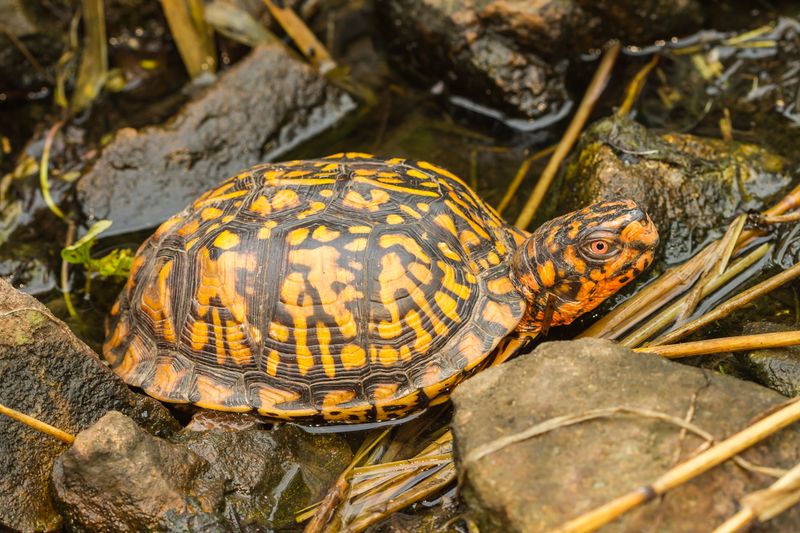
Spotting a box turtle slowly making its way through your garden bed is one of those moments that stops you mid-weed. These shelled reptiles have been part of North Carolina’s landscape long before neighborhoods arrived, and seeing one up close raises a natural question: what does it mean that this one keeps coming back? The honest answer is more interesting than the usual “your garden must be healthy” shortcut, and understanding it will help you protect both your plants and a slow-moving native neighbor.
A box turtle in the bed signals habitat, not a soil test
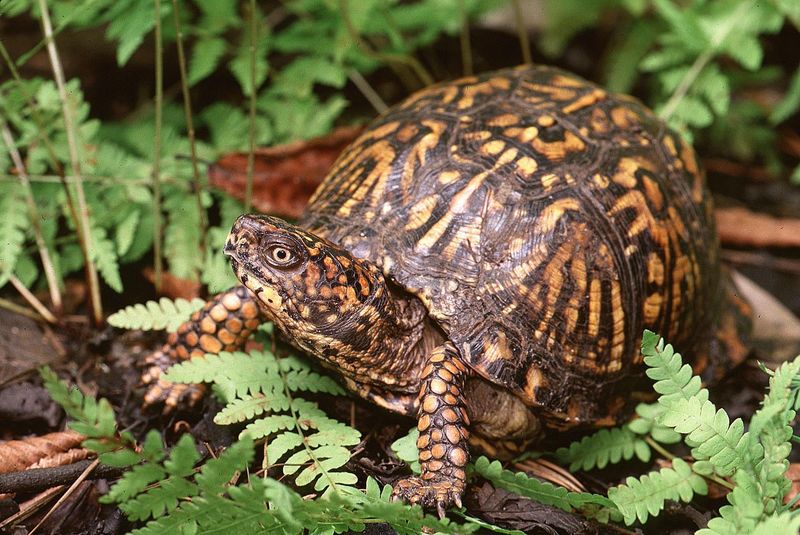
Eastern box turtles are native to North Carolina and turn up in an impressive range of places, from dense woodland edges to suburban backyards. NC Wildlife Resources Commission notes the species occurs statewide, frequently moving through fields, wooded margins, and residential properties as part of normal activity. Finding one in a garden bed does not mark the spot as extraordinary; it marks the yard as reachable.
What a garden visit most plausibly signals is that the property connects to suitable nearby habitat. Box turtles are drawn to some combination of moisture, shade, cover, leaf litter, and available food, and a garden bed can offer several of those at once. NC State Extension’s guide on backyard reptiles and amphibians points out that features like mulch, ground cover, and moist soil make residential beds attractive foraging and resting spots for these turtles.
A key distinction worth making early: the turtle may be crossing through the yard rather than living inside the bed. Research on habitat selection across box turtle populations links occurrence to landscape-level features such as canopy cover, moisture, and reduced development intensity, not to any single plot of ground. A U.S. Forest Service regional analysis similarly connects box turtle habitat quality to broader forest and edge conditions rather than to garden-scale metrics.
That context matters because a common shorthand – “a turtle means your soil is healthy” – overstates what one sighting can tell you. The turtle’s presence is a useful habitat clue worth noticing and protecting. Treating it as a diagnostic report on soil chemistry, pest abundance, or ecosystem balance asks more of a single reptile than the evidence supports. Welcome the visitor for what it actually is: a native animal that found a usable corner of its home range inside your yard.
Why the same turtle may keep coming back
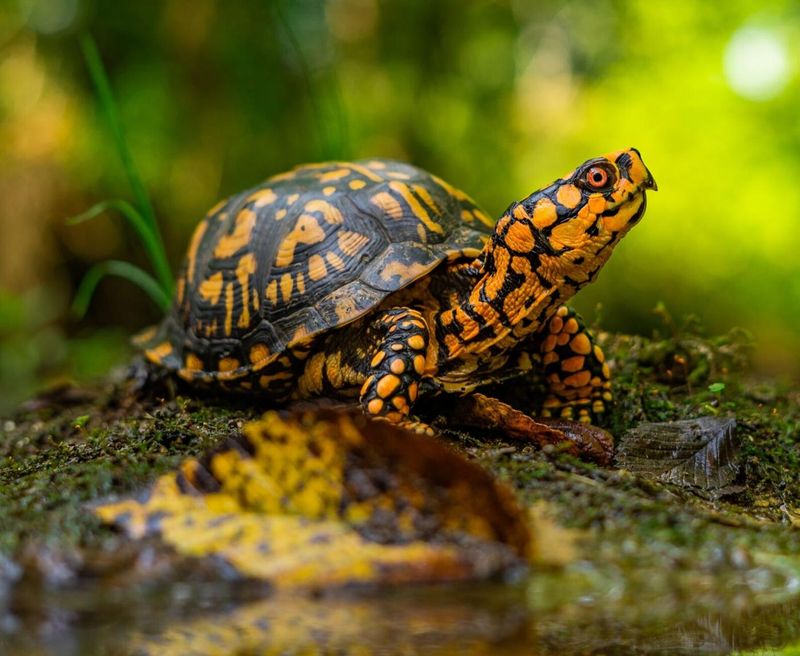
Repeated sightings of a box turtle in the same garden bed often have a straightforward explanation: it may be the same individual returning along a familiar route. Eastern box turtles typically operate within a relatively small activity area, often under two acres, and NC Wildlife Resources Commission describes the species as having strong homing instincts that keep individuals tied to established territory over many years.
Movement studies reinforce this pattern. USGS research on box turtle home range behavior found that individuals tend to use the same core areas repeatedly across seasons rather than wandering widely. If your garden bed sits inside or adjacent to one turtle’s familiar circuit, it will show up again and again simply because that is its territory, not because the yard is unusually productive or because the population is growing.
A USGS study on eastern box turtle movement and resource selection also documents that individuals use multiple habitat types within their range, cycling between woodland, moist ground, open edges, and residential areas depending on season, temperature, and food availability. Your garden may be one stop on a loop that also includes a neighboring tree line or a shaded area behind a fence.
Understanding this homing behavior also explains why relocation is harmful rather than helpful. Moving a turtle even a short distance outside its familiar area forces it to spend time and energy trying to return, crossing roads and unfamiliar ground in the process. The repeated visits are not a problem to solve; they are a sign that one native animal has found a safe and useful corner of its home range inside your property line.
What the turtle may eat—and what it will not do for pest control
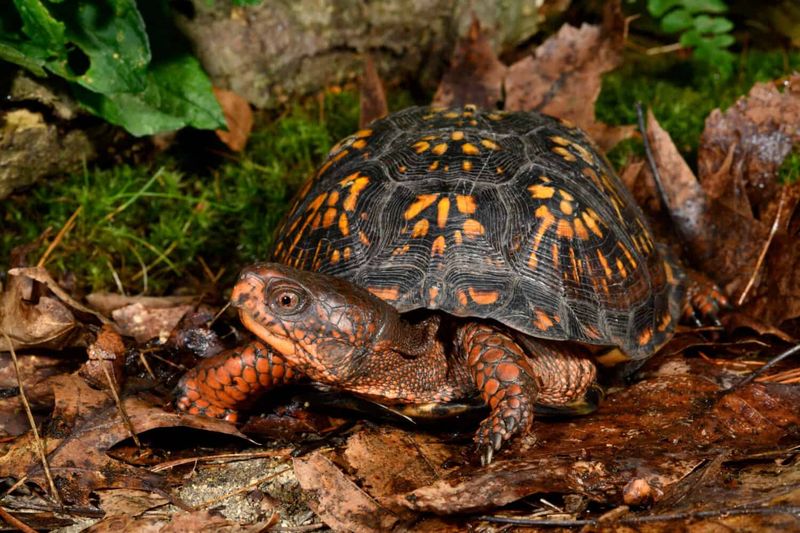
Eastern box turtles are opportunistic omnivores with a genuinely varied diet. The U.S. Forest Service’s eastern box turtle species review documents food categories that include plant material, fungi, fruit, earthworms, snails, slugs, caterpillars, grubs, beetles, and occasionally carrion. That list overlaps meaningfully with common garden pests, which is why the idea of the turtle as a natural pest-control ally is so appealing.
When a turtle does eat a slug or a grub in your bed, it is participating in a real food-web interaction. A study on eastern box turtle consumption patterns confirms that invertebrates make up a meaningful share of the diet, with prey selection varying by season and individual. Diet research on box turtle populations similarly shows that slugs and worms appear regularly in stomach content records.
The important limit is this: diet records do not translate into reliable, measurable pest reduction in a residential garden. Box turtles have low metabolic rates and spend significant time inactive, sheltering, or feeding on plant material and fungi rather than continuously hunting invertebrates. A turtle may eat a caterpillar one afternoon and spend the next two days resting under leaf litter or eating wild berries. NC State Extension frames these reptiles as part of a broader backyard food web, not as a targeted biological-control program.
Tick and mosquito concerns come up often in wildlife-and-pest conversations, and they deserve a direct answer. The available evidence documents general invertebrate consumption by box turtles; it does not establish that box turtles meaningfully reduce tick populations or mosquito numbers in North Carolina gardens. Treating the turtle as an occasional natural predator that may eat some pest species is accurate. Treating it as a substitute for pest monitoring and management is not.
Healthy soil requires more evidence than one animal sighting
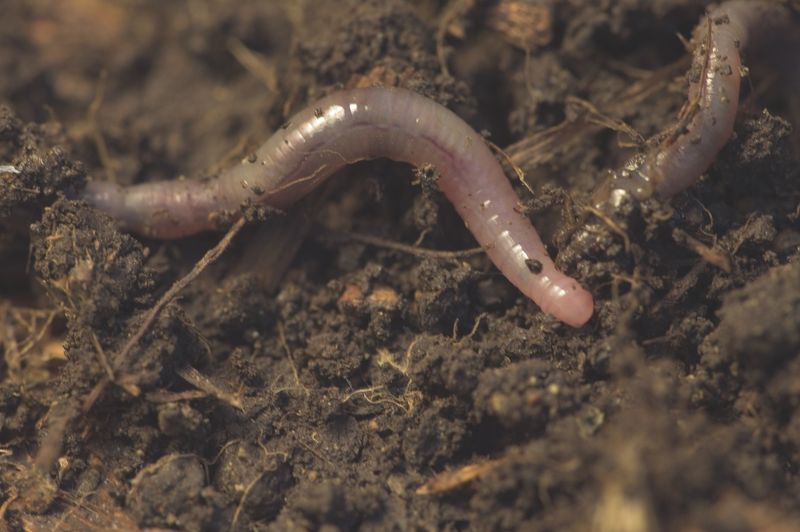
Soil health is one of those concepts that sounds simple but involves several moving parts. University of Minnesota Extension’s overview of soil health describes it as a combination of physical structure, water infiltration, organic matter content, plant performance, and biological activity, none of which can be confirmed by a single observation of one animal species.
Extension guidance on soil biology points out that a living soil community includes bacteria, fungi, nematodes, earthworms, and many other organisms working in layers that are mostly invisible at the surface. Earthworms in a garden bed can help explain why a turtle finds foraging worthwhile there, but worm presence alone – and certainly turtle presence – does not confirm that the full soil system is functioning well. Soil testing guidance from extension specialists recommends actual testing and trend tracking over time as the reliable way to understand what your soil needs.
A turtle sighting also does not prove the opposite – that the soil is depleted or unhealthy. The most honest read is simply that the bed offered something useful to a foraging reptile on that particular day, whether moisture, shade, invertebrate prey, or just a convenient path through the yard. Those are habitat clues, not soil metrics.
If a turtle visit prompts curiosity about what is actually going on underfoot, that curiosity is worth following up on directly. Watching for earthworm activity, checking how water moves through the bed after rain, and running a basic soil test through your local cooperative extension office will tell you far more than any amount of turtle-watching. The sighting is a pleasant nudge toward closer attention; the data comes from the soil itself.
Wildlife-compatible choices for a garden bed
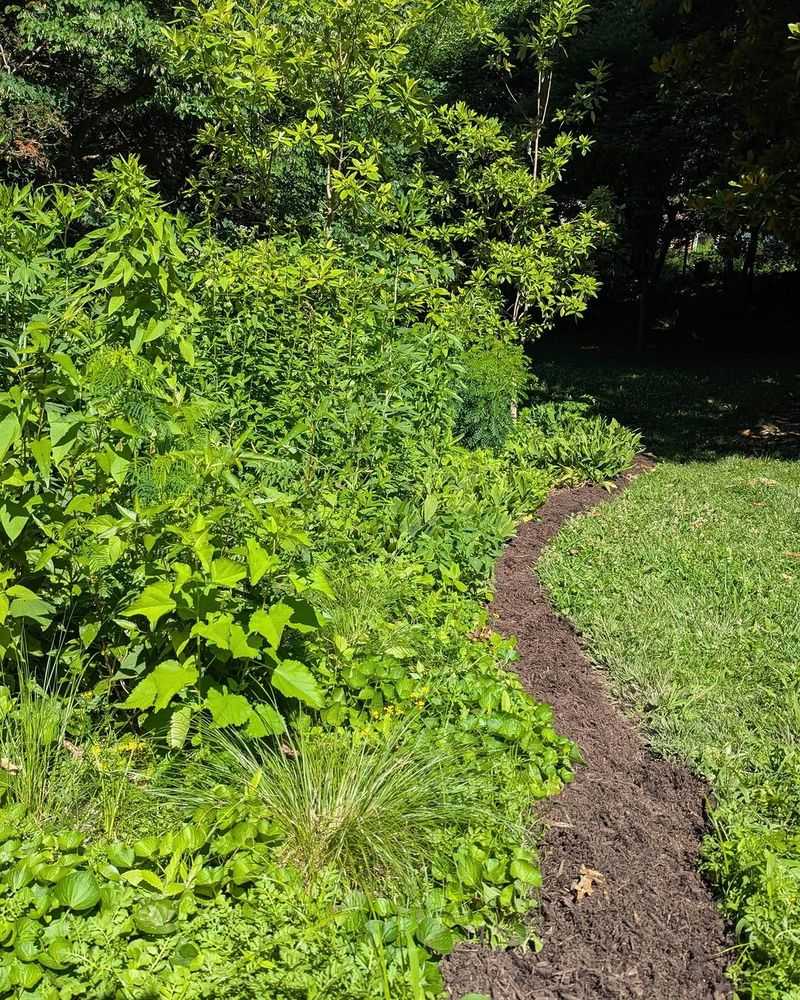
Making a yard more welcoming to box turtles does not require a major redesign. Several low-disruption choices can add habitat value while keeping the garden functional and safe for regular use. NC State Extension’s guide to herbaceous plants for wildlife identifies native grasses, forbs, ferns, and sedges as useful food and cover resources for eastern box turtles and a range of other wildlife, making plant selection one of the most practical starting points.
Retaining some leaf litter at the edges of beds and under shrubs gives turtles a place to shelter and forage without interfering with planted rows or work paths. A loose brush pile, a partially buried log, or a shaded corner with consistent moisture can serve the same purpose. NC State Extension’s backyard reptile guide notes that these kinds of structural features support a broader community of reptiles and amphibians, not just box turtles.
NC Wildlife Resources Commission recommends leaving box turtles undisturbed in their natural habitat rather than trying to manage their movements or attract them to specific spots. The goal of wildlife-compatible gardening is to reduce barriers and hazards, not to confine or feed a wild animal. Keeping mowing equipment away from dense cover areas, checking before running a string trimmer near leaf piles, and keeping pets supervised when a turtle is present are as important as any planting choice.
Not every garden can or should incorporate all of these features. A highly managed vegetable bed, a formal border, or a yard with young children has different priorities than a naturalized edge planting. Choose features that fit the property’s actual use and the amount of ongoing management you can realistically provide, and frame any additions as habitat support rather than a guarantee of specific wildlife outcomes.
Pesticide choices matter when a turtle uses the yard
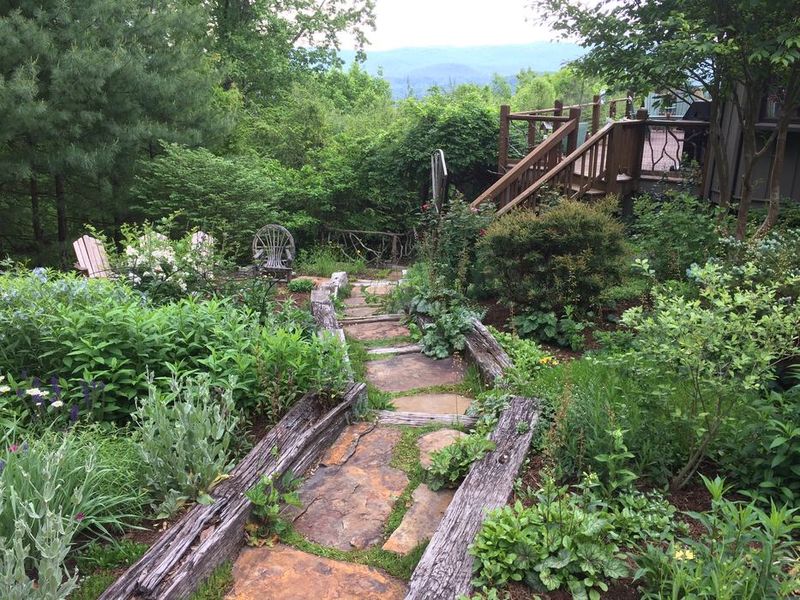
Routine use of broad-spectrum pesticides creates real exposure risks for box turtles that forage in treated areas. EPA’s T-HERPS risk guide for reptiles and amphibians identifies multiple exposure pathways: consuming contaminated prey, absorbing residues through contact with treated soil or foliage, and taking in contaminated water through runoff or spray drift. A turtle that eats earthworms or slugs from a recently treated bed may be ingesting pesticide residues along with its meal.
The first practical rule is straightforward: never spray or apply any pesticide directly to a turtle. Beyond that, EPA guidance on common causes of pesticide incidents emphasizes that label compliance is the baseline for every application. Reading and following the label reduces misapplication risk for people, pets, and wildlife alike. When a turtle is actively present in a treatment area, avoiding application until it has moved on is a reasonable and low-cost precaution.
Reducing pesticide risk does not mean abandoning all pest management. An integrated approach keeps control targeted and proportionate. Start by identifying the actual pest rather than treating broadly for anything that might be present. Monitor the level of damage before deciding whether an intervention is warranted.
Remove affected plant material by hand when that option is practical. When a pesticide is necessary, choose the most targeted product available for that specific pest, apply it according to label directions, and avoid treating more area than the problem actually requires.
No single waiting period applies to every product and every situation. The research supports minimizing turtle exposure through contaminated prey, soil, foliage, runoff, and drift, but the timing that achieves that goal varies by product chemistry, application rate, and environmental conditions. The most reliable guide is the product label combined with the precaution of avoiding treatment when turtles are visible and active in the area.
When you see one, leaving it alone is usually best
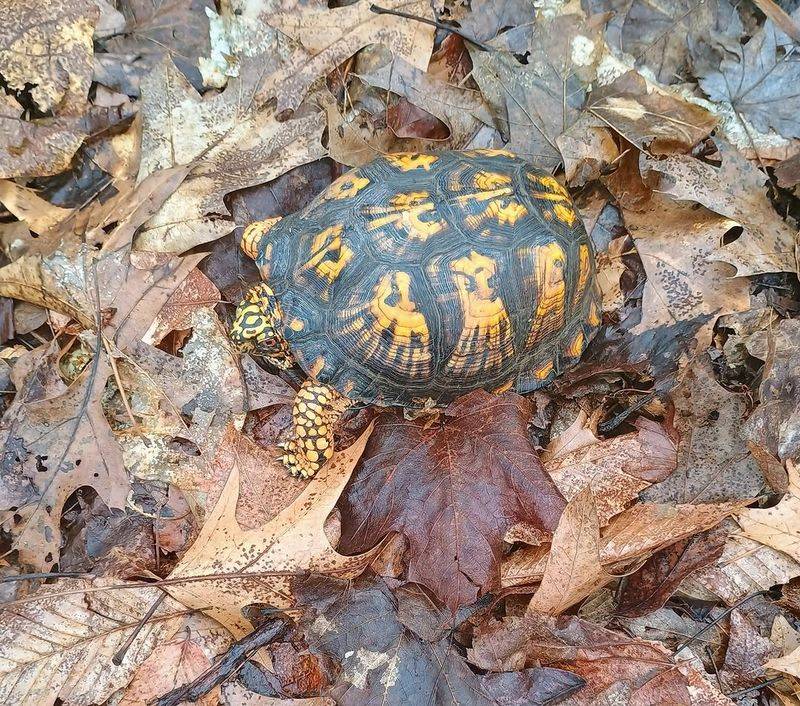
An uninjured box turtle resting or foraging in a garden bed generally needs nothing from you. The most supportive response is to observe from a comfortable distance, keep dogs and cats away from the area while the turtle is present, and give it space to move on at its own pace. Picking it up, feeding it, or relocating it to what seems like a better spot are all actions that can cause more harm than good.
NC Wildlife Resources Commission is direct on relocation: box turtles should not be moved from their home territory. Because of their strong homing instincts, a displaced turtle will attempt to return, often crossing roads and unfamiliar ground in the process. If a turtle is in immediate danger, such as in a roadway, intervene only when it is personally safe to do so. Move it the shortest possible distance, ideally under 50 feet, and only in the direction it was already traveling.
Do not take it home, release it in a park, or carry it to the nearest wooded area.
NC Wildlife’s general wildlife handling guidance and the agency’s snapping turtle profile both underscore an important identification point: eastern box turtles are not the same as snapping turtles or aquatic sliders, and handling advice differs by species. Box turtles close into their shells when threatened; snapping turtles have powerful jaws and require significantly more caution. Confirm what you are dealing with before getting close.
If a turtle has a visibly cracked shell, is bleeding, or shows other obvious injuries, contact a licensed reptile rehabilitator rather than attempting extended home care. For any handling that does occur, thorough handwashing with soap and running water is necessary immediately afterward. CDC guidance on reptiles and amphibians notes that reptiles can carry Salmonella even when they look completely healthy, and that children under five, adults over 65, and people with weakened immune systems face heightened risk from reptile-associated illness. Unnecessary handling is always worth skipping.
Treat the visitor as part of the wider habitat
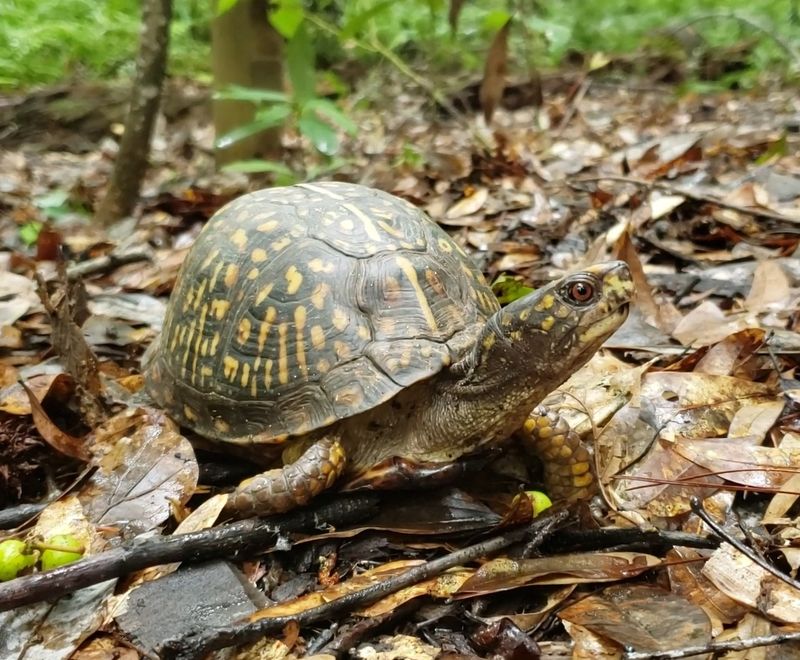
Putting the two central conclusions of this article together gives a clear picture. A recurring eastern box turtle in your yard is most likely one familiar individual whose home range overlaps with your property because the area offers access to connected habitat and some combination of moisture, cover, and foraging opportunity. That is worth recognizing and protecting. What it does not tell you is whether your soil is in good shape, whether pest levels are balanced, or whether the garden is functioning as a healthy ecosystem.
Those questions need their own observations and, when appropriate, actual testing.
The stewardship actions that follow from this are genuinely simple. Leave an uninjured turtle where it is. Reduce broad-spectrum pesticide use by identifying pests, monitoring damage, and choosing targeted controls when intervention is needed. Keep mowing equipment and pets away from areas where a turtle is active.
NC Wildlife Resources Commission notes that habitat loss, roads, development, and collection are the main pressures on box turtle populations statewide, and that slow maturation and low reproductive rates make individual animals harder to replace than most people assume. Forest Service habitat research reinforces that landscape-level conditions drive where these turtles can survive, which means the choices made in individual yards add up across a neighborhood.
None of those actions require treating the turtle as a pet, a pest-control service, or a soil-health certificate. The most honest framing is also the most satisfying one: a box turtle moving through your garden is a native animal going about its life, and a yard that keeps it safe is already doing something right.