
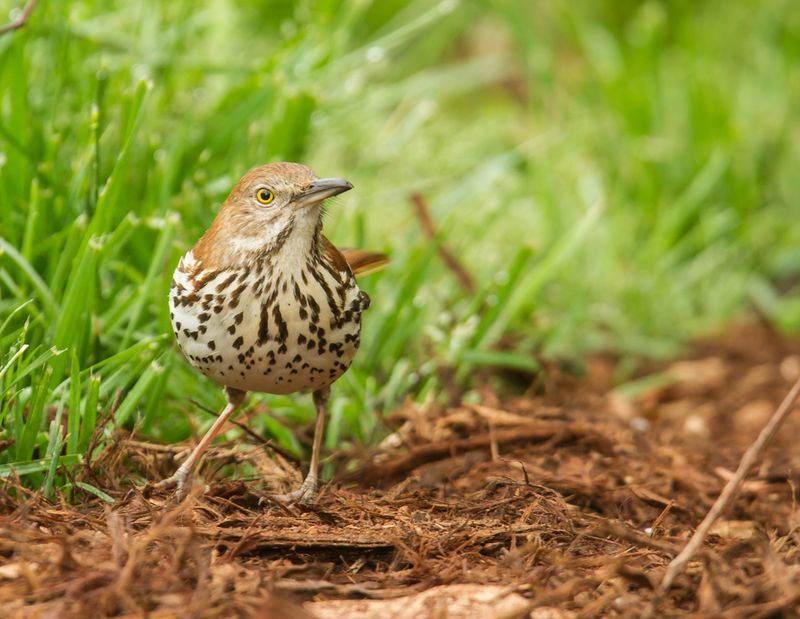
Spotting a brown thrasher tossing leaf litter in your garden bed is one of those yard moments that stops you mid-step. North Carolina homeowners sometimes take it as a sign that something is wrong underground, or that the bird is quietly cleaning up a tick problem. The truth is more interesting and more useful than either of those ideas. Understanding what the bird is actually doing, and what it cannot do, puts you in a better position to support native wildlife and protect your family at the same time.
A thrasher signals opportunity, not an outbreak
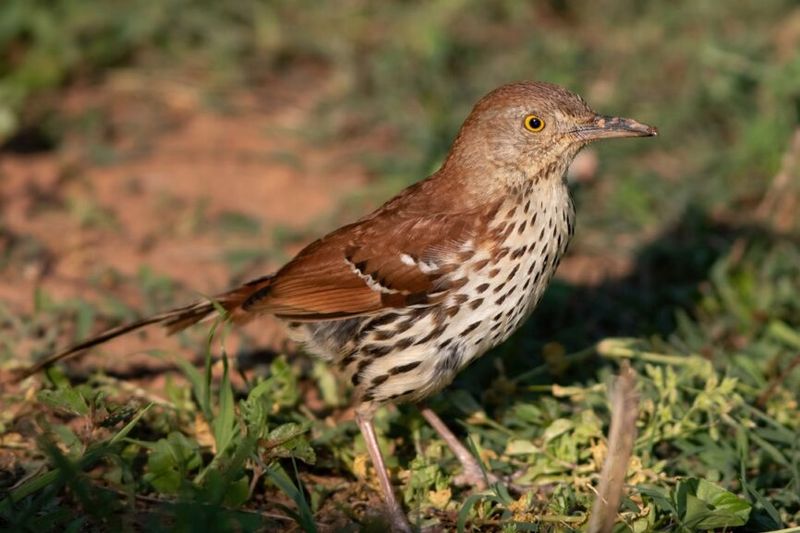
Watching a brown thrasher work through a garden bed with that long, sweeping bill is genuinely satisfying, but the behavior is easier to read than most people assume. The bird is not sounding an alarm. Cornell Lab of Ornithology’s Brown Thrasher life history describes the species as a ground-foraging omnivore that probes leaf litter and soil in search of insects and other invertebrates wherever suitable habitat exists. A thrasher working your beds is responding to what your yard already offers, not reporting on what is wrong beneath the surface.
Several things can draw a thrasher to a specific bed on a specific day. Accessible leaf litter, nearby shrubs, a familiar foraging route from a previous visit, seasonal movement through the area, or simply the presence of moist soil that makes digging easier are all plausible reasons. NC Wildlife Resources Commission guidance identifies the brown thrasher among birds associated with old-field habitat, shrubby edges, and tangled vegetation, which is exactly what a well-mulched, plant-filled North Carolina garden can resemble.
What the bird’s presence does not do is confirm a grub infestation, identify which insect species is present, prove that any plant is being damaged, indicate that your soil is unusually healthy or unhealthy, or predict that your tick numbers will drop. Those conclusions require separate investigation. The corrected premise for everything that follows is straightforward: a brown thrasher in your garden bed is a sign that the yard provides usable habitat and accessible prey. That is worth knowing and worth supporting, but it is a different thing from a pest diagnosis.
Its ground-foraging bill can reach grubs, but the menu is broad
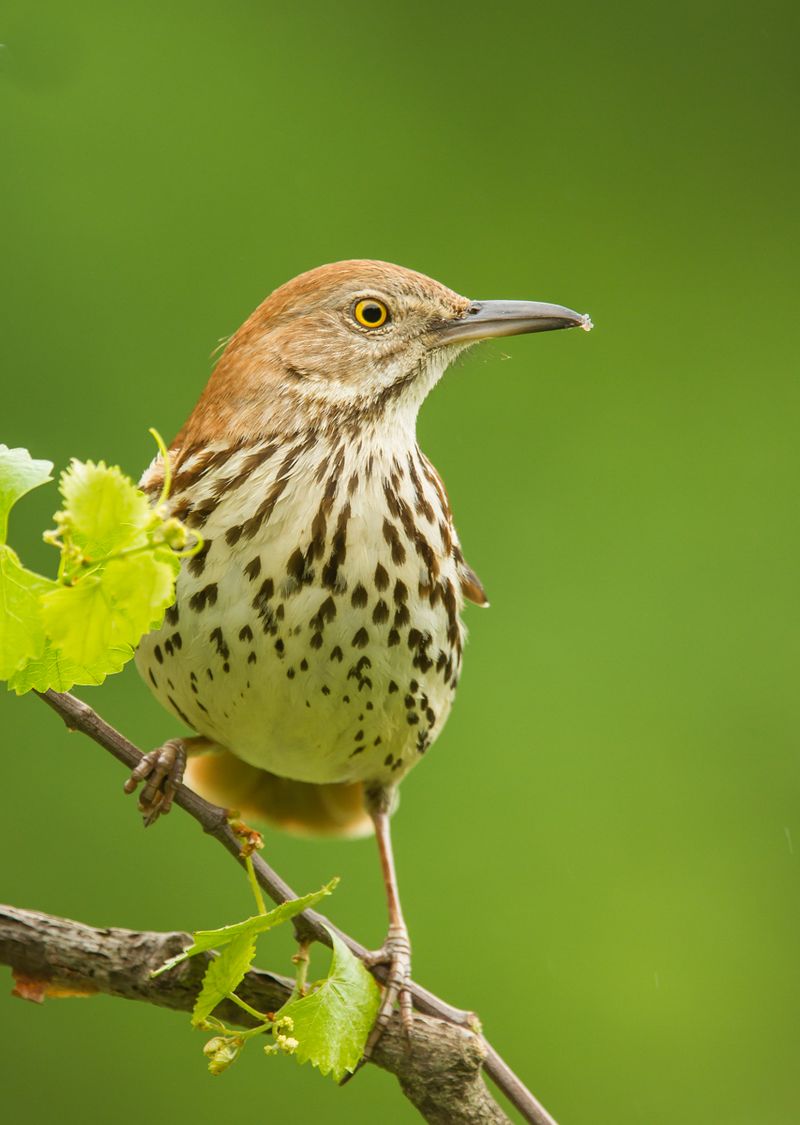
The brown thrasher’s bill is built for this kind of work. The bird sweeps it through leaf litter in wide arcs, flipping debris aside and probing the top layer of soil to expose whatever is moving underneath. That technique puts the bird in direct contact with a wide range of invertebrates living at or just below the surface.
Cornell Lab’s documented prey list for the brown thrasher includes beetles, grubs, wireworms, armyworms, cutworms, caterpillars, grasshoppers, crickets, wasps, bees, harvestmen, and sowbugs, along with fruits, seeds, nuts, and occasionally small vertebrates. Grubs are genuinely part of that diet, which is why the idea that the bird might help with a grub problem has some biological logic behind it.
The critical distinction is between eating individual prey and reducing a pest population. A thrasher moving through a bed will pick up whatever it encounters, and some of those encounters will involve grubs. Removing one, five, or even twenty grubs during a morning’s foraging is a real event, but it does not translate into measurable suppression of grub numbers across the bed, and no research reviewed for this article establishes that brown thrashers change the level of plant damage in residential garden beds.
The breadth of the menu matters for another reason. Because the bird eats a wide mix of insects, it is not selectively targeting harmful species. Some of the invertebrates it removes may be neutral decomposers or beneficial predators. Repeated visits to a bed are worth encouraging for their own sake, as a sign of a healthy yard habitat, but treating those visits as a pest-management service overstates what the evidence actually shows.
The bird’s defensible benefit is opportunistic prey removal within a broad, flexible feeding strategy, not targeted pest control.
Why a Brown Thrasher cannot be counted as tick control
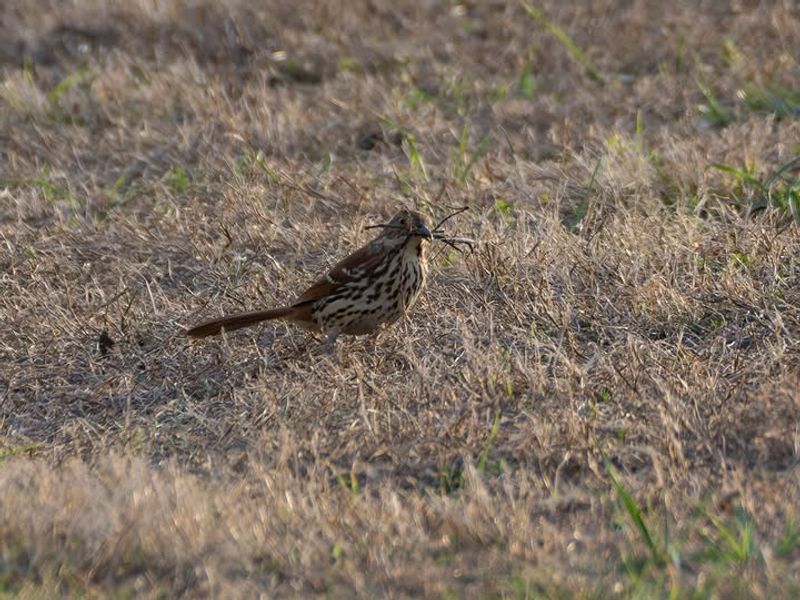
Some yard-wildlife content frames certain birds as natural tick controllers, and the brown thrasher occasionally gets included in that category. The evidence does not support it. No research reviewed for this article shows that brown thrashers reduce household tick abundance, lower the risk of tick encounters for people or pets, or carry a meaningful number of ticks in their diet. Presenting the bird as a tick-control animal would require evidence that simply has not been produced for this species in residential settings.
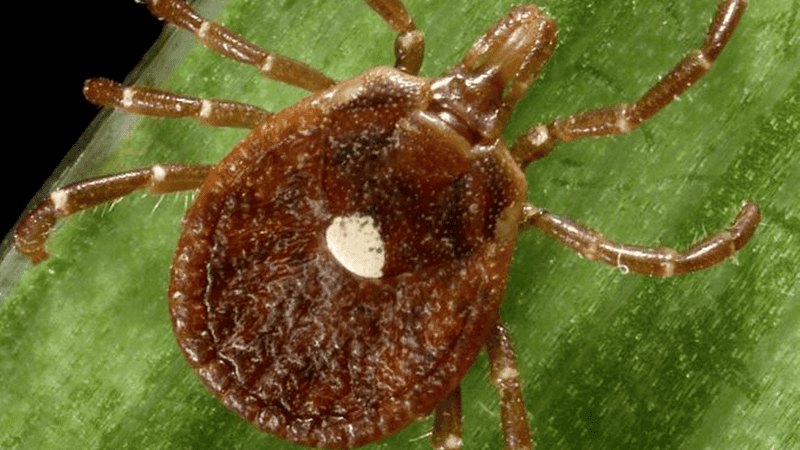
The tick picture is actually more complicated than a simple predator-prey story. CDC information on tick lifecycles explains that blacklegged ticks feed on birds as well as mammals, reptiles, and amphibians during their larval and nymphal stages. Birds do not just eat ticks; they can also carry immature ticks into new areas as they move through a landscape. A federal tick-management handbook notes that the role of birds in maintaining or adding ticks to a typical residential landscape varies with ecological conditions and remains unclear.
That uncertainty cuts in both directions.
What this means practically is that a brown thrasher foraging in your beds should not make you feel safer about ticks. The bird may remove a tick-hosting insect here and there, but it may also be carrying larval ticks on its feathers or feet. CDC guidance on preventing tick bites does not include encouraging yard birds as a protective measure, and for good reason. Your normal tick precautions, described in a later section, remain just as necessary whether a thrasher is working your garden or not.
Welcoming the bird is worthwhile; relaxing your guard because of its presence is not.
Support birds while managing exposure in high-use spaces
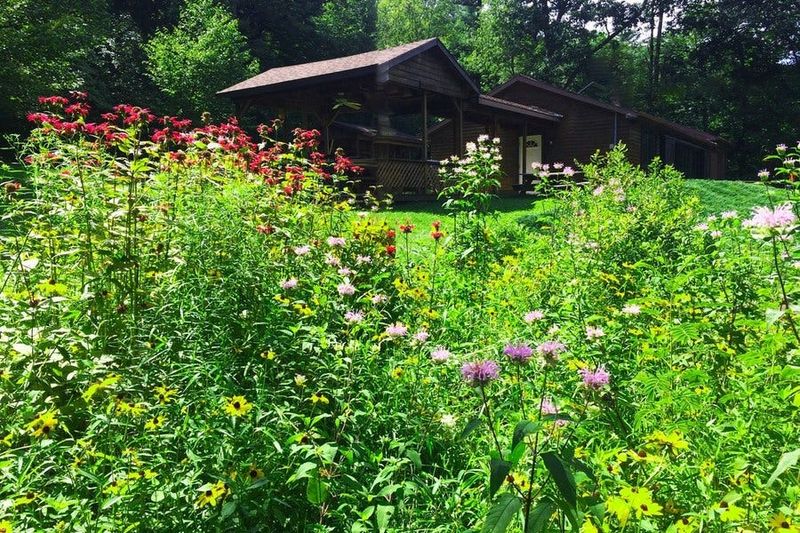
Reconciling a bird-friendly yard with sensible tick-risk management is less complicated than it sounds, as long as you think about the yard in zones rather than treating every square foot the same way. The goal is to give wildlife what it needs without concentrating those features where your family spends the most time.
NC State Extension’s guide to landscaping for wildlife with native plants recommends native plants, layered vegetation, berry-producing shrubs, and some areas of less-manicured ground cover to provide food, insects, and protective cover for North Carolina birds. NC State’s native plants handbook reinforces that native species supply the insects and fruits that resident birds depend on across seasons. The NC State guide to managing backyards for birds adds that structural diversity, including shrubs at varying heights and areas of leaf litter, is what draws ground-foraging species like the brown thrasher in the first place.
Those same features, leaf litter, dense brush, and tall vegetation, are exactly what CDC tick prevention guidance recommends reducing near homes and high-use areas. The CDC advises clearing leaf litter, mowing regularly, trimming tall grass and brush close to the house, and placing a three-foot barrier of wood chips or gravel between any lawn and wooded or brushy areas.
The practical answer is placement. Locate your shrubby, native-plant wildlife zone toward the back or edges of your property, away from children’s play areas, patios, garden paths, and the lawn edges where family members and pets spend time. Keep those high-use areas open, sunny, and separated from denser vegetation. This approach draws on both NC wildlife-habitat guidance and CDC tick recommendations, but it is a practical risk-management synthesis, not a tested intervention specific to brown thrashers, and it does not guarantee that tick exposure will not occur.
Check the bed before you blame grubs
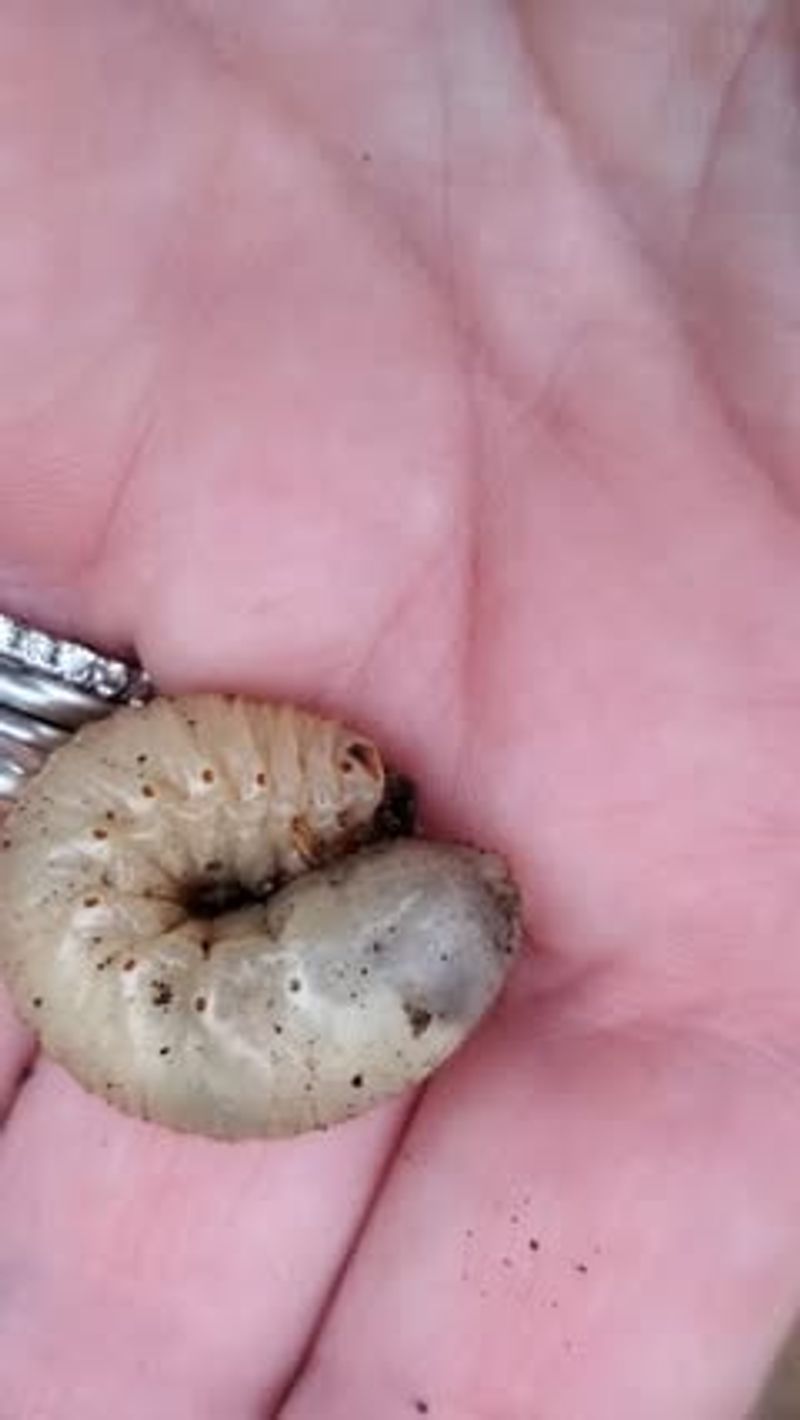
A brown thrasher probing your bed is not a grub diagnosis. The bird could be after beetles, caterpillars, earthworms, or any number of other invertebrates, and its presence alone gives you no information about which species is present, how many there are, or whether any of them are causing plant damage. Before you treat anything, you need to look for yourself.
Start by checking the plants, not the bird. Wilting, yellowing, or patches of turf that pull up easily without root resistance are genuine warning signs that something underground may be feeding on roots. If you see those symptoms, the next step is a physical inspection: cut or dig into several spots across the affected area, because grubs tend to occur unevenly across a bed and a single sample location can mislead you in either direction.
NC State Extension’s guide to arthropod pests of North Carolina turf and NC State’s bermudagrass production guidance reference a treatment threshold of four to five grubs per square foot for certain North Carolina turf situations. That number applies to the specific turf context described in those publications. Carry it directly into a vegetable bed, an ornamental border, or a situation involving a different grub species and it may not apply at all. Different beds, different plants, and different grub species require separate assessment.
If your inspection turns up grubs, identify the species if you can, note the count per square foot across multiple sample areas, and look for actual root damage before deciding whether treatment is warranted. Finding a few grubs in otherwise healthy soil is common and does not automatically mean intervention is needed. The thrasher’s foraging may have prompted your curiosity, and that is useful, but the bed itself has to make the case for treatment, not the bird.
Treat confirmed pests carefully and maintain real tick precautions
Finding actual grubs at damaging levels in your garden bed is a separate problem from having a brown thrasher visit, and it calls for a separate response. Identify the pest species first. Then treat only the areas where you have confirmed a problem and where the damage justifies intervention. Spraying a bed because a bird showed up, or because you found one or two grubs in otherwise healthy soil, is neither necessary nor safe for the other organisms living in and around that bed.
EPA guidance on pesticide labels makes clear that product labels are legally enforceable documents and that pesticides must be used in a manner consistent with their directions. Read the label before you buy, not after. EPA recommendations for reducing pesticide impacts on wildlife specifically advise treating only the areas that need treatment and taking steps to minimize effects on birds, beneficial insects, fish, and other non-target species. A brown thrasher foraging nearby is a direct reminder that the bed is part of a living system.
Tick protection is a parallel track that the bird does not affect. CDC tick prevention guidance recommends EPA-registered insect repellents applied to exposed skin, clothing or gear treated with 0.5 percent permethrin where appropriate, and a full-body tick check after spending time outdoors. CDC and NIOSH guidance on tickborne diseases emphasizes prompt removal of any attached tick as a key step in reducing disease transmission. CDC guidance on preventing ticks on pets advises checking dogs and cats after outdoor time and using veterinarian-recommended tick prevention products year-round.
A thrasher in the garden does not change any part of that routine.
Welcome the bird without mistaking it for a treatment
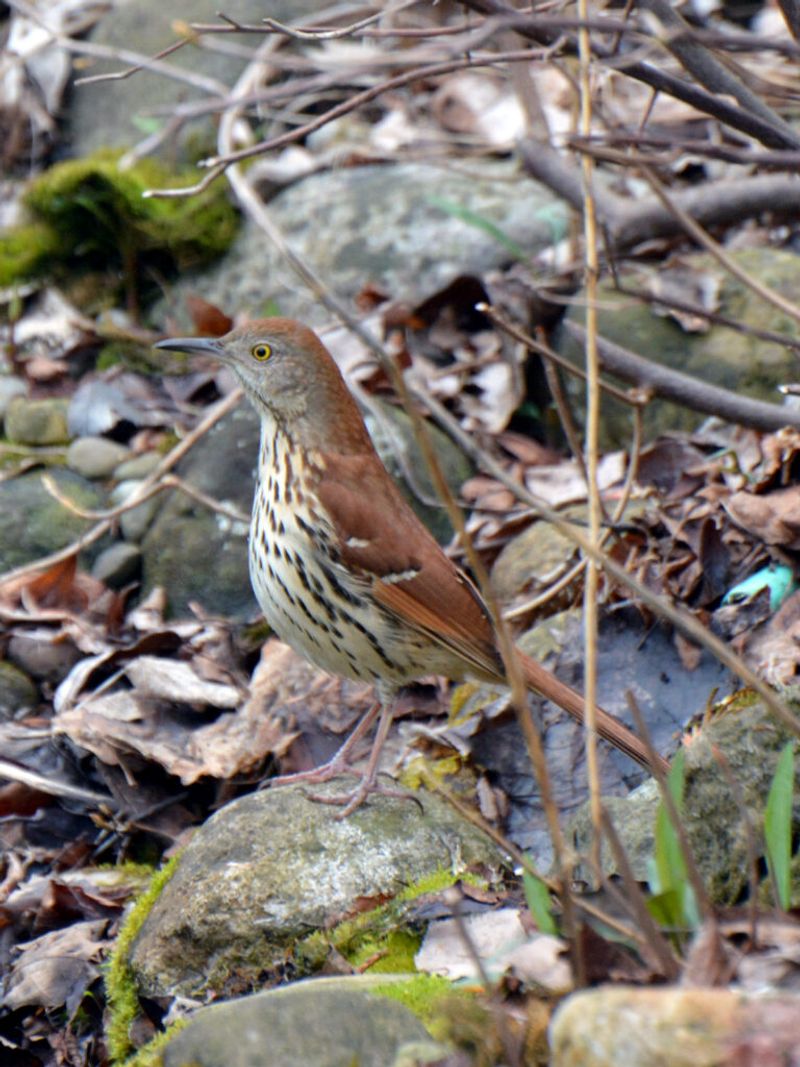
A brown thrasher working through your North Carolina garden bed is a genuinely good sign. Cornell Lab’s brown thrasher life history confirms the bird as a ground-foraging omnivore that consumes beetles, grubs, caterpillars, and a wide range of other invertebrates. Its presence tells you the yard offers usable habitat, accessible prey, and the kind of structural variety that supports native wildlife. Some individual grubs and insects will be removed during those foraging sessions, and that is a real, if modest, benefit.
What the bird does not do is certify a pest-free yard or stand in for the tick precautions your family needs. Leaf litter and dense shrubs that attract the thrasher can also raise tick-encounter risk in areas where people and pets spend time. Keeping your wildlife habitat zone toward the edges and away from play spaces, patios, and frequently used paths, while maintaining CDC-recommended tick precautions in high-use areas, is the balanced approach. Investigate actual plant symptoms before treating, apply any pesticide only to confirmed problem areas, and follow label directions carefully.
The brown thrasher earns its welcome on its own terms: a native bird, a capable forager, and a sign that your yard is doing something right. Expecting it to solve a pest problem or protect your family from ticks asks more than the evidence allows.