
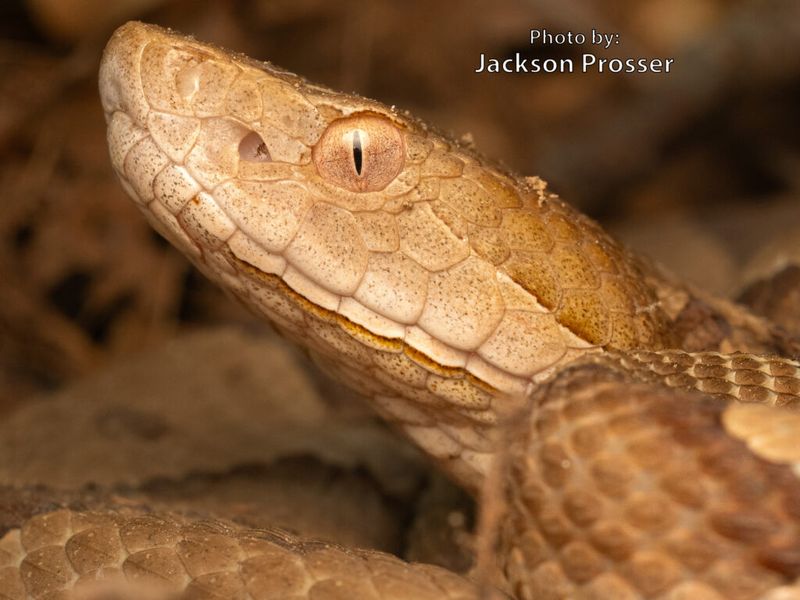
Spotting a copperhead along the edge of your yard can stop you cold, especially when kids or pets spend time outside. For many North Carolina homeowners, that first sighting raises an immediate question: does this mean my property is overrun with rodents? The honest answer is more nuanced, and understanding it can help you respond calmly and effectively. A copperhead sighting is best read as a clue about what your yard currently offers, and that clue points toward some concrete steps worth taking.
A sighting is a clue, not a rodent census
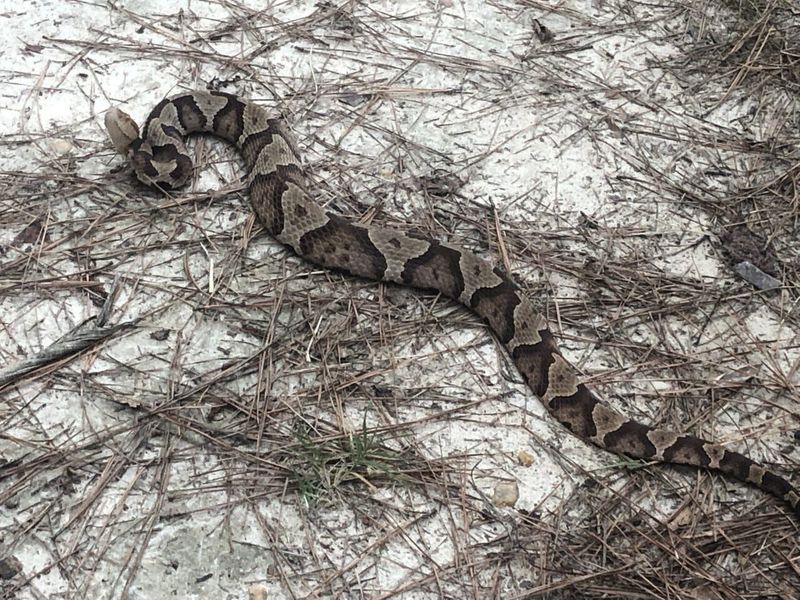
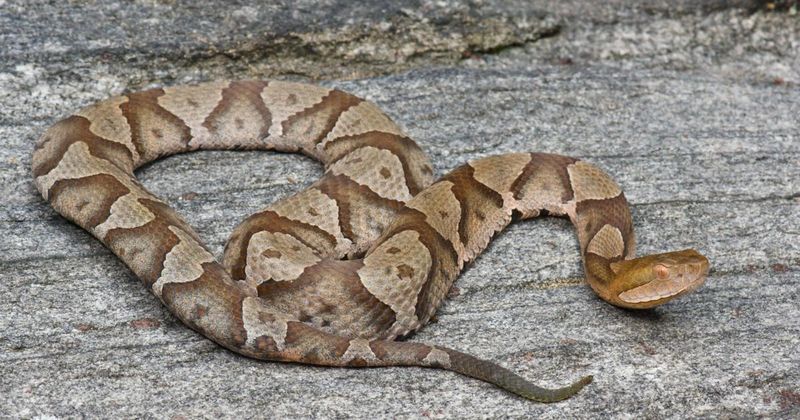
Finding a copperhead near your wooded edge is unsettling, but the first thing to understand is what that sighting actually tells you. According to the NC Wildlife Resources Commission, copperheads are North Carolina’s most common and widespread venomous snake, occurring statewide, so their presence near a wooded property is not unusual. Adults typically reach two to three feet in length and are recognized by their copper-colored heads and dark, hourglass-shaped crossbands. They are secretive animals that rely on camouflage, which means a homeowner who sees one has simply caught a glimpse of a snake that may pass through regularly without being noticed.
The connection between copperheads and rodents is real but limited. Copperheads do eat mice and other small mammals, and a yard with abundant food and cover can attract them. However, one sighting cannot tell you whether your property has a rodent problem, how many snakes may be in the area, or whether more are on their way. A snake may be using your yard simply because it connects two patches of woodland, because a rock pile offers a warm basking spot, or because frogs near a low spot provide an easy meal.
NC State Extension’s Extension Gardener Handbook on wildlife notes that snakes are often associated with small-mammal habitat but may be moving through connected edge, brushy, or damp areas while seeking shelter or several kinds of prey. The practical takeaway is straightforward: treat the sighting as an invitation to audit your yard for unnecessary cover and food attractants near the house, not as proof that something has gone wrong. A targeted inspection is a sensible response. Expecting it to guarantee that no copperhead ever passes through again is not.
Why the wooded edge brings the pieces together
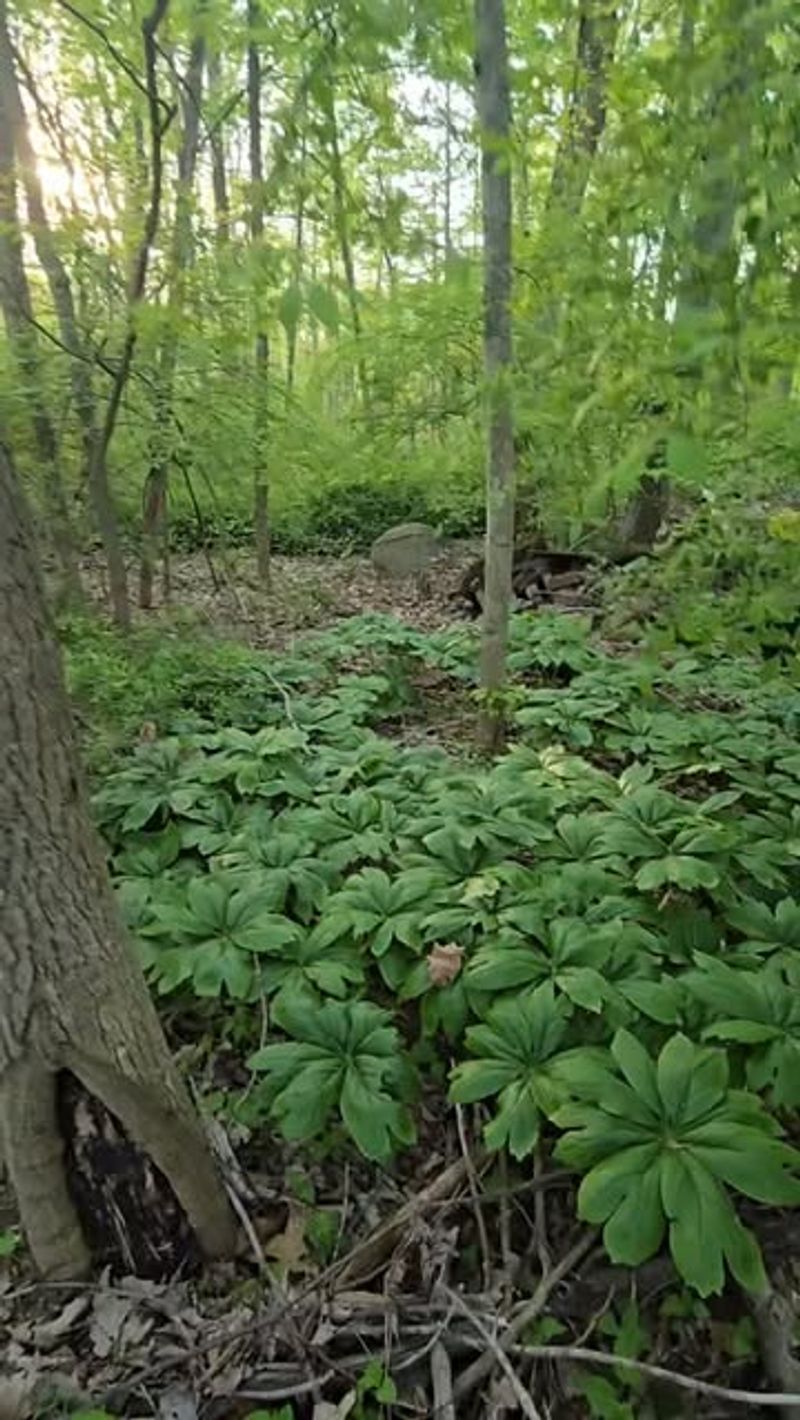
Woodland edges are productive habitat for many animals, and copperheads are well suited to take advantage of what they offer. The combination of shaded cover, sunny open patches, rocky or brushy structure, and nearby moisture creates exactly the kind of layered environment where a secretive ambush predator can rest, regulate its body temperature, and find prey. The NC Wildlife copperhead species profile specifically names woodland edges, rocky slopes, ivy thickets, old sawdust or slab piles, wood and debris piles, trash piles, and dilapidated structures as typical copperhead habitat.
Each of those features does something useful for the snake. A rock pile holds heat long after the sun moves, making it an attractive resting spot on a cool morning or evening. An ivy thicket provides dense concealment with minimal disturbance. A wood pile near a shed offers both shelter and a likely hunting ground, since mice and other small animals use the same spaces for their own cover.
Old lumber stacked against a foundation, a forgotten brush pile at the edge of the lawn, or a crumbling outbuilding can each serve the same purpose.
None of this means a wooded-edge yard is a defective or dangerous yard. Edge habitat supports a wide range of native wildlife, including birds, pollinators, amphibians, and beneficial insects, and that ecological value is worth preserving. The practical distinction is between natural habitat in lower-use areas of the property and concealed hazards positioned immediately beside doors, footpaths, patios, children’s play spaces, and work zones. Those high-traffic spots are where inspection matters most.
A brush pile fifty feet into the tree line poses a different risk profile than a wood pile stacked against the back porch steps, even if both are equally attractive to a passing snake.
Moving through an NC wooded property, a copperhead is not seeking conflict. The goal is to make the spaces your family uses regularly less inviting as concealment or hunting ground, while leaving the broader edge intact for the native wildlife that depends on it.
Start with the cover your yard can control
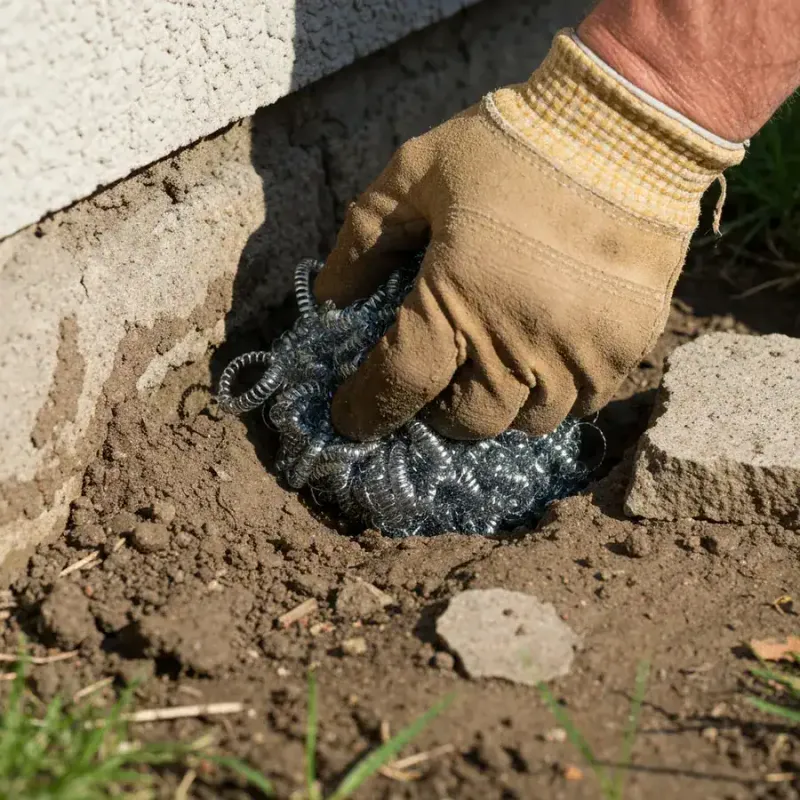
A practical inspection starts close to home, literally. Walk the perimeter of the house, garage, shed, and any outbuildings and look for places where a snake could rest, travel, or hide without being seen. Wood piles, lumber stacks, rock collections, brush piles, old equipment, and bags of leaves or debris stored against a foundation are the first things to address. The NC Wildlife guide on coexisting with snakes recommends relocating these materials away from the house and, where practical, storing firewood and stacked materials off the ground.
Vegetation around buildings deserves attention too. Dense ground cover, overgrown shrubs pressed against a foundation, and tall grass along a path all reduce visibility and create sheltered travel corridors. Trimming vegetation enough to maintain a clear line of sight around the base of buildings does not require removing every plant; it means keeping a visible, open buffer in the areas where people walk, work, and play most often. A snake moving through a well-lit, open strip of lawn is far easier to spot and avoid than one concealed under a low-hanging shrub against the back door.
Pay particular attention to paths between the house and outbuildings, the edges of patios and decks, and the immediate surroundings of children’s play equipment. These are the zones where an unexpected encounter is most likely to occur, and they are also the zones where targeted cleanup makes the most difference. Removing a single debris pile near the back steps reduces the concealment available right where foot traffic is highest.
Every one of these measures is a conflict-reduction step, not a guarantee. The NC Wildlife copperhead profile is clear that there is no practical way to make a yard completely copperhead-proof when it borders connected woodland. What cleanup accomplishes is reducing the number of places near people where a snake can remain unseen, which lowers the chance of an accidental close encounter. That is a meaningful and achievable goal, even if a perfectly snake-free yard is not.
The prey audit starts with rodents—but does not end there
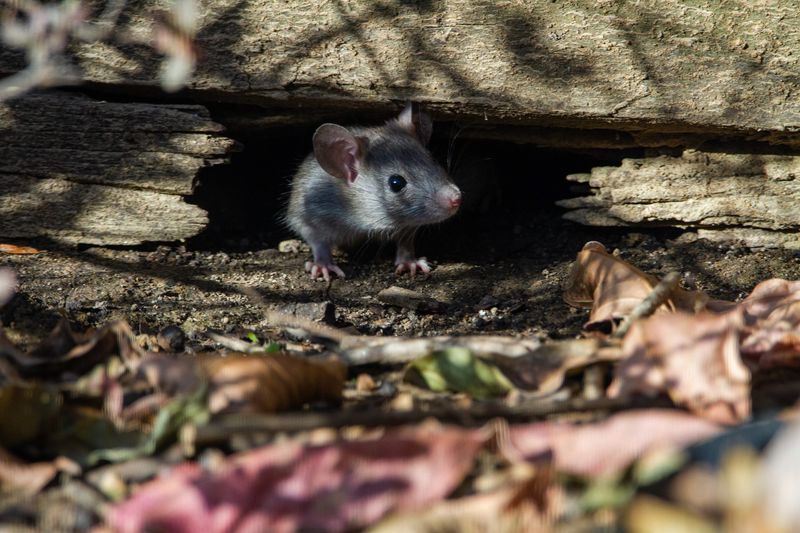
Rodents are one reason copperheads may find a yard appealing, but they share that role with frogs, lizards, shrews, small snakes, salamanders, and insects. The NC Wildlife copperhead species profile lists all of these as prey items, with younger snakes tending to rely more on smaller prey like insects and frogs. Focusing only on mouse control while ignoring the broader food and habitat picture misses part of what makes a yard attractive to a hunting snake.
That said, reducing conditions that support rodents is genuinely worthwhile, both for its own sake and as part of a broader yard audit. Spilled birdseed beneath feeders is one of the most consistent rodent attractants in residential yards. Moving feeders farther from the house, cleaning up spilled seed regularly, and switching to feeders with catch trays can reduce the food available to mice and rats without requiring you to give up bird feeding entirely. Outdoor pet food left in bowls overnight, unsecured bags of grass seed or animal feed in a shed, and accessible compost bins all serve the same function.
Storage matters as much as cleanup. Birdseed, pet food, and grain-based products kept in tightly closed, rodent-resistant containers stop feeding the problem at the source. CDC guidance on rodent prevention also emphasizes sealing entry points around foundations, doors, crawl spaces, utility penetrations, and outbuildings, because reducing access is more durable than repeated trapping or baiting when the conditions that attract rodents remain unchanged.
NC State Extension’s wildlife handbook reinforces this point: rodent killing alone tends to be a short-term fix if the food sources and shelter that support the population are still in place. Addressing attractants and structural gaps creates conditions that are less hospitable to rodents over time, which in turn makes the yard less productive hunting ground for a wide range of predators, including copperheads. Feeding pets indoors when possible, or removing outdoor bowls promptly after meals, is one of the simplest steps with the most consistent payoff.
Protect the human-use zone and keep the habitat
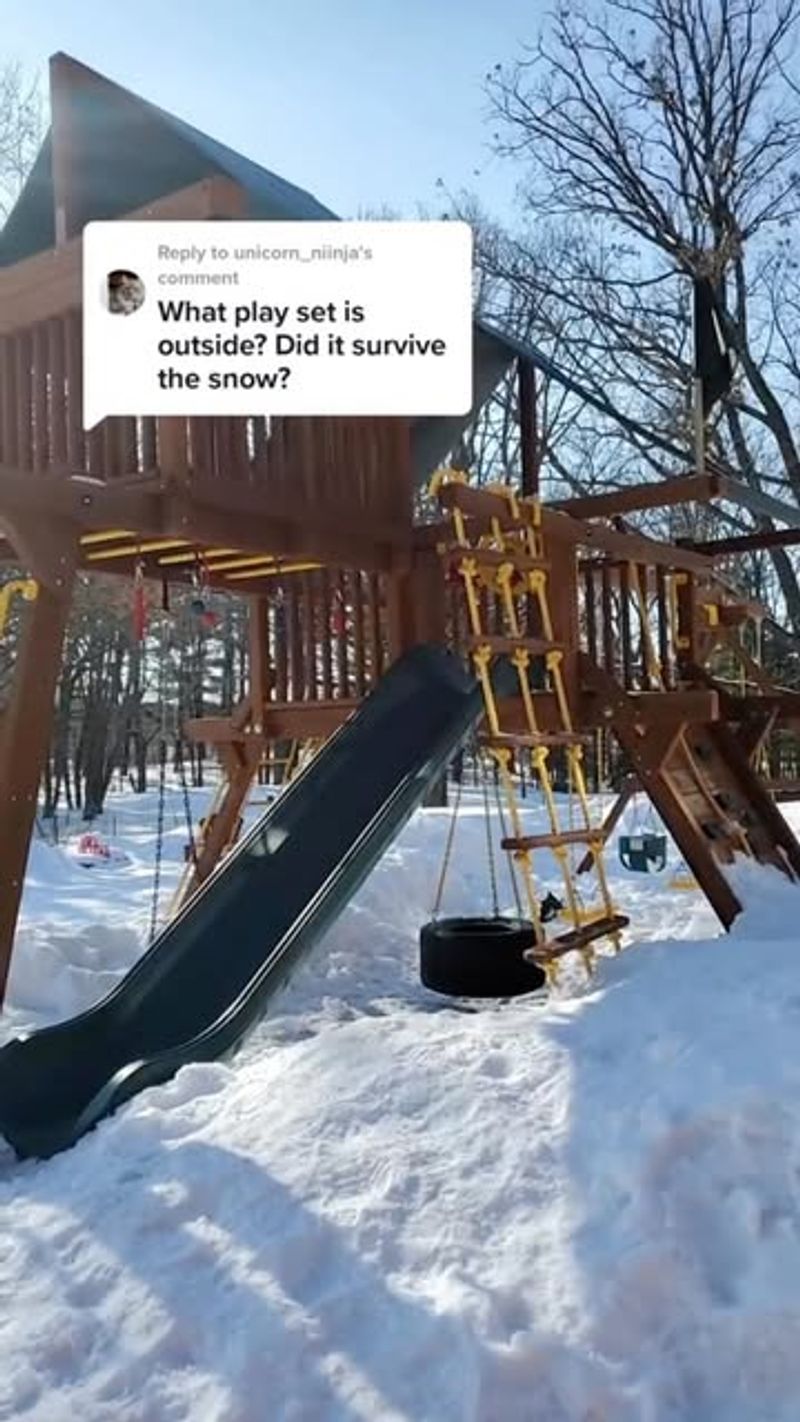
The goal is not to strip every inch of natural cover from a wooded property. A more useful framework is to think of the yard in zones: the area immediately around the house, paths, patio, play equipment, and frequently used lawn is the human-use zone, and it deserves the most attention. The broader wooded edge and lower-traffic areas can remain as habitat for native wildlife, including the birds, amphibians, and beneficial insects that make a North Carolina yard ecologically interesting.
Maintaining a visible, uncluttered buffer around the spaces where your family spends time gives you the most protection with the least disruption to the rest of the property. Mow regularly around the play area perimeter. Keep paths clear of overhanging vegetation at knee height and below. Make sure outdoor seating areas and doorways have good sight lines to the ground on all sides.
These are low-effort habits that reduce the chance of an unexpected close encounter in the places that matter most.
Warm weather brings additional precautions worth building into summer routines. Copperheads are more active at dawn, dusk, and after dark during hot weather, so those are the times to be most deliberate about where hands and feet go. CDC guidance for working around venomous snakes recommends using a flashlight in low-light conditions, wearing boots and long pants when moving through vegetation, and wearing gloves when handling outdoor debris such as wood, leaves, or stored materials.
Gloves protect hands from cuts and scrapes and reduce incidental contact with a hidden snake, but they do not make handling a suspected venomous snake safe. That distinction matters. The NC Wildlife coexistence guide is consistent on this point: the safest interaction with a copperhead is no interaction at all. A wildlife-friendly yard and a safer everyday living space are not opposites; the buffer-zone approach lets you have both.
What to do when the snake is already there
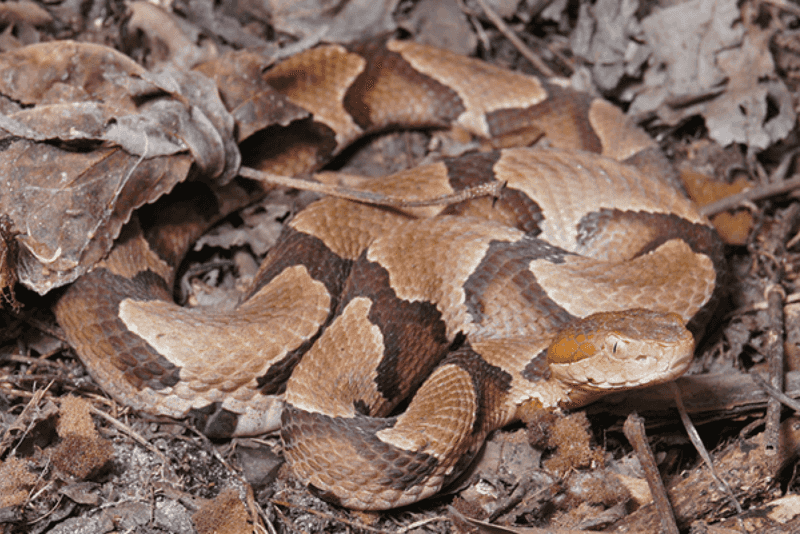
Seeing a copperhead on the doorstep or driveway is startling, but the response that keeps everyone safest is also the simplest one: back away, give the snake space, and keep people and pets at a distance. Copperheads are defensive rather than aggressive; most bites happen when someone tries to kill, capture, corner, or handle the snake, or when a person or animal accidentally steps or reaches too close to one that is concealed. The NC Wildlife copperhead profile recommends leaving the snake alone as the safest and most effective response in most situations.
When a snake is positioned somewhere it genuinely cannot stay, such as directly in front of a door or in a spot where it will inevitably be approached, NC Wildlife suggests spraying it with a garden hose from a safe distance. The water encourages the snake to move without requiring anyone to get close. Use the hose at a distance that keeps you well clear of the snake’s reach, avoid trapping it in a corner or against a wall, and do not use close-range pressure that could cause it to coil defensively rather than move away.
For a snake inside a building or a situation where encounters keep recurring despite habitat changes, the right call is to contact a certified Wildlife Damage Control Agent or another qualified wildlife professional. The NC Wildlife coexistence guide notes that NC Wildlife does not send staff to trap and remove snakes from private property; a licensed agent is the appropriate resource for persistent conflicts.
Identification is worth a brief note. Banded water snakes, corn snakes, and other harmless species can resemble copperheads, especially near creeks, ponds, or wet areas. Vance County N.C. Cooperative Extension advises homeowners not to approach a snake for a better look or a photograph.
If you are uncertain what species you are seeing, treat it with the same caution you would give a confirmed copperhead: distance, observation from afar, and no attempt to touch or move it by hand.
The safest summer takeaway is targeted change, not eradication
After a copperhead sighting, the most productive response follows a clear order: inspect cover and food conditions near the spaces people use most, seal structural gaps and store attractants properly, improve ground-level visibility in those high-traffic zones, and leave any snake you encounter alone. These steps may meaningfully reduce the chance of a close encounter near the house. They cannot guarantee that a copperhead will never pass through a yard that borders connected woodland, and no reasonable set of yard changes can make that guarantee.
Lime, mothballs, sulfur, essential oils, and commercial snake repellents should be left off the list. NC State Extension has found that lime has not been proven effective as a snake deterrent and warns that some formulations can harm wildlife, pets, and people. Commercial repellents carry similar concerns and lack reliable scientific support.
The emergency distinction is the most important thing to carry out of this article. Anyone who suspects a venomous snakebite should move away from the snake immediately, keep the affected person calm and as still as possible, remove any constricting rings or jewelry near the bite, and call emergency services right away. CDC guidance on venomous snakebites is unambiguous: do not cut the wound, do not attempt suction, do not apply ice or a tourniquet, do not use a snakebite kit, and do not try to capture or approach the snake for identification. Prompt medical evaluation is the only appropriate response to a suspected venomous bite.
A copperhead passing through your yard is information about the land you share with native wildlife; how you respond to that information is entirely within your control.