
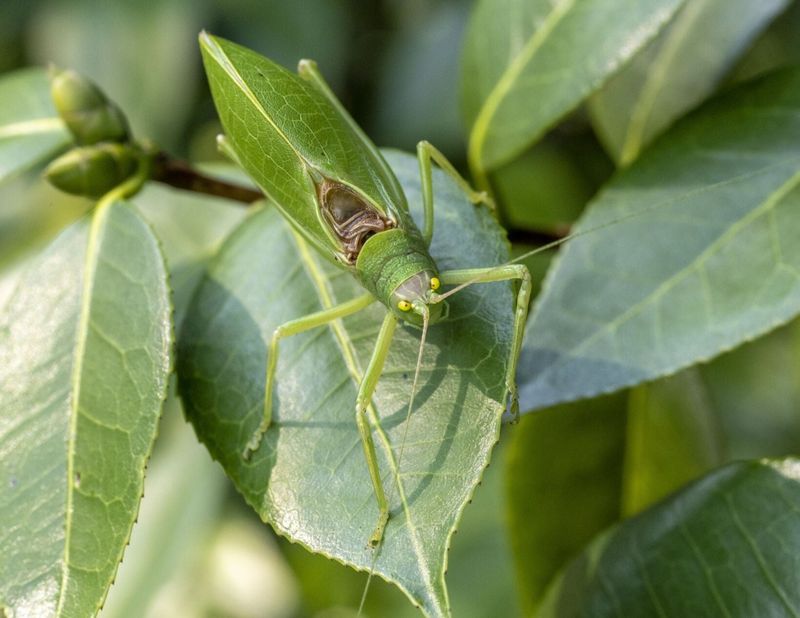
Walk outside on a warm August evening in North Carolina and you might feel like the trees have come alive with a buzzing, rasping chorus that wasn’t there a week ago. Those sounds almost certainly belong to katydids, and the sheer volume can make it feel like your yard has been invaded overnight. Before you reach for a spray can, there’s a more reassuring explanation worth knowing. What looks like a sudden takeover is usually just the natural rhythm of late summer playing out in your own backyard.
Why katydids become more noticeable in late summer
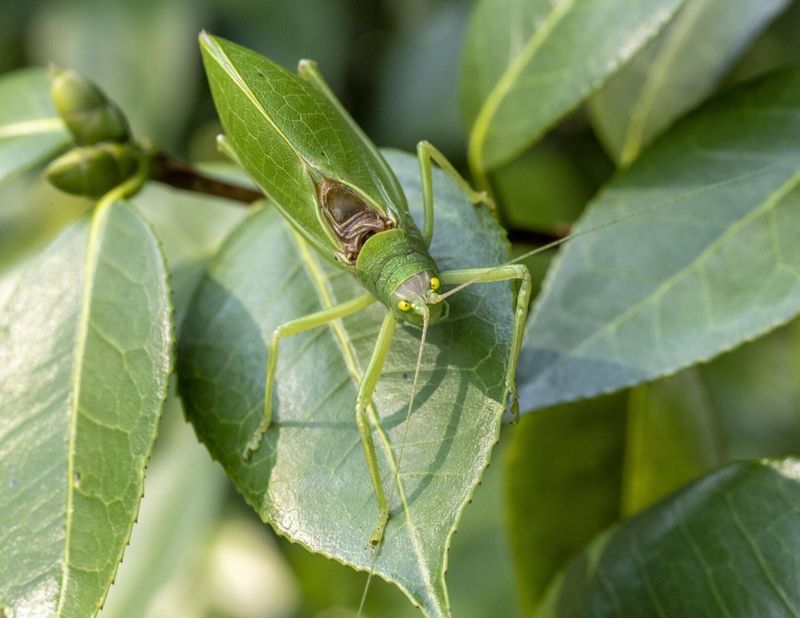
North Carolina is home to a surprisingly wide variety of katydid species, and that diversity is part of why late summer can feel so loud. According to the North Carolina Orthoptera database, the state supports multiple species in the family Tettigoniidae, each with its own preferred habitat, call, food sources, and seasonal schedule. Piedmont neighborhoods, coastal plain woodlands, and mountain hollows may each host different species, so no single timeline applies to every yard.
Most katydids spend the winter as eggs tucked into plant tissue or soil, then hatch and develop through a series of nymphal stages during the warmer months. By midsummer or late summer, those nymphs have matured into adults ready to mate and reproduce. That adult stage is when the insects become most conspicuous, because adults are larger, more mobile, and – crucially – capable of producing sound.
Male katydids call at night to attract females, and NC Cooperative Extension notes that katydids are among the nighttime singers that fill late-summer evenings alongside cicadas and crickets. Some species have one generation per year; others may produce more than one. That variation means a late-summer spike in noise or sightings is broadly normal across many species, not a sign that something unusual has happened in your yard.
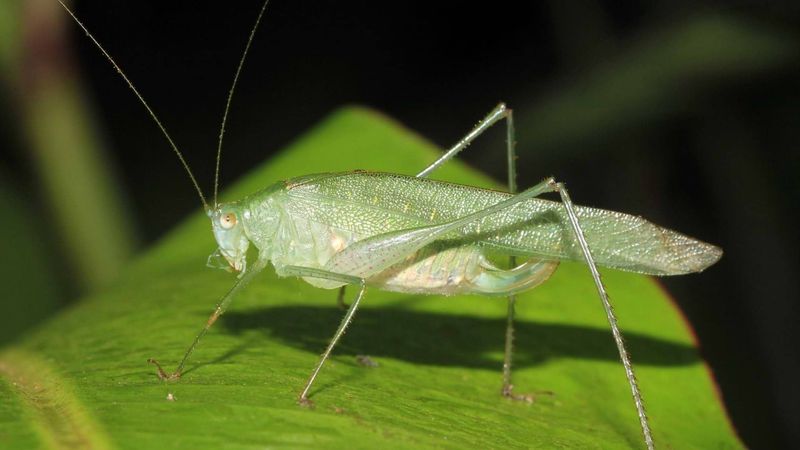
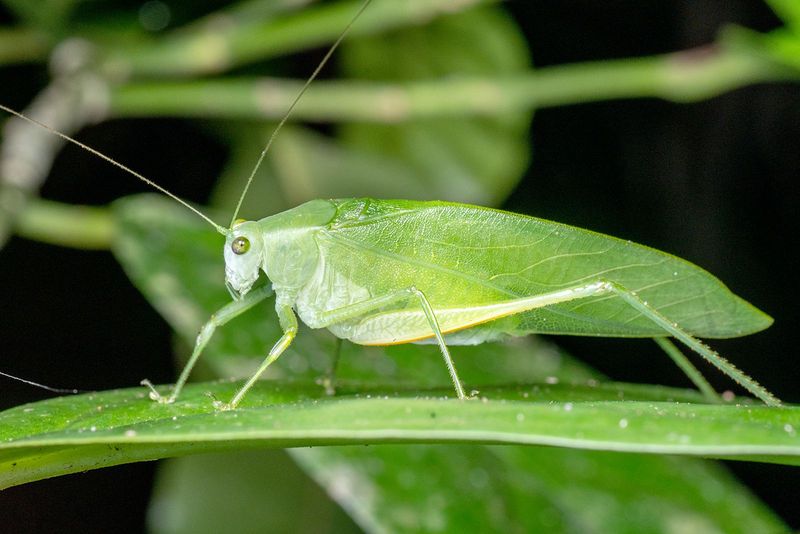
UC IPM’s katydid guidance describes katydids as insects with leaflike bodies and enlarged hind legs that are well-suited to hiding in vegetation. Their green coloring lets them blend almost perfectly into foliage during the day, which means many individuals are present long before a homeowner notices them. The burst of late-summer activity is best understood as the arrival of the adult stage, not the arrival of an invading population.
What katydids can—and cannot—tell you about a yard
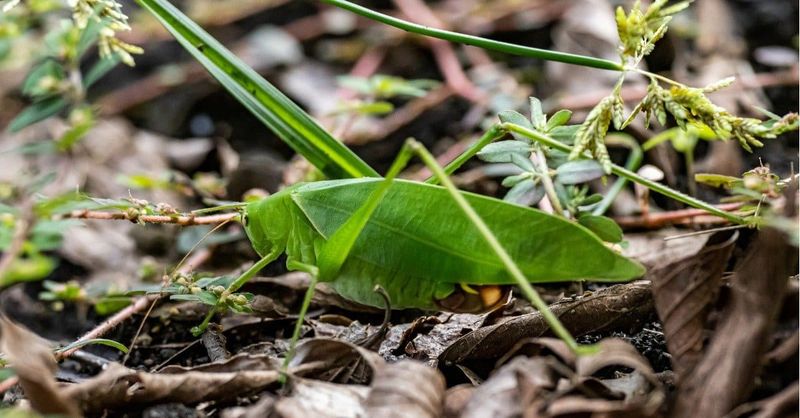
Katydids do occupy a real place in the yard’s food web. Trees, shrubs, meadow plants, and habitat edges supply the leafy vegetation they need for food and shelter, and they also provide calling and egg-laying sites. Once adults are active, they become prey for a range of local wildlife. University of Wisconsin Extension notes that katydids are eaten by birds, bats, tree frogs, spiders, rodents, and mantids, making them one link in a food chain that runs through many North Carolina yards.
Research published in PMC on arthropod communities in managed landscapes underscores that insect presence is shaped by multiple interacting factors – vegetation structure, surrounding land use, weather, and predator pressure among them. That complexity is exactly why a katydid count alone cannot serve as a reliable report card for your yard’s overall condition.
Their presence is consistent with a yard that has leafy vegetation and some habitat structure, but it does not confirm that the yard is pesticide-free, rich in native plants, or especially biodiverse. Those are separate questions that require separate observations. A yard with a single overgrown hedge and no other wildlife features can still support katydids if the hedge provides enough food and cover.
Treating katydids as proof of something special about your management choices also risks misreading situations where numbers are high simply because weather, vegetation, or species biology favored a strong adult emergence that year. A more honest framing, supported by UC IPM’s biological control guidance, is that katydids are primarily plant-feeding insects and prey for other animals. They are one component of a food web, not a certification that the web is functioning well.
Sound and visibility can make a normal population seem overwhelming
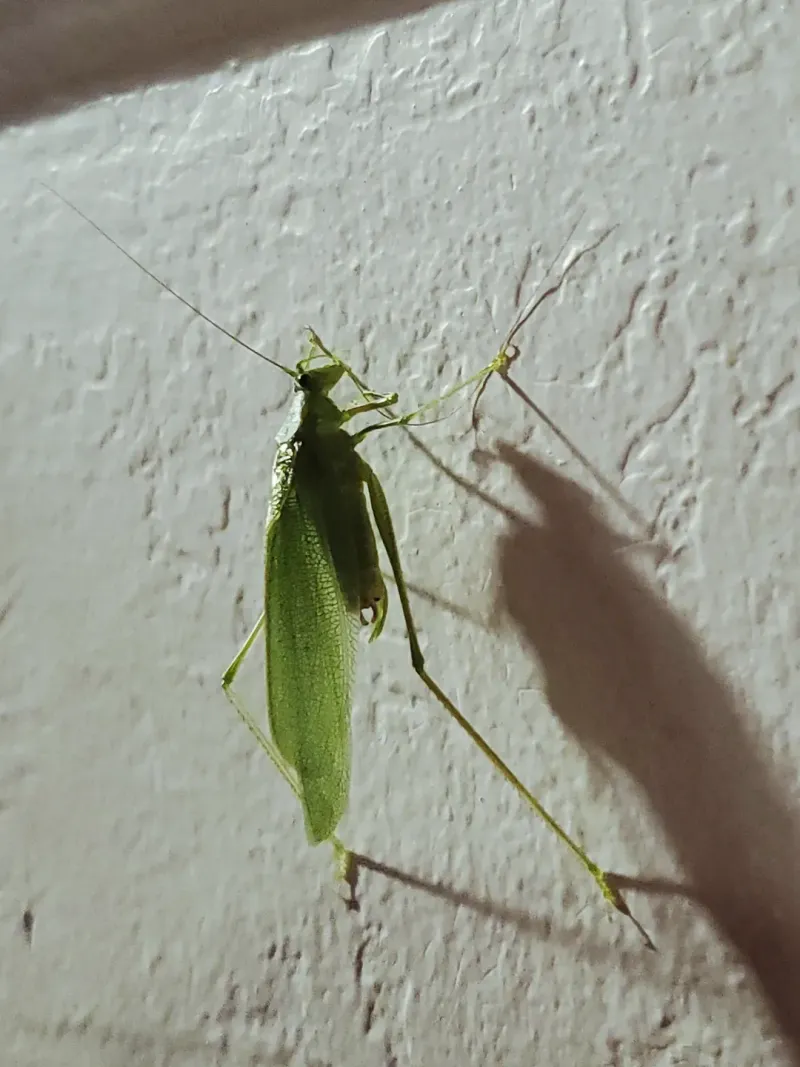
Perceived abundance and actual abundance are two different things, and late summer is the season when that gap is widest for katydids. Male katydids call loudly and persistently after dark, and because sound travels farther than sight, a handful of individuals can fill an entire yard with noise. NC Cooperative Extension places katydid calls in the same late-summer soundscape as cicadas and crickets – a chorus built from many overlapping species, not necessarily from a single overwhelming population of any one insect.
During the day, most katydids stay hidden. Their flattened, leaf-shaped bodies and green coloring make them nearly invisible against foliage, so a tree that holds dozens of individuals may appear empty at noon. After dark, the same insects move, call, and sometimes fly toward porch lights or other illuminated surfaces, where they become suddenly and dramatically visible. University of Wisconsin Extension points out that this nighttime movement is a normal part of adult katydid behavior, not evidence of a population explosion.
University of Minnesota Extension notes that katydids are commonly encountered as curiosity insects – insects that startle homeowners without necessarily causing plant injury. The practical takeaway is straightforward: before concluding that your yard has been taken over, walk the yard after dark with a flashlight and look at the plants themselves. Noise and a cluster of insects on a lit wall are reasons to investigate, not automatic reasons to treat.
Inspect plants before deciding that katydids are a problem
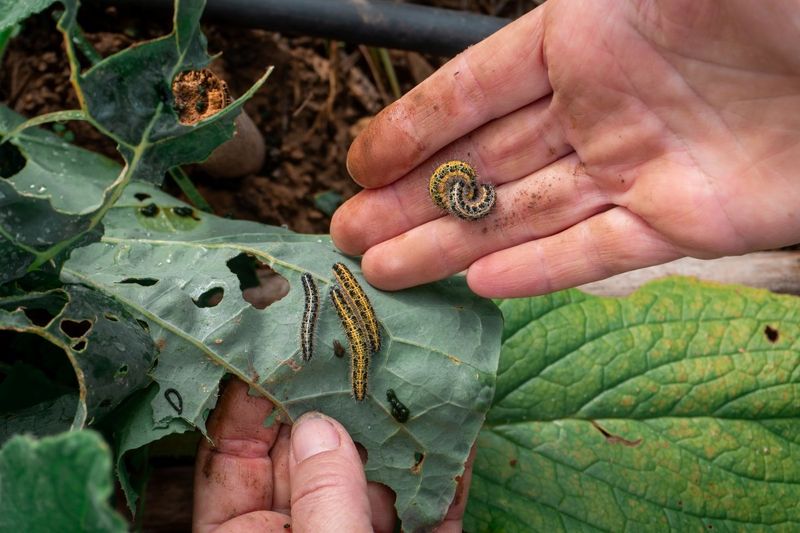
An inspection at dusk or after dark is the most useful first step a homeowner can take. Katydids are most active during those hours, so that’s when feeding is happening and when the insects are easiest to find and observe in place. Bring a flashlight and look closely at leaves, flowers, and any developing fruit on plants you care about most.
Signs worth noting include fresh holes in leaf tissue, ragged or scalloped leaf margins, chewed flower petals, or shallow surface scars on young fruit. Fresh damage tends to look pale green or slightly wet at the edges rather than dried and brown, which can help distinguish recent feeding from older injury. UC IPM’s katydid page describes katydids as insects that typically move on after taking limited bites, which means foliage injury is often minor and scattered rather than concentrated and severe.
Confirming the culprit matters before taking any action. Earwigs, cutworms, caterpillars, and other chewing insects can produce feeding damage that looks similar to katydid work. If you find holes or ragged edges but no katydids on the plant, check again later in the night, or look for frass, webbing, or other clues that point to a different insect. Treating for katydids when another pest is responsible wastes resources and can harm non-target organisms.
Once you have confirmed both the insect and the injury, NC State Extension’s integrated pest management guidance recommends evaluating whether the damage level actually justifies a response. Minor cosmetic feeding on ornamental foliage rarely harms plant health, and many plants recover quickly from light leaf loss. The threshold question is whether the injury is genuinely unacceptable, not simply whether katydids are present.
Developing fruit deserves a more cautious, crop-specific check

Ornamental foliage can usually tolerate modest katydid feeding without lasting harm, but developing fruit is a different situation. Certain katydid species feed repeatedly on the surface of young fruit, producing shallow scars or dimpled distortion that can reduce the fruit’s appearance and, in heavier cases, its usability.
UC IPM’s citrus katydid guidance and UC IPM’s blueberry katydid guidance both describe this type of surface injury on young fruit, including citrus, stone fruit, blueberries, and pears. Those examples come from California crop research, and they should not be read as a statewide North Carolina pattern. California’s species composition, climate, and commercial growing conditions differ from what a Piedmont or coastal plain homeowner is managing in a backyard garden.
For North Carolina homeowners who grow blueberries, peaches, or other small fruit, the practical step is to confirm which katydid species is present and whether it matches a known fruit-feeding pattern in your area. The North Carolina Orthoptera database can help narrow down which species are likely in your county, and your local NC Cooperative Extension office can help connect observed damage to a specific insect.
Young fruit in its earliest, most tender stage carries the most risk from surface feeding. If you are growing fruit crops and notice katydids actively feeding on developing fruit – not just resting nearby – that’s the point to weigh whether a response is warranted. The distinction between an insect resting on a plant and one actively scarring fruit is worth making carefully before taking action.
Use the least disruptive response that fits the evidence
When confirmed katydid feeding is genuinely causing unacceptable damage, the response should match the scale of the problem. Minor feeding on ornamental foliage rarely justifies any intervention at all. Tolerating light leaf chewing is consistent with what NC Cooperative Extension recommends, since katydids usually do not cause enough plant damage to warrant control in home landscapes.
For a small number of katydids on a valued plant, hand removal or relocation is the lowest-impact option. UC IPM notes that adults are easier to capture in the early morning, when cooler temperatures make them slower and less likely to jump. Wear gloves, check the plant carefully, and move captured insects well away from the plants you want to protect.
Pesticide use should come only after you have confirmed the pest, confirmed the injury is unacceptable, and exhausted lower-impact options. NC State Extension’s IPM handbook and its pesticide safety appendix both emphasize identification, monitoring, and threshold-based decision-making before any chemical treatment. Any product used must be currently labeled for the target pest, the specific plant, and the site where you plan to apply it.
Pollinator protection is non-negotiable. EPA pollinator protection guidance recommends applying insecticides when pollinators are not actively foraging, avoiding blooms entirely, and preventing spray drift onto nearby flowering plants. Some products discussed in fruit-crop katydid research are toxic to honey bees and beneficial predators for several hours after application, so timing and placement matter as much as product choice. And as the EPA’s label-reading guidance makes clear, the product label is a legal document, not a suggestion.
A noisy yard or a wall covered in katydids at night does not, by itself, meet the threshold for a blanket yard spray.
Read the late-summer activity as a clue, not a verdict
A yard full of katydid calls in August is more likely telling you that the season has turned than that something has gone wrong. Increased visibility and sound most often reflect adult maturation, nighttime calling, and movement through vegetation – all of which are normal parts of the life cycle for many of North Carolina’s late-summer singing insects.
Their presence can mean that your yard has leafy vegetation and some habitat structure, and that katydids occupy one ordinary place in a local food web. What it cannot tell you, on its own, is whether your soil is healthy, your lawn is thriving, or your yard is especially rich in native species. Those conclusions require their own evidence. The North Carolina Orthoptera database is the right starting point if you want to identify which species are actually present in your area.
The practical decision rule is simple. Watch the plants, not the insect count. If you find confirmed feeding injury on foliage that is genuinely more than cosmetic, or on developing fruit where surface scarring matters, then identify the insect, assess the scale, and choose the least disruptive response the situation actually calls for. Tolerate minor feeding, try hand removal before reaching for any product, and treat only when the evidence supports it.
UC IPM’s home landscape guidance puts it plainly: katydids rarely require control. Late summer in North Carolina has always been loud – and that chorus is usually a sign that the season is doing exactly what it should.