
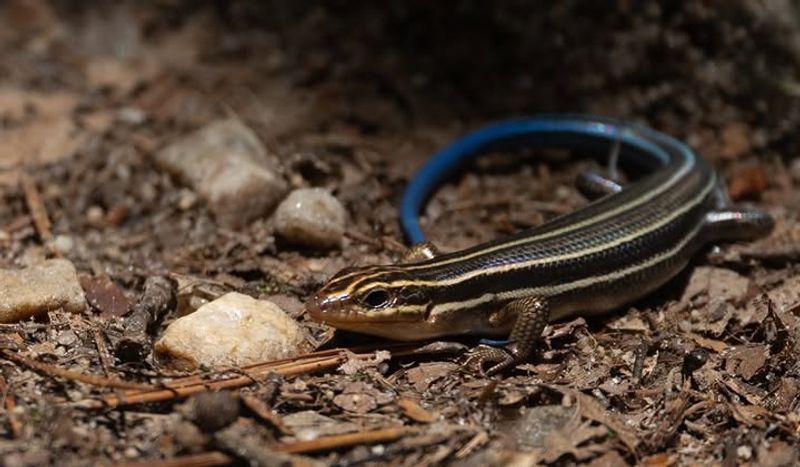
Spotting a flash of blue tail darting under your deck or finding three lizards sunning on the same warm rock can feel like your yard has been claimed overnight. Most North Carolina homeowners who see this have the same question: where did they all come from? The animals are almost certainly five-lined skinks or close relatives, and their sudden visibility usually says more about your yard’s conditions than about a lizard explosion. Understanding what those sightings actually mean can help you support native wildlife, manage real pest concerns, and stop worrying about something that is genuinely harmless.
Sudden skink sightings are a habitat or activity clue, not a pest report
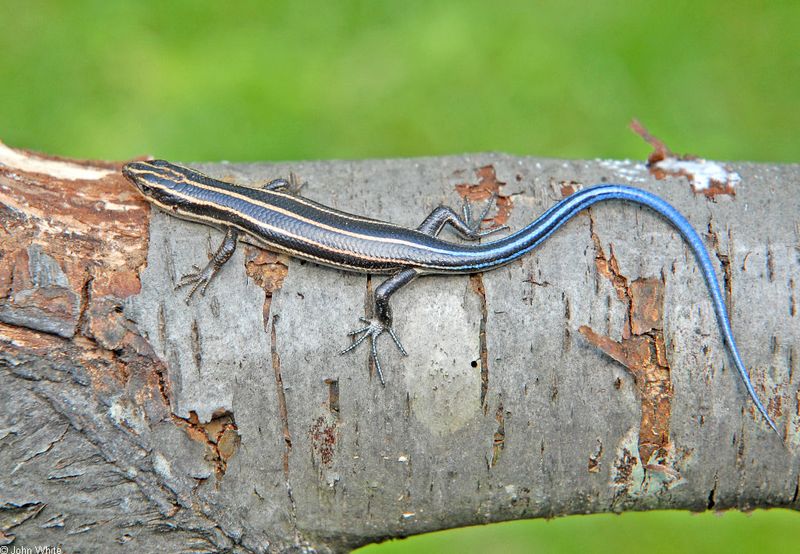
Calling it a “takeover” is a satisfying way to describe what happened, but the more useful framing is this: some part of your yard recently became more usable or more visible to native skinks. That shift can reflect a new pile of firewood, a freshly laid rock border, a fallen branch, or simply a stretch of warm weather that pulls ectothermic reptiles out into the open where you can see them. The yard has not been colonized; it has become convenient.
North Carolina is home to three closely related native species – the common five-lined skink, the southeastern five-lined skink, and the broad-headed skink. NC Wildlife’s five-lined skink profile describes these lizards as terrestrial animals associated with deciduous woods, clearings, old buildings, rock piles, log piles, boardwalks, and other sheltered structures. A yard that suddenly offers a few of those features in combination with warm, sunny surfaces is simply a yard that skinks can use.
An important distinction is worth making early: a change in the number of skinks you notice is not the same as a confirmed change in how many animals live on your property. North Carolina’s reptile biodiversity records note that common five-lined skinks are often seen basking on sunlit logs, porches, and house walls, meaning the behavior that makes them visible is completely normal. You may have always had skinks nearby and simply not noticed them until a habitat change drew them onto your deck or path.
Sightings also do not prove that your yard has more insects than your neighbor’s, that a pest outbreak is underway, or that the property has somehow become ecologically healthier. NC State Extension’s backyard reptile guide frames these animals as part of a yard’s natural community, not as indicators of any particular pest pressure. Reading a skink sighting as a habitat clue, rather than a pest report, puts you in a much better position to respond appropriately.
Why summer can make skinks suddenly more visible
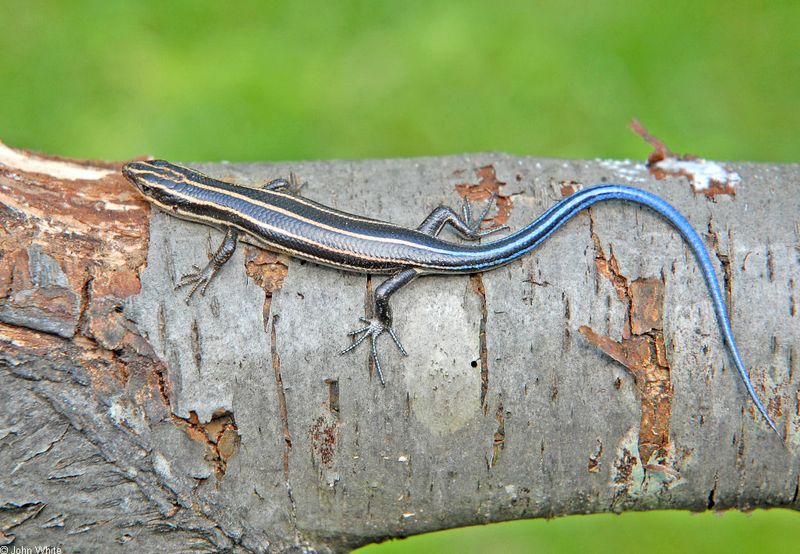
Skinks are ectotherms, meaning they depend on external heat sources to regulate their body temperature. On a warm July morning, a flat rock, a wooden deck board, or a concrete stepping stone can be exactly what a skink needs to warm up enough to hunt and move efficiently. North Carolina’s reptile records specifically note that common five-lined skinks are regularly observed basking on sunlit logs, snags, porches, and house walls – surfaces that happen to be the same ones homeowners use and watch.
The Ontario five-lined skink recovery strategy confirms that basking is a routine part of daily life for this species, not a sign of unusual behavior or population growth. What changes in summer is not necessarily the number of animals but the frequency and duration of basking, which puts lizards on open surfaces at exactly the hours when people are also outside.
Breeding and hatchling activity adds another layer. Common five-lined skinks generally mate in spring, and females lay eggs in late spring or early summer. Animal Diversity Web’s account of Plestiodon fasciatus documents that young animals become active after hatching, which can produce a wave of small, brightly blue-tailed juveniles moving through a yard later in the warm season. Those juveniles are conspicuous and fast-moving, and several at once can feel like a sudden surge.
Timing and detectability also shift with weather and vegetation. After a hot dry stretch, skinks may concentrate near moist, shaded cover at the edge of a garden bed. When summer growth fills in dense plantings, animals that were previously hidden in leaf litter become visible as they cross open ground. Oklahoma Wildlife’s five-lined skink field guide and NC Wildlife’s southeastern five-lined skink profile both describe active warm-season movement patterns that align with the sightings North Carolina homeowners report in June, July, and August.
Any one of these factors – basking, hatchlings, weather, or changed vegetation – can explain a perceived surge without requiring a population increase.
Yard features that can provide skink habitat
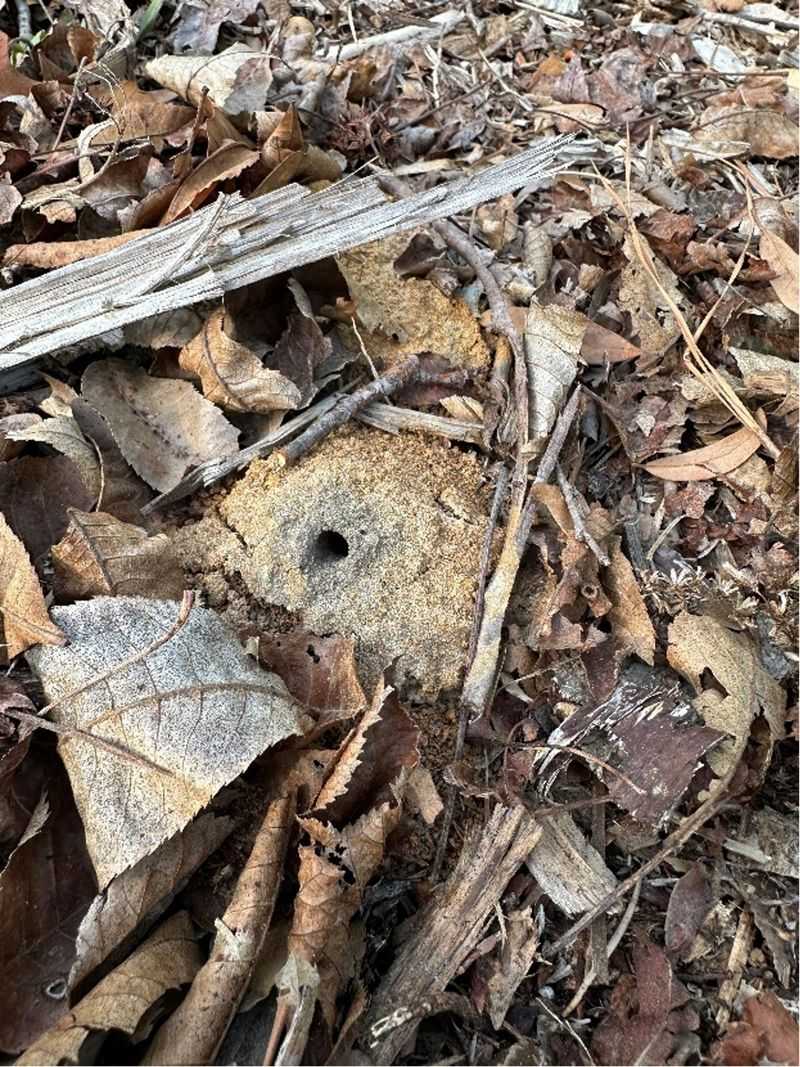
A rock border installed last spring, a stack of firewood moved closer to the house, a retaining wall, a patch of deep mulch, or a fallen limb left at the garden’s edge can each change where skinks appear in a yard – sometimes dramatically. These features offer the two things skinks most need in close proximity: a warm, exposed surface for basking and a cool, sheltered retreat nearby. NC State Extension’s reptile and amphibian guide specifically recommends rocks, logs, leaf litter, and brush piles as habitat features that can support backyard reptiles including five-lined skinks.
The key word in that recommendation is “can.” Adding a brush pile or a flat stone does not guarantee that skinks will move in, stay, or increase in number. What it does is make a patch of yard more usable to animals that were likely already in the surrounding area. A new deck, a retaining wall built for drainage, or even a neighbor’s renovation project can shift where skinks spend time without any change in the local prey population.
NC Wildlife’s five-lined skink page lists tree cavities, old buildings, and rock piles among the structures these lizards use for shelter. That range suggests skinks are opportunistic – they use what is available rather than requiring a carefully designed habitat. A new raised bed with a stone edge, a gap under a shed, or a pile of broken concrete can serve the same function as a natural woodland edge.
Rather than adding cover throughout the entire property, the more practical approach is to concentrate habitat features in a defined area, such as a back corner or a garden edge away from the main activity zones. A managed pocket or edge gives skinks somewhere usable while keeping the rest of the yard easier to maintain, easier to monitor for ticks and other pests, and more comfortable for the people who use it regularly. Dense cover spread across the whole property can make pest management harder and increase tick contact risk near play areas and patios.
Their varied diet explains the appeal—and the limits
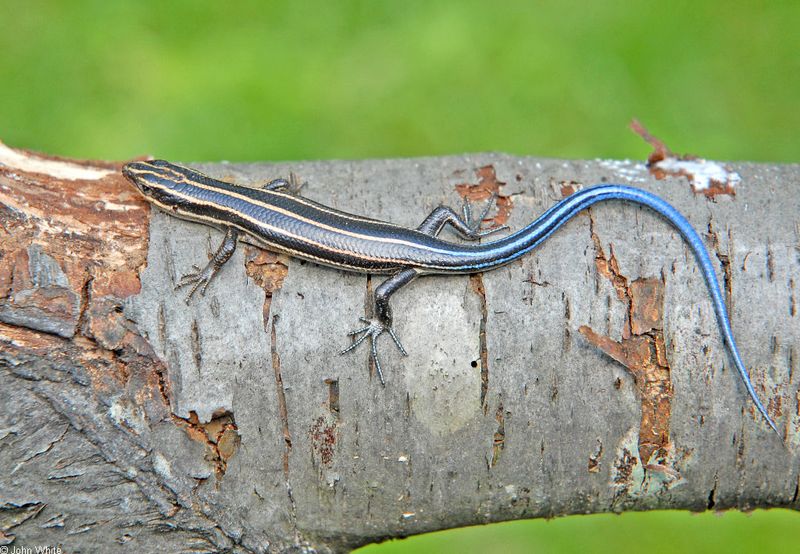
Skinks eat a wide range of arthropods. Animal Diversity Web’s Plestiodon fasciatus account documents documented prey including spiders, crickets, beetles, beetle larvae, grasshoppers, caterpillars, termites, millipedes, and other invertebrates. Some sources also report occasional small vertebrate prey such as small lizards or nestlings. That breadth makes skinks genuinely useful members of the yard’s food web.
Where the appeal runs into limits is at the word “control.” A broad arthropod diet means skinks eat many things, not that they reliably suppress any particular pest in a residential yard. NC Wildlife’s southeastern five-lined skink profile and a peer-reviewed diet reference in Herpetological Review both describe opportunistic feeding patterns – skinks take what is available and accessible, not what is most abundant or most problematic for the homeowner.
Ticks and mosquitoes deserve a direct mention here because they come up often in conversations about backyard skinks. Skinks may consume some tick larvae or adult mosquitoes if they encounter them while foraging, but no reviewed source establishes that skink activity produces a meaningful or predictable reduction in tick or mosquito numbers at the yard level. Treating skinks as a natural pesticide or a substitute for tick and mosquito prevention is a stretch the evidence does not support.
The more practical takeaway is this: if you see more skinks this summer and you are also concerned about ticks or mosquitoes, inspect and monitor for those specific pests rather than inferring a pest problem from the lizard count. A skink on the deck tells you the yard has suitable habitat for that animal. It does not tell you how many ticks are in the leaf litter or whether mosquitoes are breeding in a container around the corner. Those are separate questions that require separate investigation.
A managed habitat edge may help separate wildlife from high-use areas
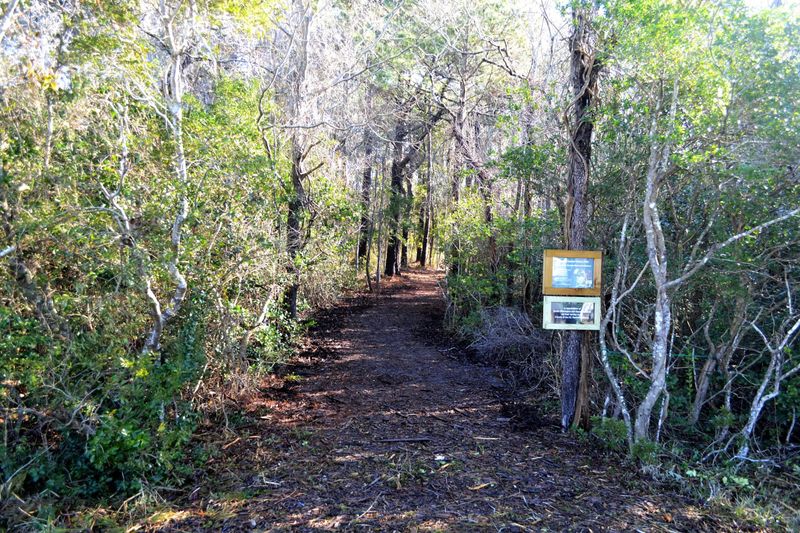
Supporting native skinks and keeping a family-friendly yard are not opposing goals, but they do require some spatial thinking. The practical compromise most homeowners can apply is to concentrate dense cover – logs, brush, leaf litter, and thick plantings – in a defined edge or back corner of the property, while keeping the areas around patios, play equipment, entrances, and frequently used paths more open and maintained. NC State Extension’s backyard reptile guide recommends exactly this kind of selective approach: create habitat in a purposeful area rather than converting the entire yard into dense wildlife cover.
This arrangement is a reasonable inference drawn from two separate bodies of guidance – habitat advice for skinks and tick-exposure prevention recommendations from public health agencies. CDC tick prevention guidance recommends clearing tall grass and brush near homes, removing leaf litter from high-use areas, and mowing regularly around patios, play areas, and paths. Keeping dense cover away from those zones aligns both goals without requiring you to strip the yard of all habitat. That said, this arrangement cannot guarantee lower tick exposure.
Ticks move, and people can pick them up anywhere outdoors.
Outdoor cats are a specific concern worth mentioning here. NC State Extension identifies free-roaming domestic cats as predators of lizards and other small backyard wildlife. Keeping cats indoors protects skinks, other native reptiles, and birds – a straightforward action that costs nothing and benefits the broader yard community.
A managed edge also makes monitoring easier. When habitat is concentrated in a defined area, you can check that zone for pest activity, observe whether skinks are using it, and manage it without disrupting the rest of the yard. Spreading cover everywhere makes it harder to notice changes, harder to mow around, and harder to apply any targeted treatment if a real pest problem emerges. Selective habitat creation is the version of “leave some wildness” that a working family yard can actually sustain.
Manage real pest problems instead of reacting to the skink count
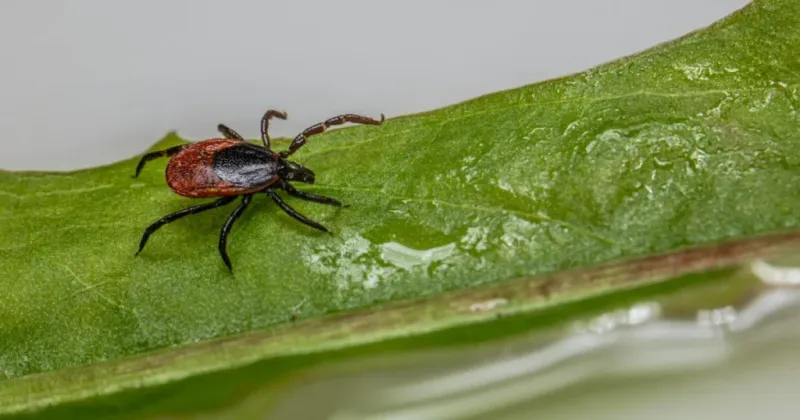
Skink activity is not a pest alarm, and treating it like one will lead to unnecessary spraying that can harm the wildlife you are trying to support. The response plan for ticks, mosquitoes, and other pests starts with accurate identification and monitoring, not with a reaction to lizard counts. EPA’s integrated pest management principles and EPA’s IPM introduction both describe the same framework: identify the specific pest, monitor its presence and numbers, set an action threshold, use prevention first, and apply chemical treatment only in affected areas when a demonstrated need exists. Broad, nonspecific spraying is described as a last resort.
For ticks specifically, CDC recommends a set of yard-level steps that are worth following regardless of whether skinks are present. Mow regularly, manage tall grass and brush near the house, remove leaf litter from play areas and paths, and check people and pets thoroughly after any time spent outdoors. Those habits address actual tick exposure risk far more reliably than counting lizards or hoping predators handle the problem.
Mosquito prevention follows a different logic. NCDHHS guidance on fighting mosquito-borne disease focuses heavily on eliminating standing water. Emptying containers – buckets, saucers, tarps, gutters, and anything else that holds water – at least once a week removes the breeding sites that support mosquito populations near the home. No amount of lizard activity substitutes for that weekly habit.
One caution about pesticide choices: products labeled as natural, organic, or environmentally friendly are not automatically safe for wildlife. EPA guidance on reducing pesticide impacts on wildlife advises treating only affected areas, following label directions precisely, and minimizing harm to nontarget organisms. Broad-spectrum sprays – including some botanical insecticides – can affect skinks, beneficial insects, and other animals if applied carelessly. The safest approach is to confirm a pest problem exists before treating anything, then use the smallest targeted application necessary to address it.
Identify skinks carefully and leave them where they are
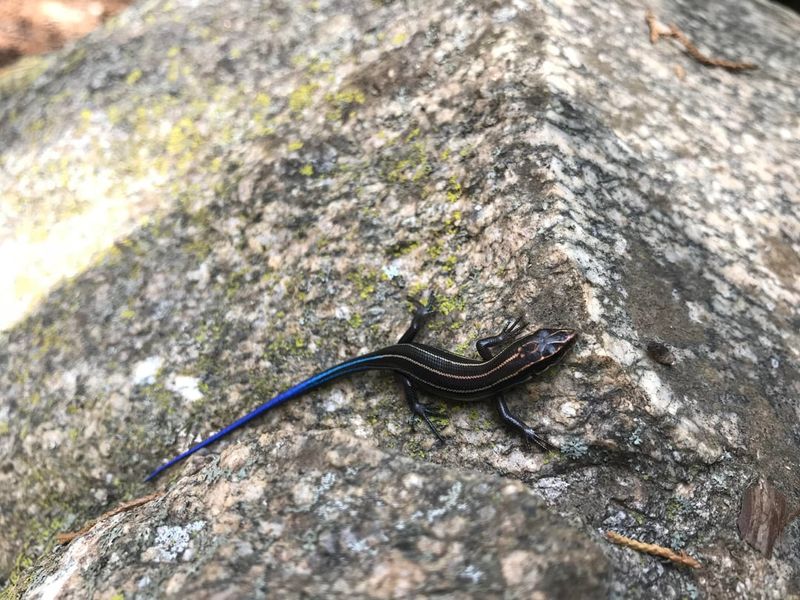
Rural folklore in parts of North Carolina calls blue-tailed lizards “scorpions” and treats them as venomous or dangerous to children. That belief is false. NC Wildlife’s five-lined skink profile is direct: these animals are harmless and nonvenomous. An adult skink can deliver a pinch if grabbed, but the bite is not a medical concern.
The “scorpion” name is folklore, not biology, and no native North Carolina skink produces venom of any kind.
Identifying exactly which skink you are looking at is trickier than it sounds. North Carolina has three similar native species – the common five-lined skink (Plestiodon fasciatus), the southeastern five-lined skink (P. inexpectatus), and the broad-headed skink (P. laticeps). Juveniles of all three share the vivid blue tail and striped pattern that most homeowners recognize. Reliable separation among the species requires close attention to scale rows, head shape, and body size, and even experienced observers sometimes need a specimen in hand to be certain.
For most backyard purposes, “five-lined skink or close relative” is an honest identification.
The best response to a skink sighting is to watch it and leave it alone. Handling stresses the animal, can result in a bite, and offers no benefit to the skink or to you. Moving a skink to what seems like a better location is also not recommended – it disrupts the animal’s established range and may be unlawful.
North Carolina regulates the collection and possession of native reptiles. NC Wildlife’s possession and collection regulations and the amphibian and reptile possession permit page clarify that holding native reptiles requires the appropriate permit, and that permit does not authorize collecting animals from the wild. Casual capture and relocation is not a legal or helpful option.
Read the signal, then manage the yard you actually use
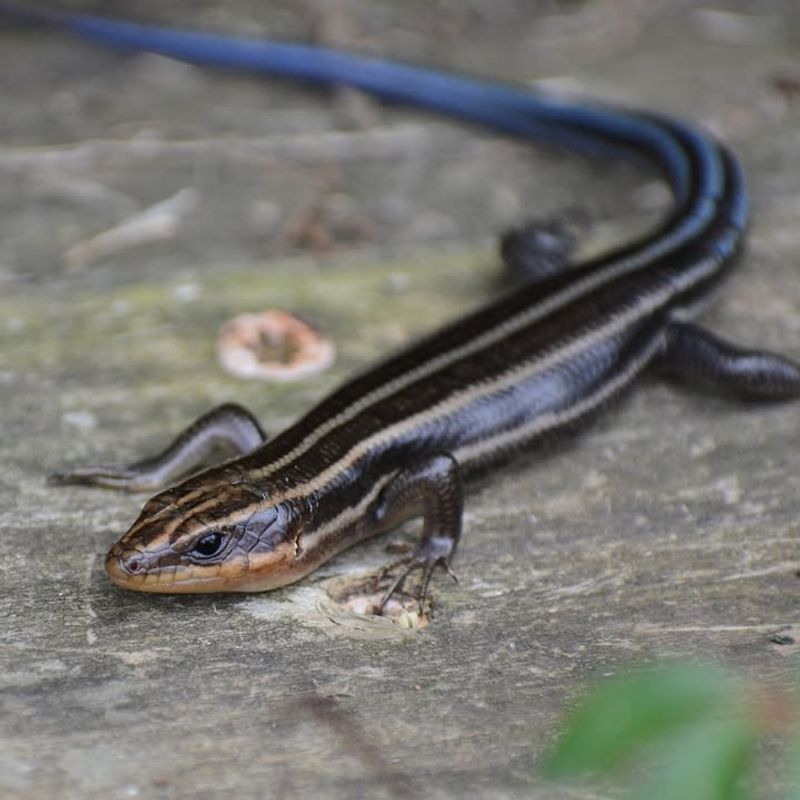
A sudden increase in visible skinks this summer most likely means that one part of your yard has become warm, sheltered, and accessible to native reptiles that were probably already living nearby. That is worth knowing. It suggests the yard has some habitat value, and it is a prompt to think about how you have arranged cover, basking surfaces, and open space. NC Wildlife and NC State Extension both describe these animals as native, harmless, and welcome in a well-managed backyard.
What the sightings cannot tell you on their own is whether pest numbers have increased, whether the yard is ecologically healthier, or whether you can skip tick and mosquito prevention. Those questions need separate answers, and CDC tick prevention guidance remains the right starting point for the protection side of the equation. Preserve a selective habitat zone if you want to support skinks, keep family-use areas open and maintained, verify pest concerns through actual monitoring, and let the animals occupy their place in the yard without trying to move or manage them directly.
Skinks are not a pest-control service, a health guarantee, or a sign that something has gone wrong. They are native North Carolina wildlife doing what native North Carolina wildlife does – and a yard that can support them is doing something quietly right.