
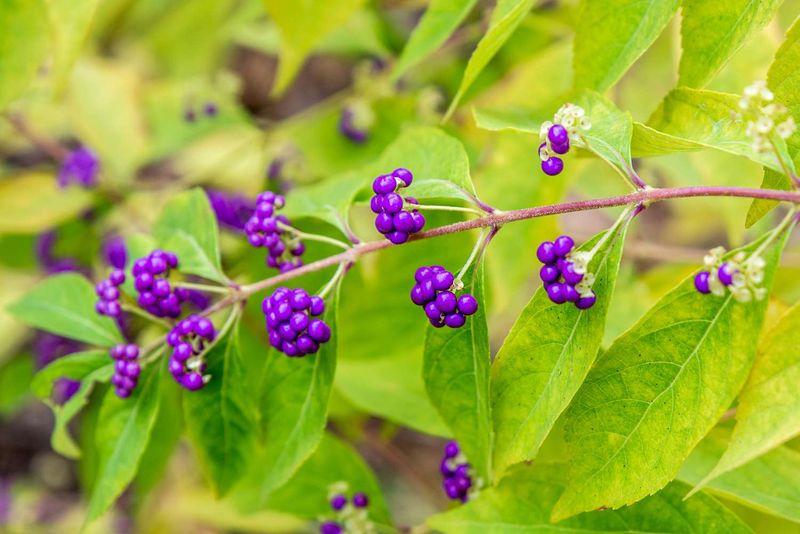
If you have a wooded edge in your North Carolina yard, you have probably wondered how to make that shady border less of a tick highway. A native shrub called American beautyberry has been quietly gaining attention, partly because of some genuinely interesting science about compounds found in its leaves.
Before you rush to plant a hedge and declare your yard tick-free, though, the real story is more useful than the rumor, and worth understanding clearly.
American Beautyberry Is a Native Edge Shrub, Not a Tick-Free Secret
No reliable evidence shows that a specific group of North Carolina gardeners avoids ticks because they grow a particular plant. That premise makes for a compelling headline, but it does not hold up.
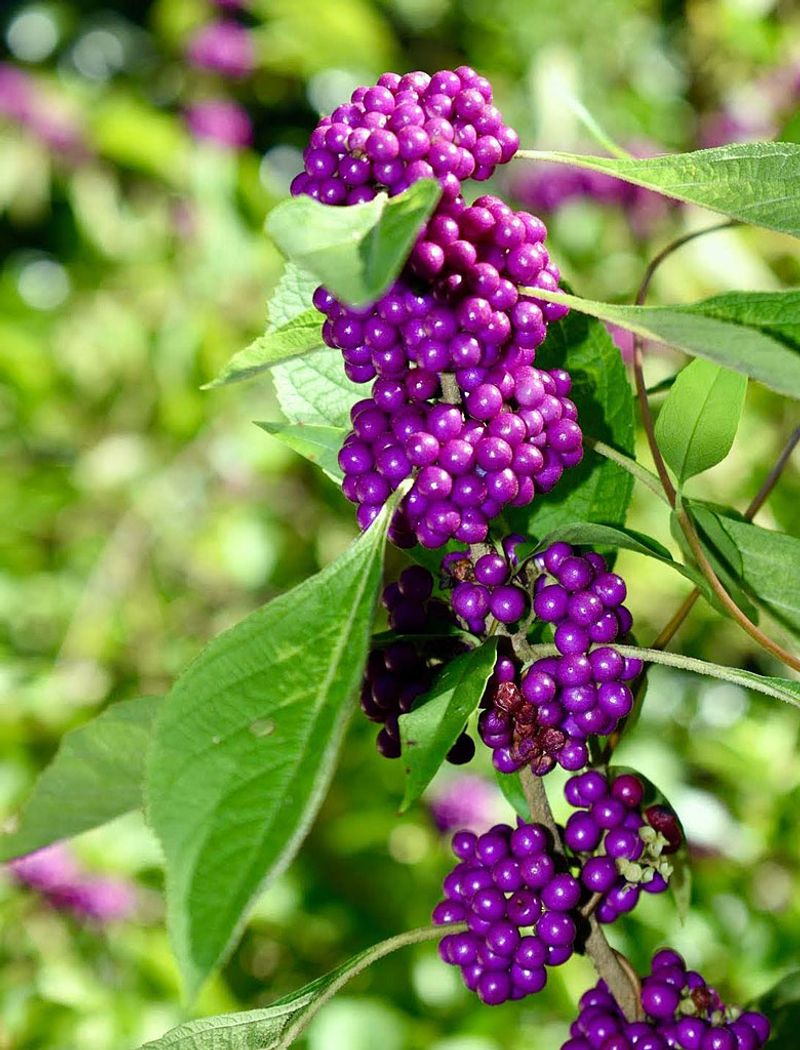
The plant most likely behind the story is American beautyberry (Callicarpa americana), a native shrub with real wildlife value and genuinely interesting chemistry, and it deserves an honest introduction.
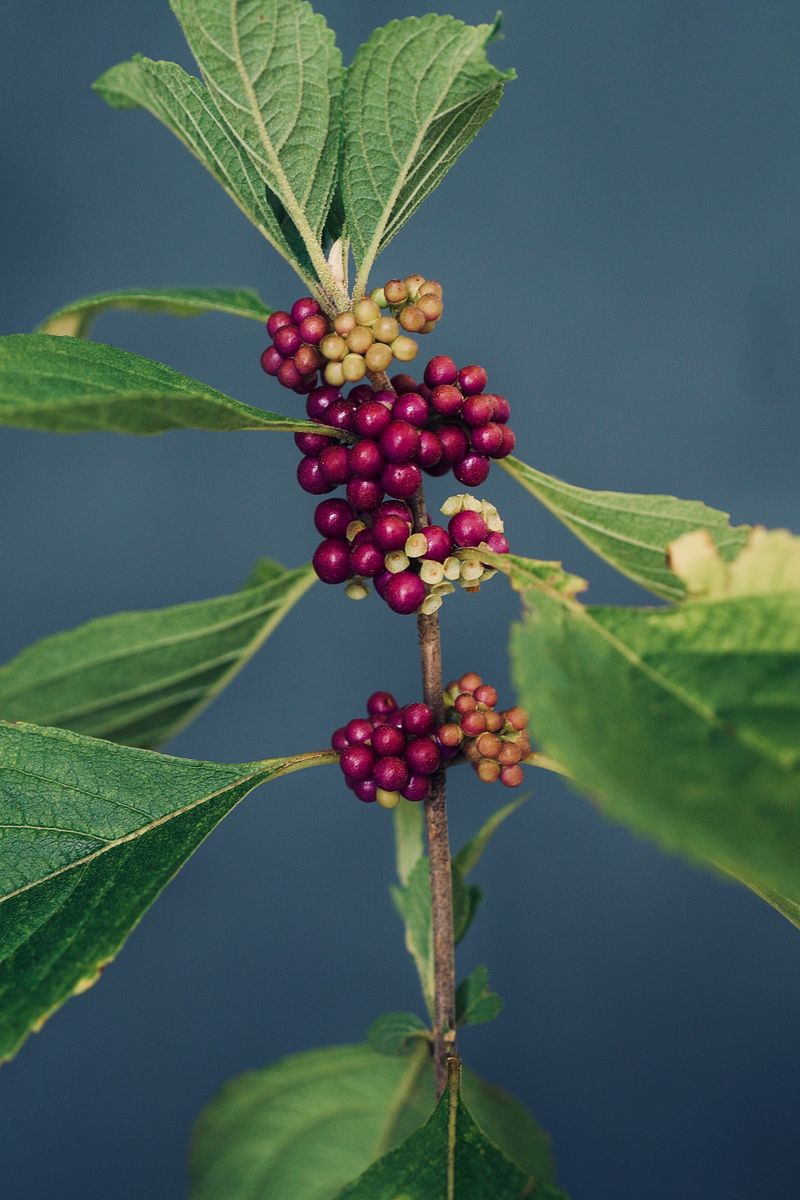
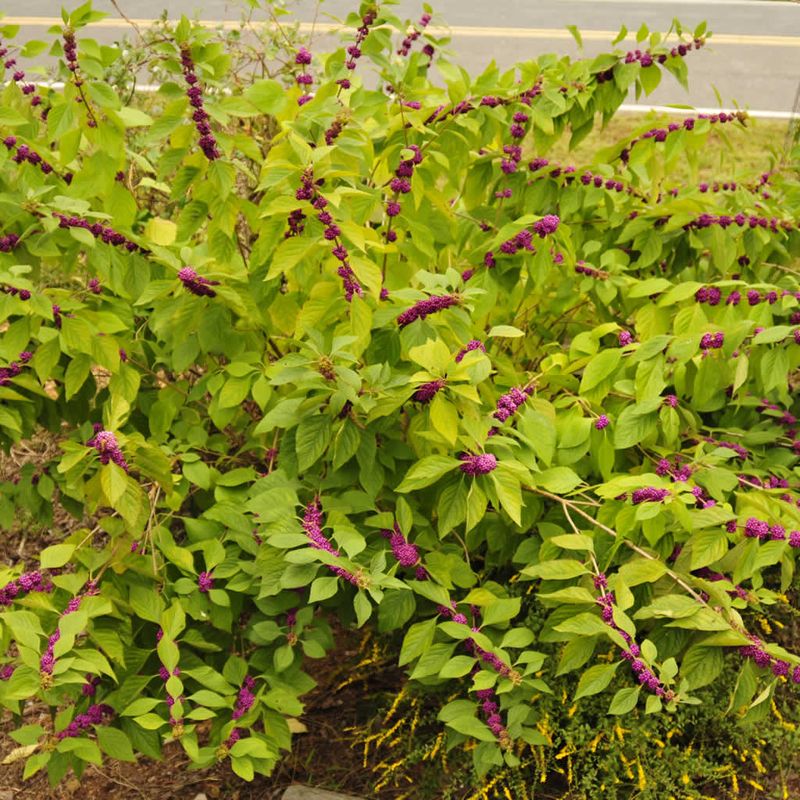
American beautyberry grows naturally across North Carolina in meadows, thickets, woodlands, and along woodland margins. NC State Extension’s plant profile puts its mature size at roughly 3 to 8 feet tall and 3 to 6 feet wide, with a preference for full sun to part shade.
Plant it in deep shade and it will struggle, putting out sparse growth and few berries.
The shrub’s most striking feature is its fruit. Tight clusters of glossy purple berries develop or ripen from about August through October and may persist into early winter, wrapping each stem in color that stops people mid-walk.
Songbirds and small mammals eat the fruit, making beautyberry a genuinely useful addition to a wildlife-aware planting scheme.
Its leaves also contain chemical compounds that researchers have looked at for insect-repellent activity, and that is where the tick story comes from. What those compounds actually showed in testing, and what they did not show, matters a great deal before you decide how to use this shrub.
Beautyberry belongs in a thoughtful NC landscape for its wildlife value and its native adaptability, not because it creates a tick-free zone around your yard.
The Evidence Involves Isolated Compounds on Treated Cloth
The research behind beautyberry’s tick-repellent reputation comes from a USDA Agricultural Research Service study that identified two compounds in beautyberry leaves, callicarpenal and intermedeol, and tested them against tick nymphs in a controlled laboratory setting. That USDA study used a treated-cloth assay, meaning researchers applied purified, isolated versions of these compounds to fabric and then measured how tick nymphs responded.
Against blacklegged tick nymphs at the tested concentration, callicarpenal repelled 98 percent and intermedeol repelled 96 percent initially. Those are striking numbers under those specific conditions.
Repellency declined over time, which is a meaningful limitation in any real-world application.
What was not tested is just as important as what was. The study did not involve intact beautyberry leaves, crushed leaves rubbed on fabric, living shrubs growing in a yard, or a beautyberry hedge planted along a residential property line.
Whole plants were not part of the experimental design, and residential landscapes were not evaluated at all. The compounds were purified and applied in controlled concentrations that would be nearly impossible to replicate by simply growing or handling the plant.
The practical meaning is this: promising chemical activity in a laboratory assay does not demonstrate that a beautyberry shrub, or a row of them, repels ticks across a residential yard. Those are two very different claims.
The chemistry is real and interesting enough to justify continued research. What it does not justify is treating the plant as a proven tick barrier or as a substitute for tested personal protection.
Understanding that distinction protects you from a false sense of security in tick country.
Lone Star Ticks Change the North Carolina Calculation
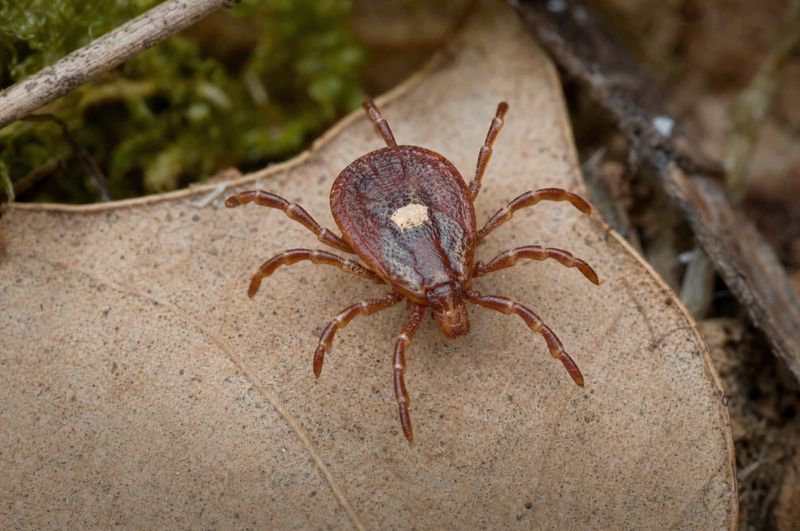
Even within the laboratory results, the picture is not uniform. The USDA study tested the same compounds against lone star tick nymphs and found substantially weaker results.
At a higher tested concentration, callicarpenal repelled only 20 percent of lone star nymphs and intermedeol repelled 40 percent. Those figures come from the same controlled cloth-assay conditions as the blacklegged-tick numbers, so the difference is not a matter of testing methodology; it reflects how differently these two tick species responded to the same compounds.
That gap matters enormously for North Carolina homeowners. A CDC/NIOSH study of ticks removed from outdoor workers in North Carolina during 2011 and 2012 found that lone star ticks represented roughly 93 to 95 percent of all ticks submitted.
Blacklegged ticks, which showed the strongest response to the beautyberry compounds in the lab, made up a much smaller share of actual human tick encounters in that study.
North Carolina also hosts American dog ticks, Gulf Coast ticks, and Asian longhorned ticks, among others. Each species has its own preferred habitat, seasonal activity window, and host preferences.
Evidence built primarily around blacklegged tick behavior cannot be extended to cover every tick a North Carolina homeowner is likely to encounter on a summer afternoon.
For residents of the Piedmont, coastal plain, or anywhere the woods meet a mowed lawn, lone star ticks are the more likely encounter. A planting strategy built on the stronger blacklegged-tick laboratory result would be addressing a smaller fraction of the local tick population while the dominant species goes largely unaffected.
That is a meaningful gap between what the science actually found and what a tick-free-yard story implies.
Place Beautyberry on an Open Woodland Margin
Knowing beautyberry’s limits does not mean leaving it out of your landscape. Placed correctly, it earns its spot on multiple grounds.
The key is matching its growing requirements to a location that also supports good tick-conscious yard design.
Beautyberry performs best along an open or partly shaded woodland margin where it receives enough light to develop its full berry display and reach its natural size of roughly 3 to 8 feet tall and 3 to 6 feet wide. NC State Extension notes that deep shade produces poor growth, so the dense interior of a pine stand is the wrong spot.
A transition zone between mowed lawn and the tree line is exactly where beautyberry looks most at home and grows most vigorously.
The fruit it produces from August through October, sometimes persisting into early winter, supports songbirds and small mammals through a season when other food sources are thinning. NC State’s native-planting guidance recommends placing wildlife-supporting shrubs where they complement rather than compromise the usability of your yard.
Wildlife value is real, but it does not itself lower tick numbers. Deer and rodents attracted to food plantings can actually increase tick pressure, so placement matters as much as plant selection.
Keep beautyberry and other wildlife-oriented shrubs farther from patios, swing sets, sandboxes, and heavily used paths. A maintained transition between your habitat planting and your household activity zone is what makes the design work from both a wildlife and a tick-management perspective.
Dense, damp, unmanaged vegetation planted directly beside a play area works against tick-conscious design, regardless of how native the plants are. NC State’s edge management guidance reinforces that a well-structured transition, not a dense thicket at the back door, is the goal.
Maintain the Transition Zone Around High-Use Areas

Landscape structure does more practical tick-management work than any single plant’s unproven chemistry. Ticks thrive where conditions favor them: humid leaf litter, dense low vegetation, shaded ground cover, and a steady supply of host animals.
Disrupting those conditions around the areas where your family spends time is the most direct lever you have.
Start at the house and work outward. Mow grass regularly, rake and remove leaf litter near the house and along the lawn perimeter, and prune the lower branches of shrubs to create open space beneath them.
CDC tick-safe landscaping guidance specifically recommends keeping dense cover away from play areas and maintaining a clear, sunny, easy-to-inspect zone immediately around the home.
A sharply defined strip at least three feet wide, made from wood chips, bark, gravel, or similar material, placed between your lawn and the woodland edge may help reduce tick movement into the yard. Results vary considerably depending on shade, woodland density, property conditions, and how many ticks are already present.
Think of it as a possible buffer rather than a guaranteed line of defense.
Deer and rodents are significant tick hosts, and their presence near the yard edge can reintroduce ticks even after you have improved the habitat structure. Reducing brush piles, stone walls, and dense groundcover that attract mice and chipmunks near high-use areas addresses part of that pressure.
No single maintenance step eliminates tick exposure, but each one reduces the conditions that allow tick populations to build up close to where people and pets spend time. The combination matters more than any individual action.
Use Tested Protection Beyond the Planting
No planting plan replaces the personal protection steps that actually have a track record. Swing sets, sandboxes, and other high-use outdoor areas should sit well away from the woodland edge, not tucked against the shrub border where ticks are most active.
After any time spent near brush, leaf litter, or tall grass, check yourself, your children, and your pets thoroughly for ticks, paying attention to hairlines, behind knees, and other warm, hidden spots.
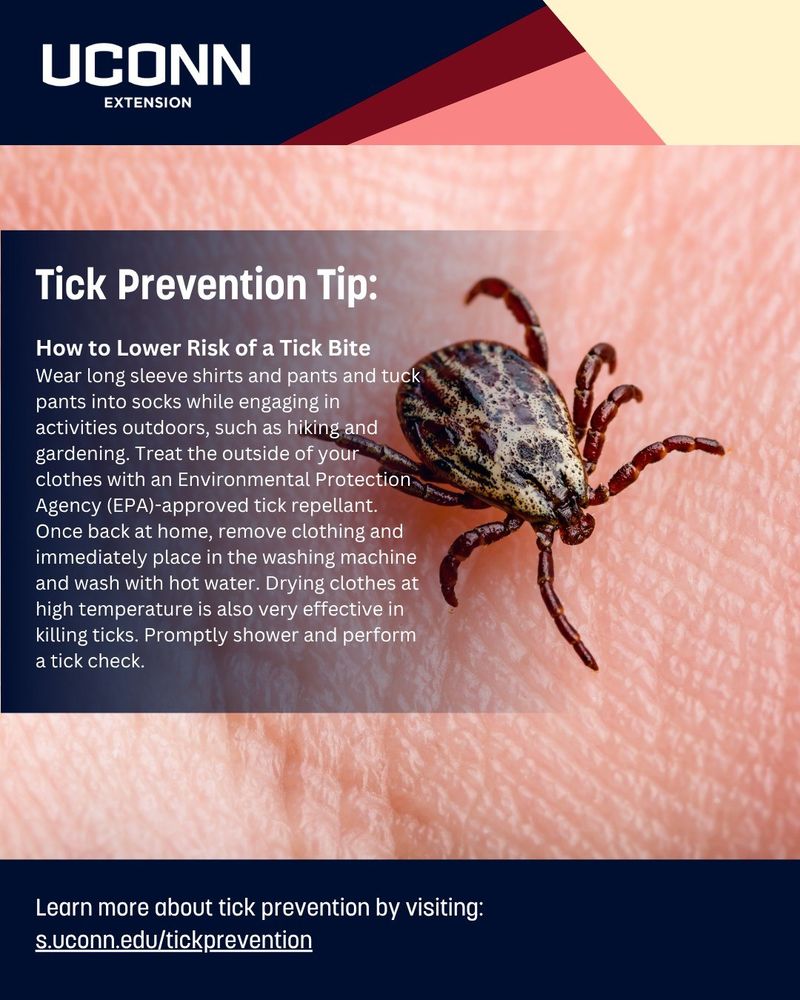
Wear light-colored clothing with long sleeves and pants tucked into socks when entering wooded or brushy areas. EPA guidance on preventing tick bites recommends using EPA-registered repellents according to their label directions.
Products containing DEET, picaridin, IR3535, or oil of lemon eucalyptus have been evaluated for safety and effectiveness in ways that home remedies have not.
Crushed beautyberry leaves, essential oils, or homemade extracts should not be used on skin, children, pets, or clothing as a substitute for registered repellents. The USDA research involved purified compounds applied to cloth under controlled laboratory conditions.
The National Pesticide Information Center notes that essential-oil products are less thoroughly studied for both efficacy and safety than standard registered repellents, and that label-registered products are the more reliable choice.
If you are considering a yard pesticide application, use only products and application sites covered by the label and follow directions exactly. University of Minnesota Extension explains that broad treatment of woods and brush is generally ineffective because ticks live in leaf litter and animals constantly reintroduce them.
Targeted perimeter treatments, applied correctly and at the right time of year, are more practical than attempting to treat a full woodland. Personal protection remains essential regardless of any yard treatment you apply.
Build a Tick-Conscious Edge Instead of Expecting a Barrier
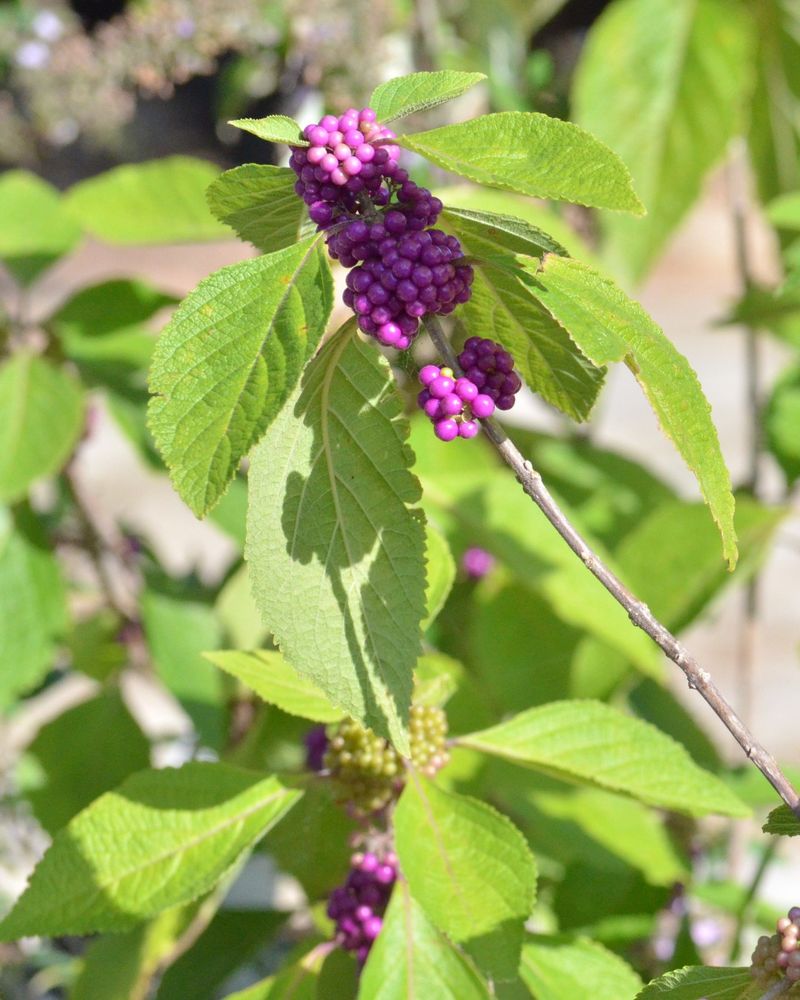
American beautyberry is a handsome, wildlife-supporting North Carolina native whose isolated leaf compounds showed genuine repellent activity against blacklegged tick nymphs in controlled laboratory conditions. That is worth knowing.
What it is not is a proven residential tick barrier, and no defined group of gardeners avoids ticks because they grow it.
Plant beautyberry where it actually grows well: along an open or partly shaded woodland margin with enough light to produce its full berry display. NC State Extension confirms it fits naturally into the transition between lawn and tree line, which is also the zone where tick-conscious design calls for structure and visibility rather than dense, unmanaged cover.
Keep a clear, maintained buffer between wildlife habitat and high-use spaces. Reduce leaf litter, brush, and dense groundcover near the areas where your family spends time, and rely on CDC-recommended landscaping and personal protection practices for the actual tick-reduction work.
Beautyberry earns its place in the yard through beauty, native adaptability, and wildlife value. Thoughtful habitat design and tested precautions are what protect your family.