
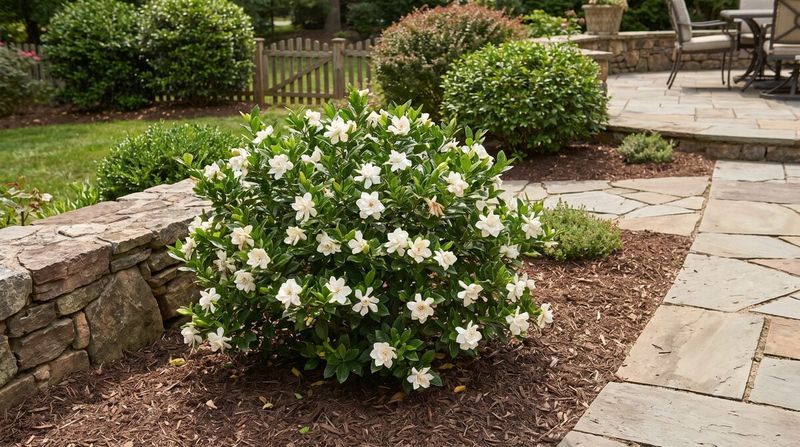
Gardenias are the heart of many North Carolina yards, and fall is when a few simple choices decide how they look next season. A yellow leaf or a dropped bud can send gardeners hunting for a single mistake, but the real story is more varied.
Here is a calm, practical plan for the weeks before winter, plus a way to read the clues your plant gives you.
Protect next year’s bloom by avoiding hard fall pruning
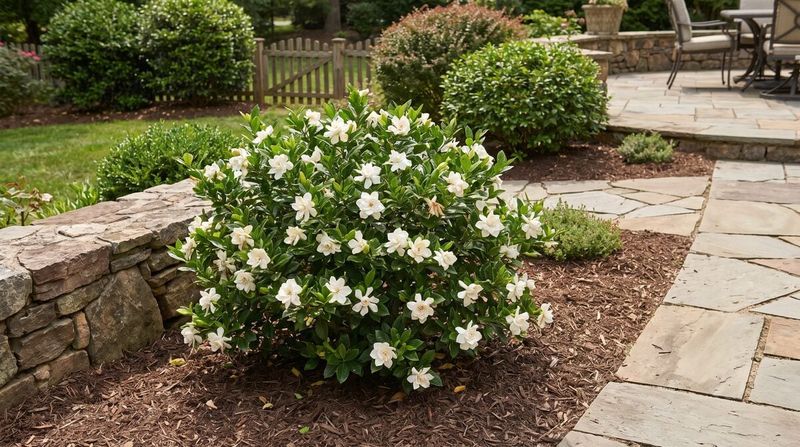
Put the shears away once September arrives. N.C.
Cooperative Extension guidance on gardenia care says to avoid hard cutbacks from September through March and to prune after the plant finishes flowering instead.
The reasoning is simple. A big cutback late in the year can remove the growth and buds a gardenia needs for its next round of blooms.
That is a clear way to lose flowers, and it is easy to avoid.
Timing after flowering is not one fixed date. Bloom time differs from one variety to the next, so the pruning window moves with it.
Extension points to roughly June through August for many plants, but August is not a magic deadline that applies to every gardenia in the state. Watch your own shrub, and prune once its flowers fade.
If a branch is broken, dead, or rubbing against another, you can remove just that piece at any time. The key word is hard.
Light tidying is a very different job from cutting a shrub back by a third or more.
Here is a quick example. A gardenia near a front walk may look a bit scraggly in October, and the urge to even it up is strong.
Leave it alone, and mark a note on your calendar for after next year’s bloom. You will keep the buds that are already forming and give the plant a calmer start to winter.
As for the old headline promise, no single skipped task can be blamed for yellow leaves or dropped buds by spring. Skipping a hard prune is simply one sound habit among several.
Keep soil moisture steady without waterlogging the roots
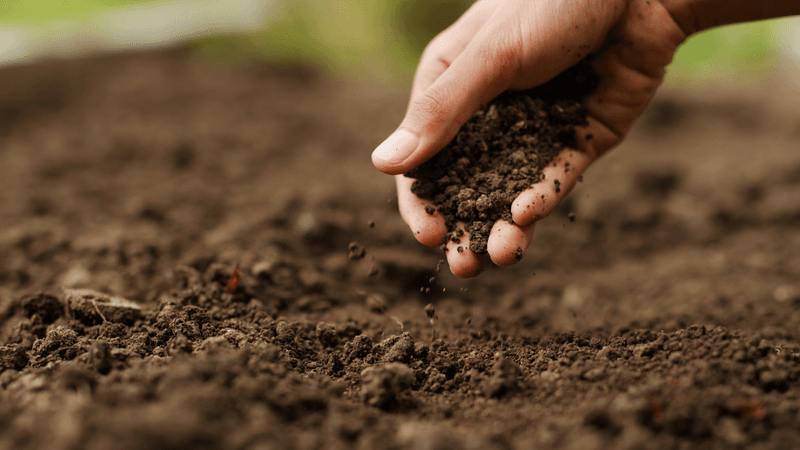
Before a cold snap, take a minute to feel the soil. Gardenias are happiest in moist, well-drained ground, as the NC State Extension Plant Toolbox entry for gardenia describes.
That means the roots should never bake dry, and they should never sit in a puddle.
A simple test works well. Push a finger a couple of inches down near the root zone.
If it is dusty and dry, water slowly and deeply. If it feels soggy, or water pools on top after rain, hold off and look at drainage instead.
Skip a fixed watering schedule. Autumn in the mountains, the Piedmont, and the coastal plain can bring weeks of rain or weeks of dry weather, and your plant needs depend on what actually happens.
Container gardenias dry out faster than shrubs in the ground, so check pots more often, and make sure the drainage holes are open.
Mulch helps smooth out the swings. A layer of pine bark or pine straw over the root zone can reduce moisture loss and soften soil temperature changes.
Keep it a few inches back from the main stems so the base stays dry and can breathe.
Stressed roots are a common thread behind many plant problems, so steady conditions are good insurance. They will not guarantee a perfect spring, but they remove a few easy-to-fix risks before winter settles in.
Cold protection depends on the forecast and the plant’s location
Watch the forecast rather than the calendar. When frost or a cold snap is on the way, N.C.
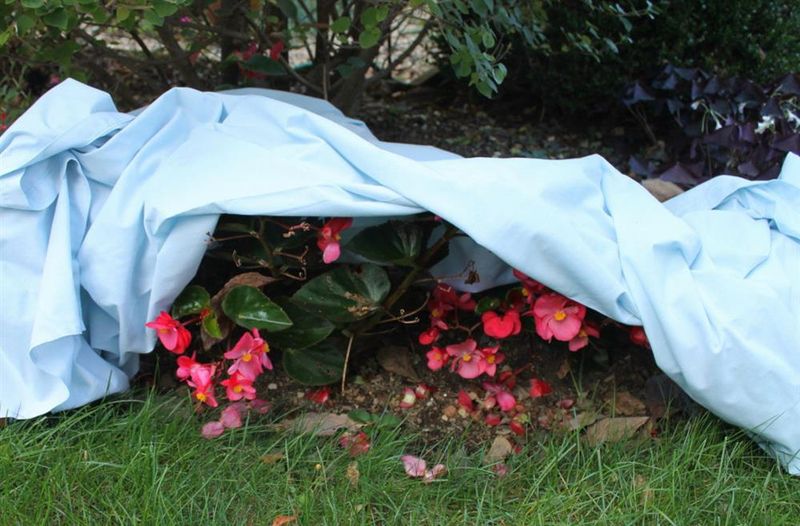
Cooperative Extension in Wake County recommends covering gardenias planted in the ground and moving container plants near the house or under shelter.
A breathable frost cloth or an old sheet works well as a cover. Drape it so it reaches the soil, and take it off once temperatures climb the next day.
Plastic touching the leaves can trap cold, so avoid it.
Pots are the easiest to help. A porch, a garage entry, or a spot against a south-facing wall gives shelter from wind and a little extra warmth.
Water them lightly beforehand if the soil is dry.
Risk is not the same everywhere. The NC State Plant Toolbox lists gardenias for the coastal and Piedmont regions of the state, and gardeners in colder pockets and the mountains should expect more trouble.
Cultivar matters too, since some are hardier than others.
Exposure also counts. A shrub tucked beside a warm wall in Wilmington faces a very different night than one in an open, windy yard near Hickory.
Think about where cold air settles and where wind hits hardest on your own property.
Covers can reduce damage, but they cannot promise that a plant will come through unharmed. Treat protection as a helpful step, not a guarantee.
Some fall leaf drop is normal, but yellowing patterns matter
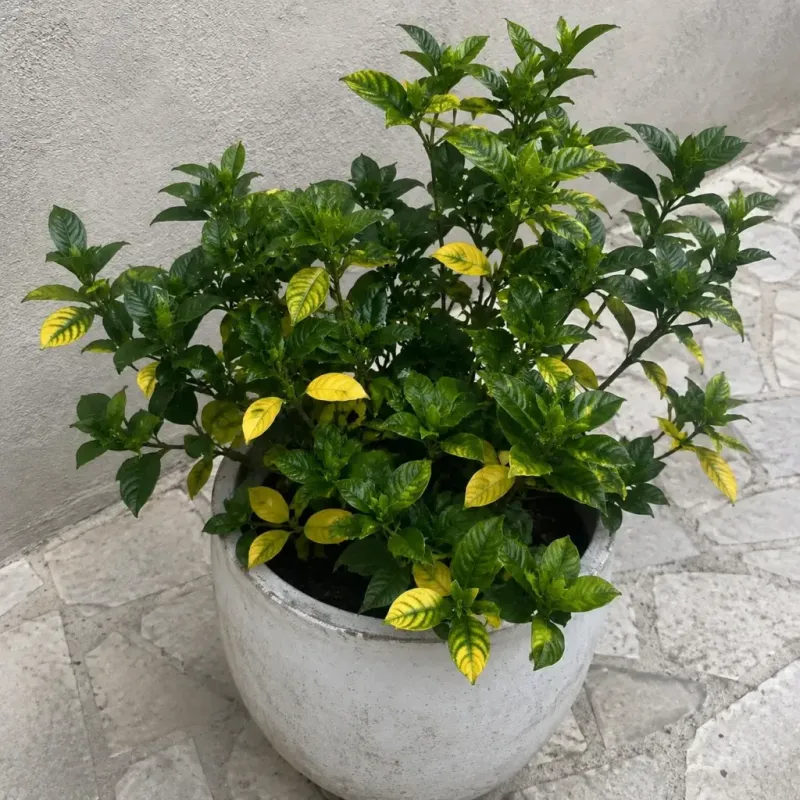
A few yellow leaves in October do not mean something went wrong. Gardenias can shed some older leaves in fall, and UF/IFAS gardenia guidance notes that this kind of yellowing and dropping is a normal part of the season.
Where the yellow shows up is the best clue. Older leaves toward the inside or base of the plant are the usual ones to go.
If that is all you see, and the new growth looks healthy, you can relax.
Young leaves tell a different story. When the newest growth turns yellow while the veins stay green, that pattern is consistent with iron chlorosis, and high soil pH is a common cause.
The iron may be in the soil, but a plant in alkaline ground cannot take it up well.
Appearance alone does not settle the question, though. Clemson Cooperative Extension treats normal leaf drop, stress-related yellowing, and iron chlorosis as separate situations, so they should not get one shared remedy.
Try a quick field check. Note which leaves are yellow, whether the veins are green, and whether the problem is on one branch or the whole plant.
Also think about recent weather, such as a dry spell or a week of soaking rain.
Jot down what you see, and take a photo. Those notes will help when you decide whether the plant needs action or just patience.
Bud drop can have more than one cause
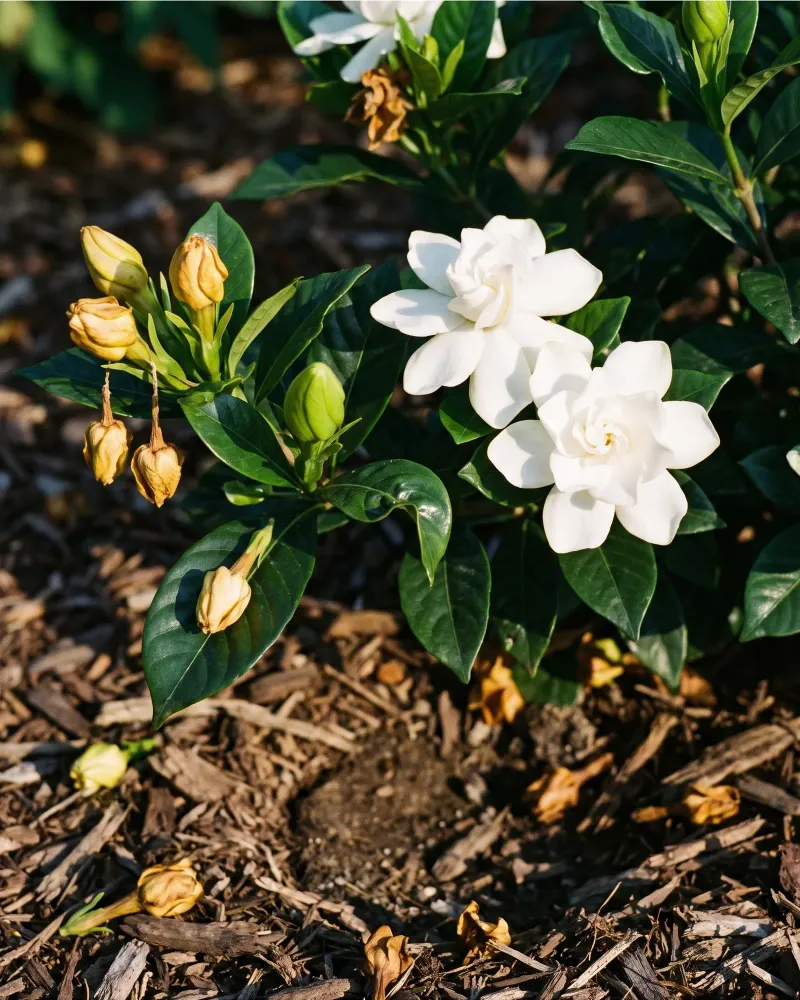
Finding small buds on the ground is frustrating, but it rarely points to one culprit. The UC Statewide IPM Program page on leaf and bud drop lists several possible causes: drought, general stress, heat or cold, changes in soil moisture, and nutrient deficiencies.
It does not blame a single missed step before winter.
Think of the list as a set of questions rather than a diagnosis. Did a dry stretch hit during bud set?
Did a hot spell or an early chill come through? Did the soil swing between soaked and parched?
Container plants deserve extra suspicion because their roots feel every swing. A pot left in afternoon sun or forgotten over a long weekend can drop buds quickly.
Plants in the ground can react to the same kinds of changes, just more slowly.
Nutrient problems are on the list too, but they are one possibility among several. Dropped buds alone do not tell you which nutrient, if any, is short.
That is why guessing with a fertilizer can miss the real cause.
Look at the whole plant. If the leaves are glossy and the stems are firm, a one-time stress is a likely story.
If the leaves also look off, or the buds keep dropping week after week, the cause is probably something ongoing and worth tracking down.
Keep notes on weather and watering for a few weeks. Patterns show up faster on paper than in memory.
Check the cause before applying a treatment
Work through a short checklist first. When was the last time you pruned, how has the soil moisture been, and has the plant seen a recent cold night?
Then look at which leaves are yellow, older ones or young ones.
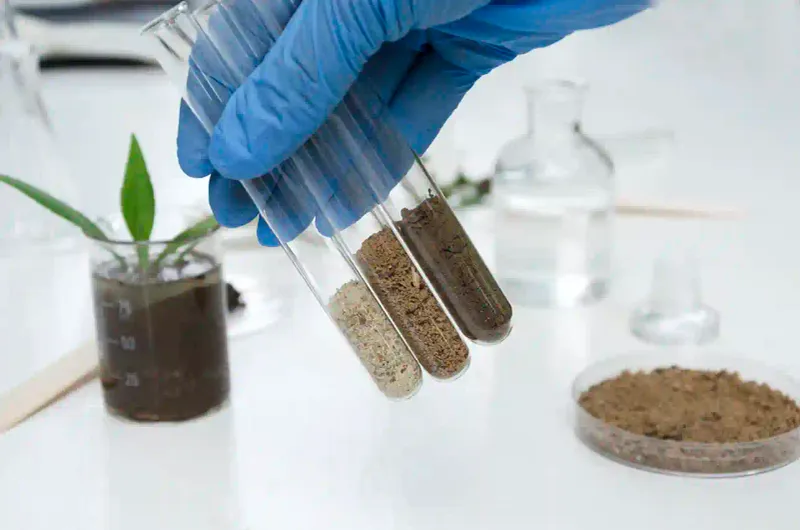
If symptoms persist or spread across the plant, investigate before you treat. Clemson Cooperative Extension recommends testing soil pH first and avoiding chemical treatment unless a specific deficiency or pest problem is identified.
North Carolina gardeners can send samples through the NCDA&CS soil-testing service described by NC State Extension. The results show pH and nutrient levels, so fertilizer, iron, or acidifiers become informed choices instead of guesses.
Always follow the product label.
A healthy gardenia is rarely rescued by a bottle alone, but a good test can save you from the wrong one.