
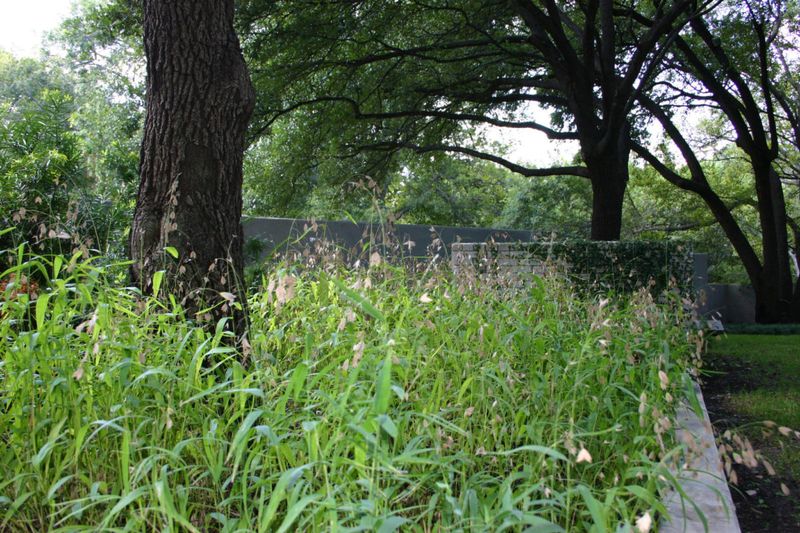
Late October is one of the best planting windows Central Texas gets all year. The brutal summer heat is finally gone, the soil is still warm, and roots can grow all winter before next summer tests them.
If you wait until after the first freeze, you lose that head start. Here are ten smart picks to get in the ground this week, from tough natives to tasty cool-season crops.
1. Texas Bluebonnet Seeds
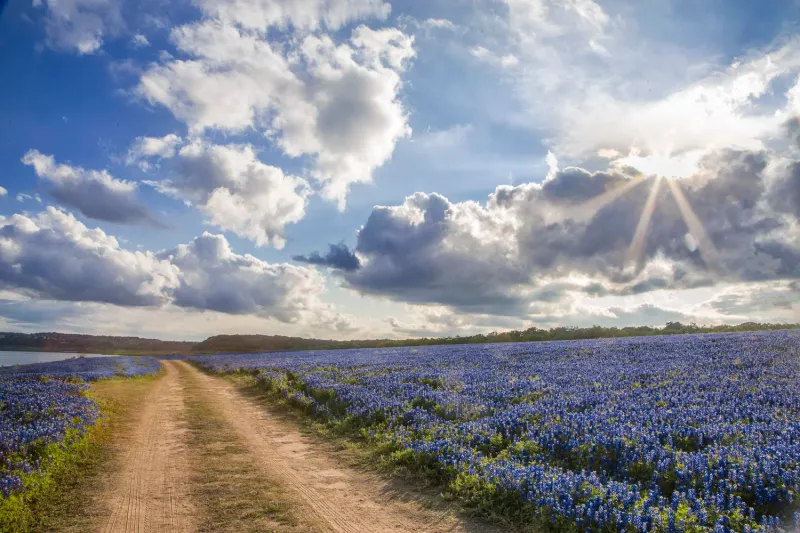
Every spring roadside show of blue across the Hill Country starts with seeds tossed in the fall. Bluebonnets need cool months to build a rosette of leaves, so now is the moment to sow them.
Scatter seed on bare, well-drained soil in full sun, then press it in lightly with your shoe. Skip the rich compost, since these wildflowers prefer lean, rocky ground like the kind many Austin and San Antonio yards already have.
Fun fact: the bluebonnet became the Texas state flower in 1901. Scarifying the hard seed coat with sandpaper may help more of them sprout this season.
2. Garlic
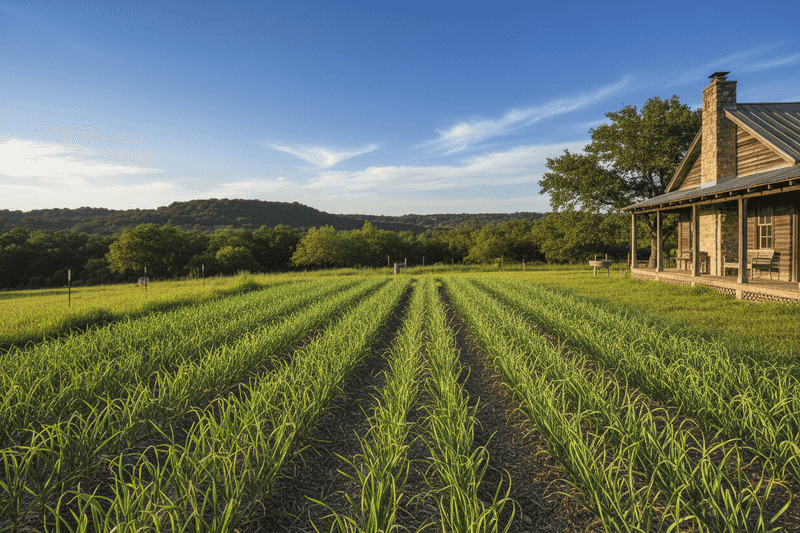
Plant a clove now and you could pull a full head next May. Garlic is one of the easiest crops for Central Texas because it grows quietly through our mild winters.
Softneck and Creole types tend to do better here than hardneck varieties, which want colder winters than we usually get. Push each clove about two inches deep, pointy end up, roughly six inches apart.
Mulch the bed with shredded leaves to keep moisture steady. Then mostly leave it alone, which makes garlic a great pick for busy gardeners.
3. Mexican Feathergrass
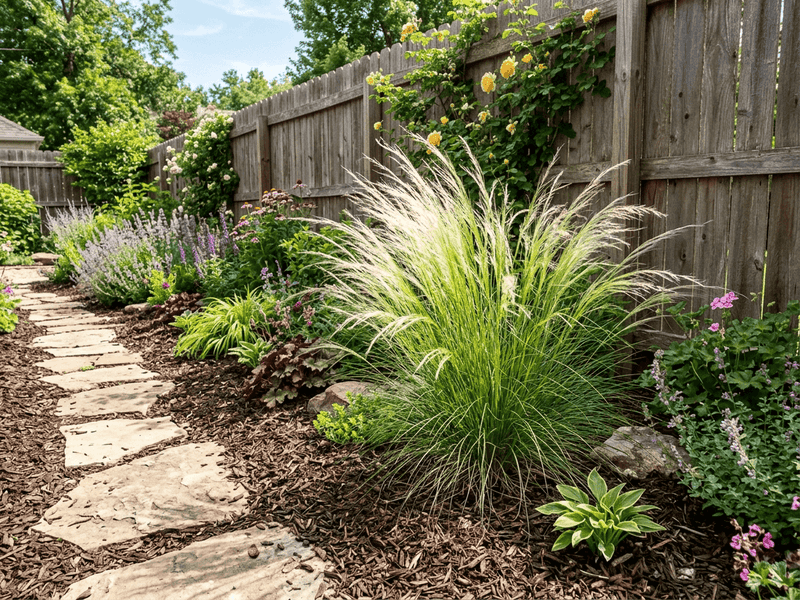
Picture soft blonde ponytails waving in the breeze along your front walk. Mexican feathergrass brings movement to a yard without demanding much water.
Fall planting lets its fine roots settle in before summer heat returns. It handles thin, rocky soil and fits well in xeriscape beds under city watering rules.
One word of caution: it can reseed freely in some yards. Trim spent seed heads in early summer if you want to keep it in check.
4. Turk’s Cap
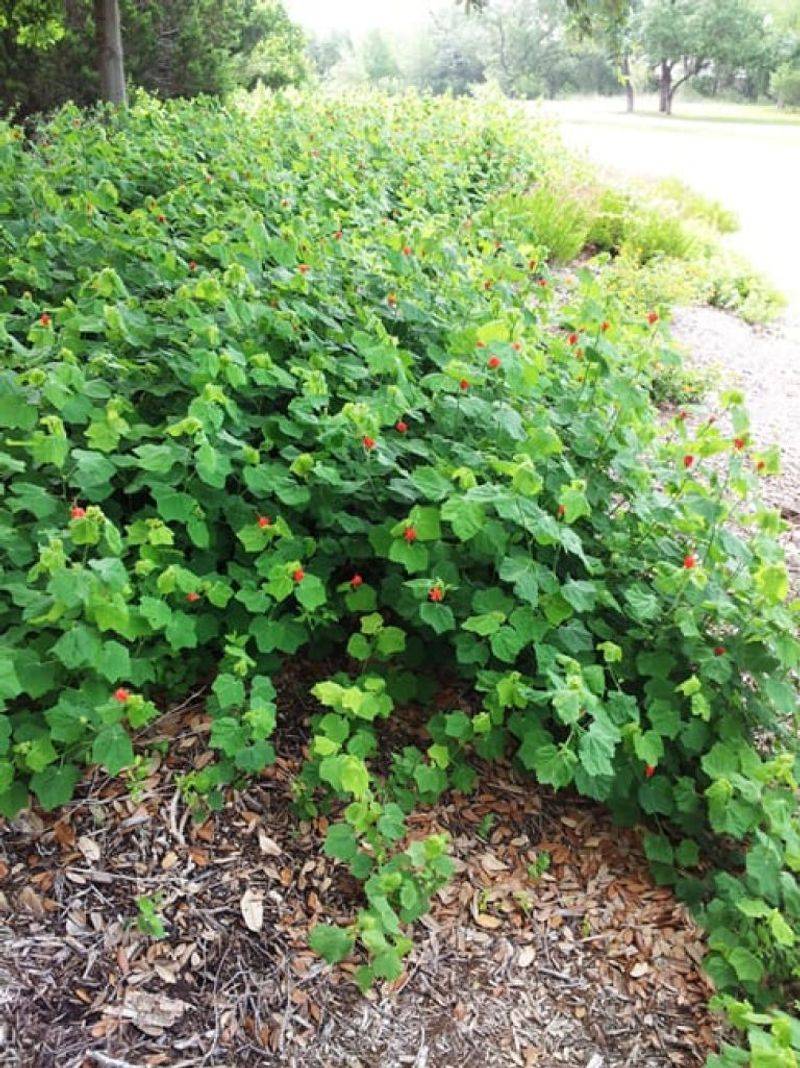
Shady spots under live oaks can feel impossible to fill. Turk’s cap shrugs off shade, drought, and clay, and hummingbirds adore its twisted red blooms.
Getting it planted before November gives roots months to spread. By next summer, it should be a bushy native that keeps flowering when other plants give up.
The little fruits are even edible and taste a bit like apple. Birds tend to find them first, though.
5. Kale and Collards
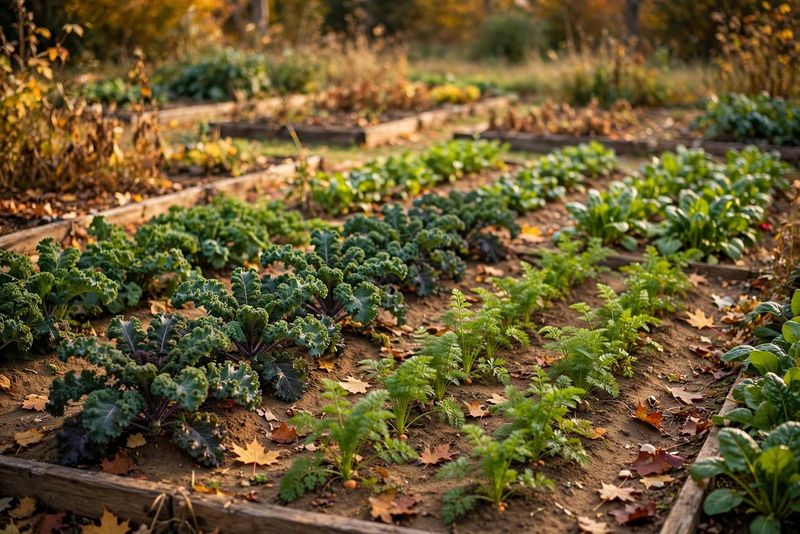
Grandma knew it: greens taste sweeter after a cold snap. Kale and collards handle Central Texas winters well and keep producing for months.
Use transplants this late in the season for a faster harvest. Give them sun, rich soil, and a steady drink.
Pick the outer leaves and let the center keep growing. A few plants can feed a family through February.
6. Gregg’s Mistflower
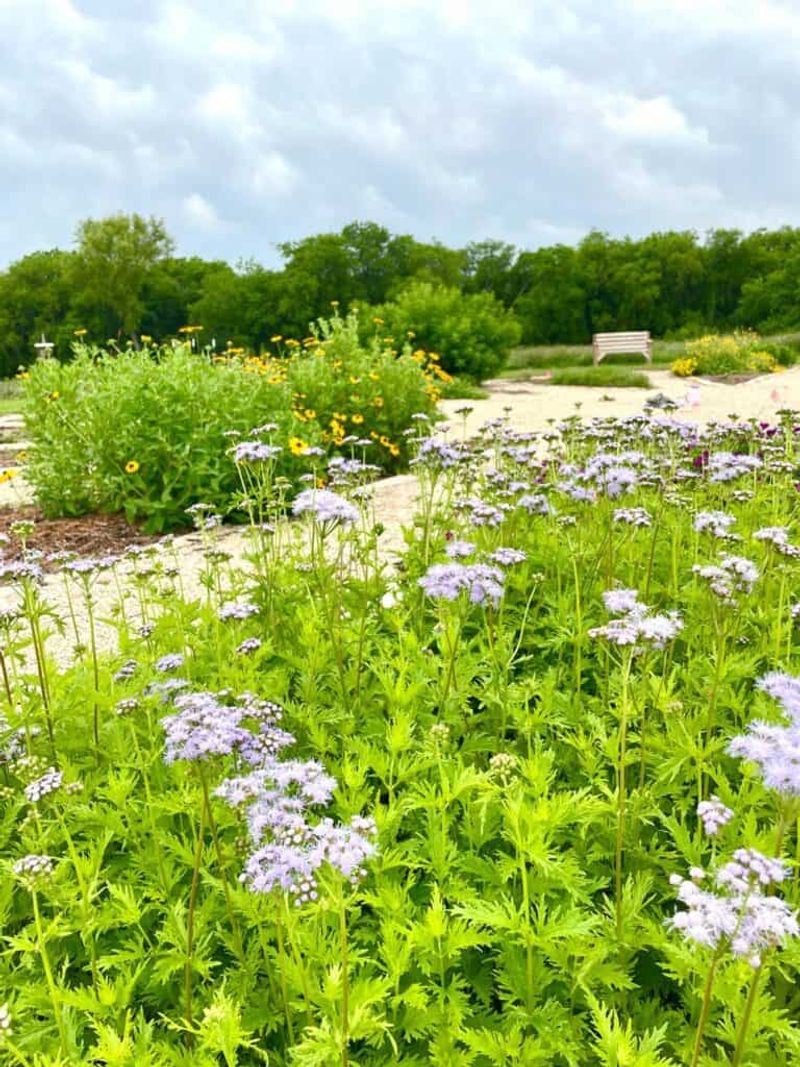
Monarchs and queen butterflies swarm Gregg’s mistflower like it is a fall buffet. That makes it one of the best natives for a wildlife-friendly Texas yard.
It spreads into a fluffy lavender carpet in sun or part shade. Once established, it needs little water.
Planting now helps it come back stronger in spring, ready for next year’s migration.
7. Cedar Sage
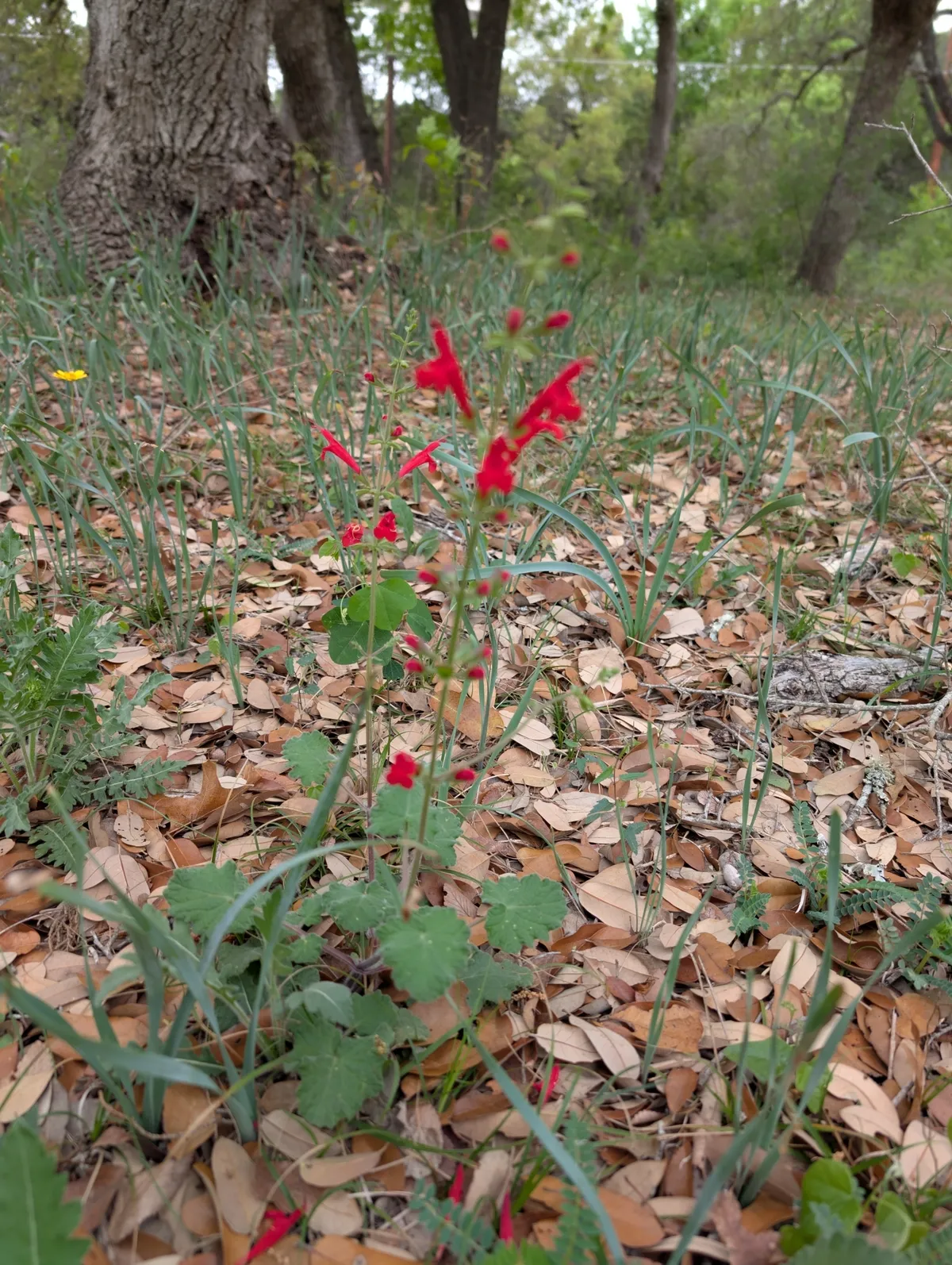
Few native plants bloom red in spring shade, and cedar sage is one of them. It grows naturally under junipers across the Hill Country.
It likes dry shade and limestone soil, so it fits tricky spots. Fall is ideal for planting, since cooler weather is easier on young roots.
Early spring flowers can feed hummingbirds returning north.
8. Pansies and Violas
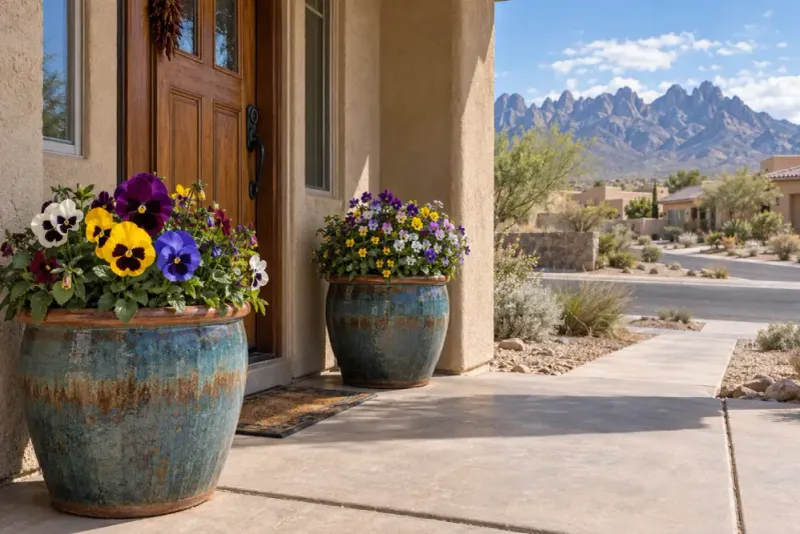
Want instant curb appeal? Pansies and violas bring bright faces to porches and beds right when most color fades.
Many Central Texas winters are mild enough for them to bloom off and on until April. Light freezes rarely bother them much.
Tuck them into front-door pots or bed edges, and deadhead now and then for more flowers.
9. Inland Sea Oats
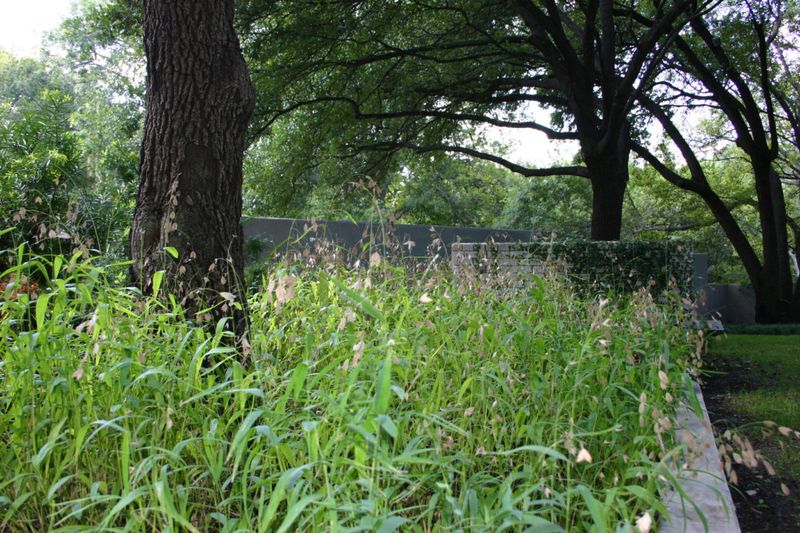
Flat, dangling seed heads that look like little fish make inland sea oats easy to spot. This native grass fills shady areas where lawn grass struggles.
It handles clay and partial shade, and the seeds can feed birds in winter. Fall planting gives it a strong start.
It may spread over time, which is great for erosion control but worth planning for.
10. Strawberry Transplants
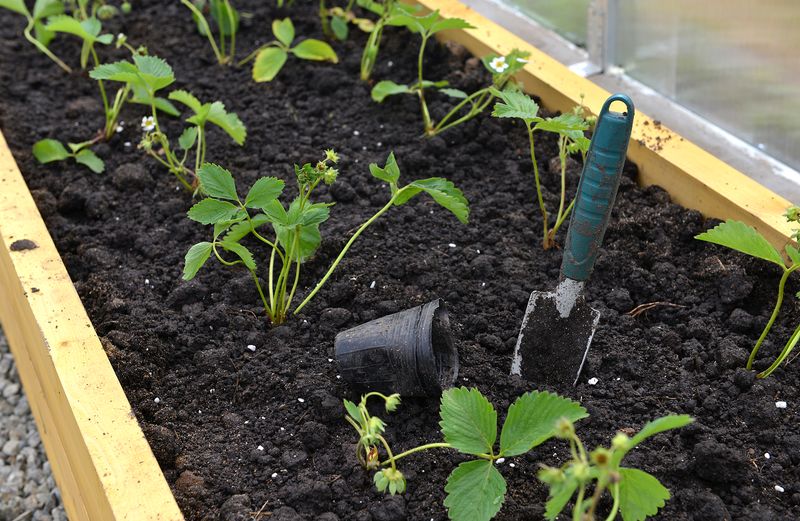
Spring strawberries in Texas start with fall planting, not spring. Getting them in now helps them build roots before blooming.
Choose short-day types like Chandler or Sweet Charlie. Raised beds with good drainage work best in heavy clay.
Cover them with frost cloth on the coldest nights. By March, you may be picking berries.