
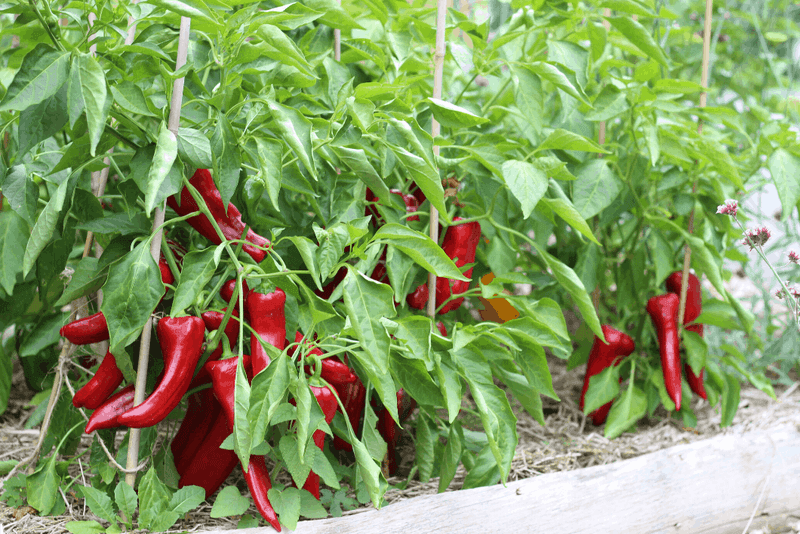
The pepper-planting window in Florida is not the same for everyone, and knowing where you stand by region could mean the difference between a late-fall harvest and a frost-killed disappointment. Central and South Florida gardeners still have a real opportunity this week, but North Florida gardeners are already past the standard planting deadline.
Getting the right transplant into the ground now, with the right setup, gives you the best shot at picking peppers before cold weather shuts things down.
The planting window depends on which Florida you garden in
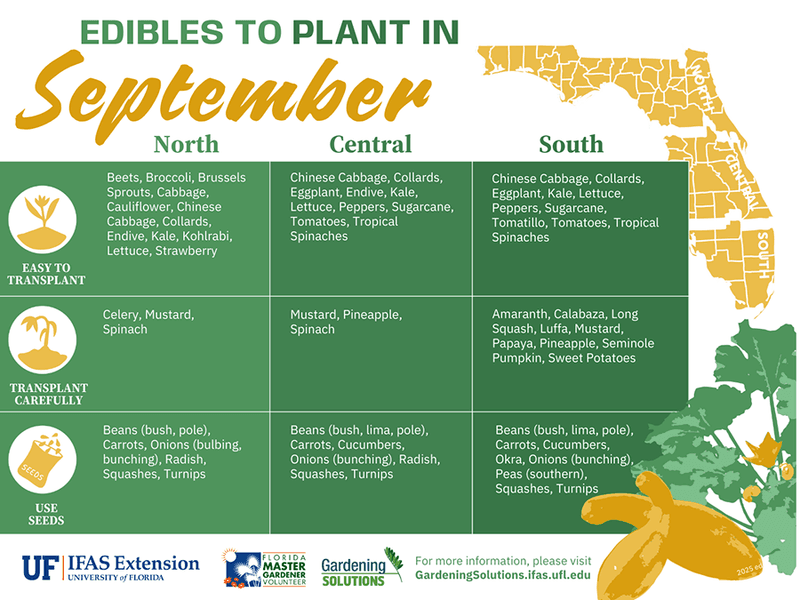
UF/IFAS sets separate outdoor pepper planting windows for each region of the state, and those windows tell very different stories depending on where you garden. According to the UF/IFAS Florida Vegetable Gardening Guide, the recommended fall planting period for peppers runs July through August in North Florida, August through September in Central Florida, and August through February in South Florida.
As of September 12, 2026, Central Florida sits right at the edge of its listed window. There is still time to act, but the margin is narrow, and any delay pushes transplants closer to cooler nights that can slow establishment and fruit development.
South Florida remains comfortably within its broader planting season, giving gardeners there more flexibility in variety selection and timing.
North Florida gardeners face a different situation. The standard July-through-August fall window has already closed, which means planting now carries higher risk.
Whether a North Florida garden can still produce usable fruit depends heavily on local microclimate, the size and health of the transplant you choose, the cultivar’s days-to-maturity, and most critically, when the first damaging cold event arrives in your specific neighborhood. Gardeners in sheltered urban lots or warmer microclimates may have more room to try than those in exposed or low-lying areas.
Before you buy a single plant, identify your region and weigh those factors honestly. UF/IFAS pepper production guidance reinforces that cultivar choice and planting timing together determine whether you get a harvest or just a cold-killed experiment.
Central and South Florida gardeners have a genuine opportunity this week; North Florida gardeners should treat it as a calculated, local-conditions decision rather than a routine fall planting.
Buy time with a healthy transplant, not a packet of seeds
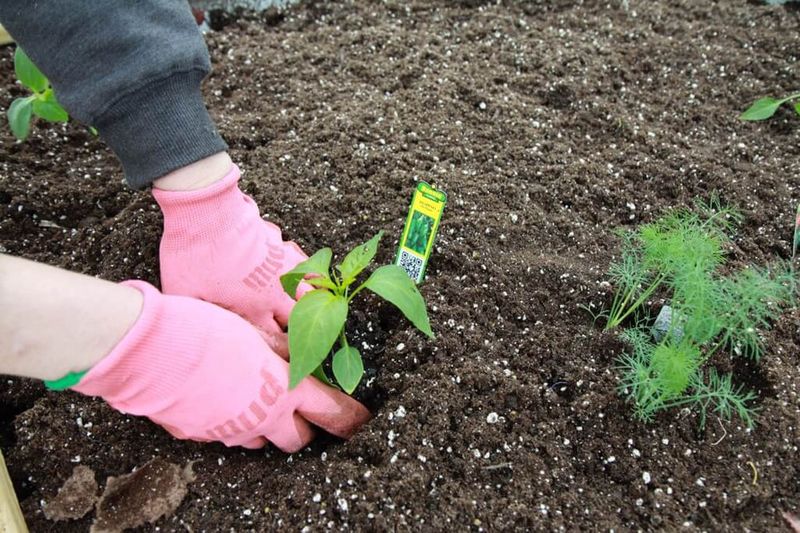
Reaching for a seed packet right now would cost you weeks you simply do not have. The UF/IFAS Florida Vegetable Gardening Guide puts the transplant-to-first-harvest window at approximately 65 to 75 days for peppers, compared with roughly 90 to 100 days from seed.
That 25-to-35-day difference is the gap between a possible late-fall harvest and a crop that never matures before cold arrives.
At the garden center, look for compact plants with sturdy stems, deep green leaves, and no signs of wilting or yellowing. Flip each pot and check the drainage holes; a plant that is severely root-bound may struggle to establish quickly in your bed.
Inspect the undersides of leaves for pests such as aphids or spider mites, a step UF/IFAS Orange County Extension recommends when selecting fall transplants.
Plants already carrying a heavy load of developing fruit are generally a less practical choice for a quick harvest. The guidance favors younger, less-fruited transplants because they tend to channel energy into root establishment and new growth rather than finishing existing fruit set.
That said, existing fruit does not automatically doom a transplant; it is more of a selection preference than a hard rule.
Pepper types worth looking for include bell, banana, Cubanelle, jalapeño, Anaheim, cayenne, and habanero. UF/IFAS pepper production resources list these among varieties suited to Florida conditions, though local availability and cultivar-level disease resistance vary by supplier and season.
Buy what looks healthy and vigorous at your local nursery rather than holding out for a specific name that may not be on the shelf.
Choose the site before the plant leaves the pot
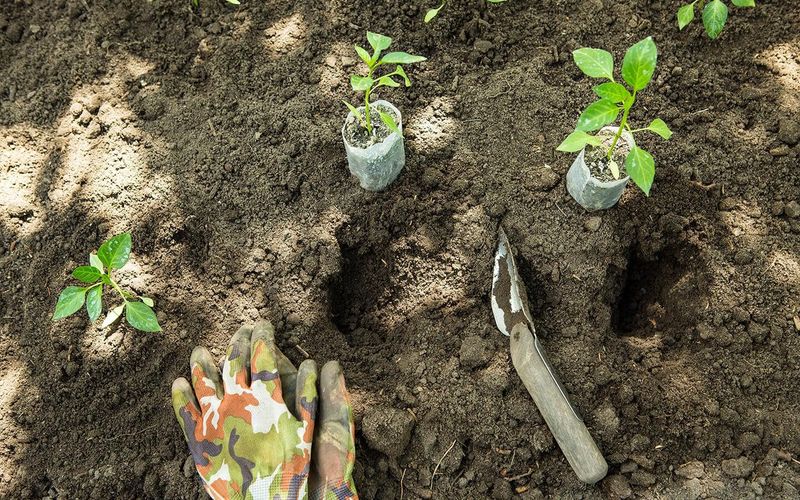
Peppers are not forgiving of a poorly chosen spot, and fixing a site problem after transplanting costs time you cannot spare at this point in the season. UF/IFAS Gardening Solutions recommends full sun, fertile and well-drained soil, a soil pH around 6.5, and consistent moisture that never tips into waterlogging.
Shade from a fence, tree canopy, or building will reduce fruit production and slow the plant at exactly the wrong moment.
Florida’s sandy soil drains fast, which sounds helpful until a heavy afternoon storm washes nutrients straight through the root zone. Amend the bed with compost before planting to improve both fertility and moisture retention.
Where flooding, pooling, or slow drainage is a known issue, UF/IFAS guidance on raised-bed production identifies peppers as sensitive to flooding and recommends raised beds for areas prone to water accumulation.
Raised beds also give you more control over drainage timing during Florida’s unpredictable fall rain events, though they can dry out faster between rains and may need more frequent moisture checks. Additional UF/IFAS container and bed guidance reinforces that soil management and drainage matter as much as fertilizer in Florida’s variable rainfall environment.
For spacing, the UF/IFAS Florida Vegetable Gardening Guide lists roughly 9 to 15 inches between plants and about 15 inches between rows for home gardens. Always check the cultivar tag when it differs from those figures.
Preparing the site completely before you pull the plant from its nursery pot keeps transplant stress to a minimum and lets roots start exploring immediately.
Give the transplant a steady start through Florida’s heat and rain
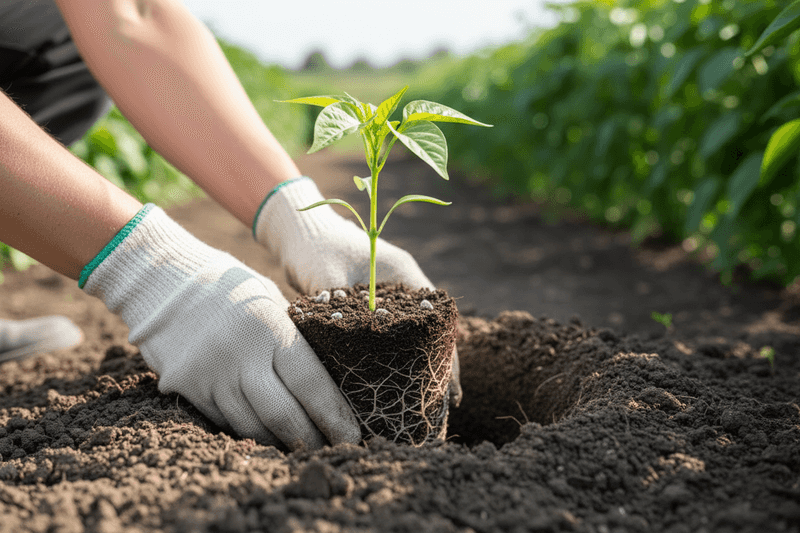
Transplants moved from a shaded greenhouse or nursery bench to full Florida sun need a short adjustment period if they have been growing under protected conditions. Penn State Extension transplanting guidance recommends gradually exposing plants to outdoor sun and wind over several days before permanent placement, a practice sometimes called hardening off.
If your transplant came from an open outdoor bench at the nursery, it may already be acclimated, but if it looks pale or soft, give it a few days of morning sun before committing it to a full-sun bed.
Once in the ground, focus on keeping the root zone evenly moist without letting it stay saturated. UF/IFAS Gardening Solutions describes consistent moisture as a key factor in pepper quality, while waterlogging can damage roots quickly.
Florida’s sandy soil and raised beds both drain fast, so do not assume a heavy afternoon rain has fully satisfied the plant’s water needs; check the soil a few inches down before deciding whether to irrigate.
A 2-to-3-inch layer of mulch spread around the base of the plant, kept a few inches away from the stem, helps conserve moisture and moderate soil temperature during September’s heat. UF/IFAS raised-bed production resources support mulching as a moisture-management tool, and it also reduces the soil splash that can spread disease organisms onto lower leaves.
Blossom drop or slow fruit set during the first few weeks after transplanting can have several causes. University of Minnesota Extension’s heat-stress guidance notes that high temperatures can reduce flowering and fruit set, and Penn State’s pepper production overview adds that transplant stress, water irregularity, and pest pressure can each contribute.
Early blossom loss does not mean the plant has failed; conditions often improve as September temperatures moderate.
Start with sanitation and integrated pest management
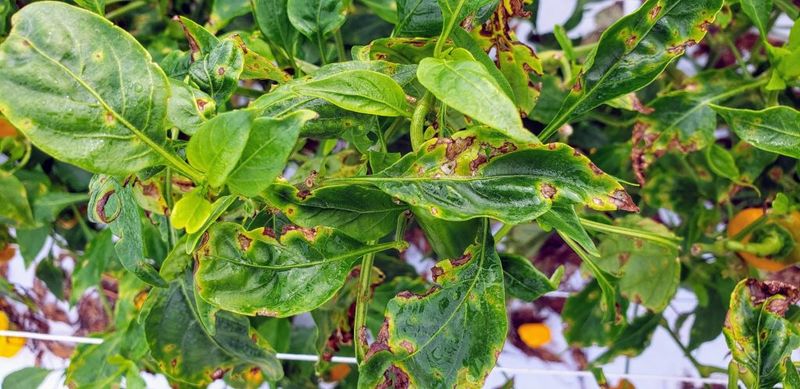
Florida’s warm, wet fall transition creates ideal conditions for several serious pepper diseases, and the time to start managing them is before the transplant goes into the ground. UF/IFAS disease management guidance for peppers identifies bacterial spot, anthracnose, Phytophthora blight, and viruses as significant threats in Florida.
Bacterial spot pressure in South Florida is especially serious from August through November, when warm temperatures and frequent rain create ideal conditions for the pathogen to spread through rain splash and wet foliage.
Clear the planting bed of any old plant debris before transplanting. Diseased material left in the soil or on the surface can harbor pathogens that infect new transplants quickly.
Select plants that show no lesions, spots, or unusual coloring, and avoid sites where peppers or tomatoes have experienced disease problems in recent seasons without adequate rotation or soil preparation.
Integrated pest management, or IPM, is the framework UF/IFAS recommends for Florida edible landscapes: identify the specific problem, monitor plants regularly, improve sanitation, remove affected leaves or plant material promptly, and select disease-resistant or disease-free transplants when they are available. Pesticide applications are part of IPM when a problem is confirmed, the product is registered for use on peppers, and the label directions are followed precisely.
UF/IFAS pepper disease management resources support a targeted, label-directed approach rather than routine preventive spraying.
One approach that does not belong in your IPM toolkit is homemade hot-pepper spray. UF/IFAS notes uncertainty about the effectiveness of hot-pepper products and cautions that unregistered or homemade pest-control substances are not appropriate substitutes for proven, label-approved treatments.
Similarly, if you notice blossom drop or poor fruit set, do not assume a single cause. Heat, water irregularity, transplant stress, and pest or disease pressure can each play a role, and accurate diagnosis leads to a better response than guesswork.
A November harvest is possible, but fruit color changes the deadline
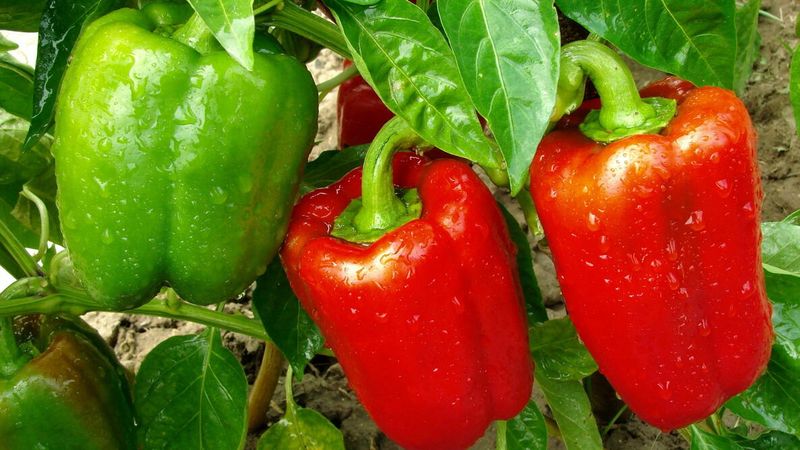
Working from the UF/IFAS transplant-to-first-harvest estimate of approximately 65 to 75 days, a healthy pepper transplant placed in the ground on September 12 could begin producing its first pickable fruit around mid-to-late November under favorable conditions. UF/IFAS pepper production guidance presents that figure as an approximate benchmark, not a calendar guarantee, and actual timing shifts based on cultivar, weather, plant condition, and pest or disease pressure.
The stage at which you plan to harvest matters as much as the planting date. Many peppers can be picked green before they reach full color, and green harvest arrives earlier than red, orange, or yellow.
A jalapeño or Cubanelle picked green is fully usable and flavorful well before it would reach its final color stage. Bell peppers and other varieties selected for their colored fruit require the pepper to remain on the plant through an additional ripening period that can add weeks to the timeline.
For a quick payoff before cold arrives, early-maturing or continuous-setting cultivars are a more practical match than varieties bred primarily for very large fruit or extended color development. The UF/IFAS Florida Vegetable Gardening Guide lists the 65-to-75-day estimate in the context of traditional pepper types, and UF/IFAS production references note that cultivar selection affects both harvest timing and fruit quality under Florida conditions.
Heat, cold timing, and fruit set variability mean no planting date produces a guaranteed result. Plan for green peppers in November as a realistic goal, treat fully colored fruit as a bonus that depends on how long warm weather holds, and pick regularly once fruit reaches a usable size to encourage the plant to keep setting new flowers.
Plant now only if the timing fits your Florida garden
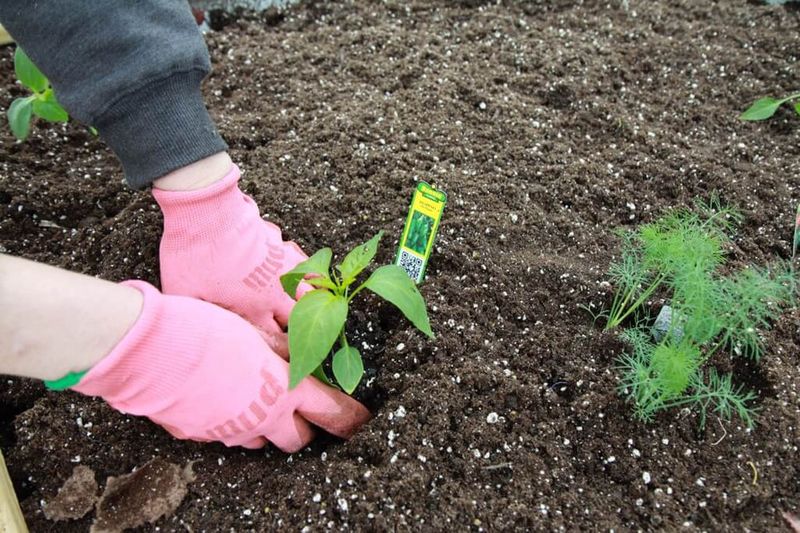
Central and South Florida gardeners who are ready to act this week have a realistic path to a late-fall pepper harvest. The steps are straightforward: buy a compact, healthy transplant from a reputable nursery, place it in a full-sun spot with well-drained, fertile soil, mulch around the base, and maintain steady root-zone moisture without letting the bed flood or dry out completely between rains.
UF/IFAS Gardening Solutions and the Florida Vegetable Gardening Guide both support that approach as the foundation for a productive planting.
North Florida gardeners should be honest about the odds. The standard fall planting window closed in August, and whether a transplant set now can produce before the first damaging cold event depends on your specific location, microclimate, cultivar days-to-maturity, and local weather patterns.
It is a higher-risk decision, not a routine one, and UF/IFAS pepper production guidance makes clear that timing and cultivar selection together determine the outcome.
The evidence-based goal for anyone planting now is a possible first harvest of green fruit in late fall, not a guaranteed statewide crop of fully colored peppers. Green is still a win, and a November jalapeño or Cubanelle picked at the right moment is every bit as useful as one that waited for color.
The gardeners who act today in the right region, with the right plant, in the right spot, give themselves the best shot at finding out.