
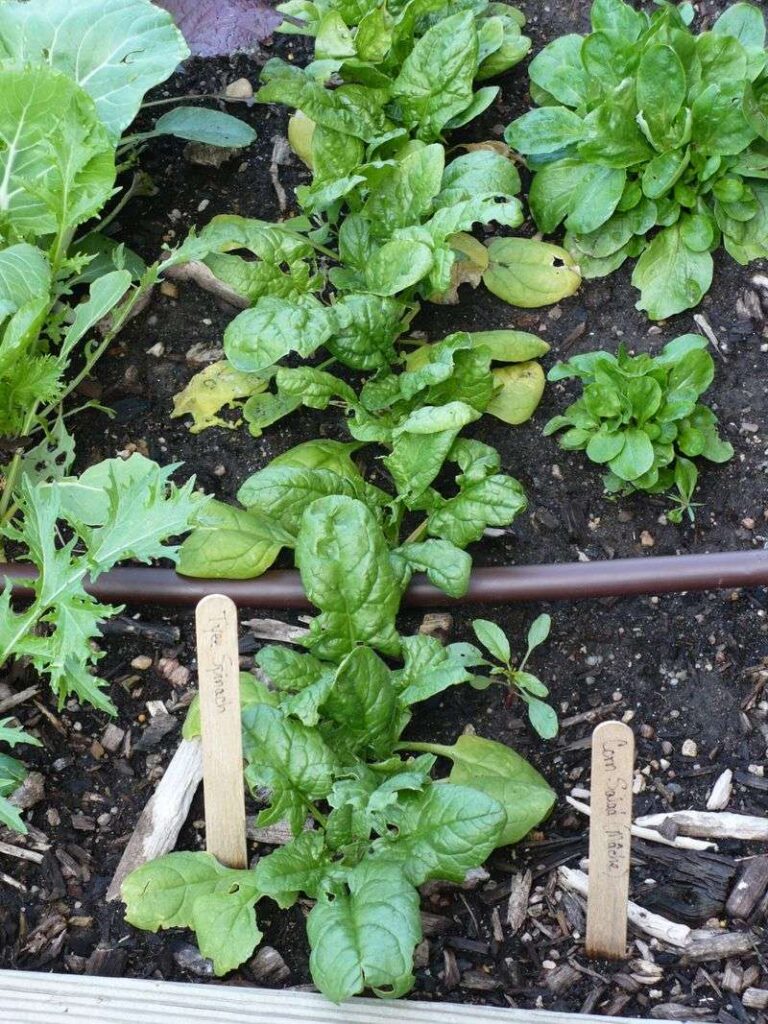
Yellow leaves on spinach can stop a gardener in their tracks. The color looks simple, but it can come from several different problems.
Some are in the leaves, some are in the roots, and some are in the soil. A few quick checks can help you figure out which one you are dealing with before you change anything in the bed.
Yellow leaves are a symptom, not a diagnosis
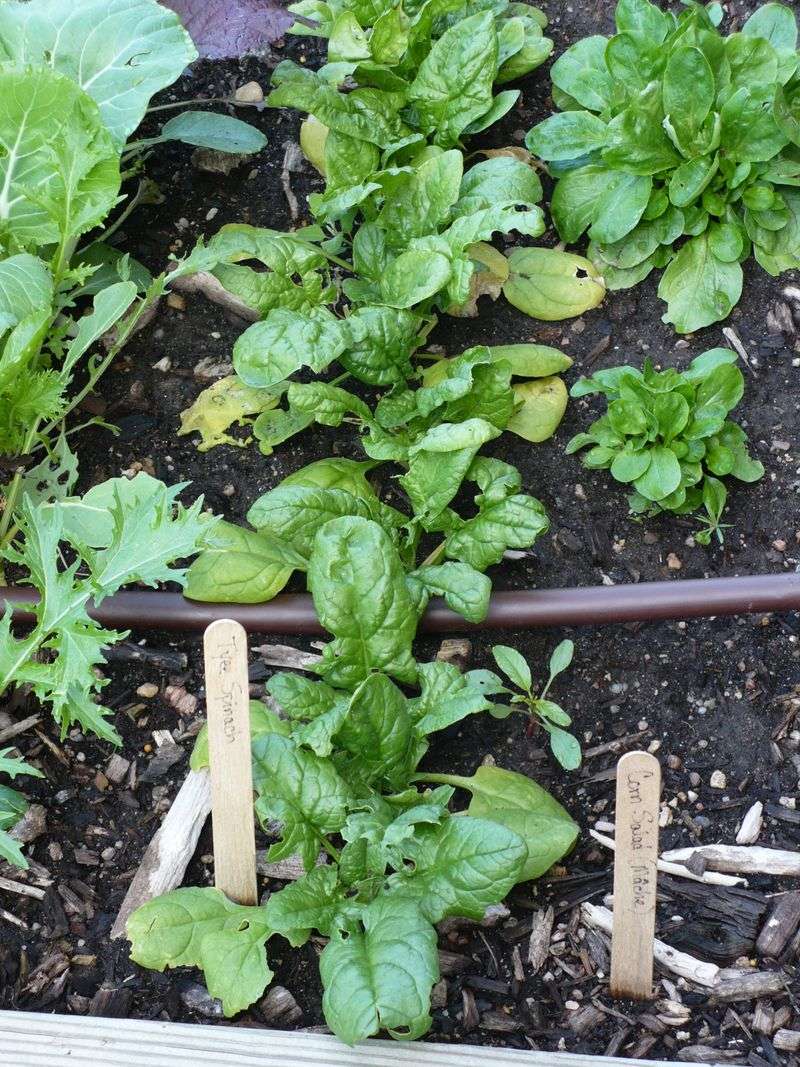
A yellow leaf tells you something is off, but it does not tell you what. Cool, moist weather favors spinach downy mildew, a leaf disease.
Saturated soil, on the other hand, can injure roots, and UC IPM root rot guidance links poorly drained soil to damping-off and root rot.
Both problems can turn leaves yellow, so color alone cannot separate them. Cold by itself is also a weak suspect.
Texas A&M AgriLife describes spinach as frost-tolerant, so a chilly night does not explain yellowing on its own.
Nutrient shortages are another possibility, which makes guessing risky. The better approach is to look at three things in order: the leaves, the soil, and the roots.
Each check points toward a different next step, and the sections below walk through them one at a time.
Inspect both sides of the leaves for mildew
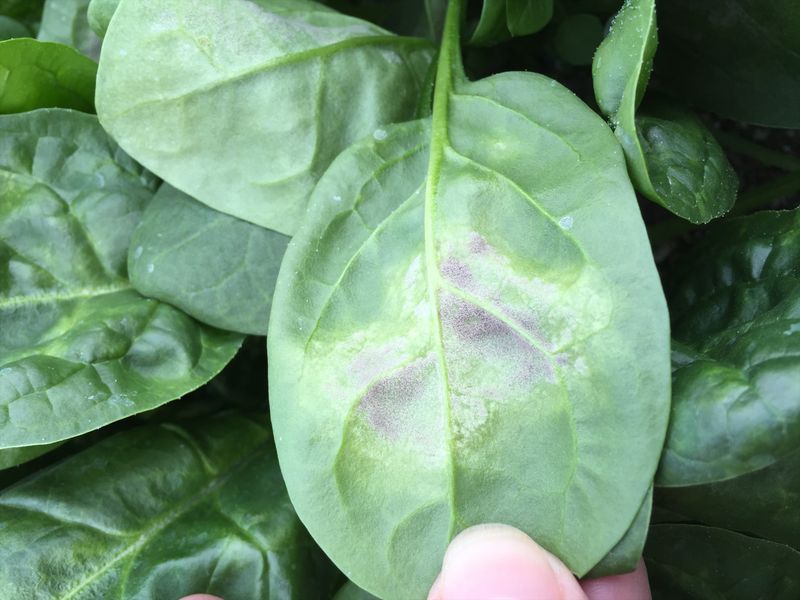
Pick a few leaves, starting with the older ones near the outside of the plant, and look at both surfaces. UC IPM describes downy mildew as pale-yellow, angular spots on top of the leaf.
Older leaves are often hit first.
Now flip the leaf. When moisture is present, mildew can show up as pale, fluffy growth underneath, sometimes gray to purple or white.
That growth can fade as leaves dry, so an early morning check, when leaves are still damp, gives you a better chance of catching it.
Spots with a fuzzy underside make downy mildew more likely. They do not prove it, and a leaf that is simply yellow with a clean underside points you elsewhere.
If the leaves look clean, move on to the soil and roots rather than assuming a leaf disease.
Check the soil and roots before watering
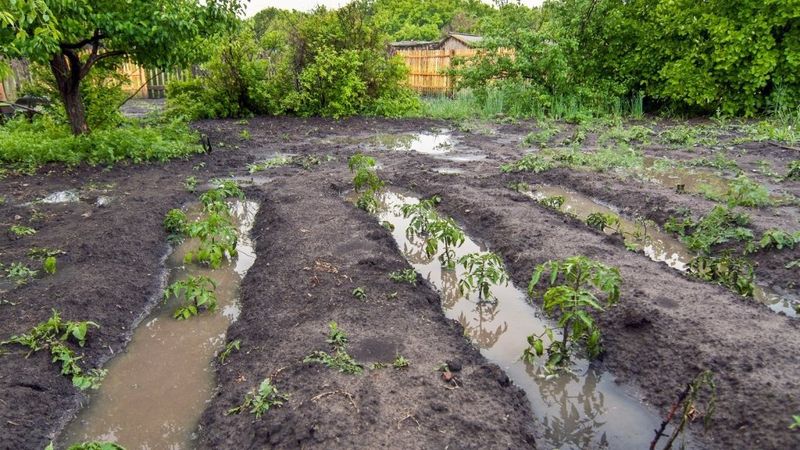
Before you reach for the hose, push a finger a few inches into the soil. If it is soggy or water pools on top, more water will only add to the problem.
Then lift one struggling plant and look at its roots.
According to UC IPM, affected spinach may have yellow lower leaves, poor growth, and wilting, along with brown-to-black or water-soaked roots. Healthy roots are usually firm and light in color.
Root damage has two possible sources. A root-rot pathogen can cause it, but saturated soil can also injure roots with no infectious pathogen involved.
From the surface, the two look much the same.
Yellow leaves alone confirm neither one. Dark, mushy roots on a stunted or wilting plant make root trouble more likely, while firm, pale roots suggest you should keep looking.
Consider nutrients without guessing at a treatment
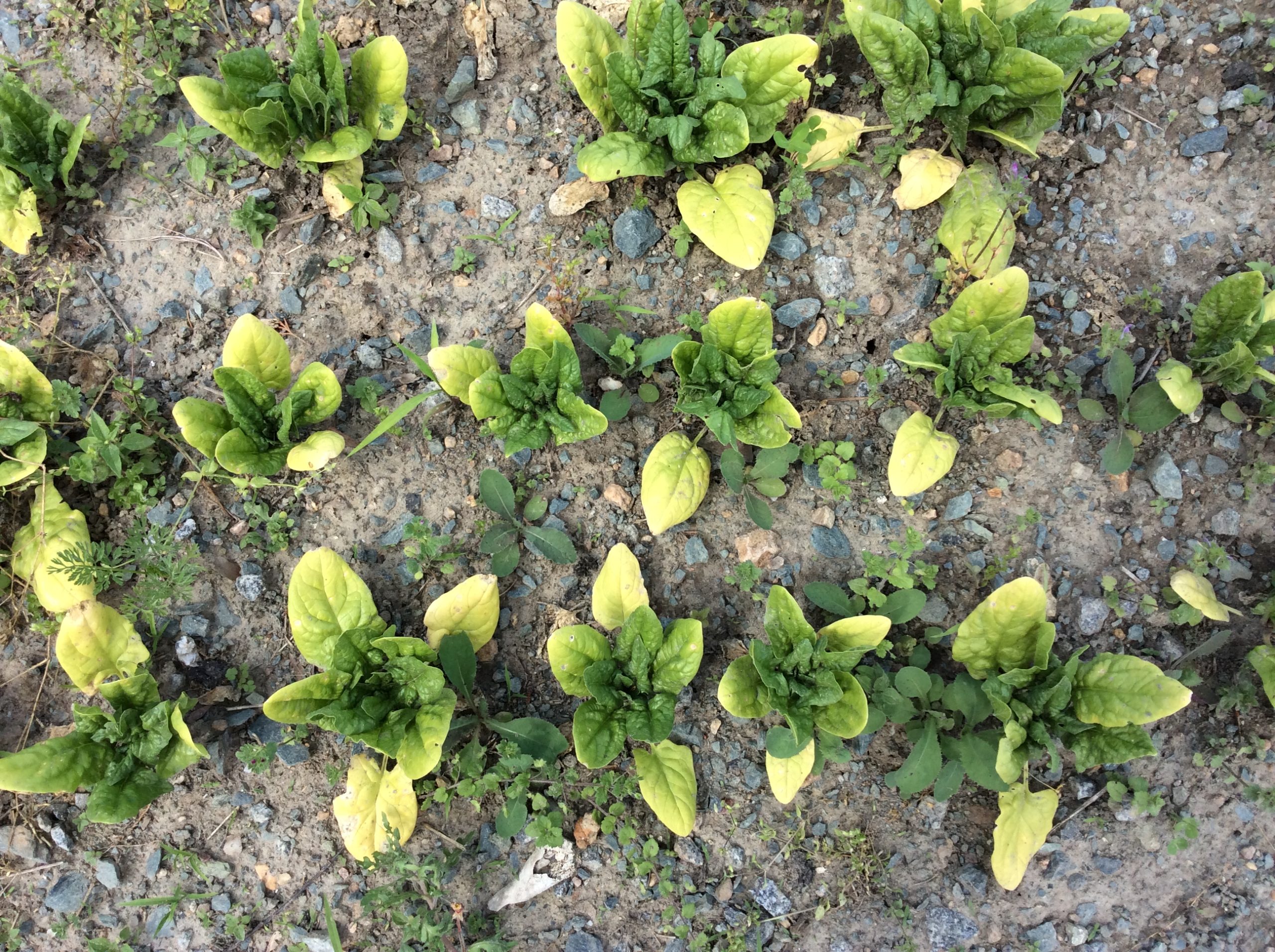
Sometimes yellow spinach is simply hungry. University of Maryland Extension notes that nitrogen deficiency can cause pale or yellow leaves in vegetables.
Spinach may also show yellowing linked to magnesium deficiency.
That overlap is the reason not to guess. UMass guidance on spinach advises checking fertility instead of automatically adding extra nitrogen to pale plants.
The same caution applies to Epsom salt, since yellowing alone does not show a magnesium problem.
A soil test is the clearer route. It can show whether nutrients are low before you add anything.
A nutrient problem also does not replace the leaf and root checks, because a plant with damaged roots may yellow even when the soil holds plenty of nutrients.
If you find mildew signs, limit foliage moisture
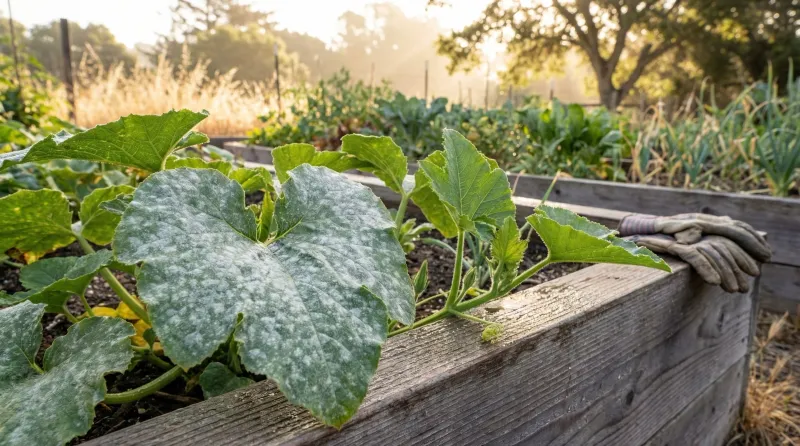
If the leaves show angular spots and fuzzy growth underneath, a few steps may help limit the spread. UC IPM recommends removing infected leaves or badly affected plants and clearing diseased debris from the bed.
Next, keep the foliage dry. Water at ground level, with drip lines or a hose at the base of the plants, and avoid overhead sprinklers.
Wet leaves give mildew the moisture it likes.
Air movement matters too. Thin crowded plants so air can pass between them, and keep weeds from packing the rows.
These measures can help slow the disease, but they will not cure leaves that are already affected, and they do not guarantee the bed will recover. If you consider a fungicide, follow the product label and local guidance, and do not use one based on yellow color alone.
If the bed stays wet, address drainage
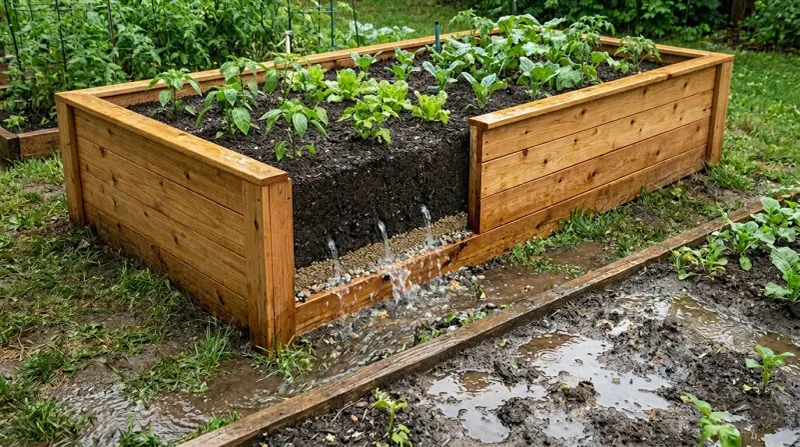
When the soil stays soggy day after day, skip the extra watering, even if the leaves look yellow and tired. Roots need oxygen, and Texas A&M notes that persistently wet soil deprives them of it.
The same guide recommends good drainage for vegetable beds.
Look at where the water sits. Low spots, heavy clay, and compacted ground tend to hold water.
Mixing in organic matter can improve a heavy bed, and raised beds are one option for sites that drain poorly.
Drainage fixes work best as prevention for what you plant next. Plants with badly damaged roots may not bounce back, as UC IPM ties root rot to poorly drained soil.
Better drainage can reduce the risk for new plantings but will not reverse severe root damage.
Choose the next step from what you observe
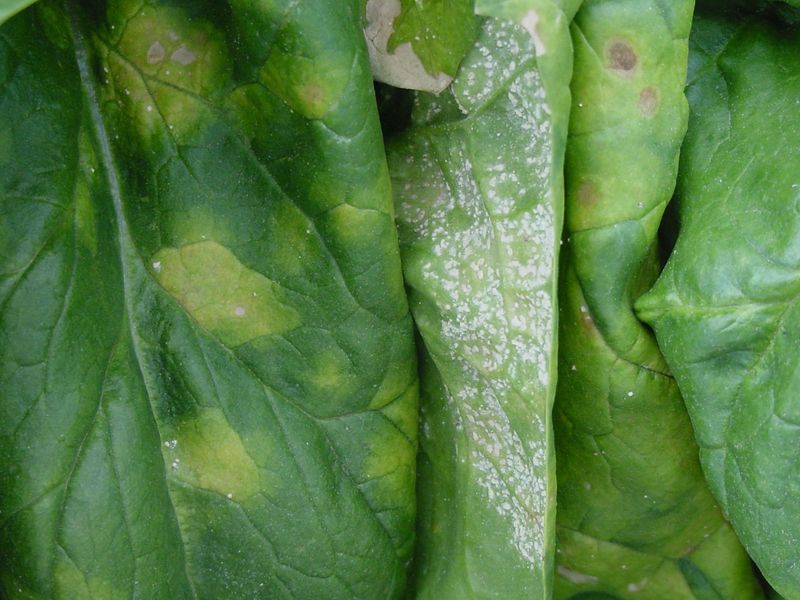
Let what you see decide the response. Spots above and fuzzy growth below point toward mildew steps: remove affected leaves, clear debris, and keep foliage dry.
For help with that disease, see UC IPM’s mildew page.
Soggy soil and dark, soft roots point toward holding back water and improving drainage. Clean leaves with healthy roots send you toward a soil test, since UMass favors checking fertility over guessing.
Do not treat yellowing alone with fertilizer or pesticides.
Rotation advice varies, with some guidance suggesting a year without spinach after mildew and other guidance suggesting longer, so match it to your own bed. No step guarantees a rescue, and some plants may be lost.
The leaves and roots will tell you more than the calendar will.