
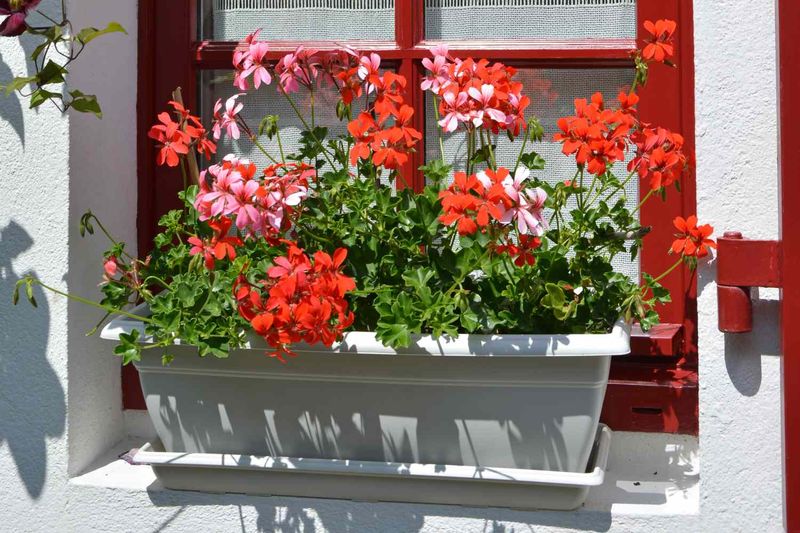
A geranium full of green leaves but few flowers can make any gardener frustrated. Feeding is one thing people often blame, but it is rarely the only clue.
Sun, heat, water, and timing all play a part, too. Here is how to sort out what your plant is telling you before you change a thing.
Sparse blooms do not identify fertilizer as the culprit
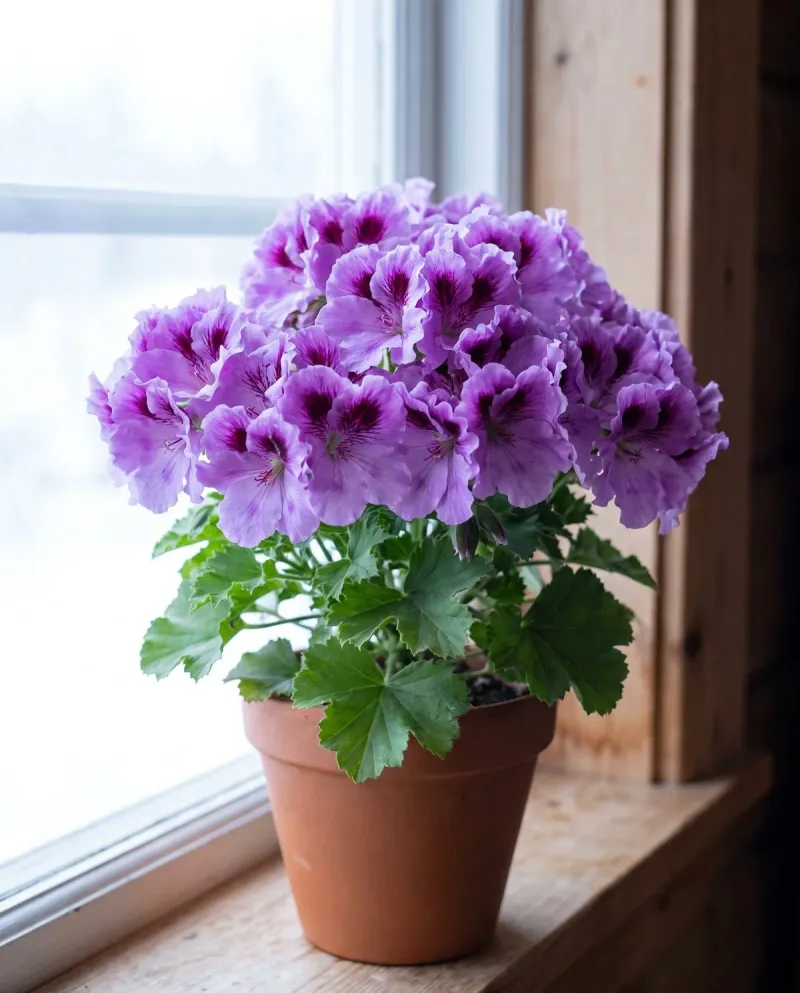
Few flowers do not prove that you fed the plant wrong. Too much fertilizer can hold back blooming, but a plant can also skip flowers because of weak light, hot weather, or watering trouble.
Think of sparse blooms as a symptom to investigate, not a verdict.
The plants in this article are the bedding and patio geraniums most of us buy each spring. Those are usually Pelargonium, and Iowa State Extension describes them as tender annuals that are often kept going indoors over winter.
Hardy perennial Geranium, sometimes called cranesbill, is a different plant with different needs, so do not treat their care as interchangeable.
Check the plant tag if you still have it. Rounded, zoned leaves and big ball-shaped flower clusters usually point to Pelargonium, and Clemson Extension notes that lean feeding and good growing conditions go together for these plants.
Start with sun, heat, and spent flowers
Walk out to the plant and look at the light first. Clemson suggests at least four hours of direct sun, and Iowa State says about six hours gives the best flowering.
In very hot areas, some midday shade can help.
Next, think about heat. UGA Extension says flowering slows in hot weather, especially when nights stay warm.
That slowdown may just be the season, not a mistake you made.
Then check the water. Soil that stays soggy or dries out completely can both stress roots and cut flowering.
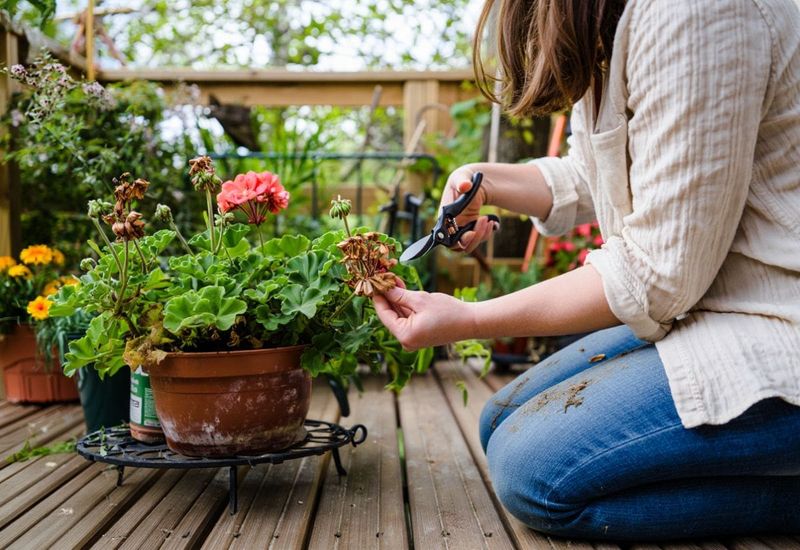
Finally, pinch or snap off spent flower stems at the base, which keeps the plant tidy and may encourage more blooms.
Heavy feeding can hinder flowers, but no ratio is a universal fix
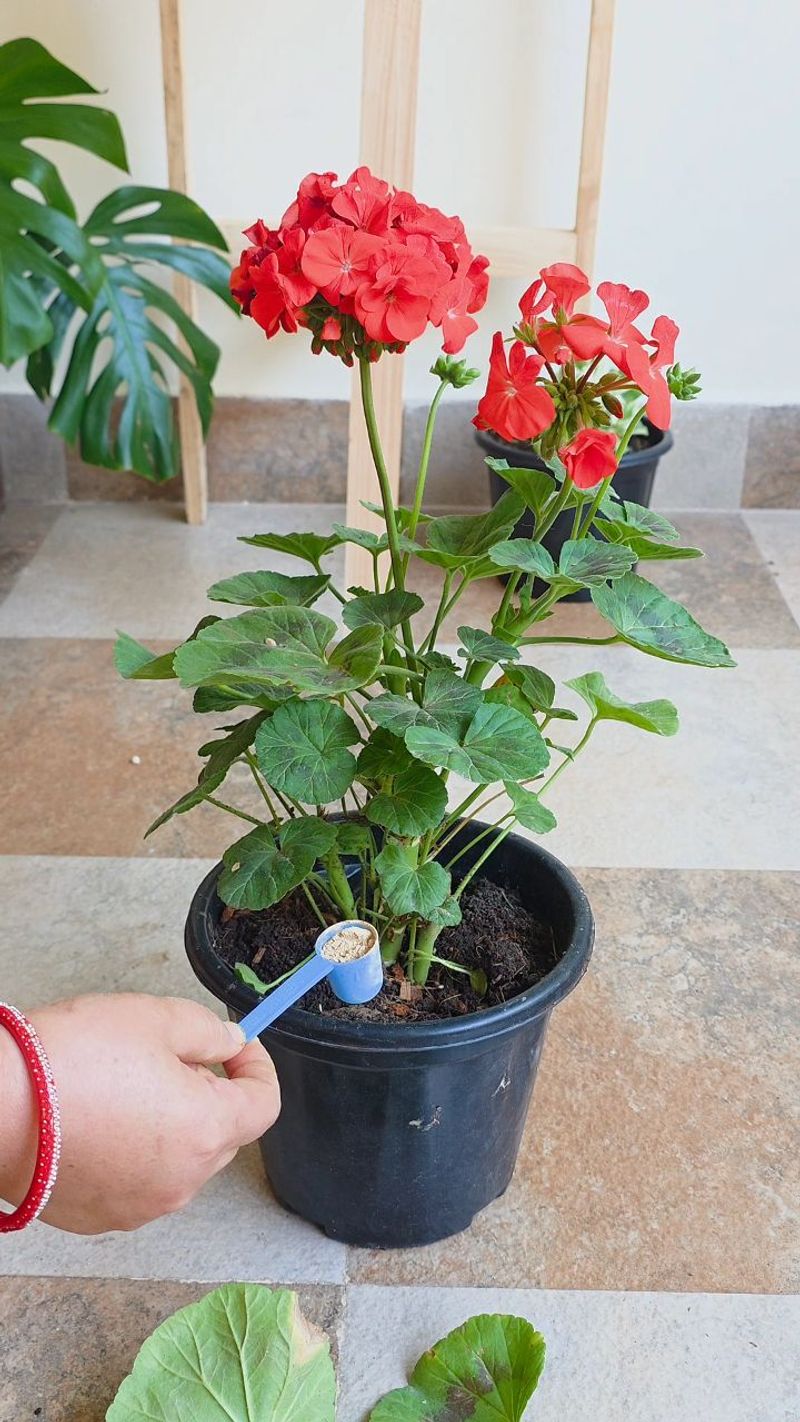
Extra fertilizer is tempting when blooms are missing. Too much, though, can push leafy growth and hold flowers back, so adding more product is not a safe way to force a rebound.
Too little nitrogen can also leave plants pale and weak, so the goal is moderate feeding, not none.
Extension advice does not agree on one formula. UGA lists balanced fertilizers for beds, while Clemson mentions a different ratio for new beds.
Container advice leans on dilution and label directions instead.
Bloom boosters deserve the same caution. NDSU Extension explains that high-phosphorus products do not necessarily mean more flowers and that a soil test should guide phosphorus decisions.
That advice covers gardens broadly, not geraniums alone.
Outdoor beds call for a modest, label-led routine
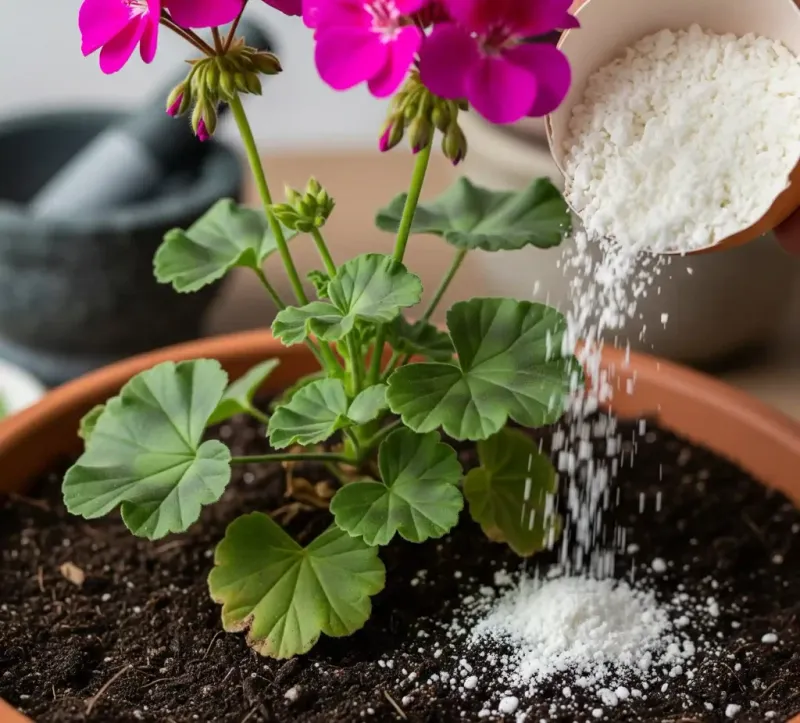
For geraniums planted in the ground, a modest routine usually beats a heavy hand. UGA recommends a complete fertilizer about every four to six weeks, watered into the soil.
Clemson gives a similar interval during the growing season.
Read the label and stay at or under the stated rate. Apply to moist soil, never to a dry or wilted plant, and rinse any granules off leaves and stems.
You will see different formulations recommended, such as balanced products in some places and others in new beds. That variety is a good reason to stop hunting for the perfect ratio and pick a complete fertilizer you can apply correctly.
Container plants need a schedule that fits the pot and product
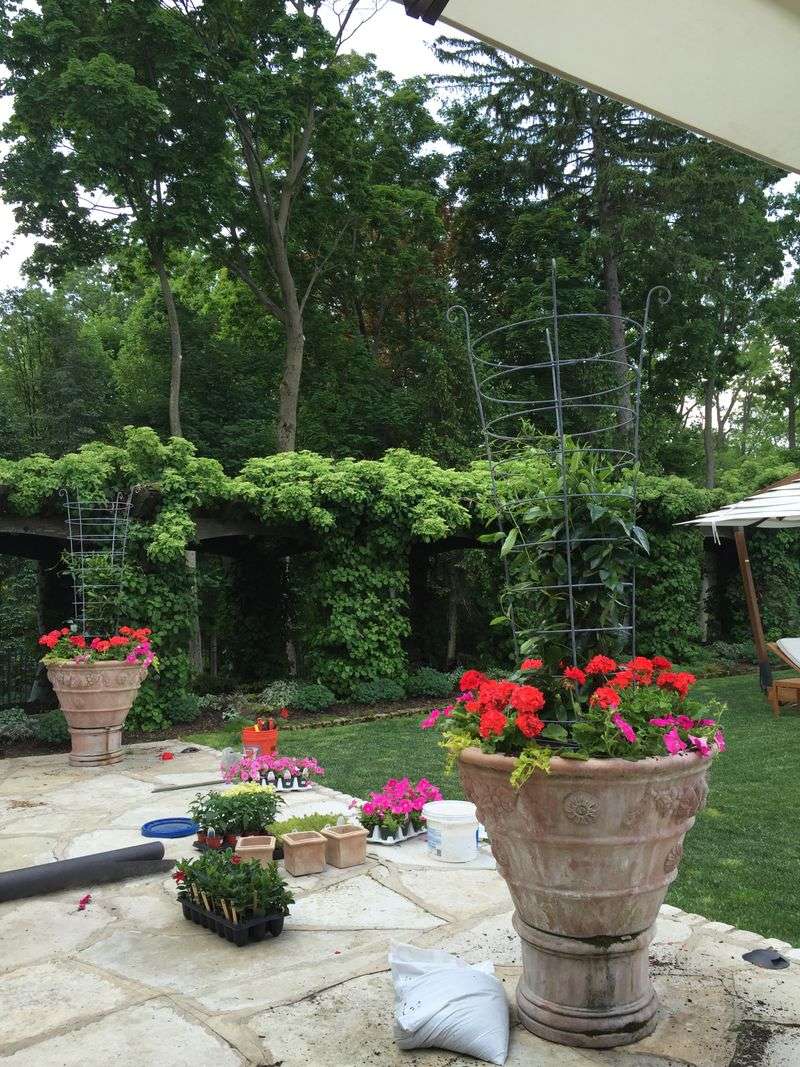
Pots work differently from beds, since roots have limited soil and nutrients wash out with watering. Iowa State suggests dilute liquid fertilizer every two to four weeks for containers, while UGA describes liquid feeding at least every three weeks.
Treat those as options, not a fixed calendar.
A suitable slow-release product is another route, used by its label. Many potting mixes already contain slow-release fertilizer, so count that before adding more.
Feed when the mix is moist, and make sure the pot drains freely. Every so often, flush plain water through the pot so salts do not build up, a step University of Minnesota Extension also stresses.
White crust on the soil or pot rim is a clue to watch for.
In fall and winter, let active growth set the pace
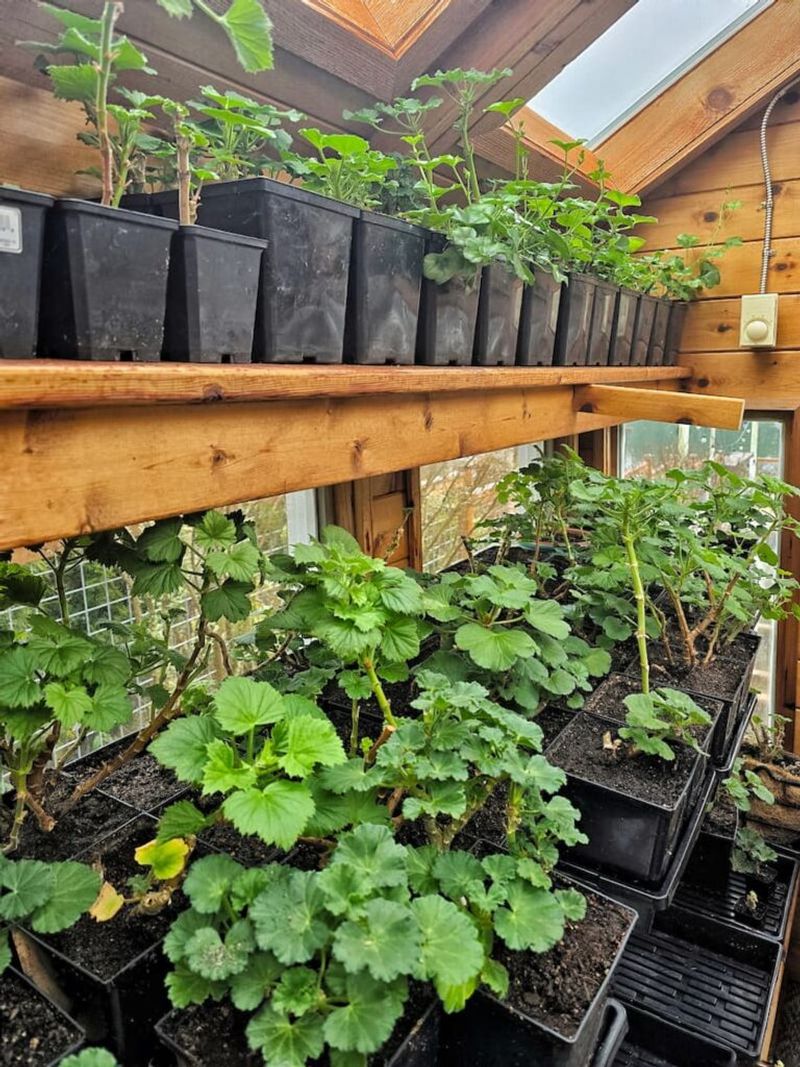
A geranium kept indoors for winter may be growing or resting, and feeding should match. Clemson advises reducing fertilizer in low light or winter.
A cool, dim, dormant plant should not get a summer schedule.
Wait for visible new growth. Minnesota Extension suggests feeding only then, at half strength about every three weeks, and holding off on plants coming out of cool storage until they sprout.
Outdoor fall tactics are a separate matter and depend on place. UF/IFAS reports that Florida plants may fade by mid to late summer and that north Florida plants can be cut back and fertilized in early fall.
UGA also describes late-summer pruning and feeding as one revival approach. Those are local tactics, not a calendar for all of Florida, Texas, or the South, and they will not beat heat stress on their own.
Correct the limiting condition before expecting flowers to return
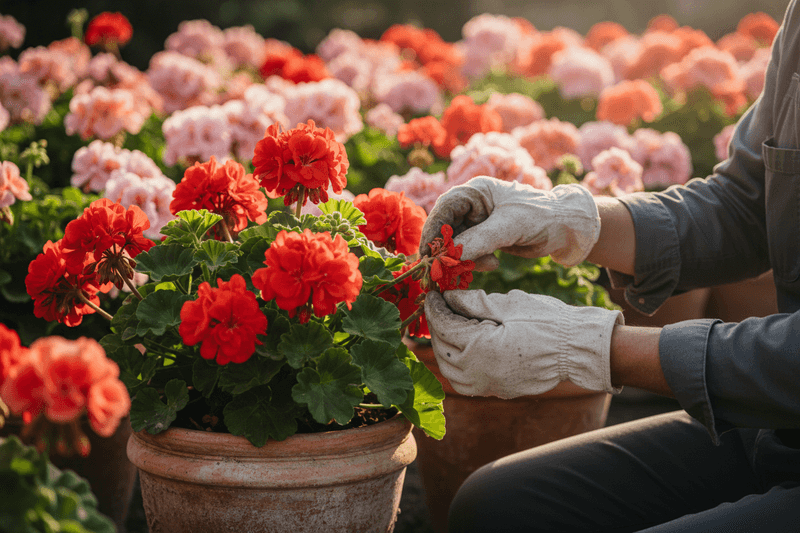
Start by confirming you have Pelargonium, then fix the most likely issue, whether that is light, heat, watering, or spent stems. After that, feed moderately for your setting, following the Clemson and UGA bed guidance or the container label, and pause when growth stops, as Minnesota Extension advises.
These steps support flowering, but buds may take weeks to appear. A geranium usually answers patience better than extra fertilizer.