
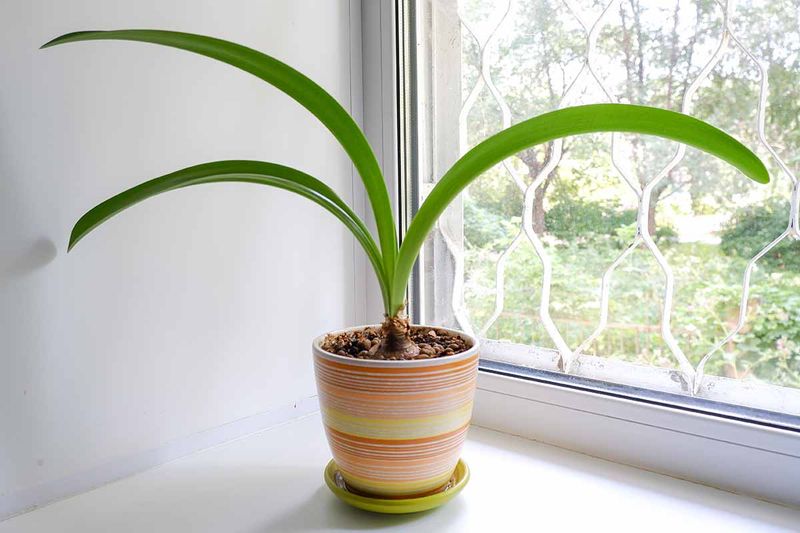
Your amaryllis stands tall with strap-like leaves, yet there is no flower stalk in sight. That can feel like a failure, but those leaves are clues about what your bulb has been doing.
Understanding them helps you decide what to do next in a Southern home or yard. Here is how to read the signs and give the bulb a fair shot at flowering later.
Green leaves do not prove the bulb missed dormancy
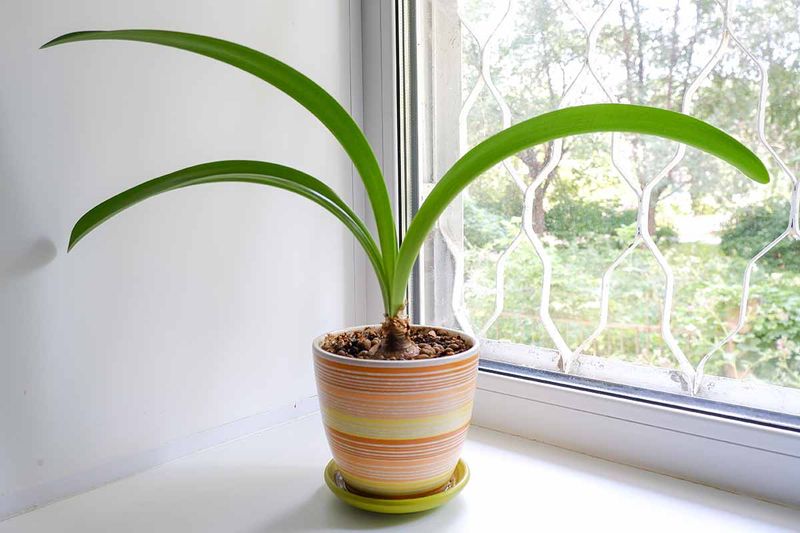
A pot full of healthy leaves and no flower stalk is frustrating, but it does not mean your bulb skipped a rest or has died. Leaves are simply evidence that the bulb is alive and growing.
The big, showy plant sold around the holidays is usually a Hippeastrum hybrid, not the separate botanical genus Amaryllis. The common name stuck, so you will see both.
A flower stalk commonly shows up after a period of dormancy, though University of Minnesota Extension notes that leaves occasionally appear first.
It helps to separate two jobs. One is rebuilding the bulb’s capacity to flower, and Iowa State Extension links leaves without flowers to inadequate stored reserves.
The other is timing, meaning when a ready bulb blooms. Some sources, including Illinois Extension, treat a rest as a way to control that timing rather than a strict rule.
The bulb may need more stored energy
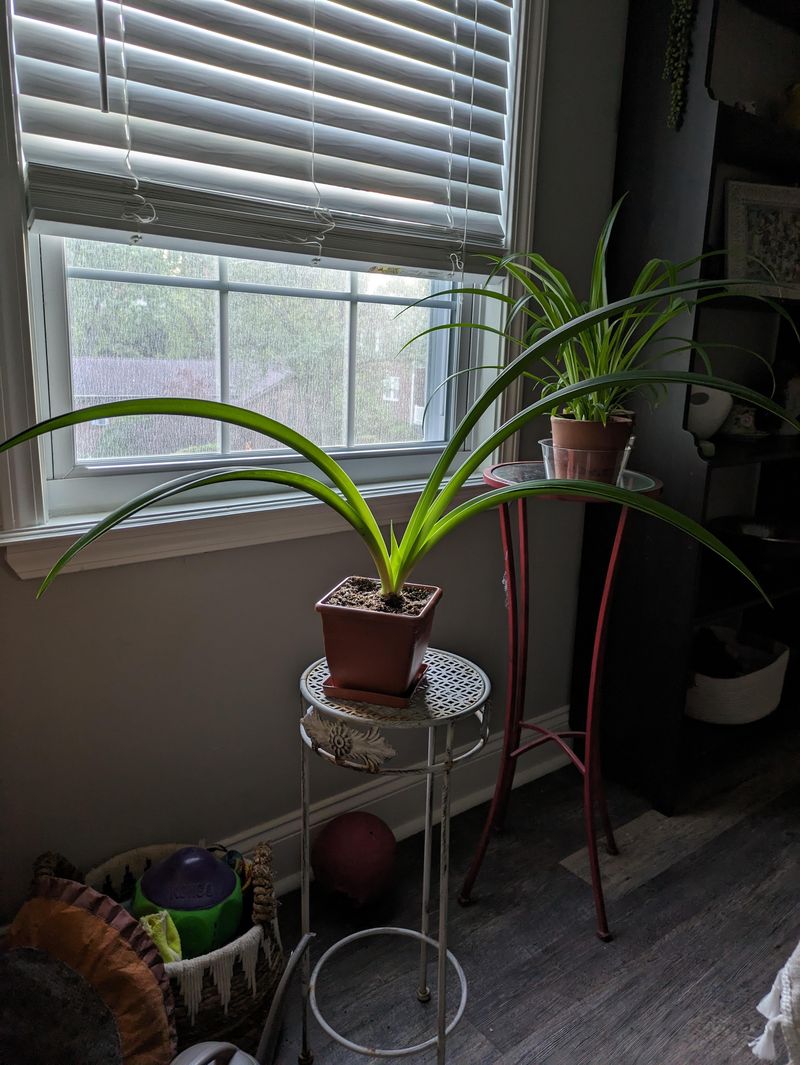
Think of the bulb as a battery. If it did not recharge enough during its last growing period, it may put out leaves and still hold back on flowers.
Iowa State Extension points to inadequate stored reserves as the reason for foliage without blooms, and the care a bulb got the previous season matters.
Several things can drain or limit that energy. Poor light, cutting leaves off too early, and soggy soil are common ones.
UF/IFAS warns that excess water, heavy shade, rich soil, and too much nitrogen may favor foliage over flowers.
You usually cannot pin the problem on one cause just by looking at the plant. Check the clues you can see: how much light the pot gets, how often it is watered, and whether leaves were trimmed last year.
Keep in mind that a rest cannot stand in for the energy-building phase. The bulb has to grow healthy leaves first.
Keep healthy foliage working after flowering
Once the blooms fade, the leaves take over as the bulb’s solar panels. Snip off spent flowers before they form seeds, since seed production uses energy the bulb could store.
Illinois Extension advises keeping the healthy leaves so they can replenish the bulb.
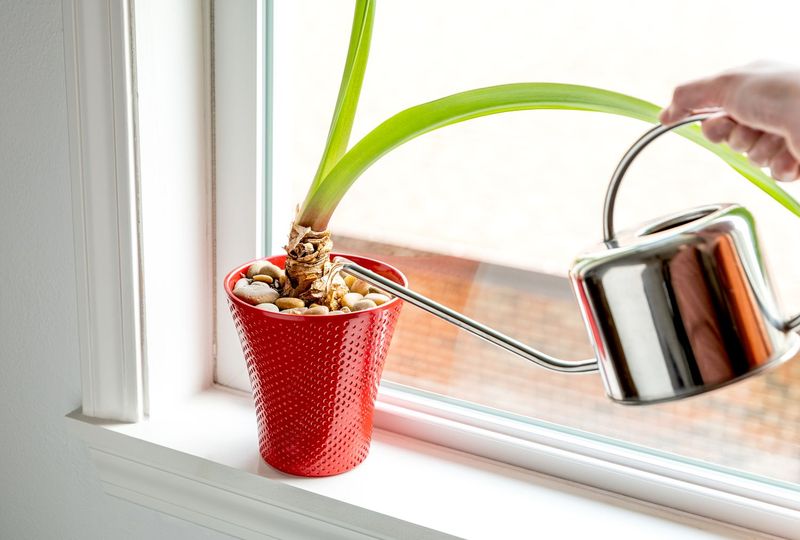
Give the plant bright light, such as a sunny window. Water when the soil surface is nearly dry, and never let the pot sit in standing water.
Iowa State Extension covers these basics for plants that will not bloom.
During active growth, a modest feeding following the product directions is fine. Skip the urge to add extra nitrogen.
UF/IFAS cautions that too much can push leaves at the expense of flowers.
These steps may improve the bulb’s chance of flowering later, though they do not promise a bloom right away.
Let the foliage cycle—not the calendar—set the timing
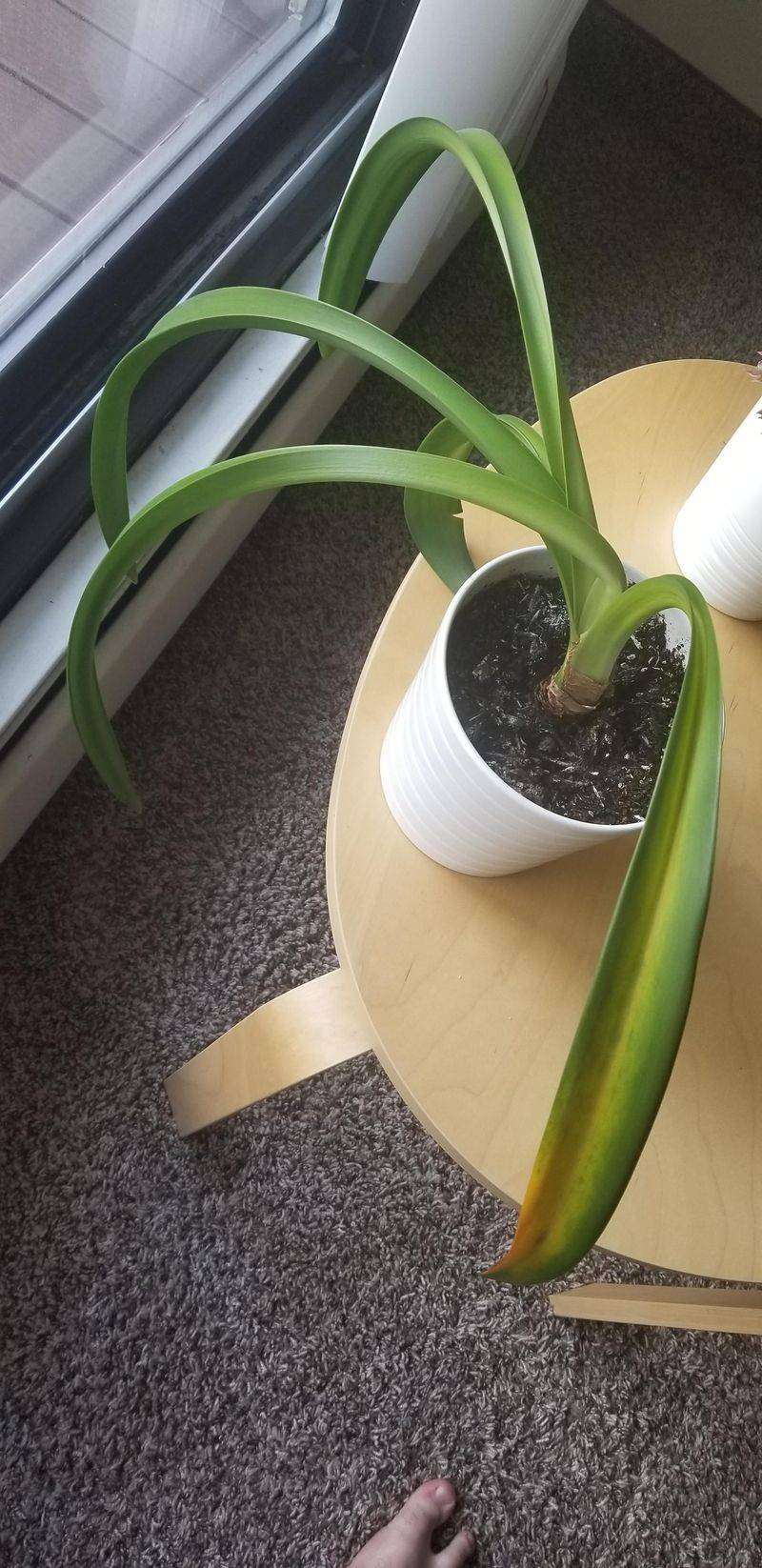
Plenty of articles say to start a rest in late fall. Your plant does not read the calendar, and a fixed date can lead you astray.
A rest is an optional way to schedule flowering, not something every bulb needs right now.
Watch the leaves instead. When they begin to yellow or decline on their own, the bulb is signaling a slowdown.
Do not cut healthy green leaves to force it. Illinois Extension and UF/IFAS both say to let leaves yellow or dry before removing them.
Advice varies by source. University of Wisconsin Extension and University of Minnesota Extension describe dormancy as a way to control bloom timing.
Because homes, porches, and regions differ, let your own plant’s growth cycle guide you.
A cool, dry rest can help schedule flowering
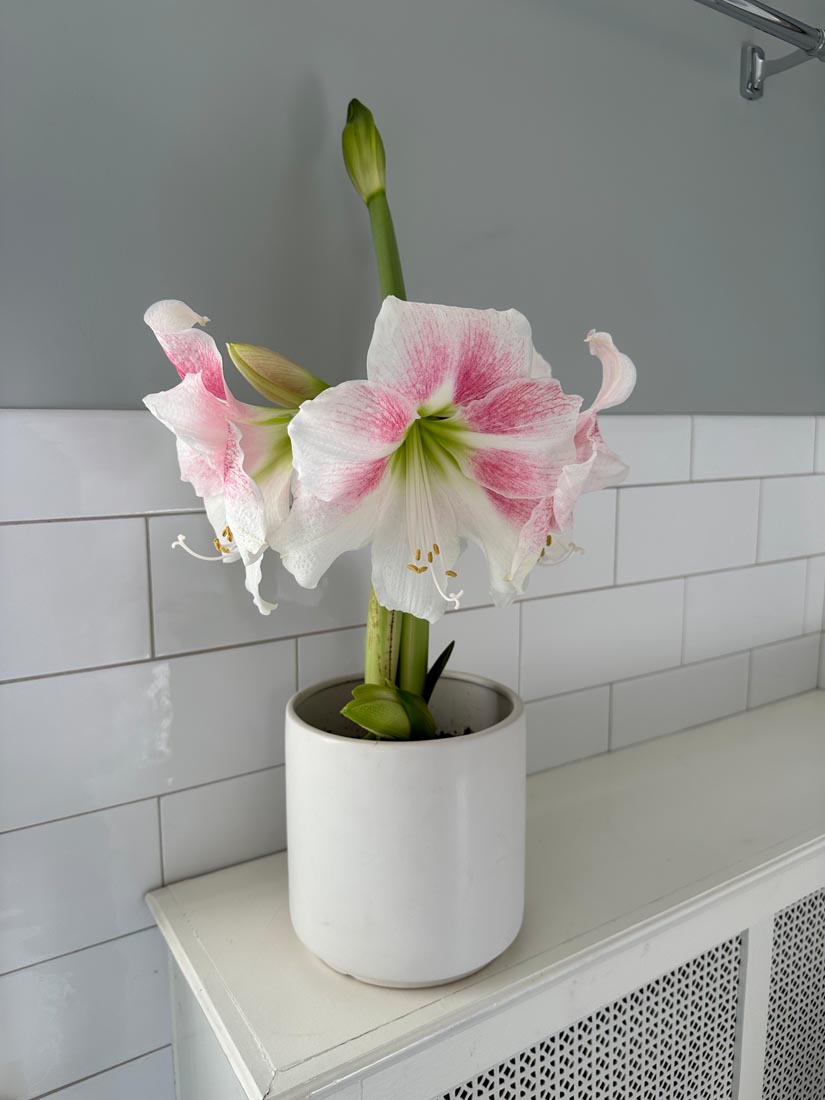
If you want to nudge bloom timing, a cool, dry rest is one method. Stop watering, move the pot to a cool spot, and leave it alone for a while.
Sources do not agree on one recipe. UF/IFAS describes a dry rest of about 6 to 8 weeks to force late-winter bloom.
Illinois Extension gives about 8 to 12 weeks at 45 to 55 degrees F, while Wisconsin Extension suggests 8 to 10 weeks at the same temperatures.
Treat those numbers as a range, not a strict prescription. In many Southern homes, a spot near 45 to 55 degrees F may be hard to find, so a cool, dark corner is a practical stand-in.
Do not assume a longer or colder rest will make up for a bulb that lacks reserves. A rest affects timing, not the stored energy itself.
Resume warmth and light after the rest
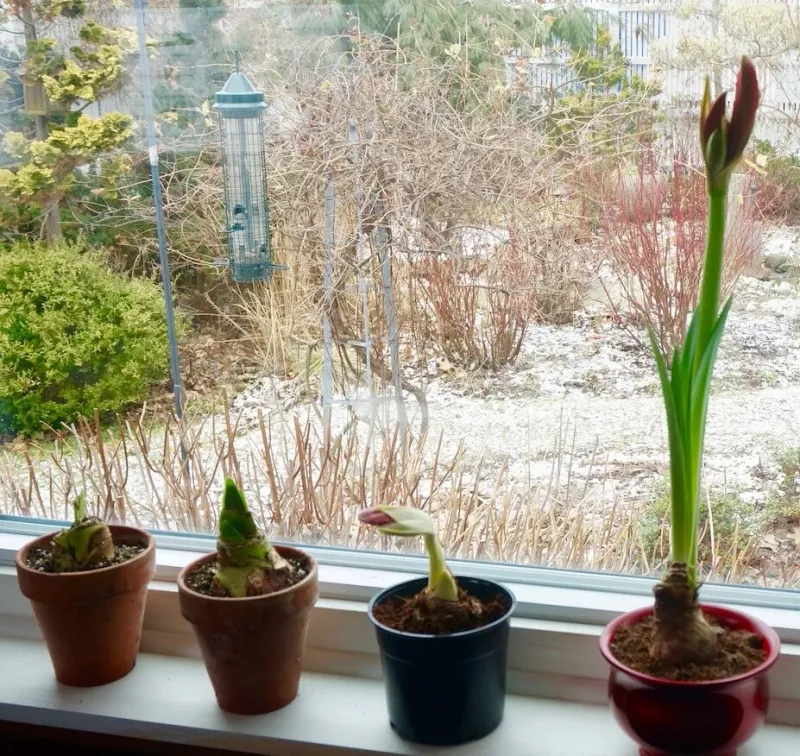
When your chosen rest ends, or when you spot new growth, it is time to wake the bulb up. Water the pot again and move it somewhere warm and bright.
As for timing, Wisconsin Extension says bloom commonly follows dormancy in about 4 to 6 weeks, and Illinois Extension gives a similar estimate. Think of that as typical guidance, not a promise.
Keep an eye on what emerges. A flower stalk usually appears first, but University of Minnesota Extension notes that leaves sometimes lead the way, and that flowering depends on enough stored energy.
If only leaves show up, keep them growing in good light. That is not a verdict on the bulb, just another round of recharging.
Adjust the advice for Southern growing conditions
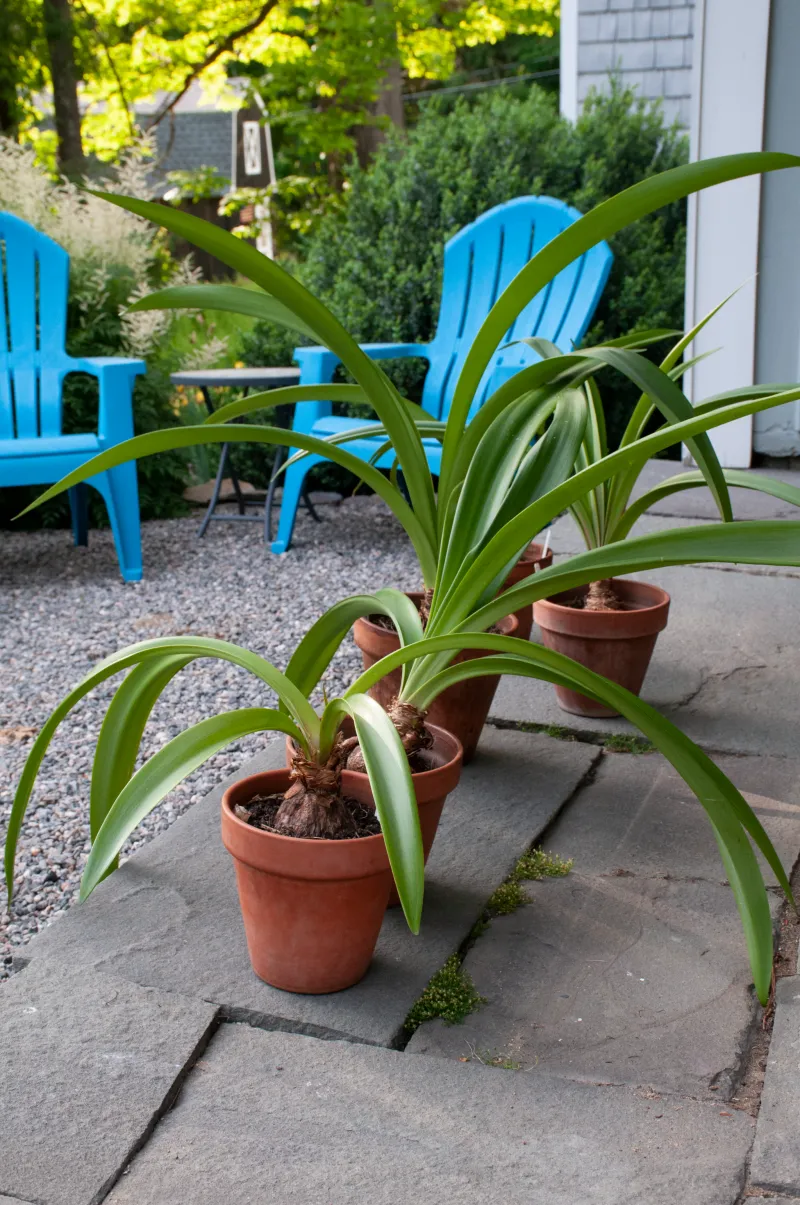
Potted holiday bulbs and landscape plants live by different rules. In Florida, UF/IFAS notes that amaryllis can be grown outdoors year-round, with foliage that may persist much of the year and decline in late summer.
Heavy shade can hurt flowering there.
That means a holiday-style rest schedule should not be imposed on every Florida landscape bulb. Florida guidance also should not be stretched to all of Texas or the wider South, where conditions vary.
If your pot spends warm months outdoors, ease it into brighter light a little at a time, as Illinois Extension and Wisconsin Extension suggest, and bring it in before frost.
If your plant has green leaves, keep them growing, since Iowa State Extension ties blooms to stored reserves. Offer a rest only after the foliage fades on its own, as an option rather than a guarantee.
Leaves are the bulb’s way of working toward next season.