
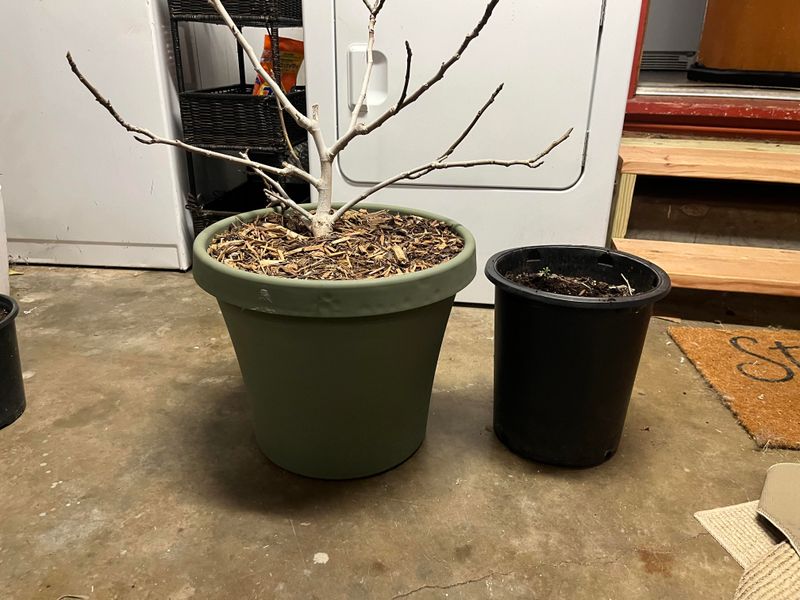
Seeing hard little green figs on the floor of your garage can make your stomach drop. You start to wonder if the roots are dying or if the tree is in trouble.
The truth is calmer than that, and the fix is simpler than you might think. Here is how to store a dormant fig, check its soil, and water just enough to get it to spring.
Green-fruit loss does not diagnose root trouble
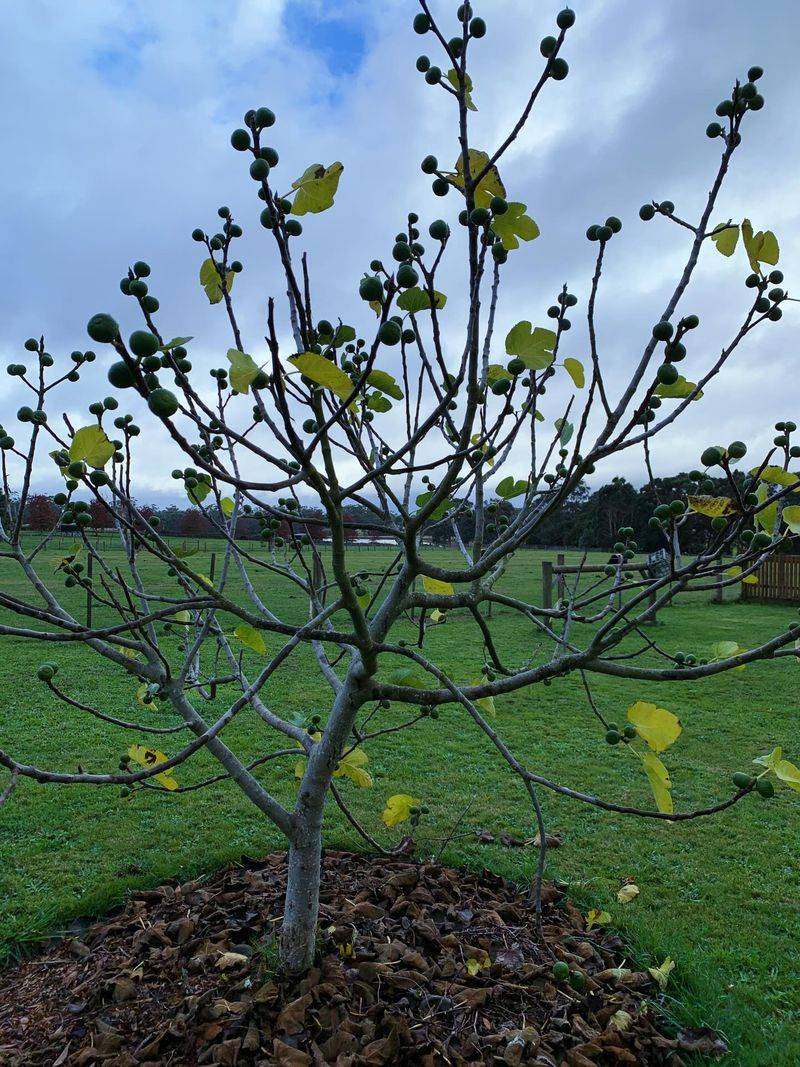
Finding green figs on the garage floor looks alarming, but those fruits alone tell you very little about the roots. After a hard frost, Penn State Extension recommends removing unripe figs as part of winterizing a fig. So losing them, or picking them off yourself, is a normal part of getting the tree ready for dormancy.
Do not plan on saving those green fruits. Clemson Extension notes that green figs will not ripen off the tree, so fallen or picked ones will not turn sweet on a kitchen counter.
Fruit drop during the growing season is a different story. UC IPM lists several possible causes, including too little or too much water, and sometimes pollination or disease problems for certain varieties.
Winter fruit loss in a garage does not point to any one of those causes.
Instead of judging the tree by what lands on the floor, look at the pot. The state of the potting mix tells you far more about how the roots are doing.
Store the fig in a cool, protected place
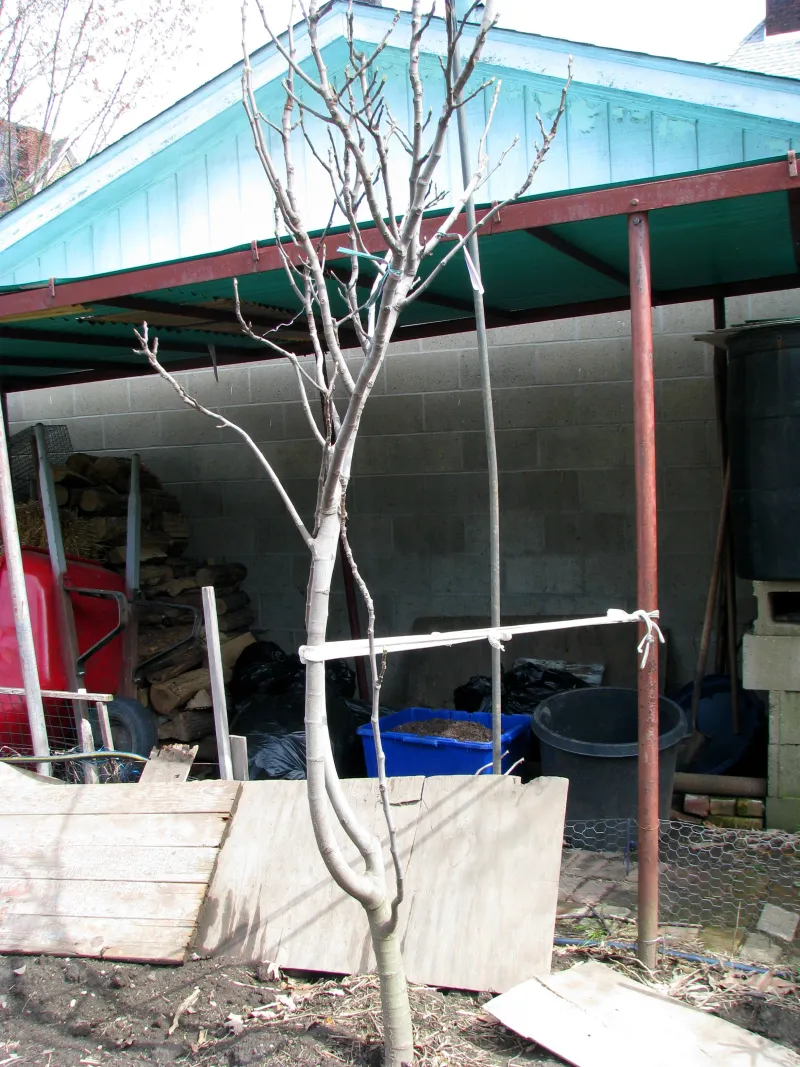
Once a hard frost has come through, strip off any leaves still hanging on and pick off the remaining unripe figs. Penn State’s winterizing advice then calls for moving the container into a cool, preferably dark, unheated space such as a garage.
The goal is a tree that stays asleep rather than one tricked into growing by warmth.
Why not just leave the pot outside? Roots in a container have less protection than roots in the ground, because cold reaches them from every side of the pot.
A fig planted in a garden bed is insulated by the surrounding soil, while a pot is not.
For timing, Tennessee Extension advises moving container figs to a garage or similar protected spot when temperatures approach 15 to 20 degrees F. Think of that range as a signal to act, not as a promise that everything is safe above it.
It is also not a target temperature for the garage itself.
If a cold snap is forecast earlier than that, or your pot is small and thin-walled, moving it sooner costs you nothing.
Monthly watering means reaching a moisture target
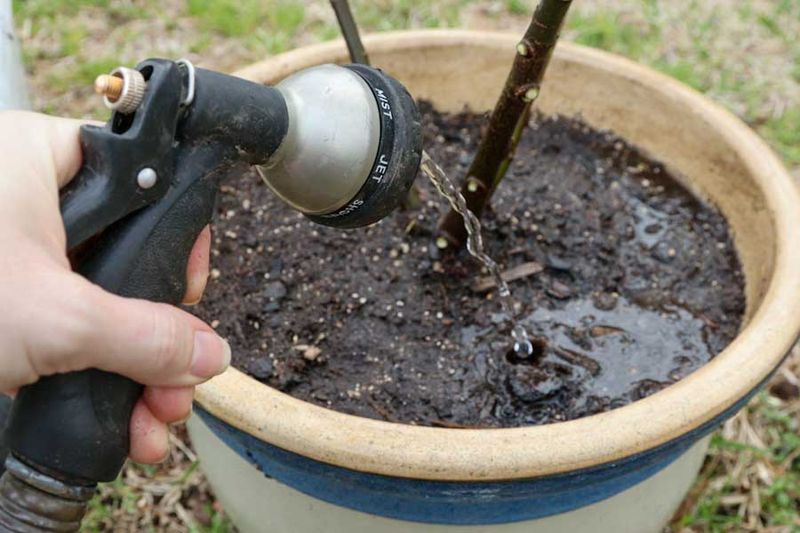
Many gardeners hear the phrase “water once a month” and wonder how much that means. There is no number of cups or gallons behind it.
Penn State’s fig-specific advice is to water monthly until the mix is just moist.
That wording describes a condition, not a volume. A big pot of mix needs far more water to reach “just moist” than a small one does, and a bone-dry pot takes more than one that is only slightly dry.
The aim is modest. You want to keep the roots from drying out completely, but you do not want to overwater a tree that is not growing and is barely using any moisture.
So treat monthly as a reminder to check, not an order to pour. Before you pick up the watering can, push a finger into the mix or lift the pot to judge its weight.
If the mix is still damp, wait and look again later.
Watering this way is a careful routine, and it does not guarantee survival. It simply gives dormant roots a fair chance.
Check the potting mix before watering
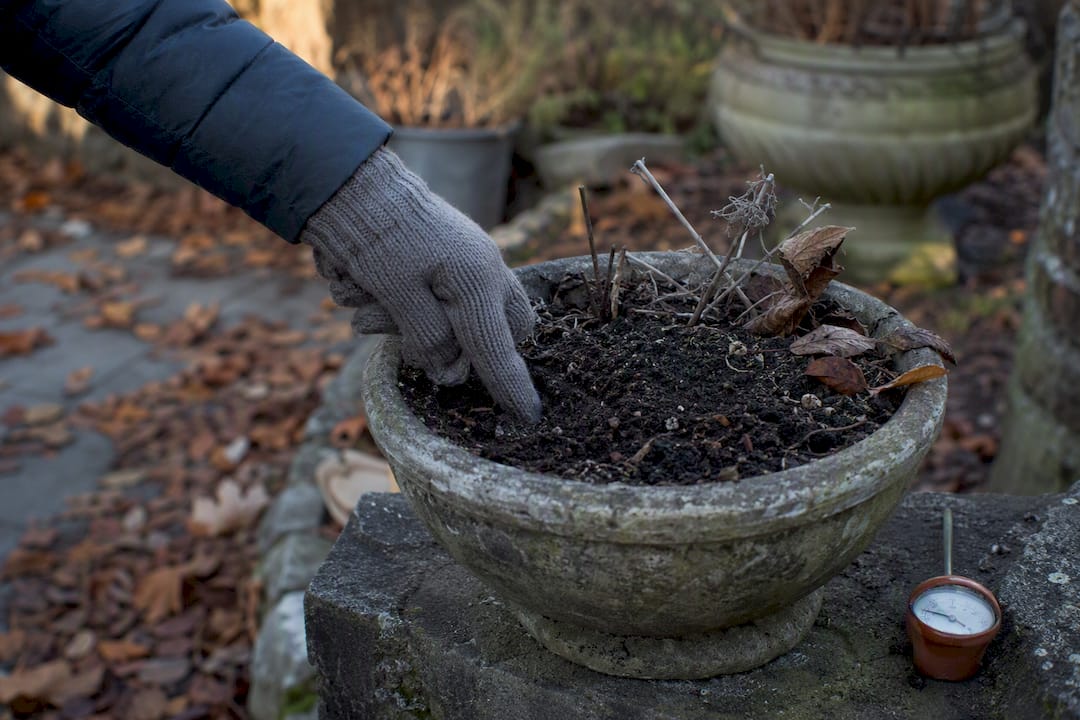
A simple finger test takes the guesswork out of it. University of New Hampshire Extension suggests waiting until the upper two inches of mix are dry before you water.
Poke a finger in to that depth, and if it comes out damp, the tree can wait.
Nevada’s guidance points the same direction. University of Nevada, Reno Extension recommends watering overwintering plants sparingly so they do not dry out completely.
Sparingly means a measured moisture boost, not a soaking every week.
How often the mix reaches that dry point will vary. A small pot dries faster than a large one, a loose, bark-heavy mix loses water faster than a dense one, and a slightly warmer garage speeds things up.
Because of that, the two-inch check is a way to look, not a rigid schedule. One gardener may water every few weeks while a neighbor with a bigger pot waits longer.
Let the mix, not the calendar, make the call.
Protect the roots from soggy soil
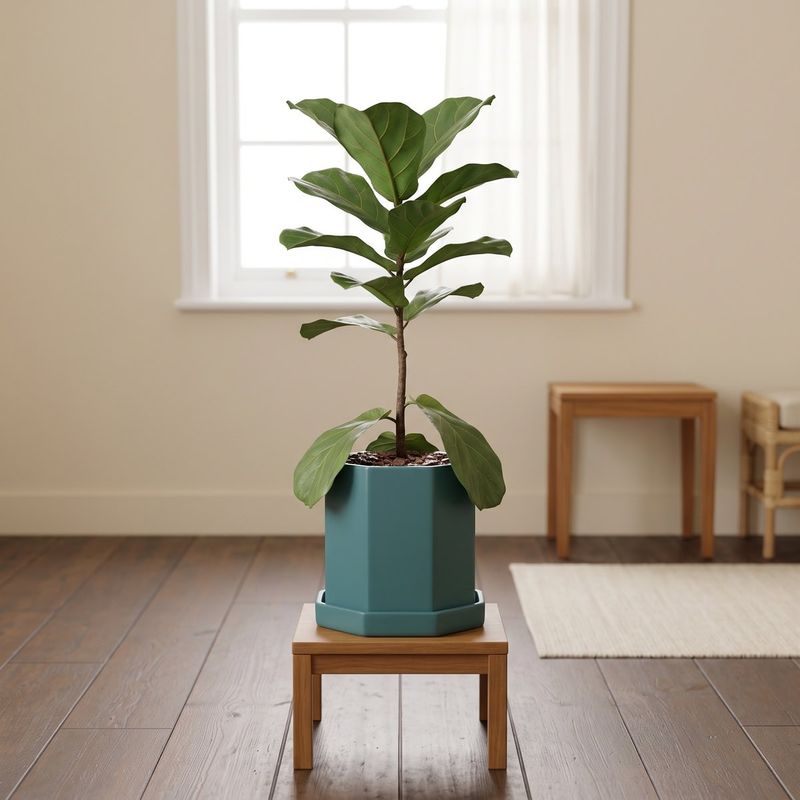
Dry roots get most of the worry, but wet ones can do real harm too. UF/IFAS notes that figs do not tolerate excessively wet soil, and a dormant tree uses very little water.
The problem in a pot is oxygen. Illinois Extension explains that waterlogged container mix can deprive roots of oxygen, which leaves them struggling even though plenty of water is around.
Start with the pot itself. Make sure it has open drainage holes, and tip it slightly after watering to confirm that extra water escapes.
If the pot sits in a saucer, empty it so the roots are not standing in a puddle.
Raising the container on pot feet or blocks can also help air and water move freely underneath.
Finally, resist the urge to add water just to keep the mix looking dark and wet. A damp-looking surface is not a goal for a sleeping tree, and extra water rarely helps it.
Keep the tree dormant until spring
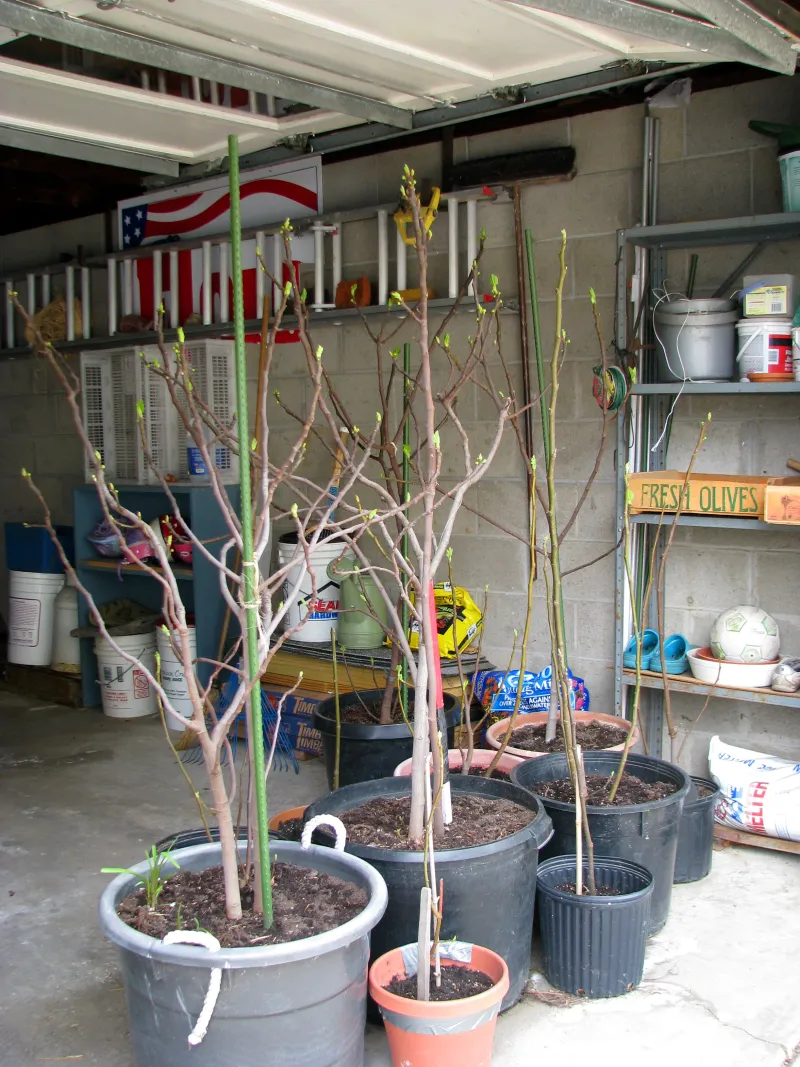
Here is the whole winter routine in one pass. After a hard frost, clear off the leaves and unripe figs, then park the pot in a cool, protected spot.
From there, check the mix instead of measuring out a set monthly dose, and aim to avoid both a fully dried-out pot and a soggy one.
Leave the pruning shears and fertilizer on the shelf. Penn State advises waiting until spring to prune or fertilize most container figs, since a dormant tree is not ready to use either one.
Keep a quick look at the mix, and use the two-inch check from UNH Extension as your guide. Keep the pot draining well, since figs resent excessively wet soil.
Watch the roots’ moisture and the season, not the fruit on the floor. A quiet, bare tree in a cool corner is doing exactly what it should.