
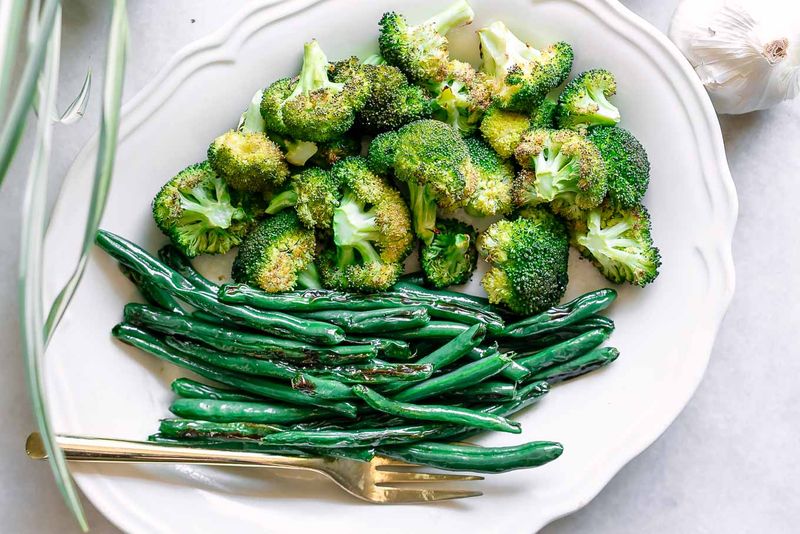
Late summer is the secret starting line for a great fall garden in the South. If your beans and broccoli do not go into the ground soon, you may miss the cooler weather these crops love.
Getting the timing right means bigger yields, fewer bug problems, and vegetables that actually taste sweet. Here is exactly when to plant and how to set yourself up for a harvest that keeps giving into cooler months.
1. Bush Beans for a Quick Fall Payoff
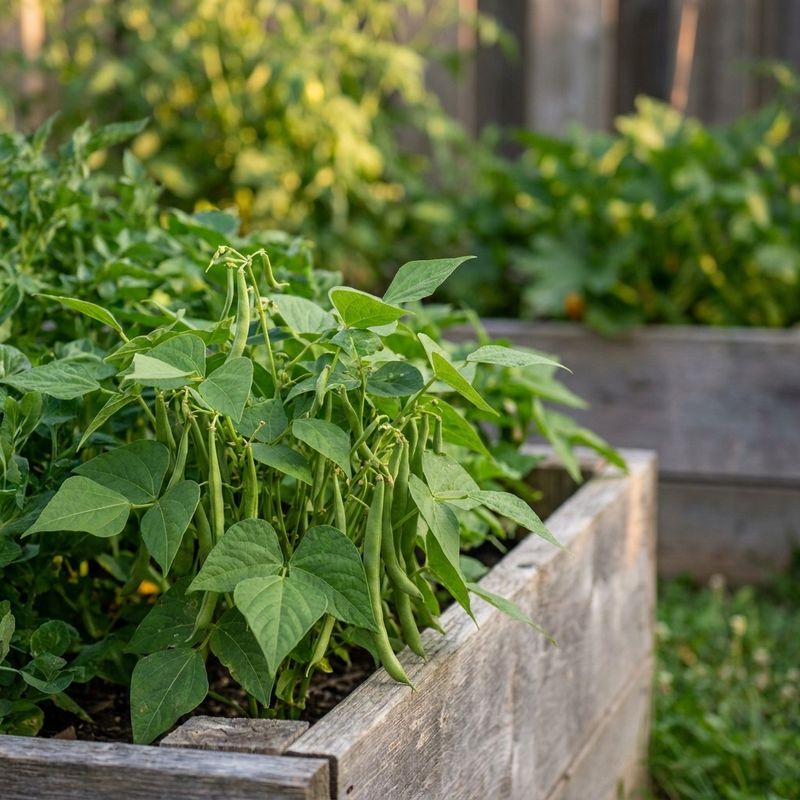
Speed is the reason bush beans belong at the top of your fall list. They mature in roughly 50 to 60 days, so a planting in late August through mid September in most Southern zones can hand you pods before the first frost sneaks in.
Warm soil helps them sprout fast, but the shorter, cooler days that follow keep them producing without the brutal midsummer stress. That timing sweet spot often means fewer beans that turn tough or stringy.
Because they grow low and compact, you skip the trellis work entirely. Space seeds about two inches apart in rows, water steadily until they break the surface, and thin gently once true leaves appear.
Watch for aphids clustering on new growth in early fall. A strong spray of water or insecticidal soap can help knock their numbers down before they spread.
Succession planting every two weeks stretches your harvest even longer. For Florida and Texas gardeners with mild autumns, that rolling schedule may keep fresh beans coming right up to the holidays.
2. Pole Beans for Vertical Space Savers
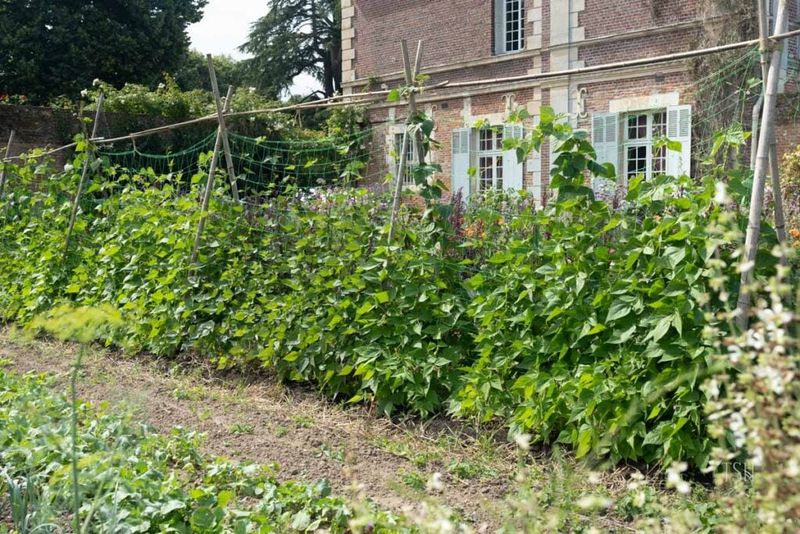
Got a small yard but big appetite? Pole beans climb upward instead of sprawling out, so they squeeze a heavy harvest into a tiny footprint.
They take a little longer than bush types, usually 60 to 70 days, which means late August is your safer window across much of the South. Set up a sturdy trellis or teepee before you plant, because these vines can reach six feet or more and need something solid to grip.
The vertical habit does more than save room. Better airflow around the leaves may reduce fungal problems that thrive in humid Southern falls, and picking from standing height saves your back.
Keep the soil evenly moist while seeds germinate, then ease off slightly once vines take hold. Consistent water during flowering helps pods fill out plump rather than shriveled.
One handy trick: the more you pick, the more they produce. Regular harvesting signals the plant to keep flowering, so check the vines every couple of days once pods start forming to keep the supply rolling into cooler weather.
3. Broccoli Transplants for a Head Start
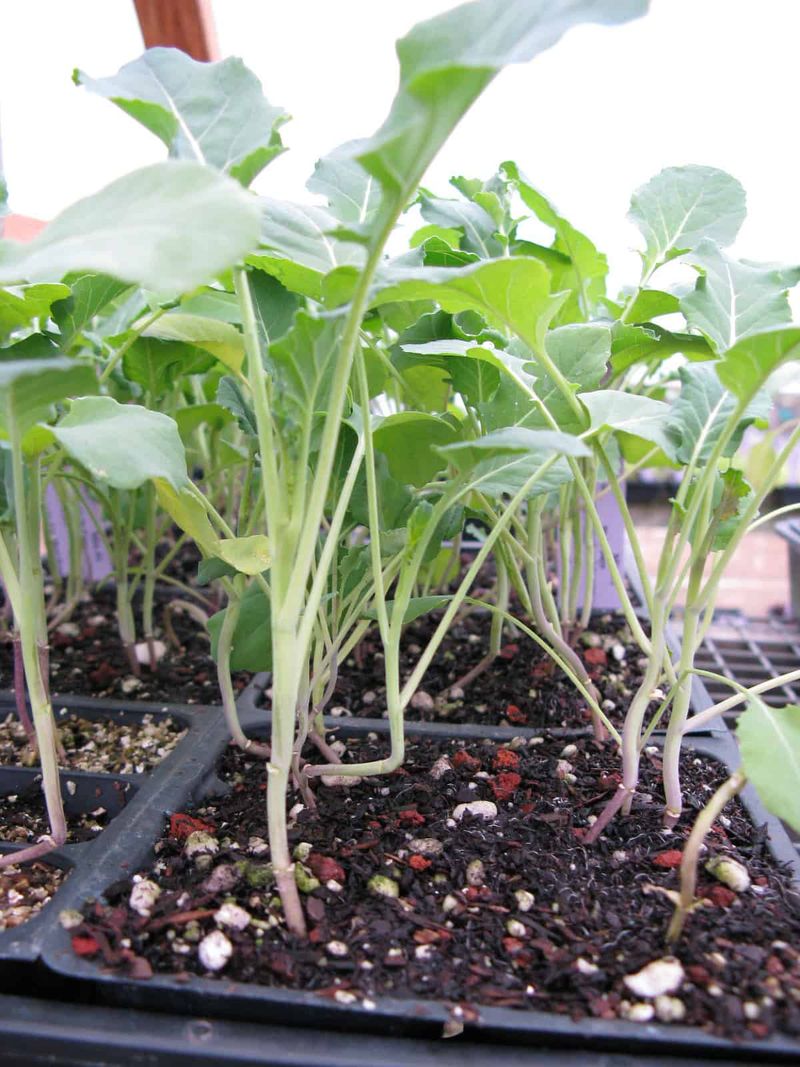
Broccoli hates racing the clock, and starting with transplants buys you precious weeks. Instead of waiting on seeds to germinate in still-warm soil, you can drop in four to six week old seedlings and jump straight to the growing stage.
In the South, aim to set transplants out from late August into September so the heads mature as temperatures cool. Broccoli forms its best, tightest heads in the 60s and low 70s, and warm spells during head formation can cause loose, bitter buds.
Give each plant plenty of room, about 18 inches apart, so air moves freely and heads have space to swell. Rich soil with steady moisture keeps growth from stalling.
Cabbage worms love broccoli leaves, so inspect the undersides often. Handpicking or a spray containing Bt may help keep chewing damage under control without harsh chemicals.
Here is a bonus most beginners miss: after you cut the main head, leave the plant in the ground. Smaller side shoots often keep forming for weeks, stretching one transplant into several rounds of harvest.
4. Direct-Sown Broccoli for Patient Gardeners
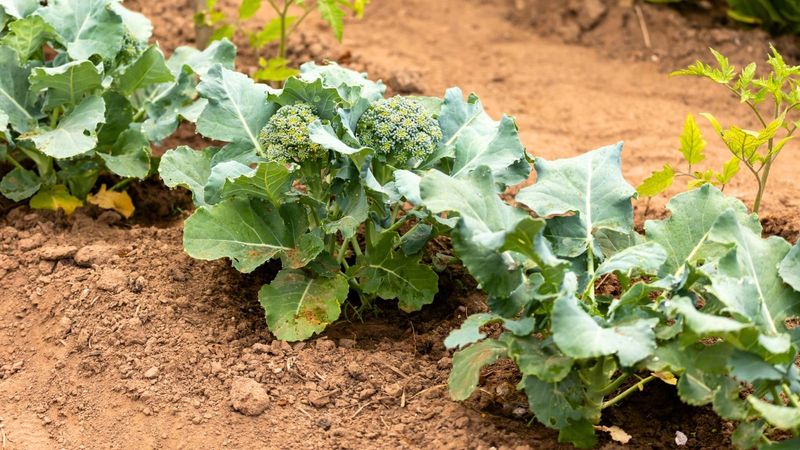
Prefer to grow from scratch? Direct sowing broccoli works well if you plant early enough to give the crop its full 80 to 100 day timeline before real cold arrives.
For most Southern gardens, that means dropping seeds in the ground during August. Sow them a quarter inch deep, keep the surface damp, and expect sprouts within a week when soil is warm.
The tricky part is the heat. Late summer sun can dry out seedbeds fast, so a light layer of mulch or shade cloth may help keep tender seedlings from frying before they toughen up.
Thin the young plants once they have a few leaves, keeping the strongest and giving them roughly 18 inches of elbow room. Crowded broccoli competes for light and nutrients, which shrinks the heads.
Direct sowing skips transplant shock entirely, so plants often develop deeper, sturdier roots. That stronger foundation can pay off during a dry autumn stretch, letting the crop pull moisture from farther down and sail through minor droughts without wilting.
5. Knowing Your Regional Seeding Window
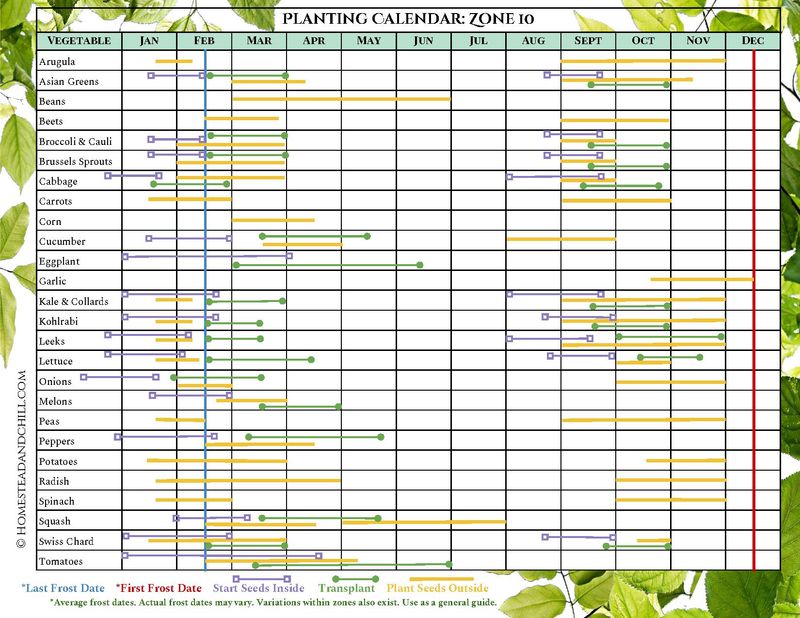
Timing separates a bumper crop from a flop, and the South does not follow the same clock as the rest of the country. Your first frost date is the number that matters most, and it shifts a lot between the upper South and the coastal Gulf.
Count backward from that frost date using each crop’s days to maturity, then add a couple of weeks as a safety cushion. Beans generally want late August through mid September, while broccoli often needs a nudge earlier if you are starting from seed.
North Florida and much of Texas enjoy long, mild autumns, so gardeners there can plant a touch later and still cruise to harvest. Central and South Florida stretch the window even further.
Soil temperature counts too. Beans sulk in cold ground, so wait until the worst summer heat eases but before nights turn chilly.
A simple garden journal, noting what you planted and when, becomes gold over the years. Tracking your own frost dates and results helps you dial in the perfect window for your exact yard.
6. Prepping Soil After a Summer of Growing
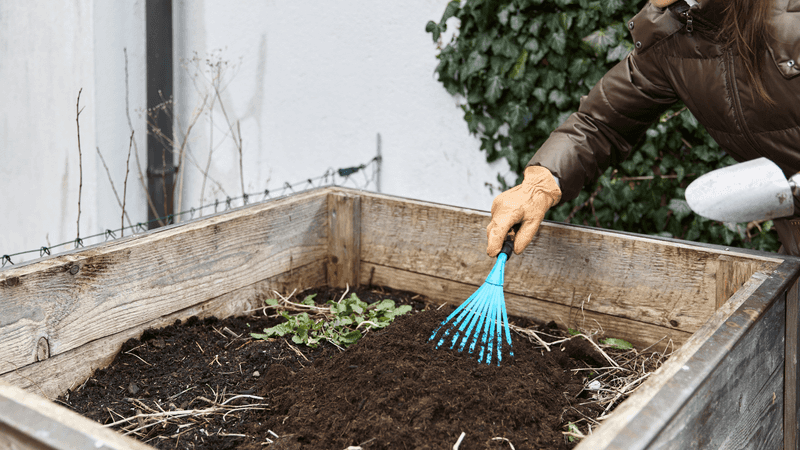
By late summer your beds are likely tired, drained by months of thirsty tomatoes and peppers. Refreshing that soil before fall planting gives beans and broccoli the strong start they need.
Work in a couple inches of finished compost to rebuild the nutrients heavy feeders stripped away. Compost also improves how the soil holds water, which matters during those hot early weeks of fall gardening.
Broccoli is a hungry crop and appreciates a boost of balanced fertilizer worked into the bed. Beans are different, since they pull their own nitrogen from the air, so go easy on nitrogen for them or you will grow lush leaves and few pods.
Loosen compacted ground with a fork so young roots can push down easily. Skip heavy tilling if you can, which protects the helpful soil life you want thriving.
Clear out spent summer plants and any diseased debris before planting. Leaving old, infected material behind can invite the same pests and fungal troubles right back into your fresh fall crop, undoing your careful timing.
7. Watering Wisely Through the Late Heat
Fall planting starts while summer still throws punches, and thirsty new seeds do not forgive missed waterings. Keeping the top inch of soil consistently moist is the make-or-break job for the first two weeks.
Once seeds sprout and settle in, shift toward deeper, less frequent watering. That habit trains roots to grow down chasing moisture, building tougher plants that handle dry spells better.
Morning watering beats evening in humid Southern climates. Wet leaves overnight invite mildew and fungus, so giving foliage time to dry during the day may cut down on disease.
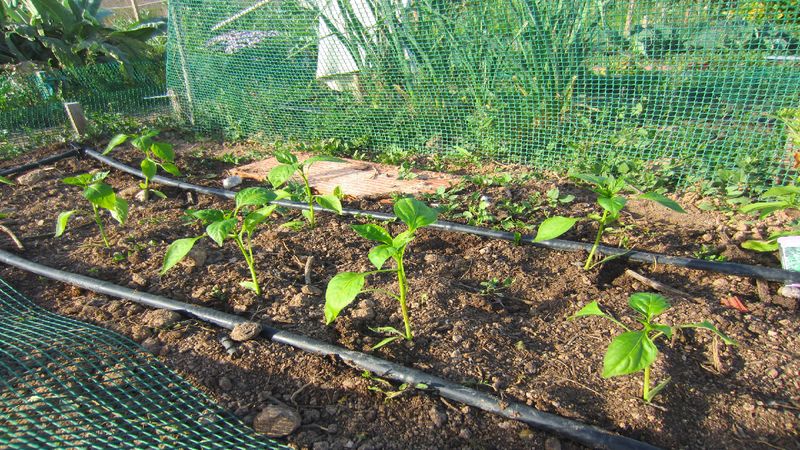
Drip irrigation or a soaker hose delivers water right to the roots without splashing leaves, and it saves you from dragging a hose around every hot afternoon. Even a cheap timer makes the routine automatic.
Mulch is your quiet helper here. A few inches of straw or shredded leaves around plants slows evaporation, cools the root zone, and keeps weeds from stealing water.
Broccoli especially resents drying out during head formation, so stay steady with moisture once those heads begin to swell for the plumpest results.
8. Guarding Against Fall Pests and Critters
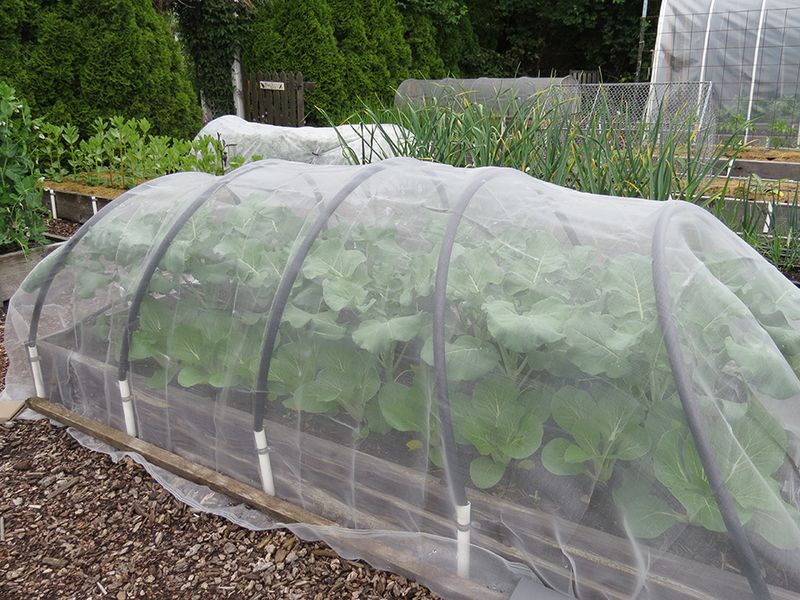
Just when you think summer bugs are fading, fall brings its own hungry crowd. Cabbage worms, loopers, and aphids all target broccoli, while beetles and rabbits happily nibble young bean shoots.
Floating row covers are a gardener’s best friend early on. Draped loosely over seedlings, the lightweight fabric blocks egg-laying moths and browsing wildlife while still letting sun and rain through.
Check leaf undersides regularly for the tiny green cabbage worms that blend right in. Handpicking works for small gardens, and a spray of Bt may help control heavier infestations without harming pollinators.
Rabbits and deer grow bolder as wild food thins in autumn. A short fence or scent-based repellents can reduce browsing, though no method stops determined critters completely.
Aphids often signal stressed plants, so steady water and healthy soil quietly cut your risk. When they do show up, a firm blast from the hose knocks many off before colonies explode.
Catching problems early is everything. Walking your rows every few days lets you spot trouble while it is still small enough to handle by hand.
9. Succession Planting for a Longer Harvest
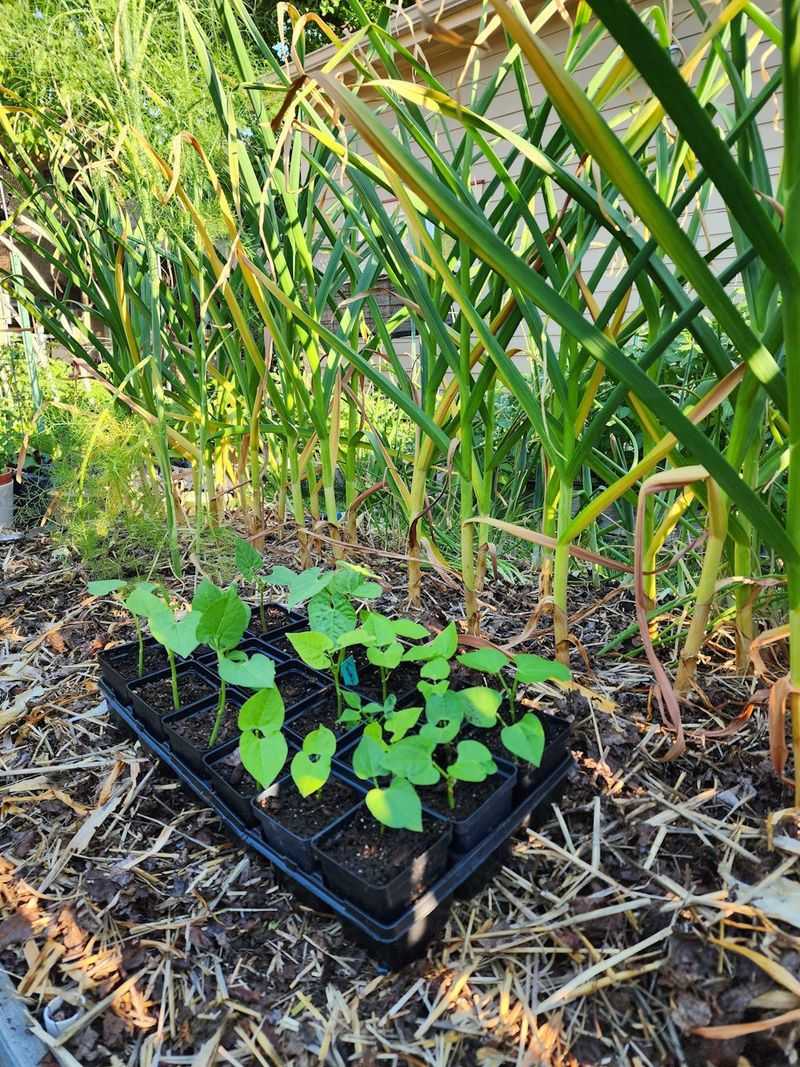
Why settle for one big harvest when you can spread it out? Succession planting means sowing small batches a couple weeks apart instead of dumping every seed in at once.
Beans respond beautifully to this trick. A fresh handful of bush bean seeds every 10 to 14 days keeps tender young pods arriving steadily rather than flooding you with more than you can eat in a single week.
The long, mild autumns in Florida and Texas make this strategy especially rewarding. Gardeners there can keep the cycle going for weeks longer than folks up north, stretching fresh vegetables deep into the cooler season.
Broccoli plays along too, if you stagger transplants or mix early and later maturing varieties. That way your kitchen sees a rolling supply of heads instead of one overwhelming pile.
Keep a simple planting log so you remember when each round went in. Noting dates helps you predict harvests and plan the next batch without guessing.
The payoff is a garden that feeds you gradually, reducing waste and keeping meals interesting right through the fall stretch.
10. Harvesting at the Peak for Best Flavor
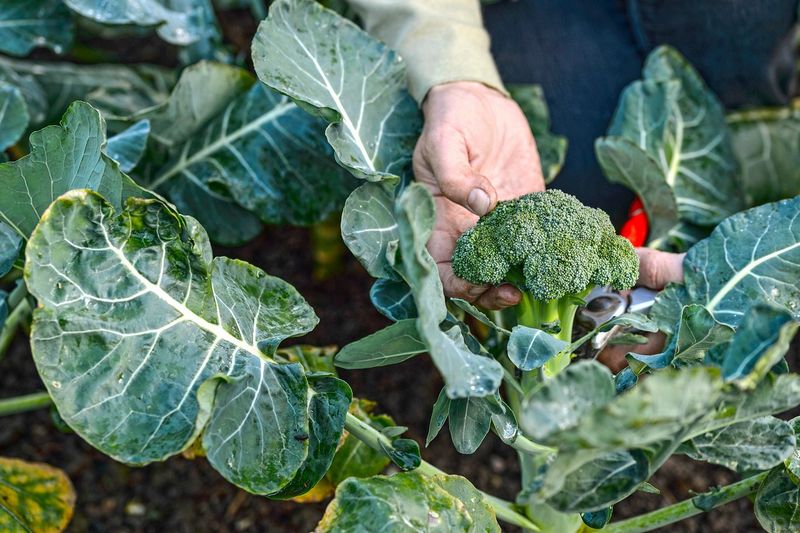
All your careful timing comes down to this last step, and picking at the right moment decides whether your crops taste sweet or disappointing.
Snap beans are ready when the pods feel firm and snap cleanly but before the seeds inside bulge and turn the pods lumpy. Waiting too long makes them tough and stringy, so check daily once they start sizing up.
Broccoli tells you it is ready when the central head is tight and deep green, with buds still closed. If you spot yellow flowers opening, you waited too long, and the flavor turns bitter fast.
Cut the main broccoli head with a slanted slice a few inches down the stalk. That angle sheds water and helps prevent rot, encouraging those tasty side shoots to keep coming.
Cooler fall weather actually improves flavor, as light frosts can make broccoli noticeably sweeter. That is one more reason getting your seeds in on time pays off.
Harvest in the morning when plants are crisp and full of moisture, then chill your pickings quickly to lock in that fresh-from-the-garden taste.