
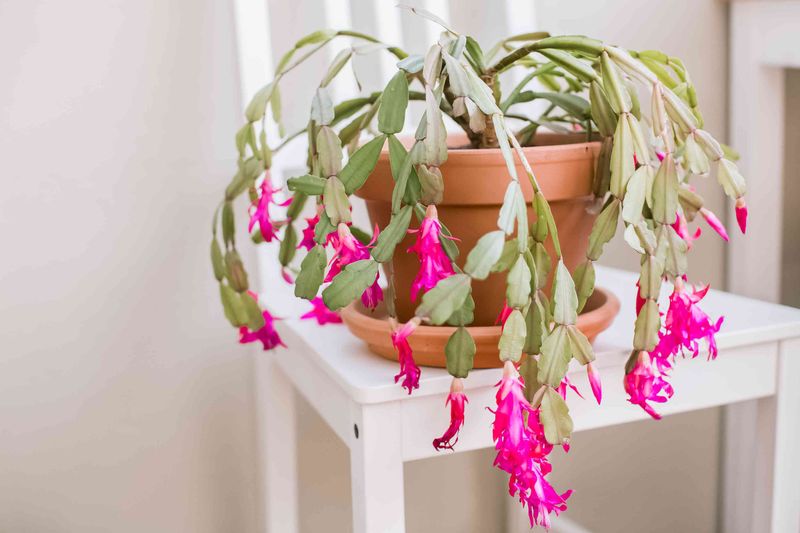
Few things are more frustrating than watching a healthy Christmas cactus drop its buds or go limp right after you moved it to a new pot. The good news is that the most common timing mistake is easy to avoid once you know what to look for.
Whether your plant is sitting in a sunny Florida window or on a Texas porch, understanding when and why to repot can mean the difference between a thriving plant and a sulking one.
The risky timing comes while buds or flowers remain
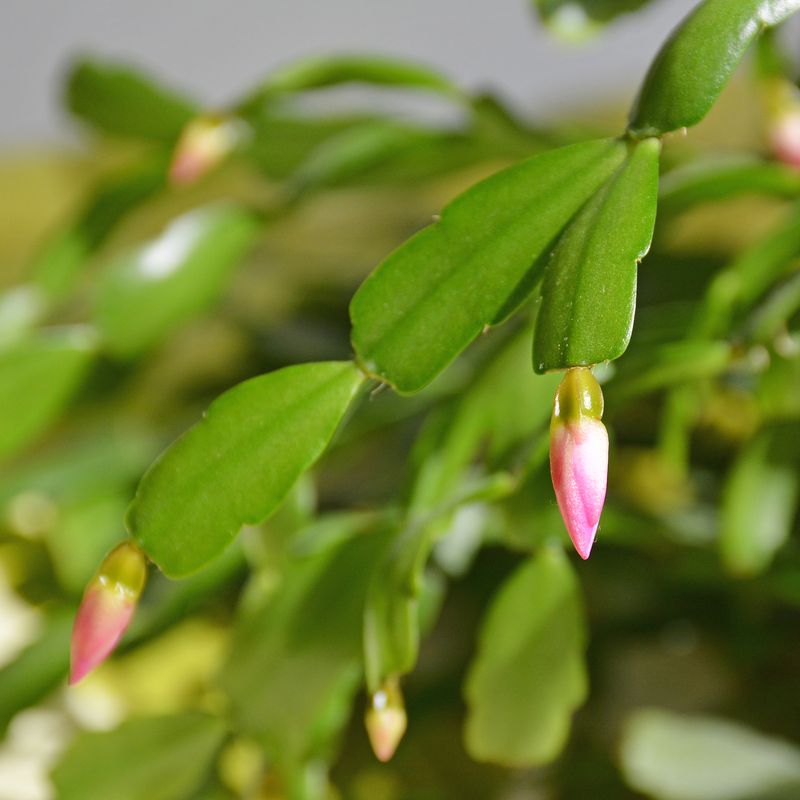
Repotting a holiday cactus while it is actively carrying formed flower buds or is already in bloom is the timing mistake most likely to add unnecessary stress to an otherwise healthy plant. The disturbance can contribute to bud or flower loss, though it does not automatically cause every case of drooping or stalled growth you might see afterward.
RHS growing guidance consistently recommends waiting until flowering has ended before repotting, then moving the plant in late winter or spring when it begins active growth.
A newly purchased plant does not automatically need a new pot the moment you bring it home. Many holiday cacti arrive in nursery containers that are perfectly adequate for months, and the plant may already be stressed from the transition to your home environment.
Rushing it into a new pot before it settles in only adds another source of disturbance.
That said, routine timing rules apply to healthy plants in stable containers. Extension repotting guidance makes clear that urgent problems such as root rot, waterlogged soil, or a failing root system can justify repotting even when buds are present.
For a healthy, budded plant with no drainage crisis, waiting until the bloom cycle is complete is the safer and more plant-friendly path. University of Minnesota Extension notes that holiday cacti often bloom better when slightly pot-bound, so there is rarely urgency to move a healthy plant mid-flower.
Repotting adds stress during a sensitive stage
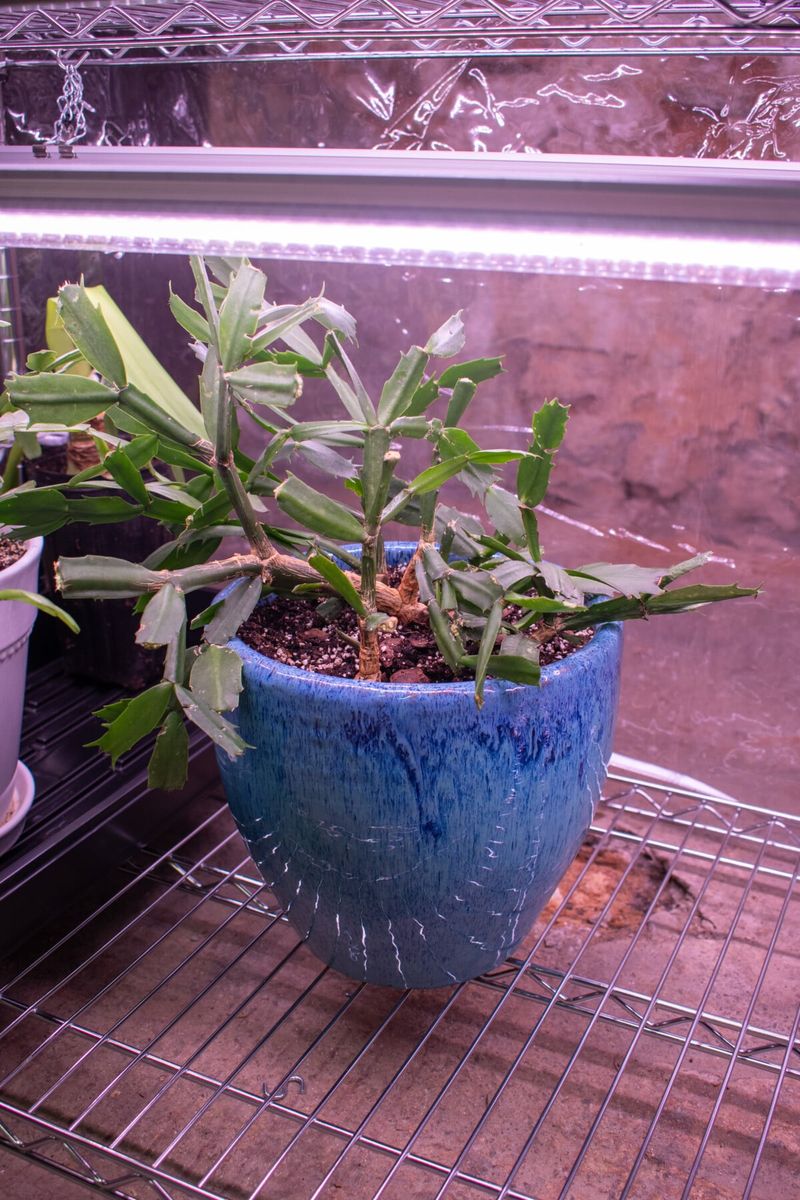
Once a holiday cactus develops flower buds, it becomes noticeably sensitive to changes in its immediate environment. Shifts in light, temperature, humidity, watering frequency, and even location can all trigger bud drop on their own.
Repotting during this period stacks root disturbance on top of whatever other changes the plant is already navigating, and that combined load is what tends to push a sensitive plant toward visible decline.
The root system takes time to re-establish contact with new potting mix after being moved. During that adjustment window, the plant may struggle to deliver water and nutrients to developing flowers efficiently.
University of Minnesota Extension documents that drafts, hot rooms, cold exposure, insufficient light, under-watering, overwatering, and low humidity are all confirmed causes of bud drop, which means repotting is one possible stressor among several rather than a guaranteed single cause.
Penn State Extension’s holiday cacti care guide reinforces that a plant may appear droopy or stalled after repotting for reasons beyond just root disturbance, including excess moisture in a pot that is too large, a change in light, or ordinary post-bloom rest. Before concluding that repotting timing is to blame, check whether watering, temperature, or humidity shifted at the same time.
Separating those variables is the only reliable way to understand what is actually bothering your plant.
Check whether the plant needs repotting before disturbing it
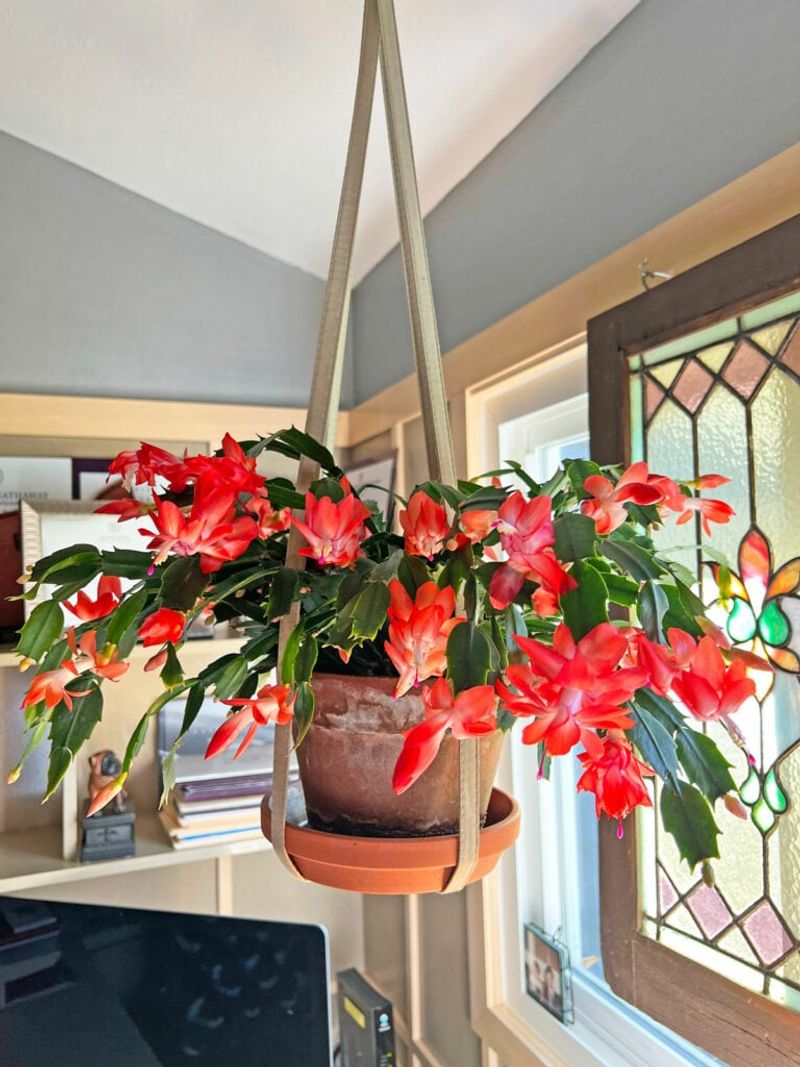
Before reaching for a new container, spend a few minutes assessing whether the plant is actually asking to be moved. Roots visibly emerging from drainage holes are a clear sign the root ball has outgrown its current home.
A dense or tightly circling root ball when you slide the plant out is another strong indicator, as is potting mix that dries out unusually fast because roots have displaced most of the soil.
On the other side of the scale, mix that stays wet for an extended period after watering may point to compacted or degraded soil rather than a pot that is too small. Weak or stunted new growth and a plant that looks generally tired despite adequate light and water can also suggest the growing medium has broken down and is no longer supporting healthy roots.
Penn State’s repotting houseplants resource lists these same condition-based signals as the reliable triggers for acting on a repot.
Balance those warning signs against the plant’s well-documented ability to bloom reliably when slightly pot-bound. University of Minnesota Extension states that holiday cacti may need repotting only about every three years, and some healthy specimens can go even longer.
Annual repotting is not a care requirement and can actually disrupt a plant that was performing well. A snug root ball is not a problem by itself; only act when the roots or medium are genuinely failing to support the plant.
Use the bloom cycle instead of a fixed Southern calendar
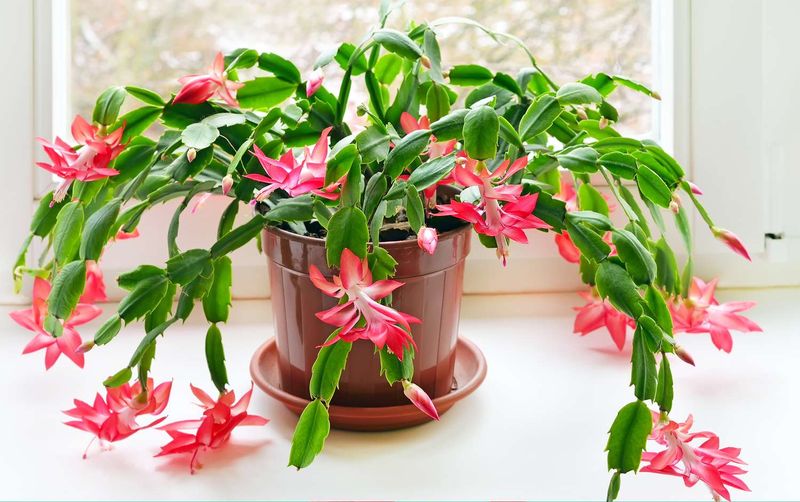
The practical repotting window for a healthy holiday cactus opens after the last flowers fade and closes before vigorous new stem growth gets fully underway. That window is tied to the plant’s own cycle, not to a date on the calendar.
RHS guidance mentions end of March as a typical repotting time, but that reflects a Northern Hemisphere temperate baseline, not the reality of a plant growing in a climate-controlled Florida home or a sun-drenched Texas living room.
Indoor conditions, the specific cultivar, and greenhouse-forced bloom timing can all shift the schedule by weeks in either direction. A plant that was forced to bloom early at the nursery may finish flowering well before the calendar hits late winter.
Waiting for the plant to show you it is ready, through fading blooms and the first flush of new segment growth, is more reliable than picking a month and committing to it.
Knowing which plant you actually have also matters here. Many plants sold as Christmas cactus are actually Thanksgiving cactus, Schlumbergera truncata, or hybrids of the two.
NC State Extension’s profile of true Christmas cactus and the corresponding Thanksgiving cactus profile both confirm that while care is broadly similar, bloom timing differs between the two. Thanksgiving cactus typically flowers several weeks earlier, so its post-bloom repotting window arrives earlier as well.
Let the plant’s actual behavior guide your schedule rather than its label.
Root and drainage failure override the routine rule
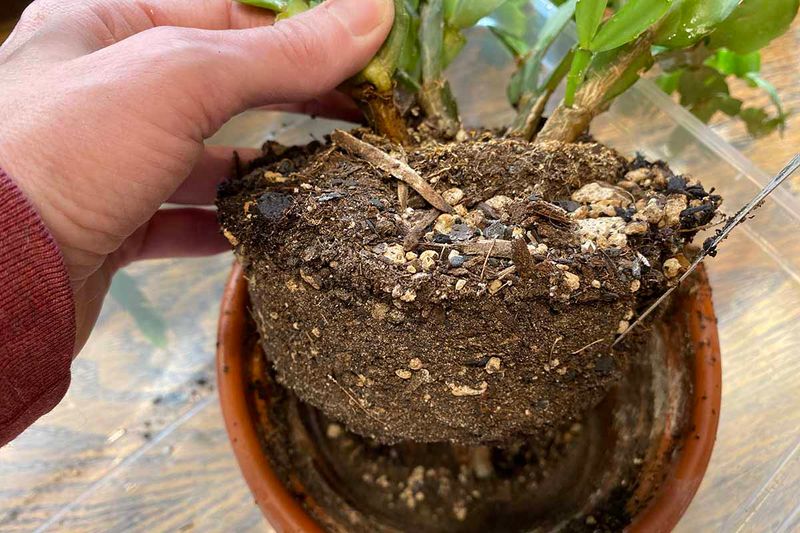
Waiting until flowers fade is sound guidance for a healthy plant, but it is not a rule that applies when the plant has a serious container problem. Root rot, severely waterlogged or compacted soil, a failing root system, or a broken container that can no longer drain are situations where acting promptly is safer than holding out for the bloom cycle to finish.
Leaving a plant in degraded or diseased conditions while buds develop can cause more lasting harm than the disturbance of an emergency repot.
University of Wisconsin-Madison Extension specifically advises unpotting an obviously stressed plant, removing dead or diseased roots, allowing pruned roots to air-dry for several days, and then repotting into fresh mix. That sequence prioritizes the plant’s survival over its flowering schedule, which is the correct priority when root health is genuinely compromised.
Signs that point toward an emergency include a foul smell from the soil, roots that are dark, mushy, or absent, and a plant that continues to decline despite appropriate watering and light.
Ordinary post-repotting droop or a few dropped buds on a plant with healthy roots and good drainage do not meet that threshold. Mild stress after a routine repot is expected and temporary.
The distinction matters because treating a healthy plant as if it has root rot, by removing it from its pot repeatedly or overwatering in an attempt to help, can create the problem you were trying to avoid. Check drainage, inspect roots carefully, and reserve emergency action for plants that clearly need it.
Choose a smaller step, an airy mix, and reliable drainage
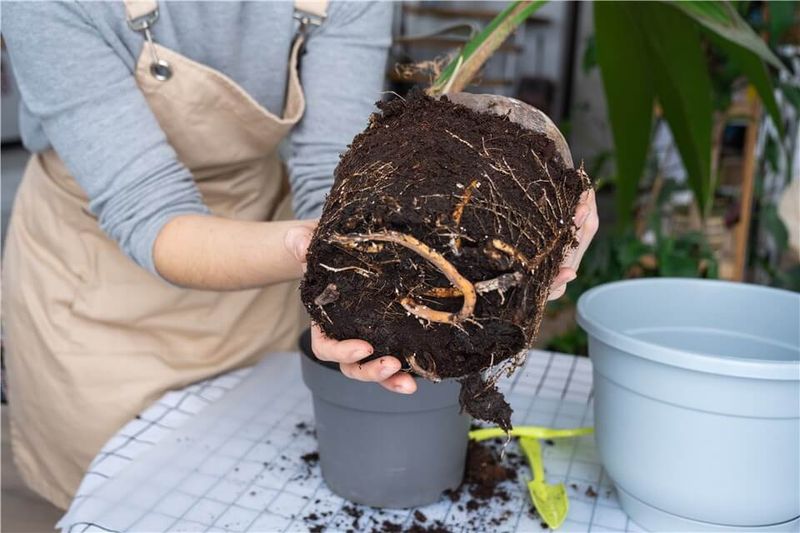
When the right time arrives, whether that is after the bloom cycle or during a genuine emergency, the container choice matters as much as the timing. Select a pot only one size larger than the current one, meaning roughly one to two inches wider in diameter.
Excess unused soil in an oversized container tends to stay wet long after watering, which raises the risk of root problems for a plant that needs good drainage to thrive.
Holiday cacti are tropical epiphytes, not desert cacti. University of Minnesota Extension recommends a porous, well-drained potting mix rather than a dense all-purpose soil.
A cactus or succulent mix works well, or you can amend a regular potting mix with perlite, coarse sand, or another material that improves aeration and drainage. Garden soil pulled from an outdoor bed is not appropriate for indoor containers because it compacts, drains poorly, and can introduce pathogens.
Penn State Extension recommends watering thoroughly after repotting to settle the mix around the roots, then letting all excess water drain completely before placing the pot back in its spot. Do not leave the container sitting in a saucer or decorative cachepot full of standing water.
Penn State’s general repotting guide also confirms that a drainage hole is non-negotiable; a pot without one makes it nearly impossible to manage moisture accurately, especially in the humid conditions common in Southern homes during warmer months.
Stabilize the plant and investigate symptoms before guessing
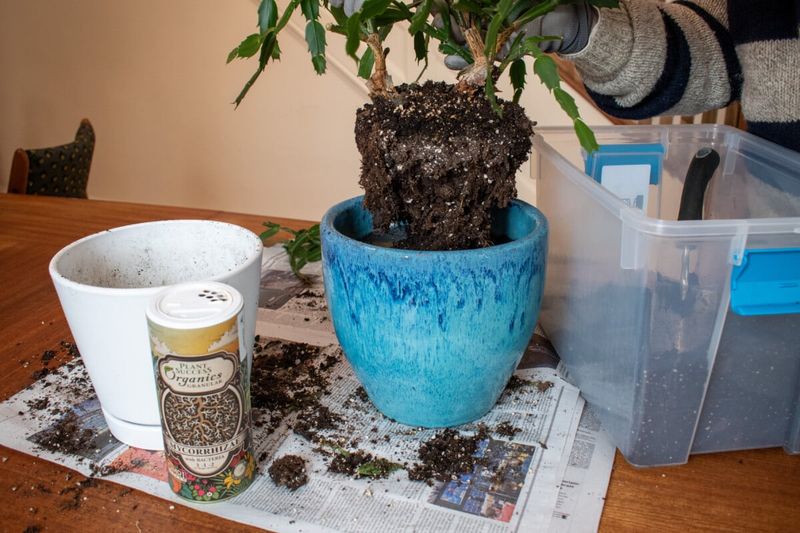
After repotting, move the plant to a shaded location for two to three days before returning it to its normal spot. Penn State Extension recommends this brief shaded rest as part of standard post-repotting care, giving roots time to begin settling into fresh mix without the added demand of processing strong light.
Resume regular care gradually rather than trying to compensate for repotting stress with extra water or fertilizer.
During budding and flowering, keep conditions as stable as possible. University of Minnesota Extension notes that sudden changes in temperature, light, humidity, or location are all documented triggers for bud drop.
Avoid moving the plant between rooms, positioning it near heating vents or cold drafts, or letting the potting mix dry out completely while buds are developing. Watering needs vary with pot size, mix, temperature, and humidity, so check the medium before watering rather than following a fixed weekly schedule.
If decline continues after repotting, check the medium and roots before labeling the problem transplant shock. University of Illinois Extension points out that drooping or wrinkled segments can result from overwatering, root rot, underwatering, or low light just as easily as from repotting disturbance.
The decision rule is simple: hold off on repotting a healthy budded plant, but address clear root or drainage failure promptly. A plant that gets the right diagnosis recovers faster than one treated for a problem it does not have.