
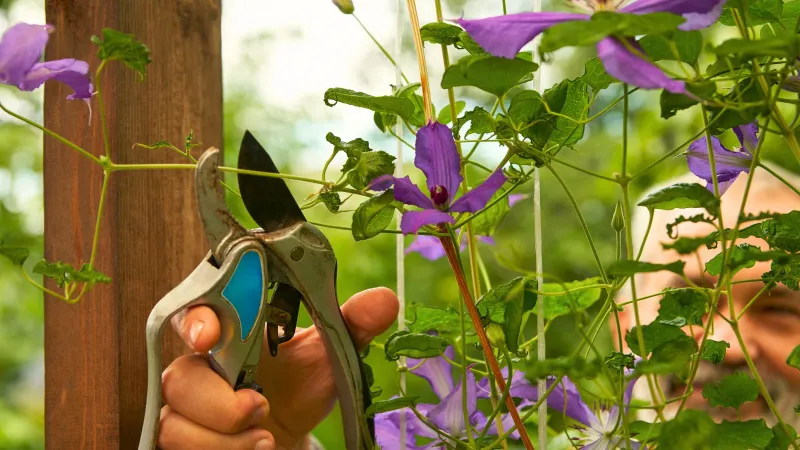
A clematis covered in lush, climbing vines but not a single bloom is one of the more frustrating sights in a Southern garden. The good news is that the fix is often simpler than you think – but it depends entirely on which type of clematis you have.
Cutting back the wrong group at the wrong time can actually make the flowering problem worse. Before you reach for the shears, here is how to figure out what your plant actually needs.
Identify the pruning group before you cut
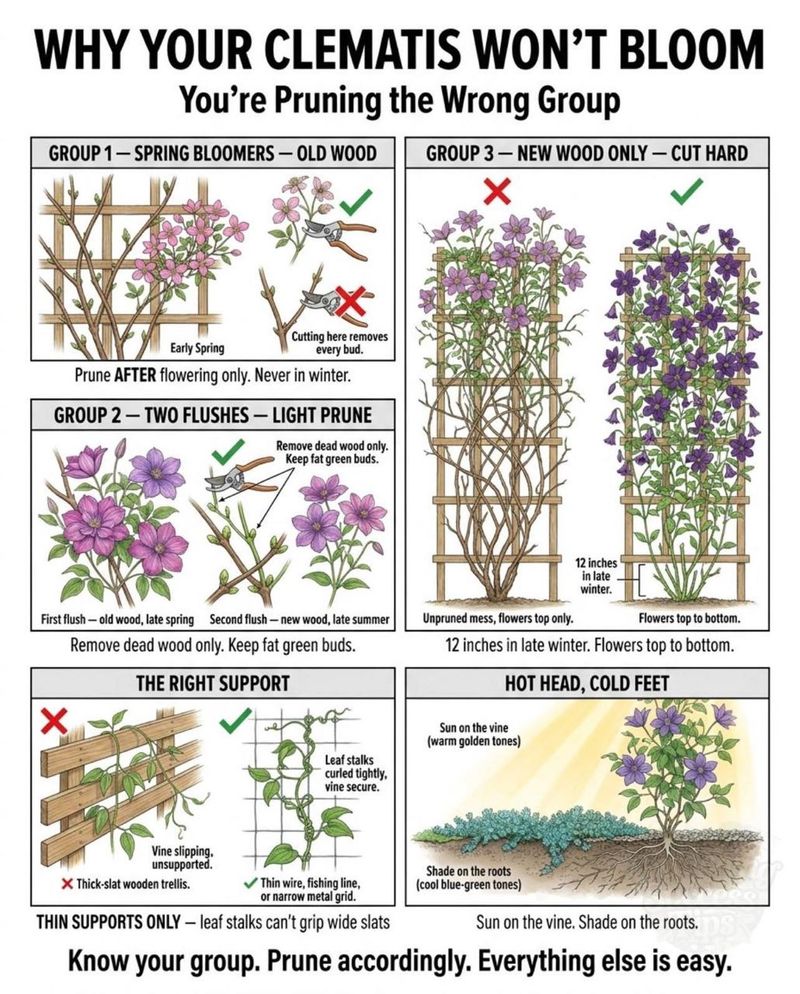
Knowing your clematis’s pruning group is the single most important piece of information you need before doing anything else. The plant’s leafy, healthy appearance tells you almost nothing about whether a hard cut is safe – only the cultivar name or bloom timing can answer that question.
According to the RHS clematis pruning guide, there are three main groups. Group 1 generally blooms in early spring on growth produced the previous season, so cutting it back in winter removes the very stems carrying this year’s buds.
Group 2 blooms mainly in late spring or early summer on older wood, often with a secondary flush later on new growth. Group 3 blooms from mid- to late summer on stems that grow in the current season, making it the only group where a hard late-winter reset makes practical sense.
Start by checking the plant’s label, the original nursery tag, or an online cultivar database. If you no longer have that information, observe when the plant blooms and on what kind of growth.
A vine that has never produced flowers – especially a recently planted one – may simply not have had a chance to show you yet. Matching the remedy to the group is the foundation of every pruning decision that follows, and skipping this step is the most common reason a well-intentioned cut makes things worse.
When a Group 3 clematis can handle a hard reset
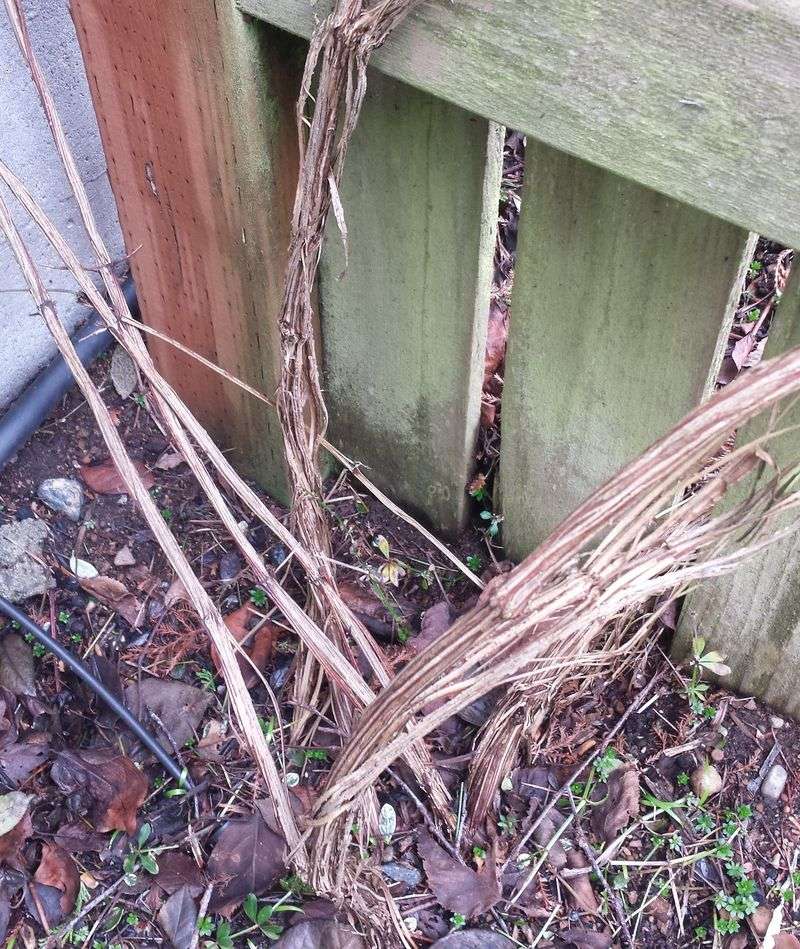
Once you have confirmed that your plant is a Group 3 clematis – one that flowers on current-season growth – a hard late-winter pruning becomes a reasonable tool, not a guaranteed cure. The goal is to remove the previous season’s tangled stems so the plant can put its energy into fresh, manageable growth that carries this year’s flowers.
Timing matters considerably. Make the cut in late winter or very early spring, before vigorous new growth begins pushing out.
In the South, that window can arrive earlier than in northern states, but you still need to account for your local freeze risk before committing. University of Illinois Extension guidance describes cutting the previous season’s stems to the lowest strong pair of buds, using approximately 8 to 12 inches as a practical height range.
Use clean, sharp pruners and wipe the blades between cuts to avoid spreading any disease.
What this pruning does is clear old growth and encourage new stems that will carry blooms later in the season. What it does not do is correct problems rooted in poor light, drought, an immature root system, or disease.
As Iowa State University Extension notes, a vine that has never bloomed may be dealing with any number of separate issues, and pruning alone cannot address those. Treat the hard reset as a conditional tool for a confirmed Group 3 plant, not as the universal answer to every flowerless vine.
Check the growing conditions before blaming the shears
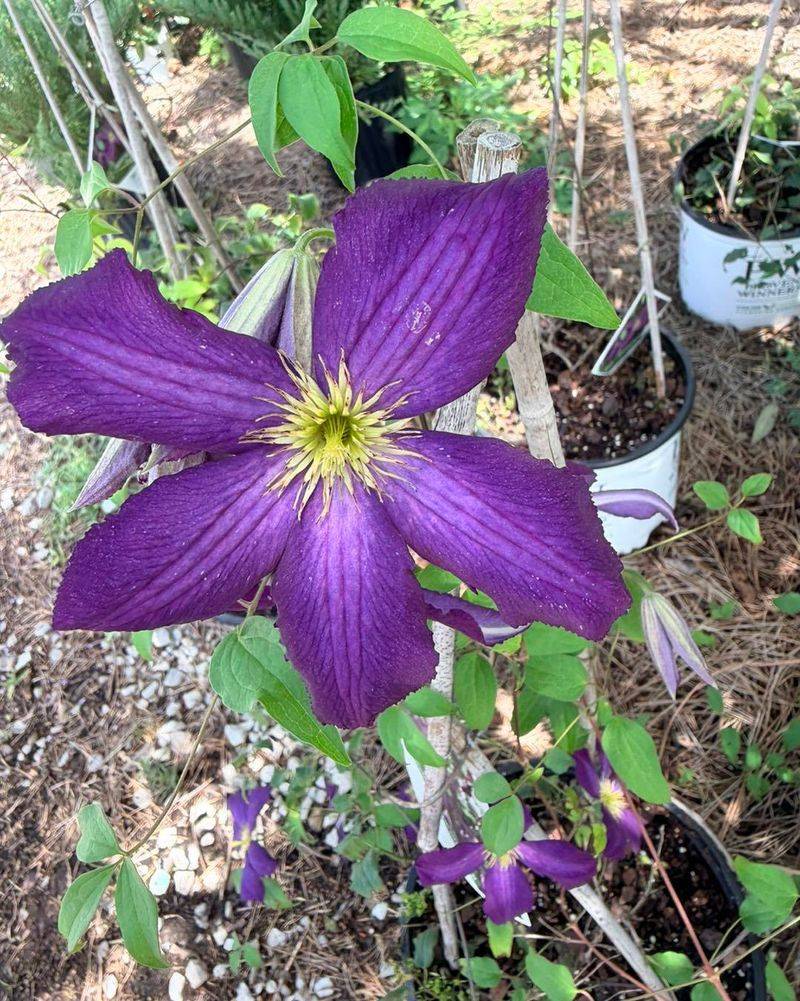
Pruning is not always the reason a clematis refuses to flower. Several other conditions can produce a vine that looks vigorous and healthy above ground while delivering zero blooms, and misreading the cause leads to mismatched remedies.
Insufficient sunlight is one of the most common culprits. Clematis generally needs about six hours of sun on its leafy portion each day for reliable flowering.
Drought stress is another factor worth examining, especially in Southern summers when soil can dry out faster than the plant can compensate. Clemson Extension points out that excessive nitrogen can push soft, lush vegetative growth at the expense of blooms – but lush foliage alone is not proof of a fertilizer problem.
Low light, wrong pruning timing, drought, winter damage, and disease can all produce the same leafy-but-flowerless appearance, so a soil test is a smarter starting point than a bag of fertilizer.
Plant age is another factor that catches many gardeners off guard. Iowa State University Extension notes that newly planted clematis may spend the first year or two focused entirely on establishing roots, and some cultivars can take up to three years to flower reliably.
Winter injury can also set a plant back even when the top growth looks fine come spring. Before you adjust the pruning schedule again, work through these other possibilities and match the response to the actual cause.
Protect the old wood on Groups 1 and 2
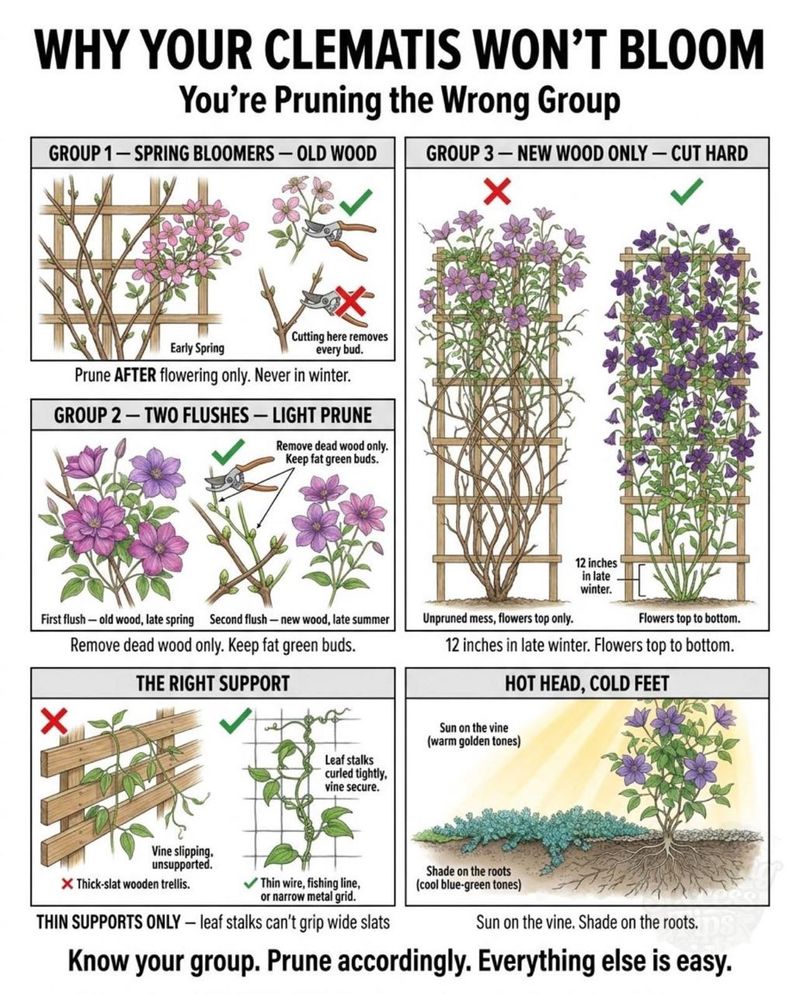
Hard pruning is not a safe move for every flowerless clematis, and applying it to the wrong group is a reliable way to lose a season of blooms entirely. Groups 1 and 2 depend on older wood for their flowers, and cutting that wood away at the wrong time removes the buds before they ever open.
Group 1 plants bloom on previous-season growth, so the correct approach is to prune them after they finish flowering in spring. At that point, remove dead, weak, or crossing stems to keep the plant tidy without sacrificing next year’s buds.
Group 2 is the group that trips up the most gardeners, because these plants can grow vigorously and still flower poorly if handled incorrectly. According to the RHS pruning guide, Group 2 clematis need light pruning in late winter – removing dead or weak stems rather than cutting the whole plant to the ground.
‘Nelly Moser’ is one of the most widely planted large-flowered hybrids and a clear example of this edge case. As the Missouri Botanical Garden plant profile explains, its main and most impressive bloom comes from previous-season stems, with a possible secondary flush later on new growth.
Cut those older stems away in late winter and you trade the main show for a smaller, delayed display at best. The lesson is consistent: identify the group first, then choose a pruning approach that respects how the plant actually produces its flowers.
Give the foliage sun and the roots relief from heat

Southern gardeners face a specific challenge that cooler-climate advice often glosses over: clematis wants sun on its stems and leaves, but its root zone suffers badly when exposed to intense reflected heat from walls, pavement, or south-facing surfaces. Getting this balance right matters as much as pruning group identification.
Aim for roughly six hours of sunlight on the leafy portion of the plant each day. Clemson Extension recommends shading the base and roots from hot afternoon sun, which in South Carolina and similar climates can otherwise bake the crown and stress the plant through the hottest months.
A two- to three-inch layer of mulch over the root zone is one of the simplest ways to hold moisture and keep soil temperatures lower. Low-growing companion plants work for the same purpose.
Both UC IPM and the Missouri Botanical Garden describe the same principle: sunny tops, cool and evenly moist roots.
Water deeply during dry stretches rather than relying on brief, shallow watering. Clemson’s guidance points to approximately one inch of water per week from rain or irrigation during dry periods, while warning against waterlogged soil that invites root problems.
On fertilizer, Iowa State University Extension recommends basing any feeding decision on a soil test rather than reaching for a high-nitrogen product in response to a leafy but flowerless vine. Excess nitrogen can encourage exactly the kind of lush vegetative growth you are already trying to move past.
Recognize problems that pruning cannot solve
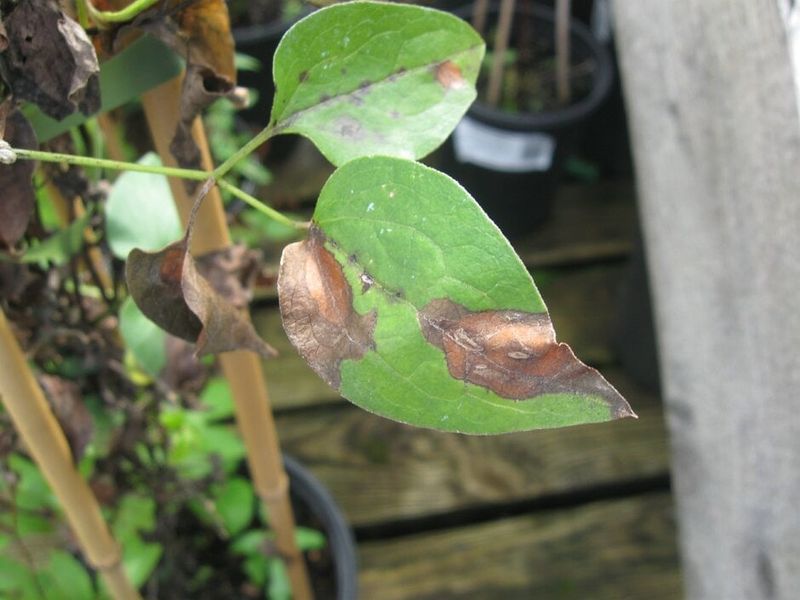
Some of what goes wrong with a clematis has nothing to do with pruning group, timing, or technique. Knowing which symptoms call for a completely different response can save you from cutting healthy wood in a search for a fix that pruning cannot deliver.
Sudden stem collapse, blackening, and wilting – especially when the damage appears right around the time buds are beginning to open – are warning signs of clematis wilt rather than a routine pruning problem. The Missouri Botanical Garden’s clematis wilt guidance advises cutting affected stems well below the diseased portion and discarding them promptly.
Do not compost the removed material, and wipe pruner blades with a disinfectant between cuts to avoid spreading the pathogen to healthy stems.
Southern gardeners who grow what they call Sweet Autumn Clematis also need to make an important identity check. North Carolina Extension’s plant profile identifies Clematis terniflora as invasive in North Carolina – aggressive, self-spreading, and not recommended for garden use in that state.
A separate Lee County Extension article reinforces that concern. Native Clematis virginiana, sometimes called virgin’s bower, is a different plant entirely and should not be confused with the Asian species.
If you are in the Southeast and unsure which one you have, confirm the botanical name before making planting or pruning decisions based on general sweet autumn clematis advice.
Make the reset a conditional decision, not a promise
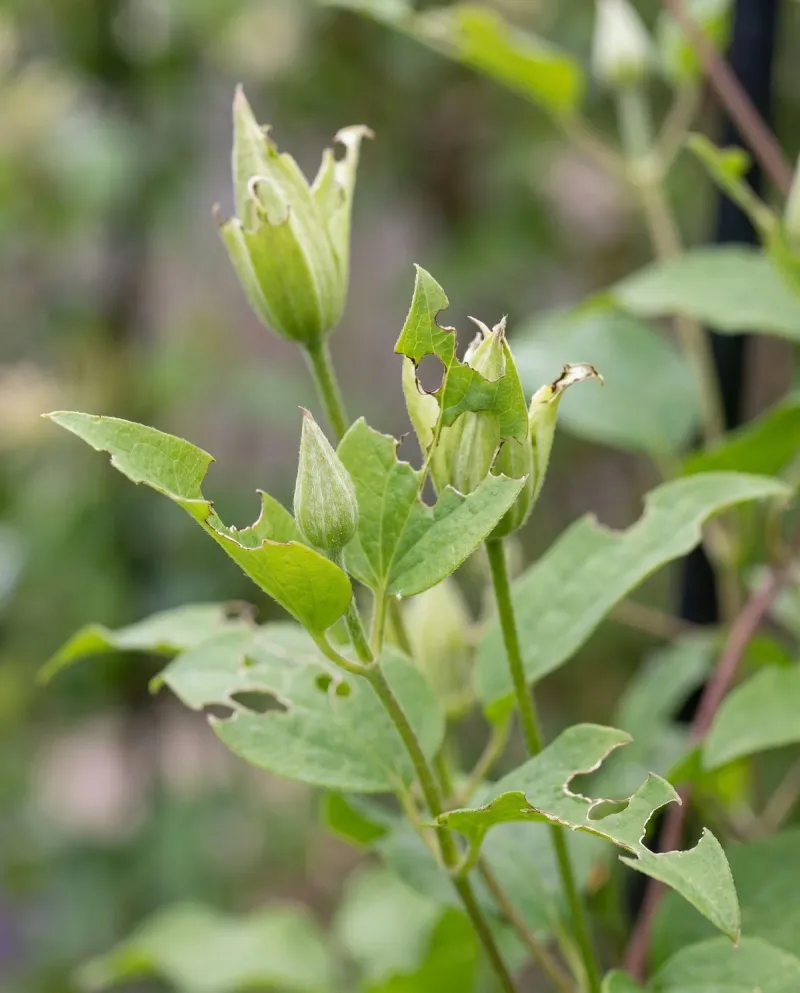
The clearest way to use a hard pruning reset is to treat it as a conditional tool with specific eligibility requirements, not a universal fix. Confirm the pruning group first.
If the plant is a confirmed Group 3 clematis and poor flowering appears connected to old, tangled growth or incorrectly retained stems, a late-winter cut to the lowest strong pair of buds – roughly 8 to 12 inches – is a reasonable response that may improve flowering on new current-season growth, as both the RHS pruning guide and University of Illinois Extension describe.
If the plant is Group 1 or Group 2, protect the old wood. If light, moisture, root-zone heat, feeding, plant age, or disease better explain the missing flowers, address those causes directly rather than defaulting to a hard cut.
Iowa State University Extension is clear that a vine that has never bloomed may have several possible explanations, and pruning alone cannot resolve all of them.
Proper pruning for an eligible Group 3 plant promotes manageable new growth and may support better flowering when pruning is actually part of the problem. A clematis that gets the right reset at the right moment, for the right reason, gives you the best realistic chance of seeing blooms – and that is a more honest promise than any one-size-fits-all cure.