
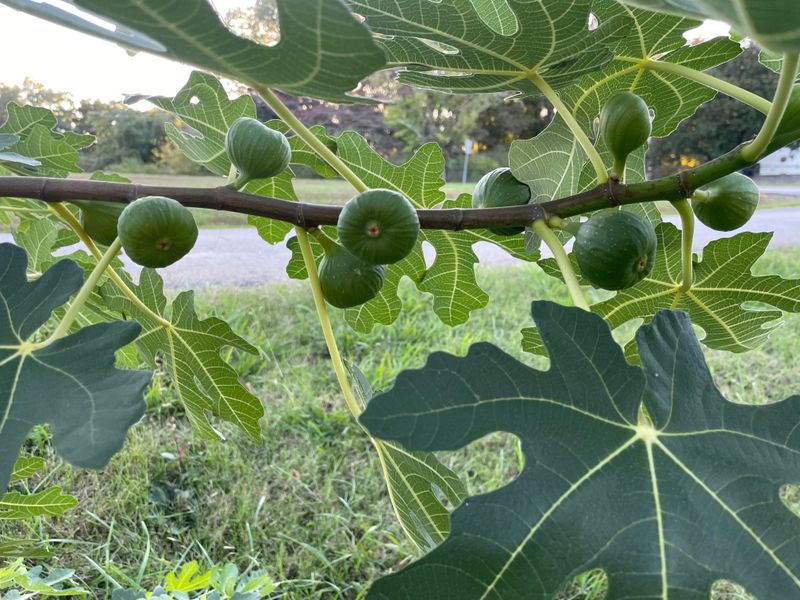
Those hard green figs hanging on your tree in late October can feel like a small mystery. Some may still finish, and some will not, and knowing the difference saves you time and worry.
A few simple checks can tell you which fruit is worth watching and which is done for the year. You can also protect next year’s crop while you sort it out.
Hard green figs picked now should not be expected to ripen indoors
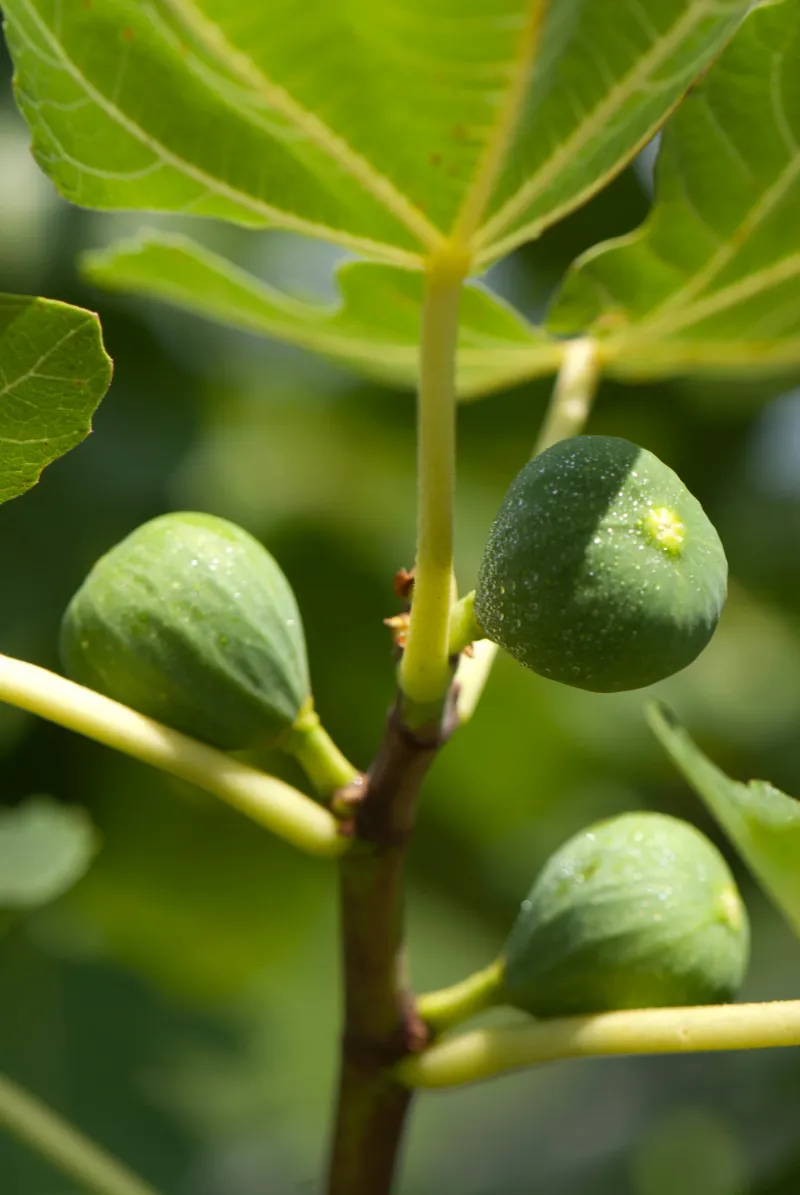
Here is the straight answer: a hard, immature fig picked today should not be expected to ripen on your kitchen counter. UC IPM guidance says figs do not ripen after picking, so the tree is where the finishing happens.
Some fruit that stays attached may still ripen if the weather stays suitable. Fig ripening can take up to two months from fruit formation, according to Clemson Extension.
Fruit that formed late may simply run out of time before cold arrives.
The LSU AgCenter also notes that figs can stay immature, so no one can promise that every green fig will finish. The good news is that a few quick checks, covered next, will show you which figs have a real chance.
How can you tell whether a fig is close to ripe?
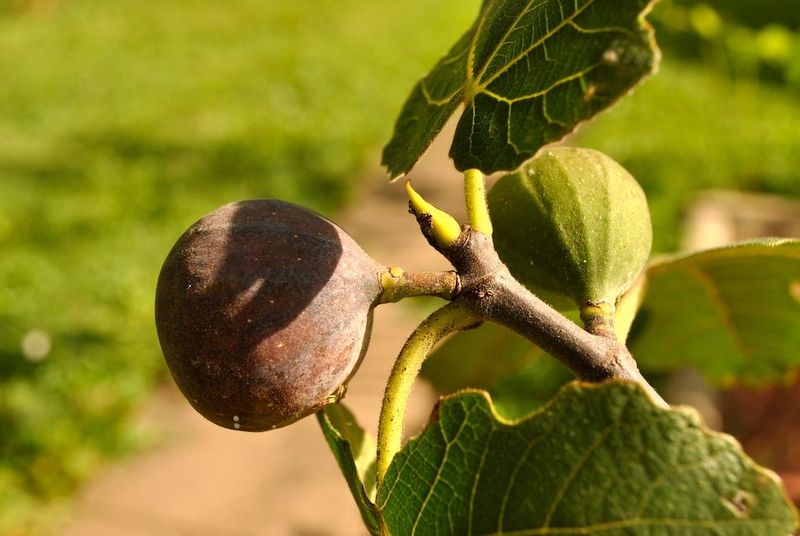
Start by looking at the whole fruit, not just its color. Ripe figs are usually larger, feel soft when you give them the gentlest squeeze, and tend to droop on the stem, as described by Clemson Extension.
Firm, upright, smaller fruit is generally still immature. If a fig feels like a small hard ball pointing up toward the sky, it has more growing to do and may not get the chance.
Color can fool you. Many cultivars change from green to brown, purple, or bronze when ripe, but some stay green even when they are ready.
UF/IFAS lists green-fruited cultivars, so a green fig that is big, soft, and hanging down may be ripe.
Use size, softness, and drooping together, and think about what your own variety normally looks like.
Cultivar and local weather matter more than the October date
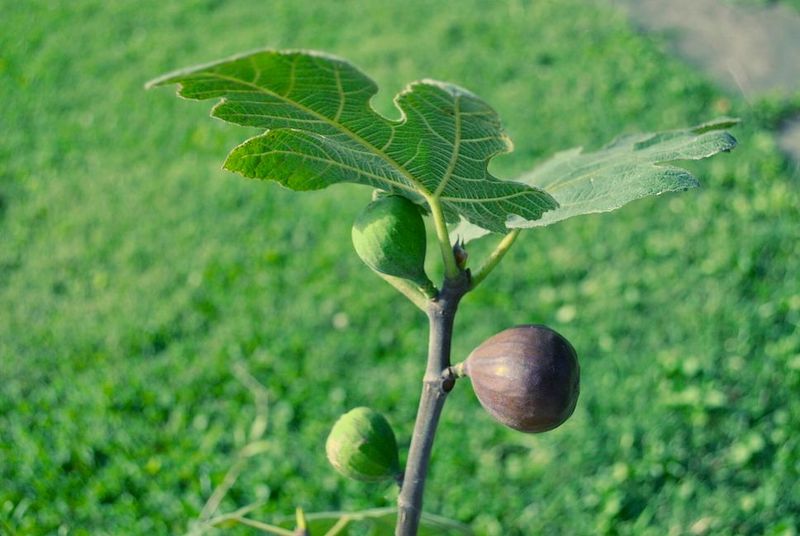
Late October means very different things in Miami, Houston, and the Texas Panhandle. A fixed calendar cutoff does not work across the South.
UF/IFAS describes a Florida ripening window that runs from July through October, so some trees are near the end of their season while others are still working. UGA Cooperative Extension adds that some cultivars ripen later than others.
Three things shape a fig’s chances: the cultivar’s normal ripening time and look, how far along the fruit already is, and the weather where you live. A big, slightly soft fig on a late variety in a mild spell has better odds than a tiny hard one on an early variety.
Figs also ripen one after another, not all at once, as noted by Texas A&M AgriLife. Keep checking promising fruit every few days instead of expecting the whole crop to finish together.
A frost forecast changes what is worth harvesting
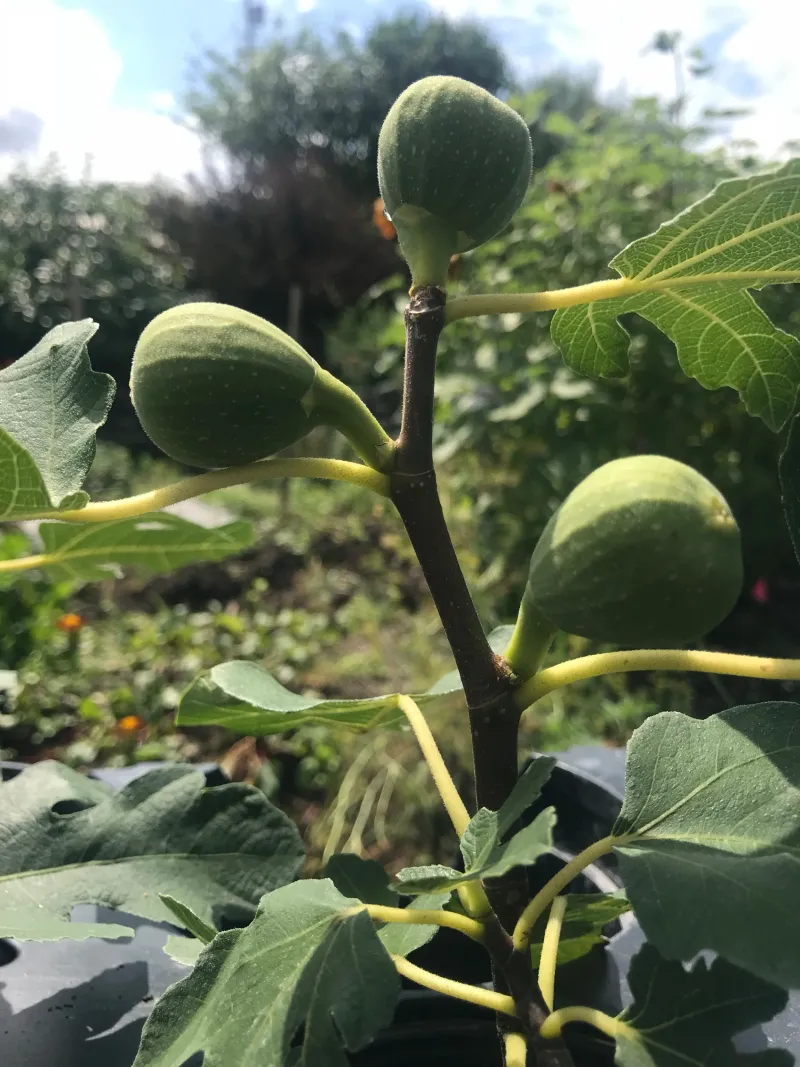
Once a damaging frost or freeze shows up in your local forecast, your priorities shift. Walk the tree and pick fruit that is already near ripe, meaning large, soft, and drooping, so it does not get lost to the cold.
UC IPM backs leaving fruit on the tree to ripen, so this step is for fruit that is nearly there.
Leave the hard, immature figs alone as far as indoor ripening goes. Picking them in hope that they will sweeten on a shelf usually ends in disappointment.
Frost protection is worth considering in colder spots, and Texas A&M AgriLife has guidance on protecting plants from frosts and freezes. Covers or a warm spell may help the tree, but neither guarantees that late fruit will finish.
Check your own forecast rather than the date, since many Gulf Coast and Florida yards go weeks longer without frost than inland ones.
Remove spent fruit without cutting back the tree
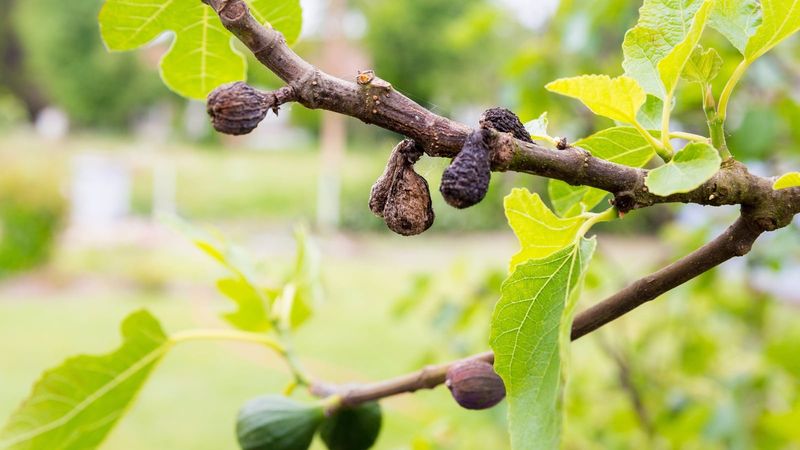
Figs that are clearly finished, shriveled, moldy, or damaged can come off the tree. Texas A&M AgriLife advises removing overripe or spoiled figs regularly, which also keeps the tree tidier.
Take only the fruit. Twist or snip the fig off at its stem and leave the branch alone, because removing fruit is not the same as pruning.
Wear gloves and long sleeves while you work. Fig latex can irritate skin, and it shows up on stems and when fruit is pulled off.
Because figs ripen at different times, make this a quick weekly walk-around. Pick up fallen fruit too, and keep sound, promising figs on the tree a little longer.
Preserve fruit-bearing wood for next year
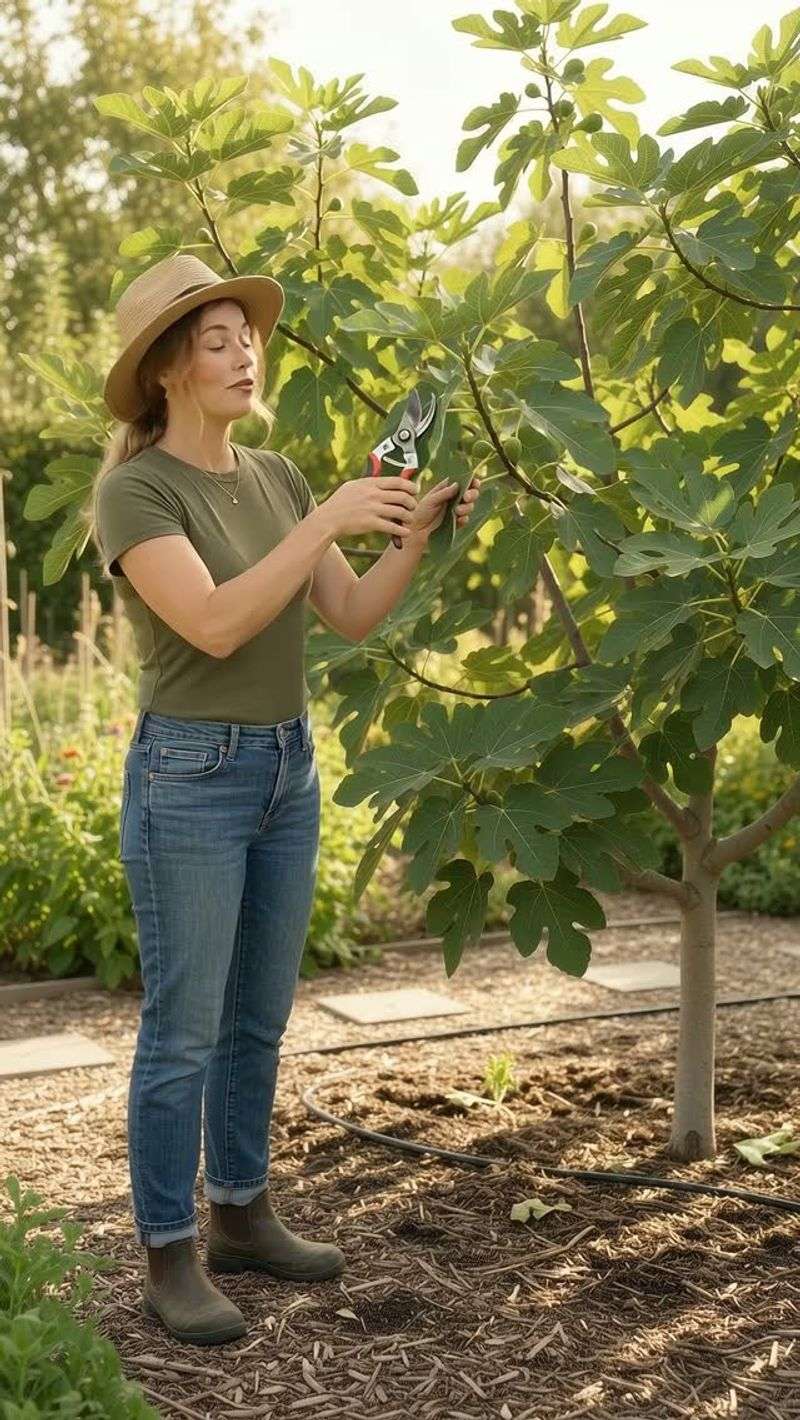
If you are tempted to cut the tree back because of leftover fruit, hold off. Taking off those figs does not hurt next year’s crop, and the sources reviewed do not show that leftover fruit does either.
The bigger risk is cutting away wood that will bear fruit.
UF/IFAS warns that heavy winter pruning can wipe out the following year’s crop. Some cultivars produce an early breba crop on last year’s wood, so hard cutting in fall or winter removes that fruit before it forms.
The main crop commonly forms on the current season’s growth, which is why pruning advice depends on your cultivar and on which crop you want. UGA Cooperative Extension covers home fig care in the South, and UC IPM explains pruning and thinning in more detail.
If you must prune, keep it light and learn your variety first.
Use the fruit, not the calendar, to make the call
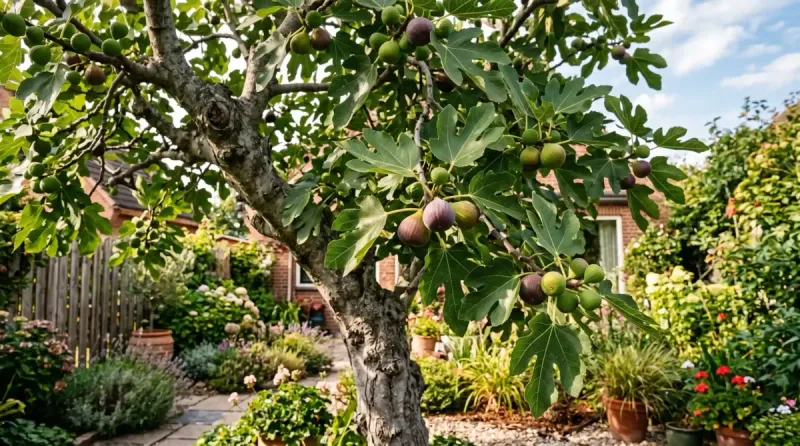
Leave promising figs on the tree while the weather stays mild, and check them often. Pick near-ripe fruit before a damaging frost, as UC IPM suggests, and clear off spent fruit by hand, as Texas A&M AgriLife recommends, with no branch pruning.
No one can promise that a particular fig will finish. The tree will show you what it can do, and the rest simply waits for next season.