
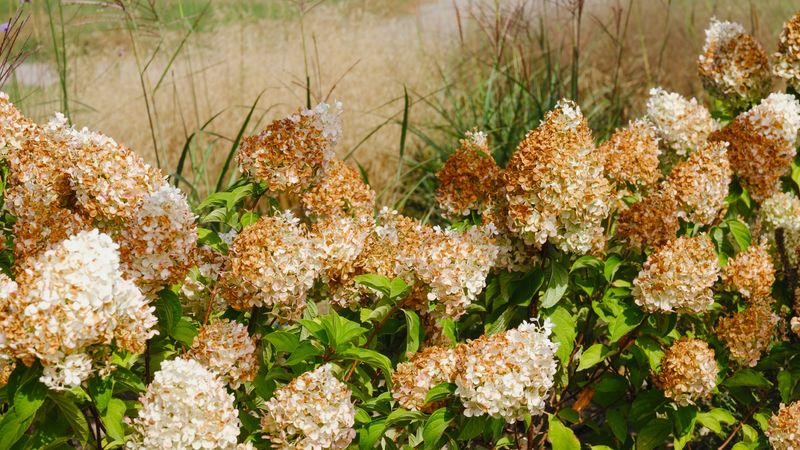
Watching a hydrangea fill out with lush green leaves while producing almost no flowers is one of the more frustrating sights in a Southern garden. Many gardeners reach for fertilizer as a quick fix, but that instinct can backfire badly during the hottest weeks of the year.
The real answer starts with figuring out why the blooms disappeared in the first place, and that diagnosis looks different depending on which hydrangea you have. This guide walks through what the heat is actually doing to your plant, what common care mistakes can silence a whole season of flowers, and how to protect the blooms that come next.
Late-summer heat may reveal—and worsen—a bloom problem
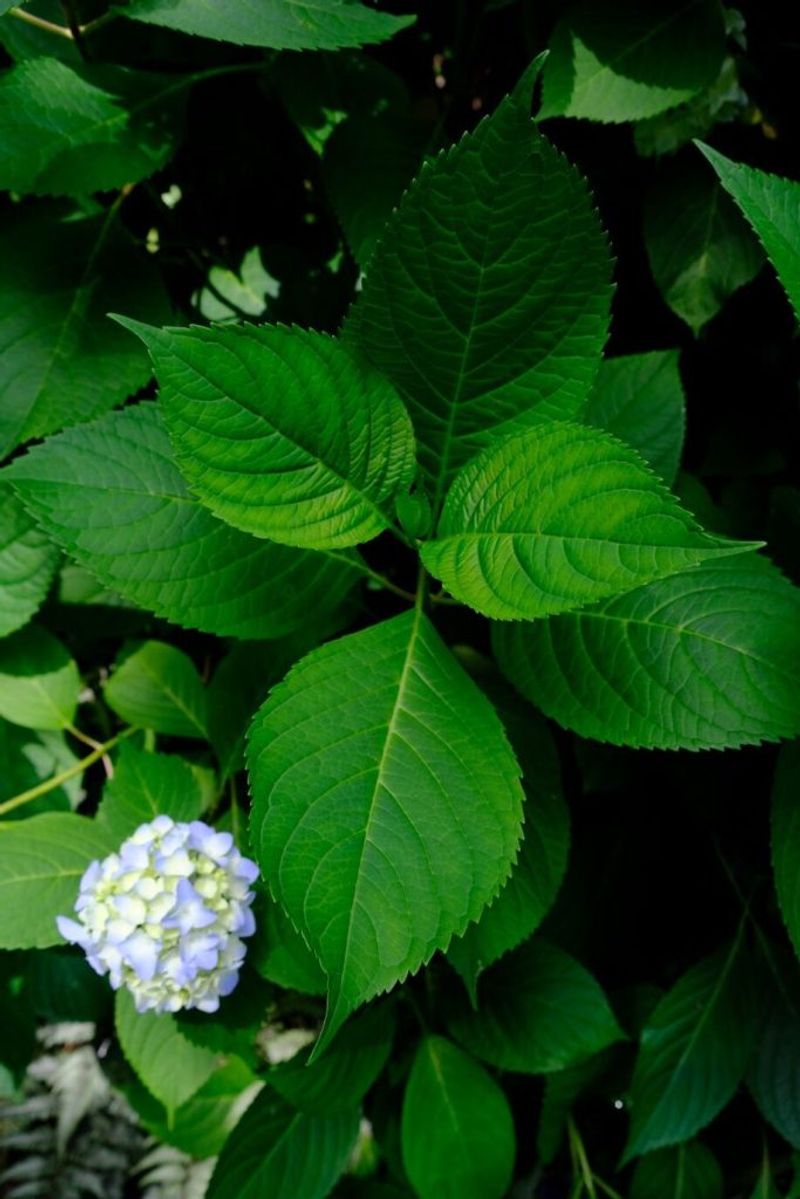
A hydrangea covered in green leaves but bare of flowers is not automatically a fertilizer problem. The plant looks alive and even vigorous, which makes the empty stems feel especially confusing.
Heat and drought stress can affect a plant’s performance, but the missing blooms may trace back to something that happened weeks or months earlier, long before temperatures peaked.
UMass Extension’s overview of why bigleaf hydrangeas fail to flower lists improper pruning, winter injury, late frost, drought history, deer browsing, poor light, plant age, and excessive nitrogen as the most common culprits. Heat and drought stress can compound those earlier problems, but they are rarely the sole explanation.
A wilting plant on a 95-degree afternoon may simply be responding to heat, not announcing a nutrient crisis.
Before reaching for any product, check the basics. Has the plant been pruned at the wrong time of year?
Did a late frost hit after the buds started swelling? Has it been browsed by deer?
Does it sit in full afternoon sun with no protection? Iowa State Extension’s hydrangea bloom FAQ reinforces that the symptom of lush foliage with no flowers rarely points to one universal fix.
Identifying the hydrangea type and inspecting its growing conditions is the right first move, not a trip to the fertilizer shelf.
The late-summer feeding reset is the wrong promise
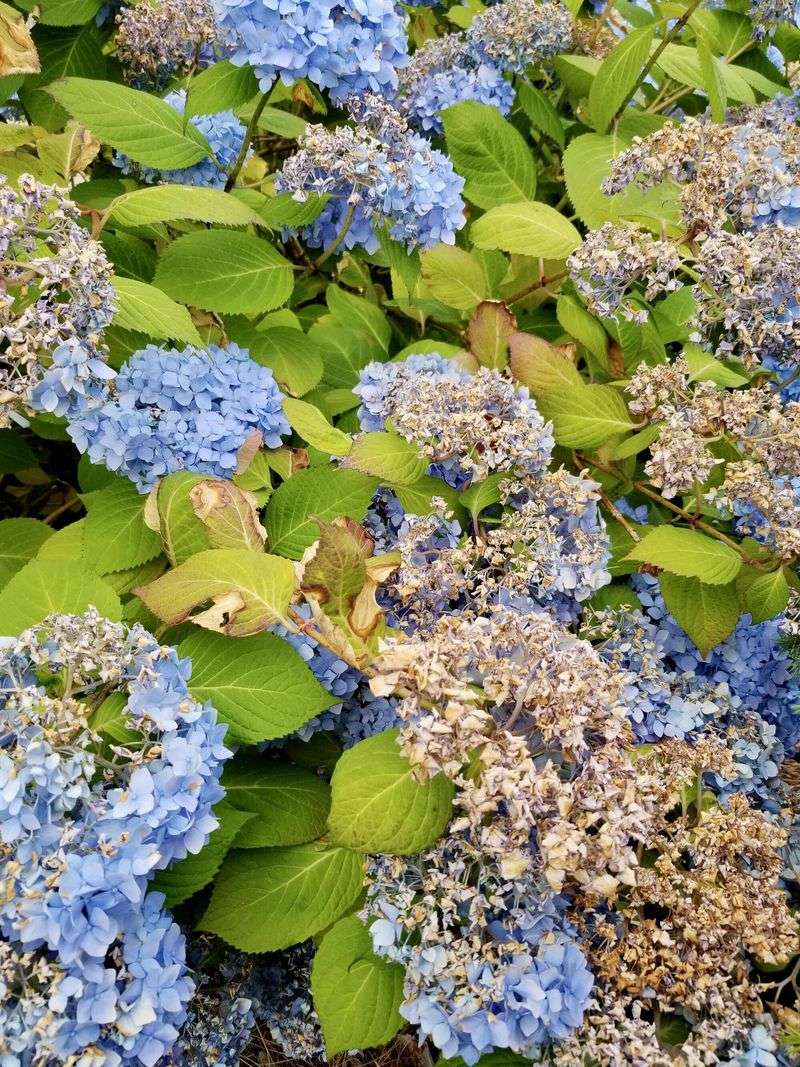
No authoritative gardening source supports the idea that one late-summer feeding can wake a nonblooming hydrangea back up. That promise oversimplifies a complicated situation and, in the wrong conditions, can make things worse.
Adding fertilizer to a plant already under heat or drought stress puts additional pressure on a root system that is working hard just to keep the foliage alive.
Oregon State Extension’s heat-stress plant guide and Ohio State Extension’s hot-weather fertilization advice both caution against feeding plants during a heat wave. Fertilizer salts can intensify stress on already-struggling roots, and pushing tender new growth during extreme heat gives that soft tissue nowhere to go but into further stress.
The UF/IFAS guidance on fertilizer application similarly emphasizes timing and plant condition over calendar habit.
There is also a structural reason the fertilizer reset cannot work for every hydrangea. Bigleaf types that bloom on old wood set next season’s buds in late summer and fall.
If those buds were removed by pruning, frost, drought, or browsing, no amount of fertilizer can recreate them for this season. Excess nitrogen may actually push more leafy growth at the expense of flowers, which is the opposite of the intended result.
The immediate, practical instruction is simple: pause any feeding plan while the plant remains heat- or drought-stressed, and do not treat fertilizer as a diagnostic shortcut.
Identify the hydrangea before choosing a remedy
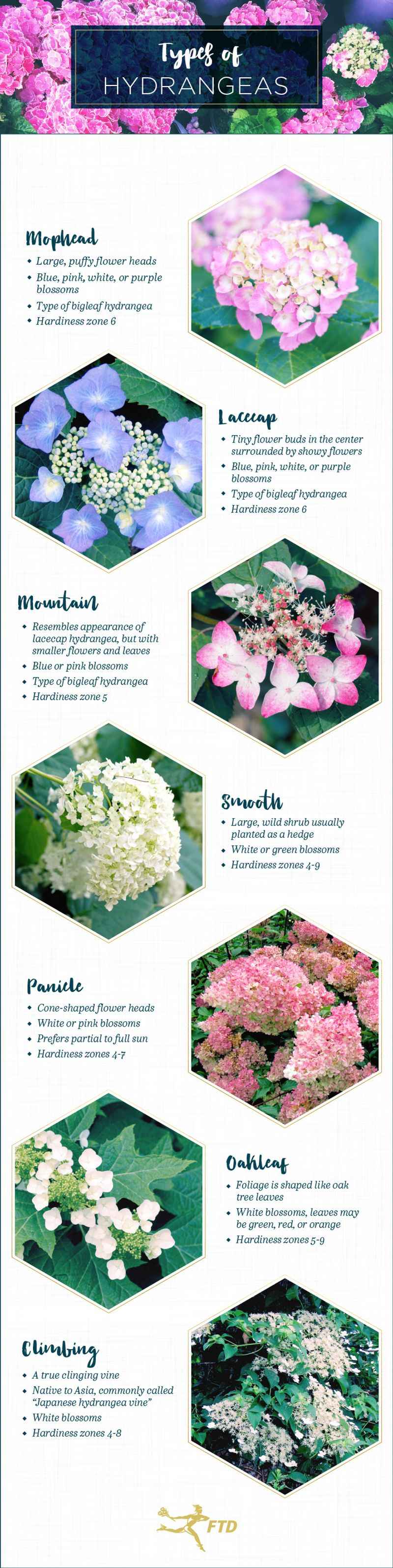
Plant identification is the decision point for everything that follows. Bigleaf hydrangeas (Hydrangea macrophylla), including the classic mopheads and lacecaps, along with mountain hydrangeas (H. serrata), typically bloom on old wood.
That means the flower buds for the coming season begin forming on stems from the previous year, usually in late summer and fall. Smooth hydrangeas (H. arborescens) and panicle hydrangeas (H. paniculata) bloom on new wood, so they can produce flowers on stems that grew during the current season.
University of Maryland Extension’s pruning guide makes this distinction clearly and explains why it changes every care decision, from pruning timing to expectations about late-season recovery. Remontant or reblooming bigleaf cultivars, such as the Endless Summer series, can flower on both old and new wood, which gives them more flexibility, but they still benefit from proper care rather than reactive fertilizing.
UConn’s hydrangea fact sheet notes that even reblooming types perform best when the plant is healthy, not just fed.
Check the plant tag if you still have it, or contact the nursery where you purchased the shrub. A quick visual check of leaf shape and flower form can narrow things down, but it may not confirm the exact cultivar.
Knowing whether your hydrangea is an old-wood or new-wood bloomer determines whether late-summer care can affect this season’s flowers at all, or whether the goal is simply protecting what comes next year.
Stabilize moisture, drainage, and afternoon exposure
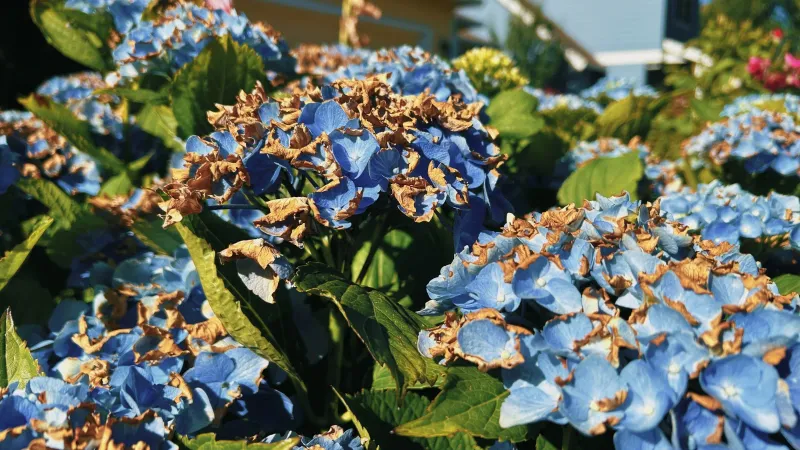
When a hydrangea is struggling in late-summer heat, moisture management and light protection are the most immediate tools available. Start by checking the soil before turning on the hose.
Bigleaf hydrangeas can wilt dramatically during hot afternoons even when the soil holds plenty of moisture, and watering a plant that already has wet roots can cause more harm than the wilting itself. Push a finger two inches into the soil near the root zone.
If it feels damp, the plant may be reacting to heat, not drought.
UConn’s hydrangea care fact sheet describes roughly 1 inch of water per week under normal conditions, rising to 2 inches during hot, dry periods. Alabama Cooperative Extension and Oregon State Extension’s heat-wave plant guide both recommend deep, infrequent watering over shallow daily sprinkles.
Water deeply at the root zone and let the top inch dry slightly between sessions to avoid waterlogged conditions that damage roots.
A 2- to 3-inch layer of mulch spread over the root zone can help retain moisture and buffer soil temperatures. Clemson Extension’s South Carolina hydrangea care sheet recommends keeping mulch pulled back from direct stem contact to prevent rot.
For placement, UF/IFAS advises that French hydrangeas in Florida do best with morning sun and afternoon shade in moist, well-drained soil. That same principle applies broadly for bigleaf types across the Southern states.
Too much shade, though, can reduce flowering, so the goal is filtered or morning light rather than dense, all-day shade.
Pruning history often explains an empty flower display
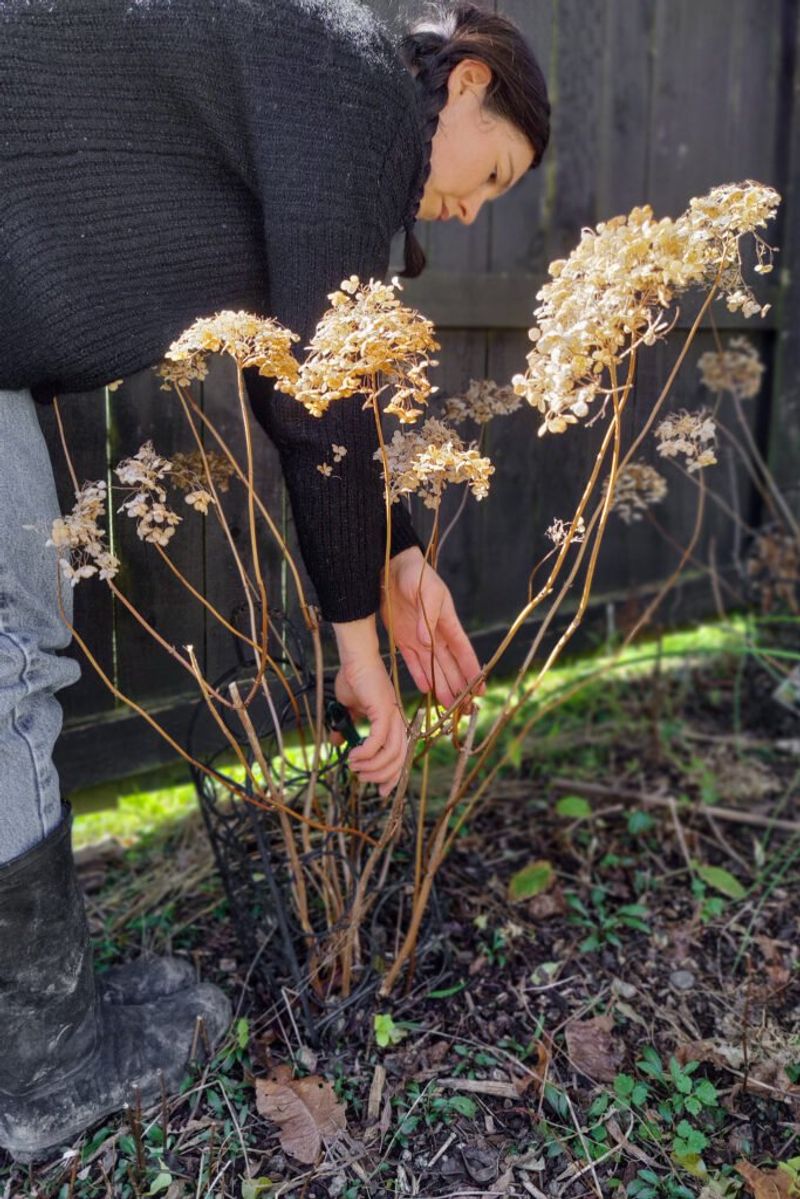
Walk back through the last twelve months of care before blaming heat or nutrients for a flowerless hydrangea. For bigleaf and mountain types that bloom on old wood, pruning in late summer, fall, or early spring removes the very stems that carry next season’s buds.
A well-intentioned fall cleanup or an aggressive spring shaping can wipe out an entire year’s flower display. University of Georgia Extension’s hydrangea publication identifies improper pruning as one of the most common reasons bigleaf hydrangeas fail to bloom.
Winter injury and late frost can produce the same result without a single cut being made. If the previous winter was unusually cold or a late frost arrived after buds began swelling, the developing flower tissue may have died while the plant survived and leafed out normally.
Deer browsing can remove bud-bearing stem tips just as effectively as a pair of pruning shears. Clemson Extension’s pruning guide and University of Maryland Extension both recommend that gardeners with nonreblooming bigleaf hydrangeas avoid pruning except to remove clearly dead wood, and to do that in late spring after new growth confirms what is alive.
Smooth and panicle hydrangeas follow a different rule. Because they bloom on new wood, late-winter or early-spring pruning is generally appropriate and may even improve their flower display.
UF/IFAS notes that oakleaf hydrangea also blooms on old wood, so Florida gardeners with oakleaf types should prune only immediately after flowering. For reblooming cultivars, careful deadheading with tip cuts after the first flush may encourage another round of flowers, but that is a selective trim, not a hard pruning, and it does not guarantee a second bloom.
Read the symptoms before diagnosing a nutrient problem
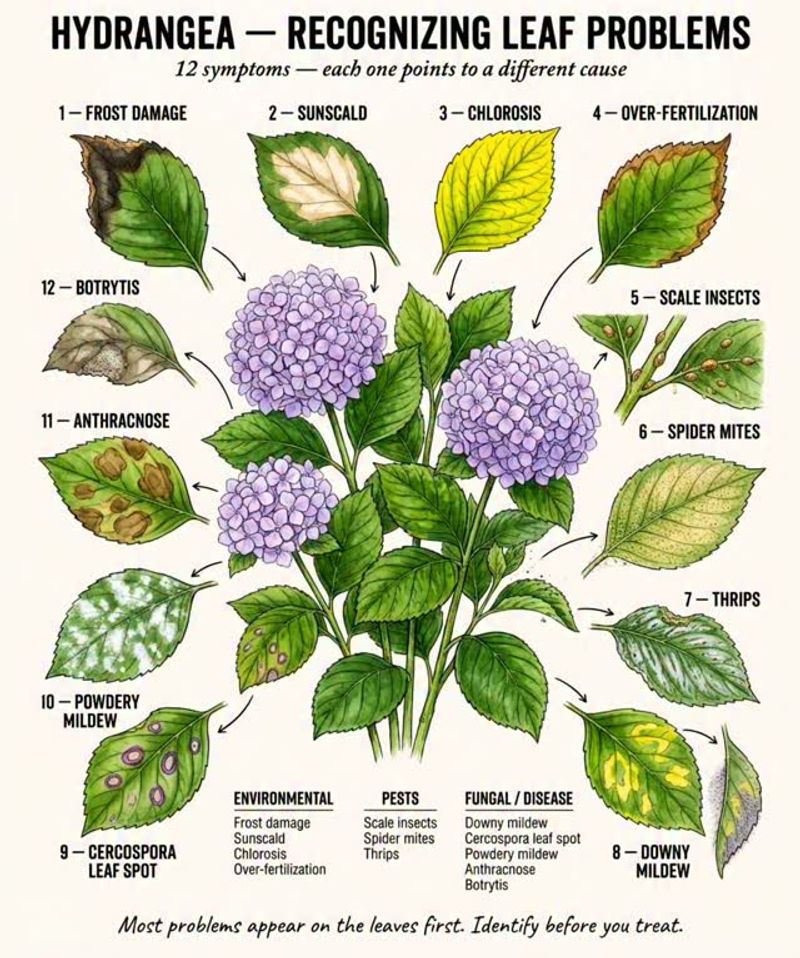
A structured look at the plant beats a guess every time. Start by watching the hydrangea through the day.
If leaves wilt in the afternoon but the plant looks recovered by the following morning, heat stress is the more likely explanation than drought or nutrient deficiency. Alabama Cooperative Extension and University of Maryland Extension’s hydrangea problem guide both note that afternoon wilting in bigleaf hydrangeas can occur even when soil moisture is adequate.
Next, check the stems. Are any tips broken, browsed, or showing dead wood?
Has the plant been recently pruned, or did it come through a hard winter? Look at the light exposure.
A plant baking in full afternoon sun in a Florida or Texas summer is fighting conditions that even a healthy hydrangea struggles to handle. UConn’s hydrangea fact sheet cautions against reading yellow leaves as automatic proof of nitrogen deficiency.
Yellowing can reflect iron availability, soil pH, root damage from overwatering, disease, or other causes that fertilizer will not correct and may worsen.
Soil pH is worth understanding in context. For bigleaf and mountain hydrangeas, pH primarily affects flower color, shifting blooms between blue and pink.
UMass Extension’s hydrangea color and fertilizing guide makes clear that pH adjustment changes color, not whether the plant blooms at all. Fertilizer should address a confirmed need, not substitute for identifying what is actually wrong with the plant.
Feed only after the plant recovers and evidence supports it
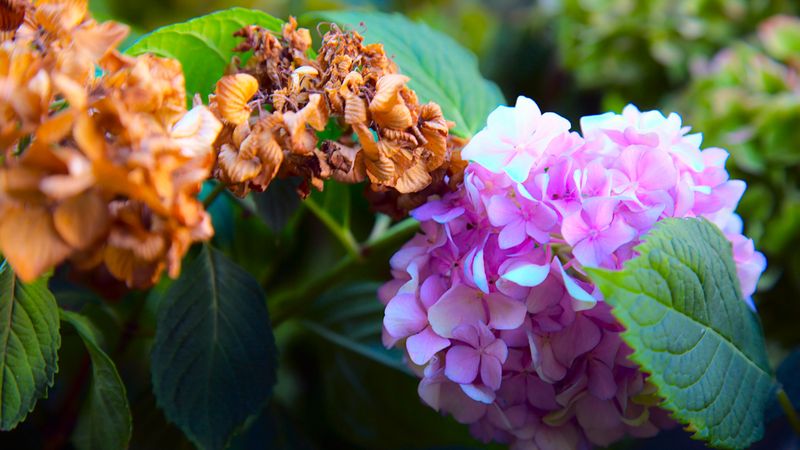
Fertilizer has a legitimate role in hydrangea care, but that role is narrow and conditional. The plant needs to be out of active heat or drought stress before any feeding makes sense.
Applying fertilizer salts to struggling roots can intensify injury rather than aid recovery. Water the soil thoroughly before any application, and follow the product label for rate and timing.
UMass Extension recommends spring fertilization for bigleaf and mountain hydrangeas and a general-purpose product at label rates for other types. Clemson Extension’s South Carolina care guide gives an example of light applications in March, May, and July for bigleaf hydrangeas in that climate.
UConn’s fact sheet notes that fertilizing after mid-August is generally not recommended for northern gardens. These are not contradictions; they reflect real differences in climate, cultivar, and soil.
No single date applies everywhere in the South.
A soil test is the most reliable way to know whether feeding is warranted at all. Excess nitrogen pushes leafy growth at the expense of flowers.
High-phosphorus bloom boosters are not a universal solution and can interfere with the blue coloration in bigleaf hydrangeas. Aluminum sulfate, sometimes used to shift pH and flower color, can injure roots if misapplied.
University of Maryland Extension reinforces that soil testing and label compliance matter before adding any amendment. When in doubt, doing nothing while the plant stabilizes is safer than applying a product based on a guess.
Protect the next bloom cycle with a diagnosis-first reset
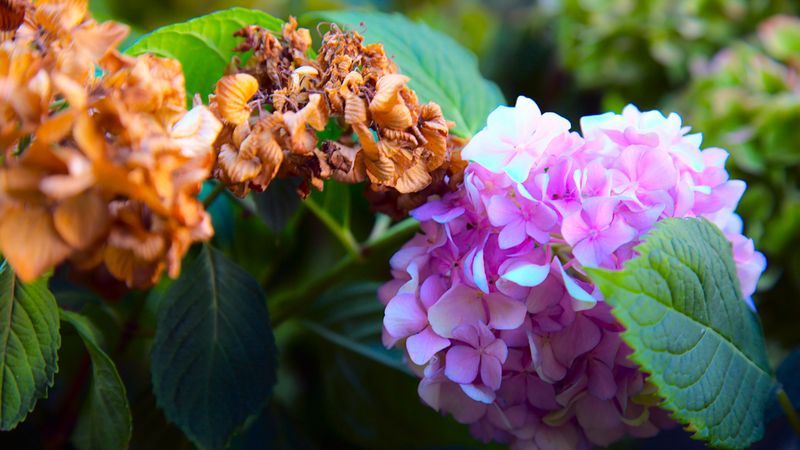
The most reliable habit for a nonblooming hydrangea is not a specific fertilizer. Stop automatic feeding while the plant is under heat or drought stress.
Confirm soil moisture and drainage before watering, improve mulch coverage to buffer root-zone temperatures, and position or protect the plant from intense afternoon sun where that is possible. Identify the hydrangea type so you know whether this season’s flowers can still be recovered or whether the goal is protecting next year’s buds.
Avoid any pruning beyond removing clearly dead wood until you understand what the plant blooms on and when. Reserve fertilizer for a demonstrated need at a time when the plant is stable, the soil has been tested or a deficiency clearly identified, and conditions allow safe absorption.
Oregon State Extension’s heat-wave plant guide, University of Maryland Extension’s pruning resource, and UMass Extension’s guide on why bigleaf hydrangeas skip flowering all point toward the same principle: consistent, condition-aware care outperforms reactive product applications. Some flowers lost this season to pruning, frost, drought, or browsing cannot be brought back.
The plant that gets steady moisture, appropriate light, and a hands-off approach during stress is the one most likely to open flowers when the heat finally breaks.