
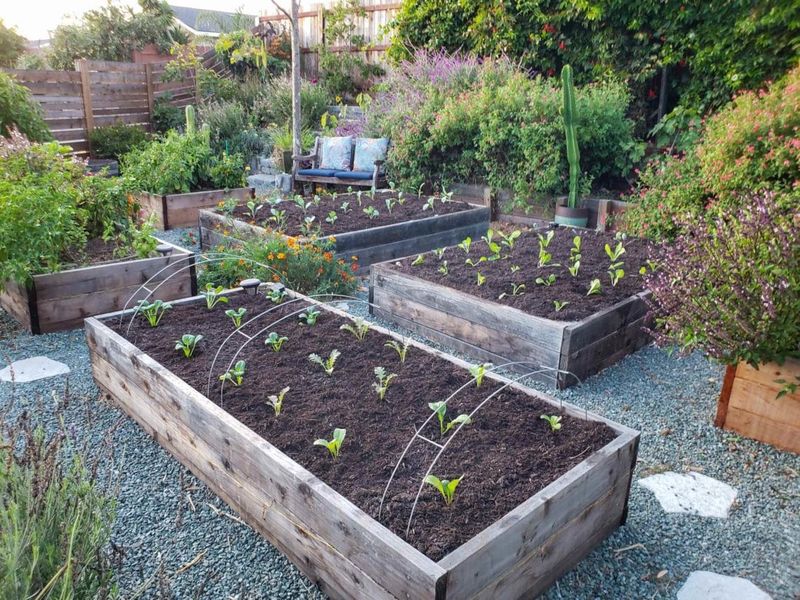
Did your raised bed sink a few inches over the summer, or did your tomatoes and peppers fall short? Many Southern gardeners see the same thing and assume the soil is finished.
A sunken bed and a weak harvest each have several possible causes, and the fix is often smaller than a full rebuild. A little checking now can help you decide what, if anything, your bed needs this fall.
Why does the bed look lower?
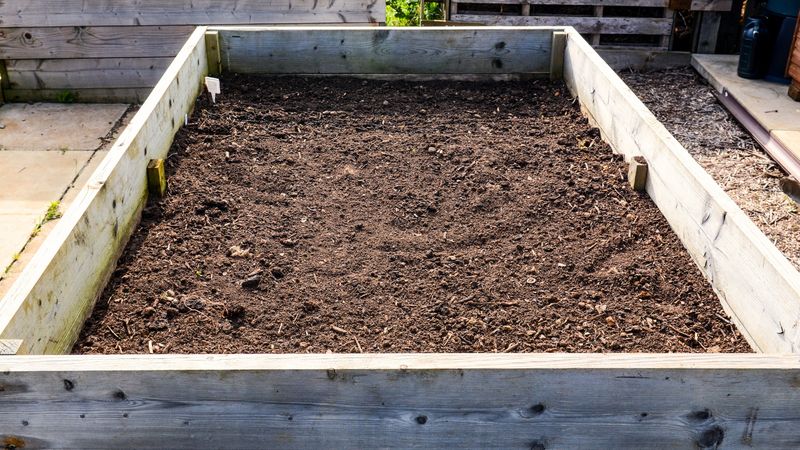
Soil that sits a few inches below the top board is a common sight by the end of summer. Compost and other organic matter break down over time, and as they do, the bed loses volume.
Illinois Extension notes that beds settle and need topping up now and then.
Think of it like a loaf of bread that has been pressed down. The material is still there, just packed tighter and sitting lower.
Heavy rains and regular watering add to the effect.
A lower soil line does not prove the soil has failed. It tells you the bed has lost height, nothing more.
That makes topping up a possible response, rather than tearing everything out and starting over.
Before you buy a single bag, measure how far the soil has dropped and look at how the soil feels. Is it loose and crumbly, or hard and crusted?
Those notes will guide the rest of your plan.
A poor harvest does not diagnose the soil
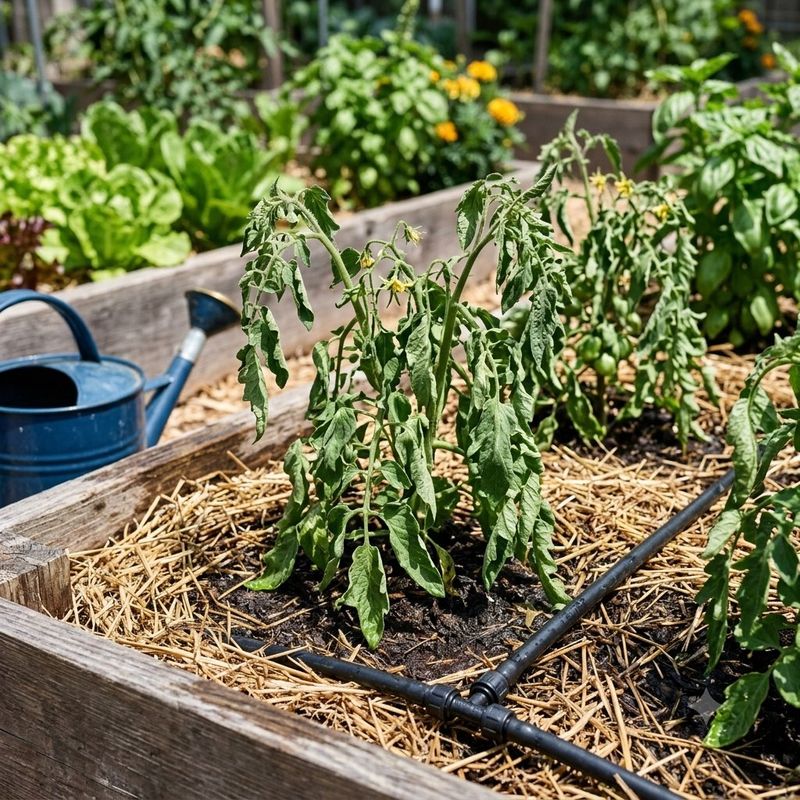
A thin crop of tomatoes or peppers is discouraging, and blaming the soil is a natural first thought. Still, many things can hold back production.
Heat is a big one, and UF/IFAS tomato guidance points out that high temperatures can interfere with fruit set.
Water stress is another common cause. UF/IFAS irrigation guidance explains that plants short on water can wilt and drop flowers or fruit.
Raised beds dry out quickly, so uneven watering is easy to miss.
Root problems can also fool you. Texas A&M AgriLife notes that nematodes and similar issues can look like water or nutrient stress.
So look at the bed before choosing a fix. Pull a struggling plant and check for knotted or swollen roots, note when flowers dropped, and think back on how hot and dry the weather ran.
Soil may be part of the story, but it may not be the whole story.
Test before you amend
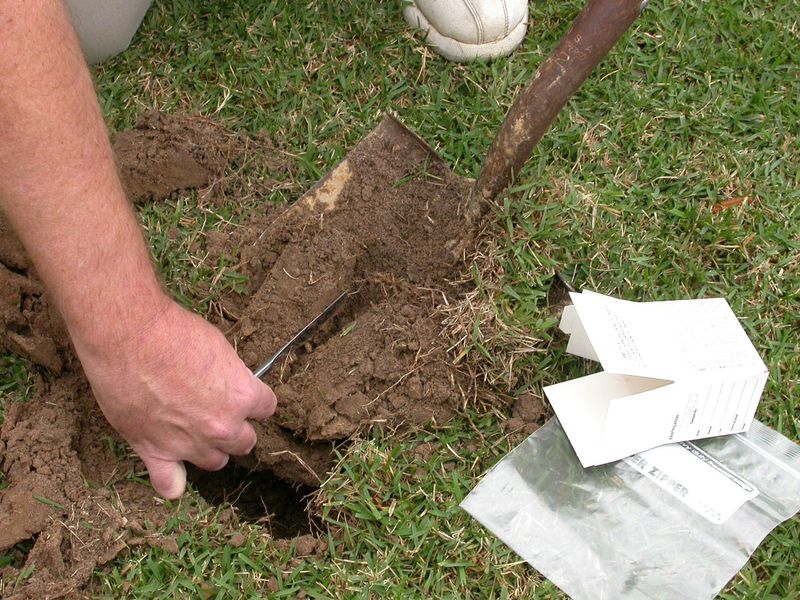
Guessing at what a bed needs can waste money and sometimes cause problems. A soil test gives you actual numbers for pH and nutrients, so you add only what is missing.
Take it before you reach for fertilizer, lime, or a lot of extra compost.
The right test depends on where you live and what is in the bed. Florida gardeners should choose the Landscape and Vegetable Garden test rather than a commercial crop code, as laid out in UF/IFAS soil test information.
The Florida vegetable gardening guide also recommends checking soil pH.
Texas gardeners can send samples to the Texas A&M AgriLife Soil Testing Laboratory, which provides nutrient and pH analyses.
If your bed is filled mostly with soilless media rather than garden soil, a standard soil test may not fit. Florida materials separate landscape and vegetable garden tests from container-media tests, so check which one matches your mix.
Restore the bed’s volume without replacing everything
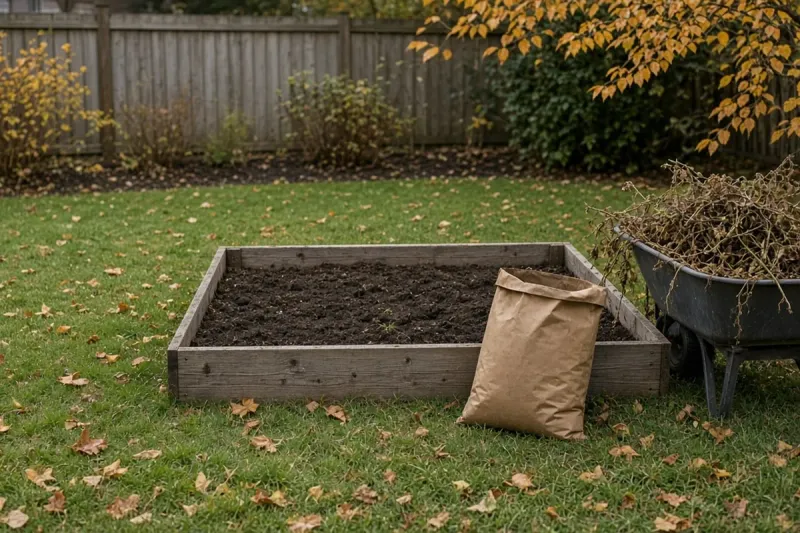
If the bed has dropped, the usual remedy is to add back what was lost. Fill the gap with clean, suitable soil and finished compost, and blend it lightly into the top layer.
Illinois Extension describes topping up beds over time as part of normal upkeep.
You will not need to haul out the old soil. It still holds roots, microbes, and structure, and a test can tell you whether anything beyond volume is lacking.
Be careful with recipes. Penn State Extension suggests about 70 percent soil and 30 percent compost for filling a raised bed in the first place.
That mix suits a new bed, and it is not a formula to repeat every year on an established one.
Add in stages instead. Replace a few inches, water it in, and see where the level settles before adding more.
Use compost and fertilizer sparingly
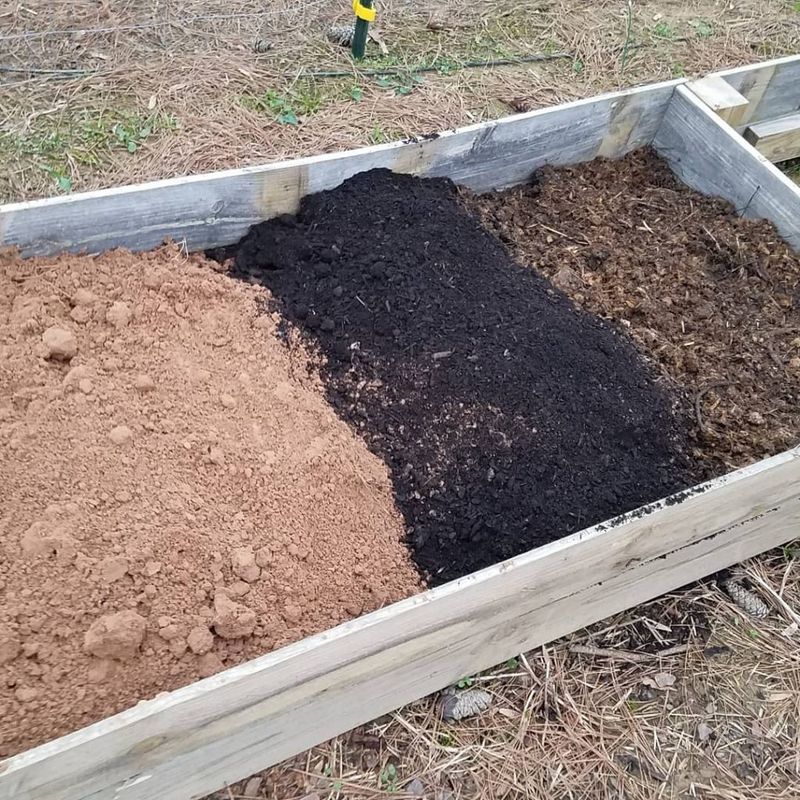
Let your test results steer nutrient choices. If the report shows enough of a nutrient, skip it.
UF/IFAS raised bed guidance says compost can go in raised beds, while a soil test shows whether something like phosphorus is actually needed.
More compost is not always better. Penn State Extension warns that excess compost nutrients can run off or leach into water.
Choose finished compost that looks dark and smells earthy. The Florida vegetable guide advises composting raw materials first, or mixing them into soil at least a month before seeding.
It also gives a longer wait before harvest for manure, so avoid fresh manure close to planting or harvest.
Skip lime and fertilizer unless a test points to a need. Habit-based additions can throw off pH and nutrient balance.
Fall beds in Texas and Florida may still be growing
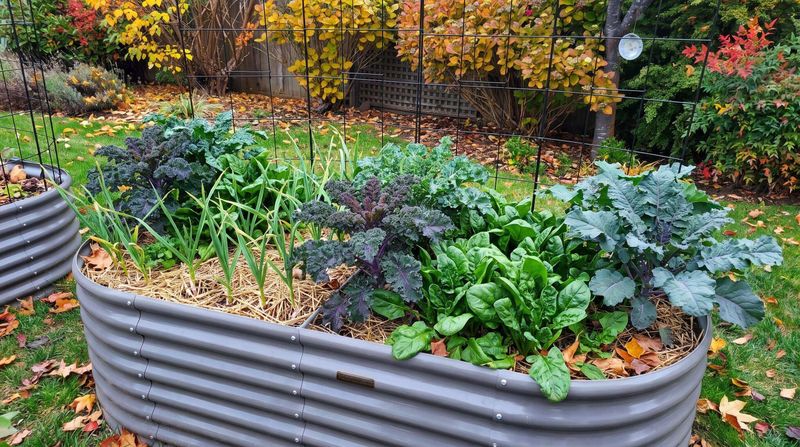
Down South, fall is often another planting season rather than a time to rest the bed. Cool-season crops like lettuce, broccoli, and kale can go in while days are still mild.
Clearing everything out by habit could waste good growing time.
Timing varies a lot by region. The Texas A&M AgriLife fall guide lists different planting dates across five regions of the state.
In Florida, the UF/IFAS vegetable guide notes that vegetables can be grown year-round when planted at suitable times.
Look up your local window, then work around what is growing. Top up empty corners, or refresh a section once a crop finishes, rather than disturbing plants that are still producing.
If peppers are still setting fruit in your area, leave them be and plan the refresh for the next open space.
Keep the soil covered and follow a measured plan
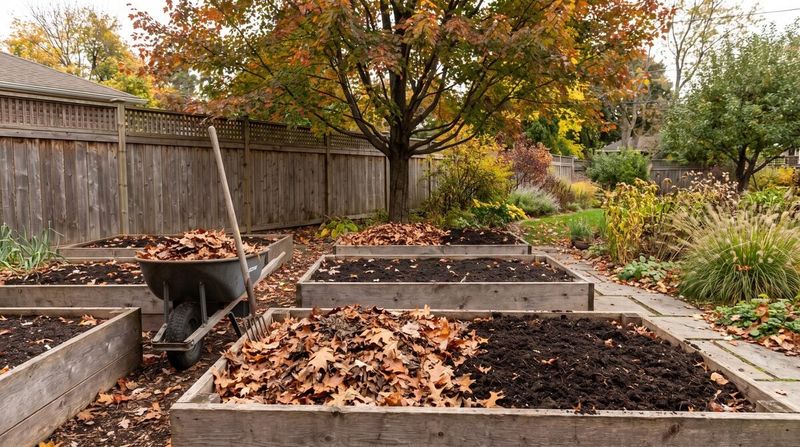
Once the bed is topped up, cover it. Mulch helps hold moisture and shields bare soil.
UF/IFAS notes that raised-bed soil warms and dries faster than ground-level soil, so steady watering matters, especially in dry stretches.
Check moisture a couple of inches down rather than judging by the surface. Water deeply when it feels dry, and adjust as the weather cools.
The plan itself is simple: assess the bed, test the soil, and top up only as needed. Doing so may leave you with a better-prepared bed, though it cannot promise any particular spring harvest.
A bed that sinks is just telling you it has been working.