

Coneflowers are supposed to be tough, cheerful, and nearly impossible to kill in a North Carolina yard. Yet plenty of gardeners across the Piedmont, coastal plain, and mountains watch theirs sulk, rot, or fade away no matter how much love they give.
The truth is that the spot matters more than the effort, and a few sneaky trouble zones set these native-friendly bloomers up to fail. Once you learn where coneflowers struggle, you can move them to happier ground and finally enjoy the pollinators, goldfinches, and easy color they promise.
1. Low, Soggy Clay Pockets in the Piedmont

Piedmont red clay looks harmless until a summer downpour turns it into a bathtub. Water sits on top of that dense soil for hours, and the low spots in your yard become tiny ponds that never seem to drain.
Coneflowers have deep taproots that hate wet feet. When those roots sit in soggy clay, they rot from the bottom up, and the plant slowly yellows even while you keep watering it out of worry.
If a spot stays muddy a day after rain, that is your clue. Raise the bed six to eight inches, mix in coarse grit or compost, or simply move the plant to higher ground.
A gentle slope drains far better than a flat clay bowl, and the coneflower will thank you with sturdier stems.
2. Deep Shade Under Oaks and Pines

Tucking coneflowers beneath a big shade tree feels smart in the July heat, but these plants are prairie natives that crave full sun. In too much shade, they stretch tall and floppy, reaching for light that never fully arrives.
Blooms shrink to a handful of sad, small cones, and the pollinators you hoped to feed mostly pass them by. Bees and goldfinches follow the sun, and so do coneflowers.
Aim for at least six hours of direct light a day. If your yard is mostly wooded, save the shady corners for native woodland plants and give coneflowers the open, sunny edge where they can actually shine.
3. The Baking Strip Beside the Driveway

That narrow band of dirt hugging the driveway seems like the perfect sunny home, and coneflowers do love sun. The problem is the concrete itself, which soaks up heat all day and radiates it back like an oven long after sunset.
Soil in these strips dries out fast and can spike well past what roots enjoy. Leaves curl, edges crisp, and the plant burns through water faster than you can refill.
Coneflowers handle heat, but not a concrete broiler paired with skimpy root space. Pull the planting back a foot or two from the pavement, mulch to hold moisture, and the difference in July is night and day.
4. Coastal Plain Sand That Drains Too Fast
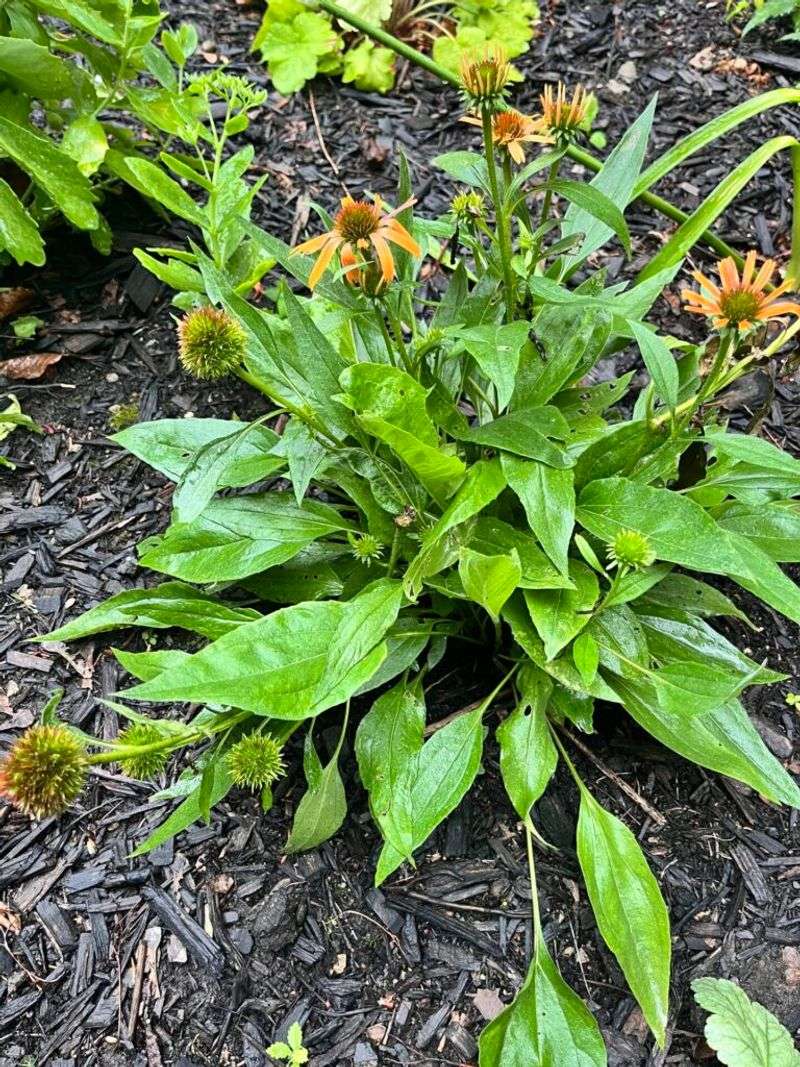
Out in the coastal plain, sandy soil swings to the opposite extreme of Piedmont clay. Water races straight through before roots can grab a sip, and nutrients wash away with it.
Coneflowers can tolerate lean ground, but pure beach sand leaves them hungry and thirsty at the same time. You end up watering constantly while the plant still looks pale and stunted.
The fix is to build the soil, not just water it more. Work in a few inches of compost to help sand hold moisture, and top with mulch to slow evaporation.
A little organic matter turns a leaky pocket into a spot where coneflowers finally settle in.
5. Cramped Beds Crowded by Aggressive Neighbors

A packed bed looks lush right up until the bullies take over. Fast spreaders like liriope, mint, or overgrown shrubs muscle in on coneflower roots, hogging water, light, and elbow room.
Squeezed on every side, coneflowers get less airflow and more competition than they can win. They dwindle quietly while the thugs around them keep marching outward.
Give each clump room to breathe, roughly a foot and a half of open space. Swapping a spreading import like liriope for tidy natives such as little bluestem or creeping phlox eases the crowding and supports more NC wildlife at the same time.
6. Mountain Frost Pockets That Trap Cold Air

Up in the western mountains, cold air behaves like water and pools in the lowest dips of a yard. These frost pockets stay chilly long after the surrounding slopes have warmed, catching tender new growth off guard.
Coneflowers are hardy once established, but late spring frosts in a cold hollow can nip young shoots again and again. Repeated setbacks leave plants weak and slow to bloom.
Watch where frost lingers longest on cool mornings. Plant on a gentle rise or mid-slope instead of the bottom of the hollow, and your coneflowers get a longer, safer growing season in the higher elevations.
7. The Downspout Splash Zone

Right below the gutter downspout is where good intentions drown. Every storm sends a firehose blast of roof runoff straight onto whatever is planted there, and coneflowers cannot swim.
The constant flooding waterlogs the crown, invites rot, and physically batters the stems flat. Even in fast-draining soil, the sheer volume overwhelms the roots.
Take a walk during the next rain and watch where the water lands. Redirect the downspout with an extension or splash block, then plant coneflowers a few feet away from that torrent.
A rain-loving native like blue flag iris is a much better fit for the wet spot itself.
8. Compacted Soil Along Foot Traffic Paths
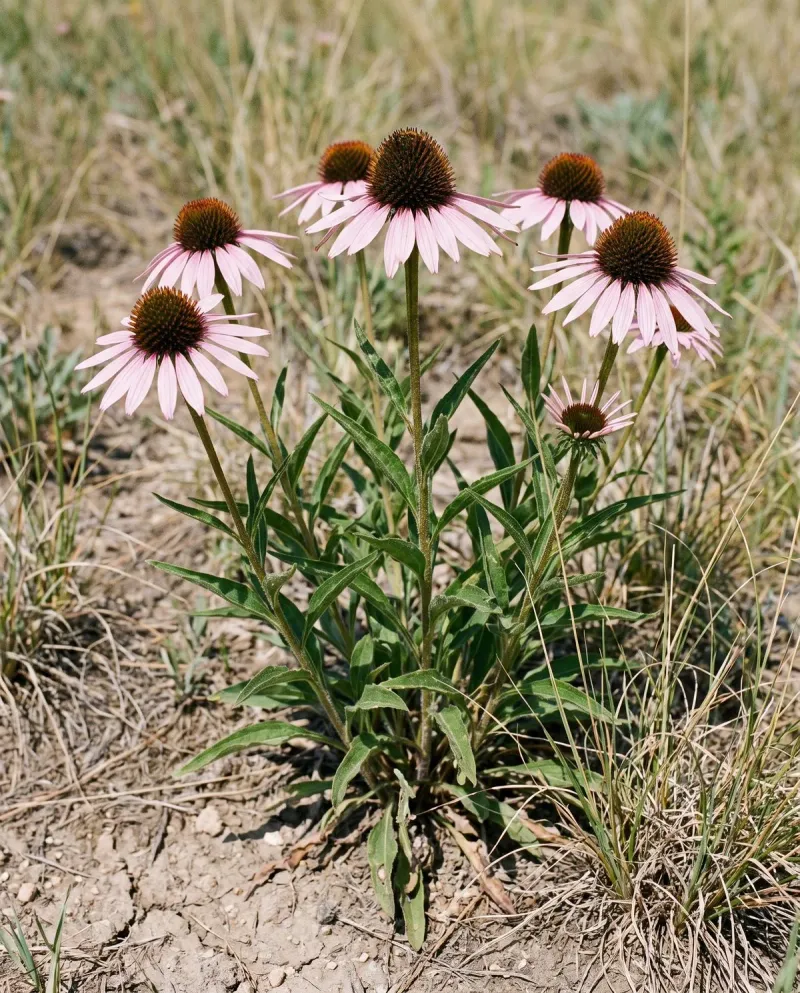
Wherever feet, mowers, or kids cut the same corner day after day, the ground turns to concrete-hard packed earth. Coneflower taproots simply cannot punch through soil that dense.
Roots stall, growth stunts, and rainwater beads up and runs off instead of soaking in. The plant looks starved even when the rest of the bed thrives.
Loosen the area deeply before planting and fold in plenty of compost to open up the structure. Better yet, route foot traffic around your beds with a simple stepping-stone path so coneflower roots get the crumbly, breathable soil they need.
9. Overwatered Irrigation Zones

Sometimes the killer is kindness on a timer. Coneflowers dropped into an automatic sprinkler zone meant for thirsty turf get soaked far more often than they ever want.
Their roots evolved for dry prairie spells, so daily lawn watering keeps the crown perpetually damp. Yellow leaves, mushy stems, and root rot follow, even as you assume you are helping.
These plants prefer a deep drink now and then, not a daily sprinkle. Move them out of the turf-irrigation path, or cap those sprinkler heads, and let your coneflowers dry between waterings the way nature intended.
10. North-Facing Walls in Constant Shadow
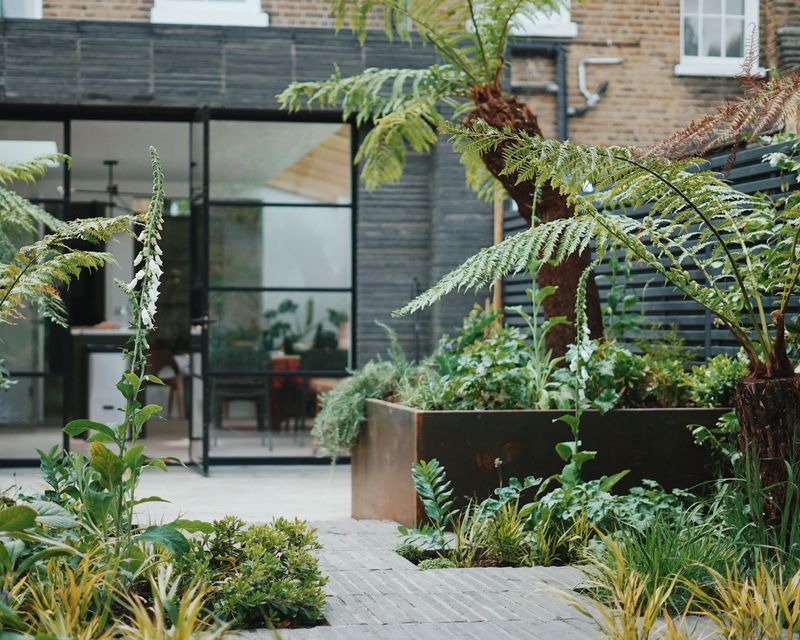
The strip along a north-facing wall stays cool and dim almost all day, which suits ferns far more than sun-hungry coneflowers. Even in bright summer, that shadow rarely lifts.
Plants there grow thin and reluctant, tilting sideways in search of light while blooms barely form. Damp, still air against the wall also invites powdery mildew on the leaves.
Save the north side for shade lovers and give coneflowers the south or west exposure instead. A wall that catches afternoon sun and moving air rewards you with dense, colorful cones and a steady stream of visiting bees and butterflies.