
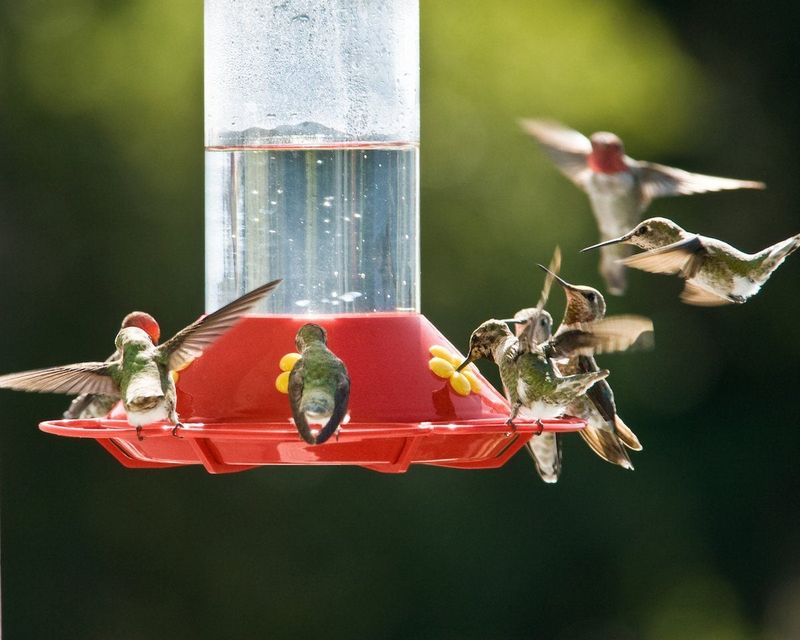
You bought the perfect feeder, filled it with fresh nectar, and waited for the tiny visitors to arrive. But days go by and nothing shows up.
The truth is, where you hang the feeder matters just as much as what goes in it, and a few common spots can quietly scare hummingbirds off without you even realizing it. Here are 16 places to avoid so your yard finally becomes a hummingbird hotspot.
1. Right Next to a Busy Window
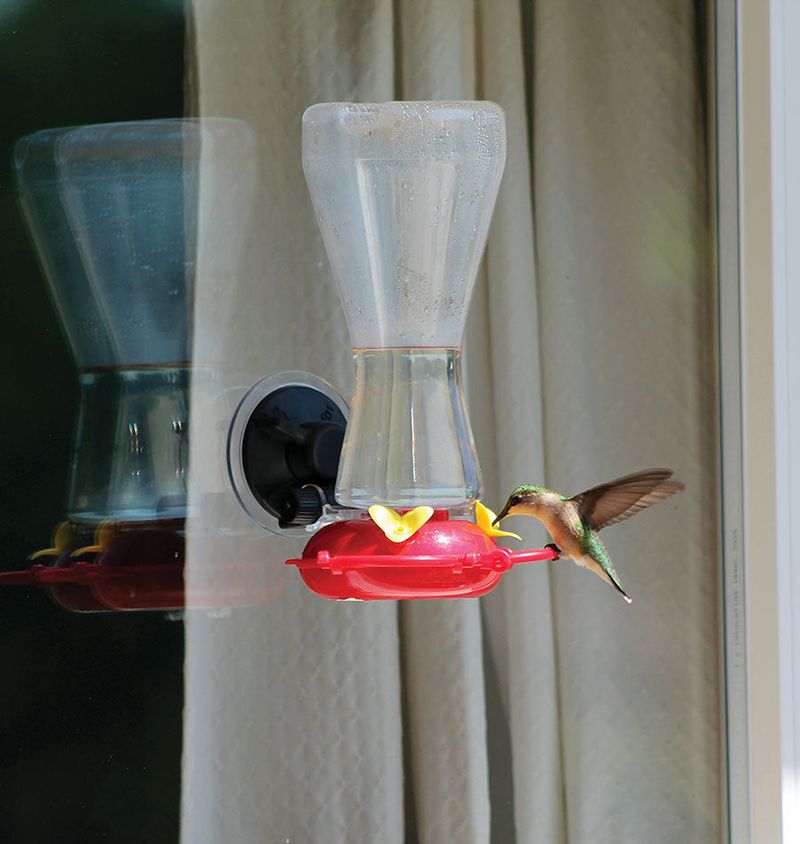
Glass looks like open sky to a hummingbird, and that reflection can turn a friendly feeder into a danger zone. When you hang the feeder inches from a large window, birds may hesitate to approach or bump into the pane while darting away.
Even if collisions do not happen, the constant movement and shadows from people walking past inside can spook these skittish visitors. They read sudden motion as a threat and often decide the risk is not worth the sip.
A smarter move is to place the feeder either very close to the glass, within three feet so birds cannot build up speed, or well away from it at ten feet or more. That middle distance is the real trouble spot.
If your only good hanging point sits near a window, adding decals or breaking up the reflection may help reduce the mirror effect. Southern gardeners with big picture windows facing the yard should pay special attention here, since bright Florida and Texas sun makes reflections even stronger and more confusing for the birds.
2. Under a Bird’s-Eye View for Hawks
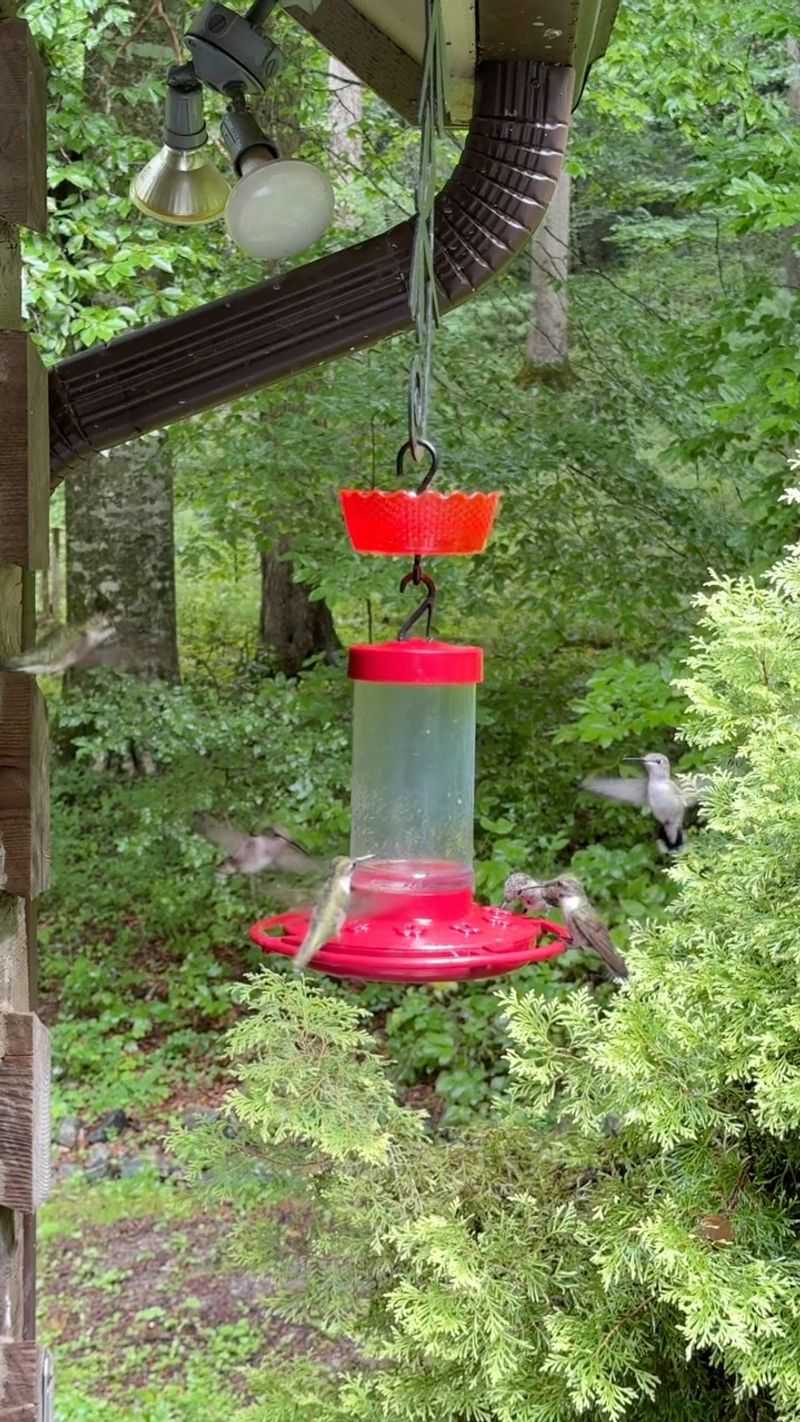
Hummingbirds are tiny, and to a hawk or other predator they look like a quick snack. Hanging your feeder in a wide open spot with clear sightlines from above leaves visitors feeling dangerously exposed.
Without any nearby branch or eave to duck under, a hummingbird has nowhere to escape when a shadow passes overhead. Their instinct tells them to avoid places where they cannot make a fast getaway.
Try positioning the feeder near, but not buried in, some light cover like a shrub or the edge of a tree canopy. The idea is to give them a quick escape route without hiding the feeder so much that they cannot spot it.
In Southern yards where hawks patrol open lawns during the long warm season, this small adjustment can make a big difference. A feeder that offers a sense of safety will pull in far more regular guests than one sitting alone in the middle of a bare, sunbaked stretch of grass.
3. In Full Blazing Afternoon Sun
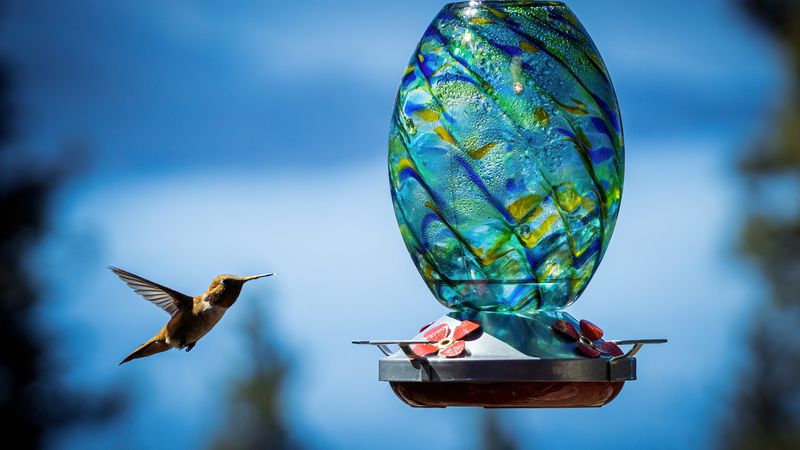
Nectar and heat are a bad match. When you hang a feeder where the fierce afternoon sun beats down for hours, the sugar water can spoil, ferment, and turn cloudy fast.
Spoiled nectar does more than smell off. It can actually harm hummingbirds, and they often sense when something is wrong and stop coming back to that source altogether.
In Florida and Texas, where summer temperatures climb high and stay there, this problem shows up quickly. A feeder that cooked all morning may be undrinkable by lunchtime, wasting both your nectar and your effort.
Aim for a spot that gets gentle morning light but slips into shade during the hottest part of the day. Dappled shade under a tree or on the east side of the house works well.
Keeping the nectar cooler means it stays fresh longer, so you refill less often and the birds get a safe, reliable meal. In the extended Southern warm season, shade placement is one of the easiest ways to keep hummingbirds loyal to your yard.
4. Beside a Loud Air Conditioner
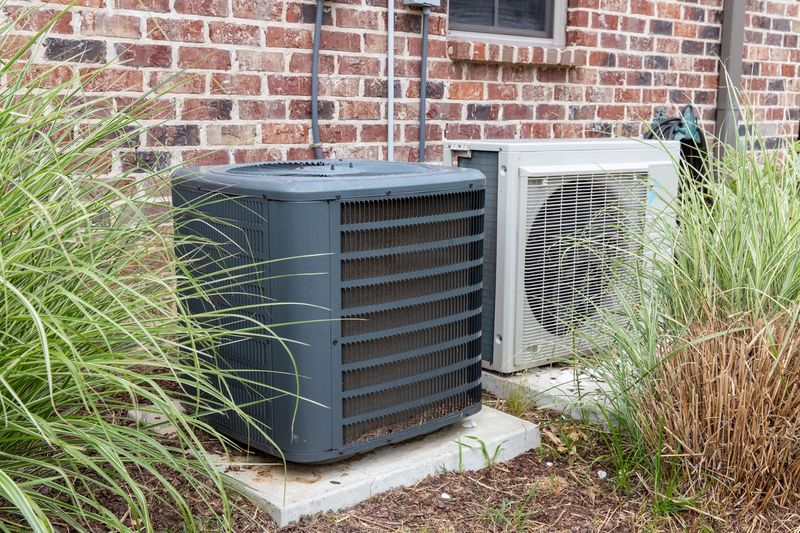
That steady hum and vibration from an outdoor AC unit is easy for us to tune out, but to a hummingbird it reads as constant disturbance. The noise and moving air create an unsettling environment right where you hoped to attract them.
Hummingbirds rely on a calm setting to feel safe while feeding, and a rattling compressor kicking on and off keeps them on edge. Many will simply choose a quieter neighbor’s yard instead.
The blowing air can also swing a lightweight feeder around, spilling nectar and making it hard for a bird to hover and drink. A moving target is frustrating even for such agile fliers.
Since Southern homes run their AC units for much of the year, this is a spot worth rethinking. Look for a peaceful corner of the yard away from mechanical noise, foot traffic, and vibration.
A little distance from the equipment gives hummingbirds the stillness they crave and turns your feeder from an ignored decoration into a busy stop on their daily route.
5. Directly Over Your Patio Table
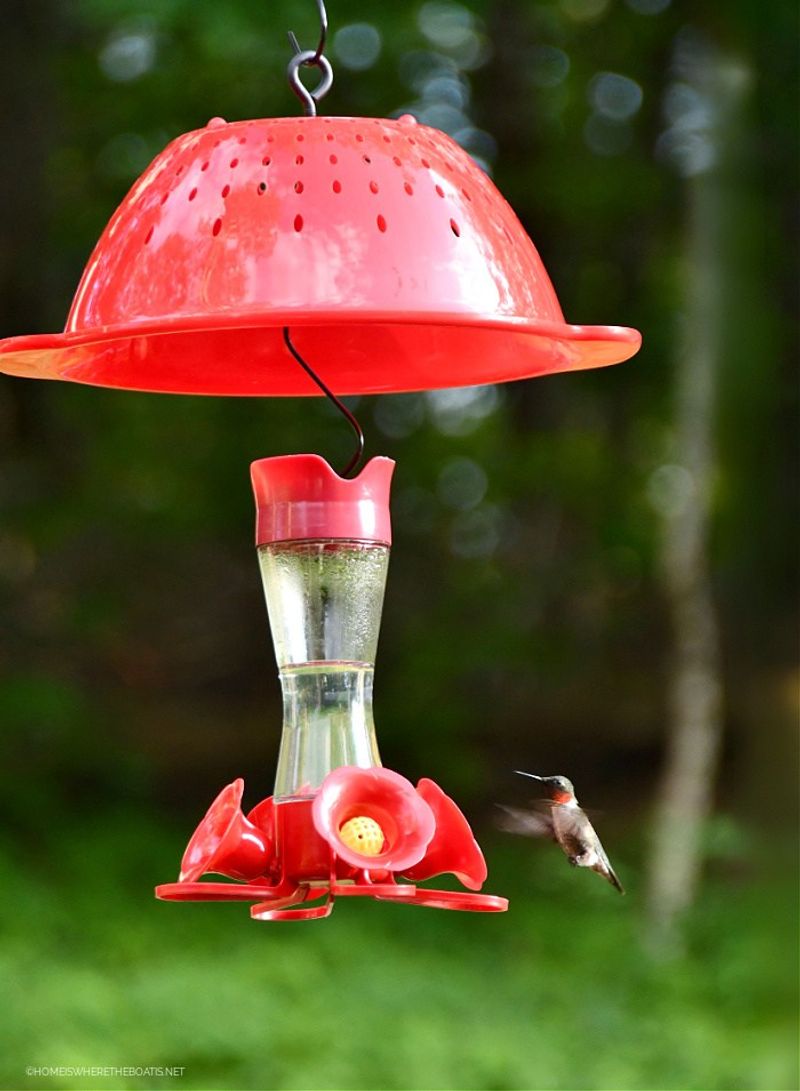
It sounds lovely to watch hummingbirds while you dine, but hanging the feeder right over your patio table usually backfires. The birds see people, plates, and constant movement below and decide it is too crowded to feel safe.
There is also a messy side to consider. Sticky nectar drips and the occasional bird dropping landing on your food or table is nobody’s idea of a pleasant meal outdoors.
Hummingbirds are naturally cautious, and a spot buzzing with human activity signals danger rather than welcome. They prefer to feed where they can observe without being observed.
Instead, place the feeder off to the side of your seating area where you can still enjoy the view from a comfortable distance. A gap of ten to fifteen feet lets the birds relax while you keep your front-row seat.
Southern outdoor-living spaces get heavy use during the long warm months, so give the hummingbirds their own quiet zone. Everyone, birds and diners alike, ends up happier when the feeder is nearby but not right overhead.
6. Where Ants March Up the Pole
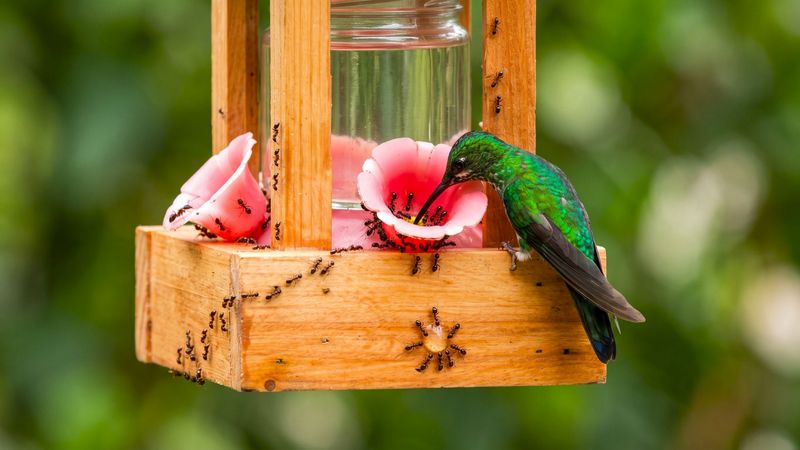
Sweet nectar is a magnet for ants, and if your feeder hangs somewhere they can easily climb to it, they will invade in a hurry. Once ants get in, they contaminate the nectar and drown in it, quickly ruining the whole batch.
Hummingbirds will not feed from a station crawling with insects or filled with fouled sugar water. What started as a warm welcome becomes a repellent almost overnight.
Hanging the feeder from a branch that touches other foliage, or on a pole planted right in a mulch bed, gives ants an easy highway straight to the reward.
An ant moat, a small water-filled cup above the feeder, can block their path and may keep the nectar clean. Choosing a hanging spot away from ant trails and overhanging leaves helps too.
In Southern gardens where ants stay active nearly year-round, this problem never really goes on vacation. Picking a smart location and adding a simple barrier means fewer refills, cleaner nectar, and hummingbirds that actually stick around to drink.
7. Tucked Deep Inside Dense Bushes
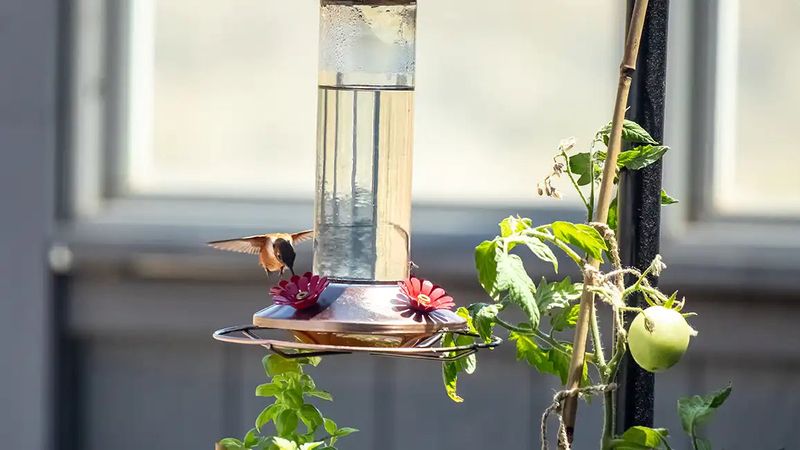
Wanting to give hummingbirds cover is a good instinct, but burying the feeder inside a thick hedge takes it too far. If they cannot see the feeder from the air, they simply will not find it.
Hummingbirds scout for food by sight, drawn in by bright colors and open flowers. A feeder swallowed by leaves might as well be invisible.
Dense foliage also hides lurking predators like snakes or cats, making the birds nervous even if they do spot the nectar. They want a clear view of their surroundings while they sip.
The sweet spot is placement near cover, not inside it. Hang the feeder a few feet out from a shrub or tree so birds can see it clearly and still dart to safety when needed.
Southern yards often have lush, fast-growing shrubs during the warm season, so check that your feeder has not slowly disappeared behind new growth. A quick trim or a shift outward can restore visibility and bring the visitors right back to a spot they had abandoned.
8. Next to a Bustling Bird Feeder
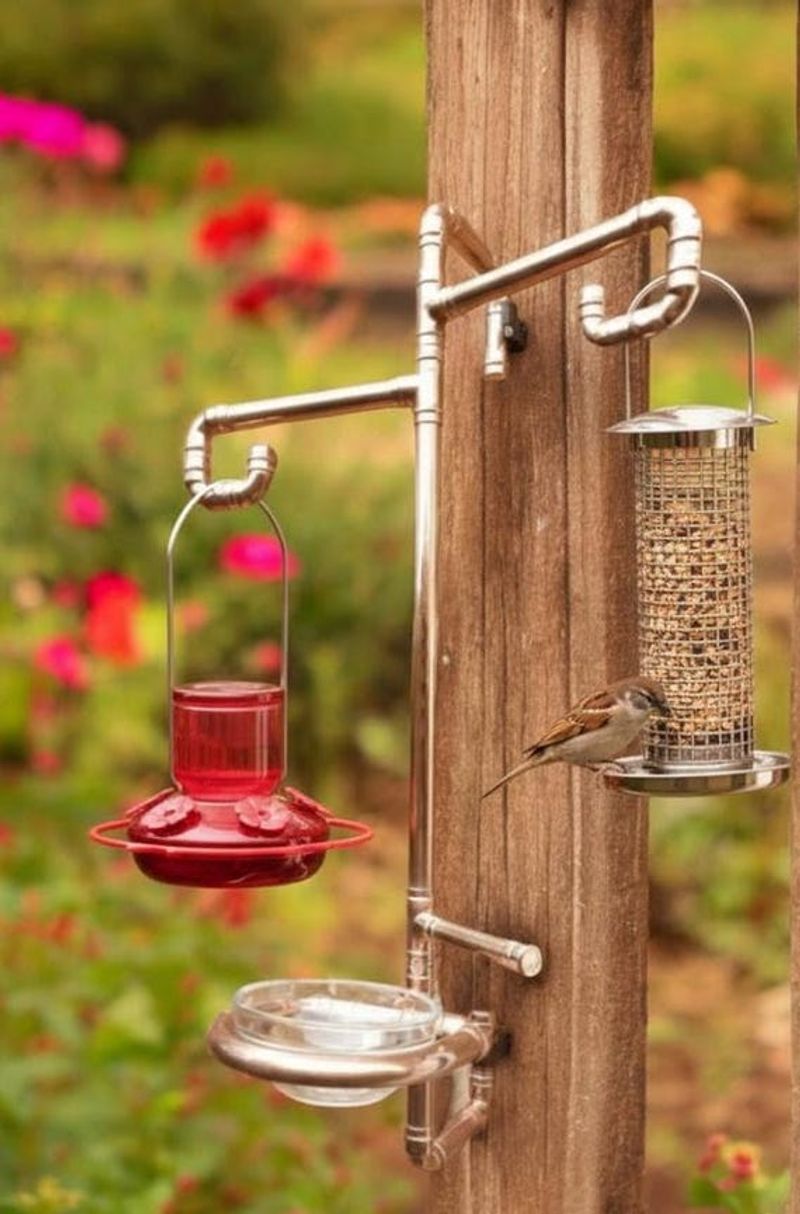
Mixing your hummingbird feeder in with a busy seed station seems efficient, but it usually chases the little ones off. Larger birds like jays, doves, and sparrows create commotion that intimidates tiny hummingbirds.
Hummingbirds may be feisty, but they are still small and easily bullied out of a crowded area. All that flapping and squabbling from bigger species makes them wary of coming close.
The seed and shells scattered by other birds can also litter the ground below, drawing squirrels and other visitors that add even more chaos to the scene.
Give your hummingbird feeder its own dedicated corner well away from the seed buffet. A separate, calmer location signals safety and lets the hummingbirds feed without competition or stress.
Many Southern backyards host a whole crowd of songbirds all year, so spreading feeders out is smart. Keeping the nectar station apart from the noisy crowd means your jewel-toned fliers get a peaceful spot to call their own, and you get to enjoy watching them in action.
9. Above a Cat’s Favorite Perch
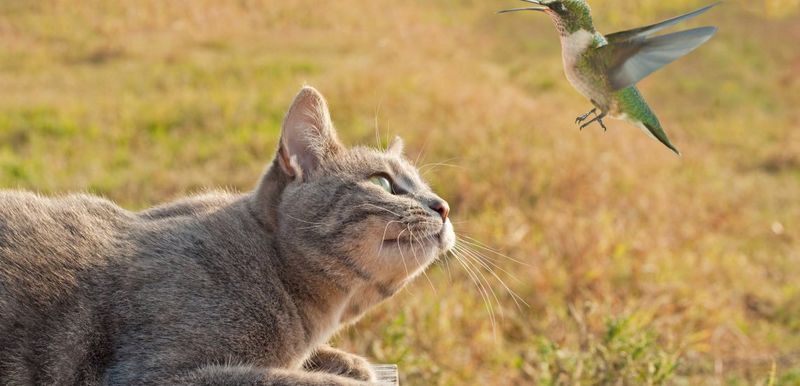
Cats and hummingbirds do not mix, and hanging a feeder low over a spot your cat loves to lounge is asking for trouble. A crouching cat below turns feeding time into a life-or-death gamble for the birds.
Even indoor cats watching intently from a windowsill can unsettle hummingbirds enough to keep them away. They pick up on that predatory focus fast.
Feeders placed near fence tops, low walls, or deck railings where a cat can crouch and pounce give predators a perfect launch pad. Hummingbirds notice these ambush points and avoid them.
Raise the feeder well out of leaping range, at least five or six feet up, and keep it clear of nearby surfaces a cat could jump from. Open space beneath the feeder removes the hiding spot entirely.
With so many Southern homes having outdoor and indoor-outdoor cats, this is a common oversight. A little height and a clear zone underneath can make the difference between a feeder the birds fear and one they trust enough to visit daily.
10. Swinging in a Windy Corner
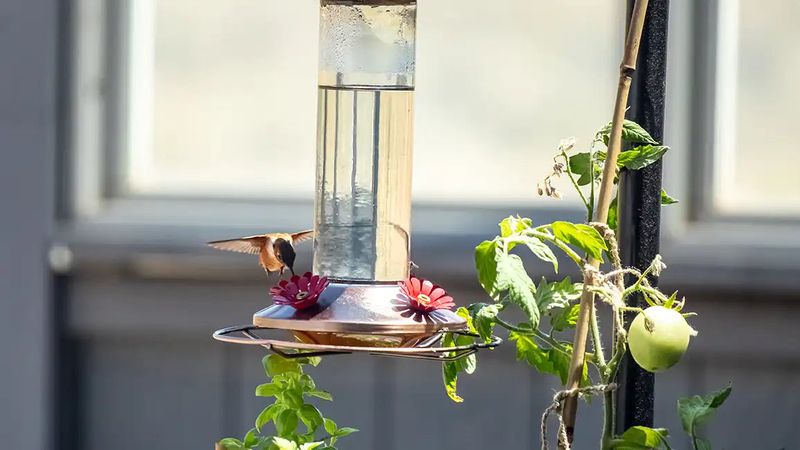
A feeder that whips around in the wind is nearly impossible for a hummingbird to use. Hovering takes precision, and a wildly swinging target throws off their careful aim every time.
Beyond the frustration, gusty spots cause nectar to slosh and spill, emptying your feeder faster and coating everything in sticky residue. That mess then attracts ants and wasps.
Windy corners, open gaps between buildings, and exposed fence lines tend to funnel breezes right at whatever hangs there. Hummingbirds quickly learn to skip these unstable stations.
Choose a more sheltered location, perhaps near the corner of the house or beside a fence that blocks the prevailing wind. A calmer pocket of air lets the birds settle in and drink comfortably.
Coastal and open-plains areas across the South can get steady breezes, so wind is a real factor for many gardeners here. Finding a protected spot not only keeps the feeder steady but also stretches your nectar further, meaning fewer refills and more contented hummingbirds returning throughout the season.
11. Far From Any Nectar Flowers
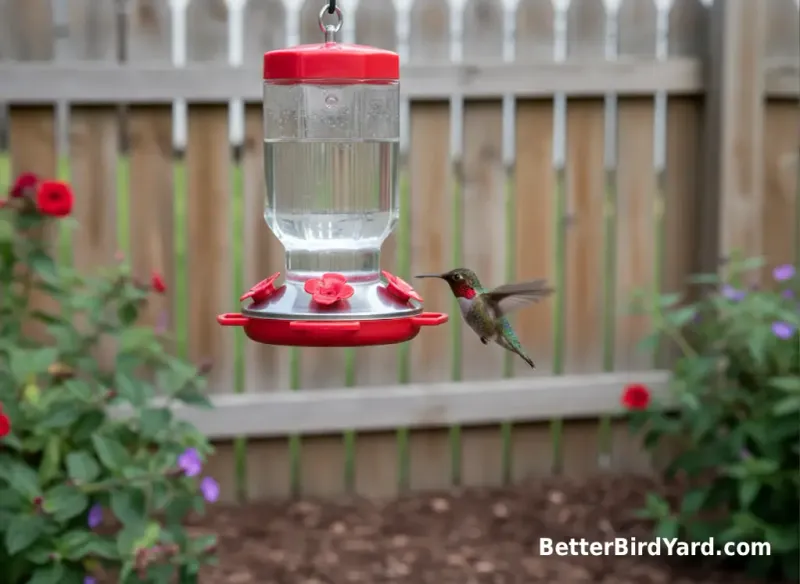
Hummingbirds find food by spotting flowers, so a feeder marooned in a flowerless corner has almost no chance of being discovered. Blooms act like a billboard advertising that food is near.
When you place the feeder far from any nectar plants, you strip away the natural signal that draws birds in during their search. They may pass right over your yard without a second glance.
Surrounding the feeder with red, orange, or tubular flowers like salvia, firebush, or trumpet vine gives hummingbirds a reason to slow down and investigate. Once they find the flowers, the feeder becomes an easy bonus.
Southern gardeners have a real advantage here thanks to the long warm season that keeps many nectar plants blooming for months. Pairing native, heat-tolerant flowers with your feeder builds a reliable stop birds visit again and again.
Think of the feeder and the flowers as a team rather than separate features. Together they create the kind of welcoming, food-rich space that turns curious passersby into regular, returning hummingbird guests all season long.
12. Right Over the Dog Run
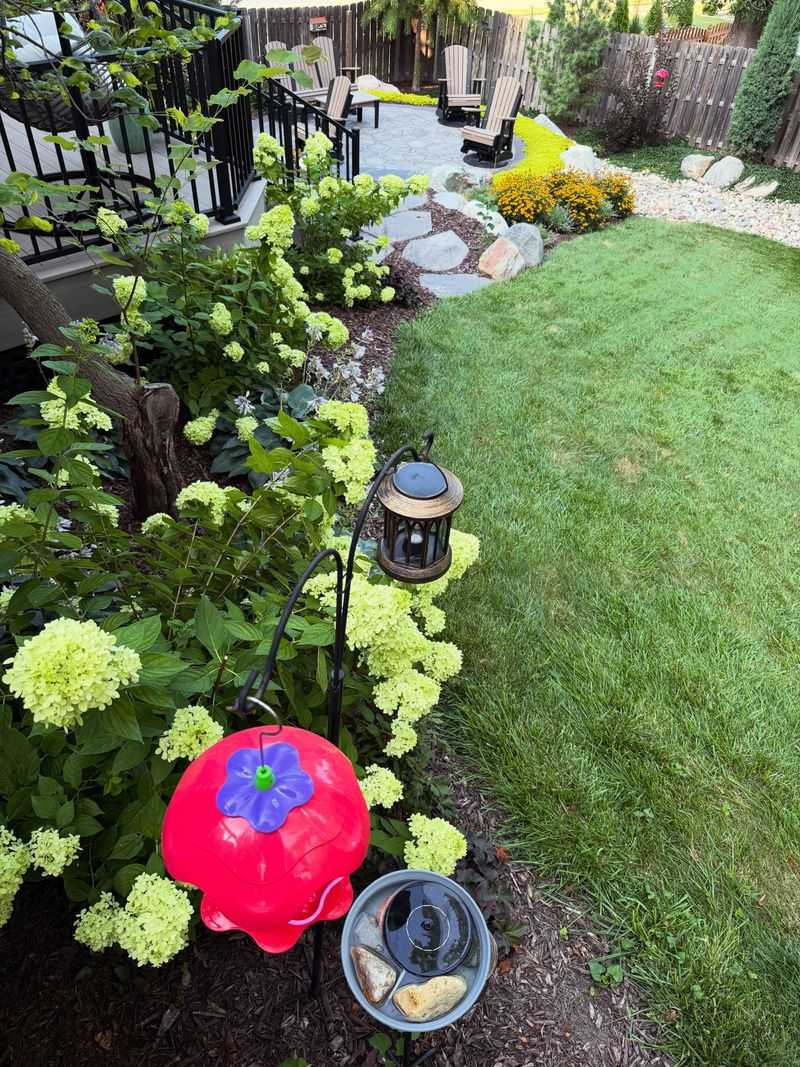
An energetic dog racing back and forth below your feeder sends hummingbirds packing. The barking, sudden dashes, and constant motion all read as danger to such a cautious little bird.
Even the friendliest, calmest dog creates enough activity to make hummingbirds think twice about landing. They cannot tell a playful pup from a real threat.
Placing the feeder over a heavily used dog run means the birds rarely get a quiet moment to feed. They need calm to hover and sip, and a busy pet area offers none.
Move the feeder to a corner of the yard the dog does not frequent, ideally separated by a bit of distance or a low barrier. A peaceful zone gives the hummingbirds room to relax.
Plenty of Southern families keep active dogs outdoors during the long mild seasons, so this overlap is common. Giving your hummingbirds their own quiet territory away from the pet action lets both your dog and your birds enjoy the yard without stepping on each other’s space.
13. Beneath a Leaky Roof Gutter
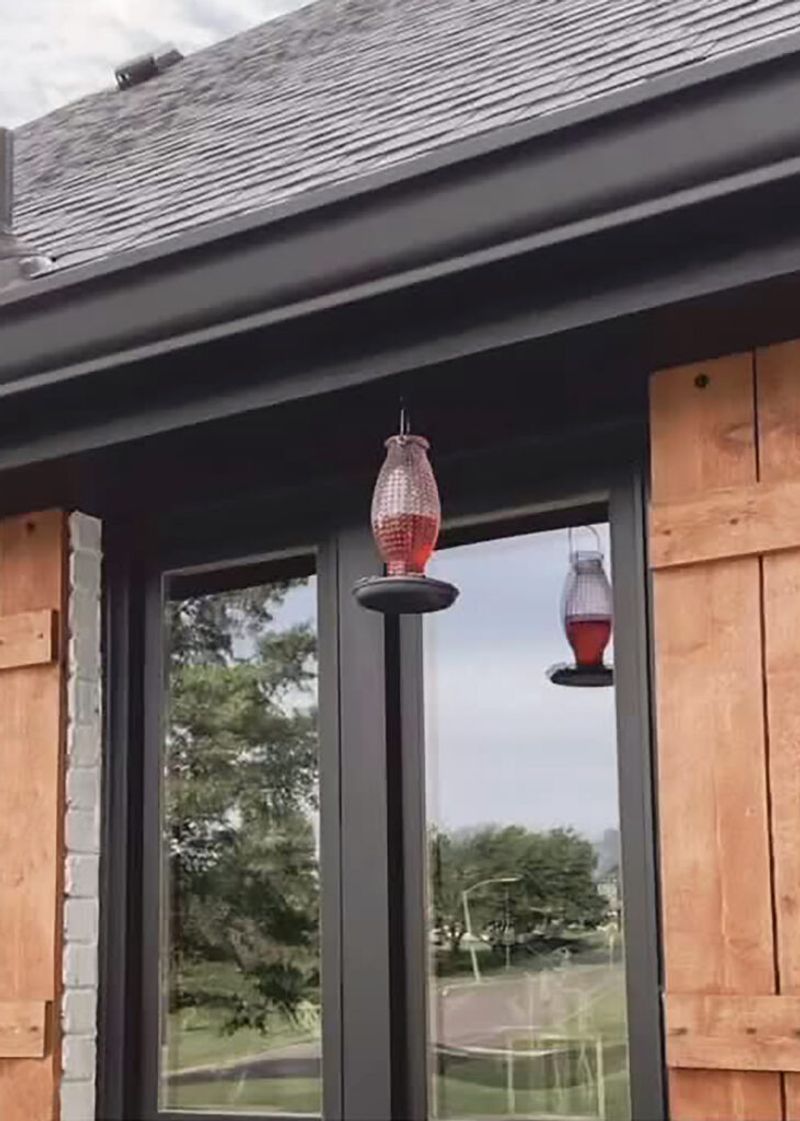
Hanging a feeder directly under a dripping gutter or roof edge might seem sheltered, but the constant drip creates problems. Water splashing into the ports dilutes the nectar and can wash it out entirely.
Watered-down nectar loses its appeal, and hummingbirds may reject it in favor of a stronger source. All your careful mixing goes to waste with each rainfall.
Runoff from a roof can also carry grime, algae, or debris that fouls the feeder and the area below. A grubby station is far less inviting than a clean one.
During the frequent summer downpours common across the South, a leaky gutter spot gets a real soaking again and again. That steady wetness keeps the feeder from ever staying fresh.
Pick a location under a solid overhang or open area where rain can drain naturally without pouring straight onto the feeder. Keeping the nectar undiluted and clean means the birds get the sweet reward they expect, and you spend less time scrubbing and refilling after every storm rolls through.
14. By the Front Door Traffic
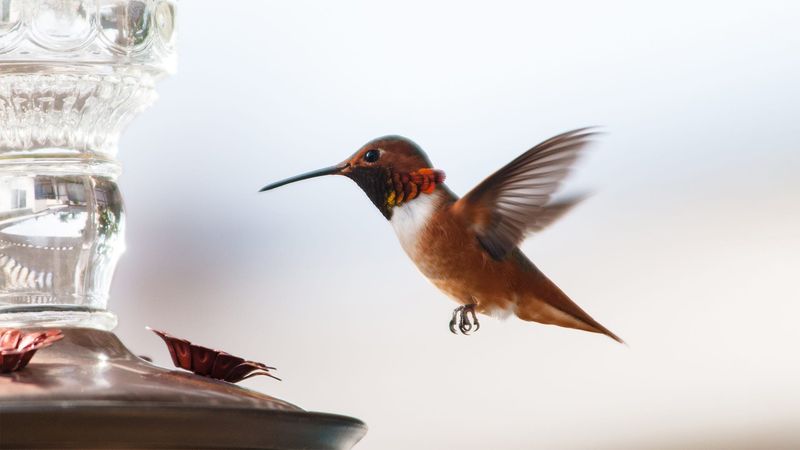
The front porch feels like a natural display spot, but hanging a feeder right beside a busy door usually keeps hummingbirds at bay. Every time someone comes or goes, the birds scatter.
Repeated door openings, packages arriving, and visitors coming up the walk create a stop-and-start rhythm that never lets the birds settle. Constant interruption equals constant stress.
Hummingbirds will tolerate some human presence, but a high-traffic entry point is too much unpredictability. They want a location where surprises are rare.
If you love watching them from the porch, shift the feeder to a quieter end away from the door swing, or to a side window with less foot traffic. A few feet of separation can transform the birds’ comfort level.
Southern front porches are prized outdoor spaces, especially through the long warm season, so it is tempting to make them the hummingbird hub. Just aim for a calmer pocket of the porch, and you can enjoy close-up views without accidentally scaring away the very visitors you hoped to attract.
15. Squeezed Against a Wasp Nest Zone
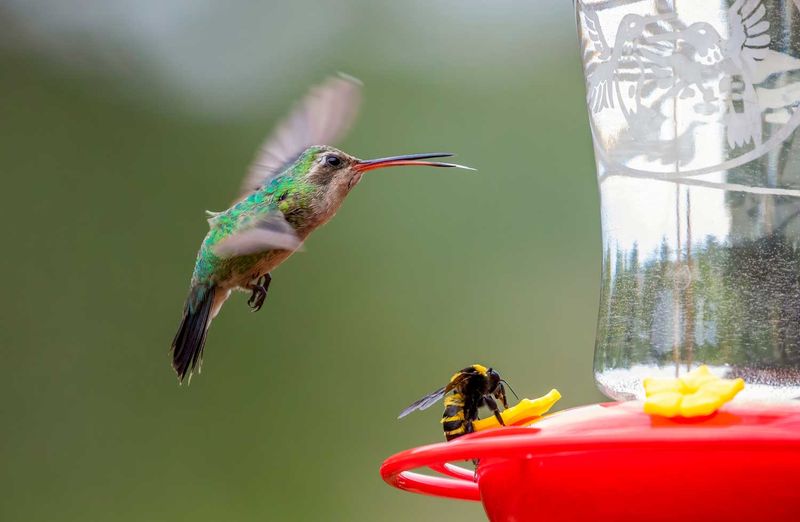
Wasps and bees love sugar water just as much as hummingbirds do, and hanging your feeder near their nesting areas invites a takeover. Once stinging insects claim the ports, the birds back off fast.
Hummingbirds are no match for a swarm of aggressive wasps guarding a food source. Rather than risk a sting, they abandon the feeder to the insects.
Eaves, sheds, and quiet corners where wasps like to build nests are exactly the spots to avoid for feeder placement. Hanging there practically guarantees insect competition.
Bee guards on the ports and feeders without yellow accents may help reduce the appeal to wasps. Choosing a spot away from known nesting zones matters even more.
Warm Southern conditions keep wasps and bees active for a long stretch of the year, so this is a persistent challenge for local gardeners. Positioning your feeder away from their favorite building sites, and keeping it clean of drips, gives the hummingbirds a fighting chance to feed in peace without a stinging welcome committee.
16. Too High to Ever Clean
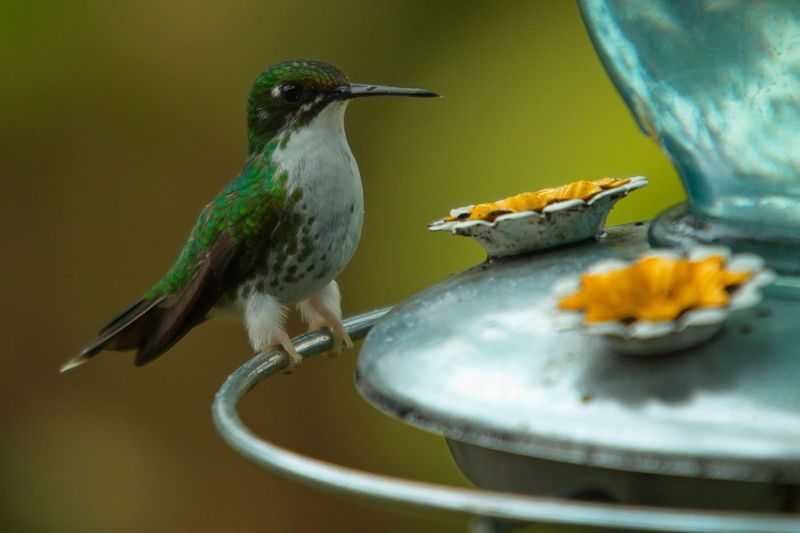
Placing a feeder way up on a tall branch might keep it safe from cats, but if you cannot reach it easily, it will never get cleaned. Neglected feeders grow mold and bacteria that harm hummingbirds.
Dirty nectar and black mold on the ports drive birds away and can make them sick. A feeder you dread taking down is a feeder that stays filthy.
In the Southern heat, nectar spoils quickly and needs changing every couple of days, sometimes more often. That frequent upkeep is impossible if the feeder hangs out of comfortable reach.
Hang your feeder at a height you can access without a ladder or a struggle, so cleaning and refilling become quick, routine tasks. Easy maintenance keeps the nectar fresh and the birds coming back.
Convenience for you translates directly into safety for them. A feeder within arm’s reach gets the regular care it needs, and hummingbirds reward that clean, reliable food source by making your yard a favorite daily stop throughout the warm season.