
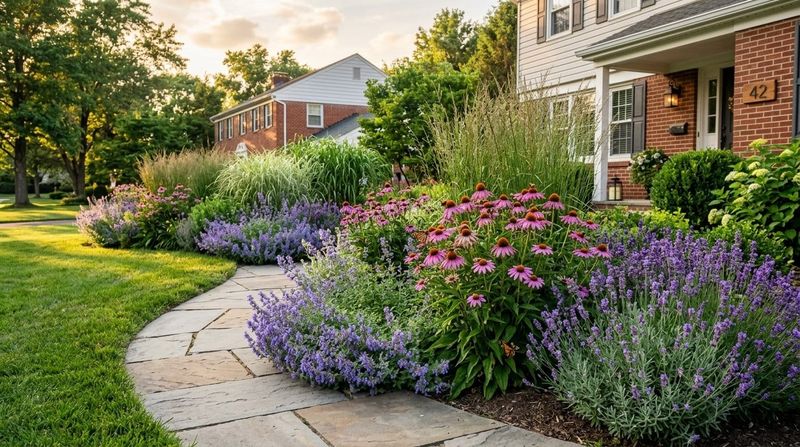
If deer and rabbits keep treating your flower beds like an all-you-can-eat buffet, you are not alone. The good news is that some tough, beautiful perennials come with built-in defenses like strong scents, fuzzy leaves, or bitter sap that hungry critters would rather skip.
Planting these along the edges of your beds can create a natural barrier that protects the plants you love. Here are 26 hardy choices that thrive in Southern yards and give grazing animals a reason to move along.
1. Lavender
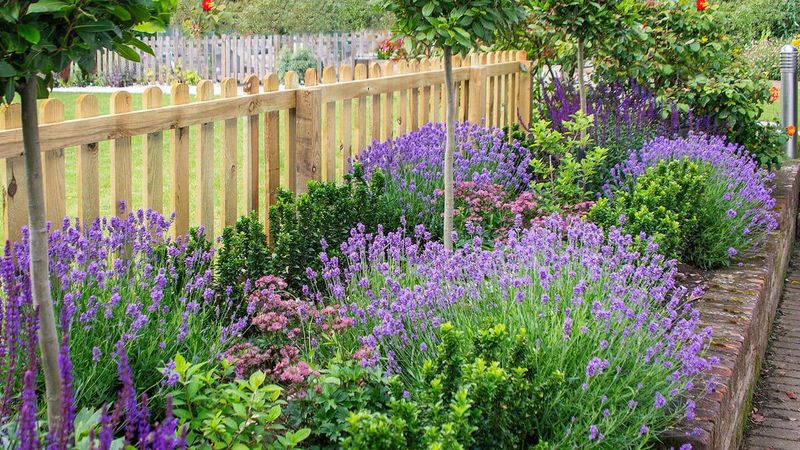
Few plants pull double duty like lavender, filling the air with a calming scent while quietly telling deer and rabbits to keep walking. The strong oils that make it smell so wonderful to us are exactly what those grazers can’t stand.
Down South, lavender loves the heat and hates soggy feet, so give it sandy, well-drained soil and plenty of sunshine. Varieties like Spanish and French lavender handle Florida and Texas humidity better than the fussier English types.
Tucked along a bed’s edge, it forms a fragrant hedge that pollinators adore and hungry animals avoid. Bees and butterflies will drift through the silvery foliage all season long.
Trim it back after the first flush of blooms and you may coax a second round of purple spikes before fall. Skip heavy fertilizer, since lean soil actually keeps the plant compact and full.
Fun bit of history: Romans once tossed lavender into their bathwater, which is where the name comes from, since “lavare” means to wash. Your beds get the same clean, critter-free bonus centuries later.
2. Russian Sage
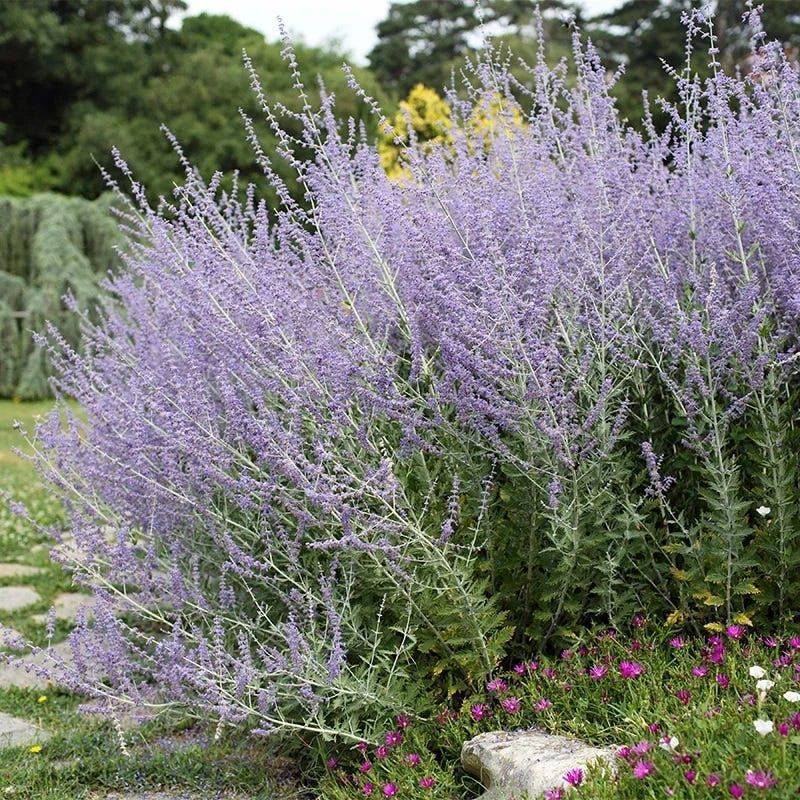
Picture a hazy cloud of lavender-blue blooms floating above silvery stems, and you have got Russian sage doing its thing on a hot afternoon. The whole plant carries a sharp, sagey scent that grazing animals find downright offensive.
Heat and drought barely faze it, which makes it a dream for Texas and Florida gardeners tired of babying thirsty flowers. Once it settles in, you can practically ignore it and watch it thrive.
It grows into a loose, billowy mound that softens the hard edges of a bed while standing tall enough to screen out lower plants. That airy structure looks especially lovely swaying in a summer breeze.
Deer and rabbits tend to sniff, wrinkle their noses, and move along without taking a bite. The aromatic foliage does most of the defending for you.
Cut it back hard in late winter and it bounces back bushier than ever. Pair it with black-eyed Susans or coneflowers for a long-blooming, low-maintenance border that shrugs off both drought and deer.
3. Catmint
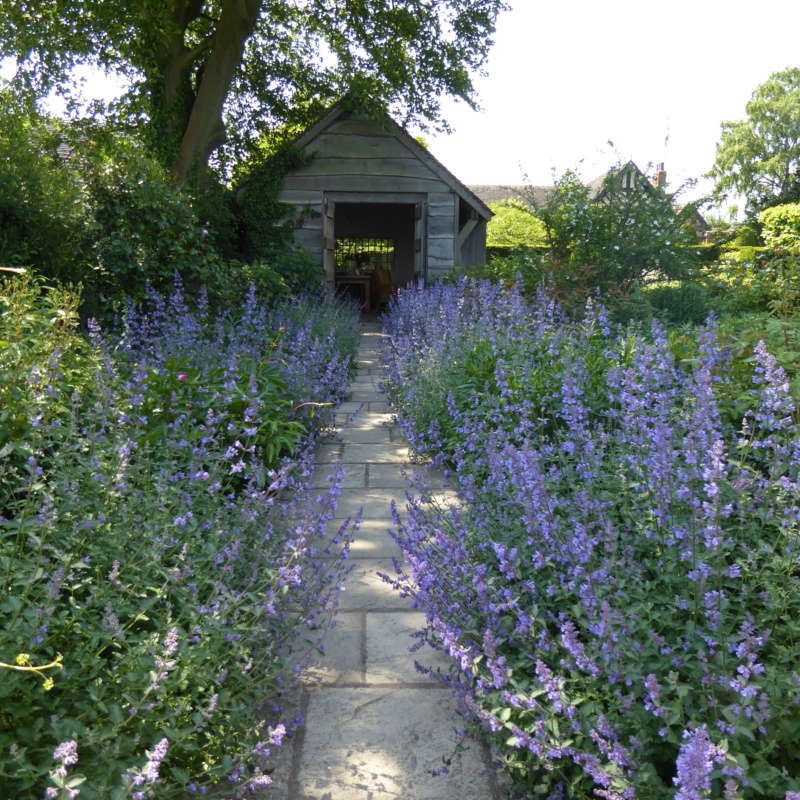
Cats may go wild for it, but deer and rabbits give catmint a hard pass, and that makes it a border superstar. The minty aroma packed into its gray-green leaves reads as “not food” to most grazers.
It tumbles into a soft, spilling mound covered in blue-purple flowers that seem to bloom forever. Edging a bed with it creates a tidy, cushiony line that looks pulled together with almost no effort.
Southern gardeners appreciate how it laughs at heat and dry spells once established. Skip the daily watering and it rewards you anyway.
Give it a quick shearing after the first bloom fades and fresh flowers roll right back in. That simple haircut keeps it neat and encourages a nonstop show.
Bees and butterflies treat it like a favorite diner, so your yard fills with helpful pollinators while the nibblers stay away. Try the variety called Walker’s Low, which stays compact despite the name having nothing to do with height.
It fits beautifully at the front of any bed.
4. Yarrow
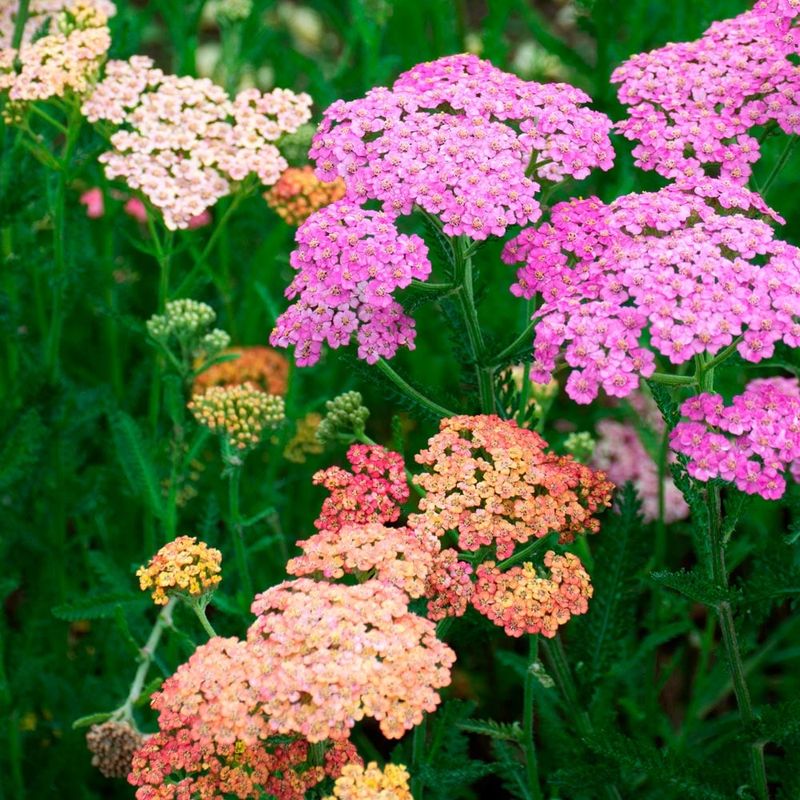
Flat clusters of tiny blooms sit atop feathery, fern-like leaves, giving yarrow a wildflower charm that belies just how tough it really is. Those aromatic leaves have a bitter, herbal quality that keeps deer and rabbits uninterested.
It thrives in poor, dry soil where fussier flowers would sulk, so it is a natural fit for baking Southern beds. Overwatering actually does more harm than good here.
You will find it in cheerful yellows, warm reds, soft pinks, and creamy whites, so mixing colors along a border is easy. The blooms also dry beautifully for indoor arrangements.
Cut the spent flowers and it keeps pumping out new ones well into fall. Divide the clumps every couple of years to keep them vigorous.
Here is a neat tidbit: yarrow’s Latin name honors the Greek hero Achilles, who supposedly used it to treat soldiers’ wounds. Centuries later it is still earning its keep, this time by guarding your garden edges from grazers while feeding butterflies and beneficial insects all summer.
5. Bearded Iris
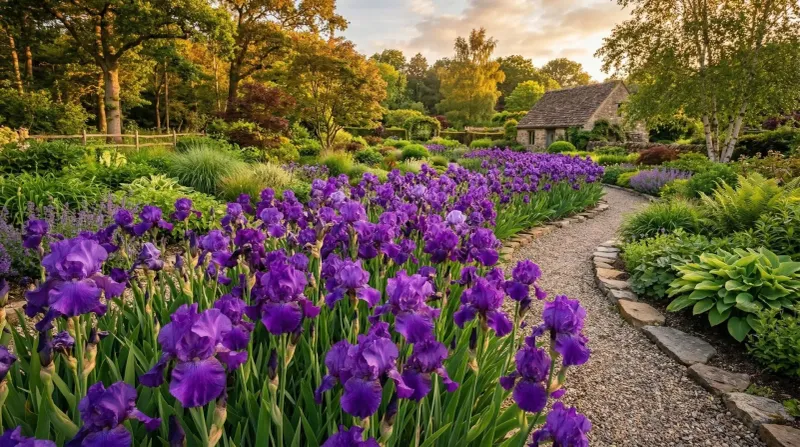
Regal, ruffled, and almost too pretty for words, bearded iris brings drama to a spring bed while quietly repelling the animals that ruin so many gardens. Its thick rhizomes and slightly bitter foliage just do not appeal to deer or rabbits.
The sword-shaped leaves stand crisp and upright, adding structure long after the flowers fade. That vertical shape makes a striking edge along any border.
Southern gardeners get the best results by planting the rhizomes shallow, with their tops peeking above the soil so they can bake in the sun. Bury them too deep and they sulk instead of bloom.
Colors range from velvety purples to sunny yellows and soft peaches, sometimes on a single flower. Many modern varieties rebloom in fall for a second surprise.
Divide the clumps every few years to keep them flowering strong and prevent overcrowding. Do this in late summer when the plants are resting.
Plant them where you can enjoy the faint grape-like fragrance up close, knowing the nibblers will keep their distance from these tough, beautiful sentries.
6. Foxglove
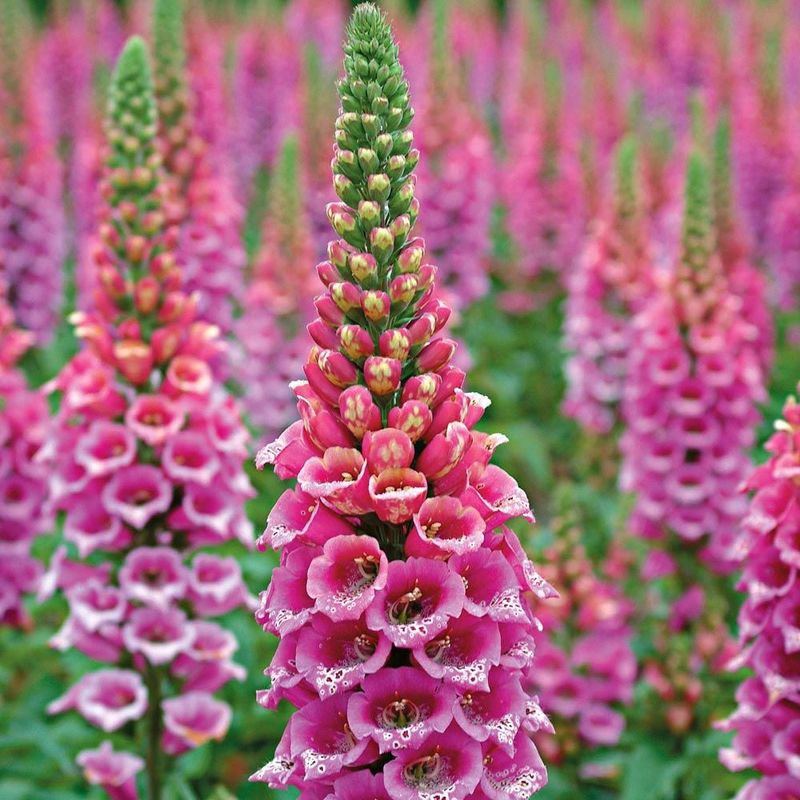
Towering spires dotted with bell-shaped blooms give foxglove a fairy-tale look that instantly lifts a shady corner. Behind that cottage-garden beauty is a plant containing compounds so bitter and toxic that deer and rabbits refuse to touch it.
It appreciates partial shade and moist, rich soil, making it handy for those dappled spots where sun-lovers struggle. In the warmer South, treat it as a cool-season bloomer or a short-lived perennial that reseeds.
The freckled throats of the flowers come in pinks, purples, whites, and soft yellows, drawing bees deep inside. Hummingbirds often stop by for a sip too.
A quick safety note: because the whole plant is poisonous, keep it away from areas where small children or pets tend to nibble. That same toxicity is exactly what shields it from grazers.
Let a few flowers go to seed and you will find new plants popping up next year on their own. Plant it toward the back of a bed so its dramatic height anchors the display while the animals stay firmly away.
7. Salvia
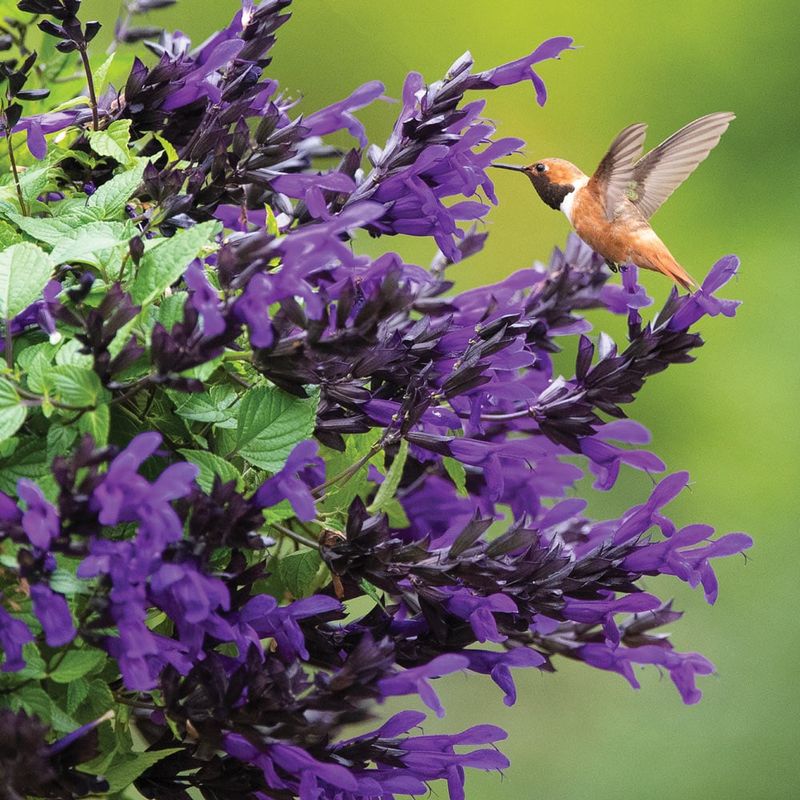
Buzzing with hummingbirds and blazing with color, salvia proves you can have a lively, wildlife-friendly bed without inviting deer to dinner. The aromatic foliage carries a scent grazers dislike enough to walk right past.
Heat is no problem here, which is why salvia is a Southern staple that keeps blooming when other flowers wilt. Many varieties flower from spring clear through the first frost.
Fiery reds, deep purples, and cool blues make it easy to build a border with real punch. The tall flower spikes also add welcome vertical interest.
Snip off faded spikes and fresh ones follow quickly, keeping the show going for months. Little pruning else is needed once it is settled in.
Pollinators treat salvia like a magnet, so your garden hums with bees and butterflies while rabbits and deer look elsewhere. Perennial types like autumn sage handle Texas heat with ease.
Line a path with a row of it and you get a fragrant, colorful ribbon that feeds the good visitors and turns away the destructive ones.
8. Lamb’s Ear
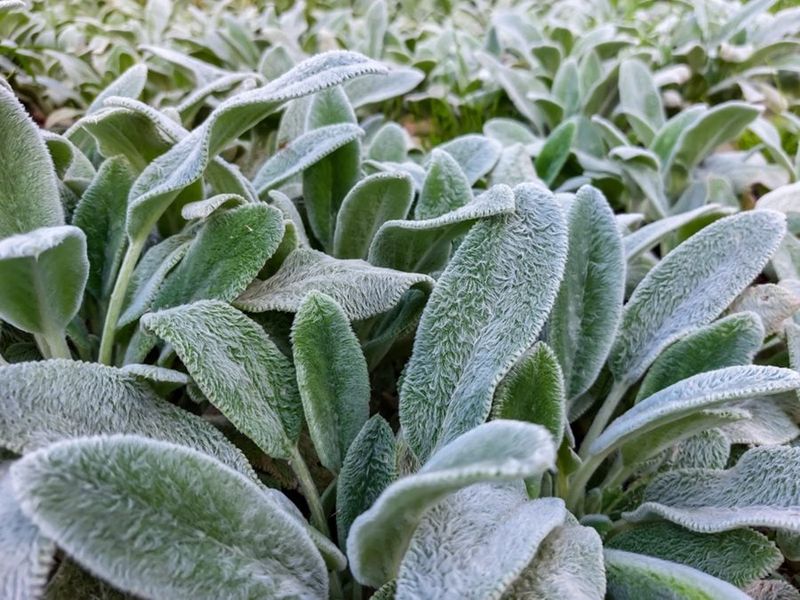
Run your fingers across lamb’s ear and you will understand its name instantly, since the leaves feel like soft, velvety felt. That fuzzy texture is precisely what makes deer and rabbits turn up their noses, since the woolly coating feels unpleasant in their mouths.
The silvery foliage lights up a border and pairs beautifully with bolder colors nearby. It spreads into a low, dense mat that smothers weeds along the way.
Southern heat and dry soil suit it fine, and in fact too much moisture can cause the leaves to rot. Give it a sunny, well-drained spot and it asks for almost nothing.
Soft purple flower spikes rise up in early summer, though many gardeners grow it purely for the foliage. You can snip those spikes off to keep the focus on the leaves.
Kids love petting it, which makes it a fun choice for family gardens. Use it as a soft edging line and enjoy a plant that looks gorgeous, spreads easily, and keeps grazers firmly on the other side.
9. Coneflower
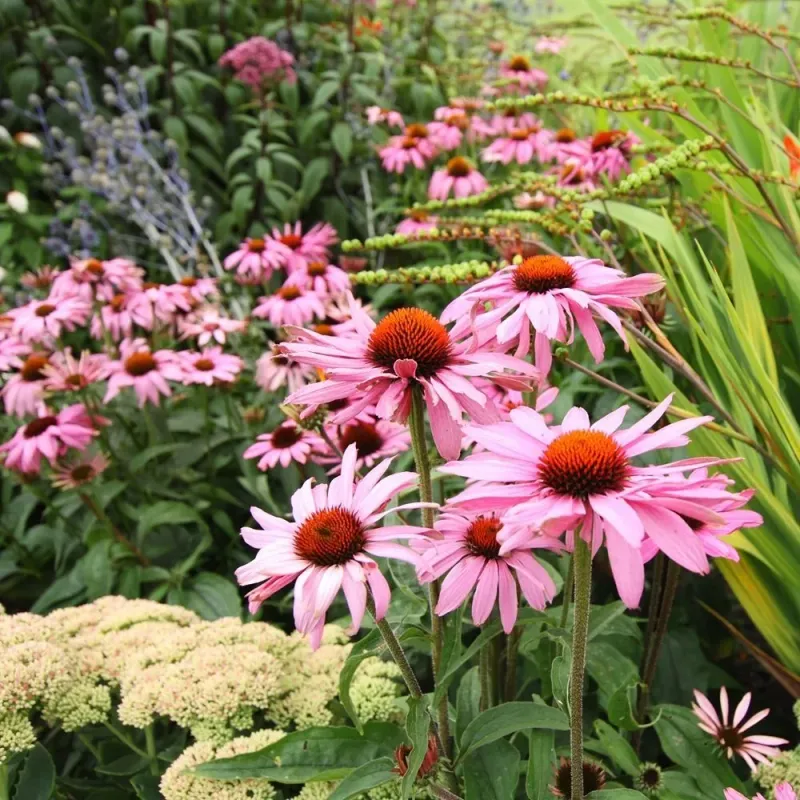
Sturdy, cheerful, and impossibly easy to grow, coneflowers bring butterflies flocking while their coarse, prickly centers and rough leaves keep deer at bay. Rabbits generally leave the tougher foliage alone too.
Native to American prairies, they are built for heat, drought, and neglect, which suits Southern gardeners perfectly. Once rooted, they shrug off the toughest summers.
The classic purple-pink is joined these days by oranges, yellows, and creamy whites, so a mixed planting looks like a sunset. Those raised, spiky centers give the flower its cone-like name.
Leave the seed heads standing in fall and goldfinches will drop by for a snack. That extra wildlife bonus makes them even more valuable in a border.
Deadhead through summer for more blooms, or let them go to seed for winter interest and self-sowing. Either way you win.
Plant them in a loose drift along a bed edge and you get a low-fuss ribbon of color that feeds pollinators, delights birds, and quietly discourages the animals that keep grazing your garden.
10. Black-Eyed Susan
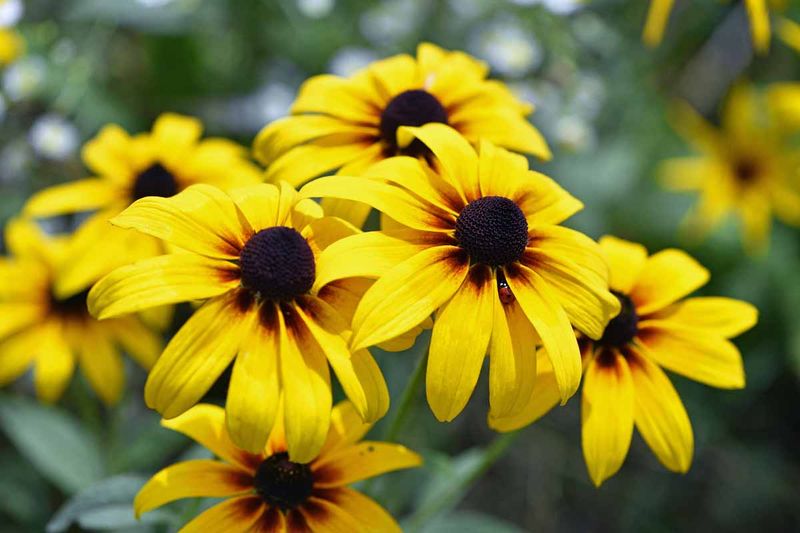
Golden petals surrounding a chocolate-brown center make black-eyed Susans look like little bursts of sunshine scattered through a bed. Their bristly leaves and coarse texture help keep deer and rabbits from making a meal of them.
These wildflowers thrive in Southern heat and poor soil, blooming their hearts out from midsummer into fall. Drought barely slows them down once established.
They multiply happily, so a small planting can fill in a whole border over a couple of seasons. Divide the clumps if they get too crowded and share the extras with friends.
Butterflies and bees adore the flowers, while birds pick at the seed heads later in the year. That makes them a real workhorse for a wildlife-friendly yard.
Pair them with purple coneflowers or ornamental grasses for a prairie look that practically cares for itself. The color contrast is hard to beat.
Line a sunny bed with these dependable bloomers and you will enjoy months of cheerful gold while the grazers wander off to find easier pickings elsewhere in the neighborhood.
11. Bee Balm
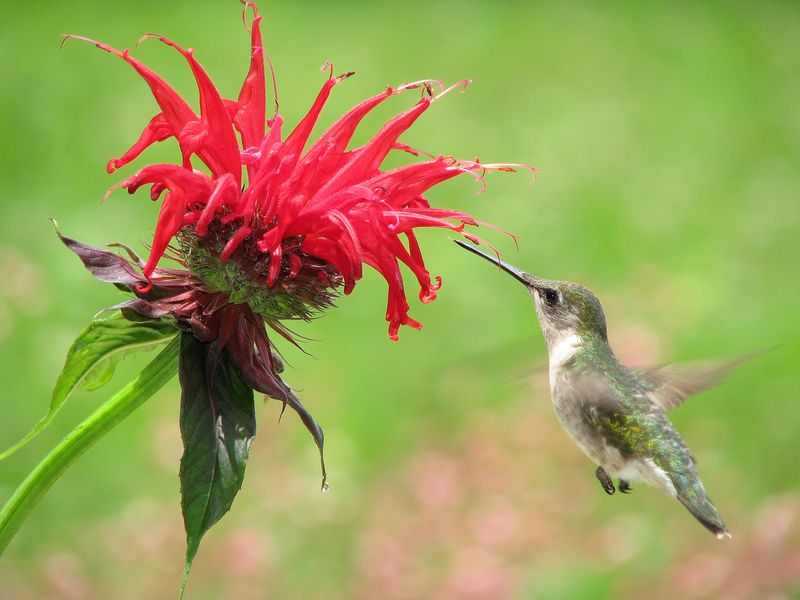
Wild, shaggy blooms in fiery reds and pinks give bee balm a fun, untamed look that hummingbirds simply cannot resist. Its minty, aromatic leaves are the reason deer and rabbits skip right past it.
Part of the mint family, it carries that same pungent oil that grazers find off-putting. Crush a leaf and you will smell exactly why they steer clear.
It likes a bit more moisture than some plants on this list, so a spot that stays evenly damp keeps it happy. Good air flow helps prevent the powdery mildew it can be prone to in humid areas.
The tubular flowers are a buffet for hummingbirds, bees, and butterflies all summer long. Few plants pull in pollinators so reliably.
Native Americans once brewed its leaves into a soothing tea, which is why some folks still call it Oswego tea. That heritage adds a bit of charm to an already lively plant.
Set it in the middle of a border for a splash of color that buzzes with life yet stays safely off the menu.
12. Peony
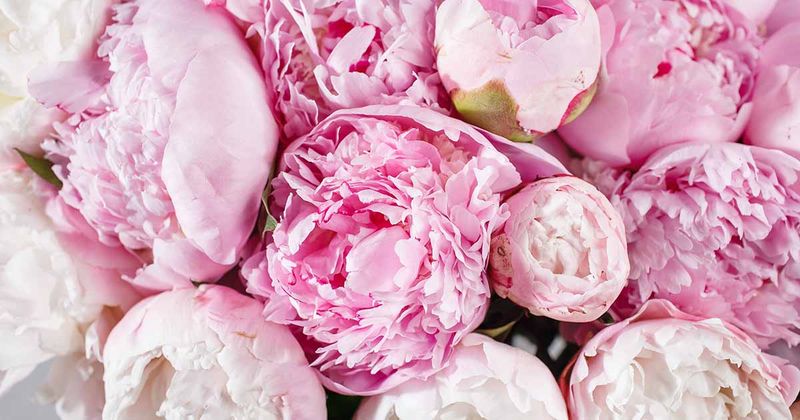
Big, blowsy, and utterly romantic, peonies produce flowers so full and fragrant they look almost unreal. Despite that lush beauty, deer and rabbits generally leave them alone thanks to their thick foliage and bitter compounds.
They prefer cooler winters to set buds, so in the warmer South, choose early-blooming varieties and give them a chilly-enough spot. Once happy, a peony can outlive the gardener who planted it.
The blooms come in soft pinks, creamy whites, and deep magentas, often with a heavenly scent. A single plant can produce dozens of flowers in its prime.
Plant the roots shallow, since burying them too deep is the number one reason peonies refuse to bloom. Patience helps too, as they may take a year or two to hit their stride.
Ants often crawl over the buds, but they are harmless and simply enjoying the sweet nectar. No need to spray them off.
Use peonies as a long-lived anchor in a border and enjoy generations of grazer-proof, showstopping spring flowers with almost no ongoing fuss.
13. Daffodil
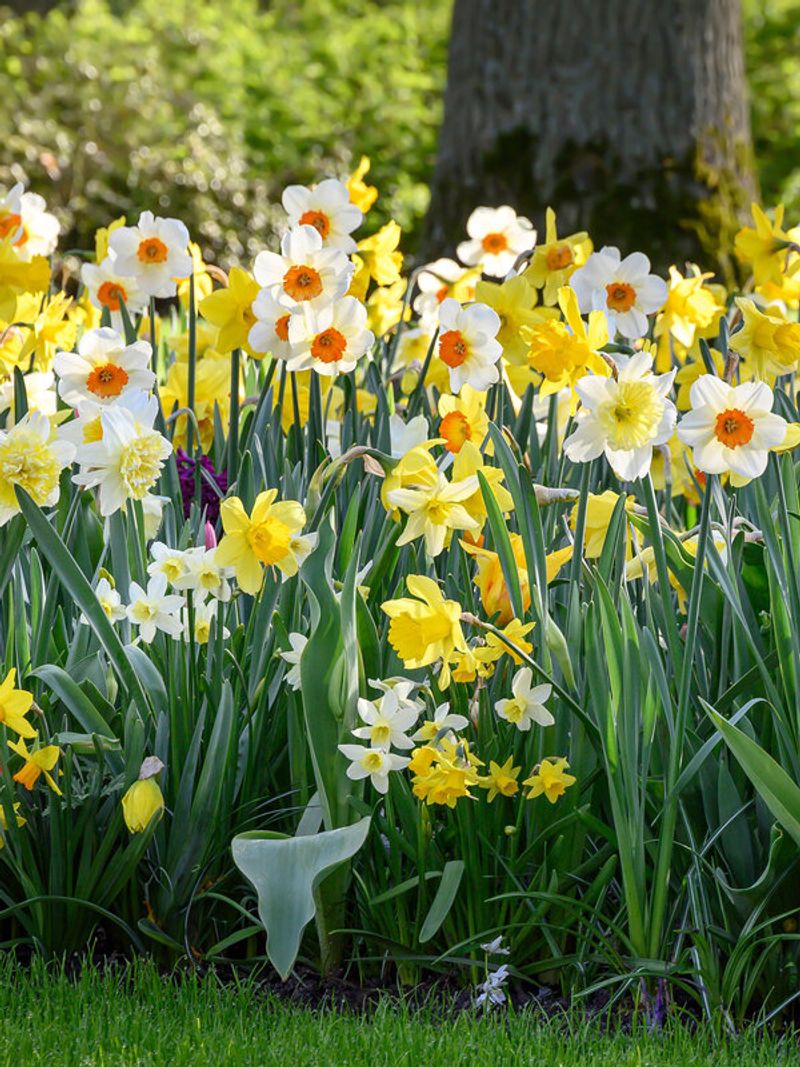
Nothing says spring quite like a cheerful row of daffodils nodding in the breeze, and best of all, they are one of the most reliably grazer-proof bulbs around. Every part of the plant contains toxic compounds that deer and rabbits instinctively avoid.
Because of that built-in protection, gardeners often plant them as a guard ring around tastier bulbs like tulips. The daffodils take the front line so your other plants survive.
They naturalize beautifully, meaning a handful this year can multiply into a golden drift over time. Plant the bulbs in fall for a burst of color the following spring.
Southern gardeners should choose varieties suited to milder winters, since some types need less chilling to bloom. Jonquils and tazettas often perform well in the heat.
Colors have expanded beyond classic yellow to include whites, oranges, and even soft pinks. Mixing types stretches the bloom season for weeks.
Tuck them along the edges of your beds and you get an early, dependable show that critters ignore completely, giving your garden a bright, safe start to the season.
14. Allium
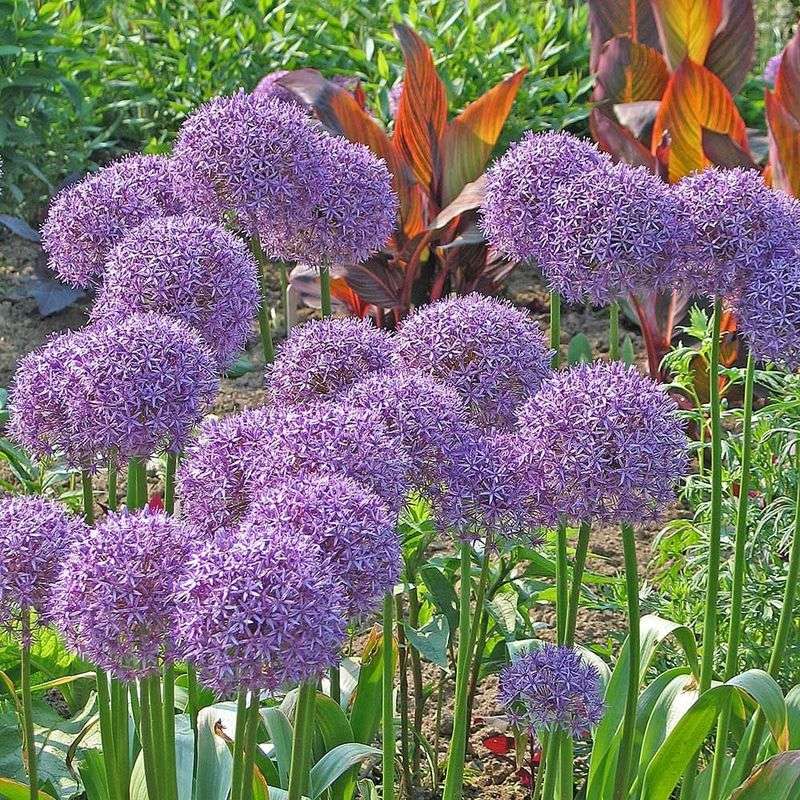
Giant purple globes floating on tall stems make alliums look like something from a whimsical dream, and their oniony scent is exactly why grazers keep away. As members of the onion family, they carry a pungency that deer and rabbits find repulsive.
Plant the bulbs in fall and they reward you with dramatic spheres of tiny star-shaped flowers the following spring or early summer. Few plants add such playful architecture to a bed.
They pair wonderfully with lower, mounding perennials that hide their fading leaves. That layered look keeps the border tidy as the alliums finish up.
Pollinators swarm the blooms, and even after the color fades, the seed heads stay attractive and sculptural. You can leave them standing for texture.
Sizes range from petite chives-like varieties to softball-sized showstoppers, so there is one for every spot. Mixing heights creates a fun, bobbing effect across a bed.
Set a cluster near a walkway where you can admire the round blooms up close, secure in the knowledge that their savory scent keeps the nibblers well away.
15. Coreopsis
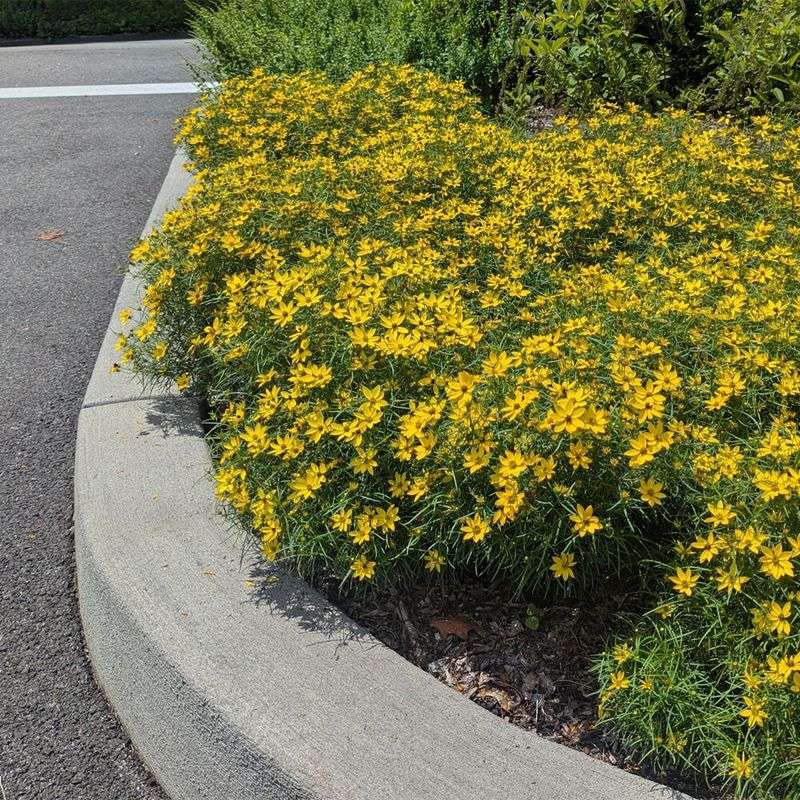
Sunny little daisy-like flowers cover coreopsis so thickly in summer that the plant almost disappears beneath the blooms. Its thin, wiry foliage and mildly bitter taste make it unappealing to both deer and rabbits.
Heat and drought are no match for this cheerful native, which keeps flowering when the temperatures soar. That toughness makes it a natural for Southern beds.
Most types bloom in gold and yellow, though newer varieties add reds, pinks, and bicolors to the mix. The flowers keep coming for months with just a little deadheading.
It stays fairly low and airy, so it works beautifully as a soft, colorful front edge to a border. A single plant spreads into a generous, flowery cushion.
Bees and butterflies visit constantly, and the finches enjoy the seeds once the flowers fade. That makes it a quiet contributor to a lively yard.
Also known as tickseed, thanks to its tiny seeds that resemble ticks, coreopsis is far more charming than that nickname suggests. Line a walkway with it for a bright, low-care, grazer-proof glow.
16. Baptisia
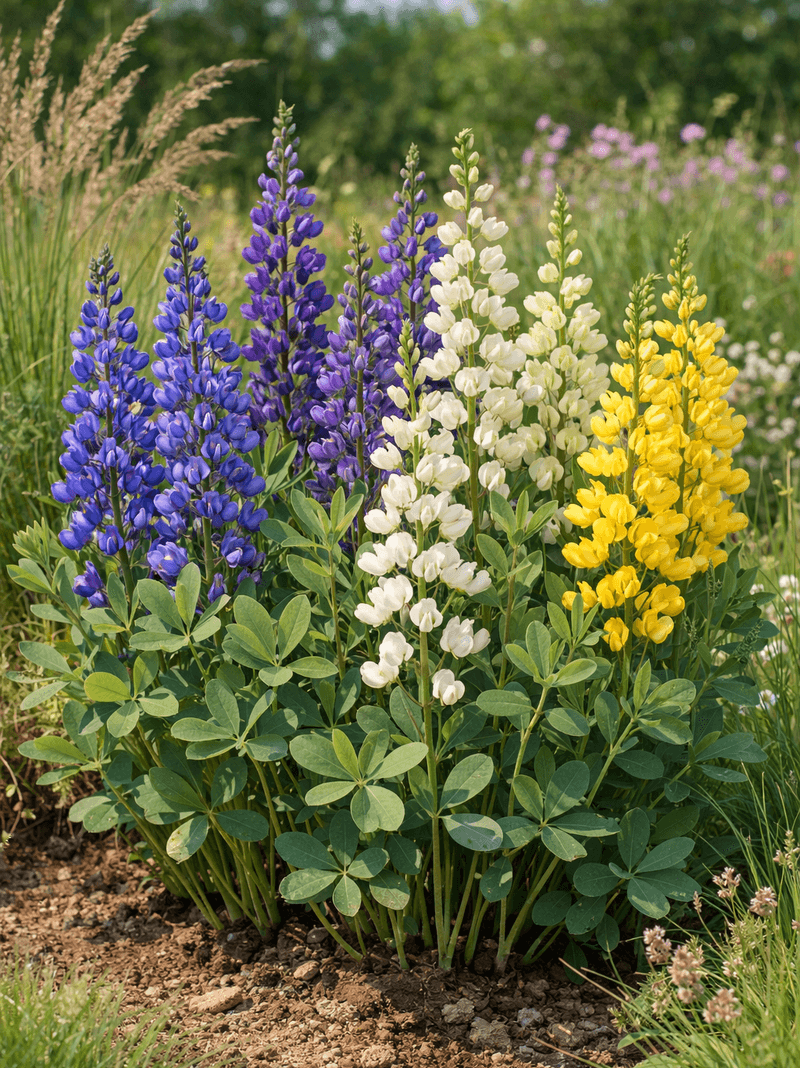
Sometimes called false indigo, baptisia grows into a shrubby, dependable presence that gets better with each passing year. Its tough foliage and slightly bitter compounds keep deer and rabbits from bothering it.
Tall spikes of pea-shaped flowers rise in spring in shades of blue, purple, yellow, and creamy white. After blooming, dark seed pods form that rattle pleasantly in the breeze.
Native to American prairies, it sinks a deep taproot that lets it sail through drought once established. That same taproot means it dislikes being moved, so pick its spot carefully.
The blue-green foliage looks handsome all season, holding its shape even after the flowers finish. Many gardeners treat it almost like a small shrub in the border.
Give it a few years to reach full size, since it is a slow starter that rewards patience with a long, low-maintenance life. Little pruning or fussing is ever required.
Set it toward the back of a bed as a sturdy anchor, and enjoy a native beauty that pollinators love and grazers reliably ignore.
17. Artemisia
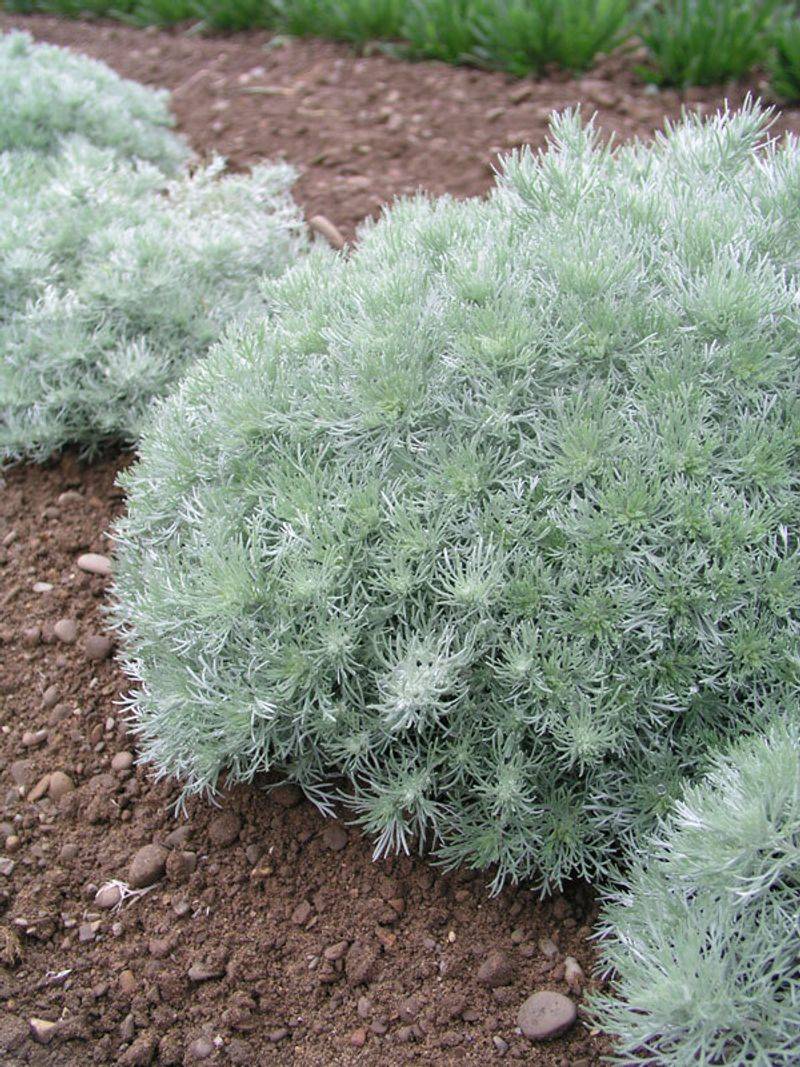
Grown for its shimmering silver foliage rather than showy flowers, artemisia adds a cool, moonlit glow that makes neighboring colors pop. The aromatic, bitter leaves are precisely what keeps deer and rabbits away.
Varieties like Silver Mound and Powis Castle form soft, feathery cushions of gray-white foliage. That silvery texture works like a neutral backdrop for bolder blooms.
It thrives in hot, dry, poor soil, which makes it a natural fit for baking Southern borders. Too much water is actually its biggest enemy, so err on the dry side.
Because the appeal is all in the leaves, it looks tidy from spring through fall with just an occasional trim. Shear it back if it starts to flop in midsummer.
Many kinds are close cousins to the herbs used in absinthe and vermouth, which explains that distinctive pungent scent. Grazers get one whiff and keep moving.
Weave a ribbon of silver through your border with artemisia and you get an elegant, drought-proof accent that ties the whole planting together while staying firmly off the wildlife menu.
18. Lantana
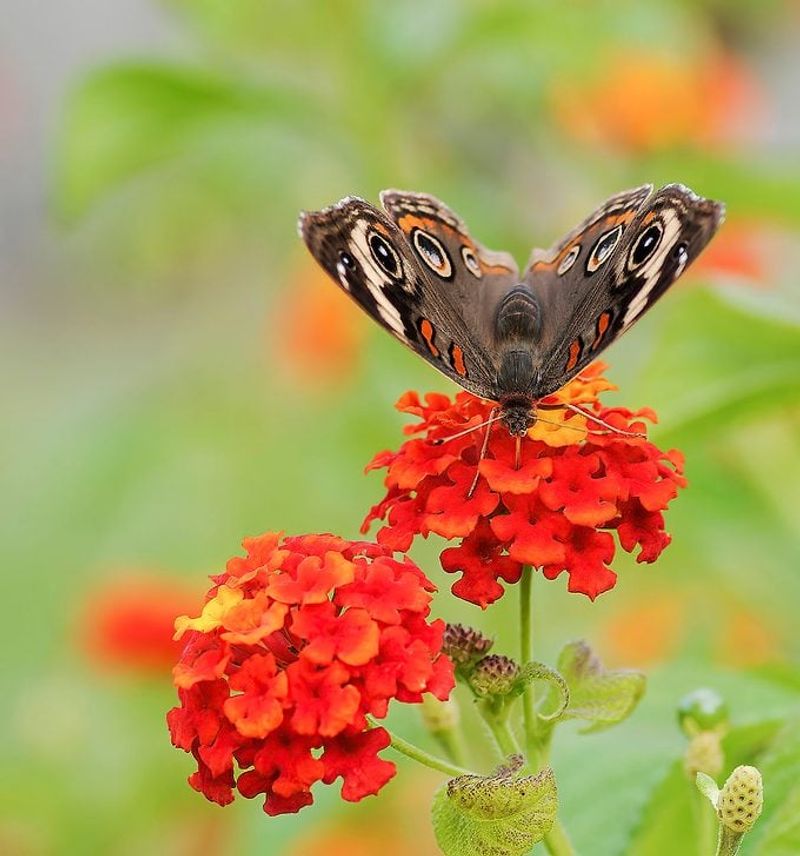
Bursting with clusters of tiny multicolored blooms, lantana is a heat-loving powerhouse that butterflies adore and deer avoid. The rough, strongly scented leaves give off an aroma that grazers find distasteful.
In the warm South, especially Florida and Texas, it blooms nonstop from spring until frost, sometimes acting like a small shrub. Little is more reliable when summer turns brutal.
Flowers often shift colors as they age, so a single cluster might show yellow, orange, and pink all at once. That rainbow effect keeps a bed lively for months.
It shrugs off drought and poor soil, asking only for full sun and good drainage. Overwatering does more harm than help here.
Butterflies practically line up for the nectar, making it a top pick for a pollinator-friendly border. Hummingbirds sometimes join the party too.
A quick heads-up: the berries can be toxic if eaten, so plant it thoughtfully around curious pets or kids. That same chemistry is part of why it stays off the grazers’ plates, giving you color, wildlife, and protection all season.
19. Rosemary
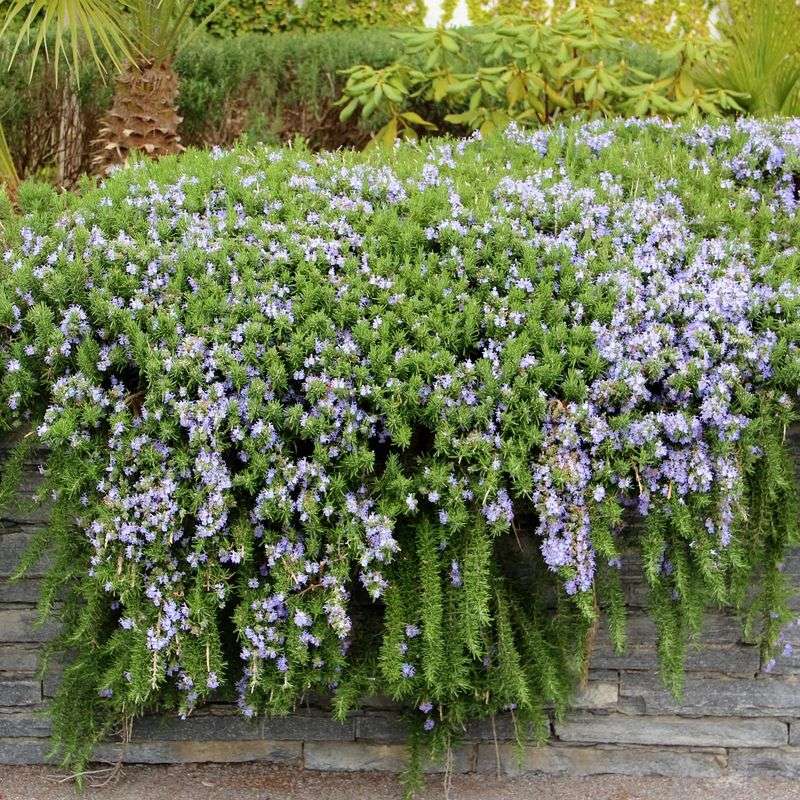
Both a kitchen staple and a garden guardian, rosemary earns its spot with piney, fragrant needles that season your cooking and repel hungry animals. That powerful aroma is exactly what deer and rabbits cannot stand.
In the South it can grow into a sizable woody shrub, sometimes reaching several feet tall and wide. Trailing types spill nicely over walls and bed edges.
Full sun and sharp drainage keep it thriving, and it actually prefers being left a little dry. Soggy roots are the quickest way to lose it.
Small blue flowers appear in cool weather, drawing bees when little else is blooming. The rest of the year the evergreen foliage keeps the border looking full.
Snip sprigs anytime for roasting potatoes or grilling meat, and the plant only grows bushier for the trim. That dual purpose makes it especially satisfying to grow.
Plant a low hedge of it along a bed and you get a fragrant, edible, evergreen barrier that flavors your dinners while quietly convincing deer and rabbits to graze somewhere far away.
20. Verbena
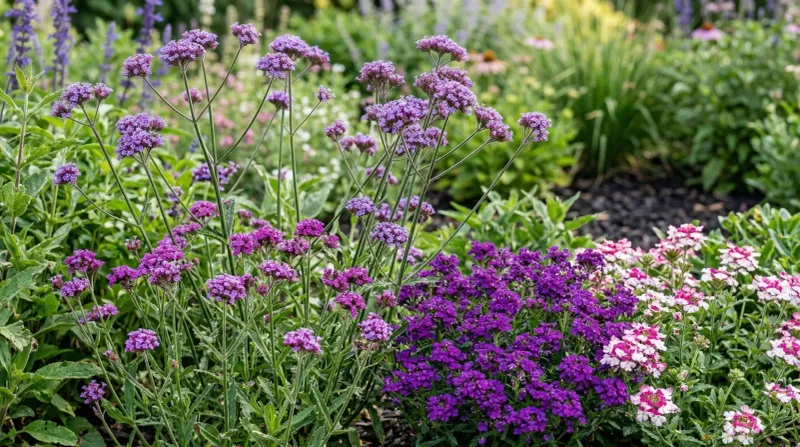
Low, spreading, and loaded with color, verbena carpets the front of a bed in clusters of tiny blooms that butterflies chase all summer. Its slightly rough, aromatic foliage helps steer deer and rabbits elsewhere.
The heat-tolerant types are perfect for Southern gardens, flowering relentlessly from spring right through fall. Drought barely slows them down once they settle in.
Colors run from vivid purple and magenta to soft pink, red, and white. That range makes it easy to match or contrast with whatever else is in the border.
Its trailing habit makes it wonderful for spilling over the edge of a raised bed or wall. It also fills bare spots quickly, crowding out weeds.
A light shearing midseason freshens it up and sparks a whole new flush of flowers. Otherwise it needs very little attention.
Pollinators treat it like a favorite pit stop, so the beds stay busy with helpful visitors. Line a walkway with a river of verbena and you get a low, colorful edge that dazzles bees and butterflies while keeping the grazers uninterested.
21. Hellebore
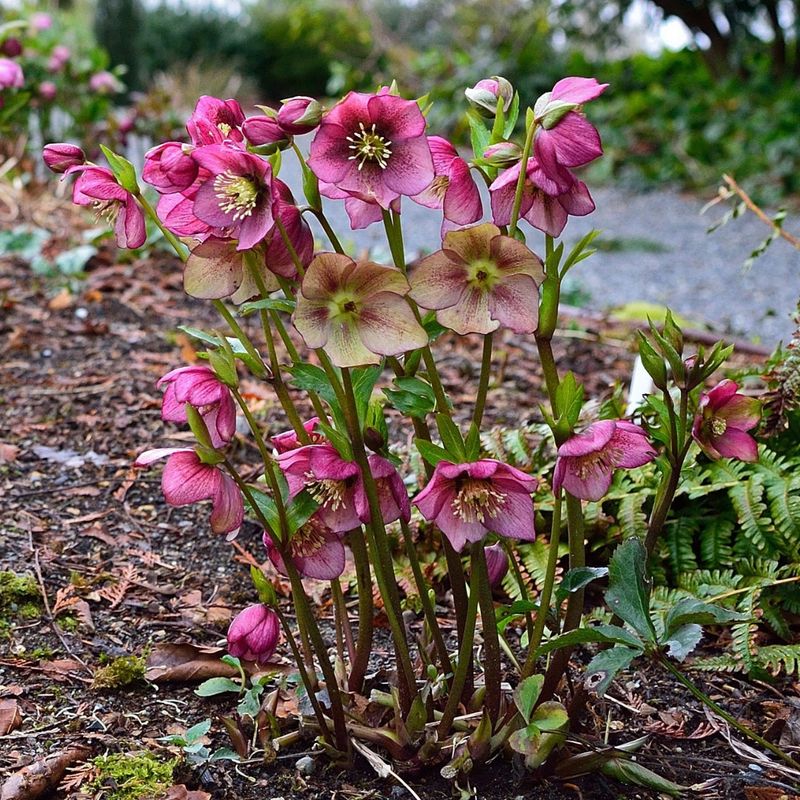
Blooming when almost nothing else dares, hellebores open their nodding, cup-shaped flowers in the cool months and bring life to a dreary shade garden. Their leathery leaves and toxic sap make them thoroughly unappealing to deer and rabbits.
Also called Lenten rose, they flower from late winter into spring, filling a gap when the garden feels bare. That early timing makes them genuinely precious.
They prefer part to full shade and rich, well-drained soil, thriving beneath trees where sun-lovers fail. Once settled, they are remarkably long-lived and low-fuss.
Blooms come in moody purples, dusky pinks, greens, creams, and speckled combinations. The flowers often face downward, so plant them where you can see beneath the petals.
The evergreen foliage looks handsome year-round, giving structure long after the flowers fade. Trim off tattered old leaves in late winter to show off the new blooms.
Because every part is poisonous, they get near-total protection from grazers, which is a rare gift in a shady bed. Tuck them along a woodland edge for reliable, critter-proof winter color.
22. Ornamental Sage (Autumn Sage)
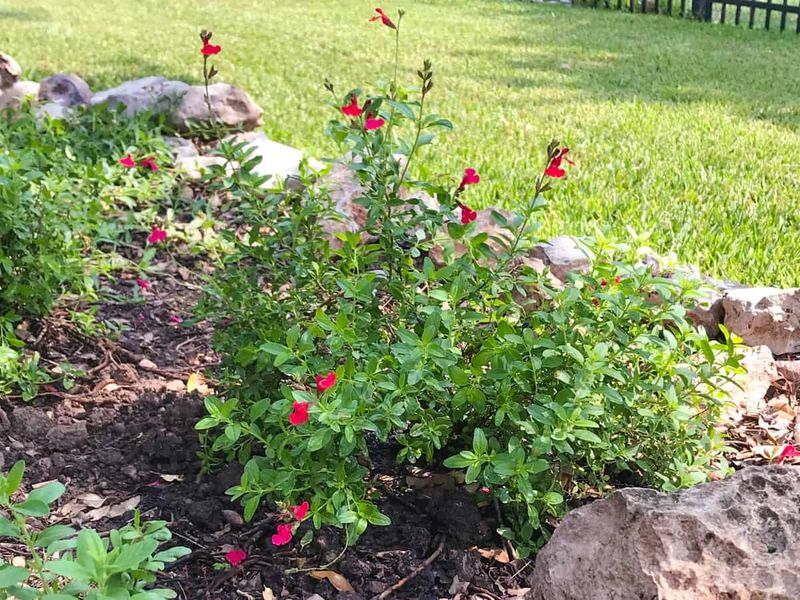
Tough as nails and blooming for months on end, autumn sage is a Southern favorite that hummingbirds visit constantly while deer keep their distance. The aromatic foliage carries a scent that grazing animals find off-putting.
Native to Texas and the Southwest, it is built for heat, drought, and rocky soil where other plants give up. That heritage makes it almost carefree once established.
Small tubular flowers appear in reds, pinks, corals, and whites, sometimes for most of the year in mild climates. The nonstop color is a big part of its appeal.
It forms a compact, shrubby mound that fits neatly at the middle or front of a border. A quick shearing keeps it dense and encourages fresh blooms.
Hummingbirds and butterflies flock to the tubular flowers, turning the plant into a wildlife hub. Few perennials pull in pollinators so consistently in dry heat.
Give it full sun and lean, well-drained soil, and it rewards you with effortless, grazer-proof color. Plant a run of it along a hot, dry bed and enjoy months of easy blooms.
23. Daylily
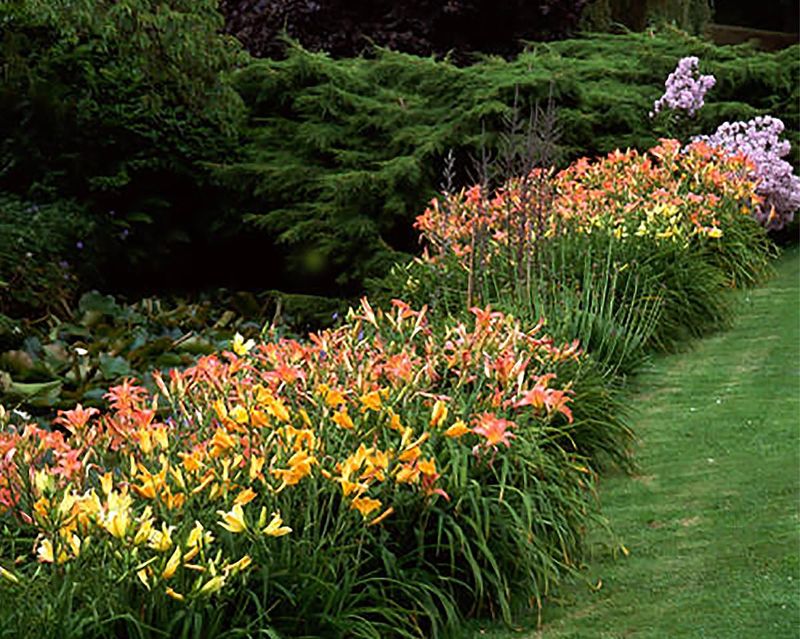
Nicknamed the perfect perennial by many gardeners, daylilies deliver waves of trumpet-shaped blooms with almost no complaints. While no plant is fully bulletproof, their tough, fibrous foliage helps discourage casual nibbling from deer and rabbits.
They tolerate heat, drought, poor soil, and neglect, which makes them a Southern gardening backbone. Once planted, they spread into dependable clumps that fill a bed fast.
Each flower lasts a single day, hence the name, but a healthy plant sends up so many buds that the show continues for weeks. Reblooming varieties stretch that season even longer.
Colors span nearly the whole rainbow, from classic golds and oranges to purples, reds, and near-whites. Mixing several types keeps a border interesting all summer.
The strappy green leaves make a tidy edge even when the plant is not in bloom. Divide the clumps every few years to keep them vigorous and to gain free plants.
Line a long bed with daylilies and you get a colorful, drought-proof ribbon that fills quickly, asks for little, and stands up well to grazing pressure.
24. Butterfly Weed
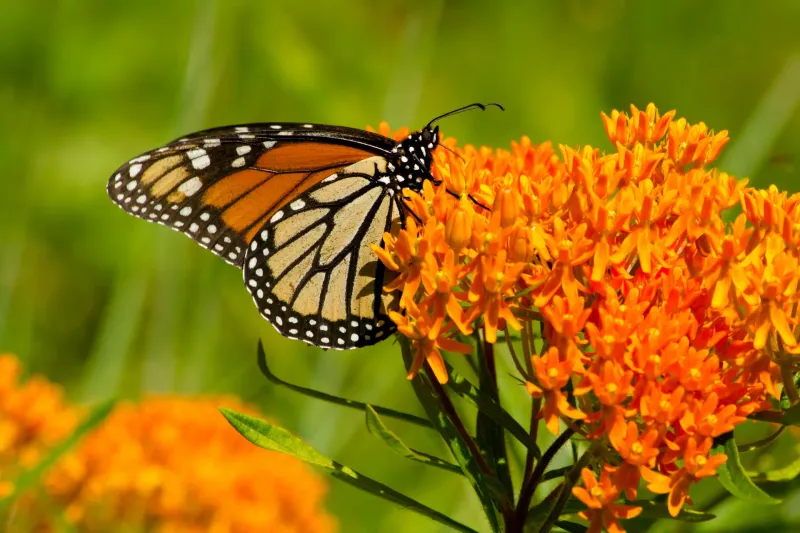
Glowing orange clusters make butterfly weed impossible to miss, and its role as a monarch host plant makes it a hero in any wildlife garden. The milky sap running through its stems is bitter and mildly toxic, so deer and rabbits leave it alone.
A type of milkweed, it feeds monarch caterpillars while its flowers offer nectar to countless other pollinators. Planting it is one of the easiest ways to support struggling butterflies.
It thrives in hot, dry, sandy soil, sending down a deep root that helps it survive drought. That taproot means it resents being moved, so choose its home wisely.
The brilliant orange blooms appear in summer, with some varieties in yellow or red. Seed pods later split open to release silky, wind-borne seeds.
Give it full sun and lean soil, and it practically takes care of itself. Overwatering or rich soil can actually cause it to flop or rot.
Set it along a sunny bed edge and enjoy a native standout that boosts monarchs, dazzles with color, and stays firmly off the grazers’ menu.
25. Ornamental Grasses (Muhly Grass)
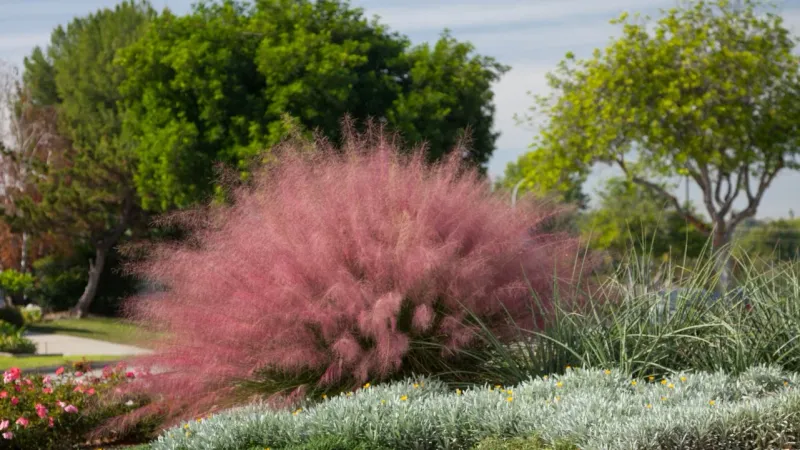
When pink muhly grass blooms, it looks like a rosy cloud has settled into the garden, and grazers pay it no mind at all. Deer and rabbits generally ignore ornamental grasses because the tough, fibrous blades offer little worth eating.
This native Southern favorite explodes into airy pink plumes in fall, glowing when backlit by the low sun. Few plants create such a soft, dramatic effect.
It handles heat, drought, salt, and poor soil with ease, making it a natural for Florida and Texas landscapes. Once established, it basically fends for itself.
The fine green blades look neat all summer before the fall show steals the spotlight. Cut it back in late winter and it springs up fresh again.
Massed along a bed or used as a see-through screen, it adds movement and texture that flowers alone cannot match. The plumes sway beautifully in any breeze.
Birds appreciate the seeds and shelter, adding to its wildlife value. Plant a sweep of muhly grass for a low-care, grazer-proof feature that turns your yard into a glowing autumn showpiece.
26. Sedum (Stonecrop)
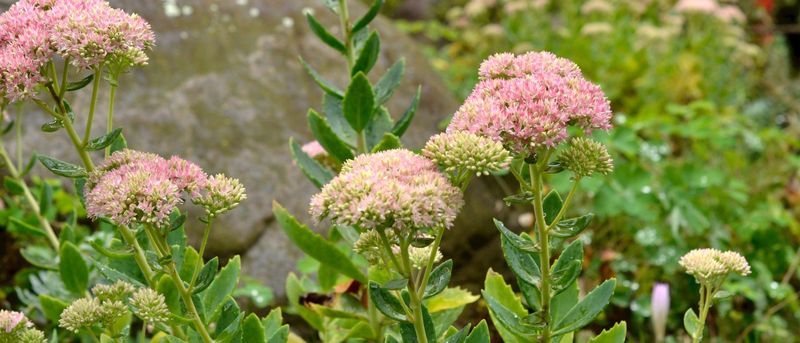
Fleshy, water-storing leaves give sedum a plump, succulent look that deer and rabbits find far less tempting than tender greens. The thick foliage and slightly bitter taste help keep grazers moving along.
Upright types like Autumn Joy form sturdy mounds topped with broccoli-like flower heads that shift from pink to rusty red as fall arrives. Low, creeping kinds make excellent ground covers along a bed’s front.
Drought is practically its comfort zone, which makes it ideal for hot, dry Southern spots and rock gardens. Overwatering is one of the few ways to harm it.
The late-season blooms are a lifeline for bees and butterflies when other flowers are winding down. That autumn timing gives pollinators a valuable final feast.
Even after frost, the dried flower heads stand up for winter interest and a bit of structure. Leave them standing until spring, then cut back.
It multiplies easily, and a broken stem often roots right where it lands. Tuck sedum along a sunny edge for a tough, late-blooming, grazer-resistant plant that asks for almost nothing in return.