
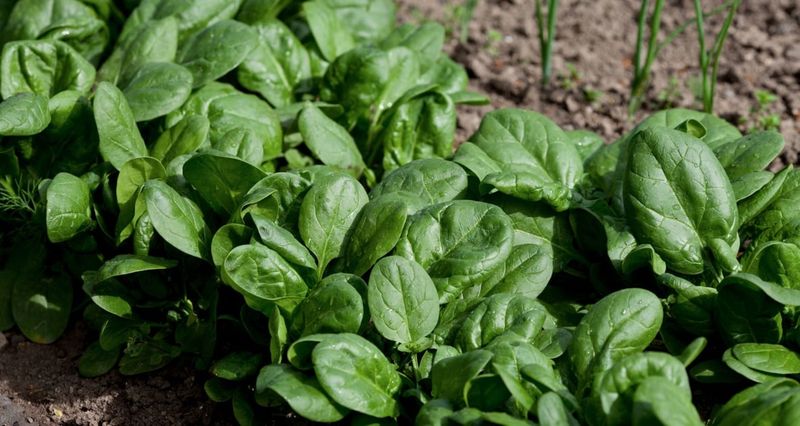
Florida gardeners get a second chance when cooler weather arrives. While northern gardens slow down, many Florida yards are ready for leafy greens, roots, and crisp vegetables that hate summer heat.
The trick is sowing them before the best planting window slips by. Here are seven cool-weather vegetables worth getting into the soil right now.
1. Lettuce
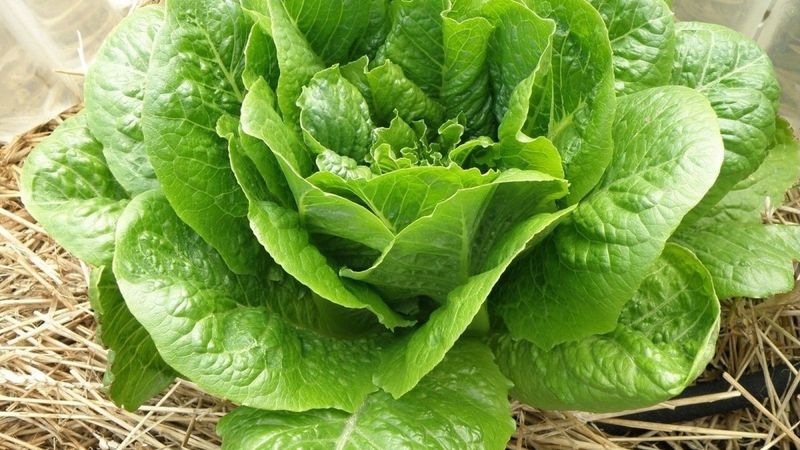
A bowl of homegrown lettuce feels like a small garden victory, especially in Florida where summer heat can turn tender greens bitter fast. Cooler weeks give lettuce the mild weather it needs to grow soft leaves instead of rushing into seed.
Leaf lettuce is the easiest type for many home gardeners because you can harvest the outer leaves while the center keeps growing. Romaine and butterhead can also do well, but they need steady moisture and protection from sudden hot spells.
Florida’s sandy soil dries quickly, so mix in compost before sowing and water lightly but often until seeds sprout. A thin layer of straw or shredded leaves can help keep the surface from crusting over.
For a longer harvest, sow a small patch every 10 to 14 days instead of planting the whole packet at once. If a warm afternoon shows up, a little shade cloth or a spot with morning sun can keep lettuce tasting sweet for longer.
2. Carrots
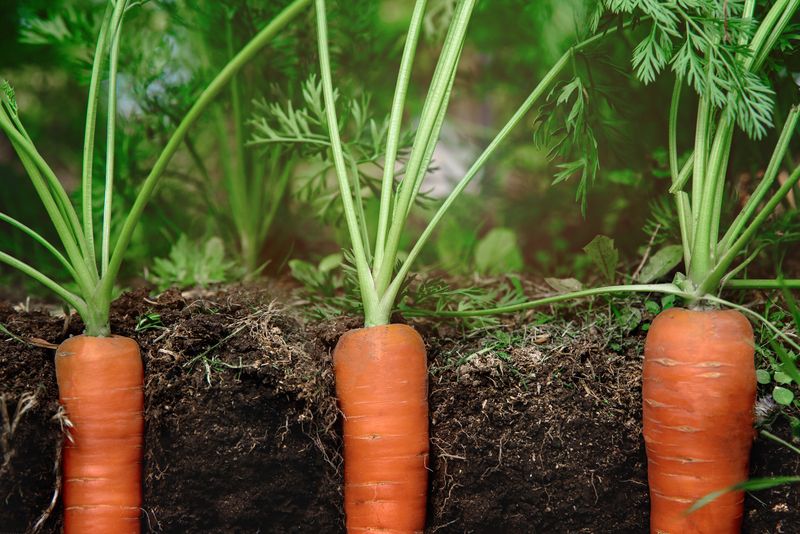
Few crops reward patience like carrots, because the best part stays hidden until harvest day. Florida’s naturally sandy soil can actually be a gift here, as long as the bed is loose, stone-free, and not packed down.
Carrots need direct sowing because they dislike being transplanted. Scatter seeds shallowly, cover them with a very light layer of fine soil, and keep the surface moist while they germinate.
The slow start is where many gardeners give up too soon. Carrot seeds can take a while to appear, so mark the row and avoid letting the top inch of soil dry out during that waiting period.
Once seedlings are a couple of inches tall, thin them so each root has room to size up. Shorter types such as Nantes or Chantenay are smart choices for home beds, especially where soil is shallow or slightly uneven.
Carrots taste better when nights are cool, which is why timing matters so much. Sow them before the season warms back up, and you give them the best chance to become crisp, sweet, and worth the wait.
3. Radishes
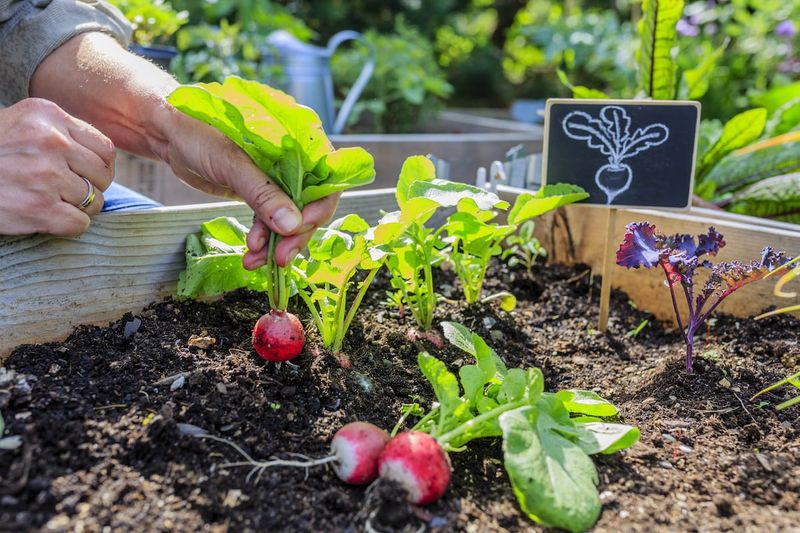
Gardeners who like quick results should save room for radishes. Some varieties are ready in about a month, which makes them one of the fastest cool-weather crops to sow when the planting window is short.
Radishes are helpful in a busy Florida garden because they can fit between slower crops. Tuck them along the edge of a lettuce bed, between young cabbage plants, or in any open strip that gets good sun.
Direct sow the seeds about half an inch deep, then thin them early. Crowded radishes often make skinny roots or mostly leaves, so a little spacing now saves disappointment later.
Moisture matters more than many people expect. If the soil swings from dry to soaked, roots can split or turn pithy, especially during warm spells.
The flavor is another reason they belong on this list. Cool weather keeps radishes crisp and pleasantly peppery, while heat can make them harsh almost overnight.
For a fun kitchen bonus, the young greens are edible too. Harvest them while tender, rinse well, and use them in sautés or mixed with milder greens.
4. Kale
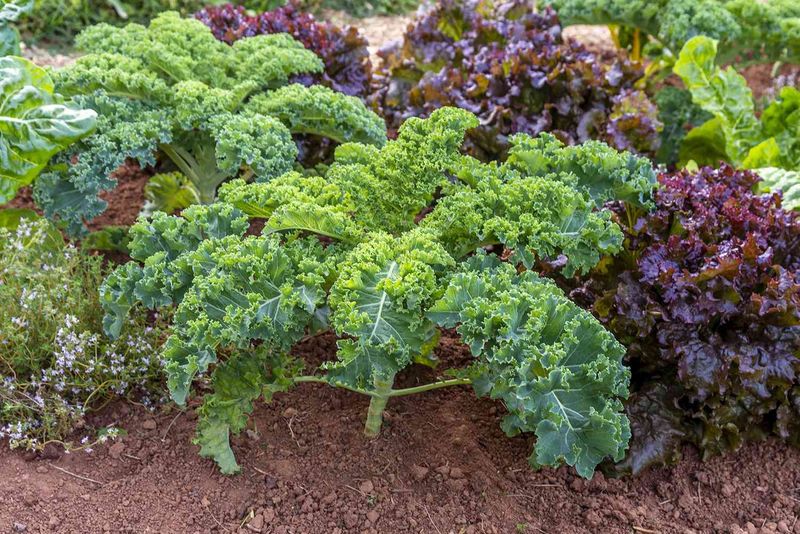
Kale has earned its tough reputation, and in a Florida cool-season garden that toughness is useful. It can handle cooler nights, bounce back from light harvesting, and keep producing leaves for weeks when treated well.
Unlike lettuce, kale is not as fussy about every warm afternoon. It still prefers the cool season, but established plants can often push through Florida’s up-and-down winter weather better than many tender greens.
Start seeds directly or transplant young plants into soil improved with compost. Give each plant enough space for air movement, because crowded greens stay damp longer and can invite pest and disease problems.
Harvest the lower leaves first and leave the center growing point alone. That simple habit turns kale into a cut-and-come-again crop instead of a one-time harvest.
Watch for caterpillars, especially if cabbage moths are active in your area. Handpicking, row cover, or UF-IFAS-aligned low-toxicity controls such as Bacillus thuringiensis products can help when used according to the label.
Curly, lacinato, and red types each bring a different look to the bed. If your vegetable garden sits near a patio or walkway, kale can be both food and a handsome cool-season accent.
5. Beets
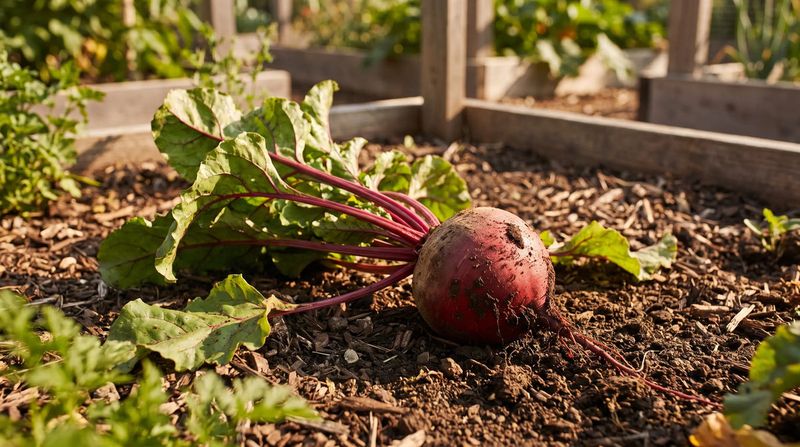
Beets bring two harvests from one planting, which is hard to beat in a small Florida garden. The roots are the prize for many cooks, but the leafy tops are also useful when picked young and tender.
Seeds are actually clusters, so more than one seedling can pop up from the same spot. Thin them carefully once they sprout, and use the tiny greens instead of tossing them aside.
Loose soil makes a real difference for smooth roots. Work compost into sandy beds, but avoid heavy amounts of fresh nitrogen, which can push leafy growth at the expense of root development.
Steady watering helps beets grow evenly. In Florida’s fast-draining soil, that often means checking the bed more often than you would in heavier clay soil.
Beets stand apart from other cool-weather crops because they give color to both the garden and the plate. Burgundy stems, glossy leaves, and round roots make the bed look lively when many warm-season vegetables are finished.
Harvest roots when they are still medium-sized for the best texture. Oversized beets can become woody, especially if warm weather returns before you pull them.
6. Spinach
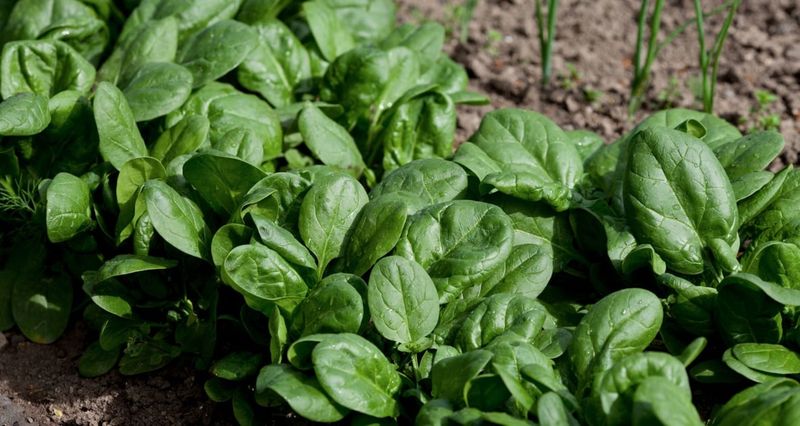
Spinach can be a little dramatic in Florida, but that is exactly why it deserves attention before the window closes. Give it cool weather and even moisture, and it can produce tender leaves that are far better than bagged greens.
The catch is heat. Spinach bolts quickly when days get too warm, so sowing on time is not just helpful, it is the whole game.
Choose a spot with morning sun and some relief from harsh afternoon warmth, especially in Central and South Florida. In North Florida, full sun is often fine during the cooler stretch, but the soil should still stay consistently moist.
Seeds may germinate poorly in warm soil. If conditions are still borderline, some gardeners chill seeds briefly in the refrigerator before sowing, then plant them shallowly and water with care.
Harvest baby leaves early for salads, or let plants grow a bit larger for cooking. Picking outer leaves first can extend the harvest without stressing the whole plant.
Spinach is not the easiest vegetable on this list, but its flavor makes the effort worthwhile. Plant it now, and you may catch the sweet spot before Florida warmth pushes it out of season.
7. Turnips
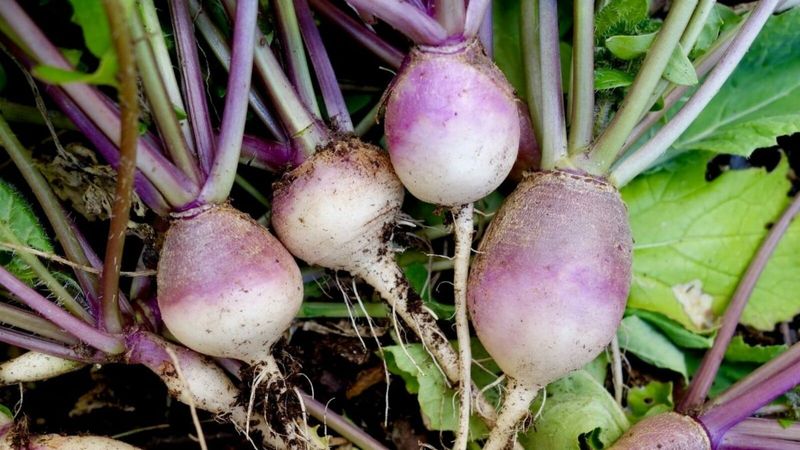
Old-fashioned turnips deserve a comeback in Florida home gardens. They are practical, quick, and generous, giving you edible greens first and roots soon after.
Turnips grow best when sown directly into the bed. Plant seeds shallowly in loose soil, then thin young plants so the roots have space to swell.
For gardeners dealing with sandy soil, compost is your friend here. It helps hold moisture without making the bed soggy, which is important because turnips need steady growth to stay mild and tender.
Small roots are usually the sweetest. Pull them when they are young if you want a milder flavor, or let a few size up for roasting, mashing, or adding to soups.
The greens are more than a side benefit. Pick a few leaves from each plant while they are young, but do not strip the plant bare if you still want a good root harvest.
Turnips also fit well into open spaces after summer crops come out. If peppers, okra, or basil left behind a bare patch, a short row of turnips can turn that empty soil into food before the warm season returns.