
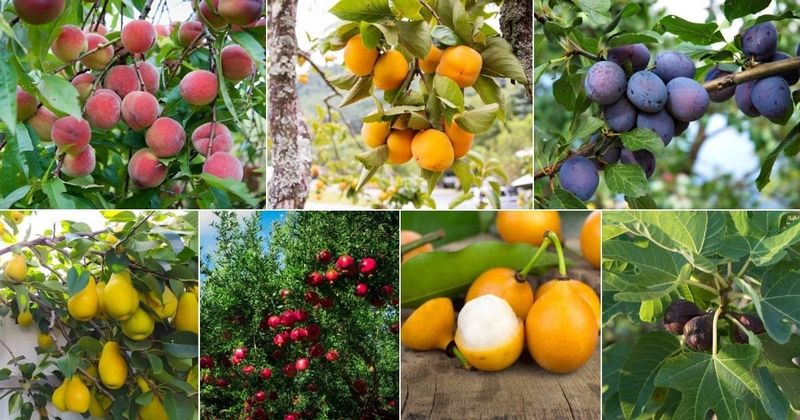
Florida yards can grow real fruit without turning you into a full-time farmer. The trick is choosing trees that can handle sandy soil, hard rain, sticky heat, and a little forgetfulness.
Some fruit trees actually do better when you stop fussing over them so much. Here are seven easy picks that give home gardeners a better chance at fruit with less stress.
1. Loquat
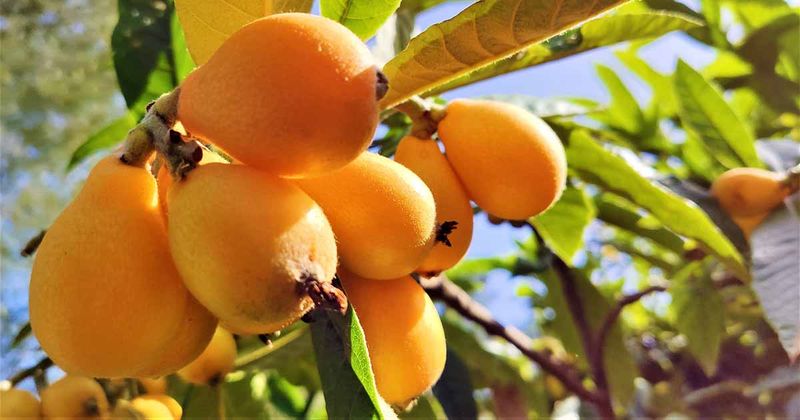
Right when many yards look tired, loquat quietly starts handing out fruit like a neighbor with extra groceries. It is one of the easiest fruit trees for Florida gardeners because it behaves more like a tough ornamental than a demanding orchard tree.
Loquat is evergreen, handsome, and fairly forgiving once established. It handles Florida’s sandy, fast-draining soil better than many fussy fruit trees, and it usually needs only basic watering while young.
After the roots settle in, many homeowners can treat it as a low-care shade and fruit tree rather than a weekend project.
The fruit ripens in late winter to spring in much of Florida, which makes it feel like a bonus before mangoes, figs, and summer crops get going. Birds may find the fruit too, so pick as it colors if you want the best bowlful for yourself.
Give loquat sun, room to spread, and decent drainage. Skip heavy pruning unless you need to shape it after harvest or remove storm-broken limbs.
Its real charm is that it looks polished near a driveway or side yard even when life gets busy.
2. Fig
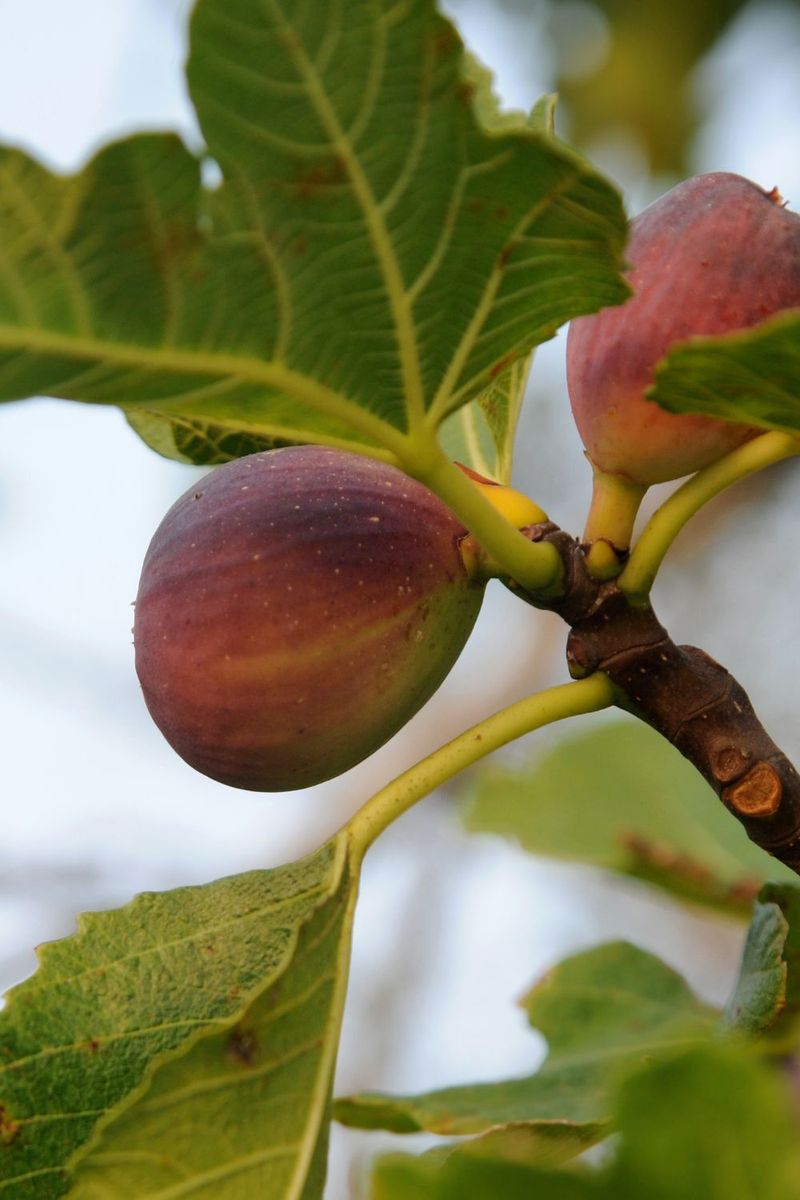
Few backyard fruits feel as old-fashioned and rewarding as a fig warmed by the sun. For Florida homeowners who want fruit without constant spraying or coddling, fig trees earn their spot by being sturdy, compact, and surprisingly productive.
Figs like sun, good drainage, and a little space for their roots. They can handle sandy Florida soil if you help them get started with mulch and steady watering during their first year.
Once established, they are not the kind of tree that needs weekly drama.
Choose varieties known to perform in the South, such as Celeste, Brown Turkey, or LSU-type selections where suited. In many Florida yards, figs stay small enough for side gardens, fence lines, or edible landscape beds.
That makes them especially useful for gardeners who do not want a huge canopy near the house during storm season.
Keep pruning simple. Remove dead wood, open the center a bit for airflow, and harvest fruit as it softens because ripe figs do not wait politely on the branch.
A net may help if birds and squirrels discover the tree before you do.
3. Muscadine Grape Trained as a Small Tree
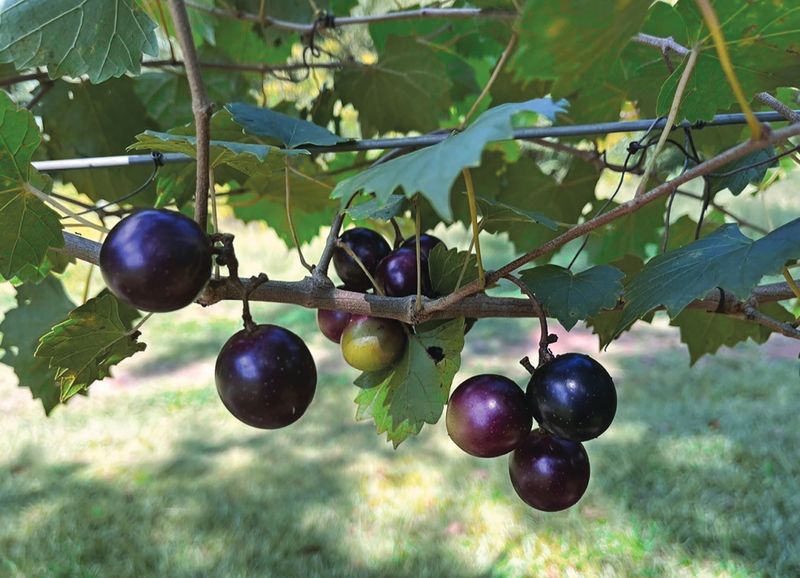
A grape that laughs at Southern humidity sounds almost too good, but muscadine has been doing that job for generations. While it is technically a vine, many home gardeners train it on a single strong post or arbor so it works like a small fruiting feature in the yard.
Muscadines are native to the Southeast, and that gives them a big advantage in Florida conditions. They tolerate heat, humidity, and many disease pressures better than bunch grapes, which often struggle in the Deep South.
If you have ever watched regular grapes mildew into disappointment, muscadine feels like a smarter local answer.
The main task is structure, not fuss. Give the plant a strong trellis, fence, arbor, or single-post training system from the beginning.
After that, pruning in the dormant season keeps fruiting wood fresh and prevents a tangled green monster.
Some muscadines need a pollinizer, while self-fertile types can fruit on their own, so check the variety before planting. The payoff is bold, sweet-tart fruit with thick skins, great for fresh eating, jelly, juice, or a very Southern backyard snack.
It is a practical pick for gardeners who want wildlife value too, since birds and pollinators often visit the planting.
4. Mulberry
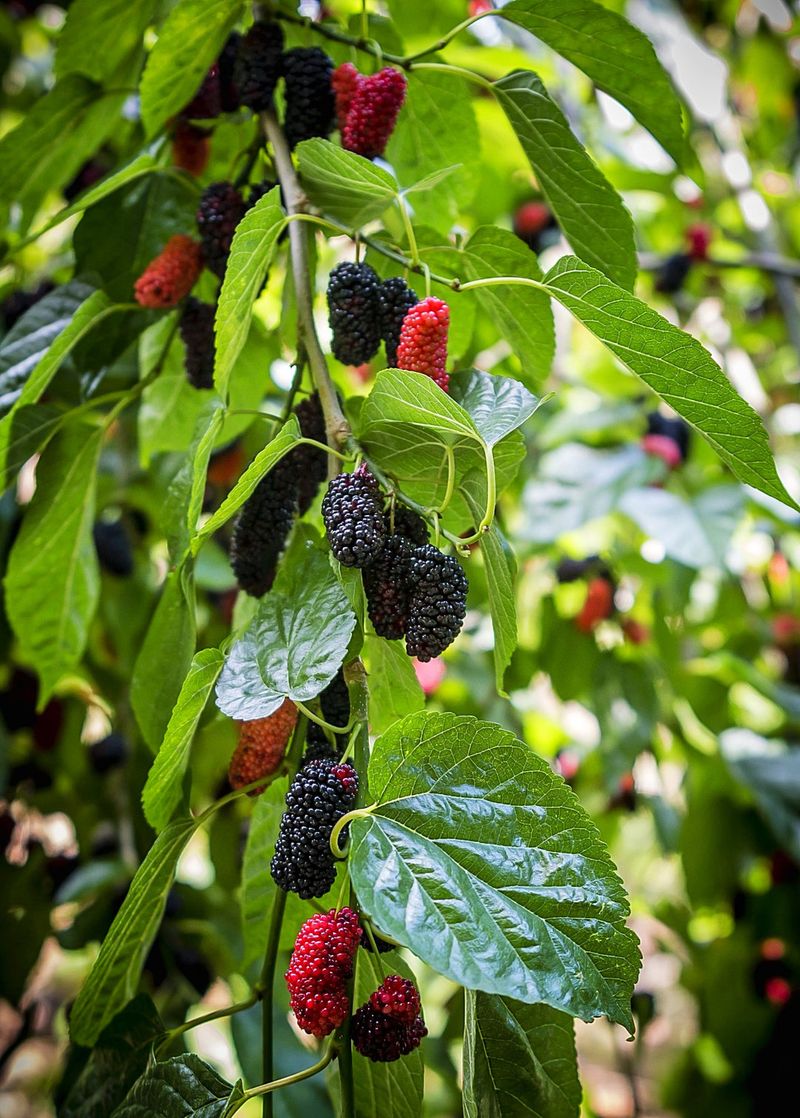
Plant a mulberry where purple-stained fingers will not bother you, and it may become the most generous tree in the yard. It grows fast, fruits heavily, and asks for far less pampering than many trendy backyard edibles.
Mulberries are tough trees for warm Southern gardens, and several types can perform well in Florida when matched to the site. They are useful where a gardener wants quick shade plus fruit, especially on a larger lot.
The berries can be sweet, juicy, and excellent for fresh eating, cobblers, smoothies, and jam.
The reason mulberry rewards neglect is simple: it has strong growth and does not need rich soil to get moving. Sandy ground, full sun, and mulch are usually enough to help it settle in.
Water young trees during dry spells, then reduce attention as the tree matures.
Placement matters more than pampering. Do not put mulberry over a driveway, patio, pool deck, or white walkway unless you enjoy berry art.
Birds love the fruit, which is great for a wildlife-friendly yard but less great if the tree hangs over a parked car.
Prune for size after fruiting or during dormancy, and choose less aggressive varieties when space is limited. A well-placed mulberry can be wonderfully low-effort, but it deserves room to be itself.
5. Pomegranate
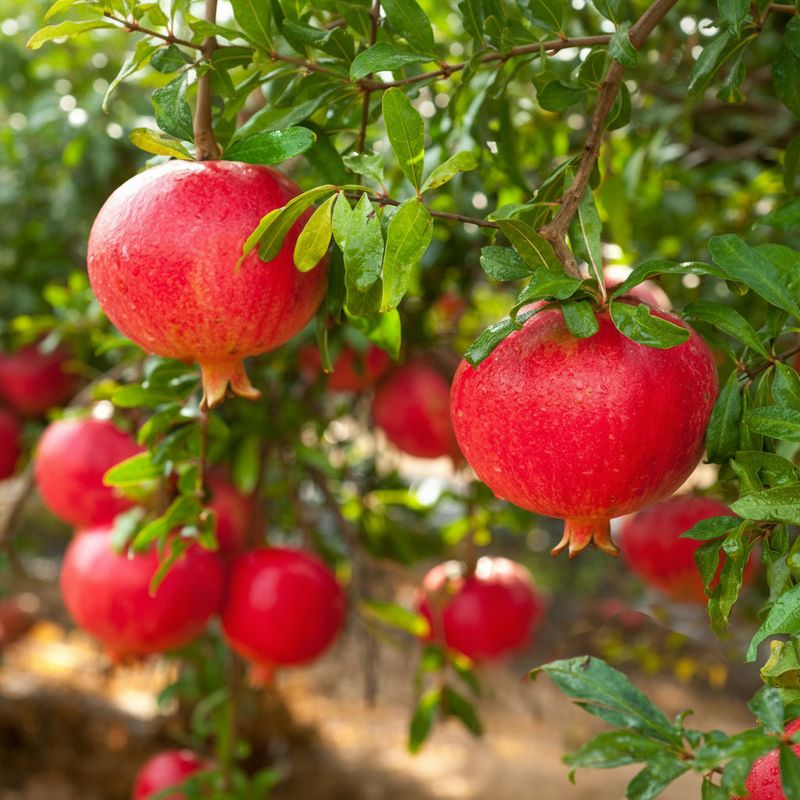
Hot, bright corners of the yard can be rough on many fruit trees, but pomegranate often treats that kind of spot like a vacation. Its glossy leaves, red-orange flowers, and sculptural fruit make it both edible and ornamental.
Pomegranate stands out because it prefers sun and does not want soggy feet. That is helpful in much of Florida, where sandy soil drains quickly but sudden downpours can still punish plants in low areas.
Plant it high and dry, not where water sits after a storm.
Once established, pomegranate can be more drought-tolerant than many fruiting choices. It does best with some care during establishment, then light feeding and occasional pruning to shape it as a small tree or multi-stemmed shrub.
The flowers also bring a cheerful look to edible beds near patios or sunny side yards.
Fruit production can vary by variety and location, especially in humid parts of Florida, so choose cultivars recommended for warm climates when possible. Even in years when fruit is modest, the plant still earns space with color, structure, and toughness.
Think of pomegranate as a fruit tree for the gardener who likes clean lines and low water needs. It is not the messiest or neediest pick, and it brings a Mediterranean feel to a Florida landscape without demanding a perfect orchard setup.
6. Meyer Lemon
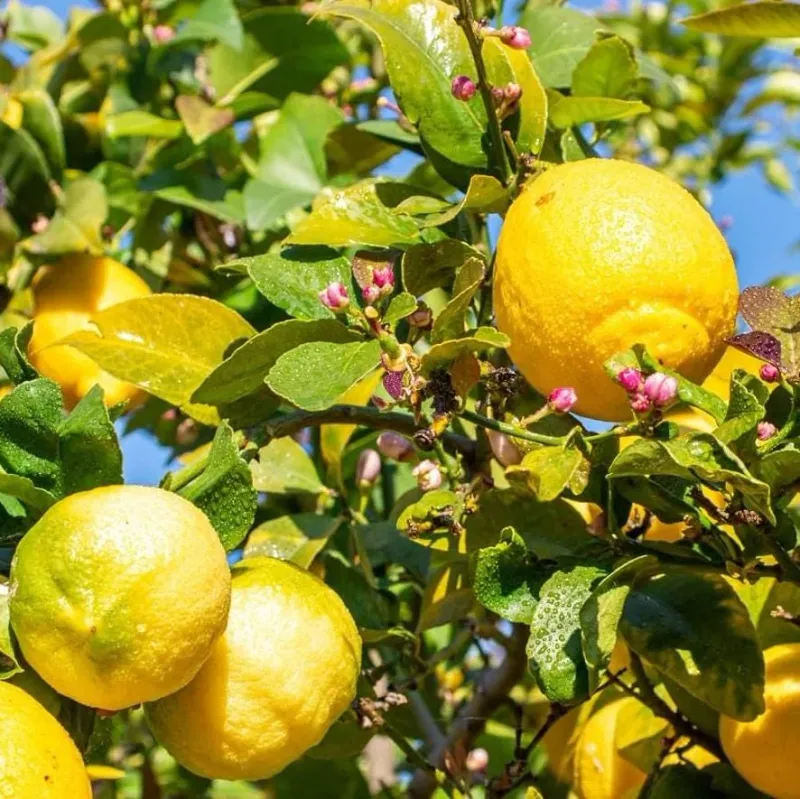
A Meyer lemon near the kitchen door can make even plain water feel like something from a cafe. Among citrus choices, it is a favorite for home gardeners because the tree stays manageable and the fruit is useful almost every week of the year.
Meyer lemon is not a plant-it-and-forget-it tree in the absolute sense, because Florida citrus faces real pest and disease pressure. Citrus greening is a serious issue in the state, and homeowners should buy healthy trees from reputable nurseries and follow UF-IFAS guidance for citrus care.
Still, compared with larger, more demanding citrus, Meyer lemon can be a practical small-yard option when you give it the right start.
Good drainage is the first rule. Plant it where roots will not sit in water after heavy rain, and keep mulch pulled back from the trunk.
Young trees need regular watering, but established trees should not be babied with constant shallow watering.
The reward is fragrant bloom, attractive evergreen foliage, and lemons that work for tea, fish, desserts, salad dressings, and quick weeknight cooking. In colder pockets of North Florida, a protected spot or large container can help during cold snaps.
For low-effort success, keep the tree small, inspect it often while walking the yard, and solve problems early. A few minutes of observation beats a rescue mission later.
7. Pineapple Guava
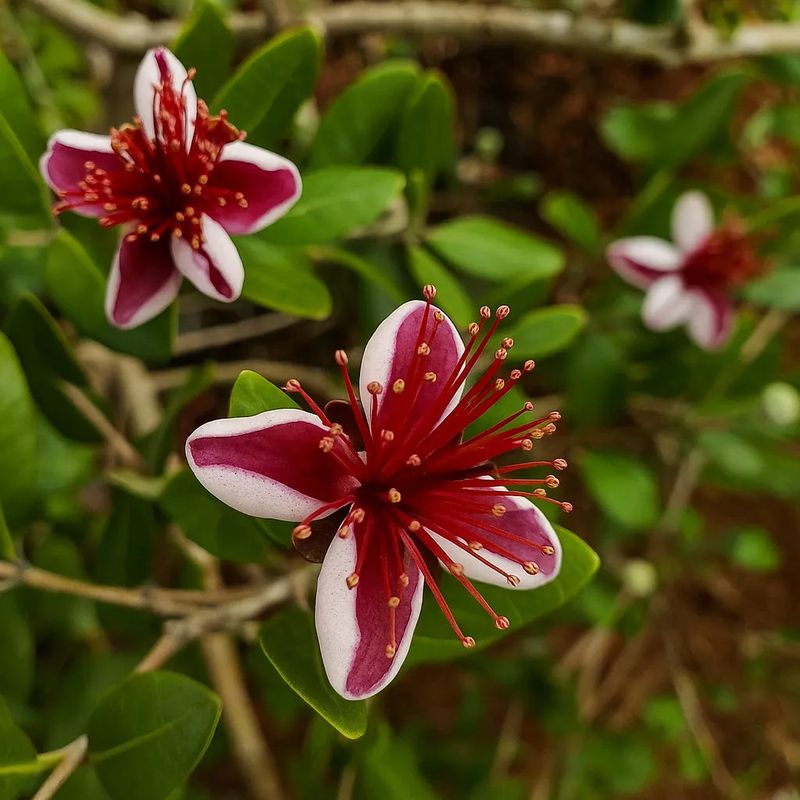
Silvery leaves, showy flowers, and tropical-tasting fruit make pineapple guava feel like a plant that is trying to win three contests at once. It is also tougher than its fancy look suggests, which is why it belongs in a low-maintenance Florida fruit list.
Pineapple guava, also called feijoa, handles heat and short dry spells once established, and it can fit into edible hedges, privacy screens, or small-tree plantings. The foliage has a soft gray-green color that pairs well with palms, native grasses, and pollinator plants.
Its flowers are unusual and edible, with red stamens that draw attention up close.
In Florida, fruiting can be more reliable in some areas than others, so variety choice and local climate matter. Planting more than one compatible variety can improve fruit set for many gardeners.
Even when fruit is lighter, the plant still works hard as an attractive landscape shrub or small tree.
Give pineapple guava full sun to light shade and well-drained soil. Avoid wet, low spots, especially in yards that flood during summer storms.
A light pruning after flowering or fruiting can keep it dense and tidy without turning care into a chore.
The flavor is often described as a mix of pineapple, mint, and guava. That alone makes it fun, but the real win is a plant that looks good enough for the front yard and still brings something edible to the table.