
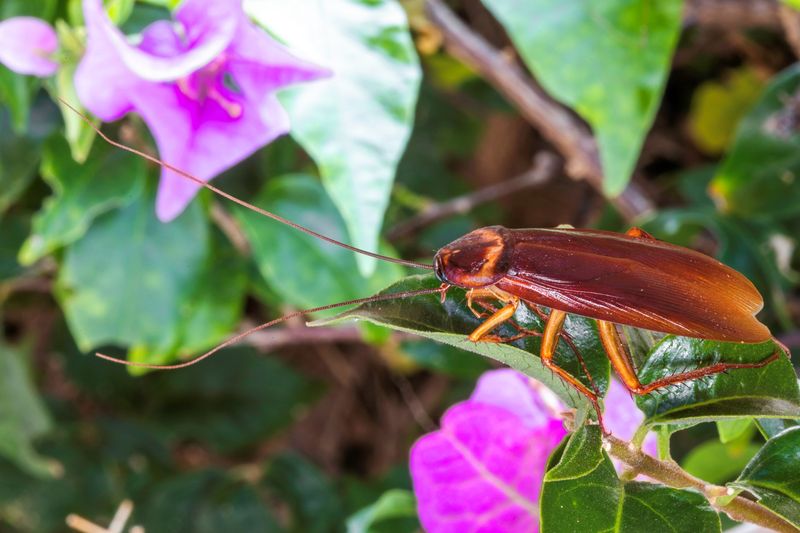
Florida yards stay warm, damp, and busy long after sunset. That is great for tropical plants, but it can also make your backyard feel like a welcome mat for roaches.
Many of the things that draw them in are normal yard features, not obvious messes. Spotting these quiet attractors can help you make small changes before roaches move closer to doors, patios, and kitchen walls.
1. Mulch Piled Too Deep Against the House
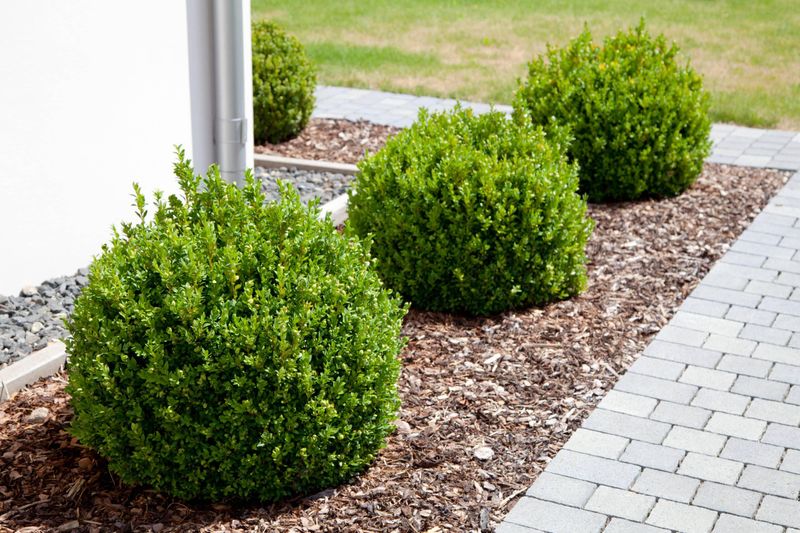
A fresh layer of mulch can make a Florida bed look neat overnight, but a thick, damp blanket right against the house can turn into roach shelter. In warm coastal and inland yards, mulch holds moisture, softens temperature swings, and gives insects plenty of protected cracks to hide in during the day.
Roaches are not eating the mulch alone like a dinner plate, but they do benefit from the tiny bits of decaying organic matter, fungi, and small insects living in it. Pine bark, shredded hardwood, leaves, and mixed organic mulches can all become more inviting when they stay wet and packed down near the foundation.
Keep mulch a few inches away from walls, weep holes, door thresholds, and AC lines. A thinner layer, usually around 2 to 3 inches, is often enough for weed control without creating a soggy insect hotel.
For Florida beds, refresh mulch lightly instead of burying old layers every season. Rake compacted spots open after heavy rain, and use gravel or a dry inspection strip right next to the house where roach pressure has been a problem.
2. Leaky Hose Bibs and Drip Irrigation Lines
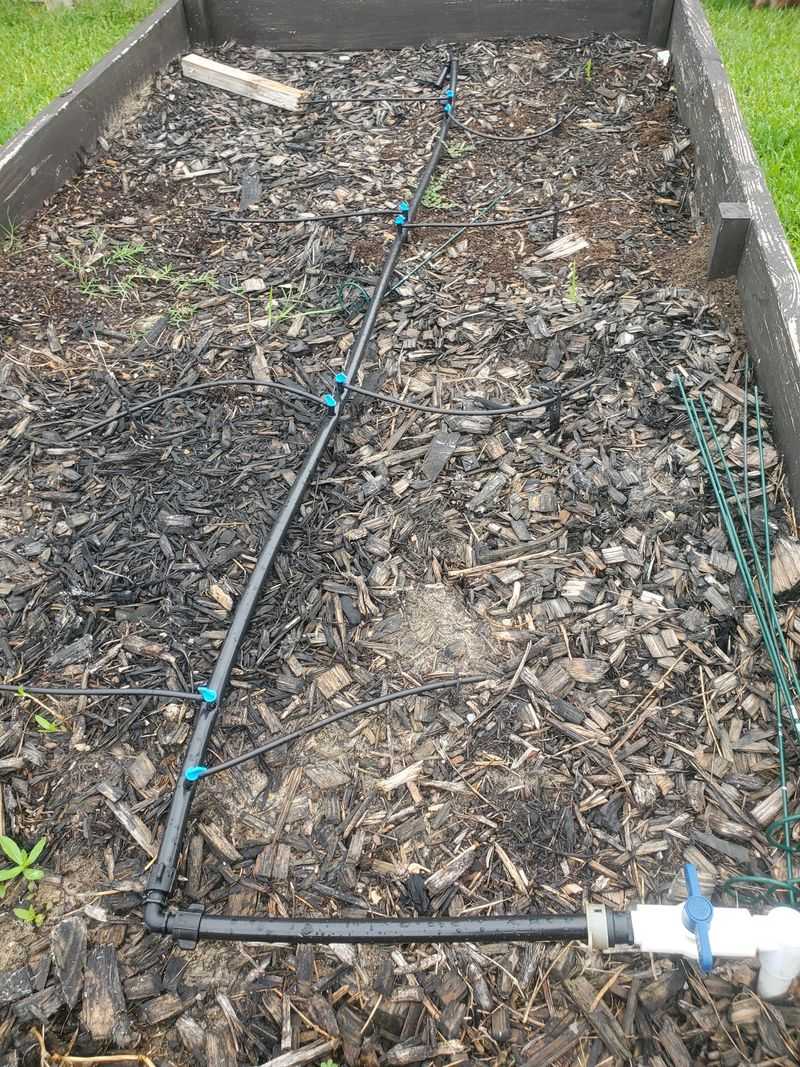
One slow drip after sunset can matter more than a whole messy flower bed. In Florida heat, water is often the prize roaches are hunting for, especially during dry spells between storms.
A leaking hose bib, cracked drip line, loose irrigation emitter, or always-wet spot beside the patio gives roaches a dependable drinking station. The problem can be easy to miss because the water may soak into sand or mulch before morning, leaving only a darker patch of soil behind.
Walk the yard at dusk once in a while and look for wet concrete, shiny mulch, or puddles under spigots. Run irrigation zones during daylight when you can check them, then repair tiny leaks instead of turning up the timer to cover weak spots.
UF-IFAS often encourages smart irrigation for Florida landscapes, and pest pressure is another reason to use it well. Water deeply when plants need it, avoid constant misty moisture near walls, and move emitters away from doorways, foundation vents, and storage corners.
3. Overstuffed Potted Plant Corners
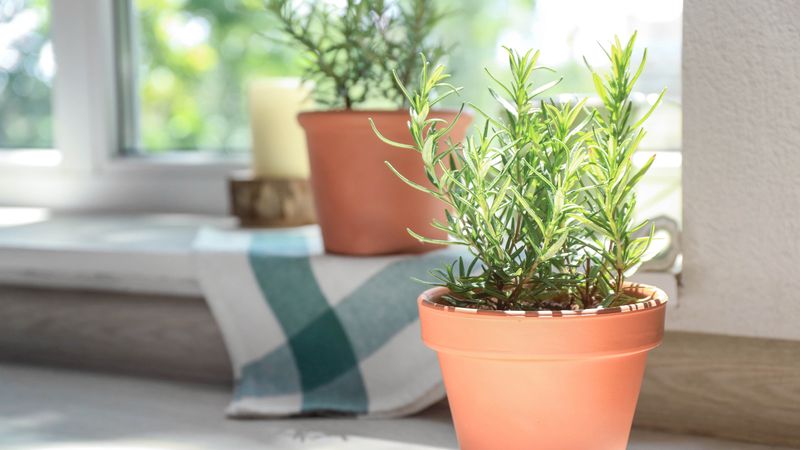
That cozy plant corner by the lanai may be your favorite coffee spot, but roaches see it as a stacked apartment complex. Pots create dark gaps, saucers catch water, and dead leaves collect where brooms rarely reach.
Florida gardeners often grow crotons, hibiscus, bromeliads, herbs, and patio palms in containers because sandy soil and summer rain can be tricky. The setup works beautifully until containers are pressed tight together and left with damp debris underneath.
Roaches like the hidden undersides of pots, especially when saucers stay wet after irrigation or afternoon storms. Bromeliad cups and self-watering containers can also hold water and organic bits, so they need regular attention in pest-heavy yards.
Lift pots every few weeks, sweep beneath them, and dump saucers after rain. Use pot feet or plant stands to increase airflow, and keep the densest container displays a step away from sliding doors and kitchen walls.
If you love the lush look, group plants by water needs instead of crowding everything together. You will still get a full tropical feel, but with fewer cool, wet hiding places tucked right beside the house.
4. Pet Food and Water Bowls on the Patio
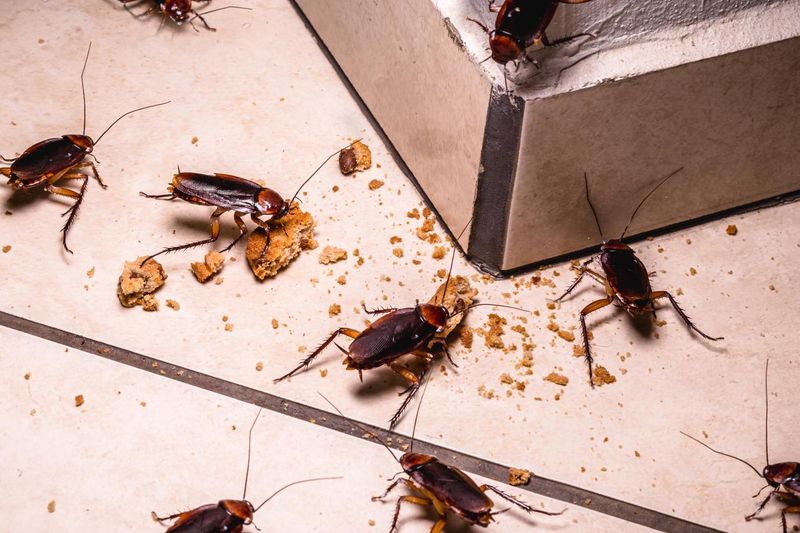
Ask any night-feeding pest what smells like an easy buffet, and pet kibble will be high on the list. Outdoor bowls can pull roaches toward patios because they offer food, moisture, and a familiar route to the back door.
The issue is not a messy pet owner. Even a few crumbs under a bowl or a ring of damp residue around water can be enough to reward roaches that wander through after dark.
Florida patios and screened lanais make outdoor feeding feel simple, especially when dogs and cats spend time outside. Unfortunately, screens do not stop every pest, and gaps near door sweeps, corners, and utility openings can let roaches follow the scent trail.
Feed pets indoors when possible, or pick up outdoor bowls right after meals. Rinse the feeding spot, store kibble in a sealed container, and avoid keeping pet food bags in garages or patio closets.
Water bowls are trickier in the heat, but placement helps. Keep them away from exterior doors, refresh them often, and wash the bowl daily so algae, food film, and insects do not build up around the rim.
5. Trash Cans, Recycling Bins, and Compost Buckets Near Doors
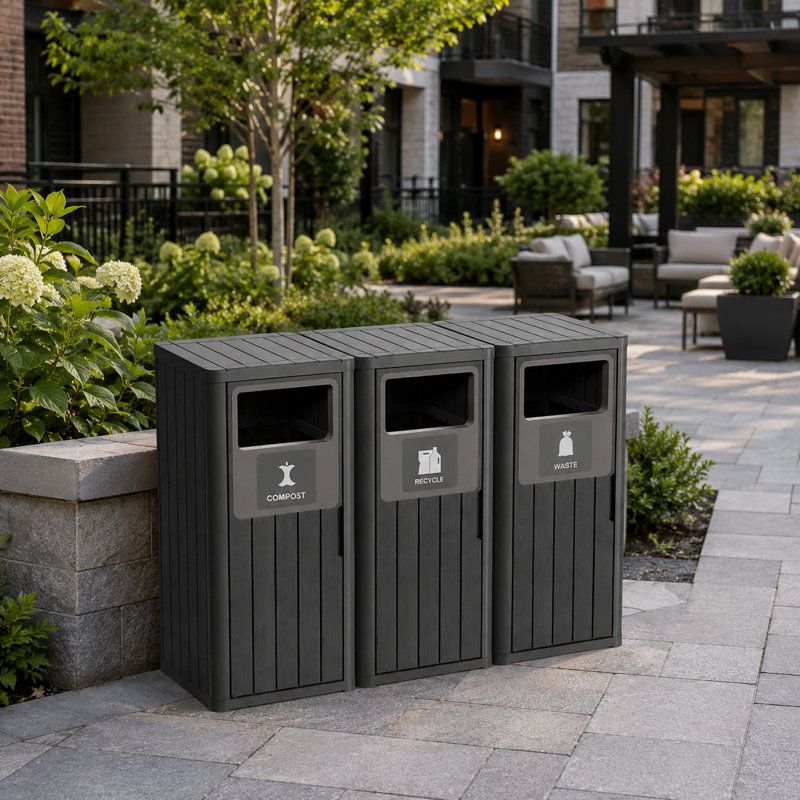
Garbage does not have to be overflowing to send out a strong nighttime signal. In Florida humidity, a half-rinsed sauce jar, fruit peel, soda can, or greasy takeout box can smell much louder by sundown.
Trash cans and recycling bins become especially tempting when they sit beside garage doors, side entries, or kitchen walls. Roaches can feed around lids, wheels, handles, and sticky bin bottoms, then shelter in nearby cracks before moving closer to the house.
Compost buckets can be useful for gardeners, but kitchen scraps need careful handling in warm climates. Fruit, bread, rice, pasta, and oily leftovers can attract pests quickly if a bucket is open, wet, or parked on the patio for convenience.
Use tight-fitting lids, rinse recyclables, and wash bins when residue builds up. If possible, store cans away from doors and windows, and place them on a hard surface that can be hosed clean.
For compost, bury fresh scraps in the pile, balance them with dry browns like leaves, and skip meat, dairy, and greasy foods. A well-managed compost area can support the garden without becoming a nightly roach stop.
6. Leaf Litter Under Shrubs and Foundation Plants
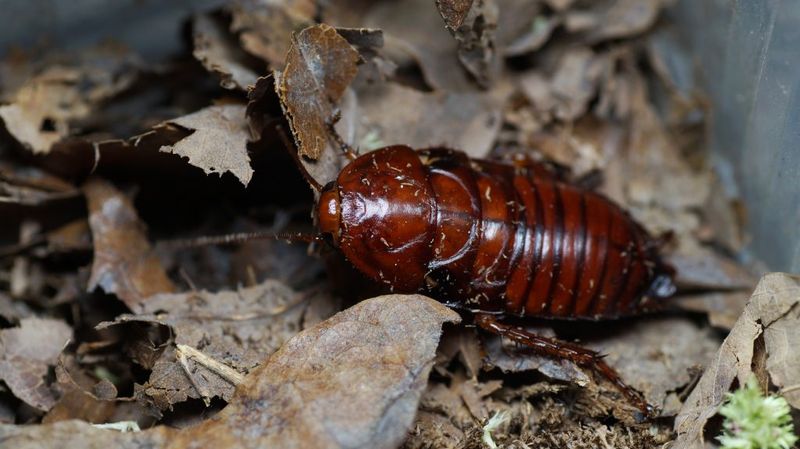
Under a thick hedge, the yard can look tidy from the sidewalk while hiding a damp layer of leaves below. That shaded leaf litter is one of the easiest backyard features for roaches to use without being noticed.
Florida yards drop material year-round, from live oak leaves and palm bits to blossoms, seed pods, and storm-torn twigs. When those pieces collect under shrubs, they break down into a soft, moist mat that shelters insects and holds food particles from nature.
Foundation plants can make the problem worse if they are planted too close or pruned into dense walls. Little airflow reaches the soil, sprinklers keep the area damp, and roaches gain a protected path along the house.
You do not need to strip every bed bare. Leaf litter can support soil life and beneficial insects in the right place, especially in habitat-style corners away from the structure.
The key is distance and maintenance. Pull heavy buildup away from the foundation, prune shrubs so light and air reach the ground, and remove palm fronds or soggy leaves after storms.
In sandy Florida soil, a clean edge near the house also helps you spot tunnels, leaks, and pest activity sooner. Think of it as a simple inspection lane that still lets the rest of the yard feel natural.
7. Firewood, Lumber, and Storm Debris Stacks
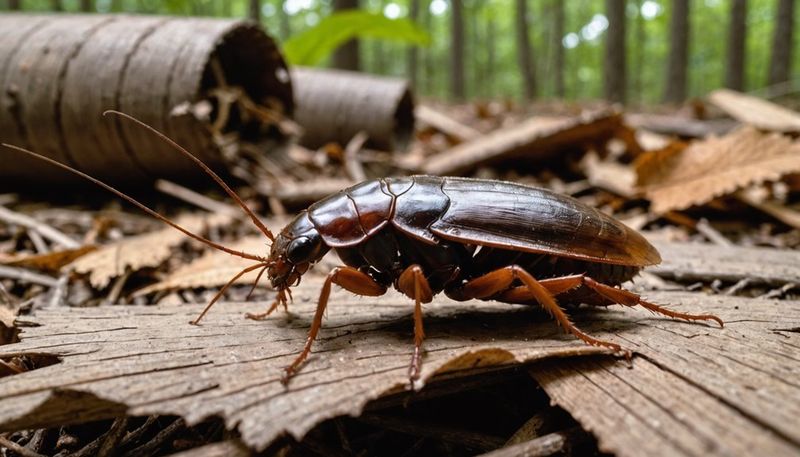
A stack of wood can look harmless until you lift the bottom piece and see the cool, dark world underneath. Roaches, ants, spiders, and other insects often use stacked material because it creates tight spaces that stay damp after rain.
Florida homeowners may keep firewood for outdoor fire pits, save lumber for repairs, or pile branches after tropical storms. The trouble starts when those stacks sit directly on soil, touch the house, or stay undisturbed for months.
Wood absorbs moisture, bark loosens, and fungi begin breaking down the surface. Roaches are drawn to the shelter and the small food web around decaying material, especially when the pile is close to a patio light, grill area, or garage entrance.
Store firewood and lumber off the ground on a rack, with airflow on all sides. Keep it away from exterior walls, and only bring in what you plan to use soon.
Storm debris deserves quick attention after heavy weather. Bag small organic pieces, move larger limbs to the curb according to local pickup rules, and avoid letting damp piles sit through multiple rain cycles.
A neat wood stack can still be part of a useful backyard. The goal is to make it dry, raised, and separate from the house so it does not become a hidden bridge for pests.