
Florida garden beds can look perfect one week and chewed up or sticky with aphids the next. A smart border can help make your vegetables, herbs, and flowers less inviting without reaching for a spray bottle.
The trick is choosing tough plants that handle Florida heat, sandy soil, and long pest seasons. Use them like a living edge, and your beds can become prettier and harder for troublemakers to enjoy.
1. Society Garlic
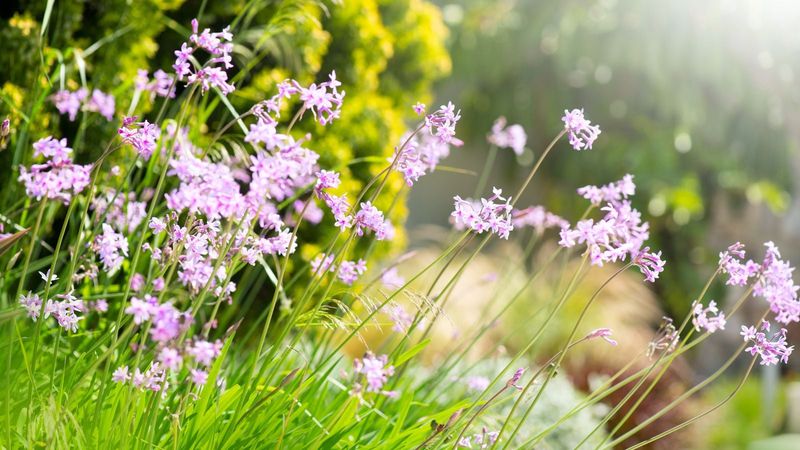
A whiff of society garlic can make you understand why many gardeners tuck it along the front of beds. The leaves and blooms release a garlicky scent when brushed, which can make nearby areas less appealing to nibbling squirrels and some soft-bodied pests.
In Florida, society garlic is especially useful because it looks tidy without needing much fuss. It forms grassy clumps with lavender flowers that fit nicely along herb gardens, vegetable beds, mailbox beds, and sunny walkways.
In sandy soil, mix in compost at planting time, then let the plant settle into a lean, well-drained spot.
Aphids are not magically erased by one plant, but aromatic borders can help confuse pests that find crops by scent. Society garlic works best when planted in repeated clumps, not as one lonely accent.
Place it near peppers, eggplant, okra, roses, or tender annuals that seem to attract aphids every warm season.
Gardeners in Central and South Florida often grow it as a reliable perennial, while North Florida gardeners may see some cold damage in rough winters. Trim tired flower stalks and divide crowded clumps every few years.
The payoff is a neat, edible-looking edge with a scent barrier that asks very little from you.
2. Rosemary
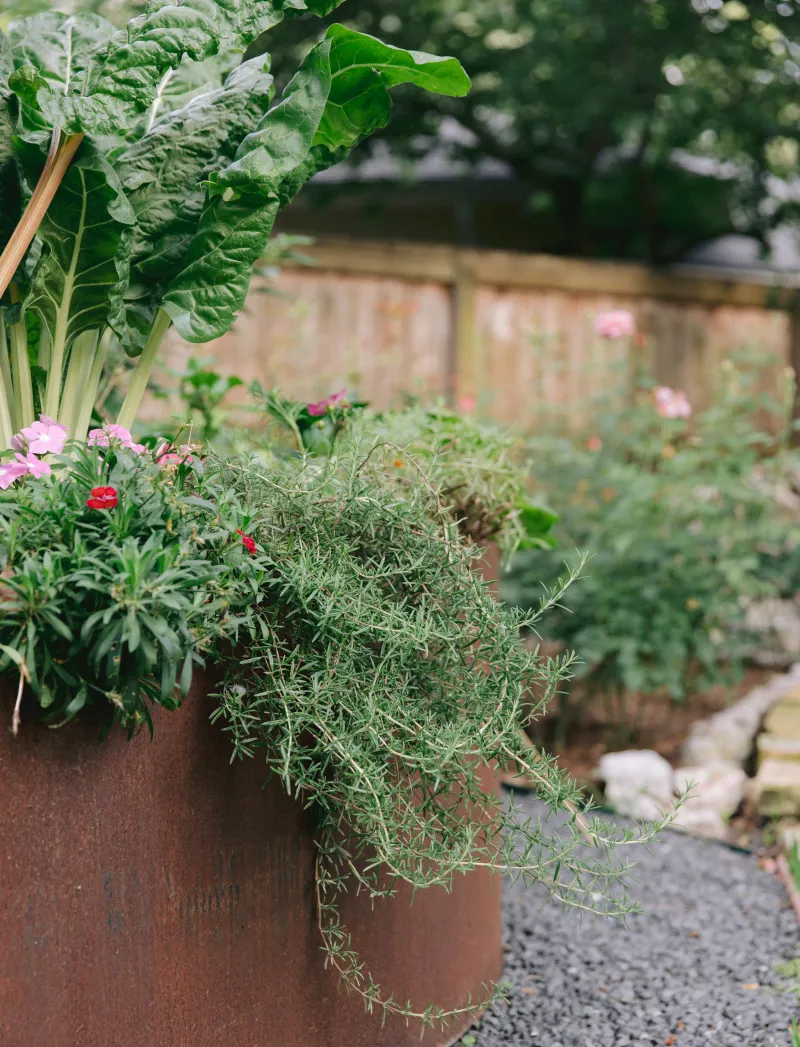
Hot pavement, blazing sun, and dry spells do not scare rosemary the way they scare many softer border plants. That makes it a strong choice for Florida gardeners who want a pest-discouraging edge that also looks sharp near patios, driveways, and raised beds.
Rosemary’s resinous fragrance is the main reason it earns a place on this list. Squirrels often prefer easy digging and mild-smelling beds, while aphids tend to gather on lush, tender growth.
A rosemary border adds woody structure, strong scent, and less inviting cover around the edge of a planting area.
The biggest mistake in Florida is loving rosemary too much with water. It wants sun, air movement, and fast drainage, so sandy soil can actually be helpful if the site does not stay soggy after summer storms.
Raised beds, berms, and gravelly edges are usually better than low, wet corners.
Use upright varieties where you want a low hedge, or trailing types where a wall or container edge needs softening. Clip lightly after flowering to keep stems dense and fragrant.
As a bonus, bees visit the small blue flowers, and you can snip the leaves for roasted vegetables, chicken, or focaccia.
3. African Marigold
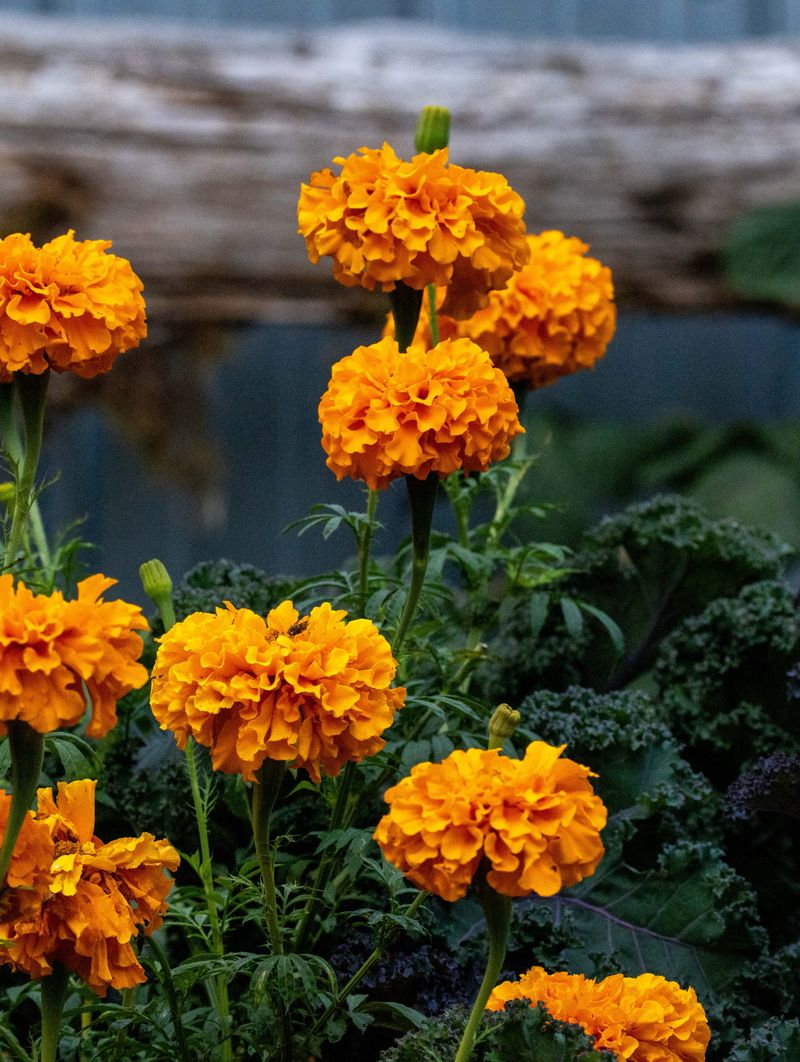
Big, bold marigold blooms bring the kind of color that makes a vegetable bed look planned instead of patched together. African marigolds, with their tall stems and pom-pom flowers, are especially good when you want a border that can be seen from the street.
Marigolds are famous for their strong scent, and that scent can help mask the smell of nearby crops from some pests. They are also useful in Florida gardens because they attract beneficial insects, including lady beetles and hoverflies, whose larvae feed on aphids.
That means the plant is not just standing guard, it is helping invite backup.
For best results, plant marigolds in a full-sun strip along the bed edge rather than scattering a few plants randomly. Space them close enough to create a visual wall, but leave room for air to move during humid weather.
Deadhead old flowers to keep new buds coming through the warm season.
African marigolds can slow down in Florida’s harshest summer stretches, especially in wet, humid spots. They often shine again as weather shifts toward fall, which makes them handy for late-season bed refreshes.
If aphids show up, check the undersides of leaves and look for beneficial insects before taking action.
4. Mint in Containers
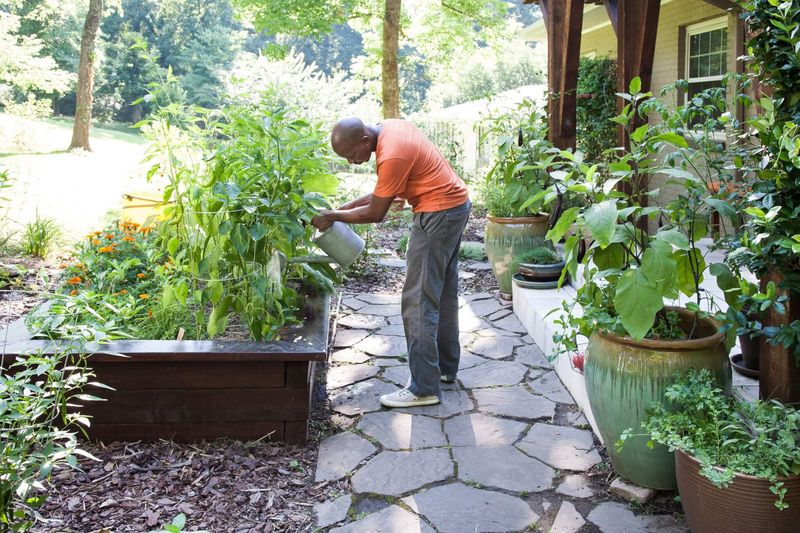
Mint is the garden guest you invite with rules. Give it open soil in Florida, and it may run farther than you planned, but keep it in containers along a bed edge and it becomes a useful, fragrant border.
The crisp smell of mint can make a planting area less attractive to squirrels that are looking for easy digging spots. It may also help muddle the scent trail that brings some insects to tender plants.
Because aphids love soft new growth, mint should not be treated as a cure, but it can be part of a layered, no-spray strategy.
Containers are the secret. Set pots every few feet along raised beds, porch planters, or small kitchen gardens, and lift them onto pavers if roots try to escape through drainage holes.
In Florida heat, mint appreciates morning sun and afternoon shade, especially in summer.
Keep the soil evenly moist but not swampy, and pinch the tips often. Frequent harvesting keeps mint bushy and gives you leaves for tea, fruit salads, and iced drinks.
If a pot starts looking tired, cut it back hard and let fresh growth return from the base.
Spearmint and peppermint are common choices, but Cuban mint, often used for mojitos, can be a fun Florida-friendly pick. Just remember the rule: pot first, garden bed second.
5. Lavender Cotton
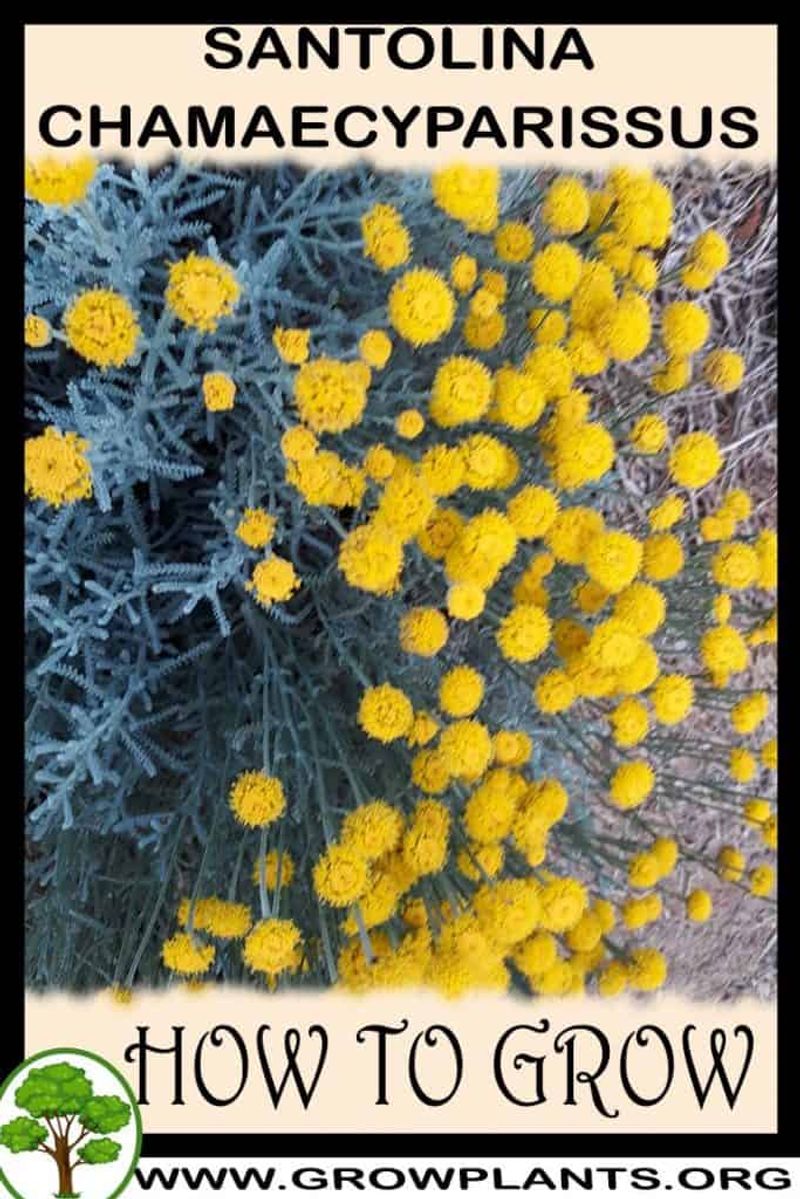
Silver foliage has a quiet way of making a garden bed look cooler, even when the Florida sun is working overtime. Lavender cotton brings that silvery look, plus a sharp herbal scent that many browsing animals and pests do not seem eager to explore.
Despite the name, lavender cotton is not true lavender. It is a compact, woody herb with finely cut leaves and small yellow button flowers.
Its texture stands apart from glossy tropical foliage, so it makes an attractive front border around herbs, vegetables, and drought-tolerant flower beds.
Florida gardeners should treat lavender cotton like a plant for the driest, brightest edge they have. It dislikes wet feet, so raised beds, shell paths, sandy berms, and containers with excellent drainage are safer than low ground.
In humid areas, leave space between plants so air can move freely.
Where it fits, the plant can help create a less cozy zone for squirrels that like to dig in soft mulch. Its aromatic leaves may also make it harder for aphids to zero in on nearby tender plants.
Pair it with rosemary, thyme, or society garlic for a border that smells strong from several angles.
Clip lightly to keep the plant compact and remove woody, tired growth as needed. If your yard floods after storms, use lavender cotton in pots rather than in the ground.
6. Nasturtium
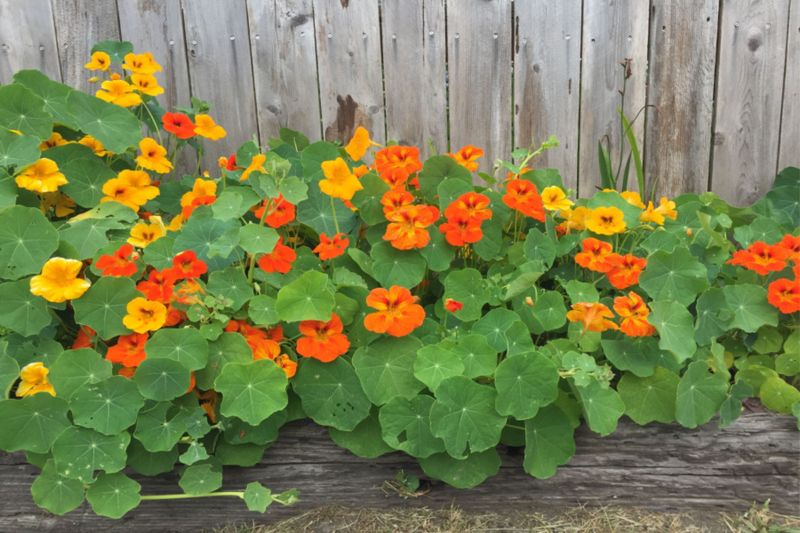
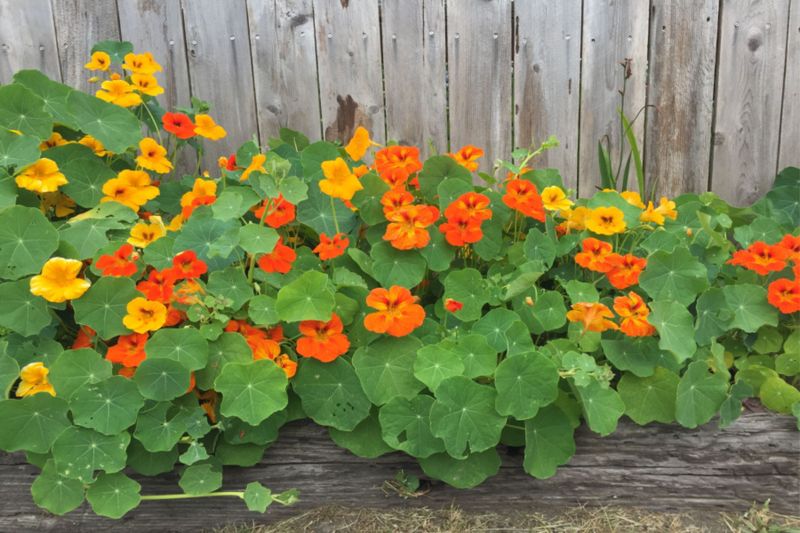
Nasturtiums feel a little mischievous because they can distract pests while still looking cheerful. Their round leaves and bright flowers spill over bed edges, softening hard lines and adding color without a formal hedge look.
For aphids, nasturtiums are often used as a trap crop. That means aphids may gather on the nasturtium instead of moving straight onto beans, greens, cucumbers, or other tender plants.
The goal is not to pretend aphids vanish, but to give yourself an early warning spot that is easy to inspect and manage by hand.
In much of Florida, nasturtiums perform best in the cooler stretch from fall through spring. Summer heat and humidity can make them fade, so think of them as a seasonal border for vegetable beds when many gardeners are planting leafy crops, herbs, and cool-season flowers.
Give them sun in cooler months and light afternoon shade as weather warms.
Squirrels are less likely to be impressed by nasturtiums as a scent barrier, but the plant still earns its place because of its aphid-trapping role. If a section becomes heavily infested, prune it out and dispose of it rather than shaking pests back into the bed.
The peppery flowers and leaves are edible, too, which makes this border useful from more than one angle.
7. Lemongrass
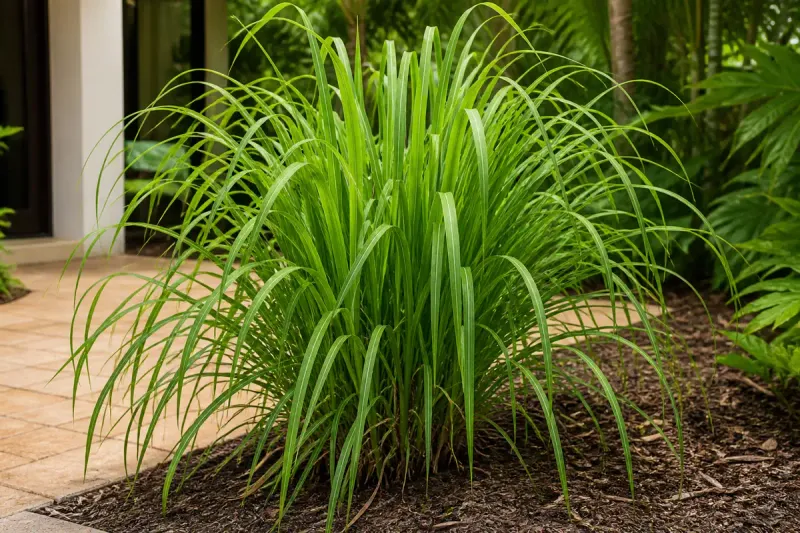
Lemongrass looks like it belongs in a Florida yard, tall, tropical, and relaxed. Along the back or side of a bed, it creates a grassy screen with a lemony scent that helps make the garden edge feel less like an open invitation.
The fragrant oils in lemongrass are often associated with repelling mosquitoes, but the plant can also add scent confusion around edible beds. Squirrels that are drawn to freshly disturbed soil may be less interested in pushing through coarse, aromatic clumps.
Aphids will not be stopped by lemongrass alone, yet a strong-scented border can support a broader plan that includes healthy soil, plant spacing, and beneficial insects.
Give lemongrass full sun, regular water while it gets established, and enough room to widen. It can become a large clump, so place it where height is helpful, not where it will shade small vegetables.
Sandy Florida soil is fine if you add compost and mulch lightly to hold some moisture.
Cold snaps can brown the tops in North Florida, but established plants often return from the base when warm weather comes back. Cut old blades with gloves, since the leaf edges can be sharp.
Harvest stalks for soups, teas, and marinades, then let the border regrow into a fresh green wall.
Use lemongrass where you want pest-aware planting with a tropical look. It is especially good near patios, outdoor kitchens, and sunny beds that need a taller edge.