
A healthy-looking garden can hide the next round of pest trouble just below the surface. Soil, buried roots, and damp mulch give several Florida pests a place to leave their eggs.
But there is no single spring hatch across the state: some pests stay active through warm winters, and others spend winter as larvae rather than eggs. Here are seven egg-laying pests to watch for, along with simple ways to protect your plants without treating every soil creature as an enemy.
1. Mole Crickets
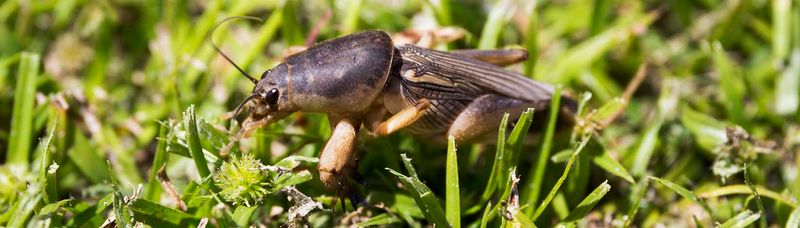
Little ridges running through your lawn can be the first sign of a tunneling pest below. Florida’s pest mole crickets dig through sandy soil, and females place eggs in underground chambers during their breeding season.
The timing depends on the species and your location. For common pest species, egg laying and hatching often increase in spring, but winter populations may consist of nymphs or adults rather than stored eggs.
Tawny mole crickets feed heavily on grass roots and shoots, while southern mole crickets eat more animal material but still disturb roots through tunneling. Young nymphs are generally easier to manage than large insects, making early identification useful.
Check thinning patches for shallow tunnels and loose soil before assuming drought is the problem. A soap flush can help reveal active mole crickets; follow your county UF/IFAS Extension office’s directions and rinse afterward to reduce grass injury.
Avoid treating the entire yard based on one suspicious patch. Confirm the pest species, since Florida also has native mole crickets, then ask Extension about treatment timing and biological control options suited to your lawn.
2. Eastern Lubber Grasshoppers
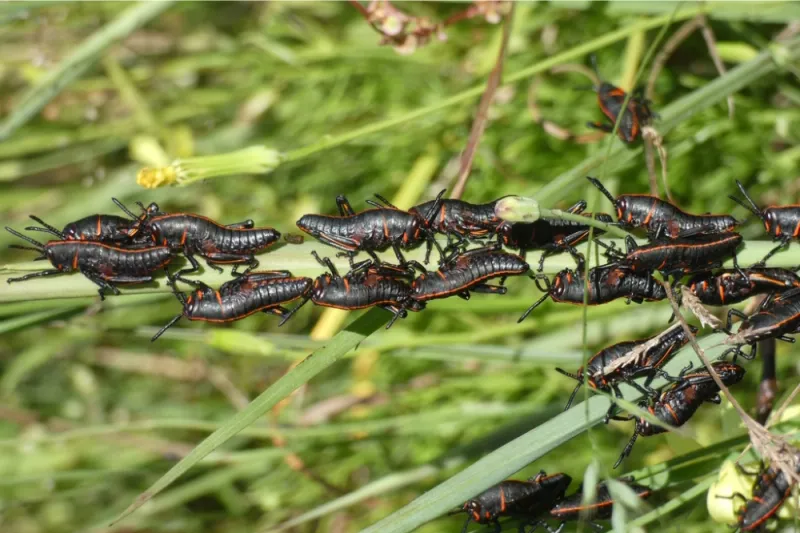
A crowd of tiny black grasshoppers with bright stripes can appear almost overnight beside a flower bed. Those youngsters may be eastern lubbers, one of Florida’s most noticeable garden pests.
Females bury egg pods in soil, often in sunny, relatively dry places near suitable vegetation. Unlike several pests on this list, lubbers commonly pass the winter in the egg stage, making the buried-egg warning especially relevant.
Hatching can begin during winter in South Florida and later farther north. Newly hatched lubbers often gather in groups before spreading out, so a quick check along bed edges can catch them while removal is still manageable.
Look around crinum lilies, amaryllis, and other plants with a history of damage. Wearing gloves, handpick the young grasshoppers into a container of soapy water, and revisit the area over the following days.
Do not count on birds to solve a lubber outbreak, because these insects have strong chemical defenses. Removing small groups early is usually far easier than chasing large adults, and it avoids spraying flowers that visiting pollinators depend on.
3. Root-Knot Nematodes
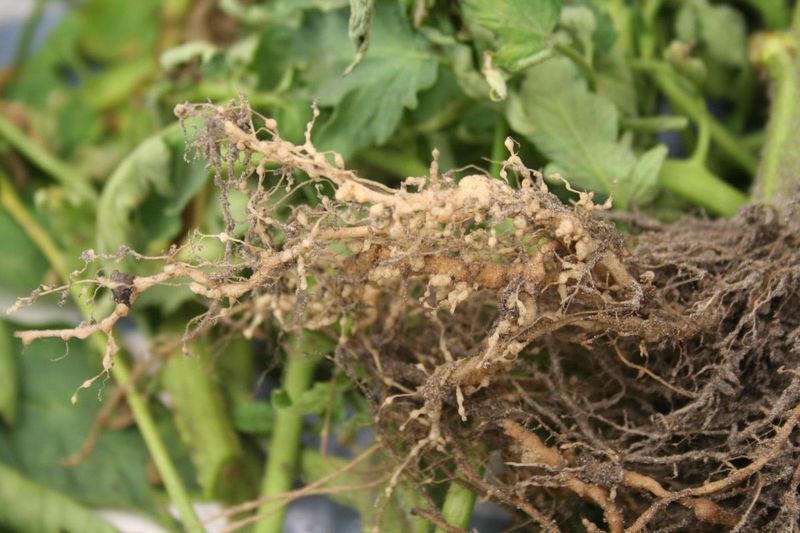
When a tomato plant wilts despite having enough water, the trouble may be too small to see. Root-knot nematodes are microscopic roundworms that attack roots, and Florida’s warm, sandy soils suit several damaging species.
Females produce eggs in gelatinous masses associated with infected roots, often on or near the root surface. Eggs can remain with root scraps in the soil, while warm conditions allow new generations to develop without waiting for a fixed spring date.
The clearest clue is swelling or knotting along the roots, paired with poor growth above ground. However, normal nitrogen-fixing nodules on beans and peas are different, so ask Extension for help if identification is uncertain.
Lift badly affected plants carefully and remove infected roots rather than chopping them into the bed. Avoid moving soil from that area into clean containers or new planting spaces.
For the next crop, choose resistant varieties where available and use clean growing mix in containers if the bed has a serious problem. Resistance varies by nematode species, so a soil assay and local UF/IFAS advice can prevent an expensive guessing game.
4. Garden Slugs
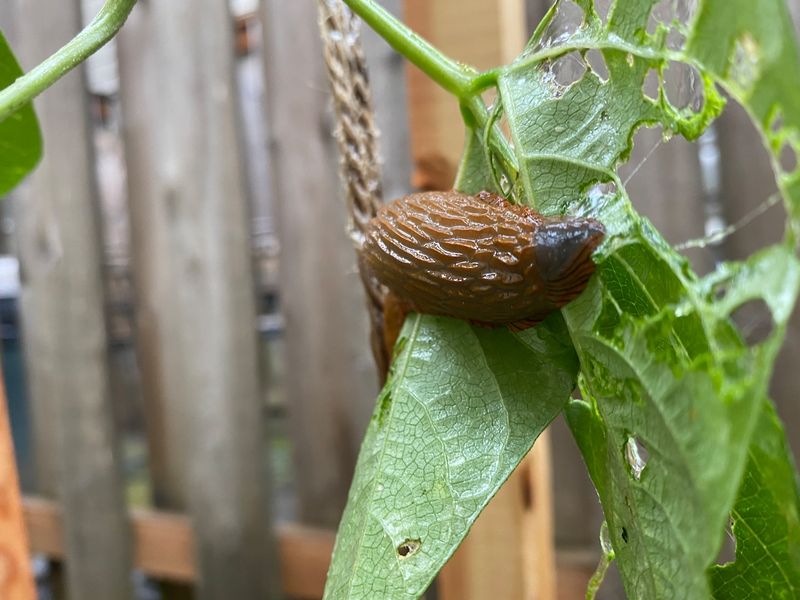
By breakfast, a tender seedling can look as though someone punched holes through every leaf. Slugs often do their feeding after dark, then retreat into cool, damp hiding places before gardeners arrive.
Depending on the species, their eggs may sit in shallow soil pockets, beneath debris, or under objects touching the ground. Many look like small, pale or translucent beads, although appearance alone cannot confirm what laid them.
Florida’s irrigated beds can support slug activity during mild winter weather. Moisture matters more than a calendar date, so eggs and feeding adults may already be present before spring planting begins.
Inspect beneath nursery pots, boards, and thick mats of fallen leaves near damaged plants. Water early in the day when practical, fix leaks, and remove unnecessary hiding places without stripping every bit of habitat from the garden.
Nighttime checks with a flashlight can confirm the culprit. If damage warrants bait, select a product labeled for slugs and your planting site, follow every label direction, and keep it away from children and pets; even products marketed as lower-risk require care.
5. Cuban Brown Snails
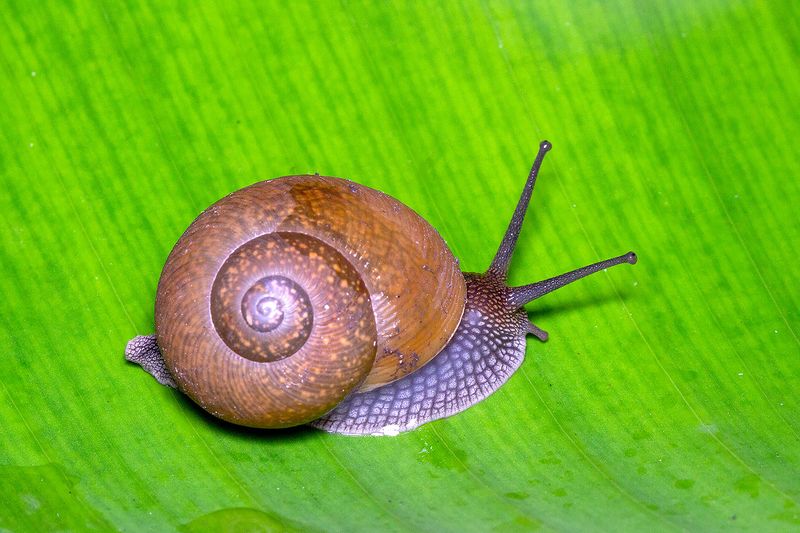
Not every snail cruising through a Florida bed is a harmless cleanup worker. The introduced Cuban brown snail can damage ornamentals and vegetables, especially in warm, moist gardens.
Females deposit eggs in sheltered places, including shallow nests in soil. South Florida’s mild conditions can support activity over much of the year, so a winter egg deposit does not necessarily wait until spring to hatch.
Look for scraped leaves, ragged feeding damage, and snails hiding beneath containers or dense groundcover. The rounded brown shell is a clue, but several snails look similar, and native species should not be removed simply for having a shell.
Photograph the shell from several angles and ask your county Extension office to help identify it. Once confirmed, collect problem snails with gloves and check incoming nursery pots, including drainage holes and the underside of the container.
Reducing clutter and unnecessary damp shelter can make repeat visits less likely. Never relocate unwanted snails to a park, ditch, or another yard, because that can spread the problem; ask Extension about suitable disposal and any labeled bait needed for persistent damage.
6. Wireworms
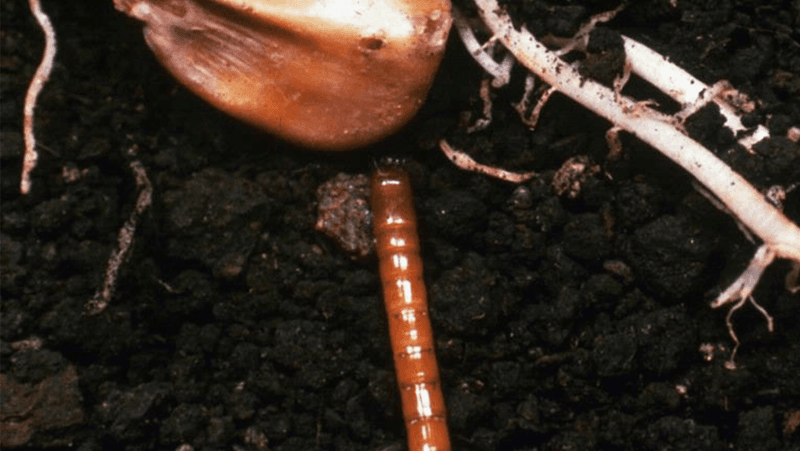
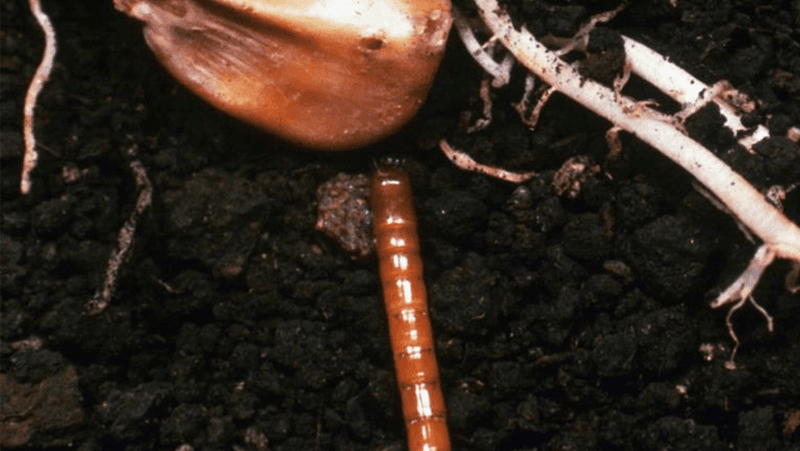
A neat little tunnel inside a potato points to a different problem than chewed leaves. Wireworms, the tough, slender larvae of certain click beetles, feed underground on seeds, roots, and developing tubers.
Adult females lay eggs in soil, often where grasses or weeds provide cover. However, wireworms commonly remain in the soil as larvae for long periods, so finding them before spring does not mean eggs have just hatched.
That distinction matters in Florida beds made from former lawn or weedy ground. Existing larvae may attack new vegetables as soon as they are planted, even if no fresh egg deposit is present.
Before planting a bed with past damage, inspect the soil and ask Extension whether a buried bait sample would help check for wireworms. Keep any sampling location marked so the bait can be removed rather than left to rot.
Control grassy weeds before establishing the crop and avoid moving infested soil into raised beds. Because underground larvae are difficult to reach, preventive bed planning and a confirmed identification are more useful than spraying the soil surface after damaged potatoes turn up.
7. Southern Corn Rootworms
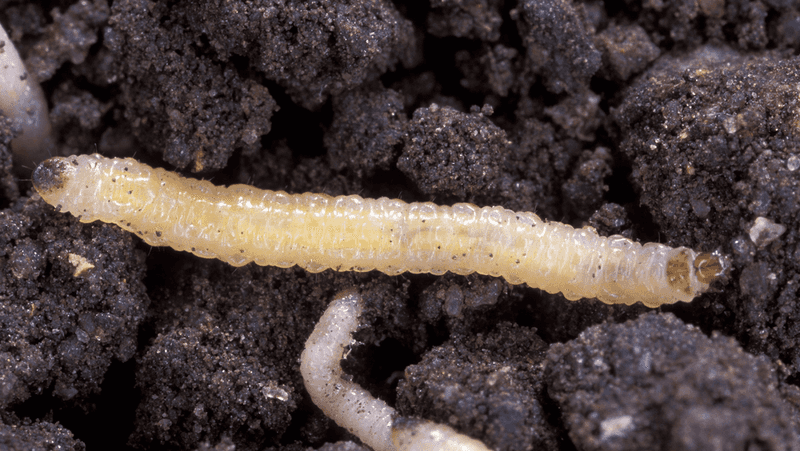
The spotted beetle on a leaf has an underground side to its life story. Southern corn rootworms are the larvae of the spotted cucumber beetle, and they can injure roots even when the adult’s feeding seems minor.
Females lay eggs in soil near host plants. The small larvae develop below ground and may attack sprouting seeds and roots of corn and other crops, making seedling establishment a vulnerable stage.
Do not picture a guaranteed winter cache waiting for one spring hatch. Adults can survive mild conditions, and egg laying depends on warmth, available hosts, and local weather, with activity varying across Florida.
Scout new plantings for spotted adults and investigate seedlings that wilt, stall, or fail to establish. Root damage has several possible causes, so finding a beetle nearby is a reason to inspect, not proof of a rootworm infestation.
Clear old crop remains and manage weeds that can support pests between plantings. In small beds, insect netting installed before beetles arrive may reduce access, but crops needing insect pollination must be uncovered at the proper stage or pollinated by hand.
For repeated losses, bring photos and affected roots to Extension before choosing a treatment.