
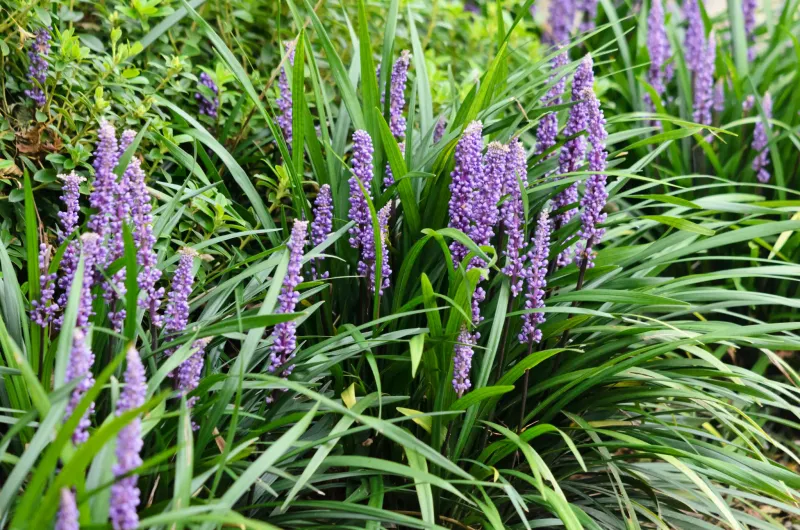
A thick, messy ground cover can look like an easy fix for bare soil, but it can also make a perfect hiding place for snakes. In Florida yards, the real problem is usually shelter, shade, moisture, and the small animals snakes hunt.
You do not need to strip your garden bare to make it safer. Smart plant swaps can keep your beds attractive while making them less inviting for unwanted snake traffic.
1. Asiatic Jasmine
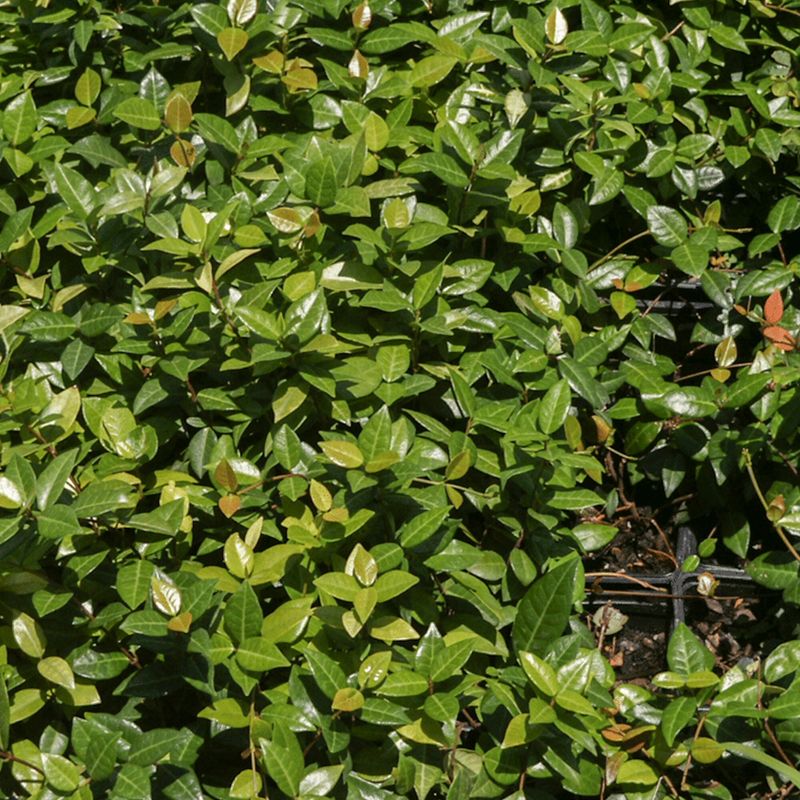
At first glance, Asiatic jasmine looks like the tidy answer to Florida’s bare, sandy beds. It stays green, spreads fast, and handles heat better than many lawn grasses, which is why so many homeowners use it along walkways, mailboxes, and shady borders.
The issue is what happens after it fills in. A mature patch can become a tight, tangled mat that hides leaf litter, lizards, frogs, insects, and small rodents.
That combination gives snakes two things they care about most, cover and food.
Asiatic jasmine is not a snake magnet in a magical sense. Snakes are not coming because they love the plant.
They may use it because the dense growth keeps them cool, hidden, and close to prey, especially near irrigation heads, mulch-heavy beds, or foundation plantings.
For a cleaner swap, try sunshine mimosa in sunny spots where foot traffic is light. It is a Florida native, has ferny leaves and pink puffball flowers, and stays lower and airier when managed.
In part shade, consider coontie planted with open spacing and pine straw kept thin, so the bed looks intentional without forming a damp tunnel at ground level.
2. Liriope
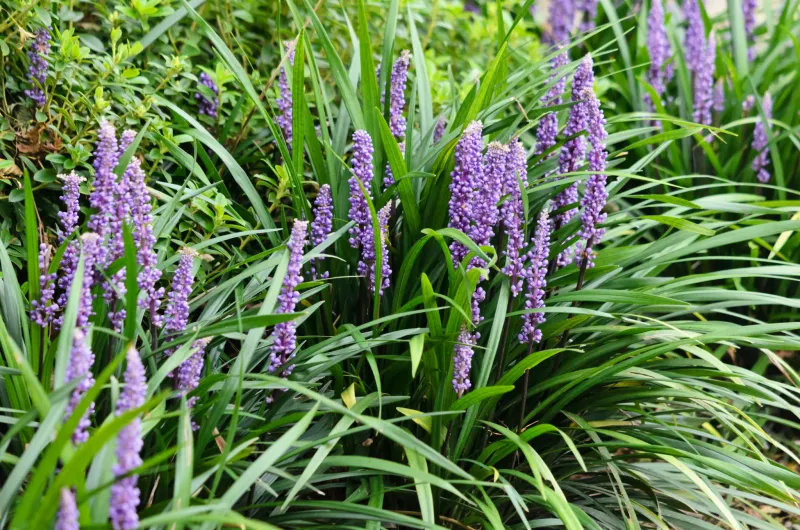
Those neat purple flower spikes can fool you into thinking liriope is always well behaved. In many Florida yards, though, it slowly turns into a shaggy skirt around trees, AC units, and front entries, especially when it is never thinned.
Liriope’s arching leaves create small shaded pockets at soil level. Palmetto bugs, crickets, skinks, and frogs often move through those pockets, and snakes may follow the same food trail.
The risk grows when fallen oak leaves collect underneath and irrigation keeps the crown area damp.
Another problem is visibility. A snake can move along the base of a liriope border without being easy to spot from the porch, driveway, or stepping stones.
That matters in Florida, where people garden, grill, and walk barefoot outside for much of the year.
Instead of a solid liriope ribbon, use dwarf yaupon holly as a clipped, low hedge where you want structure. It is native, handles Florida heat, and can be pruned with open space beneath the canopy.
For a softer edge, native blue-eyed grass offers grassy texture and small blooms without the same heavy, layered hiding space when planted in separated clumps.
3. Mondo Grass
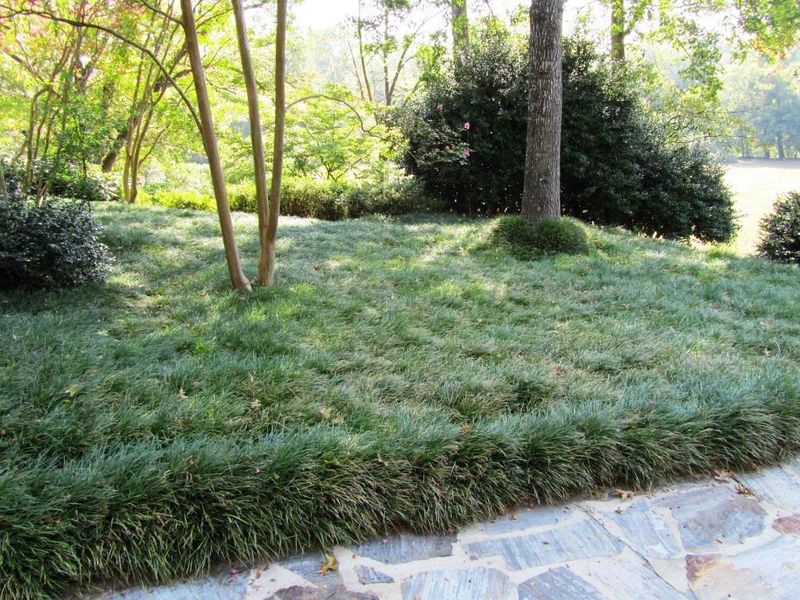
Shady corners under oaks and palms are where mondo grass often gets invited in, and you can see why. It gives bare soil a finished look without demanding constant mowing, and it tolerates the dim spots where turf usually gives up.
Over time, a thick planting can become a cool, protected carpet. In Florida’s long warm season, that kind of cover can hold moisture after rain and hide insects, small amphibians, and lizards.
For snakes, especially small nonvenomous species, it can function like a low roof over a buffet line.
Mondo grass also tends to collect small debris. Oak leaves, palm fibers, seed pods, and grass clippings can settle between the blades and stay out of sight.
That extra clutter makes the bed more attractive to prey animals and harder for you to inspect before weeding or pruning.
A better choice for shade is a spaced planting of coontie, a tough Florida native cycad that brings structure without carpeting the entire soil surface. Keep plants several feet apart, mulch lightly, and leave clear edges along paths.
If you want seasonal color, add native woodland wildflowers in small groups rather than creating one unbroken blanket of cover.
4. English Ivy
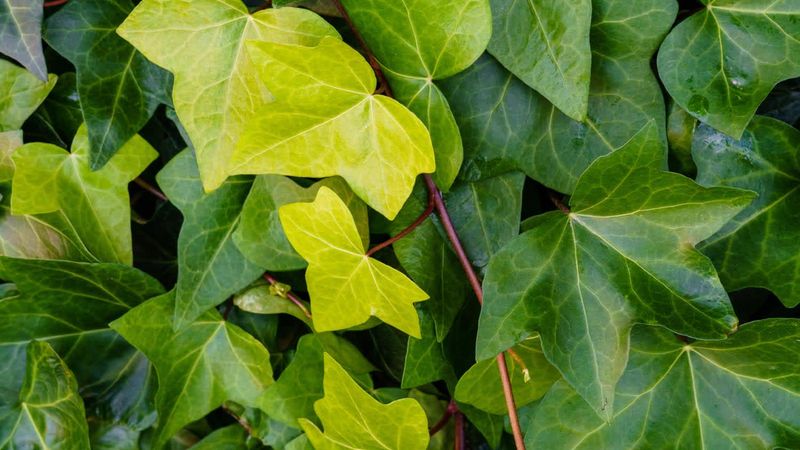
A vine that crawls and climbs at the same time can turn one small planting decision into a yard-wide headache. English ivy is especially troublesome because it forms layered cover on the ground, then reaches up fences, walls, and tree trunks.
In Florida, dense ivy can create a damp, hidden zone where insects, snails, frogs, and rodents find shelter. Snakes may use those same protected routes while hunting.
The bigger concern is that you often cannot see what is under the foliage until your hand or foot is already there.
There is also a plant-health reason to avoid it. English ivy can smother nearby plants and trap moisture against surfaces, which is not ideal in a humid climate where mildew, rot, and pest pressure are already part of gardening life.
Around foundations, that thick cover can make routine checks harder after storms or heavy summer rain.
For a Florida-friendly replacement, choose native wild coffee in shade or part shade. It grows as a small shrub rather than a crawling mat, offers glossy leaves and wildlife value, and can be pruned up slightly so the ground stays visible.
In tighter spaces, coontie gives a polished look without gripping walls or hiding the entire bed.
5. Periwinkle
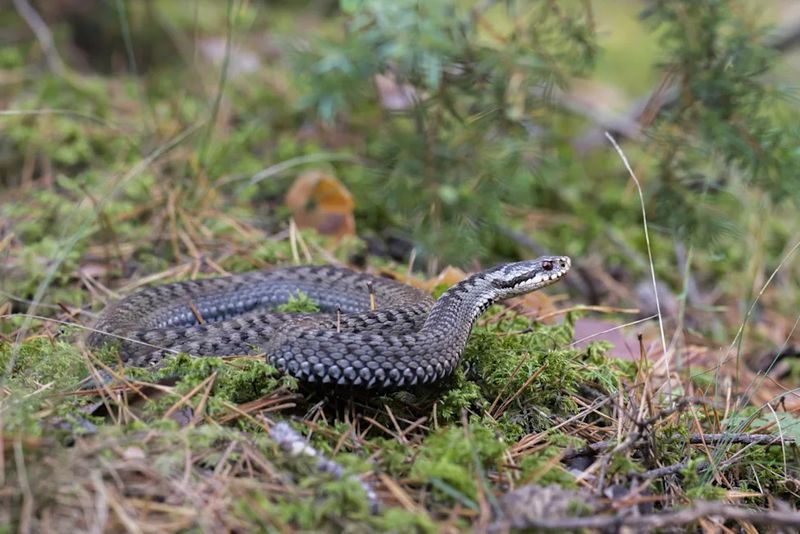
Periwinkle brings cheerful flowers to rough spots, which is why it often ends up in places where homeowners want quick color with little fuss. Along a fence or under taller shrubs, it can fill bare soil before weeds take over.
The trouble starts when periwinkle is allowed to run into a loose, leafy patch. Its trailing stems can weave through mulch and fallen leaves, creating small shaded spaces that attract insects, anoles, frogs, and other snake prey.
In irrigated beds, the plant can also help keep the surface cooler and more humid.
Florida gardeners should be careful about which periwinkle they mean. Annual vinca is a common bedding plant, while bigleaf periwinkle and related spreading types can behave more aggressively in warm climates.
When a ground cover spreads beyond its assigned bed, it becomes harder to maintain the open, visible garden floor that discourages surprise wildlife encounters.
For a sunny, lower-risk replacement, try beach sunflower in coastal and central Florida conditions where it fits the site. It is a Florida native with bright yellow flowers, good drought tolerance once established, and a more open habit if trimmed after flowering.
In small beds, use it in patches with visible mulch breaks instead of letting any ground cover become a wall-to-wall thicket.
6. Wedelia
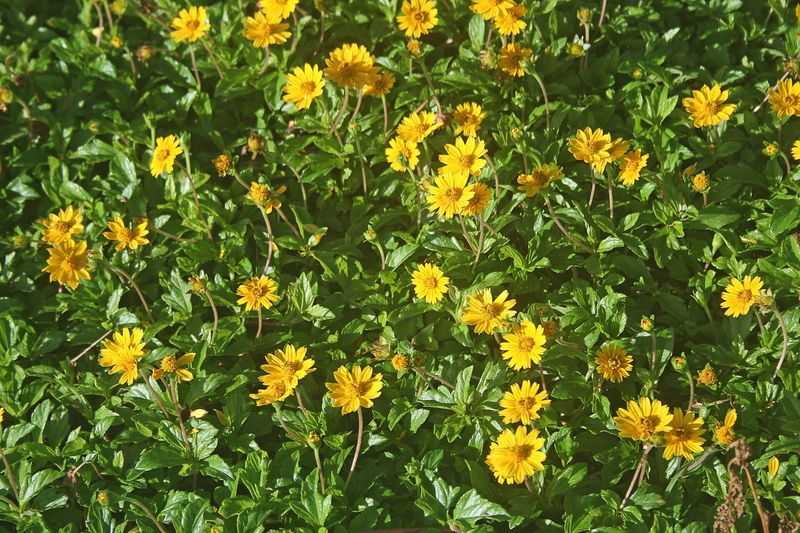
Bright yellow blooms can make wedelia feel like a bargain plant, the kind that covers ground fast and asks for almost nothing. That speed is exactly why it earns a warning spot on this list.
Wedelia, also called creeping oxeye, can spread aggressively in Florida landscapes. Thick mats may swallow bed edges, creep into turf, and hide the messy underside of a planting.
When stems pile up and trap leaves, they create the kind of low, protected cover where insects and small animals gather.
Snakes are usually responding to that habitat, not the flower color. A wild-looking patch beside a shed, fence line, drainage swale, or pool equipment area can become a quiet travel lane.
After rain, these spots may stay damp longer than surrounding sand, which adds another reason for prey species to linger.
A smarter sunny swap is frogfruit, a Florida native ground cover that supports pollinators and can be managed as a lower, less bulky planting. It still spreads, so give it edges and trim it when needed.
For a more formal look, use sunshine mimosa in contained areas, then keep a clear strip between the planting and the house so you can see what is moving through.
7. Variegated Flax Lily
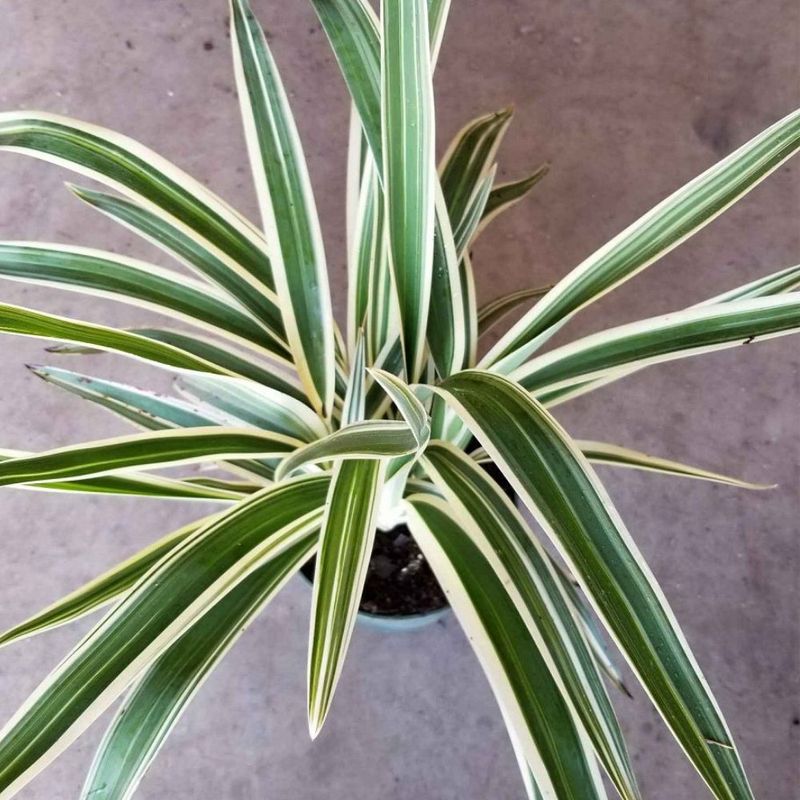
Flax lily has that crisp, striped look homeowners love near front doors and pool cages. A few plants can look sharp and modern, but a crowded mass can turn into a dense nest of strappy leaves.
The concern is not that flax lily is bad in every yard. The issue is placement and upkeep.
When it is planted in tight rows against a wall, under windows, or around utilities, the arching foliage can block your view of the soil and collect dry leaves at the base.
That hidden layer can shelter roaches, crickets, anoles, and frogs, especially in mulched beds with regular irrigation. Snakes may pass through while hunting, and you may not notice them until you are reaching in to pull weeds.
In Florida, where growth rarely takes a long winter break, clumps can become overgrown faster than many homeowners expect.
If you like the clean, architectural style, replace oversized flax lily masses with dwarf yaupon holly, coontie, or muhly grass used as spaced accents. Pink muhly grass is especially useful in sunny beds because it gives movement and fall color without needing to form a solid carpet.
Keep plants separated, prune out dead material, and leave a visible maintenance path along the house.