
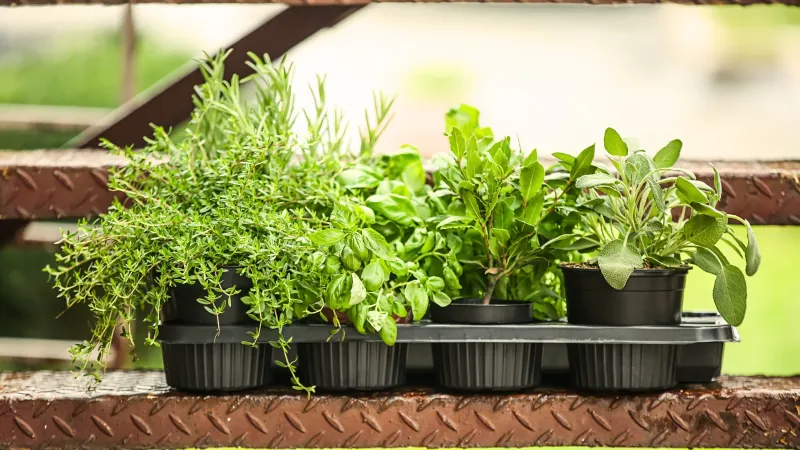
Florida summer can turn a cute herb pot into crispy brown sticks almost overnight. Rosemary often struggles when rain, humidity, sandy soil, and steamy nights all pile on at once.
The good news is that some herbs are built for this kind of weather and still give you flavor, flowers, or pollinator help when the garden looks tired. Here are seven tough choices that make summer herb gardening feel possible again.
1. African Blue Basil
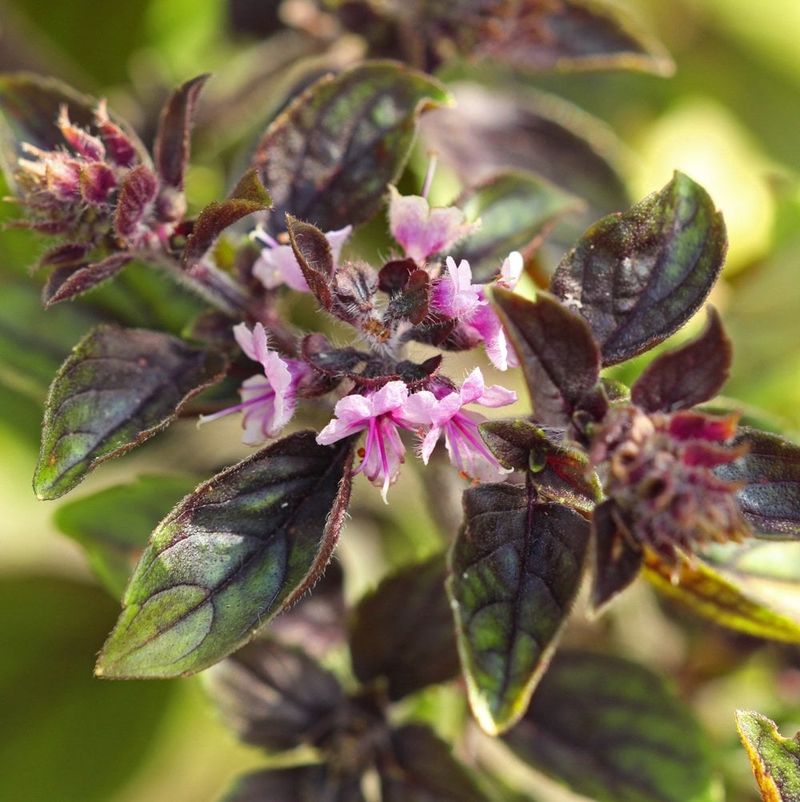
Bees seem to find African blue basil before people do, and that is part of its charm. While sweet basil often bolts, wilts, or gets ragged in Florida heat, African blue basil keeps pushing out purple flower spikes and fragrant leaves through long, sticky afternoons.
Its biggest advantage is stamina. African blue basil is a sterile hybrid, so it does not waste energy setting seed the way many basils do.
That means more steady growth, more flowers for pollinators, and fewer sad, leggy plants by midsummer.
Use it where you want both an herb and a living pollinator station. It fits well in raised beds, large containers, and sunny borders near peppers, eggplant, or tomatoes.
Give it regular water while it settles in, then let the top of the soil dry slightly between drinks.
The flavor is stronger and more clove-like than Genovese basil, so use it with a lighter hand in the kitchen. Pinch stems often to keep it bushy, and do not be afraid to cut it back hard if summer storms leave it leaning.
In frost-free parts of South Florida, it can act almost like a small shrub.
2. Cuban Oregano
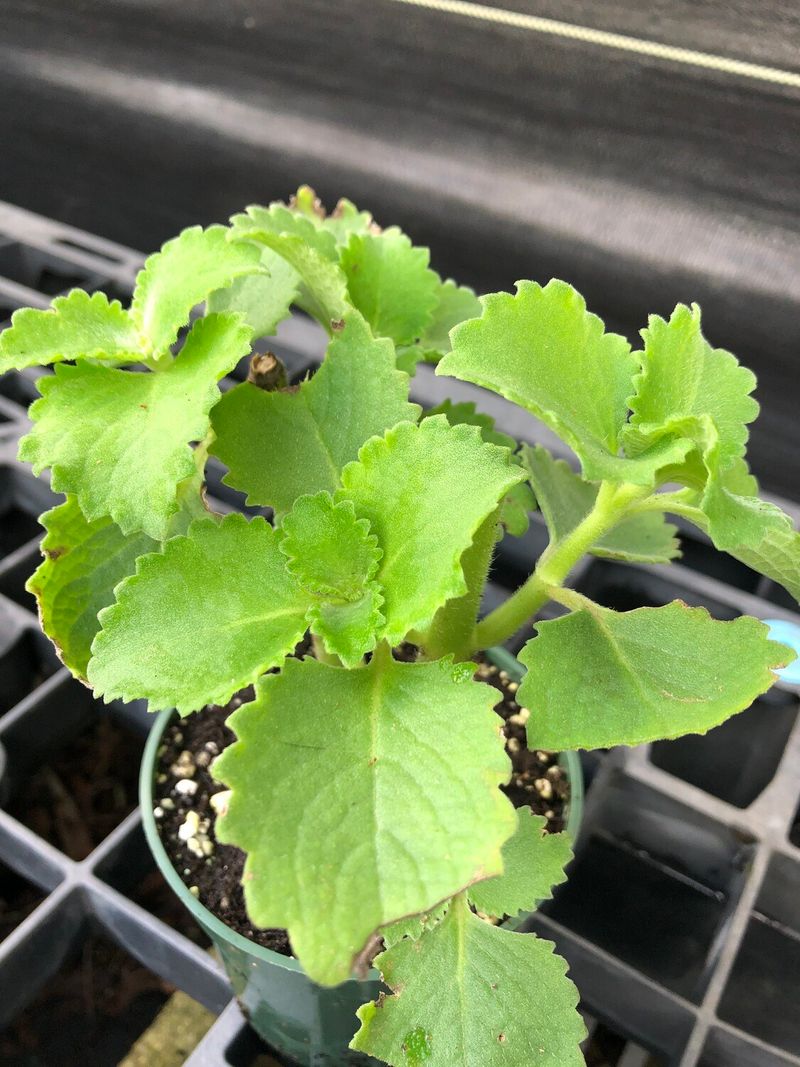
A single broken leaf of Cuban oregano can perfume your fingers for hours. Thick, fuzzy, and almost succulent, its leaves look nothing like the thin-leaved herbs that collapse when Florida turns hot and wet.
That fleshy leaf texture is the secret. Cuban oregano stores moisture better than tender annual herbs, so it can handle bright patios, fast-draining potting mix, and brief dry spells once established.
It also laughs off humidity better than many Mediterranean herbs, which often hate damp summer nights.
Grow it in a container if your yard floods after storms. A pot with sharp drainage gives you control during heavy rain, and the plant is easy to move under a covered porch if a tropical downpour sits over your neighborhood.
Morning sun with light afternoon shade is often better than all-day reflected heat from concrete.
In the kitchen, the flavor is bold, savory, and a little minty, so start small. Chop a leaf into bean dishes, roasted vegetables, marinades, or soups.
It roots easily from cuttings, which makes it a practical pass-along herb for Florida gardeners who like useful plants that multiply without much fuss.
3. Lemongrass
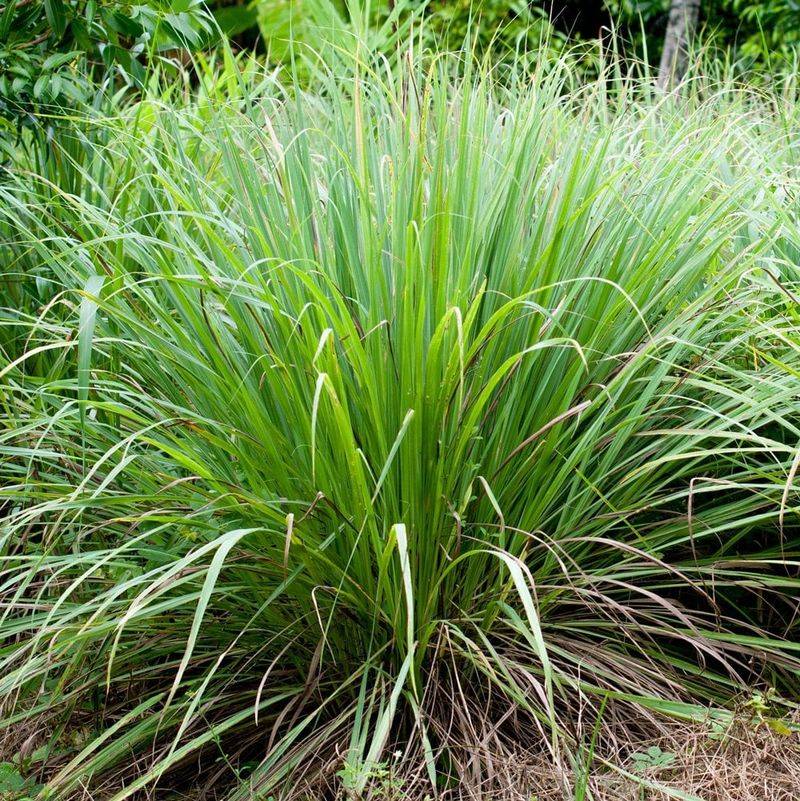
When the herb bed starts looking defeated, lemongrass can look like it just came from a spa day. Its tall, arching blades bring movement to a sunny corner, and the lemon scent is released the moment you brush past it.
Lemongrass earns its place because it handles heat like a landscape grass, not a fussy kitchen herb. It likes full sun, warm soil, and steady moisture, which makes it a natural fit for much of Florida’s long growing season.
Unlike rosemary, it does not sulk just because the air feels thick after sunset.
Give it room. A small starter plant can become a wide clump, so place it at the back of an herb bed, along a fence, or in a large tub where its size will not crowd smaller plants.
Mulch helps sandy soil hold moisture, but the crown should not sit in soggy muck after storms.
Harvest by cutting stalks near the base, then peel away the tough outer layers to reach the tender center. The leaves can also be steeped for tea, though their edges can be sharp, so handle them with care.
As a bonus, the upright shape adds a clean, tropical look near patios and outdoor kitchens.
4. Garlic Chives
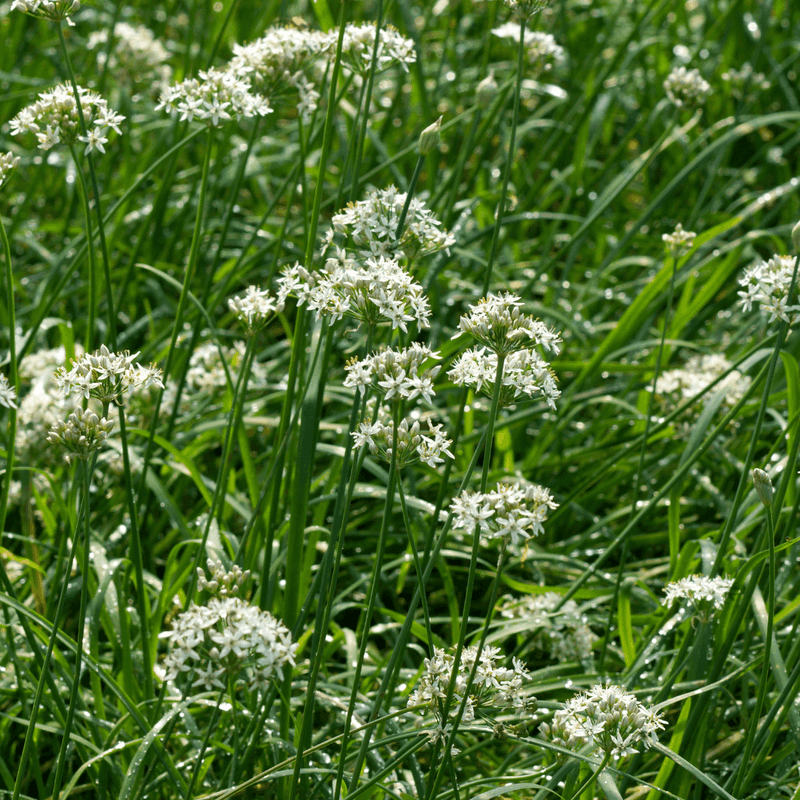
Little white star flowers make garlic chives look dainty, but do not be fooled. Under that neat clump is one of the most dependable warm-season herbs for gardeners who want flavor without daily drama.
Garlic chives differ from regular chives because they bring a mild garlic flavor and better tolerance for Southern heat. In Florida, they often stay useful when cooler-season herbs have already faded.
The flat leaves can be snipped for eggs, noodles, stir-fries, potatoes, or salad dressings.
Plant them in sun to part sun, especially if your summer afternoons are harsh. They appreciate moisture but do not need swampy soil, so raised beds and containers work well.
A light layer of mulch helps protect shallow roots in sandy ground and cuts down on watering swings.
Flowering is both pretty and practical. Pollinators visit the blooms, and the seed heads can spread if left alone.
If you prefer tidy clumps, clip spent flowers before they drop seed. If you have a cottage-style herb border, let a few bloom for the soft white flowers and the steady insect activity they bring.
5. Society Garlic
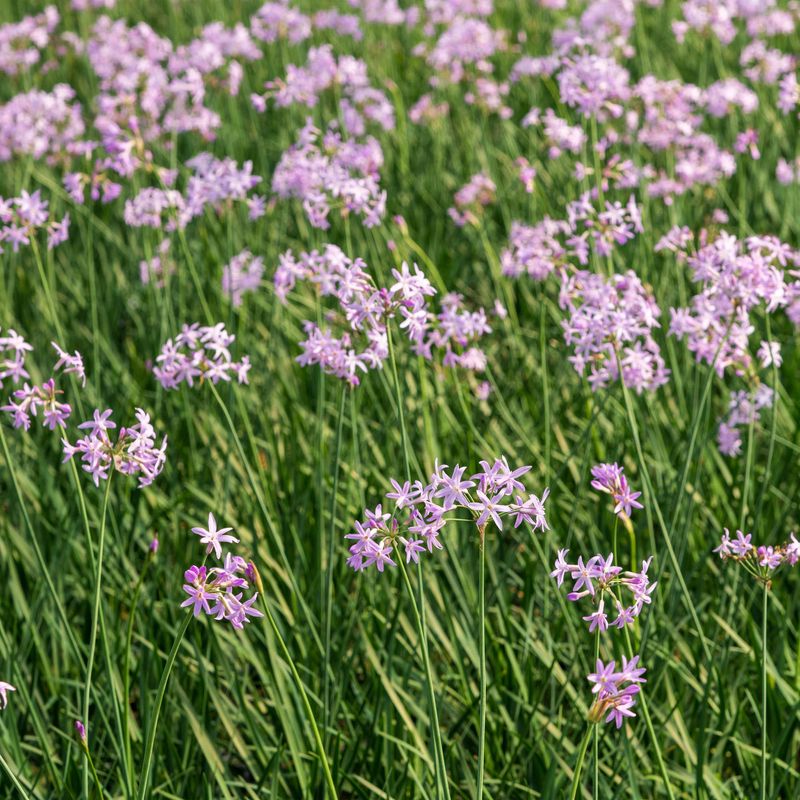
Some herbs work hard without looking like herbs at all. Society garlic passes as an ornamental border plant, then surprises you with edible leaves and flowers that carry a light garlic taste.
Its standout quality is landscape value. In Florida yards where every plant has to justify its water and space, society garlic can edge a walkway, fill a sunny bed, and still season dinner.
The lavender flowers rise above grassy leaves and can keep a border looking fresh when many softer herbs have quit.
Full sun is usually best, though a little afternoon shade can help in the hottest inland spots. It handles heat, sandy soil, and short dry periods once established, especially with mulch.
Good drainage matters, so avoid planting it where roof runoff collects during summer storms.
Snip the leaves like chives, or use the flowers as a mild garnish. The flavor is gentler than a garlic clove, which makes it useful when you want a fresh bite instead of a heavy punch.
Deer and rabbits may be less interested in its oniony scent, though no plant is guaranteed pest-proof in a hungry yard.
For homeowners who want curb appeal and kitchen use from the same plant, society garlic is a smart swap for struggling herbs in hot front-yard beds.
6. Mexican Tarragon
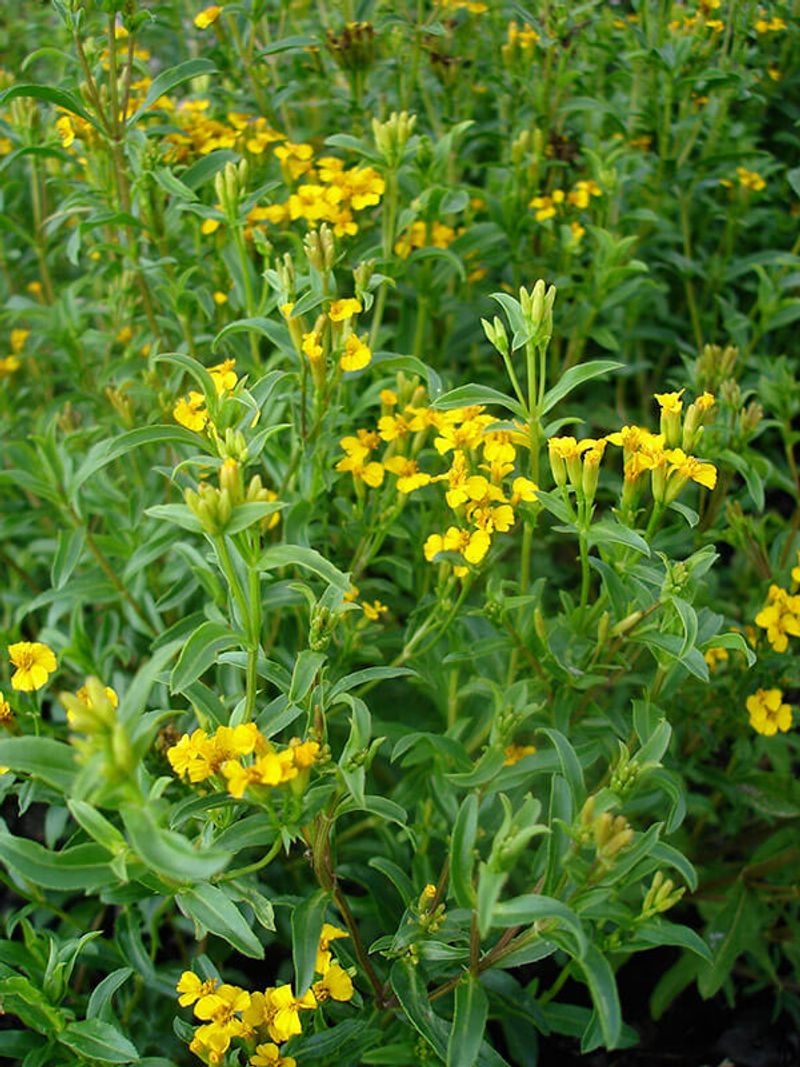
French tarragon can be a heartbreak plant in much of Florida, but Mexican tarragon steps in with a grin. It brings that sweet anise-like flavor while handling the kind of heat that makes cooler-climate herbs give up.
Also called Mexican mint marigold, this herb is especially useful because it bridges the kitchen and flower garden. The narrow leaves season chicken, fish, vinaigrettes, roasted vegetables, and herbal vinegar.
Later in the warm season, small golden flowers brighten the plant and attract attention without demanding much care.
Plant it in full sun to part sun with well-drained soil. In sandy Florida beds, compost helps it settle in, while mulch keeps moisture steadier between rains.
It does not want to sit wet for long, so raised beds are helpful in neighborhoods that flood after heavy storms.
The plant can get woody or tall if ignored, so pinch it early and harvest often. That simple habit gives you more tender leaves and a fuller shape.
If it slows down after a hard summer stretch, trim it lightly and water deeply rather than sprinkling the surface every day.
Mexican tarragon is the herb to choose when you miss classic tarragon flavor but need a plant that understands Florida’s warm-season rules.
7. Holy Basil
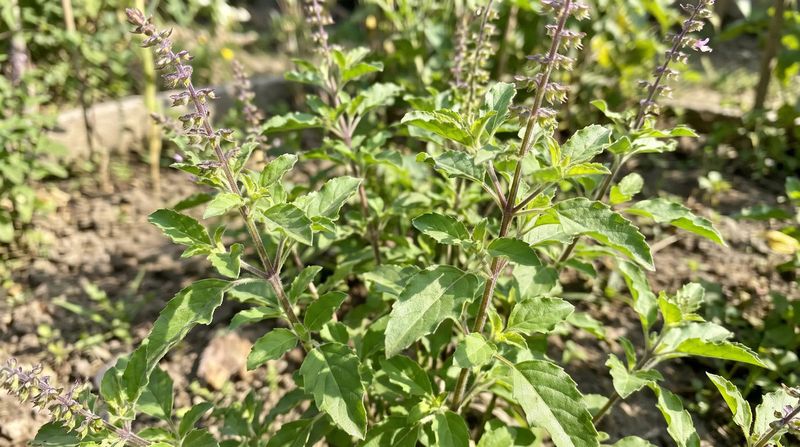
Morning tea tastes different when the leaves come from a plant that survived yesterday’s blazing heat. Holy basil, often called tulsi, brings fragrance, pollinator value, and real toughness to Florida herb gardens.
Compared with sweet basil, holy basil tends to be more forgiving during humid summers. It still enjoys water and decent soil, but it is less likely to look ruined after a few hot nights.
The spicy, clove-like scent makes it a favorite for teas, syrups, and aromatic herb blends.
Containers are a good starting point, especially if your native soil is pure sand or your yard gets sudden standing water. Use a rich, fast-draining mix, place the pot where it gets morning sun, and water when the upper soil begins to dry.
In raised beds, compost and mulch help buffer the roots from heat swings.
Letting a few flower spikes remain will make bees happy, but regular pinching keeps the plant leafy. If you want both harvests and blooms, cut some stems for the kitchen and leave others for pollinators.
That balance makes holy basil feel less like a short-lived herb and more like a small summer ecosystem.
Gardeners who enjoy useful, fragrant plants will find it especially rewarding near a porch or kitchen door, where brushing the leaves releases its warm scent.