
Fall rains can turn one messy corner of a Florida yard into a whole-yard problem fast. Many invasive plants spread by seeds, runners, roots, or broken stems that move with stormwater.
Pulling them before the rainy stretch helps protect your beds, fences, trees, and nearby natural areas. Here are seven troublemakers worth removing now, plus what to watch for as you clean up.
1. Mexican Petunia
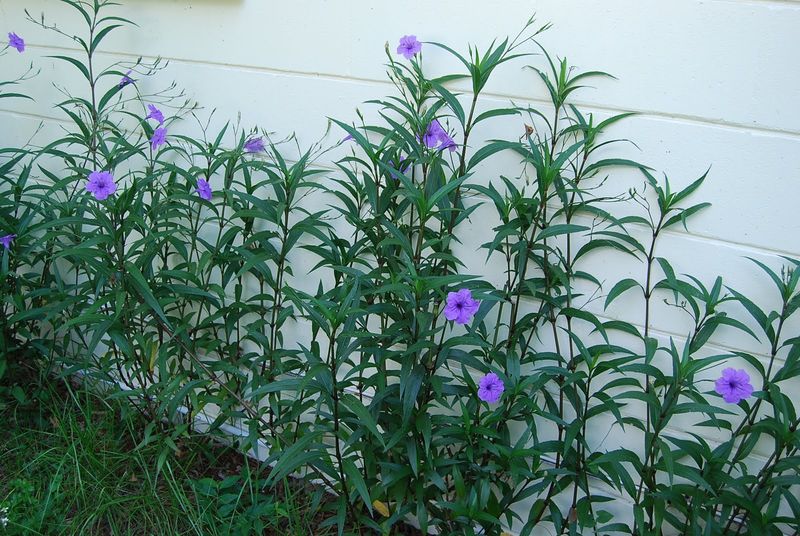
Those pretty purple flowers can fool almost anyone at first glance. Mexican petunia looks like an easy color plant for a hot Florida yard, but the invasive type spreads hard once it settles into moist soil.
Fall rains are the problem multiplier. Seeds can pop from capsules and move with water, while underground runners help new shoots appear a few feet away from the original clump.
In low spots, drainage swales, and beds near downspouts, it can quickly turn into a purple-flowered colony.
Pull small plants after a rain when sandy soil is loose, making sure to remove as much root as possible. For larger patches, cut stems, dig the root mass, and bag any seed-filled material instead of tossing it into open compost.
Keep checking the area every couple of weeks because missed root pieces often resprout.
Florida gardeners who like the look should choose sterile or non-invasive selections when available, and check local UF-IFAS guidance before planting. Native blue porterweed or tropical sage can bring color and pollinator value without the same yard takeover risk.
2. Brazilian Pepper
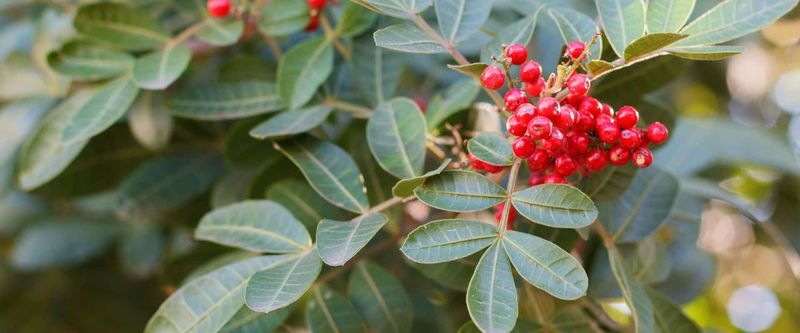
A single shiny-leaved shrub at the back fence may not look urgent, until the red berries arrive. Brazilian pepper is one of Florida’s most notorious invasive plants because birds eat the berries and drop seeds all over yards, parks, and natural areas.
What makes it different from many garden weeds is its woody staying power. Seedlings become shrubs, shrubs become thickets, and thickets can shade out native plants that feed butterflies, birds, and other wildlife.
After fall storms, birds and runoff can move the seed crop farther than you expect.
Small seedlings are easiest to remove by hand, especially after rain softens the ground. Wear gloves and long sleeves because some people react to the sap, especially those sensitive to plants in the cashew family.
Get the whole root when possible, then bag berries so they do not spread in the trash area or compost pile.
For larger trunks, many Florida homeowners use a cut-stump approach with an appropriate herbicide, following label directions exactly. If the plant is big, near power lines, or tangled in a fence, hiring a licensed professional is the safer route.
3. Air Potato Vine
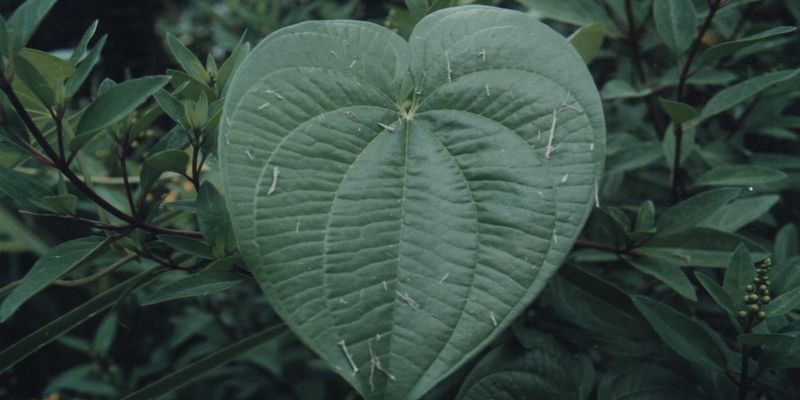
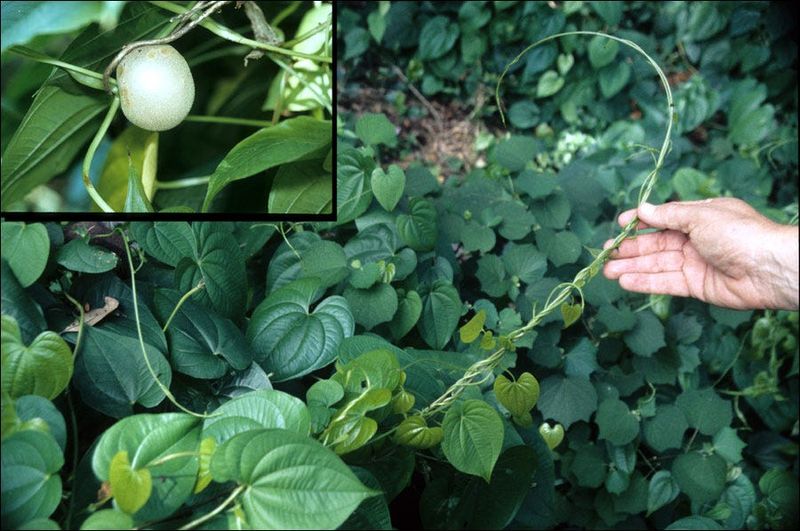
Air potato vine has a sneaky trick that feels almost unfair: it drops little potato-like bulbils that start new vines. One vine climbing a fence in late summer can turn into dozens of new plants once rain and warm soil wake those bulbils up.
The vine grows fast enough to smother shrubs, small trees, and native plants along property lines. In Florida’s long warm season, it can climb over hedges and disappear into tree canopies before a homeowner realizes how much weight and shade it is creating.
Start by collecting every bulbil you can find on the vine and ground. Do not mow through them or toss them into compost, because that can spread the problem.
Bag them securely, then pull young vines by the root where possible.
Older vines may need repeated cutting and digging because underground tubers can resprout. Check the same spot after every heavy rain, since missed bulbils often send up fresh heart-shaped leaves.
Some counties have biological control programs using air potato beetles, but yard cleanup still matters because beetles do not remove every plant on their own.
4. Skunk Vine
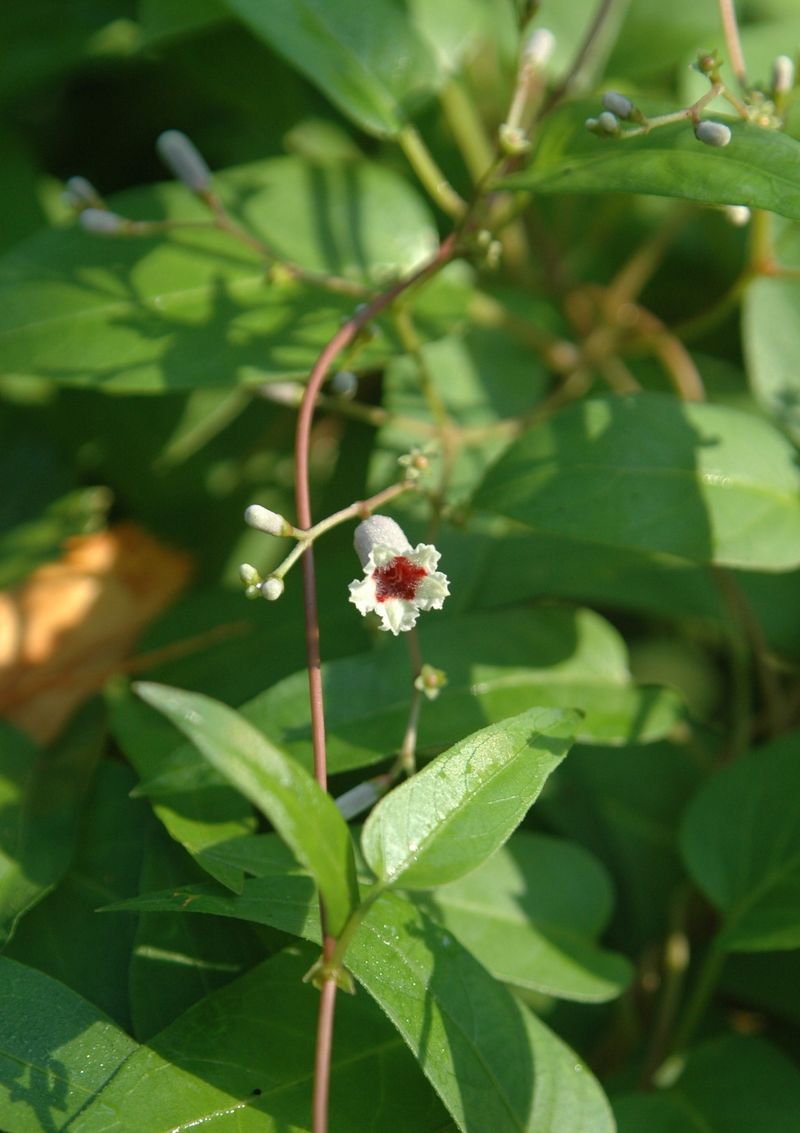
Crush a leaf and the smell gives this plant away. Skunk vine earns its name with a strong odor, but the real issue is how quietly it threads through hedges, fences, and mixed borders before forming a tangled mat.
Unlike a bold shrub that is easy to spot, skunk vine weaves itself into other plants. That makes removal slower because yanking hard can damage the good shrubs you want to keep.
It also roots and spreads along warm, moist edges, which makes fall rain a perfect helper.
Work from the outside of the patch inward. Gently unwind vines from desirable plants, then pull or dig the rooted base.
If stems break, return soon because fresh growth can appear from pieces you missed.
Bag flowering or seeding material and avoid dragging vines across the yard. Every extra stem section you move can create more cleanup later.
After removal, cover bare soil with mulch and replant with Florida-friendly groundcovers or native shrubs so skunk vine has less open space to reclaim.
5. Coral Ardisia
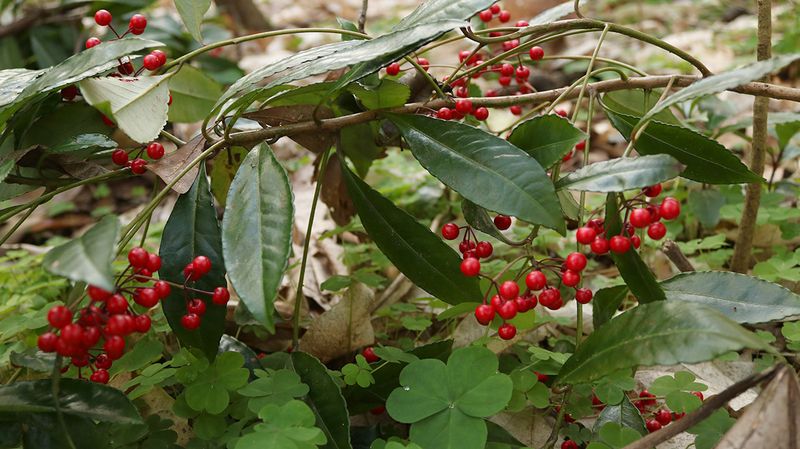
In a shady bed, coral ardisia can look tidy and almost holiday-ready with its glossy leaves and red berries. That polished look is exactly why many homeowners let it stay too long.
The trouble sits under the leaves. Berry clusters feed birds and wildlife, which then spread seeds into hammocks, wooded lots, and neighborhood shade gardens.
In Florida, coral ardisia can form dense layers under trees, crowding out native seedlings and reducing the plant variety that supports local insects and birds.
Pull seedlings while they are small, aiming for the full root. Mature plants may need digging with a shovel or hand mattock, especially in packed soil under oaks or palms.
Bag berries before moving the plant so seeds do not scatter across the bed.
Keep an eye on the site for months after removal. Seedlings may keep popping up from the soil seed bank, especially after steady rain.
For a better shade replacement, consider Florida natives suited to your region and site conditions, such as wild coffee in warmer areas or coontie where drainage is good.
6. Caesarweed
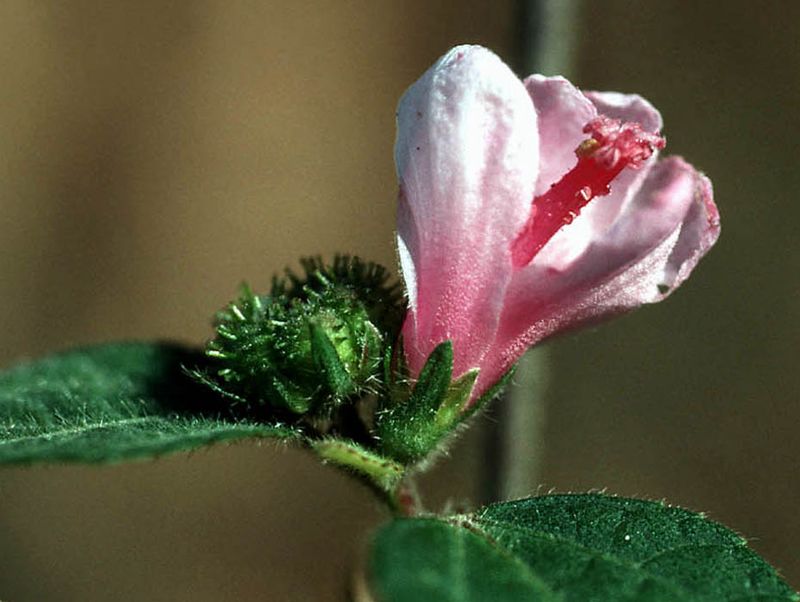
Walk past Caesarweed in old socks and you may bring part of the plant with you. Its burr-like seed capsules cling to clothing, pets, tools, and yard debris, which makes it a champion hitchhiker after a rainy spell.
Caesarweed often shows up in disturbed soil, sunny edges, empty lots, and rough corners behind sheds. It grows quickly in Florida heat, then uses sticky seeds to travel around the property.
Fall cleanup can accidentally spread it if seed heads are brushed, tossed, or dragged through clean beds.
Remove plants before seeds mature whenever possible. If burrs are already present, clip seed heads carefully into a bag first, then pull or dig the plant.
Gloves are a smart choice because the plant can be irritating and the seed capsules are annoying to handle.
After pulling, do not leave bare sandy soil open for long. Mulch the area or replant with a low-maintenance Florida-friendly option that can shade the ground.
A thicker planting helps reduce the open, disturbed conditions Caesarweed loves most.
7. Wedelia
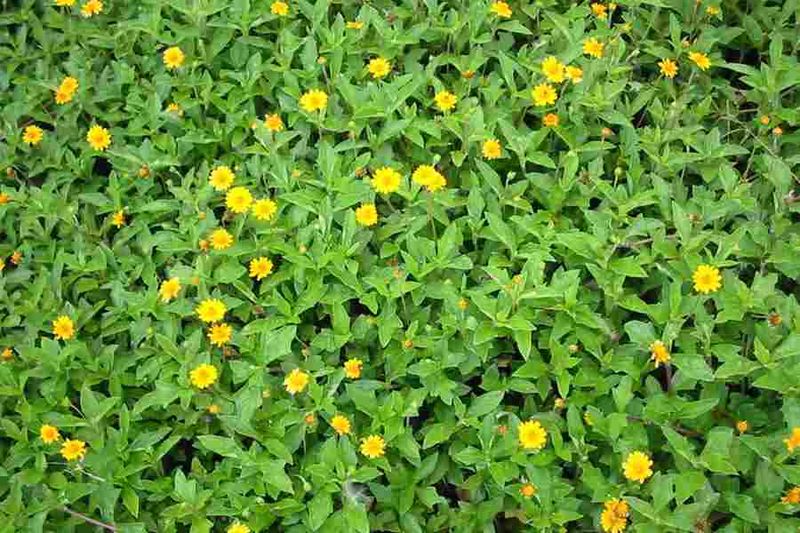
A cheerful yellow groundcover sounds like a gift until it starts swallowing the edge of the lawn. Wedelia, also called creeping oxeye, spreads by crawling stems that root where they touch soil.
That rooting habit makes it different from weeds that mainly rely on seed. Rain softens the ground, boosts growth, and helps broken stem pieces settle into new spots.
If pieces wash from a bed into turf or a drainage area, the patch can expand well beyond where it was planted.
Hand-pulling works best on small areas, but patience matters. Lift the runners, trace them back, and remove rooted nodes instead of just snapping the top growth.
Rake carefully afterward to catch stem fragments that could reroot.
Larger mats may take repeated removal or a carefully targeted treatment, especially where wedelia has moved into lawn edges or around tree roots. Replace it quickly with a better-behaved groundcover or a mulched planting bed.
In Florida yards, the goal is not just removing the yellow flowers, it is taking away every little rooted piece that helps the plant start over.