
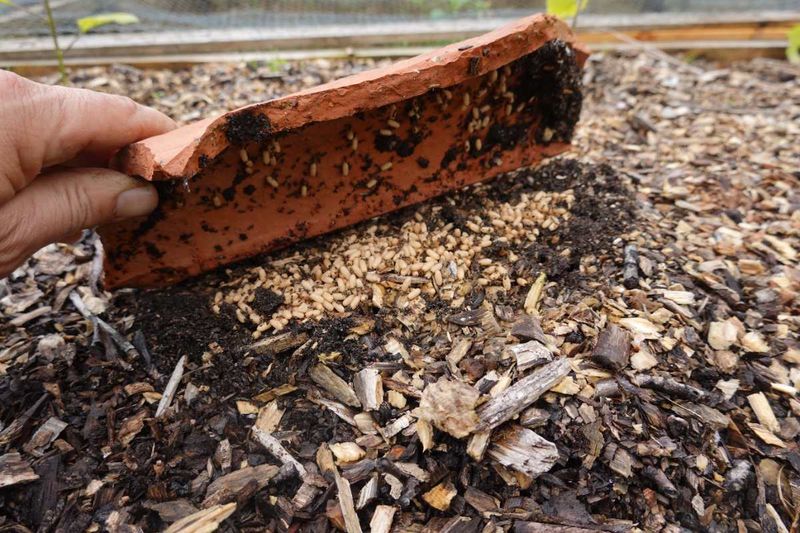
Mulch can make a Florida yard look neat, but the wrong kind can also make life easier for roaches. Warm rain, sandy soil, thick plant beds, and shaded walls already give these pests plenty of help.
The trick is not to skip mulch, but to choose materials and spacing that dry faster and sit smarter around the house. Here are seven common mulch choices to watch, plus better swaps for cleaner beds near your foundation.
1. Pine Straw Packed Tight Against the Wall
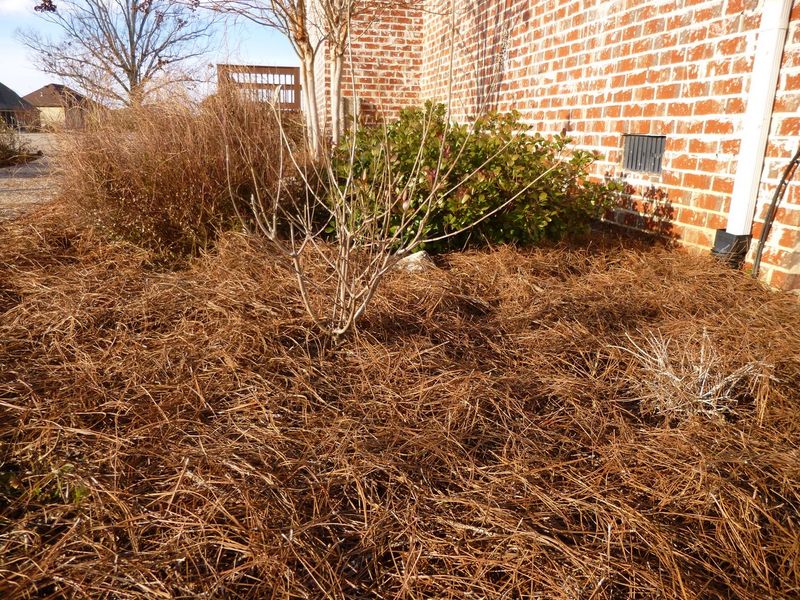
Walk through many Florida neighborhoods and you will spot pine straw tucked neatly under shrubs, often right up to the stucco. It looks soft and natural, but when it is piled thick against the foundation, it can create the kind of shaded, protected layer roaches use as a daytime hiding place.
Pine straw is not automatically bad. In open beds, it can be useful because it is lightweight, affordable, and common across the Southeast.
The problem shows up when needles mat together, catch leaf litter, and hold moisture after storms or irrigation.
Near the house, keep pine straw pulled back at least 12 to 18 inches from the foundation. Use a narrow border of gravel, shell, or bare, well-drained soil along the wall instead.
If you love the pine straw look, save it for tree rings, island beds, or areas away from doors, weep holes, vents, and hose bibs.
Rake it lightly so it does not turn into a dense blanket, and refresh it in thin layers rather than dumping on more. A tidy, airy pine straw bed is less inviting than a damp pile that never sees sunlight.
2. Chunky Hardwood Bark That Stays Damp
Big bark nuggets have a polished, store-bought look that makes a front bed feel finished fast. The catch is that those same chunky pieces leave roomy gaps underneath, especially when they sit over moist soil near a shaded foundation.
Florida roaches, including large outdoor palmetto bugs, do not need much encouragement. They look for darkness, cover, moisture, and nearby food bits.
Bark nuggets can collect fallen leaves, pollen, grass clippings, and irrigation splash, turning the base of a wall into a sheltered little buffet line.
Hardwood bark also breaks down over time, which is normal for organic mulch. As it decomposes, it can hold more moisture and become richer in decaying material.
That is great for distant planting beds, but less ideal in the narrow strip beside the house.
For foundation edges, consider pea gravel, crushed granite, washed river rock, or a thin shell strip over breathable landscape fabric where appropriate. Keep the stone layer shallow enough that water still drains and does not bridge over termite inspection zones.
In planted beds farther out, use bark in a thinner 2-inch layer and leave clear space around stems and walls.
3. Cypress Mulch in Shady Foundation Beds
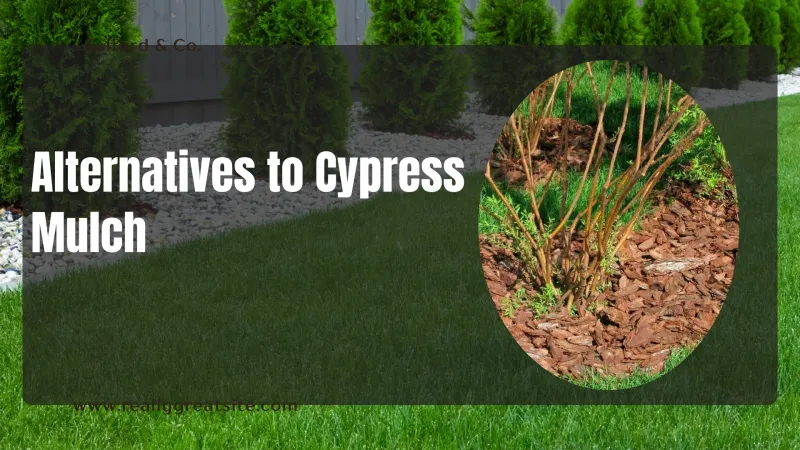
Cypress mulch has an old Florida feel, and many gardeners reach for it because it looks tidy and lasts longer than some other organic mulches. Under dense shrubs beside a house, though, that staying power can work against you.
In a shady bed with little airflow, cypress mulch may stay damp for long stretches after rain or sprinkler cycles. Roaches favor that steady moisture, especially where mulch touches siding, covers cracks, or hides fallen leaves.
The longer a mulch layer sits undisturbed, the easier it is for debris to build up below the surface.
There is also a sustainability reason to think twice. UF-IFAS and other Florida gardening resources often encourage choosing mulch with conservation and local conditions in mind, and cypress harvesting has been debated for its wetland impacts.
That does not make every bag the same, but it gives homeowners another reason to use it carefully.
Swap cypress near the foundation for pine bark fines used lightly, melaleuca mulch from reputable sources, gravel, or shell in the first foot or two along the wall. Prune shrubs so sunlight and air can reach the bed.
A dry edge is a simple pest-reduction move that also makes the house look cleaner.
4. Bagged Dyed Mulch Layered Too Deep
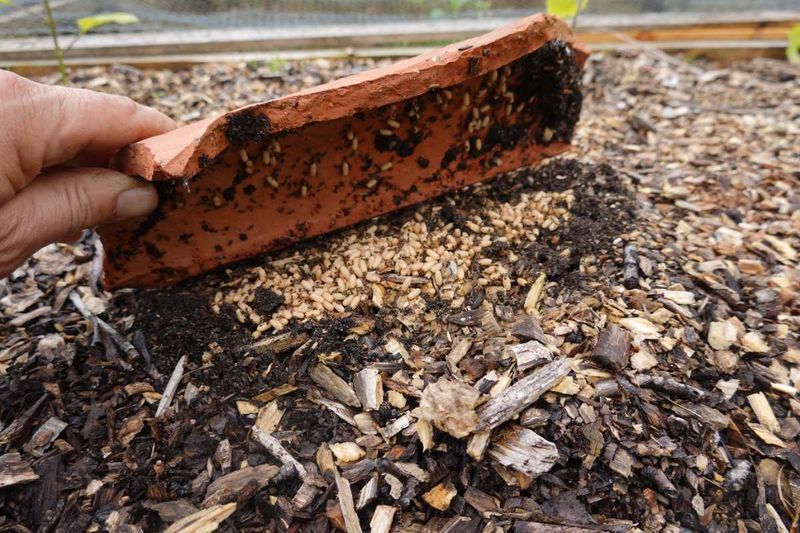
That fresh red or black mulch can make a yard look newly dressed in one afternoon. The trouble starts when old mulch is never removed or loosened, and each new bag becomes another layer in a thick, damp cake.
Dyed mulch is often made from processed wood, and quality can vary. The color is not the main roach issue.
Depth is. Once mulch gets deeper than about 2 to 3 inches, it can trap moisture, hide food debris, and give insects a quiet place to shelter during Florida heat.
Deep mulch along a slab can also cover clues homeowners need to see, such as pest tubes, cracks, or areas where water pools. If sprinklers hit the wall, dyed mulch may stay damp at the exact spot where roaches are most likely to wander toward gaps around pipes or doors.
Before adding more, rake the bed and check the true depth. Remove excess mulch, especially near the house, then keep a clean inspection strip along the foundation.
For color without the pest-friendly blanket, use a thinner mulch layer in the main bed and edge the wall with gravel, stepping stones, or a narrow band of crushed shell.
5. Leaf Litter Used as Mulch Beside Doors
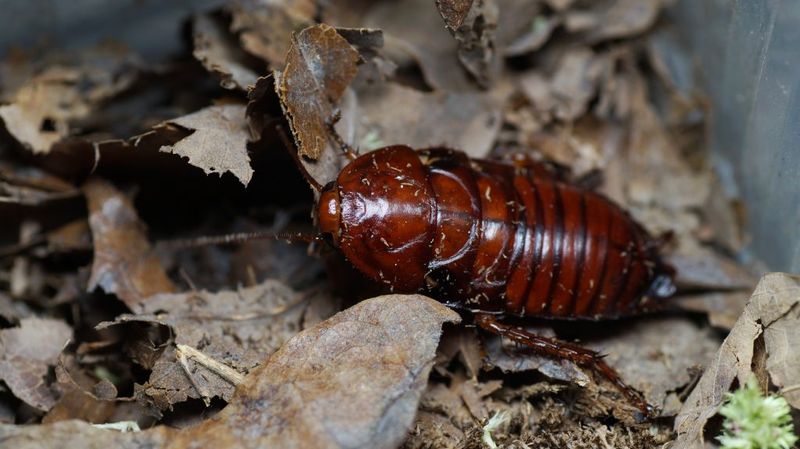
Free mulch falling from your own trees feels like a small gift, especially under live oaks and palms. Beside a door, garage entry, or lanai threshold, however, loose leaf litter can turn into a pest-friendly welcome mat.
Leaves break down quickly in Florida warmth and rain. As they soften, they hold moisture and feed fungi, microbes, and tiny insects.
Roaches are scavengers, so decaying plant matter can support the small food web they move through at night.
Leaf litter is excellent in the right place. It belongs under trees, in wildlife corners, in compost systems, or in beds set away from the house where it can feed soil and support beneficial insects.
The mistake is letting it collect in windblown drifts against thresholds, AC pads, hose reels, and foundation corners.
Use a blower or rake to keep the first 12 to 18 inches around entries clear. If you want a natural mulch near walkways, shred leaves first and apply them thinly in beds away from the wall.
Around doors, choose hardscape, gravel, pavers, or a clean sweepable surface that does not stay soggy after every afternoon storm.
6. Compost-Rich Mulch Touching the Slab
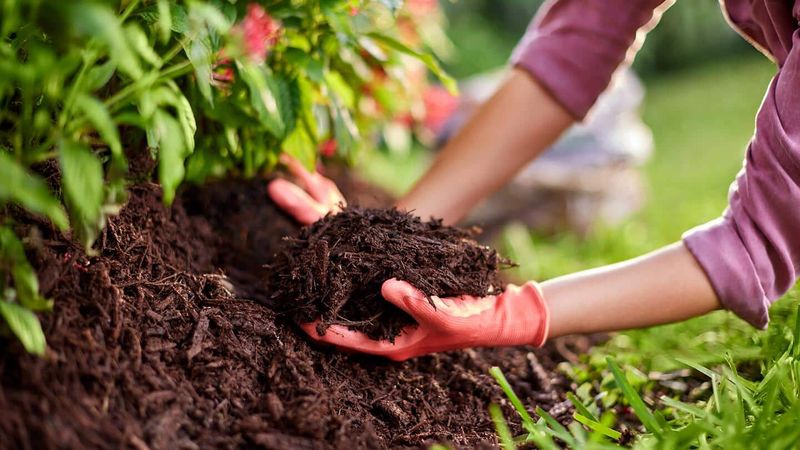
Rich, dark mulch can make plants perk up fast, and it is tempting to spread it everywhere that looks bare. Right against the slab, compost-heavy blends can be a little too lively.
Compost, manure-based soil conditioners, and very fine organic mulches hold moisture and food value better than coarse mineral materials. That is helpful in Florida sandy soil, where water and nutrients disappear quickly.
Near the foundation, though, that same moisture and organic activity can attract scavenging pests, including roaches moving between shrubs, drains, and tiny wall gaps.
Fine materials can also wash during heavy rain, especially in sloped beds or hurricane-season downpours. They may collect against the house, clog weep areas, or create damp pockets around pipe penetrations.
If the bed smells sour or feels spongy, it is too wet for a foundation edge.
Use compost where roots need it most, mixed into planting areas or top-dressed lightly around vegetables, fruit trees, and ornamentals away from the house. For the immediate perimeter, switch to a dry, easy-to-inspect strip such as gravel or shell.
If plants near the wall need feeding, use targeted fertilizer and irrigation adjustments rather than turning the foundation line into a compost band.
7. Rubber Mulch That Hides Moisture and Debris
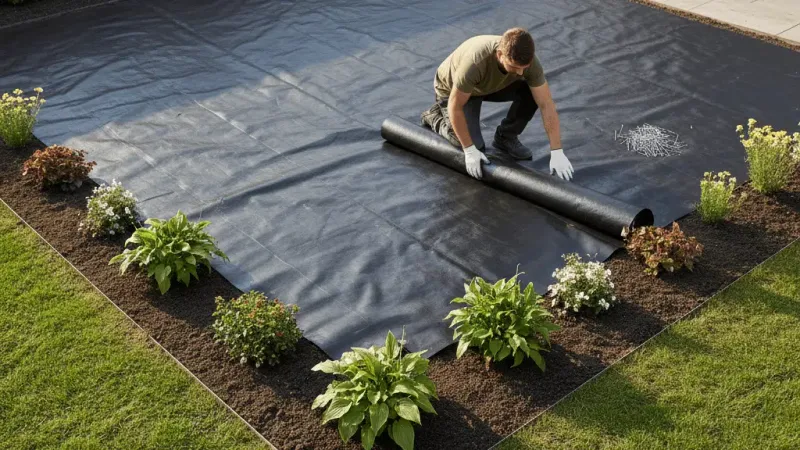
Rubber mulch sounds like the low-maintenance answer: it does not rot, fade quickly, or need frequent topping off. In a Florida foundation bed, that durability can mask what is happening underneath.
Because rubber does not improve soil as organic mulch does, leaves and dirt often settle between the pieces instead. After rain, that trapped debris can stay damp in shaded pockets, especially under thick shrubs or near downspouts.
Roaches are not eating the rubber, but they may use the covered, protected space below it.
Heat is another concern. Dark rubber can get very hot in full sun, stressing shallow roots and making already tough Florida conditions harsher for nearby plants.
During storms, lightweight pieces may shift, float, or scatter into lawns and drains.
If your goal is a neat, long-lasting foundation strip, mineral options usually make more sense. Washed river rock, crushed shell, pea gravel, or concrete pavers are easier to blow clean and inspect.
Pair them with good drainage, trimmed plantings, and fewer hiding places around irrigation boxes, AC lines, and porch steps.
For planted beds farther from the house, use Florida-friendly organic mulch in a modest layer. Near the wall, think clean, dry, visible, and easy to maintain.