
Fall is one of the best times to refresh a Florida front yard because the weather is easier on new plants. Native edible plants can add color, shade, fruit, and wildlife value without fighting the climate so much.
UF/IFAS often points gardeners toward Florida-Friendly choices that fit local soils, heat, rain, and pollinators. Here are seven native edible plants that can make your front yard prettier and more useful this season.
1. American Beautyberry
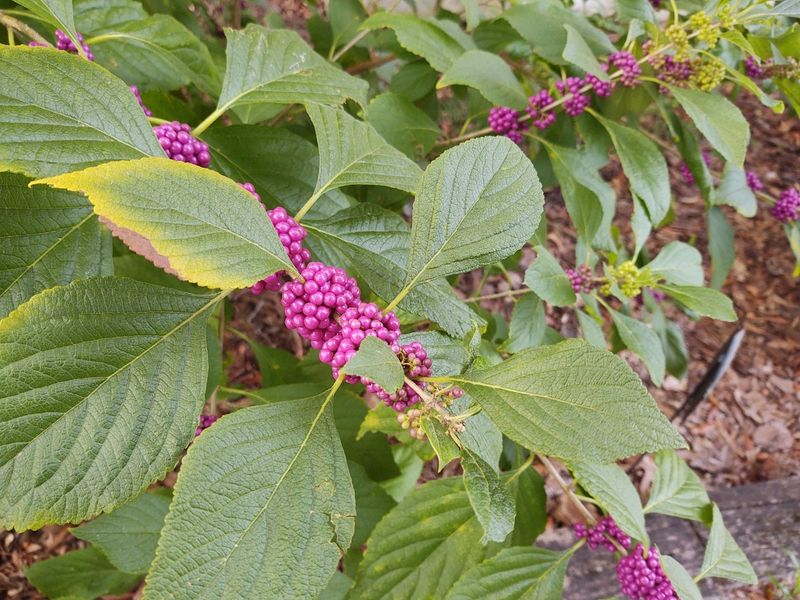
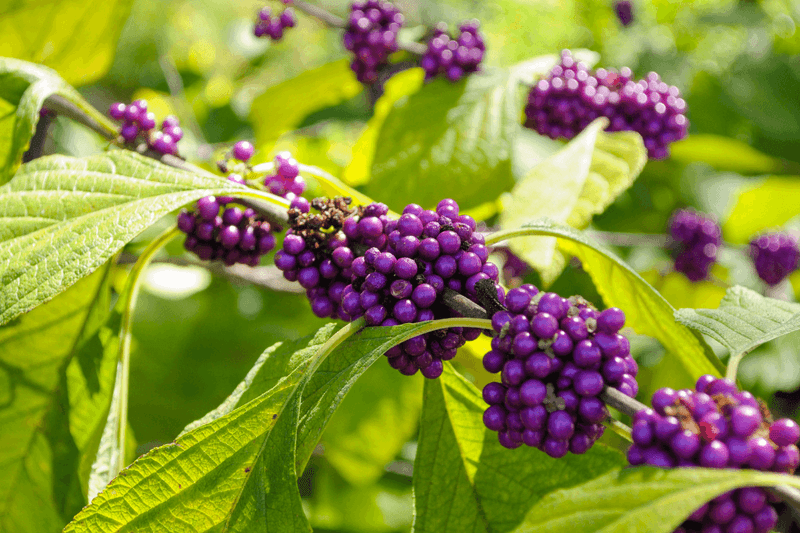
A flash of purple berries near the front walk can stop people in their tracks, and American beautyberry delivers that little surprise right when many yards start looking tired. In Florida, this native shrub is valued by UF/IFAS as a wildlife-friendly landscape plant, and its berries have long been used by some gardeners for jelly.
Beautyberry earns its place because it gives you ornamental color without acting fussy. It handles part shade, does well in many Florida soils once established, and fits nicely along porch edges, under open-canopy trees, or at the back of a mixed foundation bed.
The berries are not usually eaten fresh by people because the flavor is mild and a bit unusual, but they can be cooked into jelly or syrup. Birds may get to them first, which is part of the charm if you want a front yard that feels alive instead of sterile.
For best results, plant it where it has room to arch naturally rather than forcing it into a tight box shape. A light pruning in late winter can keep it tidy, but over-shearing removes the graceful look and can reduce berry display.
2. Maypop Passionflower
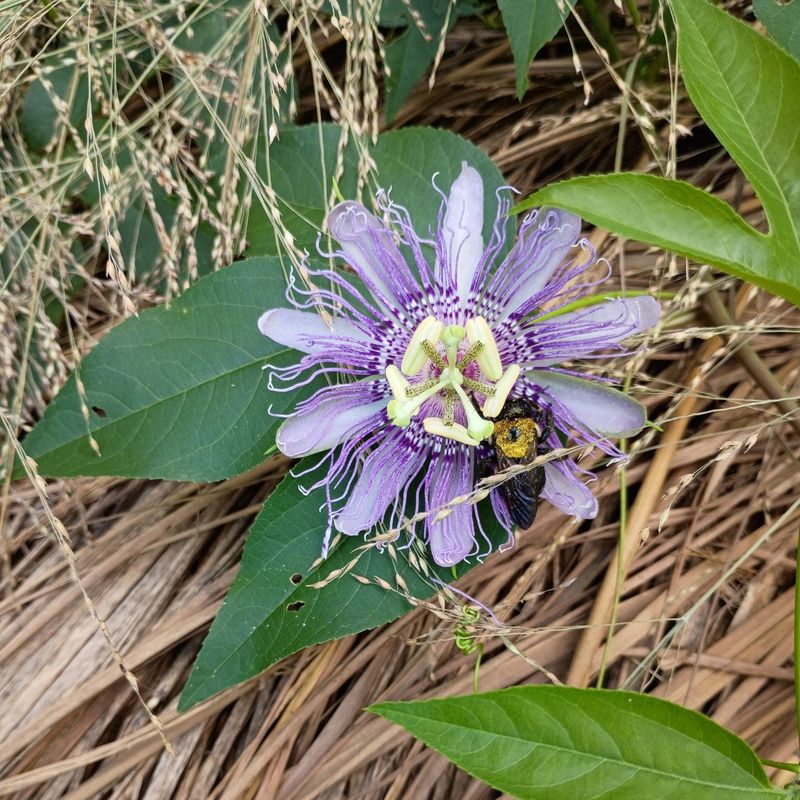
One vine can make a plain mailbox post or front-yard trellis feel like a tiny wildlife show. Maypop passionflower brings wild purple blooms, unusual edible fruit, and butterfly activity into a space that might otherwise be just turf and mulch.
UF/IFAS recognizes native passionflowers as useful for Florida landscapes, especially because they support butterflies such as gulf fritillaries and zebra longwings. That makes maypop different from many edible plants on this list: it feeds people in one way and butterfly larvae in another.
The fruit, often called maypops, can be eaten when ripe, with a tropical-tart pulp that works in drinks, sauces, or spooned fresh if you enjoy bold flavors. Gardeners should confirm proper identification before eating any wild or landscape fruit, since not every passionflower grown in yards is used the same way.
Give maypop a defined structure so it looks intentional in a front yard. A small arbor, fence panel, or decorative trellis keeps the vine from wandering into shrubs, and fall planting gives roots time to settle before next year’s hot season.
3. Muscadine Grape
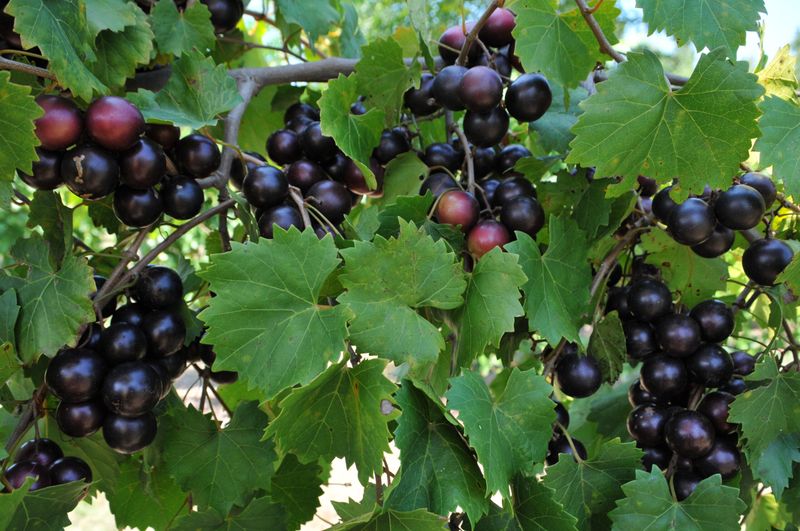
If your front yard has a sunny side yard, a strong arbor, or a fence that needs purpose, muscadine grape can turn that space into something useful. Unlike delicate bunch grapes that struggle in much of the humid South, muscadines are naturally at home in Florida and nearby Southern states.
UF/IFAS has extensive guidance on muscadines because they are one of the better-adapted grape choices for Florida conditions. Their thick skins, strong flavor, and heat tolerance help them stand apart from many fruiting vines that need more pampering.
Muscadine grapes can be eaten fresh, made into juice, cooked into jelly, or used in homemade preserves. Some varieties need another compatible plant for good fruiting, so check whether your selection is self-fertile before buying just one vine.
In a front yard, the trick is structure. Build or install a sturdy arbor before planting, because a healthy muscadine is not a dainty plant, and it can become messy if left to sprawl.
Fall is a smart planning season because you can set the support, improve the planting area, and avoid working during the harshest heat. Once established, a managed muscadine can give shade, fruit, and a strong Southern garden feel.
4. Cocoplum
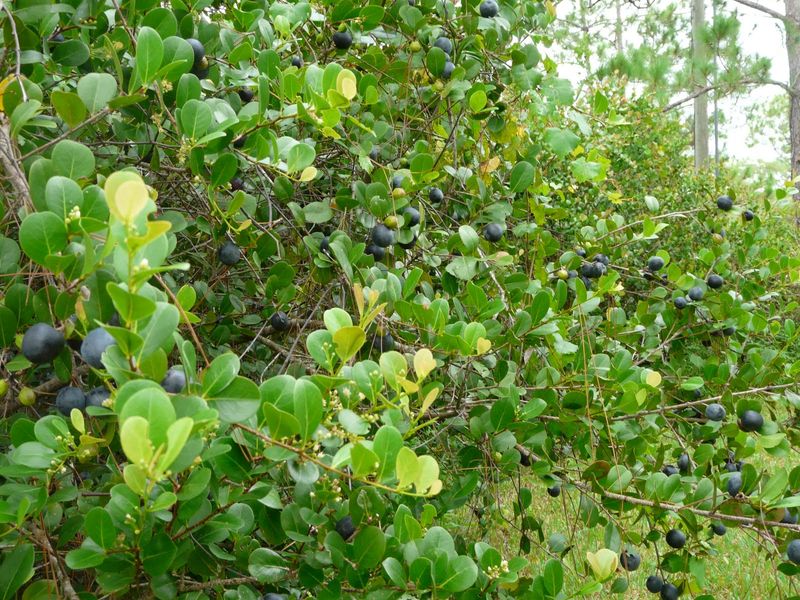
South Florida gardeners get a special kind of front-yard edible with cocoplum: a hedge that looks polished enough for curb appeal but still produces fruit. Its glossy leaves and rounded habit make it feel more like a design plant than a backyard crop.
UF/IFAS lists cocoplum as a Florida native shrub commonly used in landscapes, especially in warmer coastal and South Florida settings. That regional fit matters because cocoplum is not the right answer for every chilly inland yard, but where it belongs, it can be remarkably useful.
The fruits are edible and can be eaten fresh or made into preserves, though flavor varies from plant to plant. Wildlife also enjoys them, so a cocoplum hedge can quietly support birds while giving your entry planting a clean, tropical look.
Use cocoplum where you might otherwise plant a plain hedge along a driveway, porch, or property edge. It accepts pruning, but a softer hand often looks better than constant hard shaping.
Well-drained soil is helpful, and salt tolerance makes it a strong candidate near the coast. For fall planting, water regularly while roots establish, then ease into a lower-maintenance routine as the shrub settles in.
5. Sea Grape
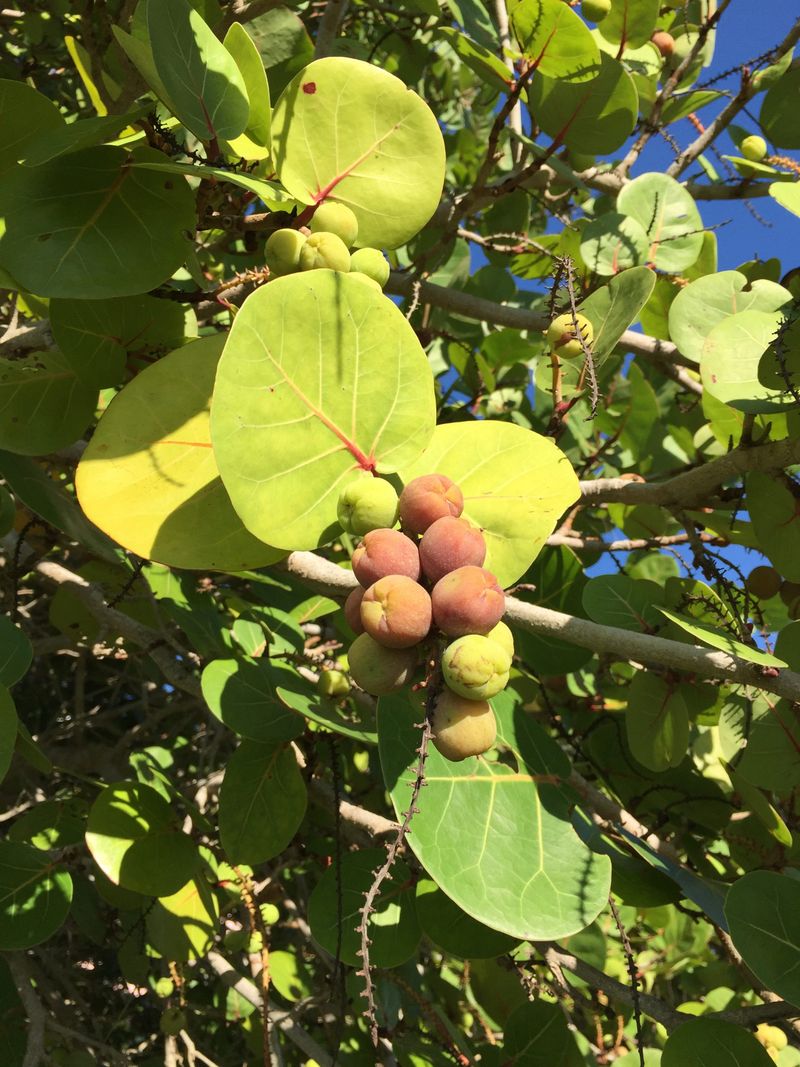
Big round leaves give sea grape a bold, beachy look that few front-yard plants can copy. In coastal Florida, it can act like a living screen, a small shade feature, or a sculptural accent with edible fruit as a bonus.
UF/IFAS often discusses sea grape as a native coastal plant with strong salt and wind tolerance. That is what makes it different from a typical fruiting shrub: it can handle tough seaside conditions where many edible plants would sulk or fail.
The grape-like fruits ripen to purple and can be used for jelly, juice, or wildlife-friendly snacking, though the large seed means there is not a lot of pulp in each fruit. Birds appreciate the crop too, so it fits well in a yard designed for both people and habitat.
Sea grape needs thoughtful placement because it can become large if allowed to grow naturally. In a front yard, use it where height and screening are welcome, not directly under power lines or jammed against a narrow entry path.
Fall planting works especially well in warm coastal areas because the plant can establish before the next stretch of intense heat. Give it sun, room, and drainage, and it can become one of the most Florida-looking edible natives on the block.
6. Prickly Pear Cactus
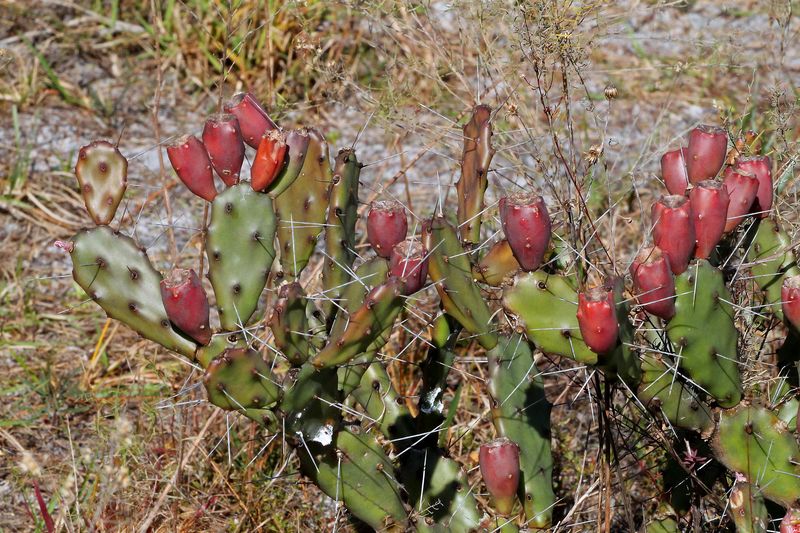
A cactus in a Florida front yard might sound odd until you see how well prickly pear handles sun, sand, and neglect. For homeowners tired of replacing thirsty plants near driveways and curb strips, this native edible brings a totally different texture to the landscape.
UF/IFAS identifies native prickly pear species in Florida, and they can be useful in dry, sunny areas where drainage is fast. The flat pads add sculptural shape, the flowers support pollinators, and the colorful fruits, often called tunas, are edible when properly handled.
Both pads and fruits have culinary uses, but the tiny spines and glochids demand respect. Wear thick gloves, use tools, and learn safe preparation before bringing any part into the kitchen.
Prickly pear is best placed away from tight walkways, children’s play areas, and spots where pets cut corners. A sunny rock garden, mailbox bed, or sandy strip with clear edging can make it look intentional rather than accidental.
Its biggest front-yard advantage is low water demand once established. In a Florida fall planting plan, prickly pear offers a set-and-forget feel for hot, exposed places that punish softer plants.
7. Red Mulberry
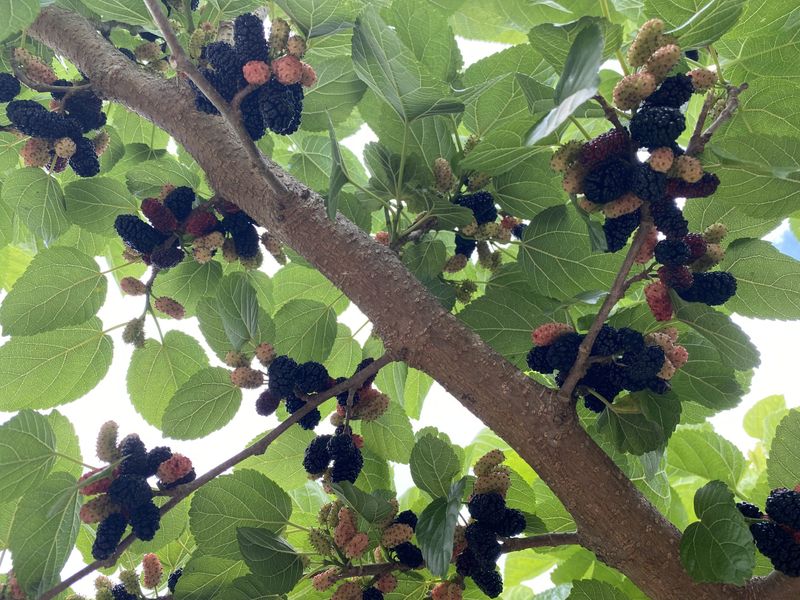
There is something old-fashioned and generous about a mulberry tree, especially when birds start visiting and the fruit begins to darken. Red mulberry is the native choice to know, and it can bring shade, food, and wildlife value to a larger Florida front yard.
UF/IFAS resources distinguish native red mulberry from other mulberries, which matters because not every mulberry in the landscape has the same ecological value or behavior. Red mulberry stands out on this list because it can become a true small to medium tree, not just a shrub or vine.
The ripe fruits are edible and sweet, often enjoyed fresh, in pies, or in jams. The tradeoff is staining, so avoid planting it over pale driveways, front steps, or patios where dropped fruit would become a headache.
Give red mulberry room to grow and use it as a shade-casting anchor near the edge of a lawn or naturalized bed. It suits gardeners who want a more habitat-rich yard and do not mind sharing fruit with birds.
Fall planting gives the tree a gentler start than peak summer installation. Add mulch in a wide ring, keep it off the trunk, and water during establishment so the roots can push into Florida’s sandy soil.