
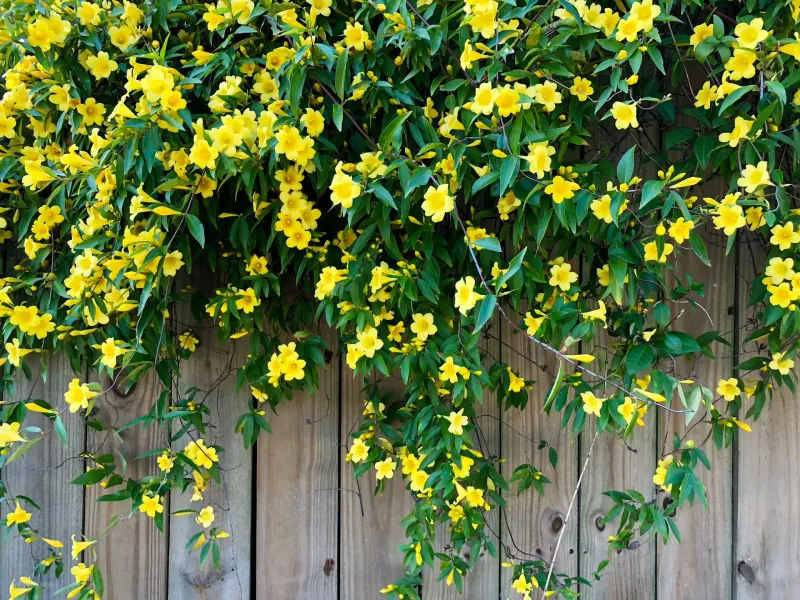
A bare fence can feel like a hot wall in a Florida yard. The right native vine turns it into shade, flowers, and a buffet for butterflies, hummingbirds, and songbirds.
These picks handle Florida conditions better than many showy imports, especially when you match them to your sun, soil, and space. Use them for privacy, pollinators, and a fence that looks alive instead of forgotten.
1. Coral Honeysuckle
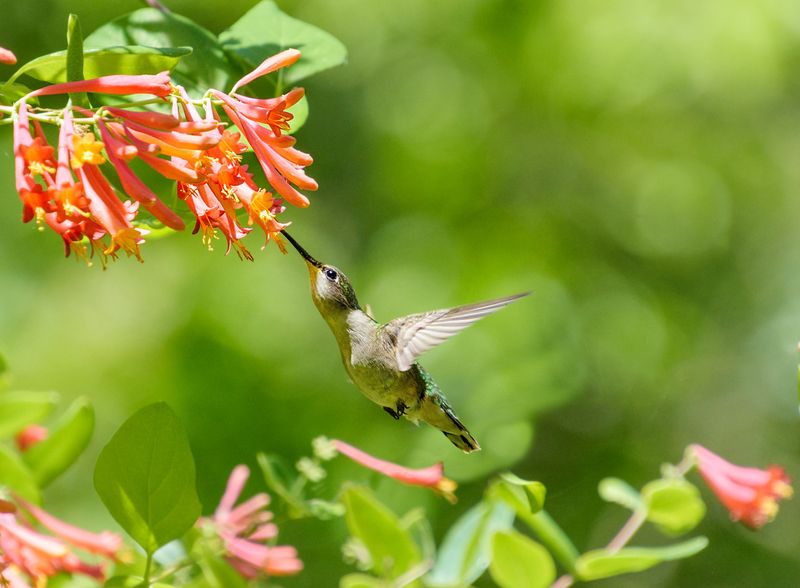
A flash of red at the fence is often the first clue that coral honeysuckle is doing its job. Hummingbirds notice those long, trumpet-shaped blooms quickly, and in many Florida yards, the flowers can appear off and on from spring into fall.
Coral honeysuckle, or Lonicera sempervirens, is one of the tidiest native vines for homeowners who want color without a constant fight. It climbs by twining, so give it a chain-link fence, wire panel, arbor, or sturdy trellis rather than a blank wooden wall.
What makes it stand out is its balance. It grows fast enough to soften a fence, but it is usually easier to manage than aggressive non-native honeysuckles.
The plant also produces red berries that birds may eat, adding another wildlife layer after the flowers slow down.
Plant it in full sun for the heaviest bloom, though it can take part shade with fewer flowers. Once established, it handles average Florida soil, including sandy beds, as long as it gets water during long dry spells.
A light trim after a bloom cycle helps keep it full instead of leggy.
2. Purple Passionflower
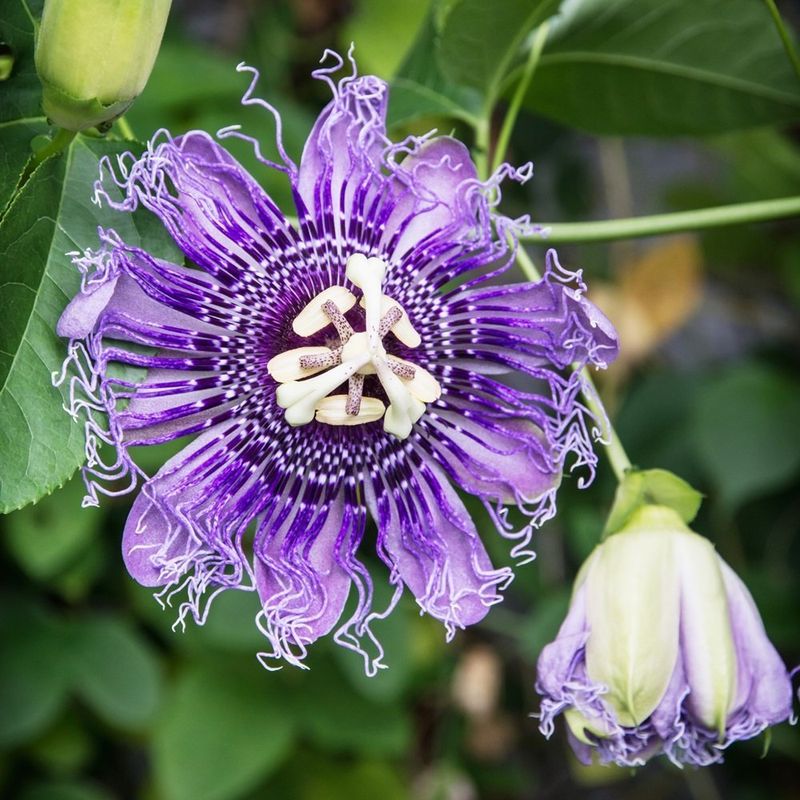
Few fence vines look as strange and wonderful as purple passionflower when the first bloom opens. The flower seems almost handmade, with curled purple threads, pale petals, and a bold center that stops people mid-walk.
Passiflora incarnata, often called maypop, earns its place because it is a host plant for gulf fritillary butterflies and other passionvine-loving caterpillars. If you want butterflies, you have to accept some chewed leaves.
That leaf damage is not failure, it is the nursery working.
In a sunny Florida spot, purple passionflower can move quickly along a fence and send up new shoots nearby. That spreading habit is useful when you want fast coverage, but it also means this vine belongs where you can mow, edge, or pull extra sprouts before they wander into smaller beds.
The blooms can keep coming through warm months, followed by egg-shaped fruits that wildlife may sample. Give it full sun to part sun, a strong fence, and room to ramble.
In dry, sandy soil, water young plants until roots settle in, then expect a tough, lively vine that brings the butterfly show close to home.
3. Corkystem Passionflower
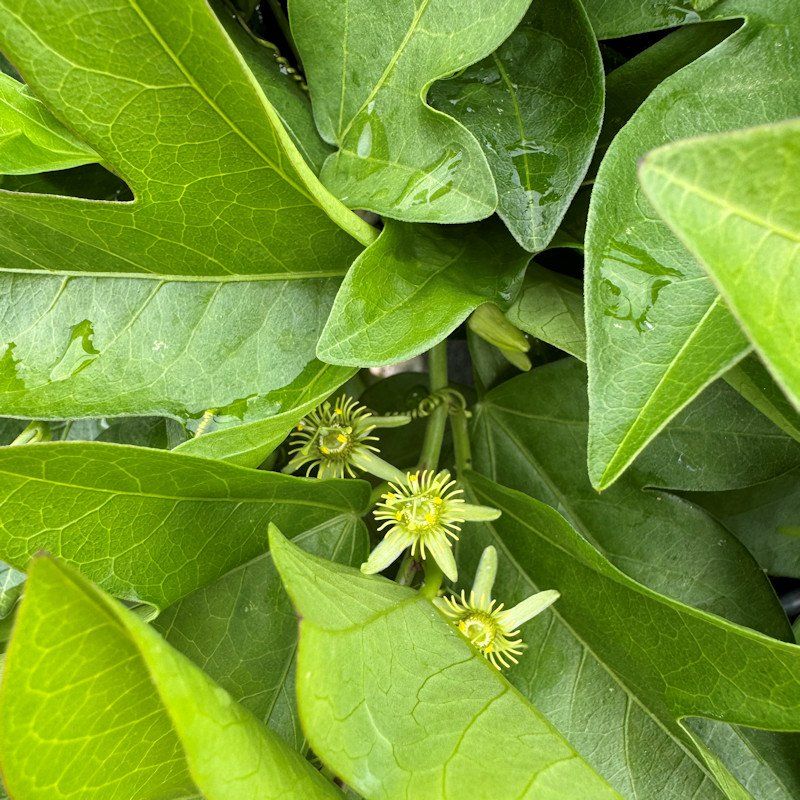
In South Florida gardens, corkystem passionflower feels like the quiet restaurant wildlife keeps recommending. The flowers are small and easy to miss, but butterflies find the vine just fine.
Passiflora suberosa is especially valuable because it supports zebra longwing and gulf fritillary caterpillars. Zebra longwing is Florida’s state butterfly, so growing this vine along a fence can turn an ordinary side yard into a real habitat strip.
Unlike purple passionflower, corkystem passionflower has a more understated look. Its tiny blooms are greenish to pale, and the small dark fruits are eaten by birds.
That makes it a smart choice for gardeners who care more about wildlife action than giant flowers.
Use it on chain-link, wire fencing, or a simple trellis where tendrils can grab. It grows well in part shade to sun, which helps in tight Florida yards where fences may be shaded by palms, oaks, or neighboring structures.
In warm areas of the state, it can remain active for much of the year.
Keep an eye on seedlings, since birds can spread the fruit around. For a wildlife fence that feels a little wild but still manageable, corkystem passionflower is one of the best native choices.
4. Crossvine
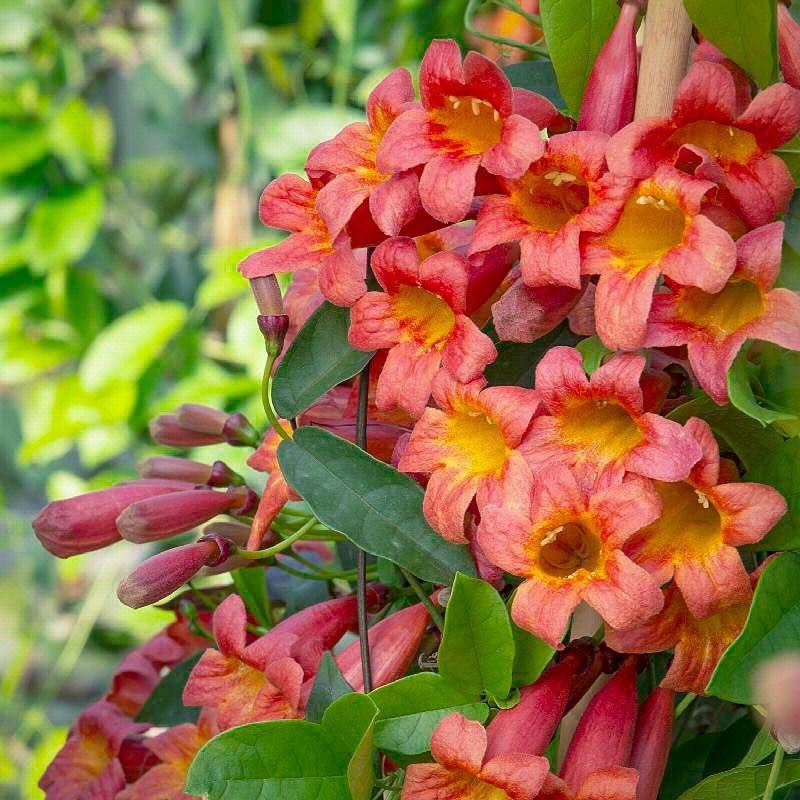
When a fence needs bold coverage instead of dainty decoration, crossvine brings muscle. Its orange-red trumpet flowers arrive in heavy flushes, often in spring, with more blooms possible during warm stretches.
Bignonia capreolata is a strong native climber that can cover a fence, arbor, or pergola with serious speed once established. It attaches with tendrils that have small adhesive tips, so place it where you truly want a long-term vine.
A sturdy support is not optional for mature growth.
Hummingbirds are the big reason many gardeners plant it, but the evergreen to semi-evergreen foliage is part of the payoff too. In much of Florida, crossvine can help screen a view even when it is not blooming.
Some selections have showier flower color, but straight species plants still offer native wildlife value.
Full sun gives the best flower display, while part shade can work if you are more interested in greenery and screening. It tolerates a range of soils, but young vines appreciate regular water in fast-draining sand.
Prune after the main bloom to shape it and keep it from swallowing gates, gutters, or smaller shrubs nearby.
5. Carolina Jessamine
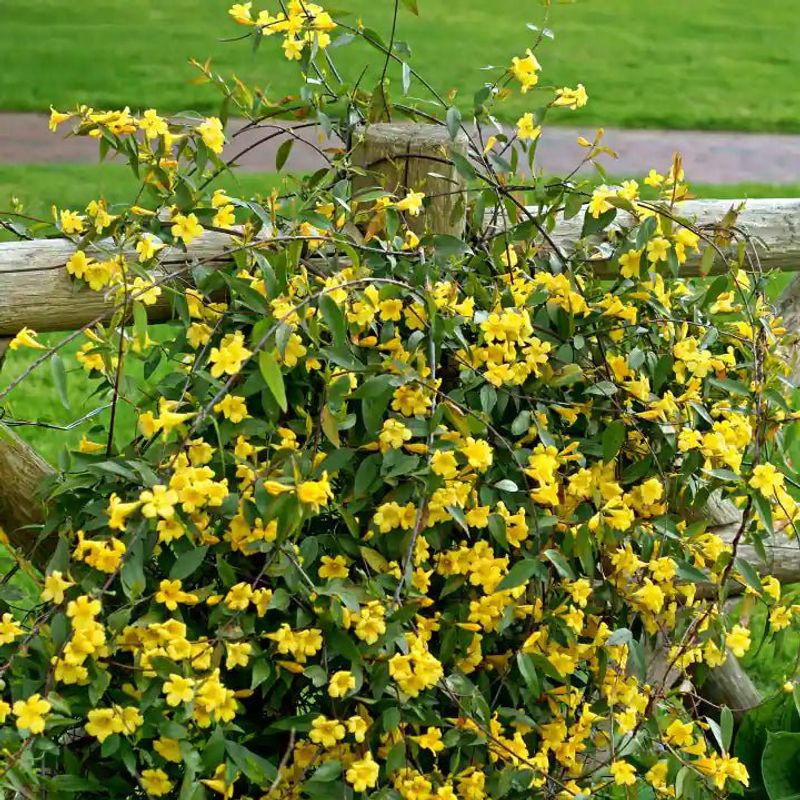
Yellow flowers in late winter can make a Florida fence look cheerful before many gardens have fully woken up. Carolina jessamine delivers that early color in a way that feels polished, not messy.
Gelsemium sempervirens is native in the Southeast and grows well in much of Florida, especially North and Central Florida. It twines through fencing and trellises, forming a green screen with bright, funnel-shaped blooms that can appear from winter into spring, sometimes with scattered flowering later.
Its special strength is timing. While many vines wait for warmer months, Carolina jessamine helps bridge the dull season and gives bees an early nectar source.
The evergreen foliage also makes it useful for softening a fence year-round.
There is one serious caution: all parts of the plant are poisonous if eaten. Skip it where children, pets, or browsing livestock may nibble plants.
Wear gloves if you have sensitive skin, and avoid planting it right beside edible vines where confusion could happen.
Give Carolina jessamine sun for best blooming and a support it can wrap around. It is usually not fussy once rooted, but watering during establishment helps in sandy Florida soil.
Prune after flowering to keep the vine neat and encourage a thicker screen.
6. Spurred Butterfly Pea
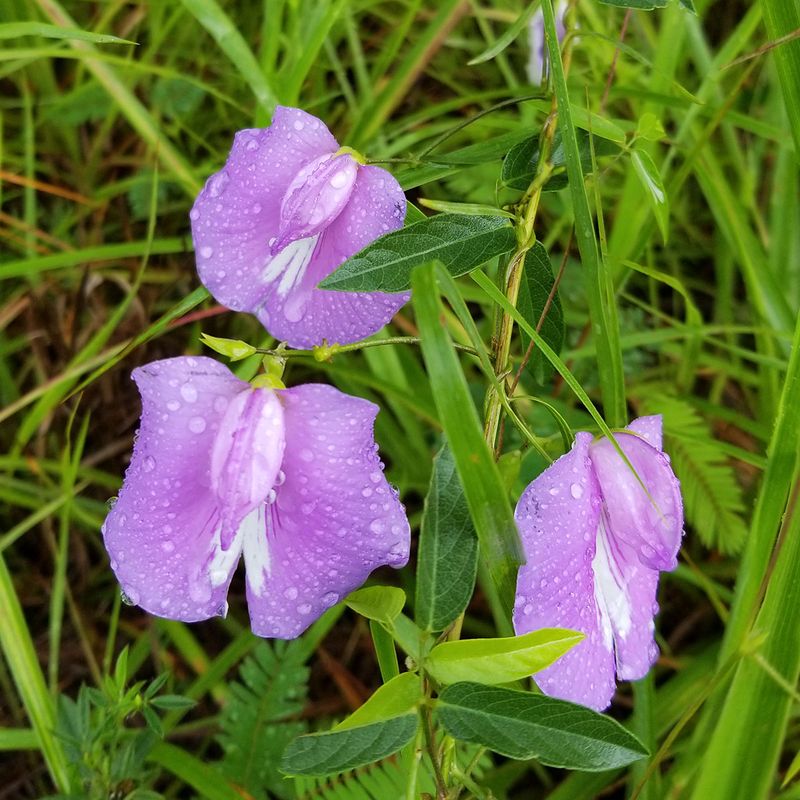
A fence does not always need a heavy blanket of leaves. Sometimes the prettiest choice is a lighter vine that threads through rails and flowers like a wildflower with good manners.
Spurred butterfly pea, or Centrosema virginianum, is a Florida native vine with soft lavender, pinkish, or violet pea-shaped flowers. It is not the biggest privacy maker on this list, but it shines on smaller fences, mailbox trellises, garden edges, and mixed native plantings where a large vine would be too much.
Its wildlife value comes through pollinators, especially native bees that work pea-family flowers. The vine can also blend nicely with grasses, low shrubs, and other drought-tolerant natives, giving a natural look that fits sandy Florida yards.
Spurred butterfly pea likes sun to part sun and well-drained soil. Once established, it can handle dry spells better than many lush-looking ornamentals, which is useful for gardeners who do not want to drag hoses every afternoon.
It may die back or thin during cooler or rough periods, then return from roots or seed in suitable spots.
Choose it when you want charm, not a wall. On a decorative fence, it adds movement, soft color, and pollinator interest without turning the whole structure into a green beast.
7. Skyblue Clustervine
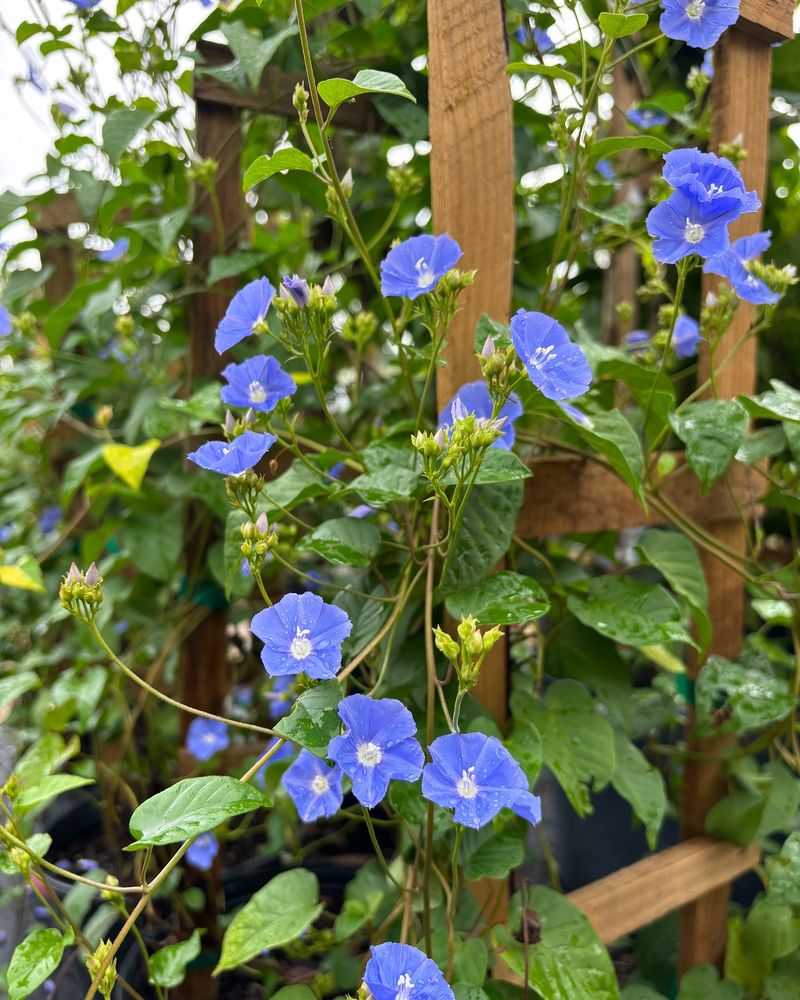
Blue flowers always feel a little rare in a hot Florida yard, which is why skyblue clustervine catches the eye. Against a white or dark fence, its pale blue blooms can look cool and clean even when the afternoon is blazing.
Jacquemontia pentanthos is native to South Florida and best suited to warm coastal or frost-free gardens. It brings a softer, tropical look than crossvine or coral honeysuckle, with twining growth and clusters of small funnel-shaped flowers that can appear over a long warm season.
Its reason for making the list is curb appeal with native value. Many fast fence vines look either wild or heavy, but skyblue clustervine can feel airy and refined when trained well.
Pollinators visit the blooms, and the plant fits beautifully into native butterfly and coastal-style gardens.
Give it full sun to light shade and very well-drained soil. South Florida’s sandy ground is often a good match, but young plants still need steady moisture until established.
In colder parts of the state, treat it cautiously or choose a hardier vine from this list.
Use light pruning to guide growth along wire, lattice, or open fencing. For gardeners who want a native vine that looks boutique rather than bulky, skyblue clustervine is a standout.