
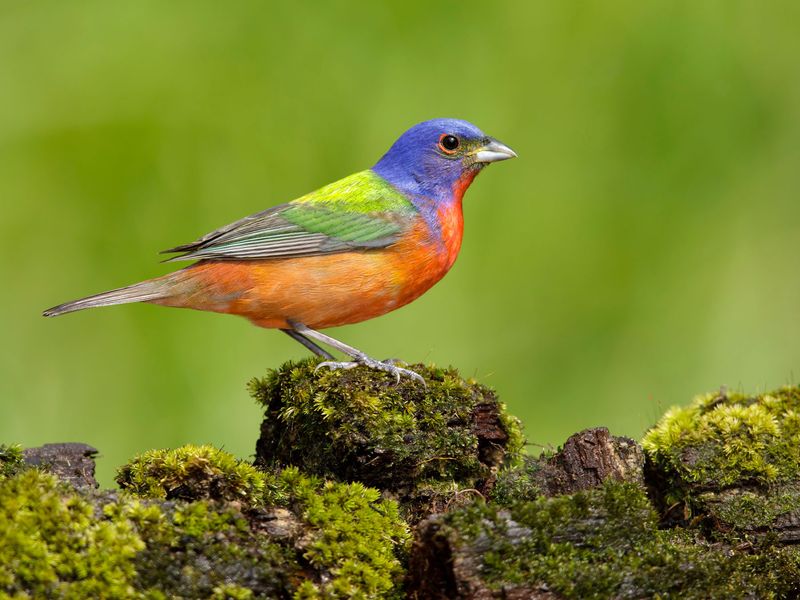
Painted buntings look like tiny flying rainbows, but they do not visit every yard for long. A feeder can bring them close, yet native grasses give them something better: seeds, cover, and a safer place to move around.
In Florida yards, the right grasses can handle sandy soil, heat, and storms while making your garden feel alive. Plant a few of these, and your yard starts acting less like a snack stop and more like a real habitat.
1. Elliott’s Lovegrass
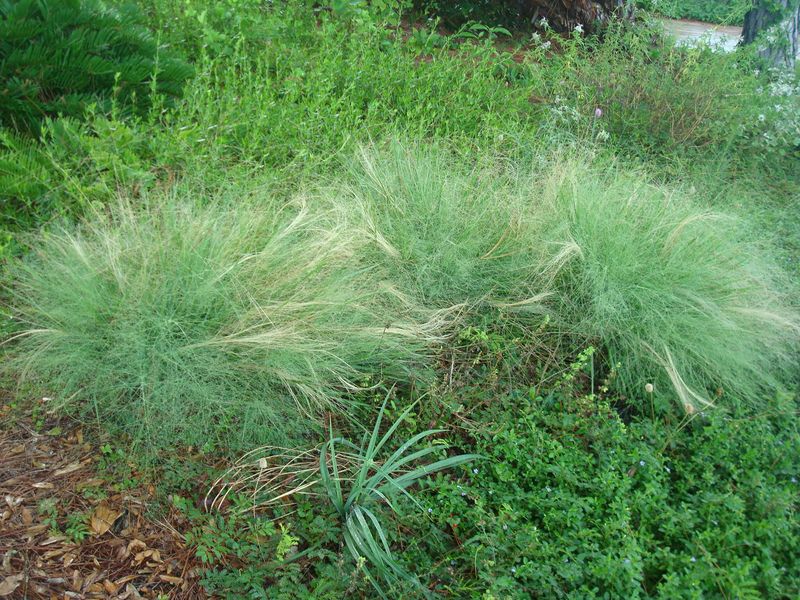
A breeze can turn Elliott’s lovegrass into a soft, shimmering cloud, which is exactly why it earns a front-row spot in a painted bunting yard. Its fine leaves and airy seed heads add movement without making a bed look messy, so it works well near patios, fences, and sunny side yards.
For buntings, the big value is texture. Painted buntings often feed low and like areas where they can slip in and out of cover quickly.
The open, wispy form of Elliott’s lovegrass gives them hiding places without creating a dark thicket that feels too closed in.
Florida gardeners also get a practical win. This native grass is known for handling heat, full sun, and sandy soils once established, which makes it a smart choice for low-water sections of the yard.
It usually looks best when planted in groups rather than as one lonely clump.
Use it along the back of a pollinator bed, around a rain garden edge, or as a soft screen near a birdbath. Leave the seed heads standing through fall and winter when possible, because that is when migrating and wintering buntings need natural food most.
2. Muhly Grass
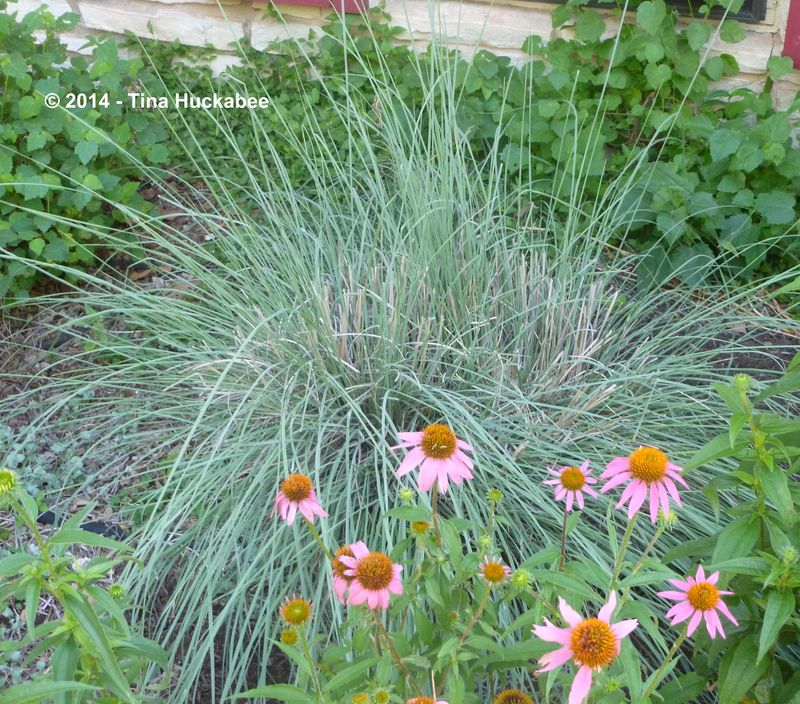
Few native grasses make neighbors slow down like muhly grass in bloom. In fall, its pink-purple haze looks almost unreal, but the plant is tough enough for real Florida conditions, including heat, sun, and lean soil.
Painted buntings benefit from muhly in a slightly different way than people do. While gardeners notice the color, birds notice the clumping shape near ground level.
Those dense bases can give small songbirds quick shelter from open lawn areas, especially when paired with low native shrubs.
Muhly grass is especially useful in visible spots where you want wildlife value without sacrificing curb appeal. It can frame a mailbox, soften a driveway edge, or fill a sunny island bed that dries out fast after rain.
In coastal and central Florida landscapes, it often fits naturally with other drought-tolerant native plants.
For the best effect, plant several muhly grasses in drifts with enough room for each clump to keep its rounded shape. Avoid cutting it down too early after flowering.
The late-season structure helps the garden stay useful after many showier flowers have faded, which is exactly when natural cover starts to matter more.
3. Sand Cordgrass
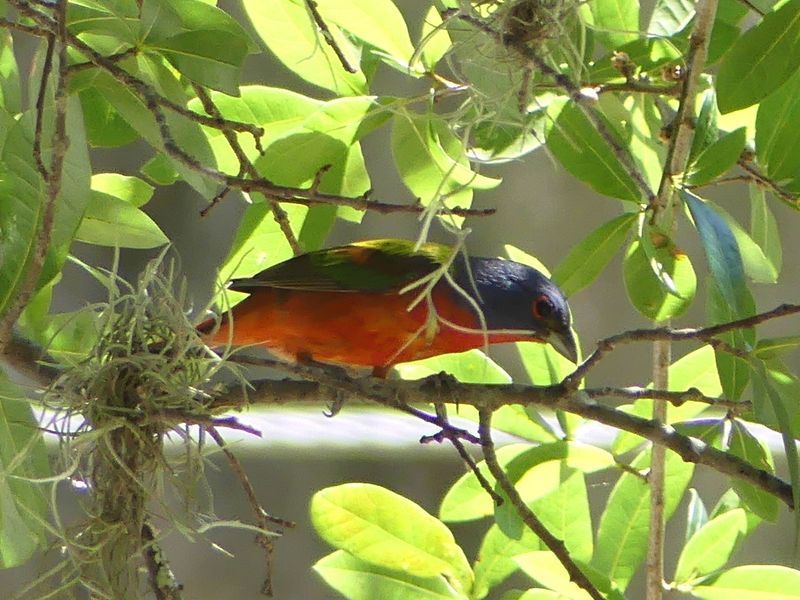
That damp low spot in the yard does not have to become a mowing headache. Sand cordgrass can turn soggy edges, pond margins, and drainage swales into useful bird habitat with a bold, natural look.
Unlike finer ornamental grasses, sand cordgrass has a strong presence. Its tall, arching clumps create real shelter, which can help painted buntings feel safer moving through a yard.
Small birds are more likely to linger where they have quick escape routes from cats, hawks, and too much open space.
This grass is especially helpful for Florida homeowners dealing with stormwater. Many yards swing between dry stretches and heavy summer downpours, and low areas can be tricky to plant.
Sand cordgrass fits places where moisture collects better than many tidy border plants, though it still needs enough space to spread and look natural.
Because it can grow large, place it where size is a feature rather than a problem. Think back property lines, pond edges, wide swales, or the far side of a wildlife corner.
Pair it with native shrubs and seed-bearing flowers, and it becomes part of a layered path that buntings can use instead of crossing bare lawn.
4. Lopsided Indiangrass
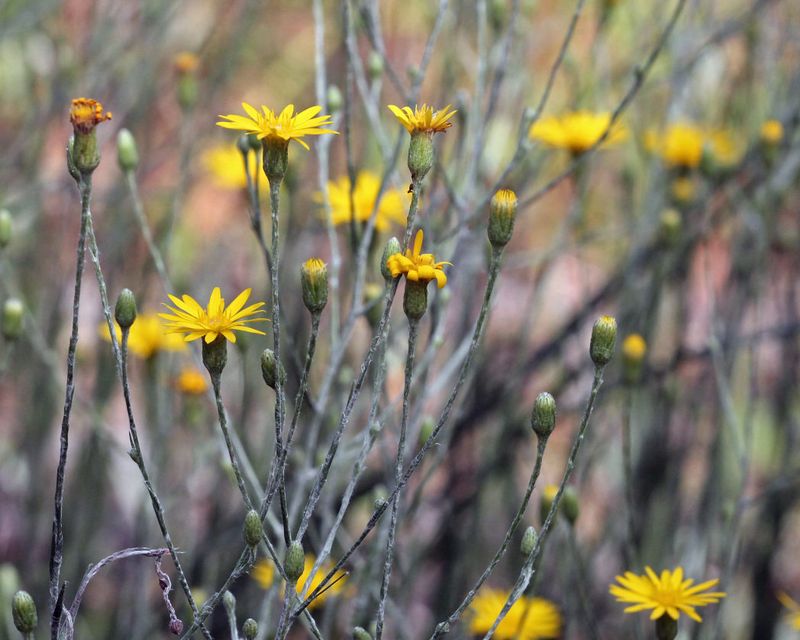
A little wild-looking in the best possible way, lopsided indiangrass brings a meadow feeling to sunny Florida yards. Its seed heads lean to one side, giving the plant a relaxed shape that stands out from more formal clumping grasses.
Painted buntings are seed eaters for much of the year, and native grasses help support that natural habit. Lopsided indiangrass adds seasonal seed structure above the lower garden layer, while its base offers cover where birds can pause before feeding.
It is not just decoration, it helps build a working food web.
This species suits gardeners who want a less manicured wildlife area, especially along a fence, in a pocket prairie, or at the edge of a sunny backyard bed. It pairs well with Florida native wildflowers that also feed insects.
That matters because painted buntings, especially during nesting season in their breeding range, can also use insects as protein-rich food.
Give lopsided indiangrass room, sun, and soil that does not stay constantly soggy. In sandy Florida sites, it can settle in nicely once established.
Leave the seed heads as long as they remain attractive and useful, then refresh the clump with a late winter trim before new growth pushes up.
5. Wiregrass
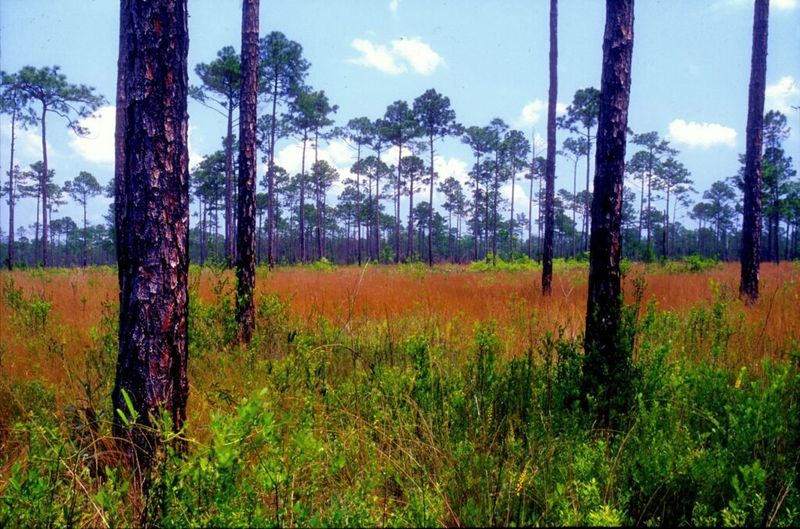
Wiregrass carries a bit of old Florida with it. In natural longleaf pine communities, it is one of the signature ground-layer plants, and that makes it a meaningful choice for gardeners who want a yard that feels rooted in place.
For painted buntings, wiregrass offers low, grassy cover that works best when it is part of a larger native planting. Its narrow blades and bunching habit create pockets where small birds can forage near the ground without feeling completely exposed.
Add nearby shrubs, and the yard becomes much easier for buntings to navigate.
Wiregrass is not the flashiest plant on this list, and that is part of its charm. It gives structure to dry, sandy areas where fussier plants struggle.
In the right setting, it also helps a garden look natural rather than overdesigned, especially with pine straw, native blueberries, goldenrods, blazing stars, or other Florida-friendly companions.
Home gardeners should buy nursery-grown plants rather than digging from wild areas. Place wiregrass in full sun to light shade with excellent drainage.
Once it is established, it can be a steady, low-key backbone for a wildlife bed, the kind of plant that quietly keeps the habitat working while brighter flowers come and go.
6. Purple Lovegrass
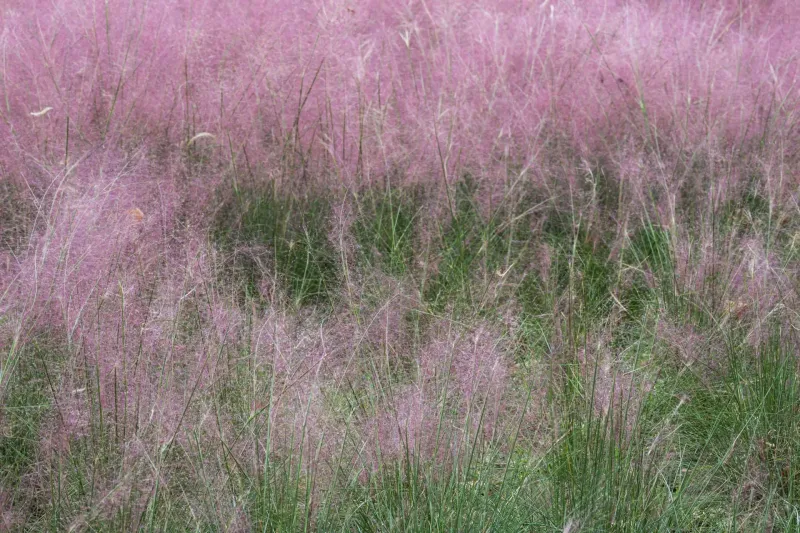
At first glance, purple lovegrass looks delicate, almost like colored mist resting above the ground. Then Florida weather tests it, and the plant proves it has more grit than its soft seed heads suggest.
This is a good grass for gardeners who want wildlife value in a smaller, prettier package. Purple lovegrass stays more refined than many tall native grasses, so it can fit near walkways, front beds, and sunny garden edges.
The airy seed heads still bring the kind of natural texture that makes small birds feel less exposed.
Painted buntings are more likely to keep using a yard when food and shelter sit close together. A feeder alone can leave them crossing open space again and again.
Purple lovegrass helps close those gaps by adding low cover near seed-bearing flowers, berrying shrubs, or a shallow water source.
Plant it in well-drained sandy soil and full sun for the best form. It looks especially charming in repeated clumps, where the purple haze can read as a design feature rather than a random tuft.
If your front yard needs to look tidy but you still want buntings, this grass is one of the easiest bridges between beauty and habitat.
7. Florida Gamagrass
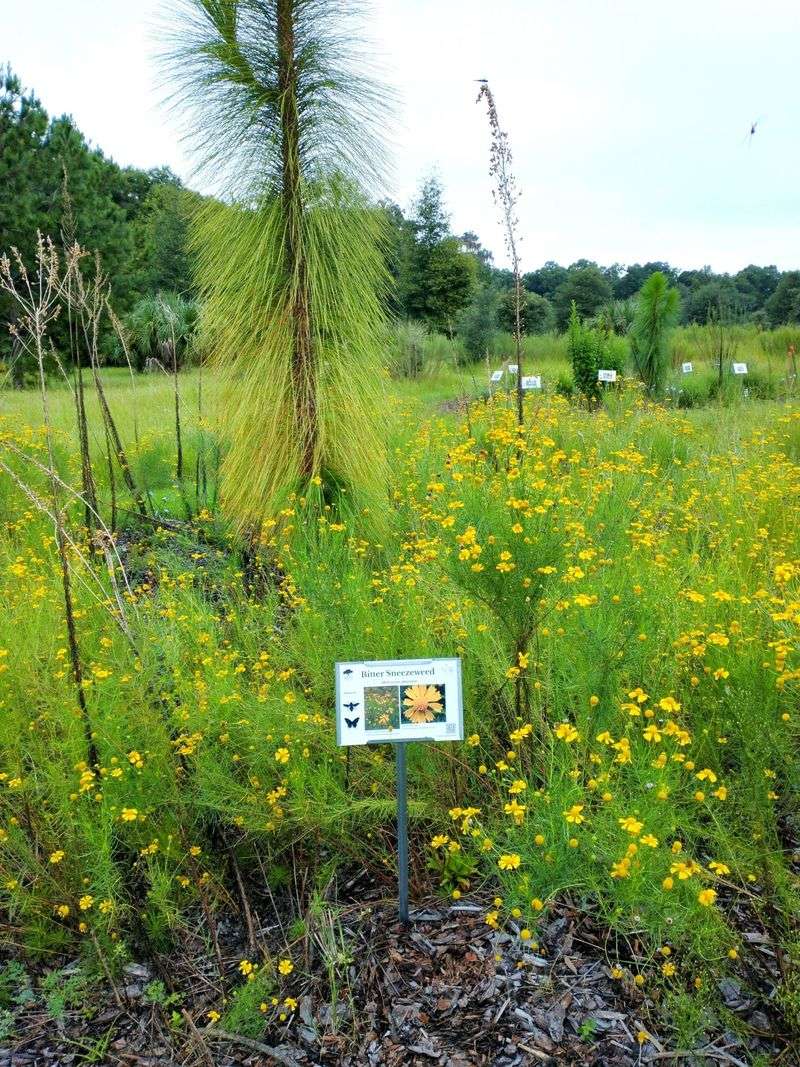
Big, bold, and a little dramatic, Florida gamagrass is for the gardener who has room to build a serious habitat corner. It has broader leaves than many native grasses, giving it a lush look that stands apart from the finer, misty species.
Painted buntings need more than scattered seed. They need layers, and Florida gamagrass can help create the lower and middle structure that makes a backyard feel safer.
When placed near shrubs, brushy edges, or a quiet water source, it can become part of a protected feeding zone rather than just another ornamental clump.
This grass is especially useful where soil holds more moisture than a typical dry sand bed. It can fit rain gardens, low sunny areas, or larger wildlife plantings that receive runoff after storms.
That makes it practical for Florida yards where summer rain arrives hard and fast, then drains away unevenly.
Because Florida gamagrass can become substantial, do not squeeze it into a narrow foundation bed. Give it space where its size can help screen views, soften a back fence, or anchor a bird-friendly corner.
Leave some seed structure standing when it looks good, and combine it with native plants that bloom and fruit at different times so buntings have more reasons to return.