
Mosquitoes can turn a pretty Florida porch into a place nobody wants to sit. Lemongrass gets a lot of attention, but it is not always the easiest or best fit for native, low-care planting beds.
The right Florida native ground covers can help make the area around your porch drier, cleaner, better for wildlife, and less friendly to mosquitoes. Here are seven useful choices that bring real yard value while adding color, texture, and life close to home.
1. Frogfruit
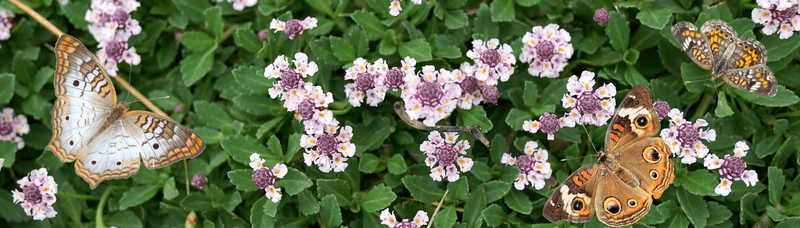
Small flowers, busy butterflies, and almost no fuss make frogfruit feel like the porch plant that quietly does half the work for you. It spreads into a low, living carpet that can replace bare soil where mosquitoes like to rest in damp, weedy pockets.
Frogfruit, also called Phyla nodiflora, is a Florida native that handles sun, part shade, sandy soil, and occasional wet spells. That mix matters near porches because roof runoff, irrigation overspray, and foot traffic can create messy edges where water lingers and weeds pop up.
While no plant creates a mosquito-proof shield, frogfruit helps by covering open ground, reducing weedy hiding spots, and supporting a more balanced yard with pollinators and small beneficial insects. It is also a host plant for several butterflies, so it earns its keep in more ways than one.
Use it along porch steps, under mailbox beds, beside pavers, or in a sunny strip where turf struggles. Give it room to ramble, trim the edges when needed, and avoid overwatering once it is established because soggy soil is exactly what you are trying to move away from.
2. Sunshine Mimosa
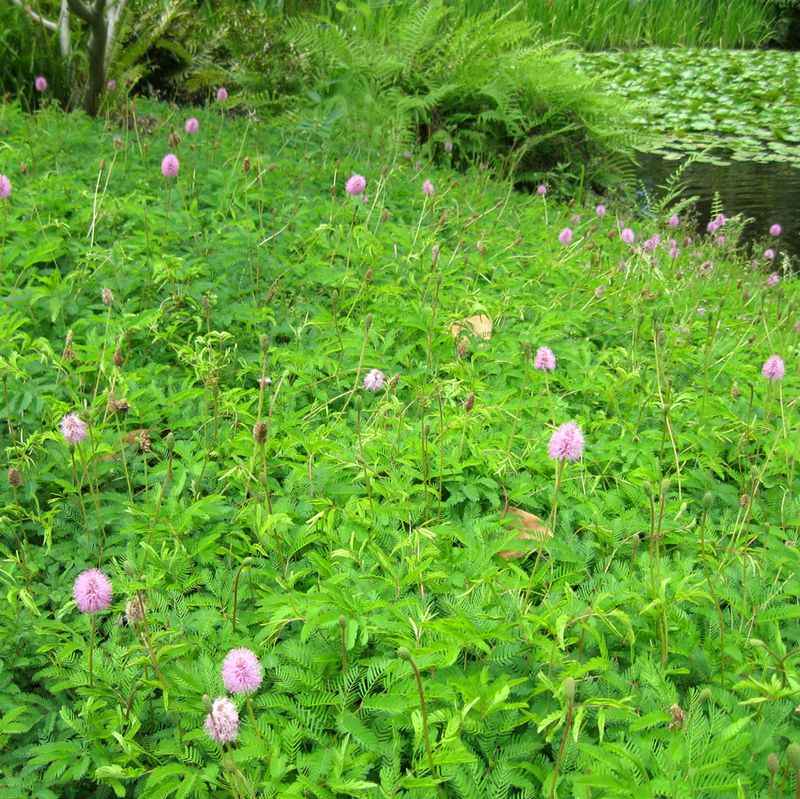
Touch the leaves and they fold like a tiny green magic trick, which makes sunshine mimosa one of the most charming ground covers you can plant near a porch. Kids notice it, guests ask about it, and pollinators treat the pink puffball blooms like a snack bar.
Sunshine mimosa, Mimosa strigillosa, is especially useful where you want a soft, low lawn alternative in full sun. It spreads by runners, stays fairly low, and can tolerate light foot traffic once established, making it a smart fit along porch approaches and informal paths.
Its mosquito value is more about smart landscape design than a strong scent. A thick patch can replace patchy grass, reduce bare wet soil, and make it harder for weedy, humid resting zones to form right beside your sitting area.
Plant it in well-drained sandy soil, water regularly while it roots in, then back off so it does not stay wet. In North and Central Florida it may go dormant after cold snaps, but it usually returns when warm weather comes back.
For the neatest look, edge it where it meets hardscape and keep mulch from burying the runners. It brings a playful look without behaving like a high-maintenance porch diva.
3. Lyreleaf Sage
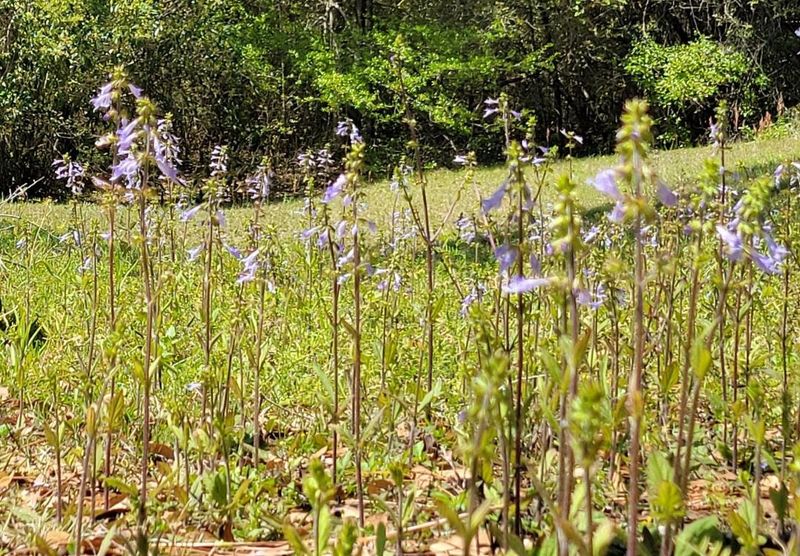
A shady porch corner can become a mosquito hotel when it stays damp, bare, and cluttered with weeds. Lyreleaf sage gives that kind of spot a prettier job, filling the ground with leafy rosettes and spring flower spikes instead of letting the area turn scruffy.
Salvia lyrata is native to Florida and does well in part shade, especially under open trees or along the cooler side of a porch. The leaves form a low base, while the bluish-purple blooms rise above them and feed native bees when the weather is mild.
Compared with lemongrass, lyreleaf sage is far better suited to a natural Florida woodland edge. It is not a citronella-scented plant, so think of it as a habitat-friendly ground cover that improves porch conditions rather than a plant that repels every mosquito by smell.
Its real strength is turning thin, weedy shade into a planted surface that is easier to manage. Fewer weeds, less exposed soil, and better air movement around a tidy bed can all make the porch edge feel less buggy.
Use lyreleaf sage with leaf mulch, coontie, or native ferns for a layered look. If seedlings pop up where you do not want them, they are usually easy to pull when young.
4. Wild Petunia
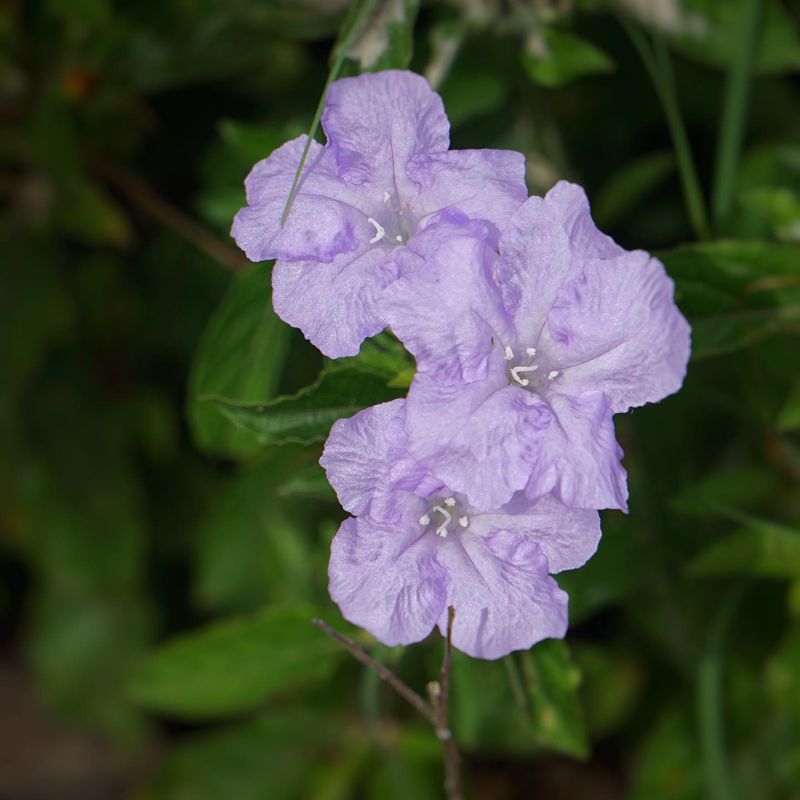
Lavender flowers in the morning can make even a plain porch border look cared for before the day gets hot. Wild petunia brings that easy color without leaning on the invasive Mexican petunia that many Florida gardeners are trying to avoid.
Ruellia caroliniensis, often called Carolina wild petunia, is a Florida native that grows in sun to part shade and can form loose colonies over time. It is not as lawn-like as frogfruit or sunshine mimosa, but it works beautifully as a flowering ground layer in mixed beds near steps, railings, and porch corners.
Here is the mosquito angle: dense, intentional planting beats weedy, neglected edges. Wild petunia helps occupy space that might otherwise fill with tall weeds, leaf piles, or damp clutter where adult mosquitoes rest during the heat of the day.
It also supports pollinators, including native bees, which adds life to porch beds without demanding constant attention. The flowers are short-lived, but new blooms keep coming in warm weather when the plant is happy.
Give it well-drained soil and avoid creating a soggy bed with daily irrigation. Pair it with frogfruit at the front edge or muhly grass behind it for a layered Florida-native look that feels tidy, not wild in the messy sense.
5. Dune Sunflower
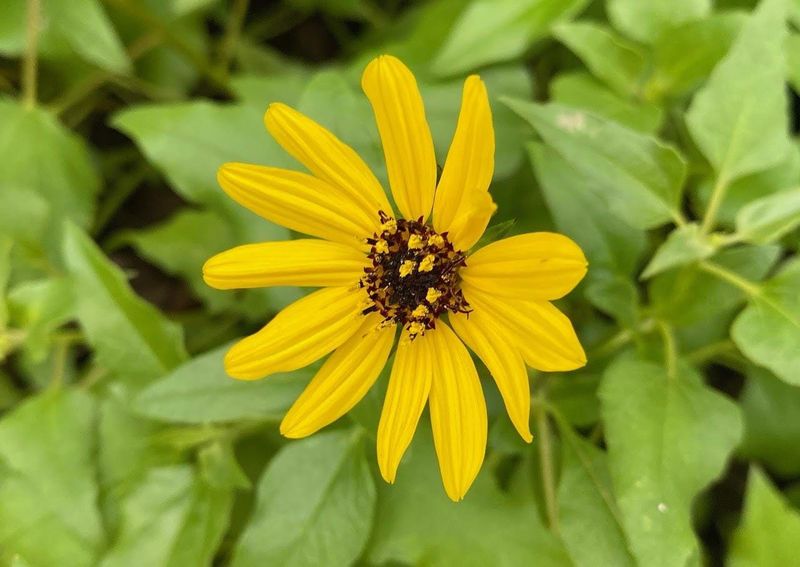
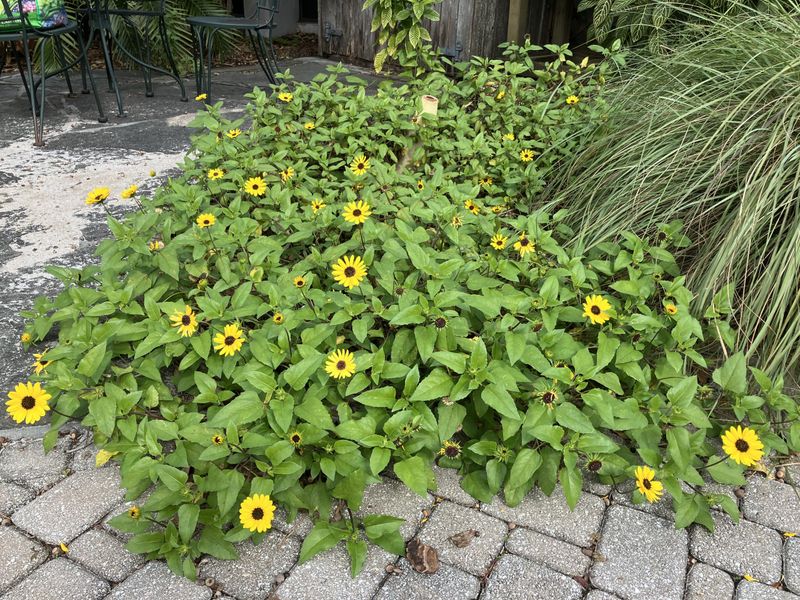
Bright yellow flowers have a way of making a porch look awake, even on a sticky Florida afternoon. Dune sunflower delivers that cheerful look while thriving in the kind of sandy, fast-draining soil that makes many bedding plants sulk.
Helianthus debilis is native to coastal parts of Florida and is a tough choice for hot, sunny yards. It spreads low and wide, handles salt better than many porch plants, and can help stabilize bare sandy patches near walkways, driveways, and front entries.
Mosquitoes need standing water to breed, and they rest in cool, protected vegetation during the day. Dune sunflower does not drain your yard by itself, but it can replace neglected weedy patches with a cleaner, sun-loving ground cover that dries quickly after rain.
That quick-drying habit is useful in stormy months when porch beds get soaked again and again. The plant looks best with room to spread, so do not cram it into a tiny strip unless you are ready to prune.
In inland yards, check that your site is sunny and well drained before planting. If your porch area bakes in full sun and you want color with low pampering, dune sunflower is one of the most Florida-looking answers on the list.
6. Twinflower
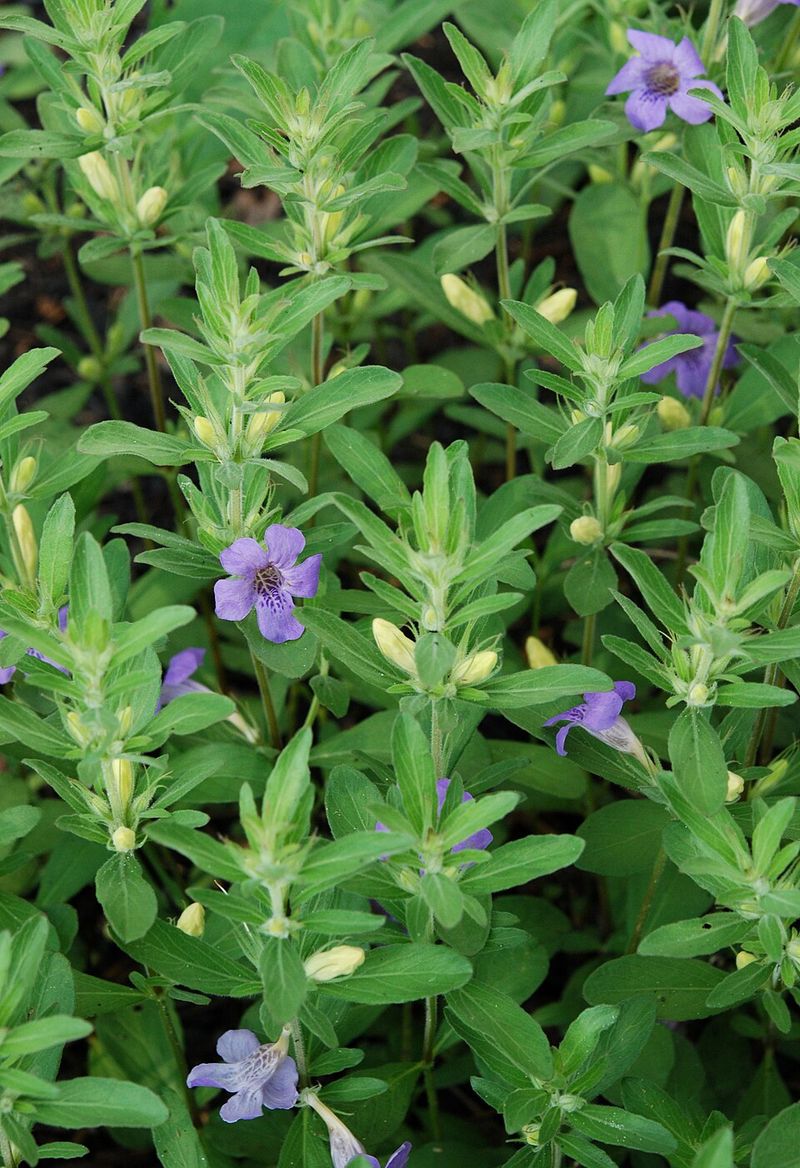
Not every porch plant needs to shout. Twinflower has a quieter style, with small purple blooms and tidy green growth that suits gardeners who want a native ground cover without a jungle at the front door.
Dyschoriste oblongifolia is a Florida native that can work in part sun to light shade, especially in beds that get morning light and some afternoon relief. It spreads gradually, which makes it easier to fit into smaller porch borders than more aggressive ramblers.
Its best role is filling awkward gaps. Those little open spaces beside pavers, hose bibs, and porch posts often collect weeds, wet leaves, and irrigation splash, all of which can make the entry area feel buggy and unkempt.
By covering the soil with a low, living layer, twinflower helps create a drier-looking, easier-to-maintain bed. It also brings nectar to small pollinators, giving your porch planting more purpose than a strip of mulch alone.
Keep the soil moist during establishment, then water only as needed based on rainfall and site conditions. In very dry sand, a thin layer of pine straw or leaf mulch around new plants can help roots settle in without creating a damp pile against the house.
For a polished look, plant twinflower in repeating drifts rather than one lonely clump. It is a subtle plant, but near a porch, subtle can be exactly right.
7. Powderpuff Mimosa
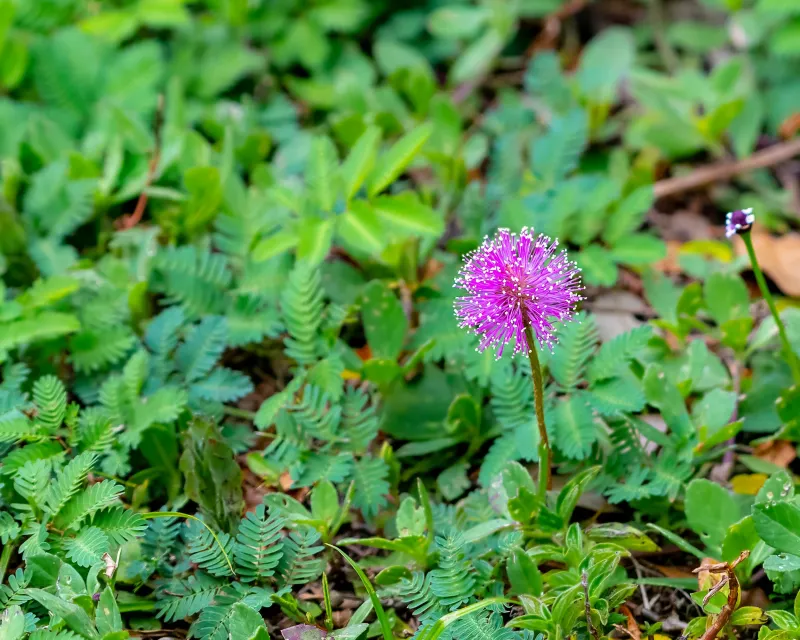
Pink powder-puff blooms look almost too fun to be practical, yet powderpuff mimosa can pull real weight in a Florida yard. It brings a soft meadow feel to porch edges while staying low enough to keep views open.
Mimosa quadrivalvis, sometimes called sensitive brier or powderpuff mimosa, is native in Florida and belongs in sunny, well-drained areas. Unlike sunshine mimosa, it can have prickly stems, so place it where people will admire it rather than brush against it every time they leave the house.
That placement detail is what makes it different from the other ground covers here. Powderpuff mimosa is better for the outer edge of a porch bed, a sunny slope nearby, or a transition area between a sitting space and a wilder pollinator patch.
For mosquitoes, the advantage comes from improving the whole porch zone. A planted, sunny, fast-drying edge is usually less inviting than a weedy, damp tangle, and the flowers draw beneficial insects that help make the yard feel more balanced.
Give it sun, lean soil, and space to weave among other natives. Avoid putting it right beside narrow steps or where pets nap because of the prickles.
Used in the right spot, powderpuff mimosa adds charm with a little wild streak. It is a good reminder that mosquito-smart planting can still look bright, playful, and very Florida.