
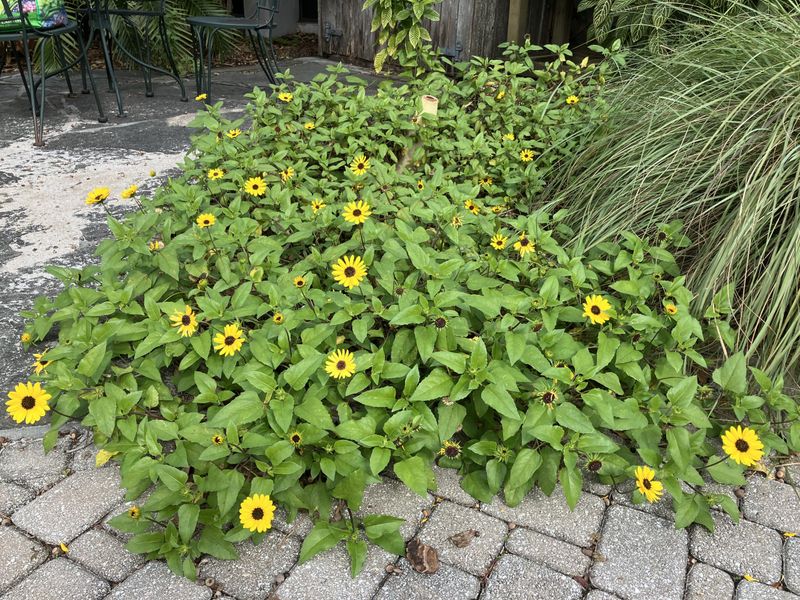
Dyed mulch fades, rubber mulch gets hot, and both can feel like a chore you keep paying for. Florida yards do better with living ground covers that handle sandy soil, heavy rain, and long warm seasons.
The right native plants can shade the soil, slow weeds, feed wildlife, and make your beds look finished without another yearly mulch run. Here are seven Florida native choices that can turn bare spots into useful, low-care planting areas.
1. Sunshine Mimosa
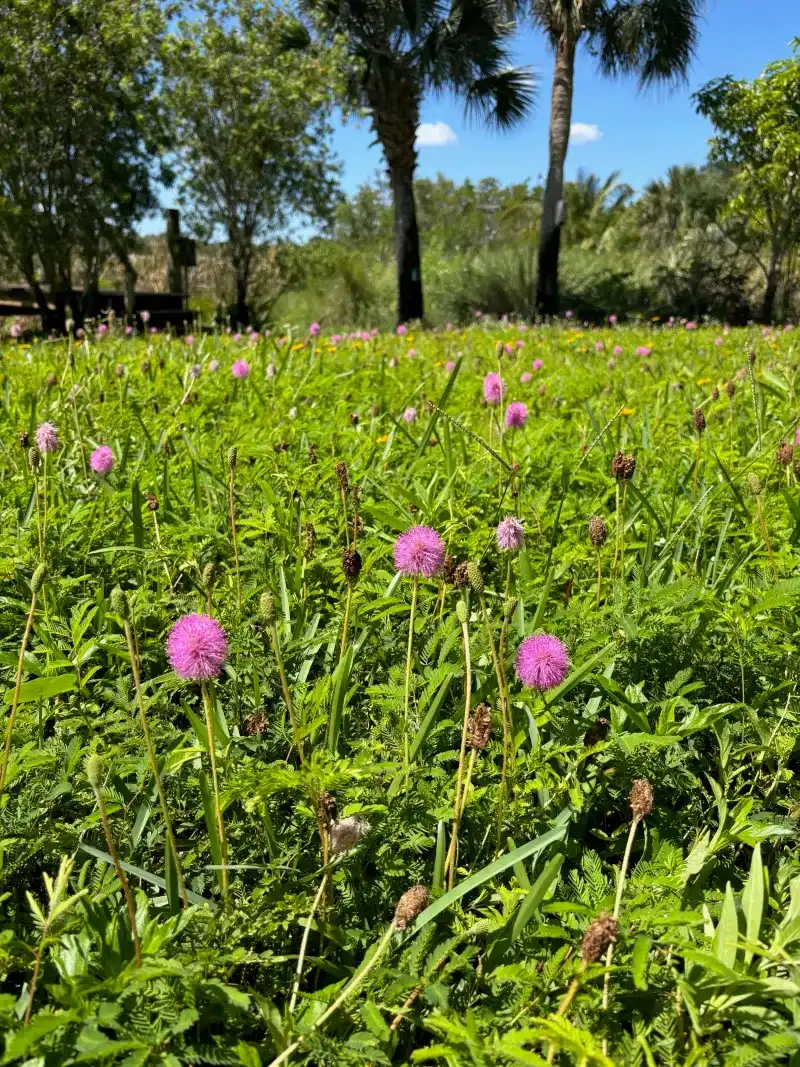
A pink puffball flower popping up through a lawn edge feels like a tiny party favor from the yard. Sunshine mimosa, also called Mimosa strigillosa, is one of Florida’s most cheerful native ground covers, and it earns its place because it can form a soft, living mat in sunny spots where mulch would keep washing away or fading.
Once established, it spreads by runners and helps cover sandy soil with fine, ferny leaves. Many Florida gardeners use it near walkways, between stepping stones, or as a lawn alternative in lower-traffic areas.
It can handle mowing, though flowers appear best when it is allowed to grow a little.
The big win is that sunshine mimosa fixes nitrogen, which means it can help improve poor soil over time. That is a real advantage in much of Florida, where soil often drains fast and holds few nutrients.
Its blooms also draw bees and small pollinators, adding life to a bed that rubber mulch never could.
Give it full sun to part sun and water it while it settles in. After that, it is fairly tough, but not ideal for deep shade or soggy areas that stay wet for long periods.
2. Frogfruit
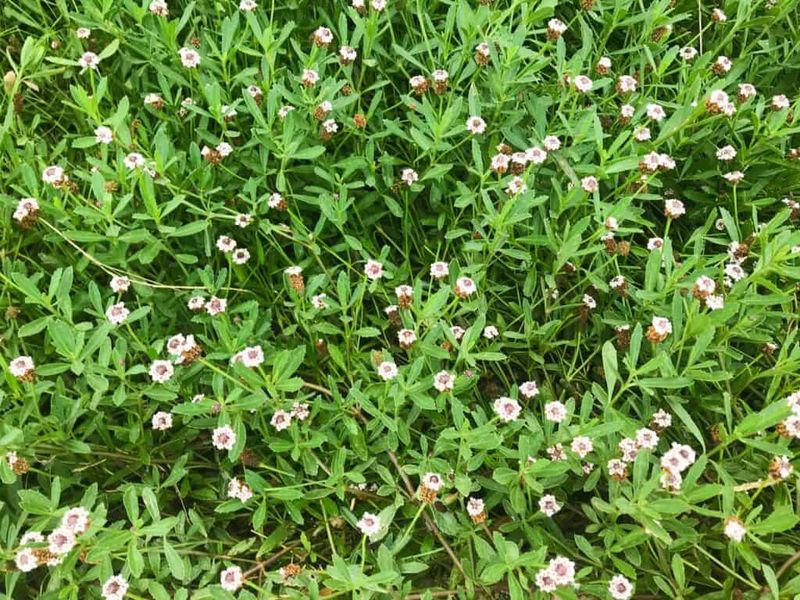
Butterflies seem to find frogfruit before people do. A patch may look simple at first, then suddenly you notice small blooms, busy bees, and maybe a phaon crescent butterfly using it like a favorite neighborhood stop.
Frogfruit, Phyla nodiflora, stands out because it works in those awkward Florida spaces that are not quite dry, not quite wet, and not always perfectly sunny. It tolerates moist soil better than many ground covers, yet it can also manage short dry spells once rooted.
That makes it handy near downspouts, swales, pond edges, and low garden beds where loose mulch tends to float away during summer storms.
Its growth habit is low and spreading, so it can knit together into a green carpet. In a formal bed, you may want to edge it now and then, because frogfruit does not always stay politely inside invisible borders.
In a wildlife garden, that wandering habit is often a feature, not a flaw.
Florida gardeners who want less mulch and more pollinator action should give frogfruit serious thought. It has a casual, meadow-like look, so pair it with clean edging or stepping stones if you want the planting to feel intentional rather than wild.
3. Beach Sunflower
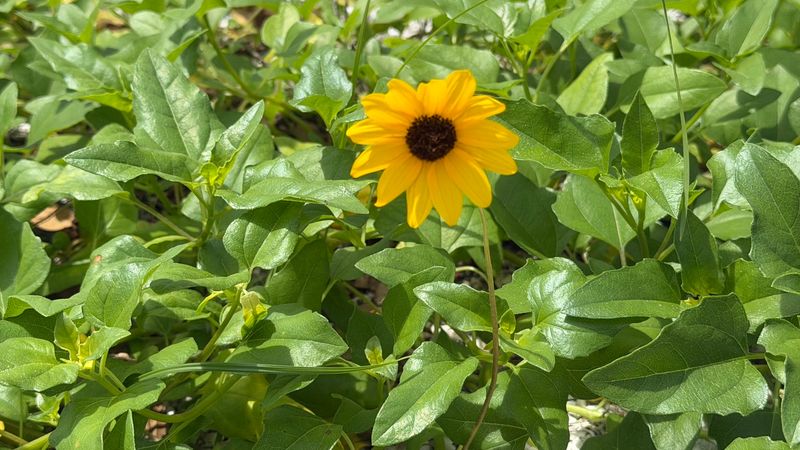
Hot sand, salty air, and blazing sun would make many plants quit by lunch. Beach sunflower, Helianthus debilis, leans into those conditions and keeps throwing bright yellow blooms across the ground like little pieces of sunshine.
For Florida homes with full-sun beds, driveway strips, mailbox islands, or coastal yards, beach sunflower is a strong replacement for dyed mulch because it covers ground quickly and brings color for much of the warm season. It likes sandy, well-drained soil, which describes plenty of Florida landscapes.
In the right place, it can spread wide enough to fill open areas before weeds get comfortable.
Its best trait is toughness in exposed sites. Where rubber mulch can bake and make a bed feel harsh, beach sunflower keeps the scene alive with flowers that attract bees and butterflies.
Birds may also visit for seeds, so the plant keeps giving after the petals fade.
One honest warning: beach sunflower can look rough after heavy weather or when older stems get woody. A trim can refresh it, and many gardeners treat that quick cutback as the tradeoff for such generous growth.
Plant it where it has room to sprawl, and it becomes a sunny, living mulch that looks especially right in coastal and Florida-friendly gardens.
4. Twinflower
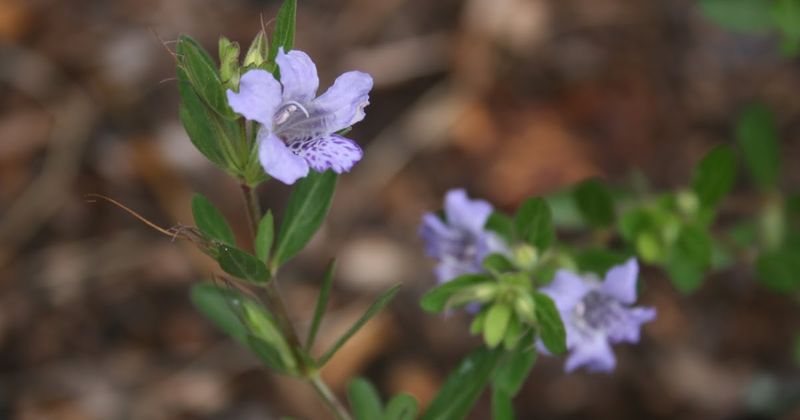
Under a light canopy of oaks, some ground covers sulk because the sun comes and goes in patches. Twinflower, Dyschoriste oblongifolia, has a quieter kind of charm, making it useful where you want a neat native layer without a loud, sprawling look.
Small purple flowers appear in pairs, which explains the common name. The plant stays relatively low and can fill in around shrubs, along bed fronts, and beneath open-canopied trees.
Compared with beach sunflower or sunshine mimosa, twinflower feels more refined, so it is a good pick for gardeners who want a tidy bed instead of a cottage-garden tumble.
Florida’s sandy soil is easier to manage when the ground is shaded by leaves instead of exposed to every hot afternoon. Twinflower helps with that by covering bare patches and reducing the need for fresh bags of mulch.
It also offers nectar for small pollinators, adding a quiet wildlife benefit in places that might otherwise be plain brown mulch.
Use it in part sun to part shade, and water during establishment. It is not the fastest ground cover on this list, but that slower pace can be a blessing in smaller beds.
Give it a little patience, and it can become the calm green stitching that ties a planting together.
5. Lyreleaf Sage
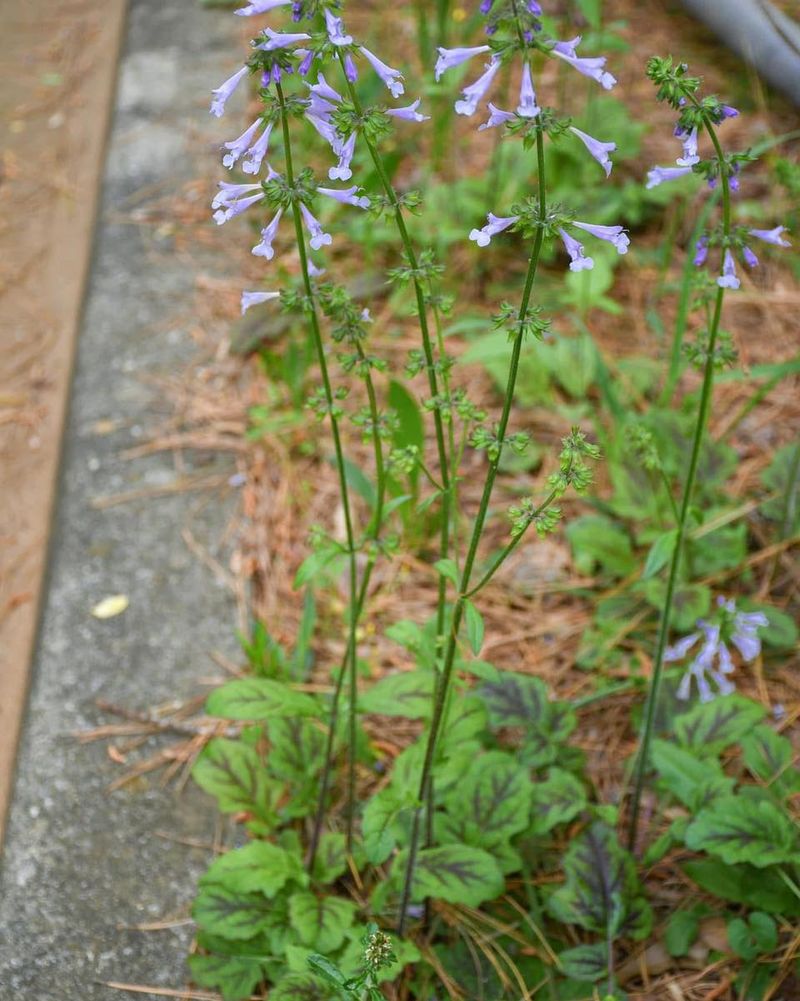
A plant that looks modest most of the year can still steal the scene when bloom time arrives. Lyreleaf sage, Salvia lyrata, forms low rosettes near the soil, then sends up soft blue to lavender flower spikes that give a natural bed a fresh spring lift.
Its special strength is shade tolerance. Many mulch-heavy Florida beds sit under live oaks, pines, or mixed trees, where turf struggles and full-sun ground covers thin out.
Lyreleaf sage handles part shade well and can reseed gently in friendly conditions, slowly building a colony without needing you to keep buying material to cover bare soil.
The leaves can have attractive purple markings, especially in cooler months or brighter light. That little color surprise makes the plant more interesting than plain green filler.
Pollinators visit the flowers, and the low foliage helps protect the soil surface from drying as quickly.
Lyreleaf sage is best for informal beds, woodland edges, and native plantings where a slightly natural look fits the setting. It may not create a perfectly even carpet, so do not expect the clipped look of a commercial landscape.
Instead, use it where you want soft coverage, seasonal flowers, and a plant that makes shady Florida corners feel cared for without constant top-dressing.
6. Creeping Sage
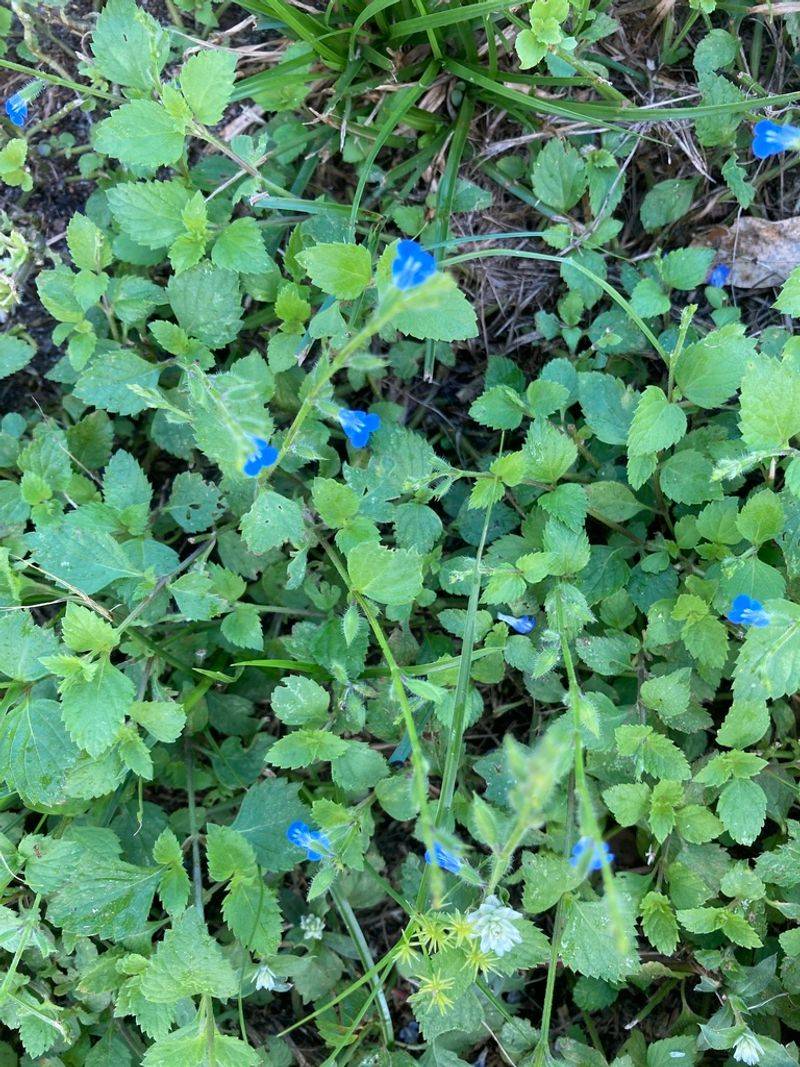
Tiny flowers can do big work in a Florida yard. Creeping sage, Salvia misella, is not flashy from the street, but kneel near it and you see small blue blooms that invite little bees and beneficial insects into the garden.
Among native ground covers, creeping sage is useful because it fits smaller, softer spaces. It can weave through open soil at the front of beds, around larger perennials, or near patio edges where a heavy mulch layer would look bulky.
Its texture is light, so it blends easily with shrubs and wildflowers instead of competing with them.
Florida gardeners often fight bare soil after rain, irrigation, or armadillo digging. A low, living cover helps soften that cycle by holding the surface together and filling gaps before weeds claim them.
Creeping sage prefers part sun to light shade and usually appreciates average moisture, especially while getting established.
Think of it as a detail plant rather than a bulldozer. It will not cover a huge hot slope as quickly as beach sunflower, and it is not meant for heavy foot traffic.
Its charm is in the small scale: a native green layer, a sprinkle of blue flowers, and a more alive-looking bed than any bagged rubber chips can offer.
7. Railroad Vine
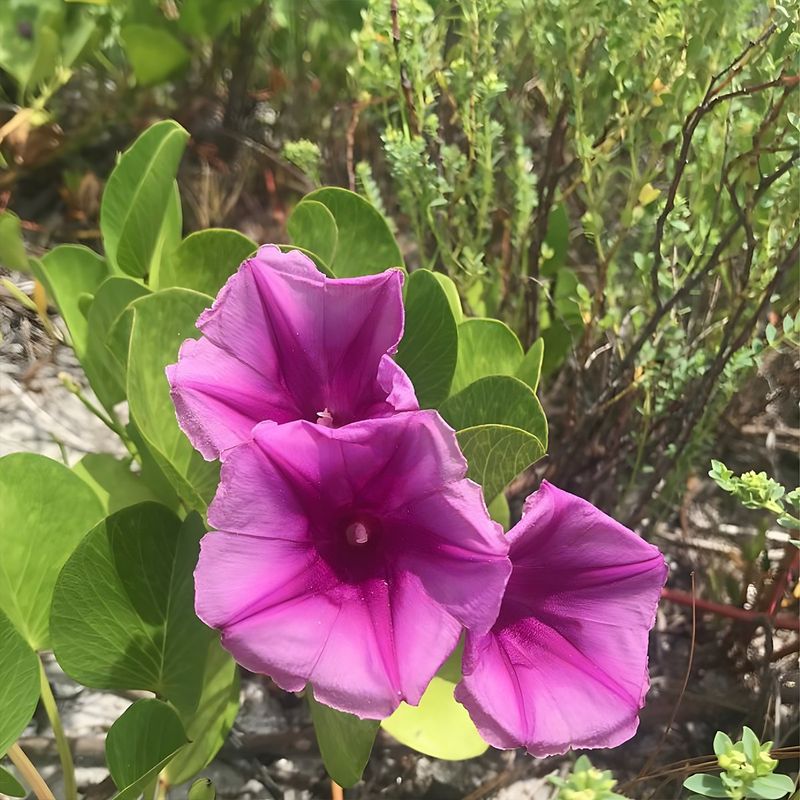
Near the beach, the ground can feel less like soil and more like a dare. Railroad vine, Ipomoea pes-caprae, takes that dare seriously, racing across sand with glossy leaves and purple morning-glory flowers.
This native earns its spot for coastal and very sandy sites where ordinary mulch is a losing battle. Wind scatters it, storms move it, and salt air punishes many ornamental plants.
Railroad vine is naturally suited to dunes and coastal strands, so it can help stabilize open sandy areas while creating a lush, tropical look.
The leaves are thick and rounded with a notch at the tip, often compared to a goat’s foot. Long runners can travel far, which is wonderful if you have room and not so wonderful if you need a tiny, precise border.
Use it where spread is welcome, such as a large sunny bank, beachside property, or open native planting.
Because it is a dune plant, avoid planting it where it will crawl into protected natural areas or disturb restoration sites. In a suitable home landscape, though, railroad vine can replace repeat mulch purchases with a living cover that actually belongs in Florida’s coastal conditions.
Give it sun, excellent drainage, and space, and it will do what bagged mulch cannot: grow with the shoreline instead of fighting it.