
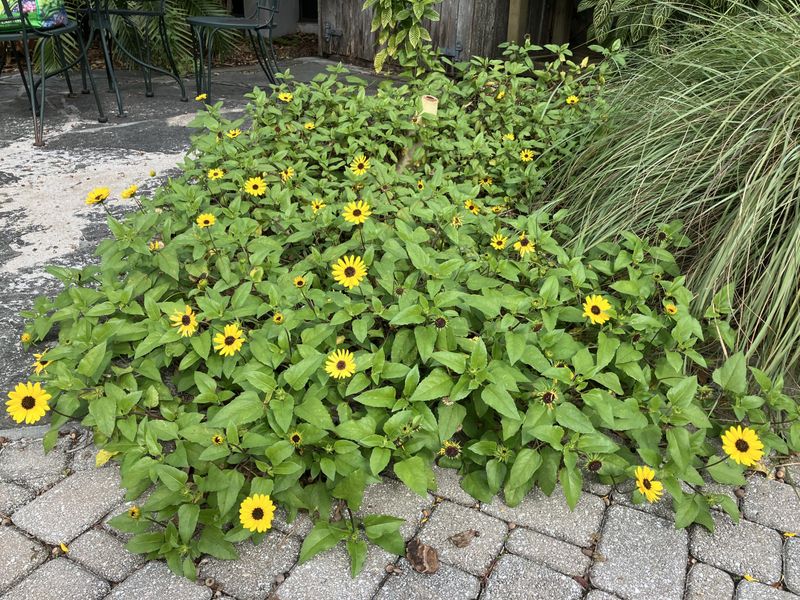
St. Augustine grass can look lush for a while, but it often needs a lot of water, mowing, and care to stay that way. Florida yards also face sandy soil, dry spells, heavy rain, pests, and heat that can wear out a thirsty lawn fast.
Native ground covers give you a tougher, lower-care option that still looks alive and useful when the weather gets rough. Here are seven Florida natives that can help replace patches of sod with plants built for local conditions.
1. Sunshine Mimosa
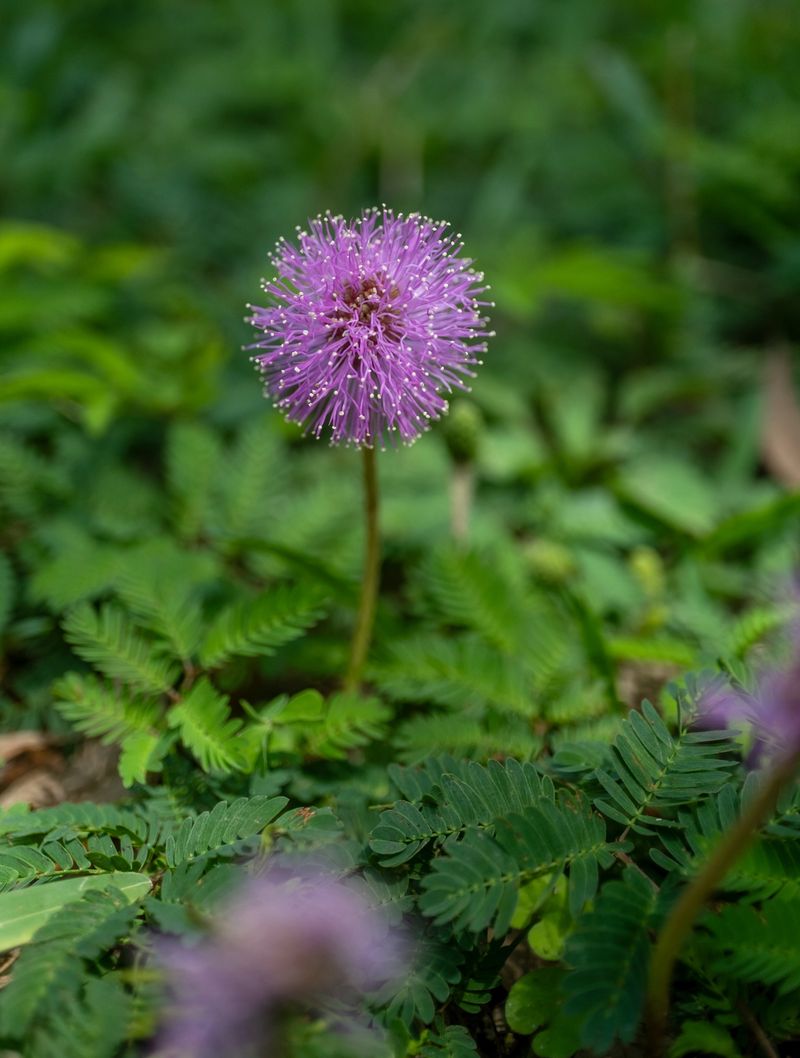
A bare patch near the mailbox can turn into a tiny pink fireworks show when sunshine mimosa gets comfortable. Its soft, ferny leaves hug the ground, and the round pink blooms make it feel more like a living carpet than a lawn substitute.
Florida gardeners often like sunshine mimosa because it handles heat, sandy soil, and dry stretches once established. It is also a nitrogen-fixing legume, which means it can help support poor soil instead of demanding constant feeding like high-maintenance turf.
Use it where you want a low, spreading cover in sunny areas with decent drainage. It can take light foot traffic, but it is not the right choice for a soccer-field level of wear, so place stepping stones through busy paths.
Pollinators are the bonus here. Bees and small butterflies visit the blooms, giving a former St. Augustine strip more life without adding much work.
2. Frogfruit
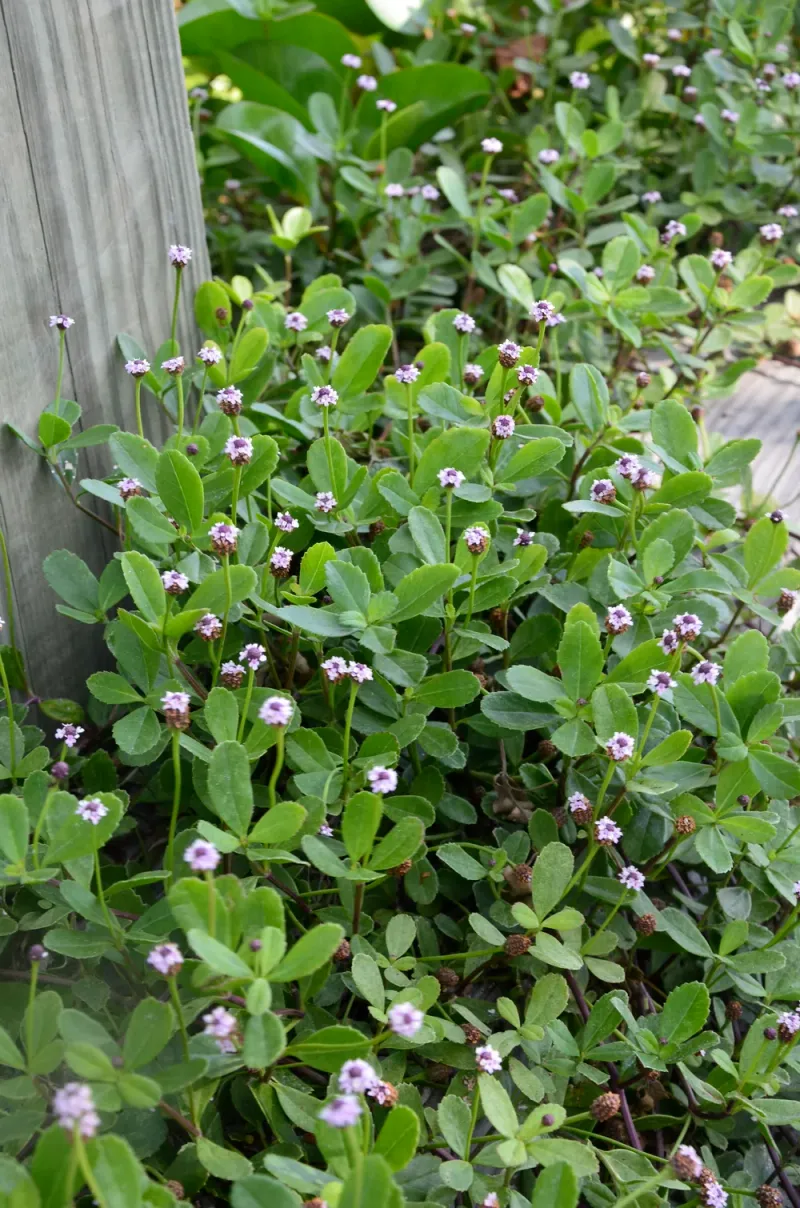
Small flowers, big wildlife value, that is the charm of frogfruit. At first glance, it looks modest, but a closer look shows tiny blooms that draw butterflies, bees, and other helpful insects into the yard.
Frogfruit is one of the more practical native ground covers for homeowners who want a lawn-like spread without the full St. Augustine routine. It stays low, roots along the stems, and can knit together open soil in sunny to partly sunny spaces.
Dry weather does not usually panic an established planting, especially in Florida’s sandy soils where deep watering during establishment helps roots settle in. It may brown or thin during harsh conditions, then rebound when rain returns, which is a useful trait for a low-input yard.
Another reason to plant it is pest balance. A yard with more small flowers can support beneficial insects, and that can make the landscape feel less like a sterile green mat and more like a working Florida habitat.
3. Dune Sunflower
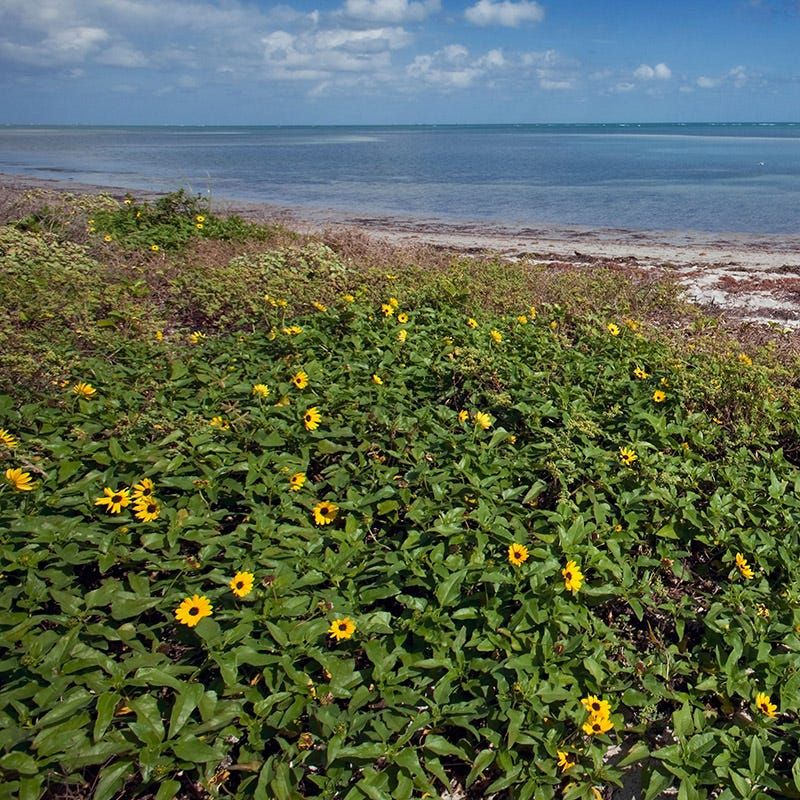
Sunny, salty, and a little wild, dune sunflower brings beach-road energy to inland yards too. Its yellow flowers look cheerful even when the soil is sandy, hot, and not especially rich.
Compared with St. Augustine, dune sunflower asks for much less pampering after it is established. It prefers full sun and well-drained soil, making it a strong fit for Florida yards where irrigation runs off or disappears quickly into sand.
Growth can be enthusiastic, so give it room to spread rather than squeezing it into a tiny formal bed. It works beautifully on slopes, along driveways, near mailboxes, and in open front-yard patches where a mowed lawn keeps failing.
Blooms can appear through much of the warm season, and seed heads may feed birds. If it gets tired-looking, a light trim can refresh the planting and keep it from becoming too rangy.
4. Railroad Vine
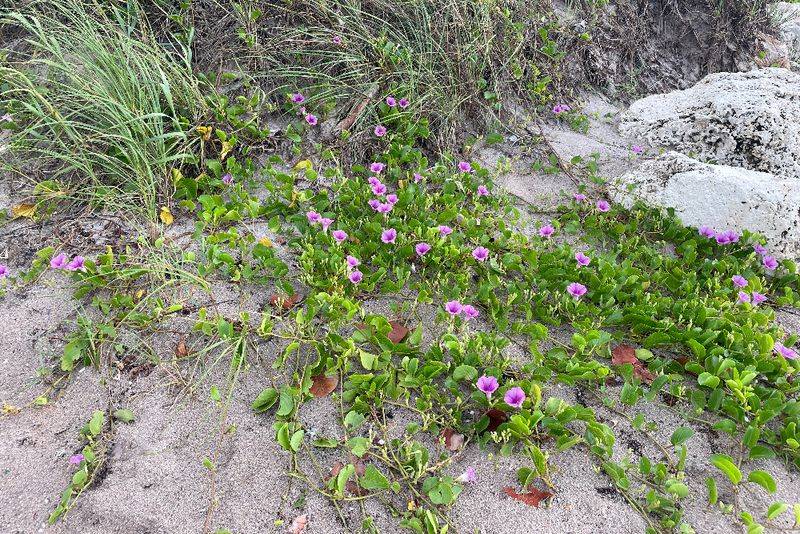
Near the coast, railroad vine looks like it was born knowing how to handle punishment. Wind, salt spray, blazing sun, and loose sand are all part of its normal workplace.
For Florida homeowners close to the beach or dealing with very sandy, exposed areas, this native can replace struggling turf where St. Augustine burns, dries, or gets buried by shifting sand. Its long runners spread across open ground, and the purple funnel-shaped flowers add a tropical look without acting delicate.
Railroad vine is best for broad, open spaces rather than tight foundation beds. It needs room to roam, and it should not be planted where vines will constantly need to be cut away from walkways, drains, or small ornamentals.
Because it plays an important role in dune systems, choose nursery-grown plants and avoid collecting from wild areas. In the right coastal-style yard, it is one of the toughest native covers for dry, sandy conditions.
5. Twinflower
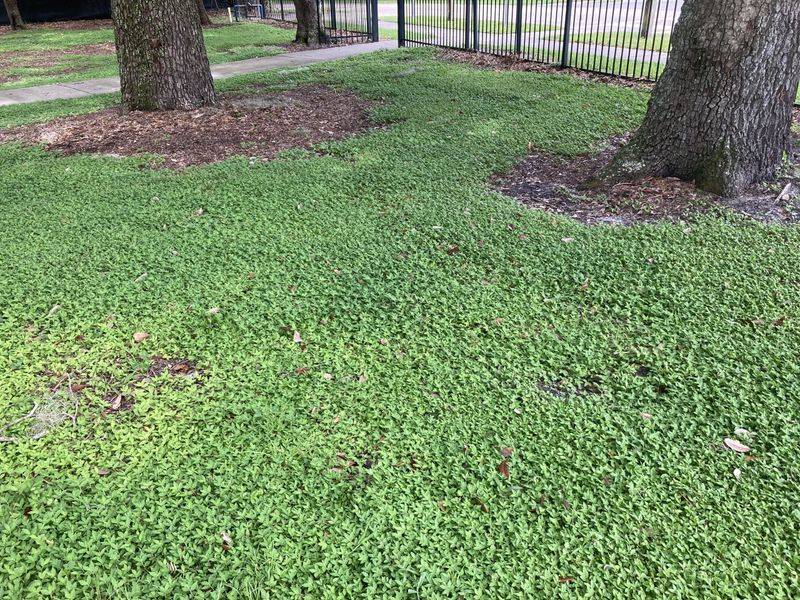
Under trees, many lawns slowly give up, thinning into dusty islands around roots. Twinflower is a quieter solution for those half-shaded Florida spots where St. Augustine never seems full.
This native ground cover stays low and forms a soft mat with small lavender flowers that appear like little surprises among the leaves. It is especially useful in part shade, which sets it apart from sun-loving options like dune sunflower and railroad vine.
Once established, twinflower can handle short dry periods better than many thirsty lawn patches, though it appreciates some moisture during long droughts. Florida’s sandy soil may need mulch around new plantings at first, but avoid burying the stems too deeply.
Use it around trees, along lightly used garden edges, or in naturalistic beds where mowing is awkward. It is not a heavy foot-traffic plant, but it can make shaded ground look intentional instead of neglected.
6. Lyreleaf Sage
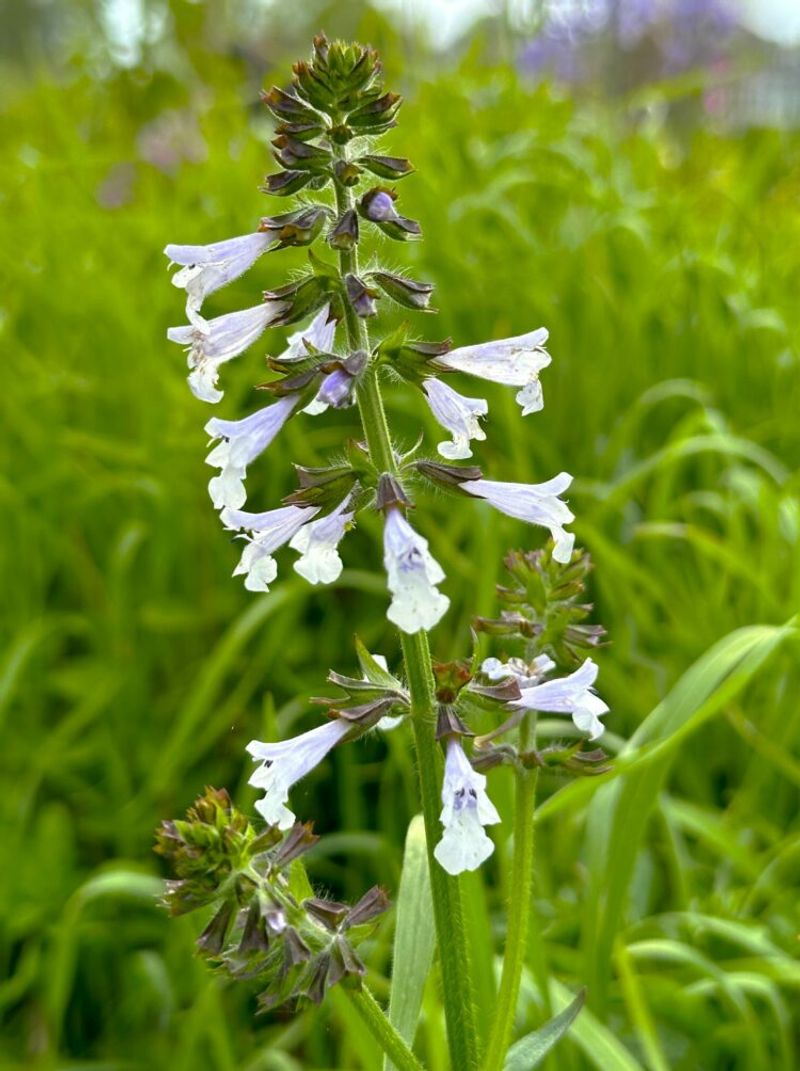
A patch of lyreleaf sage can feel like a secret meadow hiding in plain sight. Most of the year, its low leaves cover the soil, then flower spikes rise up and give bees a reason to stop by.
Lyreleaf sage is a smart pick for gardeners who do not want a perfectly flat carpet. It brings more texture and seasonal movement than St. Augustine, especially in part sun or bright filtered shade.
Florida yards with sandy soil often dry fast, and established lyreleaf sage is fairly adaptable in those lean conditions. It can reseed when happy, which helps it fill gaps naturally, but that also means it suits relaxed landscapes better than highly formal ones.
Mow or trim after flowering if you want a neater look and fewer tall seed stalks. In a mixed native lawn, it pairs well with frogfruit or twinflower, creating a more resilient planting than one single species trying to do every job.
7. Coontie
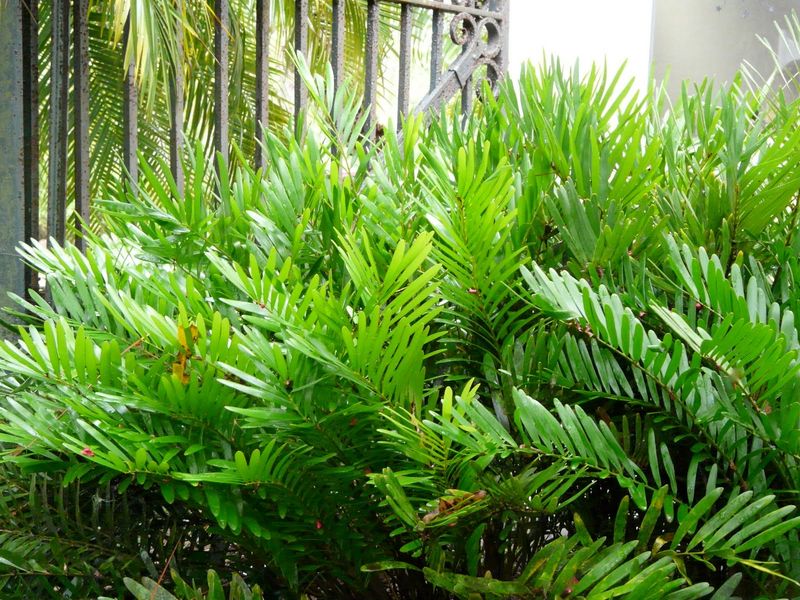
Not every lawn replacement has to look like a lawn. Coontie brings a bold, prehistoric look to dry Florida beds, with glossy fronds that stay handsome without weekly mowing.
This native cycad is slower and more clumping than the spreading ground covers on this list, but that is exactly why it earns a place here. It is excellent for replacing St. Augustine in foundation strips, under palms, along walkways, and in areas where you want permanent green structure instead of a soft carpet.
Coontie handles drought well once established and tolerates Florida’s sandy soil, as long as drainage is decent. It also supports the atala butterfly, a major wildlife perk for gardeners who want their yard to do more than look tidy.
Give each plant space, because mature clumps widen over time. For a full ground-cover effect, plant in groups and mulch between them until the foliage fills in, then enjoy a set-and-forget native that looks polished through dry spells.