
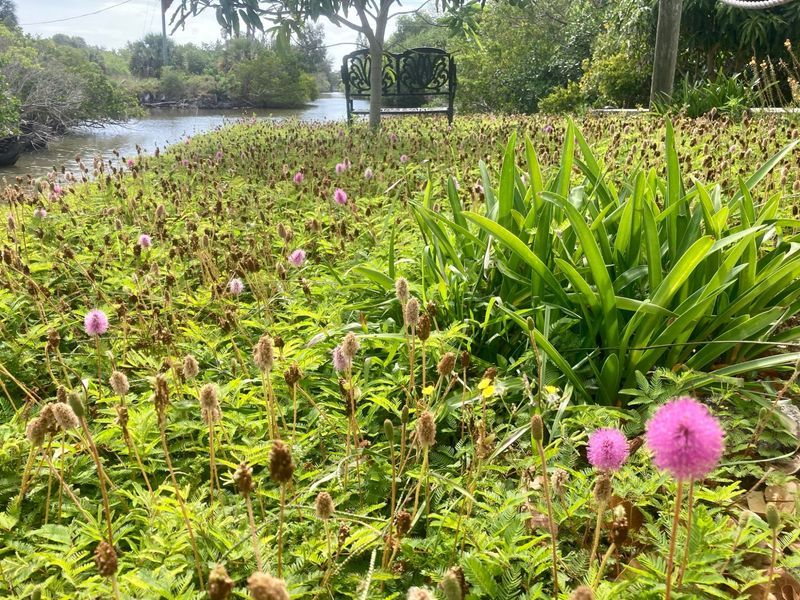
Rats like yards with hidden runways, thick weeds, and messy edges where they can move without being seen. A smart ground cover can make those travel lanes more open while still giving your yard a finished look.
Florida native plants are especially useful because they are built for heat, sandy soil, heavy rain, and local wildlife. Here are seven native choices that can help you replace rat-friendly clutter with cleaner, lower-growing plantings.
1. Sunshine Mimosa
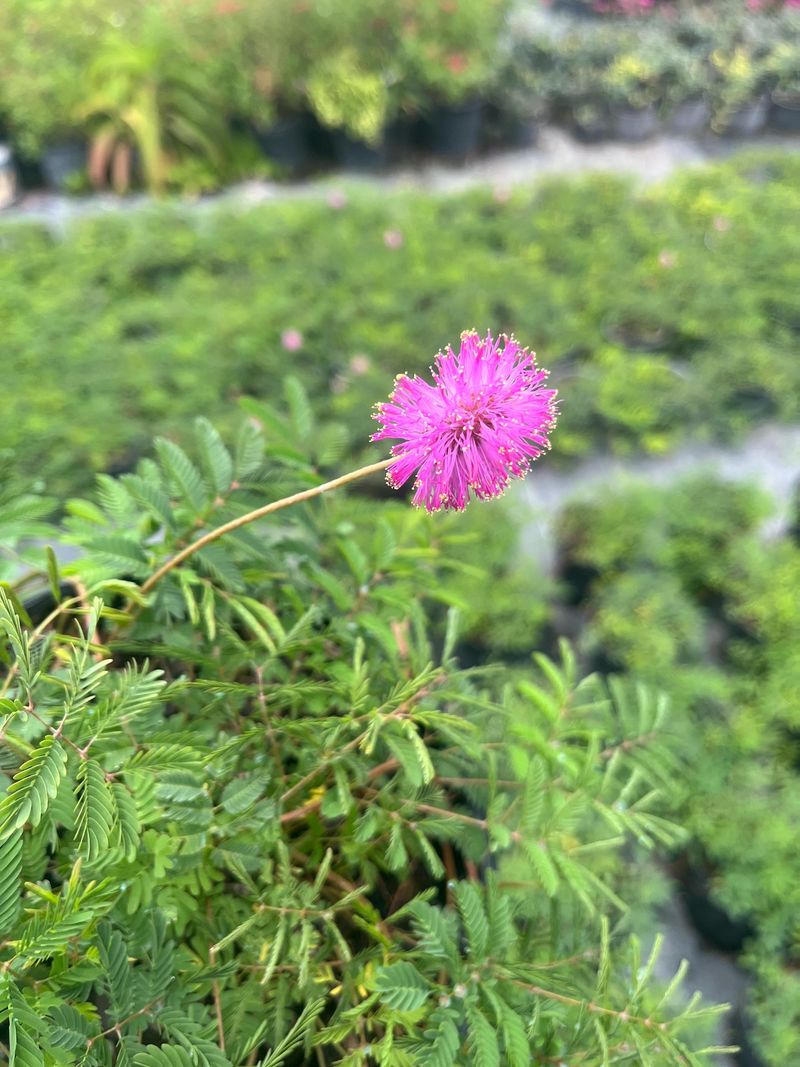
Small pink powderpuff blooms make sunshine mimosa look cheerful, but its real talent is staying low and tight without turning into a brush pile. In a Florida yard where rats may use tall weeds or tangled vines as cover, this native ground cover keeps the soil dressed while leaving movement easier to spot.
Sunshine mimosa works best in sunny areas, especially along lawn edges, between stepping stones, or in open strips where you want a softer look than bare mulch. It spreads by runners, so it can fill space over time, but the growth stays close to the ground instead of creating a dark tunnel.
For sandy Florida soil, water it well while it gets established, then ease back once the roots settle in. A light trim along borders can keep it from wandering into paths or beds.
Its biggest difference from many ground covers is the mix of beauty and openness. You get flowers for pollinators, a lawn-like feel in small spaces, and fewer messy hiding spots than tall ornamental grasses or overgrown ivy-style plantings.
2. Frogfruit
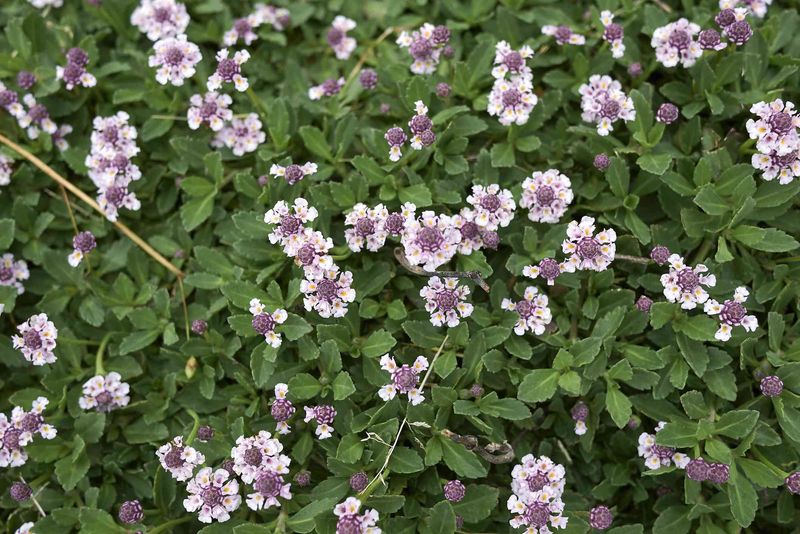
At first glance, frogfruit seems almost too modest to be useful. Then it starts filling bare spots, blooming for tiny pollinators, and holding the edge of a bed without building the kind of tall, shaggy mass rats prefer.
Frogfruit is a strong pick for Florida gardeners who want a native alternative to weedy lawn patches or scruffy border strips. It handles sun, tolerates some foot traffic, and can deal with the kind of fast-draining soil that frustrates many non-native ornamentals.
Because it grows low, it helps remove the visual cover that lets rodents cross from fence lines to sheds, patios, bird feeders, or compost areas unseen. It will not solve a rat problem by itself, but it can be part of a cleaner yard plan along with sealed trash, picked-up fruit, and trimmed shrubs.
One fun detail: frogfruit is a host plant for several butterflies, so it brings life to the yard without creating a jungle. Use it where you want a living carpet that looks relaxed, not wild and overgrown.
3. Beach Sunflower
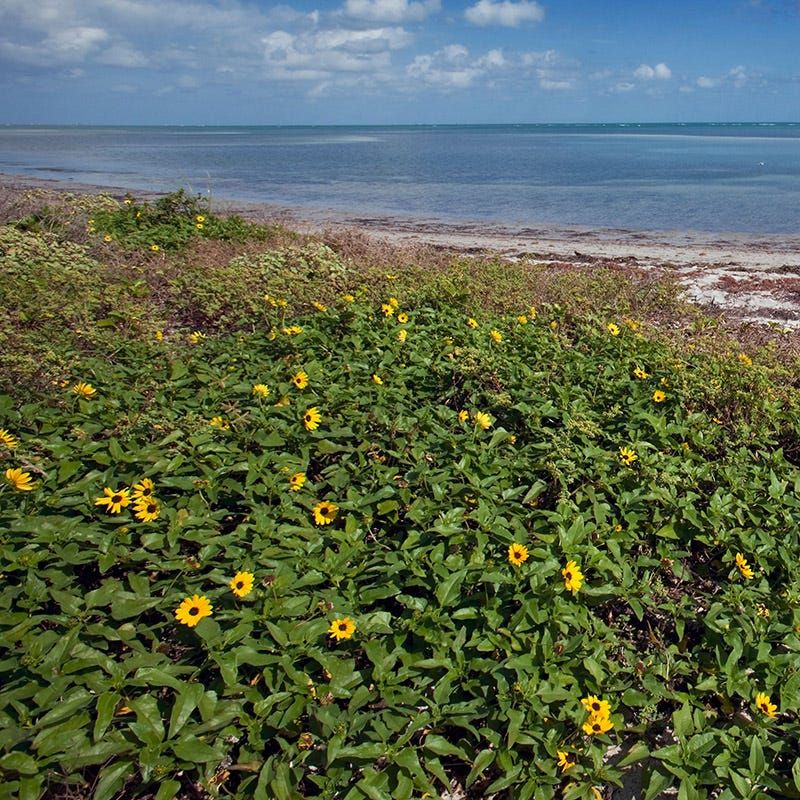
A strip of beach sunflower can turn a hot, sandy problem area into a bright ribbon of gold. Unlike tall hedge-like plantings that create shadowy lanes, beach sunflower spreads outward and stays relatively low, making it easier to see across the bed.
Florida gardeners often use it in full sun, coastal yards, parking strips, and dry slopes where many plants sulk. Its salt tolerance makes it especially useful near the coast, but inland gardeners with sunny, sandy soil can also enjoy its tough nature.
For rat-conscious landscaping, beach sunflower shines along open edges. Plant it where you want color near a driveway, mailbox, patio border, or sunny fence line, then keep nearby debris and fallen seed from piling up.
Regular trimming after heavy flushes of growth keeps the planting tidy and discourages matted layers. That matters because even helpful plants can become cover if they are allowed to collapse into a thick, tangled heap.
The reason beach sunflower earns its spot here is simple: it gives curb appeal while keeping the bed visually open. The flowers feel friendly and coastal, but the habit is practical for a cleaner Florida yard.
4. Railroad Vine
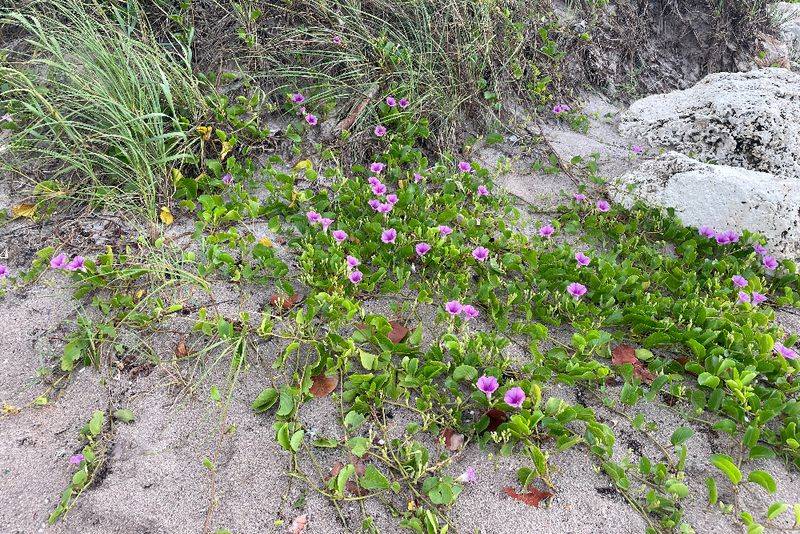
Few plants say Florida beach quite like railroad vine, with purple blooms stretching across sand like a seaside postcard. In the right place, it covers open ground without needing the heavy, leafy height that can hide rodent movement.
Railroad vine is best for coastal or very sandy sites with full sun and room to spread. It is not the plant for a tiny formal bed, because it likes to travel, but it can be excellent on dunes, large sandy slopes, and open waterfront yards where erosion and bare soil are concerns.
Its value in a rat-aware landscape comes from replacing messy weeds and dumped yard waste with a more uniform, low-growing cover. Open, consistent plantings make it harder for rats to move from one cluttered object to another without exposure.
Give railroad vine space and avoid letting it pile up around stored items, grill areas, or stacked pots. A ground cover cannot help much if garden clutter sits on top of it.
Compared with the other plants on this list, railroad vine is the coastal specialist. It is bold, sandy, salt-tough, and most useful where Florida yards meet beach conditions.
5. Twinflower
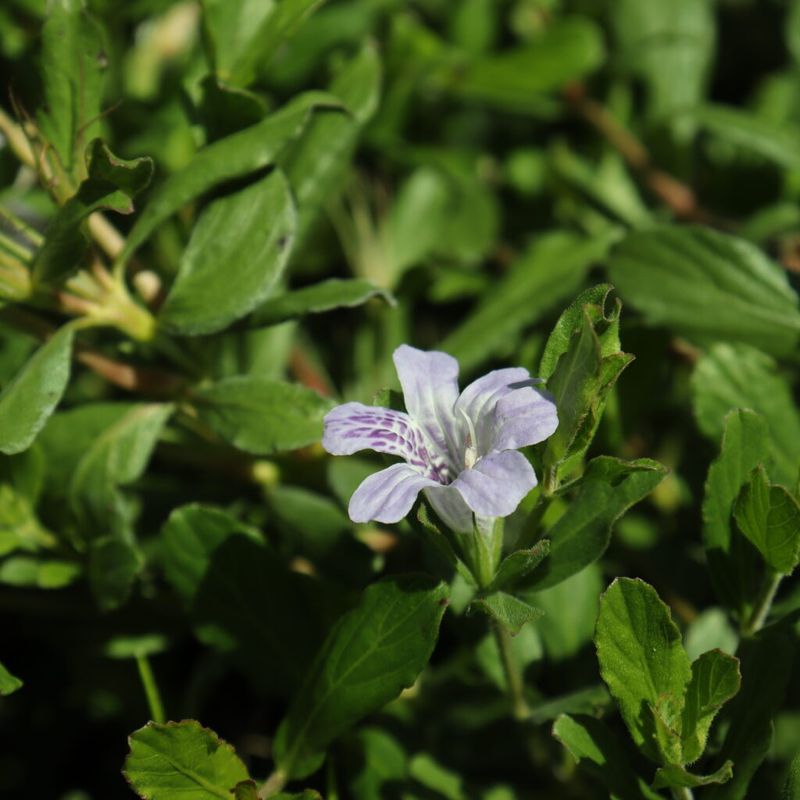
Look closely at twinflower and you will see why gardeners like it for small, tidy spaces. Its paired blooms are delicate, but the plant itself is a useful low spreader for places where you want living coverage without building a hidden rodent path.
Twinflower fits sunny to partly sunny Florida beds, especially in informal native plantings and softer lawn edges. It can handle moist conditions better than some dry-site natives, so it is worth considering for spots that collect extra rain during Florida downpours.
In yards where rats travel along fences, AC pads, sheds, or dense foundation plantings, twinflower can help replace taller weeds that block your view. Pair it with pruning that lifts shrub canopies a bit, and you create fewer dark, protected lanes at ground level.
Keep the bed simple around it. Avoid thick leaf piles, loose fruit, and stacked lumber nearby, since those attract rodents more strongly than plant choice alone.
Twinflower stands apart because it brings a softer meadow look in a compact package. It is a good pick for gardeners who want native flowers and a less cluttered ground layer in the same bed.
6. Blue-eyed Grass
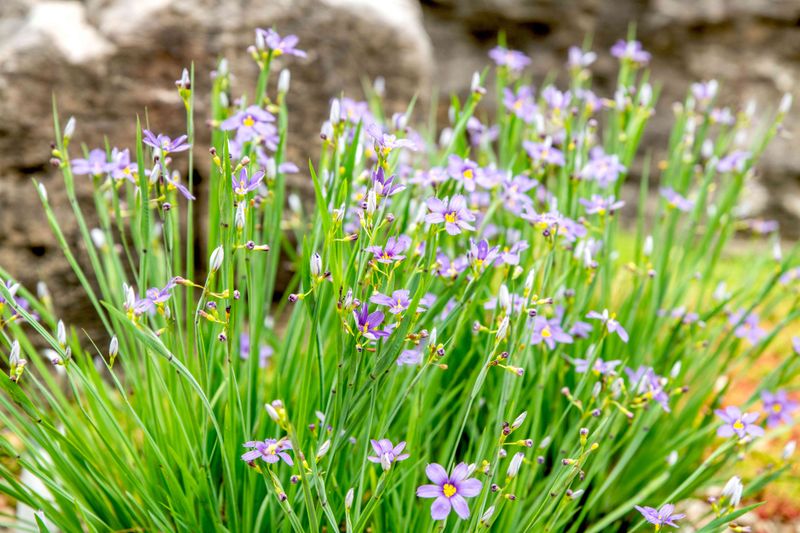
Despite the name, blue-eyed grass is not a true grass, and that surprise is part of its charm. It offers a grassy look with small blue to violet flowers, yet it stays much shorter and cleaner than many clumping grasses that can turn into rodent shelter when neglected.
Use blue-eyed grass in sunny native beds, meadow-style borders, or along paths where you want a fine texture. It is especially nice when mixed with other low natives, because it adds upright detail without making the planting feel dense at ankle height.
For reducing rat cover, the trick is spacing and maintenance. Plant it in sweeps with visible gaps early on, remove dead foliage as needed, and avoid letting weeds grow through the planting.
Florida rain and sandy soil can create feast-or-famine conditions, so choose a site that drains well but does not bake bone-dry every day. Once established in the right spot, it can be a low-fuss addition to a native landscape.
Blue-eyed grass belongs on this list because it gives gardeners the look of a miniature meadow without the tall, floppy growth that hides movement. It feels natural, but still controlled enough for front-yard use.
7. Lyreleaf Sage
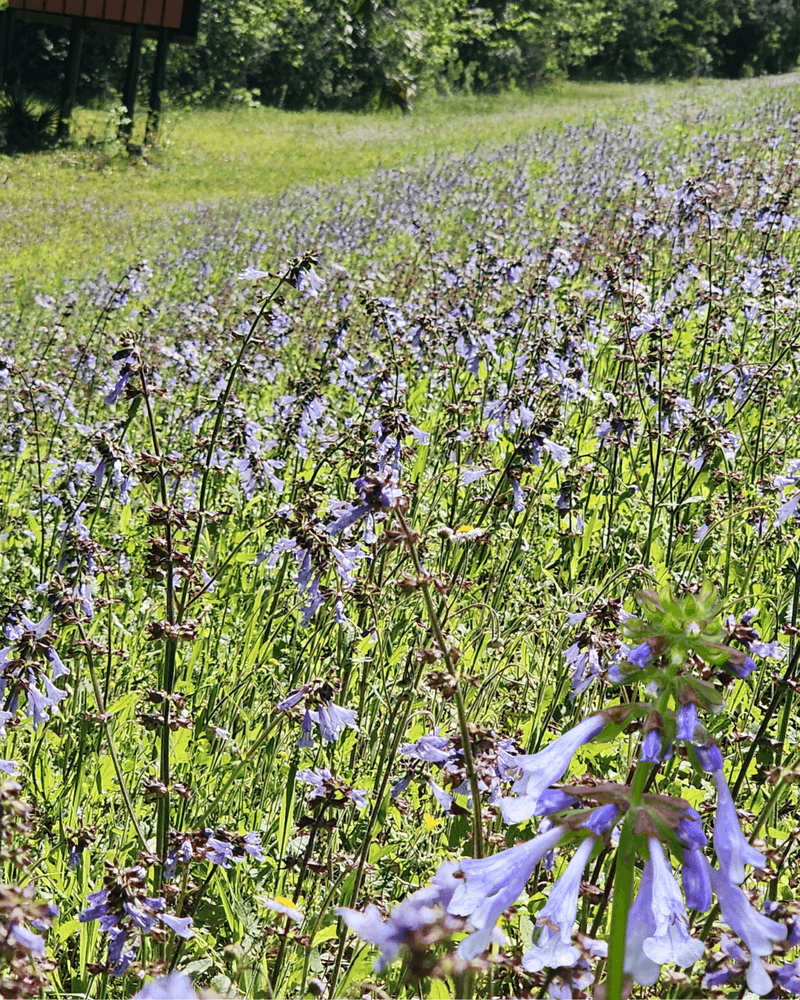
Under light shade, many ground covers either thin out or become a messy tangle. Lyreleaf sage gives Florida gardeners another option, forming low rosettes that can cover soil while keeping the ground layer more readable.
It is especially useful under open trees, along woodland edges, or near shrubs that have been limbed up to remove rat runways. The leaves stay close to the soil, while seasonal flower spikes rise above them and bring a native, cottage-garden feel.
Rats are more likely to exploit places where dense plants meet clutter, food, or shelter. Lyreleaf sage helps most when it replaces tall weeds beneath shrubs, not when it is planted around messy storage zones or fallen fruit that never gets picked up.
In Florida yards, give it partial sun or light shade and avoid burying it under deep mulch. It can self-seed in friendly conditions, which is helpful if you want a natural patch, but you can pull extras where a cleaner edge matters.
Its special role is shade tolerance. While many low native ground covers want blazing sun, lyreleaf sage can help clean up those dimmer spots where rats often find the cover they need.