
Florida fences take a beating from sun, salt air, termites, storms, and wet soil. A living hedge can block views, soften noise, feed wildlife, and look better as it grows.
The best native choices also handle sandy soil and long hot seasons with less fuss once they settle in. Here are seven Florida native hedges that can turn a plain property line into a green privacy screen.
1. Simpson’s Stopper
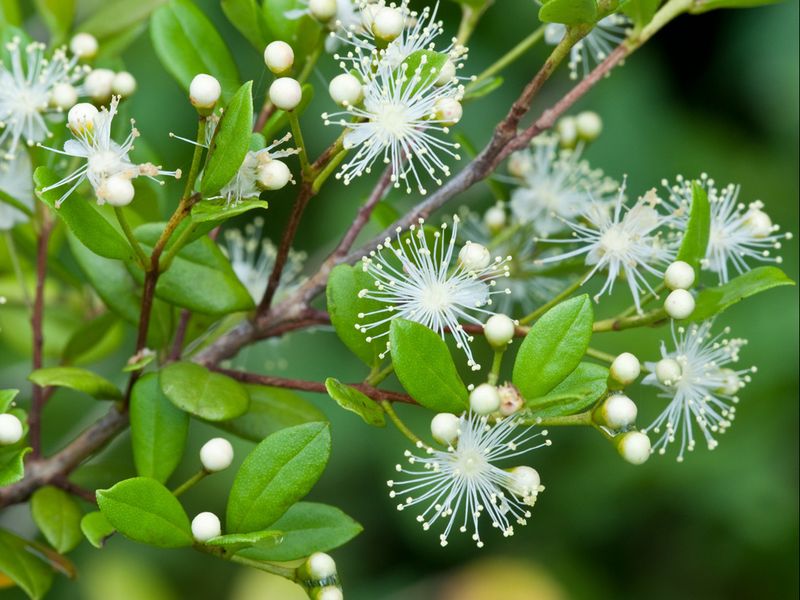
A neighbor may not notice Simpson’s stopper at first, and that is part of its charm. It forms a neat, leafy wall without shouting for attention, which makes it one of the easiest native hedges to blend into a front yard, side yard, or patio edge.
In Florida landscapes, Simpson’s stopper is valued for its evergreen foliage, small fragrant white flowers, and bright berries that birds enjoy. It usually grows about 10 to 20 feet tall, though it can be kept shorter with light pruning.
The leaves are small and tidy, so the plant takes clipping well without looking stiff or overworked.
For privacy, plant it where you want a polished screen that still feels natural. It suits sunny spots and part shade, and once established, it handles dry spells better than many thirstier ornamentals.
Give young plants regular water until the roots spread, then shift toward a lighter maintenance routine.
One handy bonus is storm season behavior. A living hedge has some flex, unlike a brittle fence panel, and Simpson’s stopper can recover from pruning if a branch gets damaged.
For homeowners who want privacy without a bulky, fortress-like look, this native is a smart first choice.
2. Southern Wax Myrtle
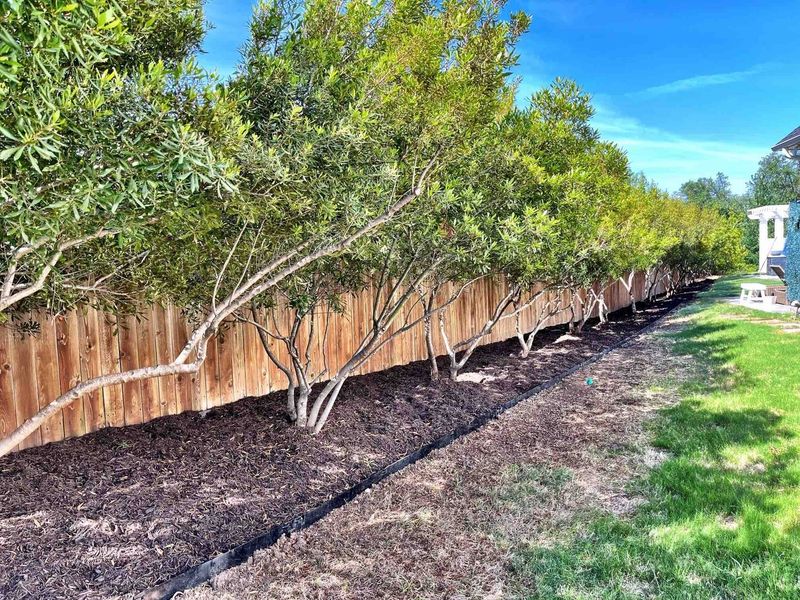
When the view next door needs to disappear fast, Southern wax myrtle earns a serious look. It is one of Florida’s quicker native screening shrubs, and that speed can matter when a fence is failing or a new patio feels too exposed.
Southern wax myrtle can grow into a tall, informal hedge, often reaching 10 to 20 feet or more depending on site and pruning. The foliage has a fresh, resinous scent when crushed, and female plants can produce small waxy berries that attract birds.
Its loose, layered growth gives a softer screen than a board fence, but it still blocks sightlines well when planted in a row.
Use it along larger property edges, drainage swales, and wide backyard borders where it has room to breathe. It tolerates moist soil better than many hedge plants, which helps in low Florida yards that collect water after summer storms.
It can also handle sun and part shade, though fuller sun usually gives thicker growth.
Plan for occasional pruning rather than constant shearing. Wax myrtle looks best when shaped lightly, not forced into a tight green box.
If your goal is quick coverage with wildlife value, this native has the energy and height to get the job done.
3. Yaupon Holly
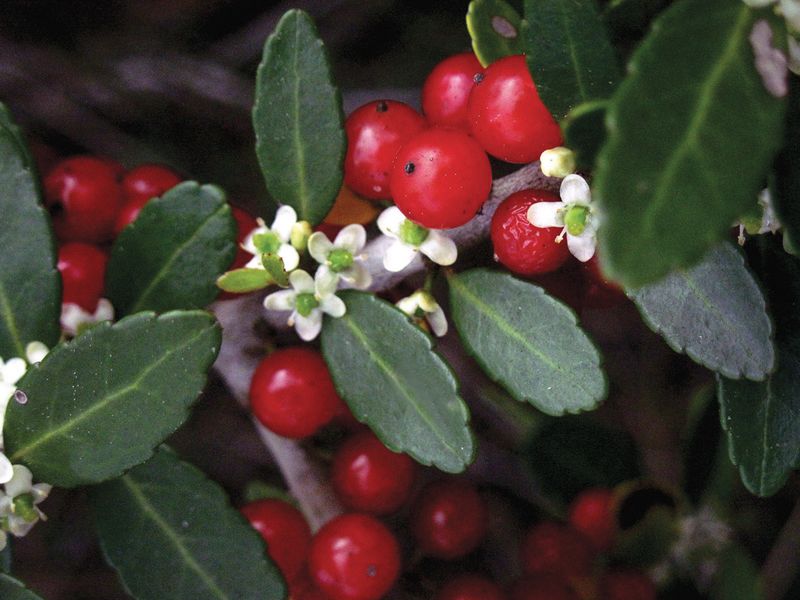
Small leaves can make a big privacy statement. Yaupon holly brings a fine-textured look that feels crisp near walkways, porches, and driveways, where a rougher hedge might seem too wild.
This Florida native holly is evergreen, adaptable, and useful in both formal and natural hedge designs. Female plants produce red berries when a male plant is nearby, giving winter color and food for birds.
The plant can grow as a shrub or small tree, but regular pruning keeps it at a comfortable hedge height.
Yaupon holly is especially helpful where you want privacy without losing a clean, finished look. It handles full sun to part shade, and it can tolerate sandy soil once established.
In many Florida yards, that makes it a better long-term bet than high-maintenance nonnative shrubs that sulk in heat or pests.
Give it room for airflow, especially in humid areas, and avoid planting it too tightly against walls. A staggered row works well if you want a thicker screen without turning the hedge into a maintenance headache.
Fun detail: yaupon is the only native North American plant known to contain caffeine, though the landscape value is the main reason most gardeners grow it.
4. Cocoplum
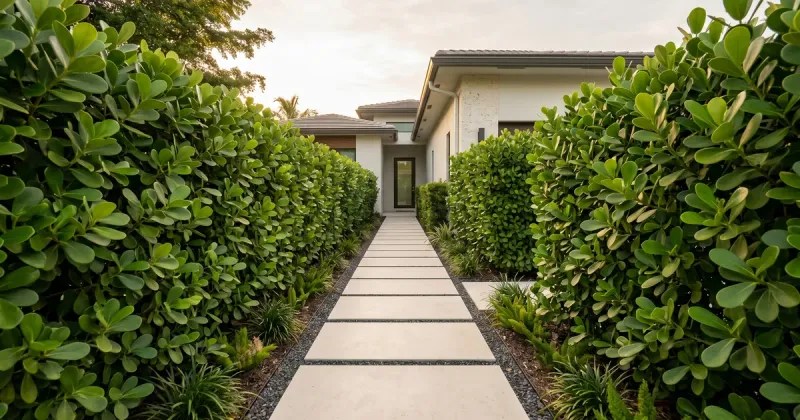
Pool cages, patios, and side yards often need privacy that looks relaxed instead of rigid. Cocoplum fits that job beautifully in warm parts of Florida, especially where a tropical look belongs.
Cocoplum has rounded, glossy leaves, and new growth often flushes bronze or reddish before turning green. It can become a dense hedge with regular trimming, or it can be allowed to grow into a looser screen.
In South Florida, it is a familiar native choice for privacy around homes, pools, and streetscapes.
Location matters with this one. Cocoplum is best suited to frost-free or nearly frost-free areas, so gardeners in Central or North Florida should be careful and check local suitability before planting.
In the right zone, it handles sun, sandy soil, and coastal conditions well once established.
The fruits are another reason homeowners like it. They can attract wildlife, and the plant brings a softer, more habitat-friendly feel than a plain wall.
For a thick hedge, start with healthy young plants, water consistently while they establish, and prune lightly but regularly to encourage branching from the base.
If your yard has that hot, bright, coastal Florida feel, cocoplum can turn a hard edge into a living screen with real curb appeal.
5. Firebush
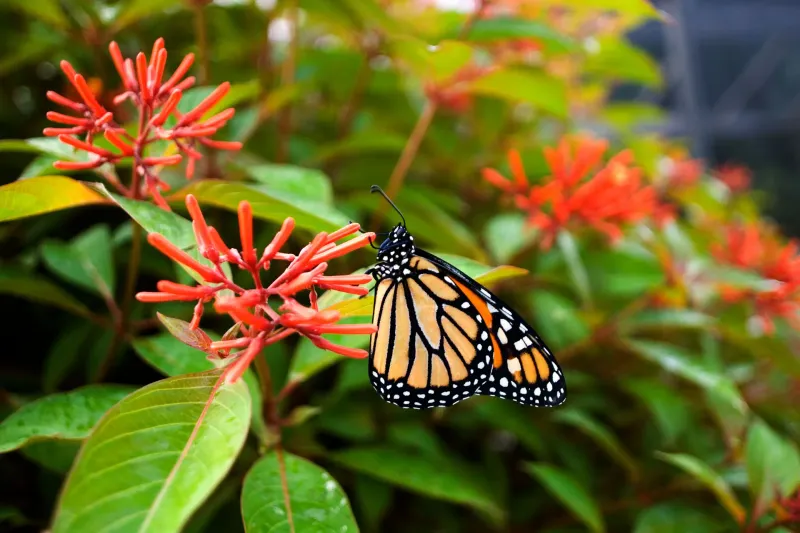
Privacy does not have to mean a solid green wall. Firebush adds movement, color, and wildlife activity, which makes it a standout for gardeners who want screening with life in it.
This Florida native shrub is famous for orange-red tubular flowers that attract butterflies and hummingbirds. In warm areas it can grow tall and full, sometimes reaching 8 to 12 feet or more, while in cooler parts of the state it may die back after cold snaps and regrow.
That means it is better for informal seasonal screening than for a perfectly uniform hedge in every Florida region.
Firebush shines near patios, sunny back fences, and wildlife gardens where flowers are just as important as privacy. It likes full sun to light shade and generally performs well in Florida’s heat once established.
Sandy soil is usually fine, but young plants need steady water while roots develop.
Use it where you can enjoy the show up close. A row of firebush can blur a view, soften a chain-link fence, and bring pollinators into the yard for months.
If you need year-round, tight privacy in a colder pocket of North Florida, pair it with a sturdier evergreen hedge behind it.
For homeowners tired of flat, lifeless borders, firebush feels like a privacy screen with a pulse.
6. Marlberry
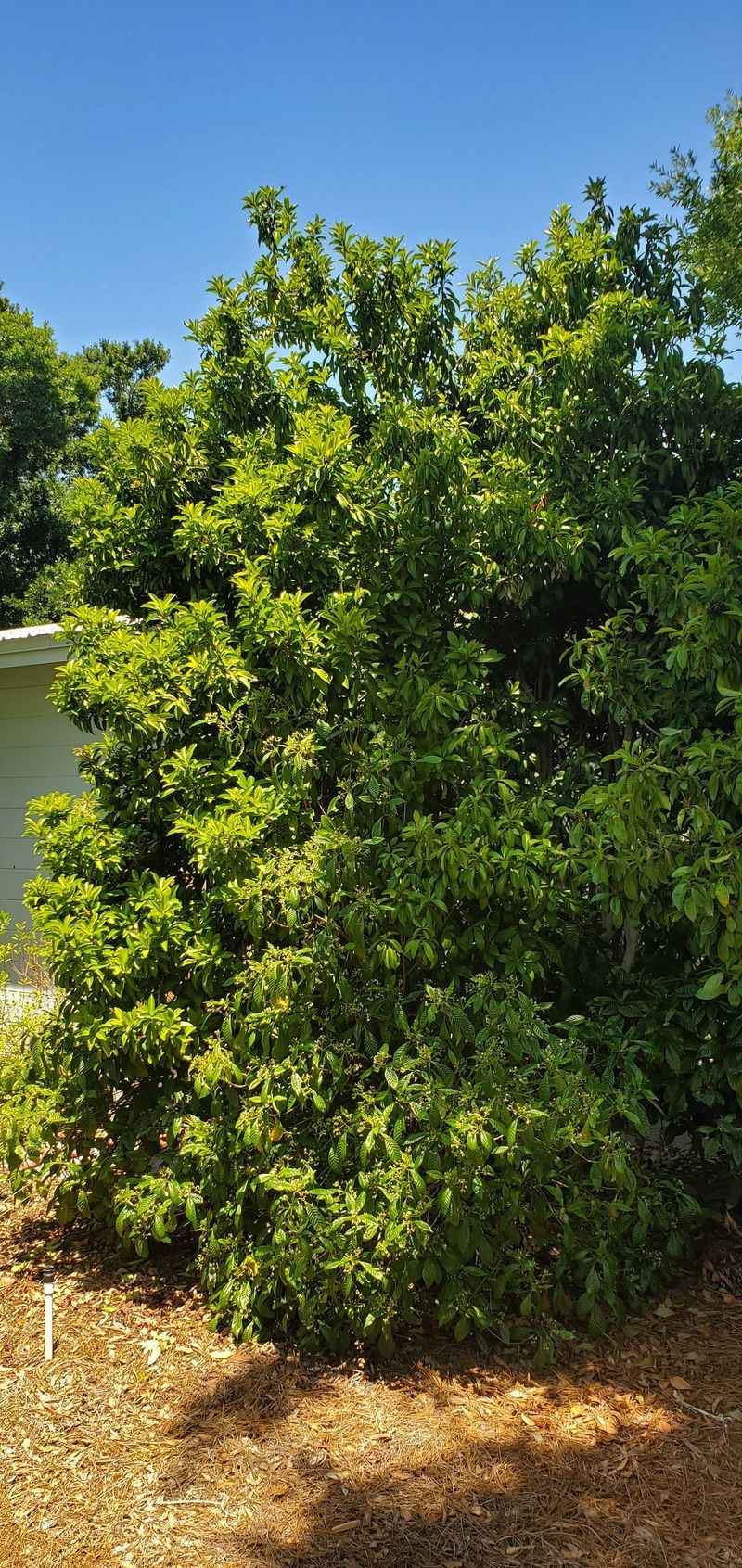
Shade is where many privacy plans fall apart. Marlberry steps in for those darker Florida corners where sun-loving hedge plants get thin, leggy, or fussy.
This native evergreen shrub or small tree has deep green leaves, clusters of small white flowers, and dark berries that birds may visit. It naturally grows in hammocks and woodland edges, so it feels at home in part shade and filtered light.
That makes it useful under high tree canopies, along shaded side yards, or beside older homes with mature oaks.
Marlberry is not the fastest hedge on the list, but it offers a rich, layered look that feels more like a natural screen than a planted wall. In the right spot, it can reach 10 feet or taller, and selective pruning helps it fill in while keeping a graceful shape.
It is a good choice when you want privacy without fighting the site.
Give it moisture during establishment, mulch the root zone, and avoid harsh shearing. A lighter hand keeps the plant attractive and encourages a fuller, woodland-style barrier.
In sandy soil, organic mulch can help reduce stress and keep roots cooler during hot stretches.
For shaded Florida yards, marlberry solves a problem that many common hedge plants simply do not handle well.
7. Saw Palmetto
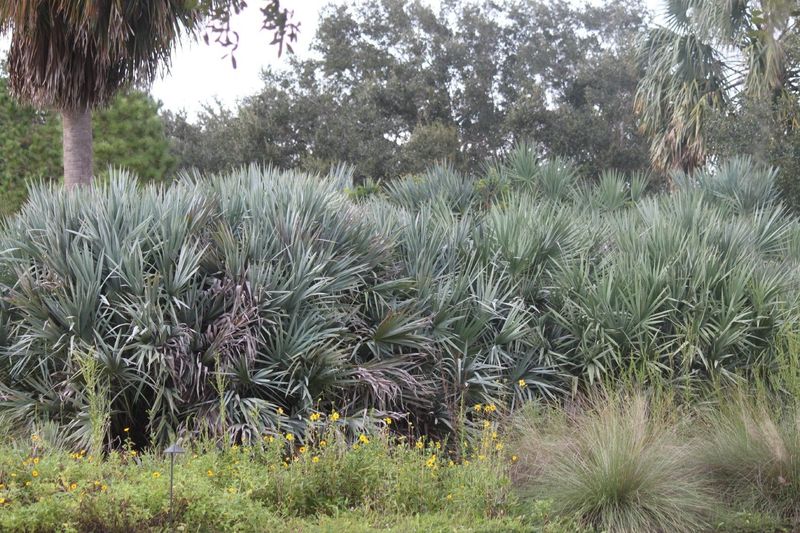
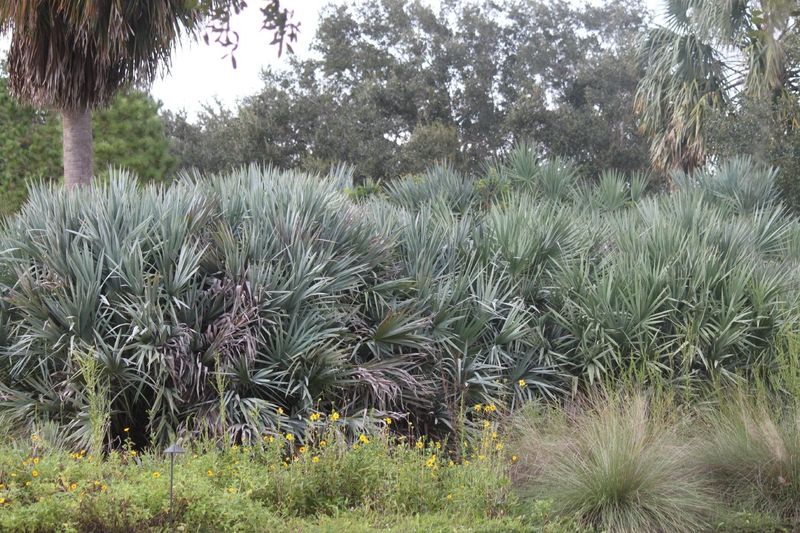
Some property lines do not need a clipped hedge at all. Saw palmetto brings a rugged, unmistakably Florida screen that looks right in sandy, sunny, low-water landscapes.
Unlike the upright shrubs on this list, saw palmetto forms a broad, dense mass of fan-shaped fronds. It usually stays lower than a tall hedge, often around 3 to 7 feet, but its width and texture can block views at seating level, discourage foot traffic, and create a strong visual barrier.
Silver and green forms both exist, with silver types offering especially striking color in sunny sites.
This is a smart option for coastal yards, naturalistic front borders, and wide strips where a fence would look harsh. Once established, saw palmetto is drought tolerant and well suited to sandy Florida soil.
It also provides habitat and food value for wildlife, including berries used by animals.
Give it space from walkways and play areas because the leaf stems can be sharp. That same tough texture, though, is part of why it works so well as a living boundary.
It is not the plant for a narrow, formal hedge beside a front door.
Where room allows, saw palmetto offers something a fence cannot copy: privacy, character, and a native Florida sense of place in one durable planting.