
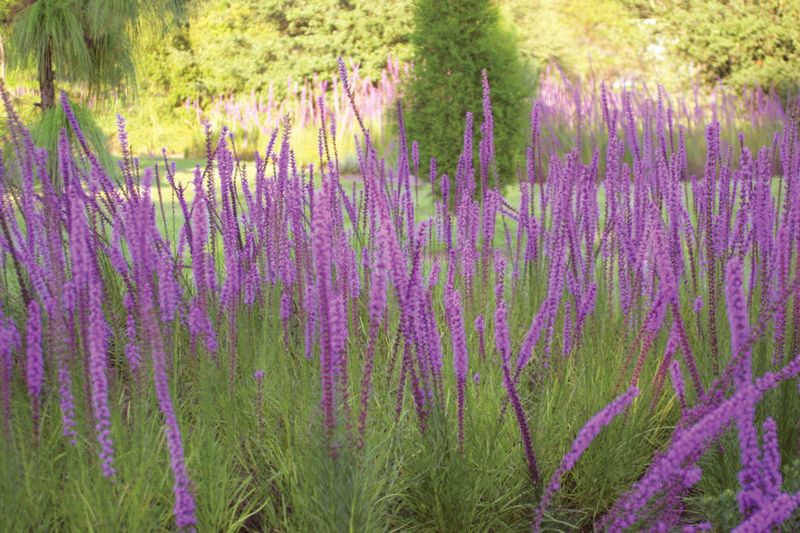
Florida summer can make many pretty flowers slow down, especially when the soil is sandy and the sun feels endless. If your salvia has stopped putting on a show, native perennials can keep color going with less fuss.
These plants are built for Florida heat, hungry pollinators, and the long warm season that keeps gardens active for months.
1. Blanketflower
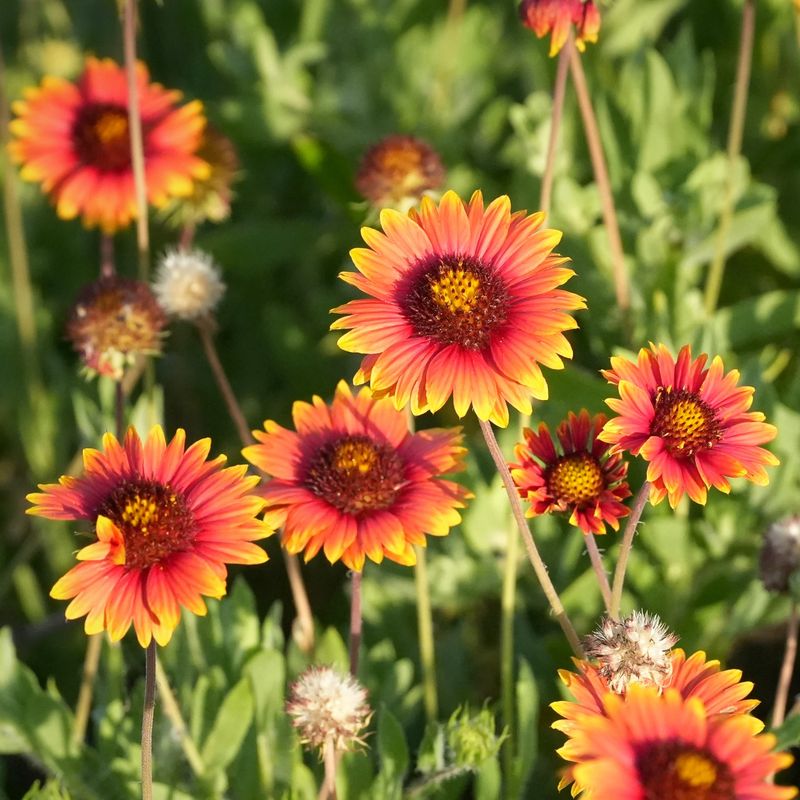
Few flowers look as ready for a beach day as blanketflower. Its red, orange, and yellow blooms feel made for Florida driveways, mailbox beds, and front borders where the sun bakes the soil by lunchtime.
Blanketflower earns its place because it handles dry, sandy ground better than many fussier perennials. Once established, it can bloom through the hottest stretch of summer without needing rich soil, constant watering, or pampering.
Use it where your salvia gave you spring color but now looks tired and woody. Blanketflower keeps sending up cheerful daisy-like flowers that pull in bees, butterflies, and other small pollinators, especially when spent blooms are trimmed now and then.
Gardeners in coastal Florida often appreciate its salt tolerance, but inland yards can use it too if drainage is sharp. Avoid planting it in soggy spots after heavy storms, since wet feet are harder on this plant than heat.
For the easiest look, group three to five plants in a sunny patch and let them weave together. The result is loose, bright, and very Florida, more wildflower meadow than formal bedding plant.
2. Beach Sunflower
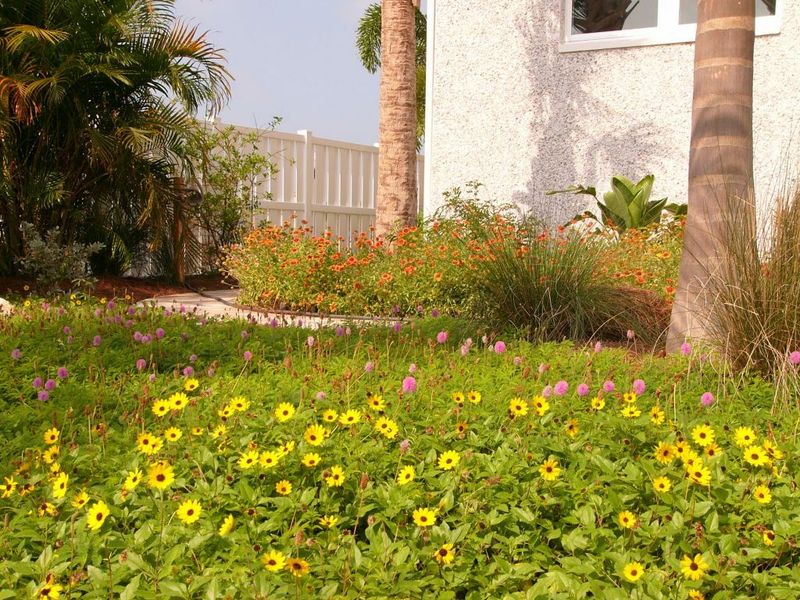
A hot strip beside a sidewalk can be a flower graveyard, but beach sunflower often treats that spot like home. It sprawls, blooms, and softens hard edges where many garden plants crisp up.
Beach sunflower is different from the others on this list because it works almost like a flowering groundcover. Instead of standing tall and formal, it creeps outward with small golden blooms that keep popping through summer in full sun.
That habit makes it useful around driveways, curbside beds, sandy slopes, and open areas where mulch washes away during heavy Florida rain. It can also help cover bare soil, which is handy in yards where weeds move in fast after a storm.
Give it room, because happy plants may spread wider than expected. If it wanders into a path, trim it back with hand pruners and it usually rebounds with fresh growth.
Pollinators find it easily, and birds may visit the seedheads later if you leave some flowers in place. In a low-maintenance Florida yard, beach sunflower brings the sunny, casual look of the coast without demanding a coastal address.
3. Scarlet Hibiscus
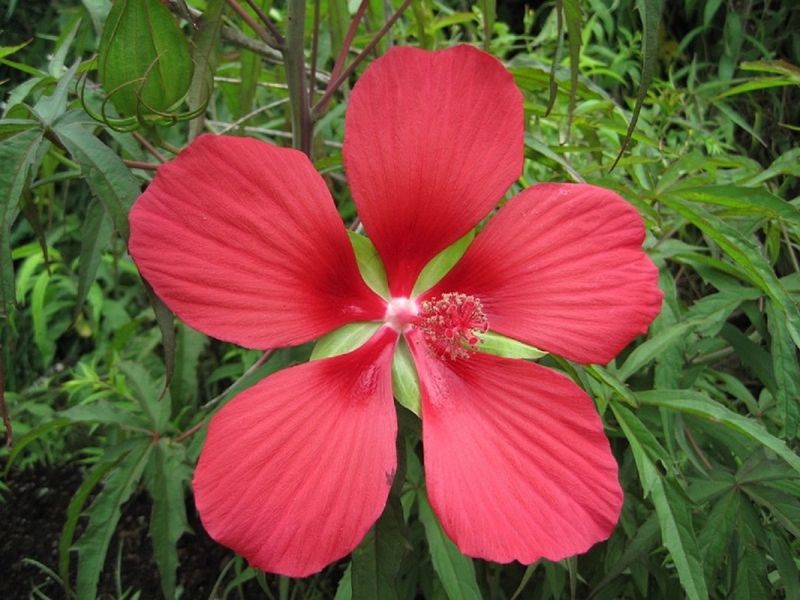
There is nothing shy about scarlet hibiscus when those huge red flowers open. One bloom can stop people mid-walk, which makes this native a strong choice when you want summer drama instead of another small border flower.
Scarlet hibiscus belongs on this list because it thrives where many dry-loving natives would sulk. It prefers moist soil and can be excellent near ponds, rain gardens, low swales, and spots that stay damp after summer thunderstorms.
That matters in Florida because not every yard is uniformly sandy and dry. Some gardens have flood-prone corners, and scarlet hibiscus can turn those difficult areas into a seasonal focal point.
Hummingbirds are strongly drawn to the red flowers, while the tall stems add height behind shorter perennials. In many parts of Florida, plants may die back in cooler weather and return from the roots when warmth builds again.
Place it where it has space to rise, because it can grow tall and bold by late summer. If your salvia bed sits near irrigation runoff or a damp fence line, scarlet hibiscus may be the native that finally makes that wet patch look intentional.
4. Tropical Sage
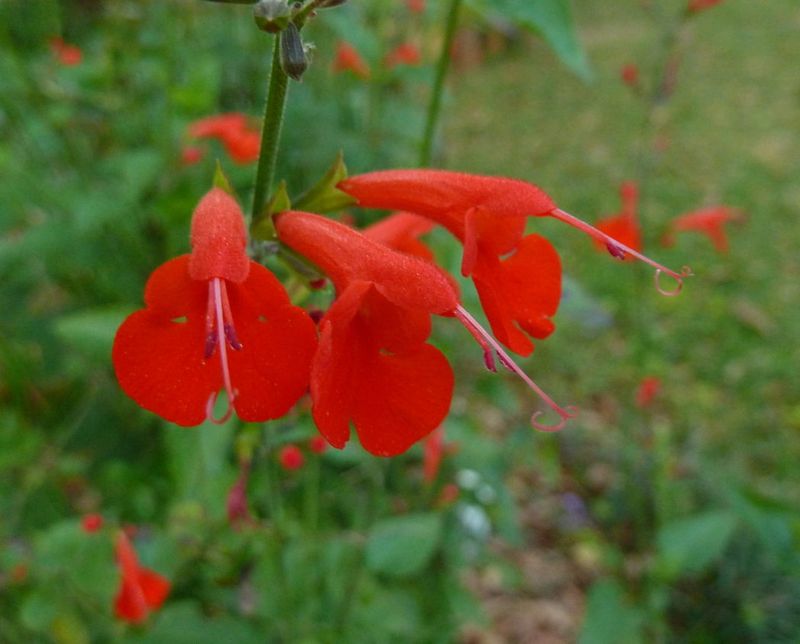
Yes, there is a salvia on the list, but tropical sage is not the same tired bedding salvia many gardeners complain about by midsummer. This Florida native has a looser, wilder charm and often keeps flowering when pampered annual types have given up.
Tropical sage stands out because it handles both sun and part shade better than many summer bloomers. That makes it useful under high pine shade, along fence lines, or near patios where morning sun gives way to afternoon relief.
The red form is famous for drawing hummingbirds, though pink and white forms also appear in gardens. Small bees visit the flowers too, so a patch of tropical sage can feel surprisingly busy even when the rest of the yard is quiet in the heat.
In sandy soil, it usually appreciates water while getting established, but mature plants are not difficult. It may reseed politely in friendly spots, giving you new plants to move or share.
Cutting back leggy stems can freshen the plant and push new bloom. For gardeners who still love the salvia look but want a Florida-native version with more staying power, tropical sage is the bridge between familiar and better adapted.
5. Sunshine Mimosa
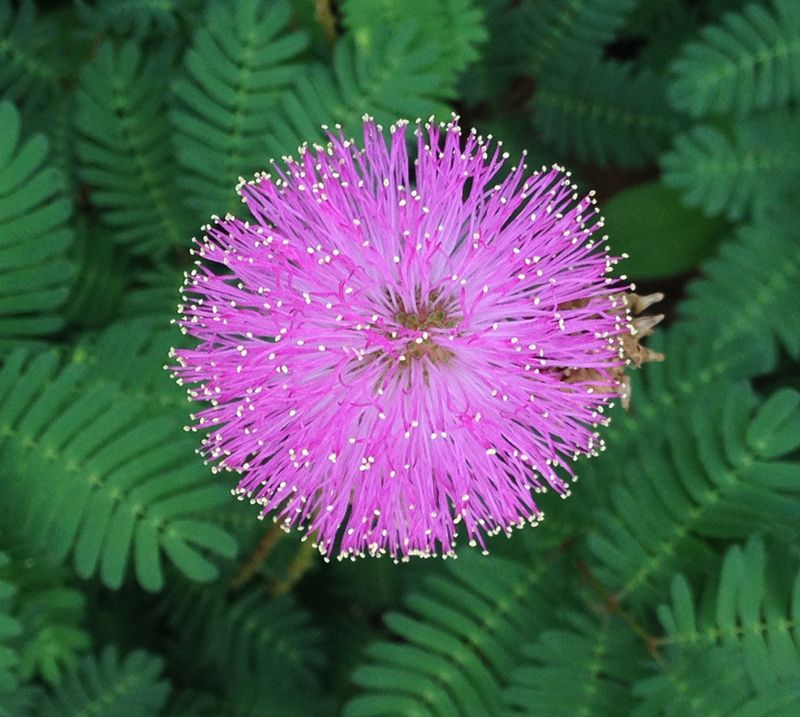
Touch the leaves and sunshine mimosa gives a tiny performance, folding in response like a shy little houseplant. That playful trait makes it memorable, but its real value is how well it can cover ground while still flowering.
Sunshine mimosa is the list’s lawn-alternative pick. It stays low, spreads by runners, and produces pink powderpuff blooms that brighten sunny spaces through the warm season.
For Florida homeowners tired of thirsty turf or bare sandy patches, this native can be a practical swap in low-traffic areas. It is not a perfect replacement for a sports lawn, but it works beautifully between stepping stones, along edges, and in sunny open beds where a soft green carpet is welcome.
Bees visit the round pink flowers, and the fine-textured foliage gives a relaxed look that suits cottage gardens and wildlife-friendly yards. Once rooted, it can handle heat well, though establishment is easier with regular moisture at first.
Because it spreads, plan its boundaries before planting. A bed edge, walkway, or mowing strip helps keep it where you want it, while still letting it do what it does best: cover soil, bloom in summer, and make a plain patch feel alive.
6. Spotted Beebalm
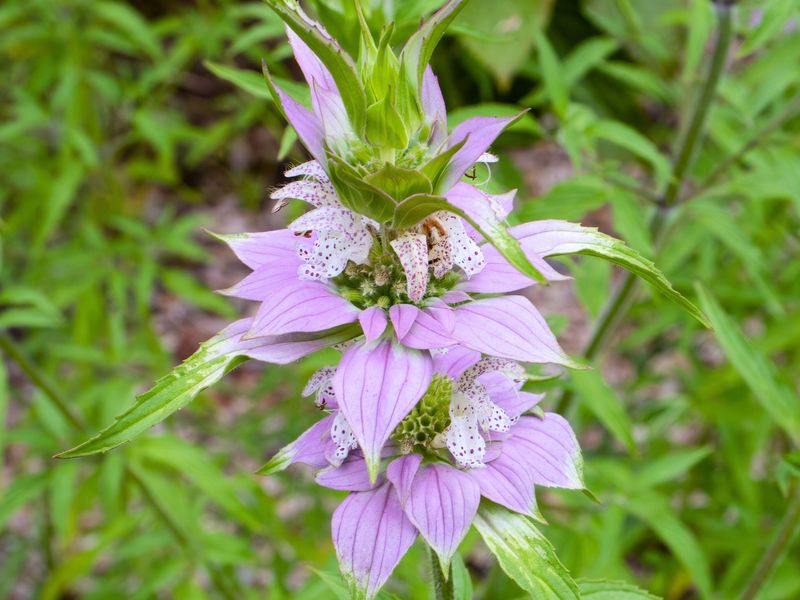
At first glance, spotted beebalm looks almost like a flower designed by a curious child, with stacked blooms, speckled petals, and soft lavender bracts. That odd beauty is exactly why it earns a spot beyond the usual daisy-shaped summer flowers.
Spotted beebalm is especially useful in dry, sunny Florida gardens with lean soil. It does not need the rich, moist conditions that many showy perennials demand, and it brings a wilder texture to pollinator beds.
Native bees, wasps, and butterflies often work the blooms, making this plant a strong fit for gardeners who want more life in the yard without adding complicated care. The flowers can continue through summer, especially when plants are happy and not crowded by aggressive neighbors.
Its form is upright but airy, so it mixes well with blanketflower, grasses, and other meadow-style natives. In a formal front bed, it may look a little unconventional, but in a naturalistic border it adds movement and personality.
Good drainage is the main favor it asks. If your salvia faded in a dry, sandy bed, spotted beebalm can step in with pollinator value, heat tolerance, and a look that never feels like another cookie-cutter garden center plant.
7. Frogfruit
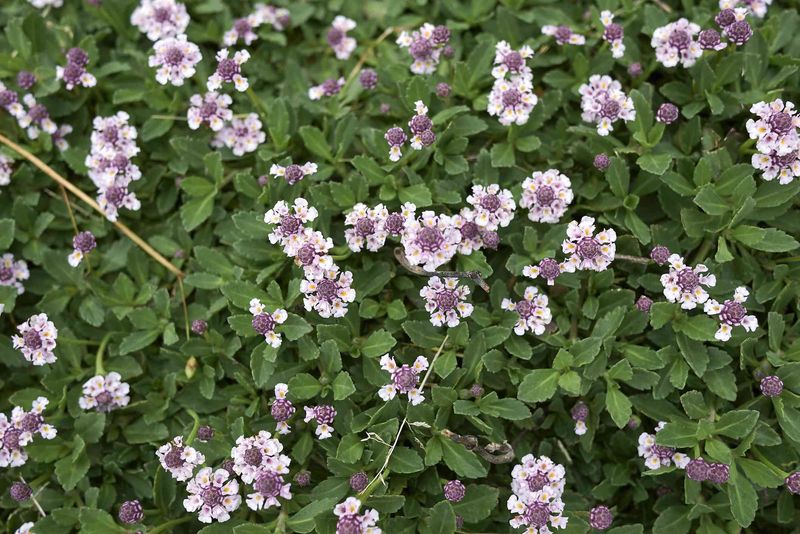
Low to the ground and easy to overlook at first, frogfruit becomes impressive when you notice how much activity it supports. Tiny blooms sit like little buttons above the foliage, and small butterflies seem to know exactly where to find them.
Frogfruit is the quiet workhorse of this group. It is not the tallest or flashiest summer bloomer, but it can flower for a long stretch while spreading into a tough, low mat.
Florida gardeners can use it as a living mulch, pathway edge, lawn substitute in gentle-use areas, or filler between taller native perennials. It tolerates mowing once established, which gives it extra flexibility in informal yards.
One of its best roles is supporting small butterflies, including species that use related native plants in low, sunny habitats. The flowers also attract bees and other beneficial insects, so even a small patch can make a garden feel more active.
Frogfruit handles heat, but like most groundcovers it needs help while settling in. Water new plantings until roots spread, then let it knit into the space.
If your summer beds look bare at the soil line after salvia stops blooming, frogfruit fills that gap. It brings flowers, habitat value, and weed-smothering coverage without shouting for attention.