
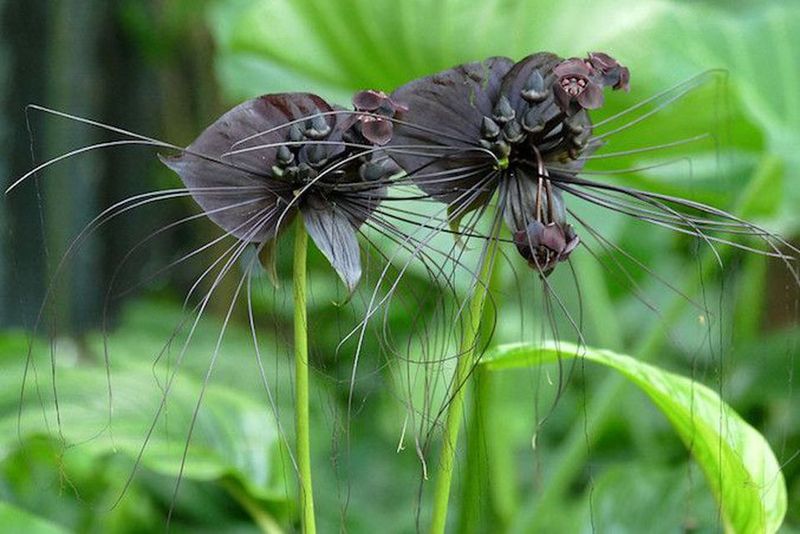
Mosquitoes can turn a Florida evening into a quick trip back indoors. Bats help by eating flying insects at night, and the right native plants can make your yard more inviting to them.
The trick is to grow plants that support moths, beetles, gnats, and other night-active insects bats hunt. Add a few of these Florida natives, and your backyard can become prettier, wilder, and more useful after sunset.
1. Moonflower
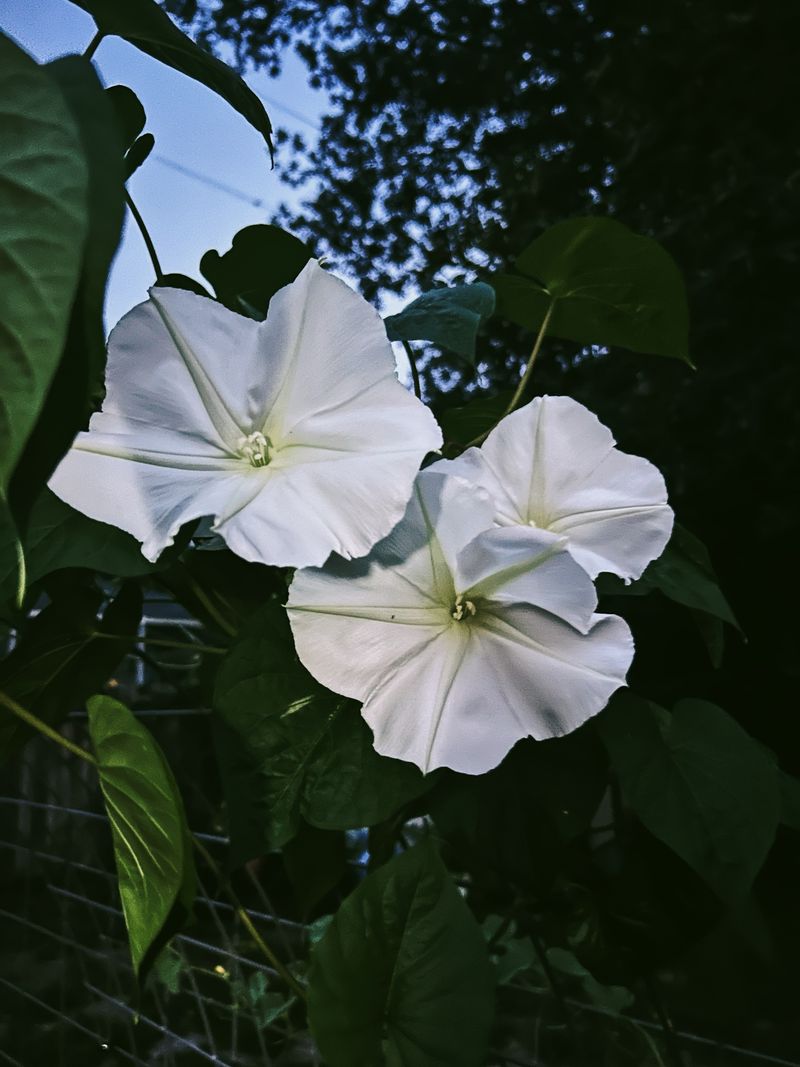
Right around dusk, moonflower starts acting like the porch light of the plant world. Its big white blooms open in the evening, when many Florida gardeners are finally stepping outside after the heat breaks.
Native moonflower, also known as wild potato vine, is a strong choice for bat-friendly yards because its pale, fragrant flowers are easy for night-flying moths to find. Moths are a valuable food source for many bats, so a vine that keeps nighttime insects moving through the yard can make your space more interesting to them.
Give moonflower a fence, arbor, or sturdy trellis where it can climb without swallowing smaller plants. It likes sun and well-drained soil, which fits many Florida yards with sandy ground.
One practical note: do not confuse native moonflower with every ornamental vine sold under similar names. Check the botanical name, Ipomoea alba, and buy from a Florida native plant nursery when possible.
2. Coral Honeysuckle
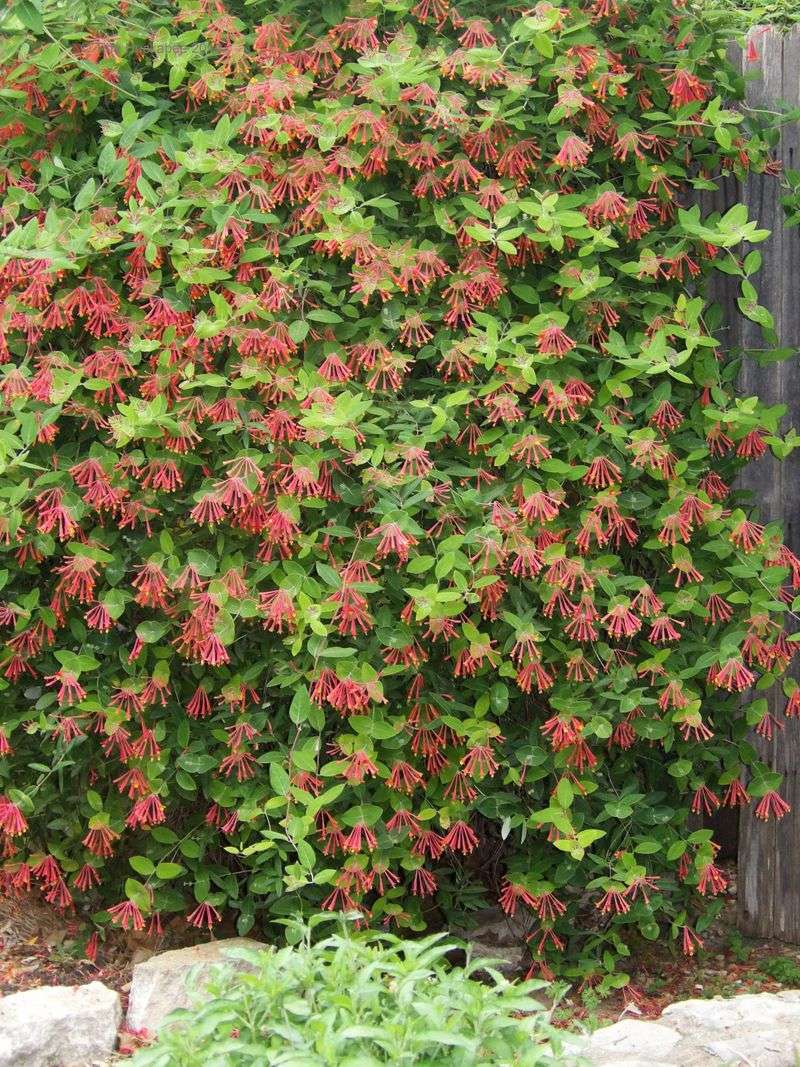
A plain fence can turn into a wildlife runway when coral honeysuckle gets established. The red tubular flowers are famous for hummingbirds, but the plant also helps feed the larger insect web that keeps bats patrolling nearby after dark.
Coral honeysuckle stands out because it offers structure. Instead of being only a flower in a bed, it creates a vertical layer where insects can rest, feed, and move.
That matters in small Florida yards where every square foot has to work hard.
Plant it in sun to part shade, especially along a fence, mailbox post, or pergola. Once rooted, it handles heat better than many showier nonnative vines and does not need rich soil to look good.
For mosquito reduction, think of coral honeysuckle as part of a bigger setup. Pair it with a bat house mounted correctly, remove standing water, and avoid broad insecticides that wipe out the insects bats depend on.
You are not trying to grow mosquitoes, you are building a balanced night-hunting zone.
3. Frogfruit
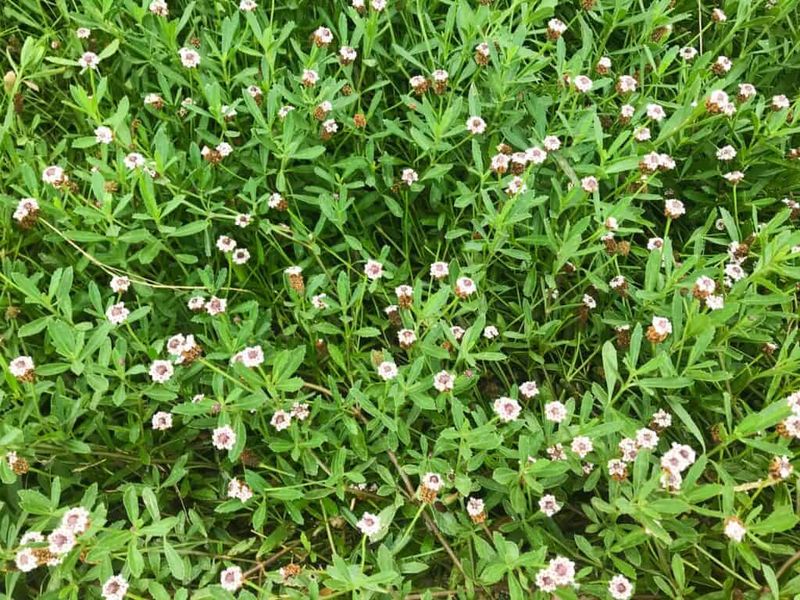
Not every bat-friendly plant has to climb, tower, or steal the show. Frogfruit stays low, spreads neatly, and turns bare patches into a living mat that supports tiny insects close to the ground.
That humble habit is exactly why it earns a place here. Florida yards often have thin turf, hot edges, and sandy spots where grass struggles.
Frogfruit can fill those areas while feeding small pollinators and other insects that become part of the evening food chain.
Use it between stepping stones, along bed edges, or as a lawn alternative in places that get foot traffic but not heavy daily wear. It flowers for a long stretch in warm weather, and once established, it usually asks for less pampering than thirsty turf.
Bats do not visit frogfruit for nectar, but they may hunt over spaces where low plant diversity keeps insects active. For a homeowner, the payoff is simple: fewer dead-looking patches, more wildlife value, and a yard that feels less like a mosquito trap and more like a working habitat.
4. Sweetbay Magnolia
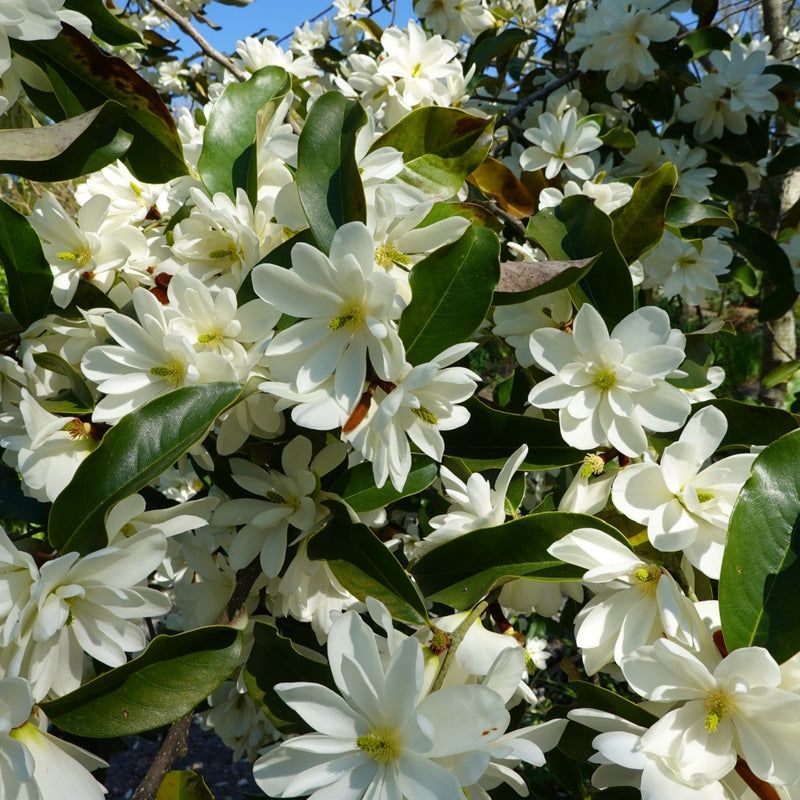
Some plants feel like they belong near a porch swing, and sweetbay magnolia is one of them. Its creamy flowers carry a soft lemony scent, and the tree brings a calm, shaded feel to hot Florida yards.
Sweetbay magnolia is different from the smaller plants on this list because it adds canopy. Bats often hunt along edges, under trees, and through open corridors where flying insects gather.
A small native tree can help create that layered habitat instead of leaving the yard as flat lawn from fence to fence.
It is especially useful in low, moist, or rain-catching areas where many ornamentals sulk. In parts of Florida with periodic wet soil, sweetbay can be a smarter pick than forcing a drought-loving plant into the wrong spot.
Give it room to mature, and avoid planting it tight against the house. The flowers support insects, the leaves host wildlife, and the shade can cool nearby sitting areas.
That combination makes it a strong choice for gardeners who want mosquito help without giving up curb appeal.
5. Buttonbush
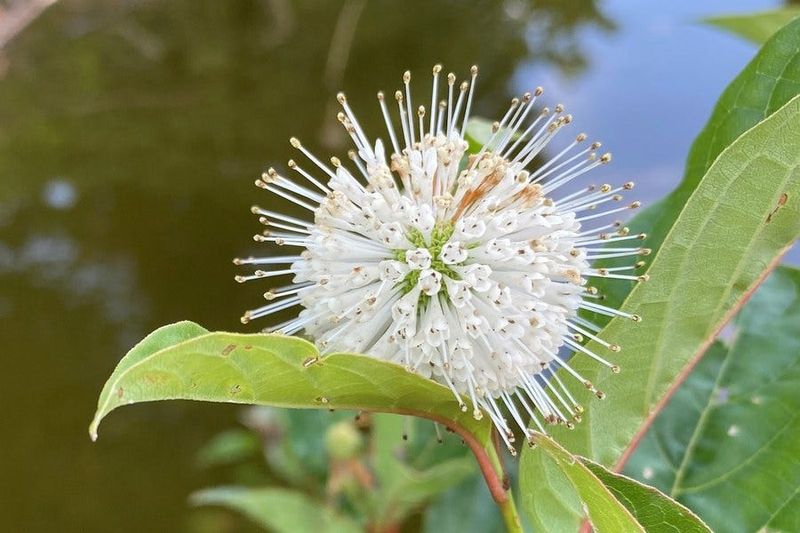
If your yard has a soggy corner that never behaves, buttonbush might be the plant that finally makes it look intentional. Its round, white, pincushion flowers look almost playful, but the plant is a serious wildlife magnet.
Buttonbush belongs on this list because it thrives where mosquitoes often become a problem: wet edges, rain gardens, pond margins, and low spots. The goal is not to create stagnant water.
The goal is to plant moisture-loving natives around places that already collect water while you fix drainage and dump containers that hold mosquito larvae.
The flowers draw a wide mix of pollinators and small insects, especially in warm Florida weather. After sunset, that activity can help attract bats hunting over open water or damp garden edges.
Place buttonbush where its roots can stay moist, and give it space to form a rounded shrub. It can be pruned if needed, but it looks best when allowed to keep a natural shape.
For storm-prone yards, it is also handy because it tolerates wet spells better than many landscape shrubs.
6. Seaside Goldenrod
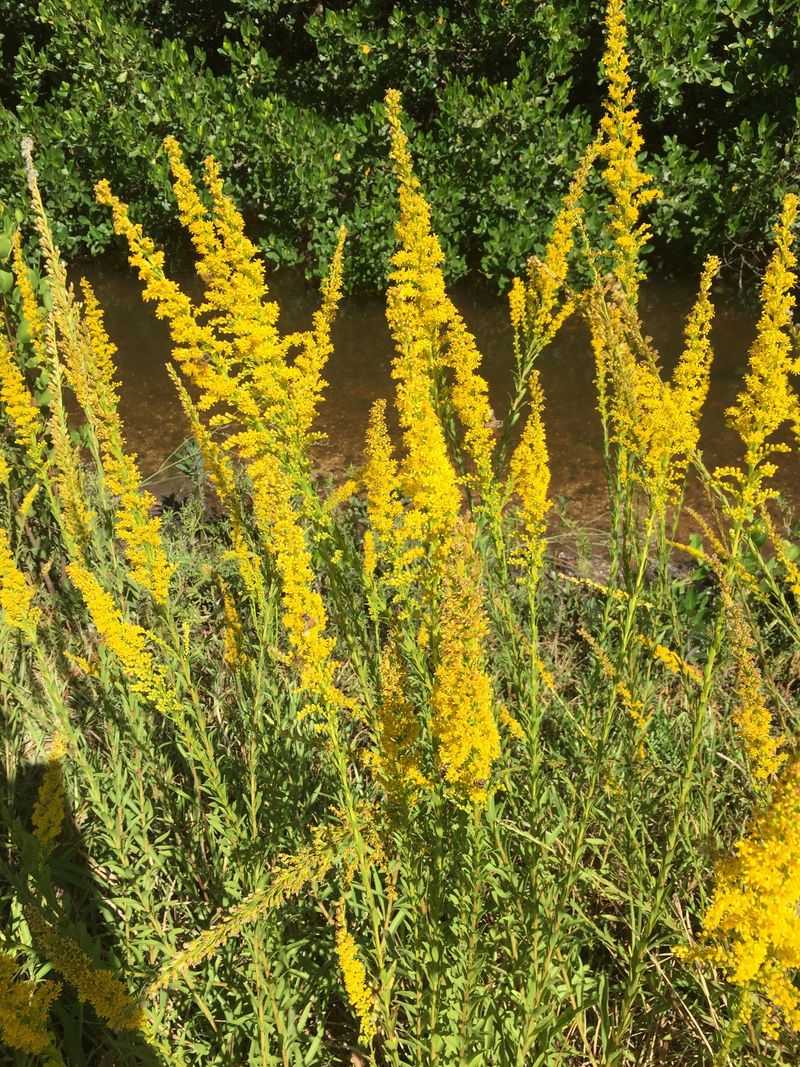
Late-season color can be hard to keep fresh in a Florida yard, but seaside goldenrod shows up when many beds start looking tired. Its golden flower spikes bring a bright, beachy feel without needing fussy care.
Seaside goldenrod is especially useful for gardeners near the coast or in sandy, exposed sites. It tolerates salt, sun, and lean soil better than many common bedding plants.
That toughness makes it a practical pick for Florida homes where irrigation is limited or wind dries everything out.
For bats, the value comes from the insect traffic. Goldenrods support many small pollinators and other insects, and some of that activity continues into the evening.
More native blooms over a longer season can mean more hunting opportunities for bats passing through your yard.
Plant it toward the back of a sunny border or in a naturalized strip where its upright habit can shine. If you want a neat look, group several plants together instead of scattering one here and there.
The result feels designed, not weedy, while still feeding the night shift.
7. Simpson’s Stopper
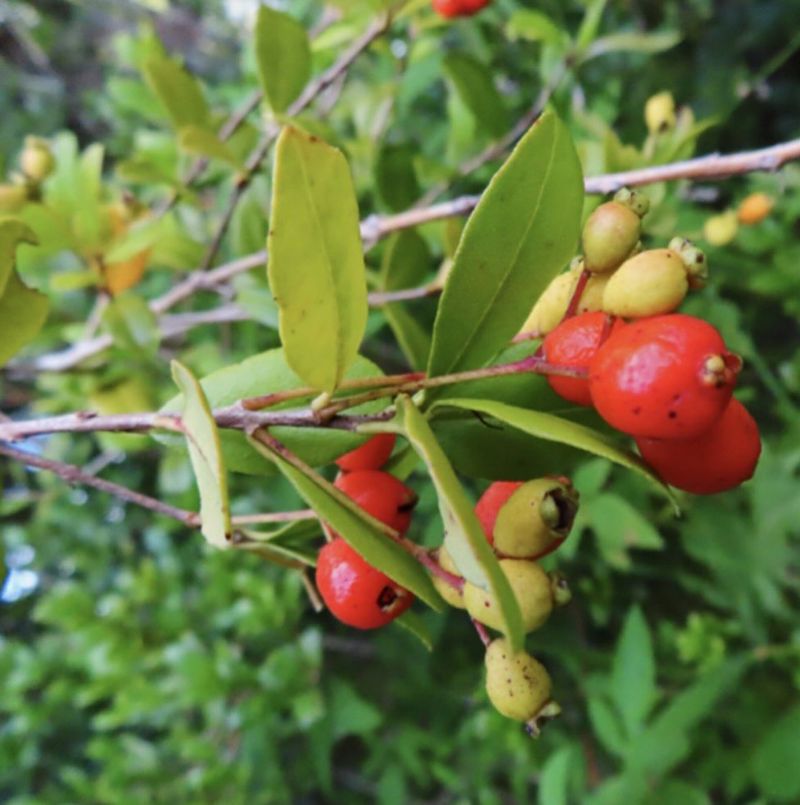
A good hedge should do more than block the neighbor’s trash cans. Simpson’s stopper gives Florida gardeners privacy, flowers, berries, and a steady wildlife boost in one tidy native shrub.
The small white flowers may not look dramatic from across the yard, but they can attract a surprising number of tiny insects. Those insects help build the food web bats use at night, especially when the shrub is part of a mixed native border rather than a lonely specimen in mulch.
Simpson’s stopper works well for homeowners who want a polished landscape. It can be clipped into a hedge or left looser for a softer, cottage-style edge.
Birds also like the colorful berries, so the plant keeps contributing long after flowering slows.
Use it in sun to part shade, and water regularly while it gets established. After that, it is usually a dependable, lower-maintenance choice for much of peninsular Florida.
Add it near a patio edge or side-yard path, and you get a living screen that also helps make the yard more active after sunset.