
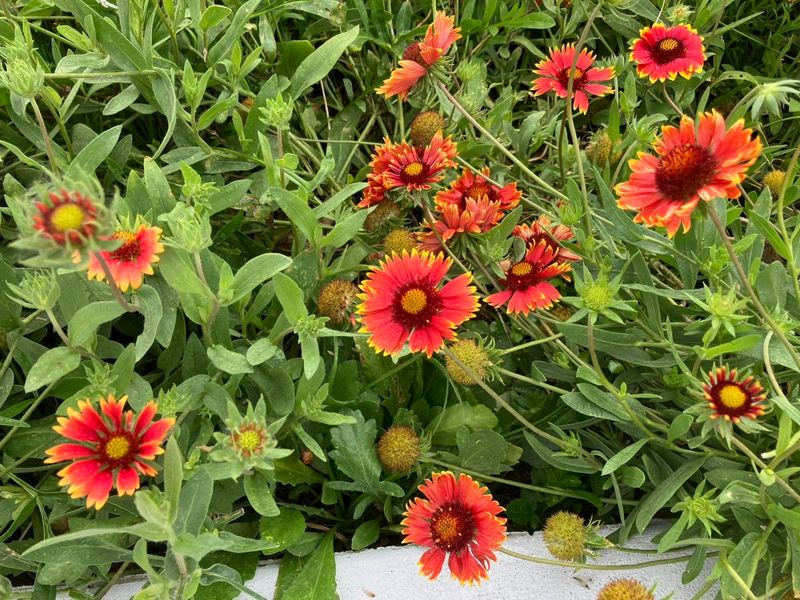
Florida rain can make a garden look tired fast. Some flowers flop, rot, or stop blooming when the afternoon storms show up every day.
Native plants that are used to Florida’s wet summers can keep color going while also feeding bees, butterflies, and hummingbirds. Here are seven strong choices for rainy-season beds, borders, and wild corners of the yard.
1. Swamp Sunflower
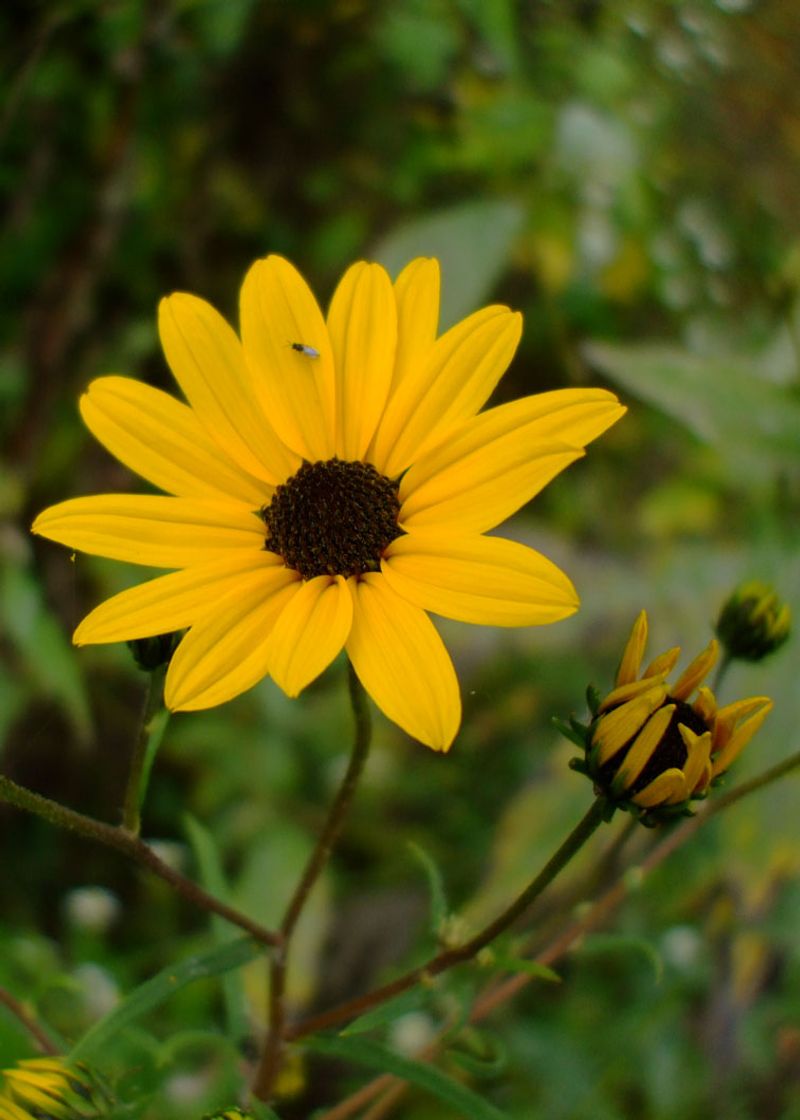
A soggy low spot does not have to look forgotten. Swamp sunflower turns damp ground into a cheerful yellow show, especially in late summer and fall when many Florida beds are worn out from heat, rain, and weeds.
This native perennial loves sun and handles moist soil better than many common garden flowers. In the rainy season, that makes it useful near swales, pond edges, rain gardens, and areas where downspouts keep the soil damp.
The tall stems can reach several feet, so give it room or place it toward the back of a border. If your yard is windy or exposed during storm season, cutting it back earlier in summer can help it grow fuller and less floppy.
Bees and butterflies are drawn to the open yellow flowers, and the seed heads can interest birds later. For a Florida gardener who wants a big, bright, low-fuss plant in wet soil, swamp sunflower earns its space by making the rainy season look intentional instead of messy.
2. Scarlet Hibiscus
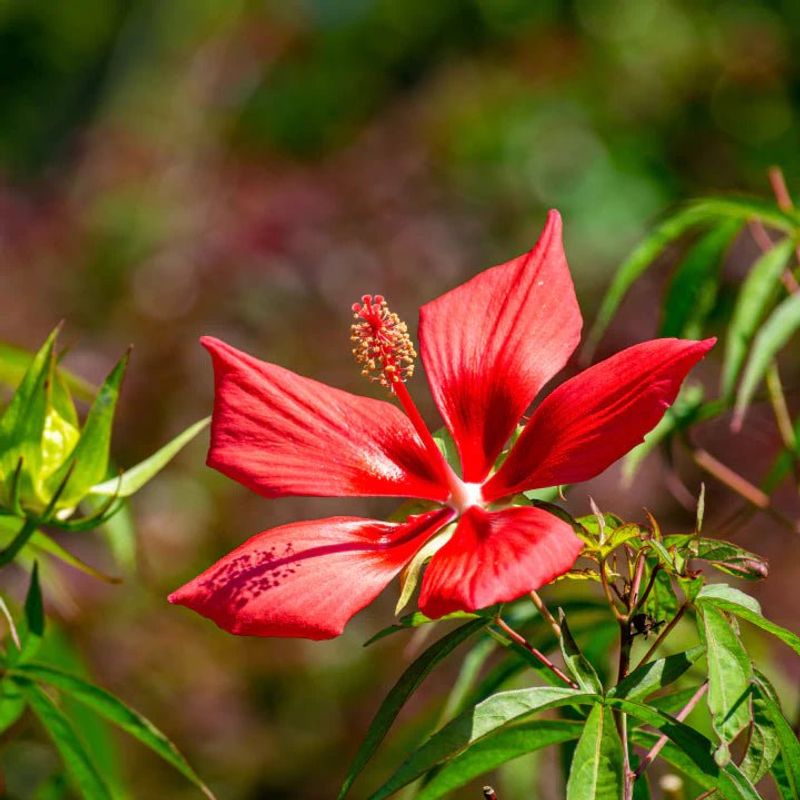
One red flower can stop people mid-walk, and scarlet hibiscus is built for that moment. Its huge, star-shaped blooms look tropical, but the plant is native to wet places in Florida.
Rainy weather suits it well because scarlet hibiscus naturally grows near marshes, ditches, pond margins, and other damp sites. If you have a sunny area that stays moist after storms, this plant can give it a bold, polished look without fighting the conditions.
Hummingbirds often notice the red flowers, and butterflies may visit too. The blooms open wide and bright, then new buds keep the display moving through warm, wet weather.
Scarlet hibiscus dies back in colder parts of its range, but in much of Florida it returns with strong warm-season growth. It works best where it can stand tall without crowding a walkway, since mature plants can become large and dramatic.
For homeowners who want a native plant with resort-style color and real wildlife value, scarlet hibiscus is hard to beat. Just remember that it wants moisture, so it is not the best pick for the driest, sandiest corner unless you can water during dry spells.
3. Firebush
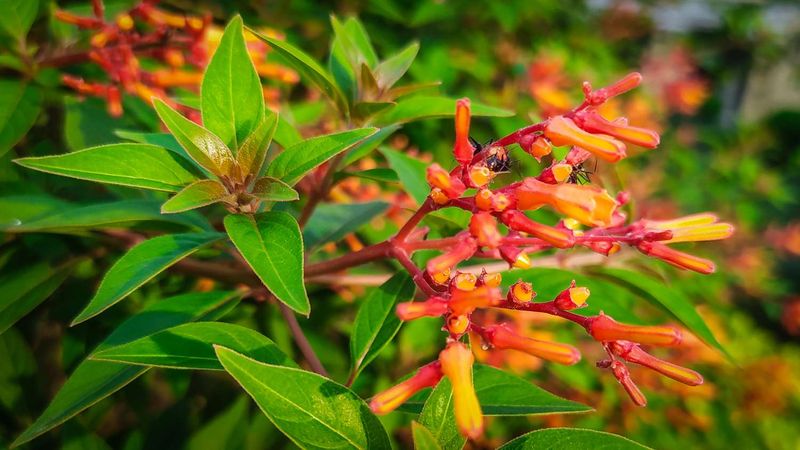
By the time summer feels loud, sticky, and overgrown, firebush is often just getting started. Orange-red tubular flowers keep showing up through the warm months, bringing motion to the yard as hummingbirds and butterflies stop by.
Firebush is one of the most useful native shrubs for Florida gardeners because it handles sun, heat, and regular summer rain with very little drama once established. It also tolerates many typical Florida soils, including sandy soil, as long as the site drains reasonably well.
Use it where you want color with height: along a fence, beside a patio, near a sunny entry, or in a wildlife border. In South Florida it can grow into a larger shrub, while colder areas may see it freeze back and return from the roots.
The flowers are not oversized, but they appear in clusters and create a glowing effect that looks good from the street. Birds may also eat the small dark fruits, adding another layer of backyard wildlife interest.
Firebush makes the list because it bridges beauty and toughness. It is showy enough for curb appeal, useful enough for pollinators, and forgiving enough for gardeners who do not want to babysit flowers through every afternoon thunderstorm.
4. Spotted Beebalm
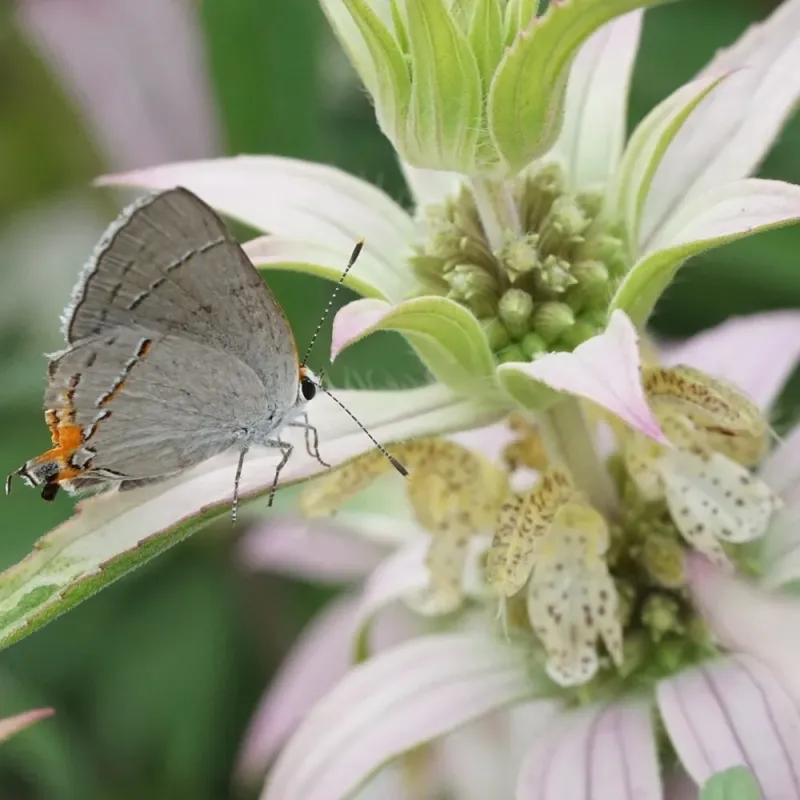
At first glance, spotted beebalm looks like something a pollinator designed on purpose. Pale lavender bracts stack around speckled flowers, giving the plant a quirky, layered look that feels more like a wildflower meadow than a standard flower bed.
Florida gardeners with sandy soil should pay attention to this one. Spotted beebalm is native, drought tolerant once established, and able to bloom during the warm season without needing rich garden soil.
Rainy periods can help it push fresh growth, but drainage still matters. Plant it in sun to light shade where water does not sit for long, such as a raised sandy bed, roadside-style wildflower strip, or the edge of a pollinator garden.
Bees love it, and butterflies visit too. The plant contains aromatic oils, and its unusual flowers bring a loose, natural texture that pairs well with grasses, coreopsis, and other Florida natives.
Spotted beebalm is different from the big, moisture-loving beebalms many gardeners know from cooler regions. It is better matched to Florida’s lean soil and hot weather, making it a smart choice for homeowners who want a native pollinator plant that does not look like every other flower on the block.
5. Tropical Sage
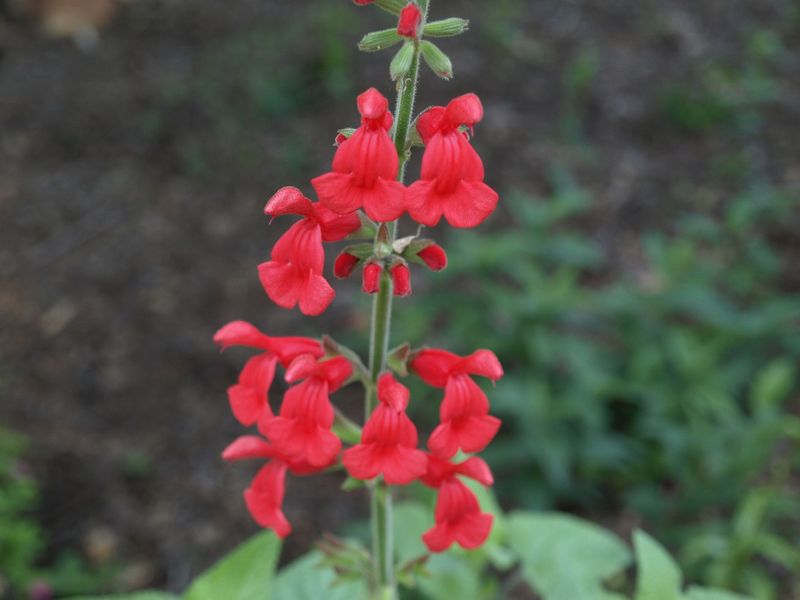
Some plants earn their keep by filling gaps, and tropical sage is excellent at that job. It pops up with red, pink, or white flower spikes in warm weather and can make a bare bed feel alive again after rain wakes up the garden.
This short-lived native perennial often reseeds in friendly spots, which is a gift for gardeners who like a relaxed, cottage-style look. It is especially helpful around shrubs, mailbox beds, butterfly gardens, and sunny-to-partly-shady borders.
Afternoon showers usually do not stop the bloom cycle. As long as the soil drains, tropical sage can keep sending up flowers through much of Florida’s long warm season.
Hummingbirds are drawn to the tubular blooms, while bees and butterflies also use them. Deadheading can make the plant look tidier, but many gardeners let some seed form so new plants appear later.
Tropical sage is not the stiff, formal choice for a clipped landscape. Its charm is softer and more spontaneous, like a flower that found the right spot and decided to stay.
For a low-cost, wildlife-friendly native that keeps color moving during rainy months, it is one of the easiest plants to tuck into everyday Florida yards.
6. Blue Mistflower
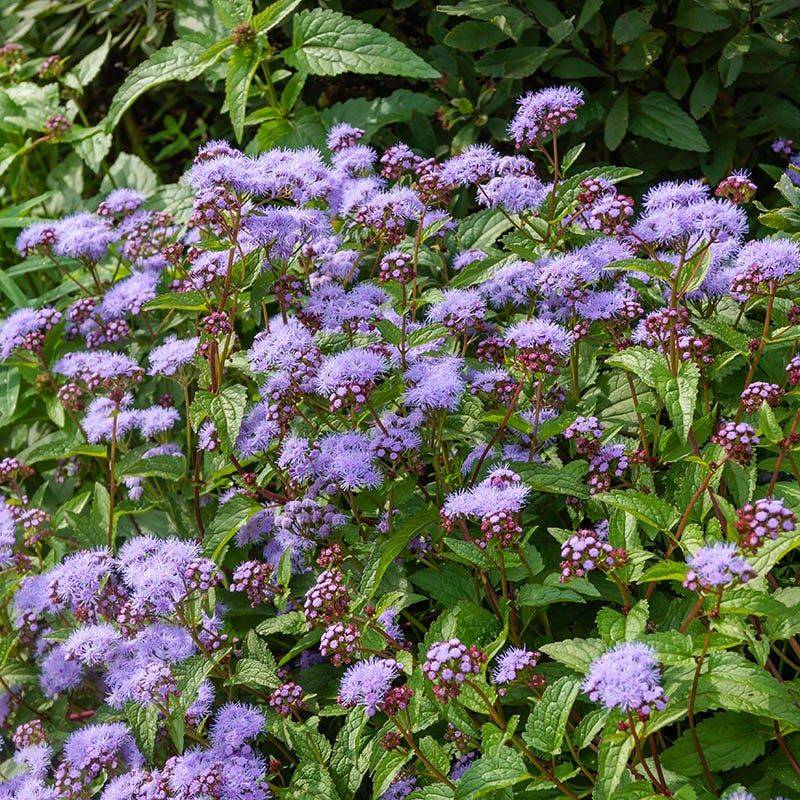
Butterflies seem to find blue mistflower before people do. The fluffy blue-purple blooms form soft clusters that look delicate, but the plant can be surprisingly determined in moist garden soil.
Rainy-season growth is one reason it belongs on this list. Blue mistflower appreciates moisture and can bloom when summer storms keep the ground fresh, especially in partly sunny beds or bright edges with consistent soil moisture.
Place it where a spreading plant is welcome. It can move by rhizomes, so it is better for naturalized borders, pollinator patches, rain garden edges, or roomy beds than for a tiny, tightly controlled front walkway.
The payoff is steady color in a shade of blue that is not common among Florida native flowers. Skippers, bees, and butterflies visit the blooms, and the plant helps soften the look of taller shrubs or stiff garden edges.
If it spreads farther than you want, pull or divide it to keep the patch in bounds. That little bit of management is usually worth it for gardeners who want a lush, wildlife-friendly plant that treats summer rain as a signal to grow instead of a reason to quit.
7. Seaside Goldenrod
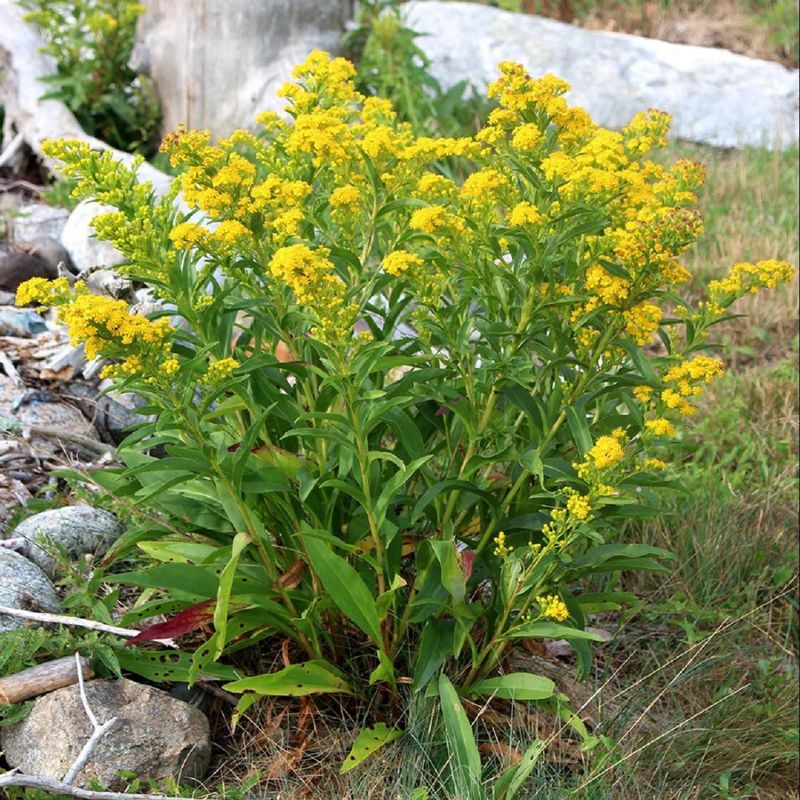
Coastal yards can be rough on flowers, with sandy soil, salt spray, wind, and sudden downpours all taking turns. Seaside goldenrod handles that roughness with tall green stems and golden bloom spikes that arrive when the warm season is still rolling.
This Florida native is especially useful near the coast, but it can also work inland in sunny, well-drained sites. It tolerates sandy soil and is far better suited to beachside conditions than many tender bedding plants.
The bright yellow flowers are valuable for pollinators, especially bees and butterflies looking for nectar later in the season. Despite a common myth, goldenrod is not the main cause of seasonal sneezing for most people.
Wind-pollinated ragweed is usually the bigger culprit.
Seaside goldenrod has a wilder look, so use it where height and movement make sense. It fits well behind lower flowers, along fences, in coastal cottage gardens, or in a wildlife strip that does not need to look clipped every week.
Its reason for being here is resilience. Many plants resent salt, sand, and stormy weather, but seaside goldenrod brings late warm-season color to places that often end up bare or browned out.