
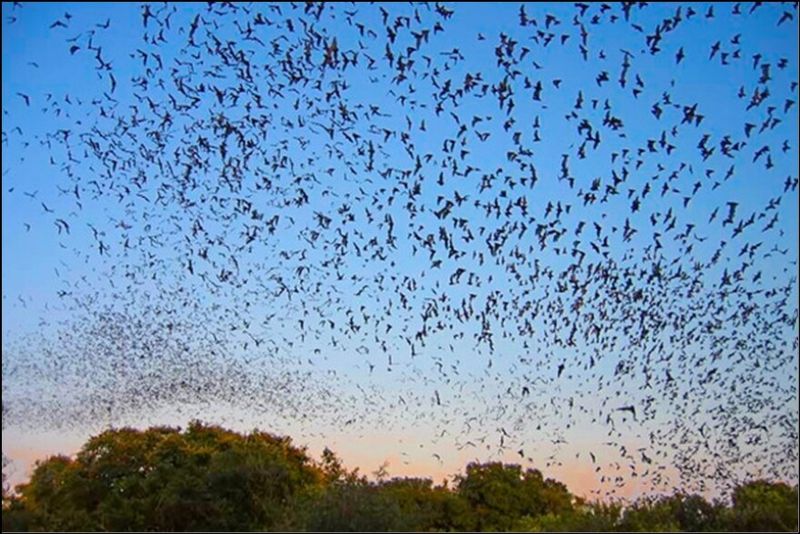
Mosquitoes can turn a Florida evening into a slap-fest before the grill even warms up. Bats help by eating night-flying insects, and the right native plants can make your yard more inviting to the bugs bats hunt. Planting for bats is not magic, but it is a smart, low-effort way to support wildlife while making dusk feel a lot more comfortable.
1. Evening Primrose
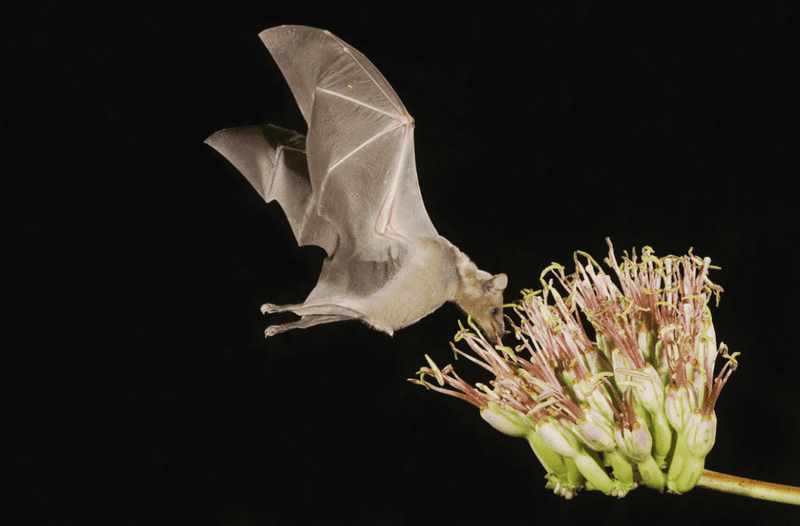
Right around sunset, evening primrose acts like it knows the night shift is about to clock in. Its soft yellow flowers open late in the day, which makes it especially useful in a bat-friendly Florida yard because night-blooming flowers often draw moths and other flying insects.
For sandy Florida soil, this plant is a practical choice rather than a fussy showpiece. Many native evening primroses handle lean, fast-draining ground and do best where they get plenty of sun, which fits many coastal and inland yards from the Panhandle down through Central Florida.
What makes evening primrose different from the others on this list is its timing. While daytime pollinator plants help bees and butterflies, evening primrose helps build the dusk activity that bats notice as they sweep through looking for meals.
Plant it near the edge of a bed, along a path, or in a relaxed wildflower patch where it can mingle naturally. Skip broad insecticide sprays, give it room to behave like a native wildflower, and let the evening bloom cycle do the quiet work.
2. Coral Honeysuckle
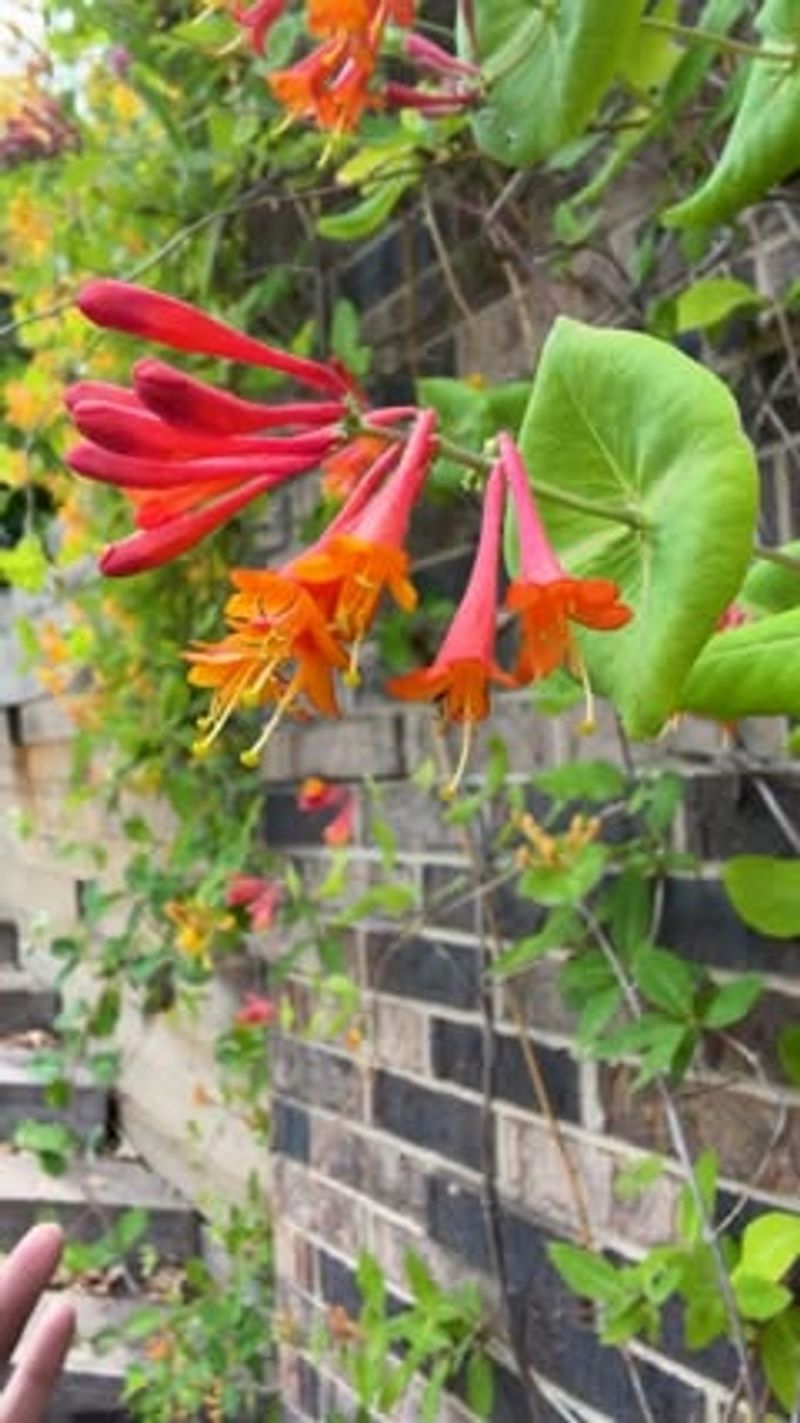
A trellis covered in coral honeysuckle feels like the Florida version of a welcome sign for wildlife. Hummingbirds visit by day, but the vine also supports the wider insect life that helps feed bats after dark.
Unlike invasive Japanese honeysuckle, coral honeysuckle is a Florida native and a much better fit for home landscapes. Its red-orange tubular blooms look tropical without behaving like a yard bully, and it can be trained on fences, arbors, mailbox posts, or a sturdy trellis near a patio.
The special value here is vertical space. Many Florida gardens are small, especially in subdivisions where every square foot counts, and coral honeysuckle lets you add habitat upward instead of giving up more lawn or walkway room.
Give it sun to part shade and well-drained soil, then mulch lightly to help young roots settle in during dry spells. Once established, it is fairly easy to live with, and its woody growth can ride out normal Florida weather better than many tender vines.
If your goal is fewer mosquitoes by dusk, think of coral honeysuckle as part of the food web, not a mosquito repellent. It helps create the kind of insect-rich evening space where bats have a reason to patrol.
3. Firebush
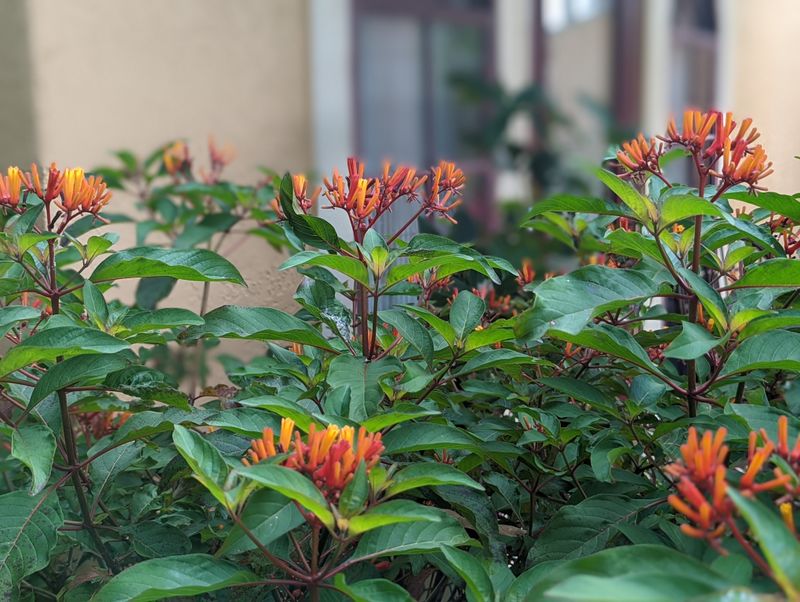
Some plants whisper; firebush practically waves a flag. With orange-red blooms, glossy leaves, and a relaxed tropical look, it brings serious wildlife energy to a Florida yard without needing pampering every weekend.
Firebush is native to Florida and especially at home in Central and South Florida landscapes. In colder parts of North Florida, it may die back after freezes and return from the roots, so gardeners there often treat it as a warm-season wildlife shrub.
Its bat-friendly strength comes from abundance. A healthy firebush can bloom heavily during warm months, supporting pollinators and the insect activity that follows. More insects at twilight can mean more hunting opportunities for bats, which is exactly the chain reaction you want when mosquitoes are wearing out their welcome.
Firebush also suits Florida realities. It handles heat, fits sandy soil when established, and can work as a loose hedge, foundation shrub, or backyard screen. Keep it out of soggy spots, especially in flood-prone yards, because drainage still matters.
For a set-and-forget approach, place firebush where it has space to reach a natural shape. Heavy clipping removes flowers, while a lighter hand gives wildlife more of what they came for.
4. Buttonbush
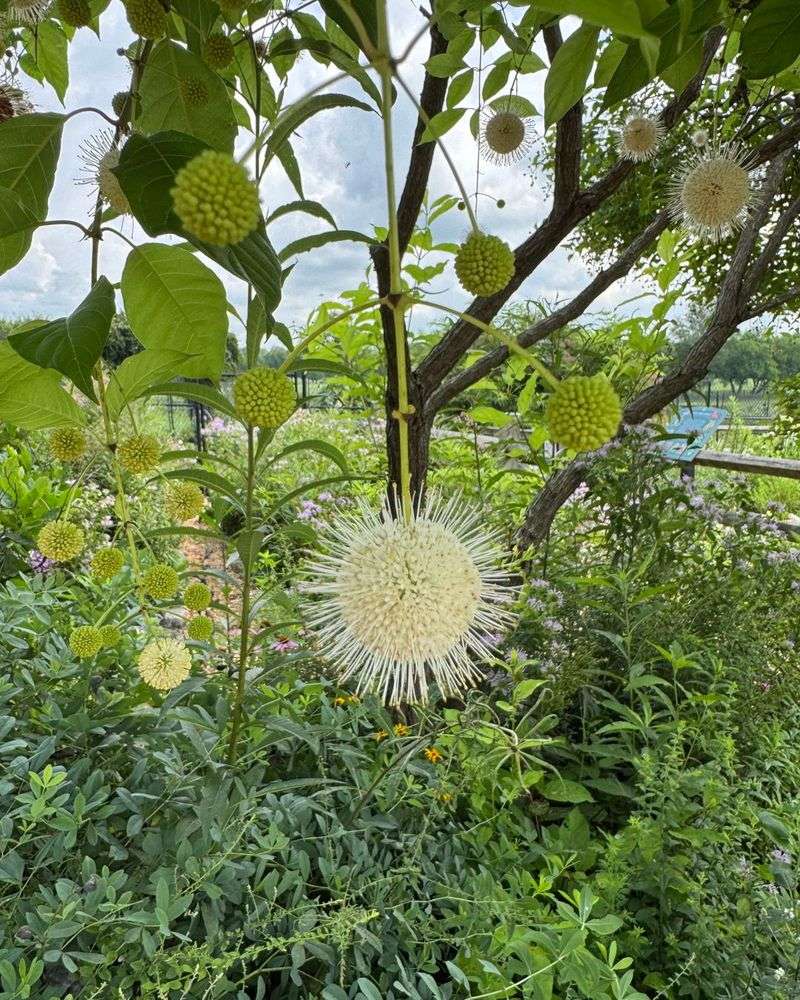
Got a damp corner that never seems to dry out after a summer storm? Buttonbush is the plant that turns that soggy headache into wildlife habitat.
This Florida native shrub is known for its round, white, pincushion-like flowers that look almost playful. Butterflies and other pollinators love them, and where insects gather, bats may find better hunting as evening settles in.
Buttonbush earns its place on this list because it solves a different Florida problem: wet soil. Many native plant lists focus on dry sand, but plenty of yards have low spots near swales, ponds, retention areas, ditches, or rain gardens. Buttonbush actually appreciates moisture, making it useful where drought-loving natives would struggle.
That does not mean you should let standing water breed mosquitoes. Empty saucers, buckets, clogged gutters, and unused pots still matter. Buttonbush belongs in living wet areas that support frogs, dragonflies, and birds, not in neglected containers of stagnant water.
Use it as a rounded shrub near pond edges or in a rain garden where roof runoff collects. It can grow large, so give it elbow room and prune thoughtfully after flowering if needed. For bat-friendly design, buttonbush helps make your yard feel like part of a bigger nighttime ecosystem.
5. Frogfruit
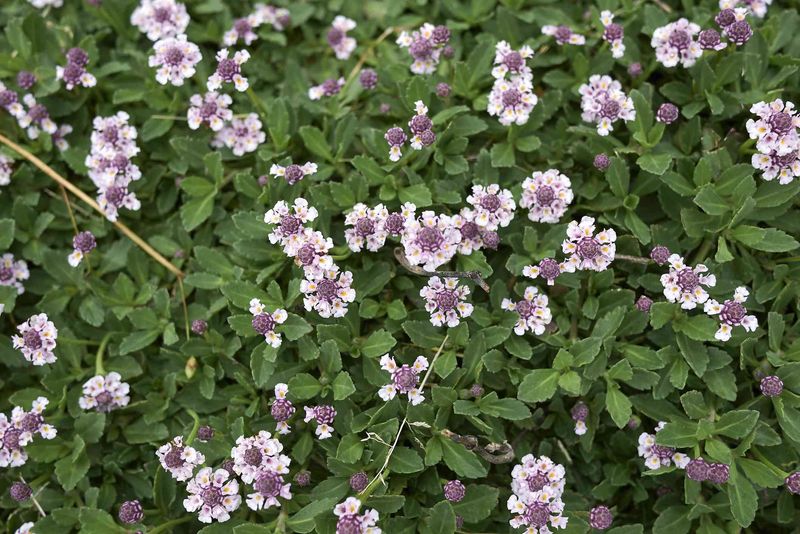
Frogfruit is the scrappy little groundcover that does not ask for applause. It creeps, blooms, feeds small pollinators, and helps replace boring bare sand with something alive.
In Florida yards, that matters more than it sounds. Bare, hot soil can dry out fast, and turf often struggles without irrigation or constant care. Frogfruit can work as a low native groundcover in sunny areas, especially where a softer, more natural lawn edge or path border makes sense.
Its tiny flowers attract a steady stream of small insects during warm weather. While bats are not visiting the flowers themselves, they benefit from yards where insect life is healthy and pesticide use is low. A living ground layer also supports the small food web that keeps a landscape active from morning into night.
Frogfruit stands apart because it works close to the ground. Most bat-friendly planting advice talks about shrubs, vines, and trees, but the lower layer matters too, especially in Florida yards where sand, heat, and mowing can strip habitat down to almost nothing.
Use frogfruit between stepping stones, along bed edges, or as a patchy lawn alternative where foot traffic is light. It may look informal, but that casual habit is part of its charm and part of its value.
6. Simpson’s Stopper
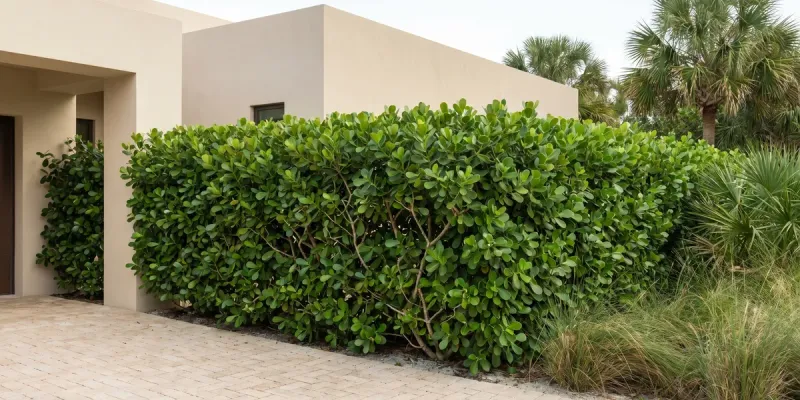
There is something wonderfully old-Florida about Simpson’s stopper. It looks polished enough for the front yard, yet it quietly feeds birds, pollinators, and the nighttime food chain without making a scene.
This native evergreen shrub or small tree produces small white flowers followed by red-orange berries. The blooms draw insect visitors, and the dense growth offers structure in a wildlife-friendly yard. For homeowners who want habitat without a messy, overgrown look, Simpson’s stopper is one of the best-behaved choices.
Its difference is formality. Many bat-supporting plants lean wild, loose, or meadow-like, but Simpson’s stopper can fit neatly into a hedge, privacy screen, or foundation planting. That makes it useful in HOA neighborhoods or tidy suburban landscapes where a wilder patch might not pass the neighbor test.
Florida gardeners also appreciate its toughness once established. It tolerates sun to part shade, handles sandy soil, and has good salt tolerance, which is helpful near the coast. During storm season, a well-rooted native shrub is often a better long-term bet than shallow-rooted, thirsty ornamentals.
Plant it where it can mature naturally, then prune lightly rather than shearing off every flower bud. More blooms mean more insects, and more evening insects can help keep bats cruising through your yard.
7. Wild Coffee
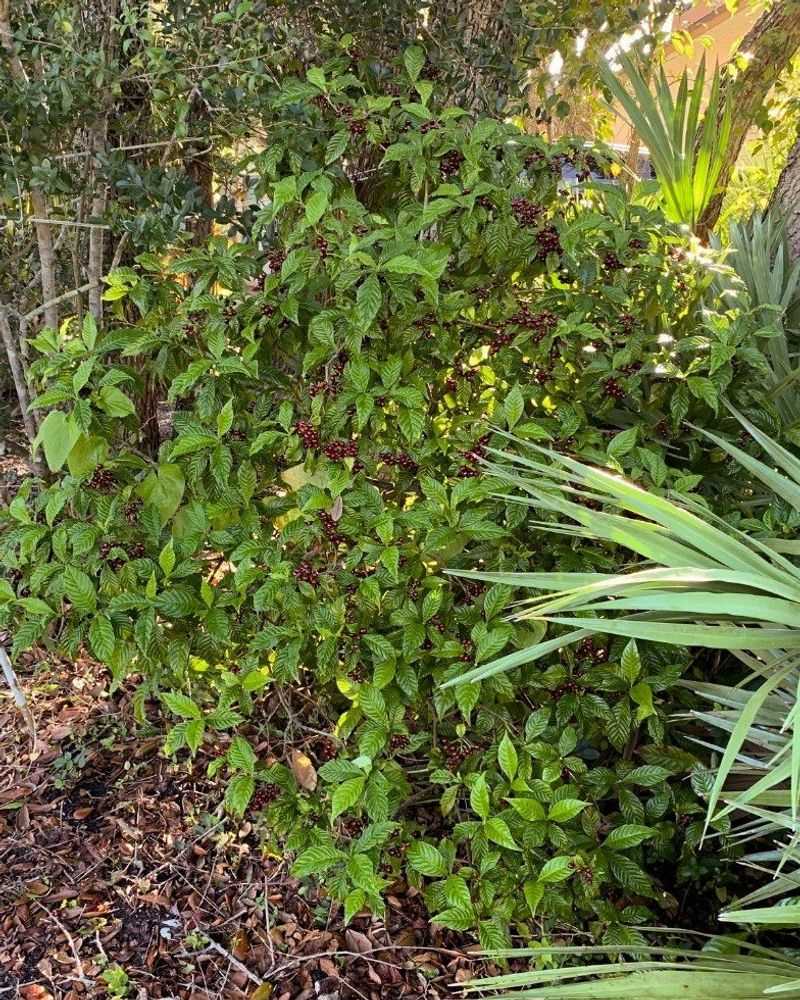
Shade can feel like wasted space when you are trying to build a wildlife garden, but wild coffee turns that problem around. Under oaks, palms, or the north side of a house, it brings glossy leaves and habitat value to places where sun-loving flowers would sulk.
Wild coffee is native to Florida and works especially well in Central and South Florida, with protection from hard freezes in colder areas. Its small white flowers attract pollinators, and its red berries are useful for birds. That layered wildlife activity helps create the kind of yard where bats are more likely to find insects at dusk.
The standout feature is shade tolerance. Mosquitoes often bother people in shady patios and side yards, so adding a native shrub that performs in lower light helps you improve those exact spaces without forcing a full-sun planting plan where it does not belong.
Wild coffee prefers well-drained soil with some organic matter, so mix compost into very poor sand at planting and mulch with pine straw or leaves. Avoid soggy spots, and water during establishment before easing off.
One fun twist: despite the name, wild coffee is not the plant used for your morning cup. Think of it instead as a quiet understory shrub that helps your yard serve dinner for bats, one tiny insect at a time.